
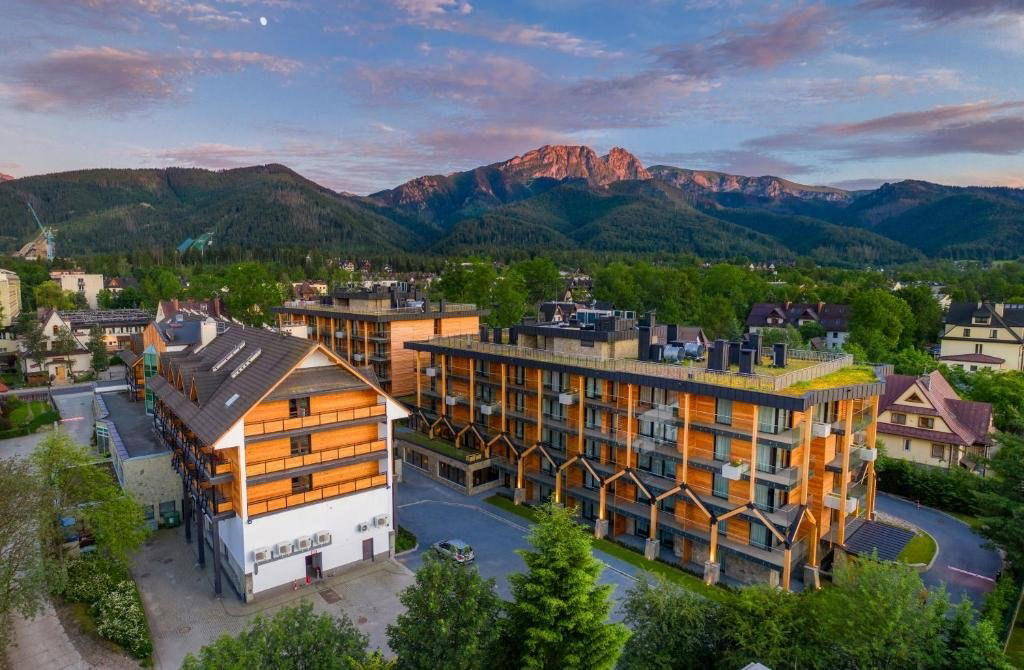
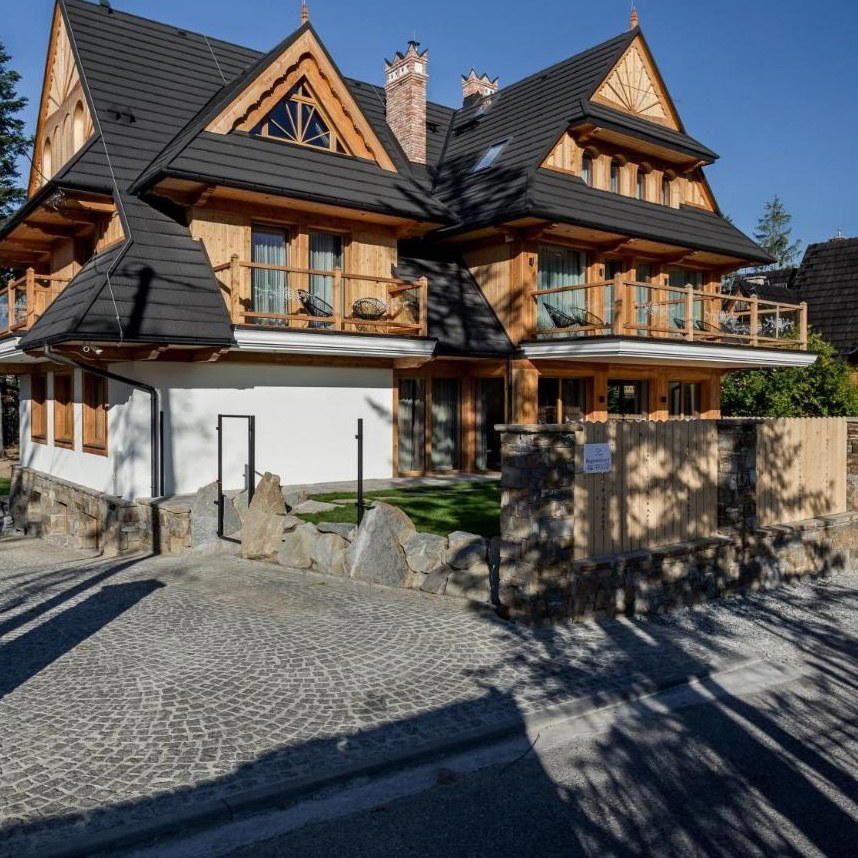
A Michelin Selected apartment-hotel on ul. Henryka Sienkiewicza in the heart of Zakopane, Villa T Apartments & SPA sits within walking distance of the town's main thoroughfare and the Tatras trailhead infrastructure. The property combines self-catering apartment formats with spa access, placing it in a tier of Polish mountain accommodation that prizes flexibility alongside recognised quality standards.
Pearl is the En Primeur Club membership app — saves, bookings, and concierge access live there. Same editors, same standards.
- Address
- ul. Henryka Sienkiewicza 7, Zakopane, Poland
- Phone
- +48 660 700 205
 Saves & bookings on Pearl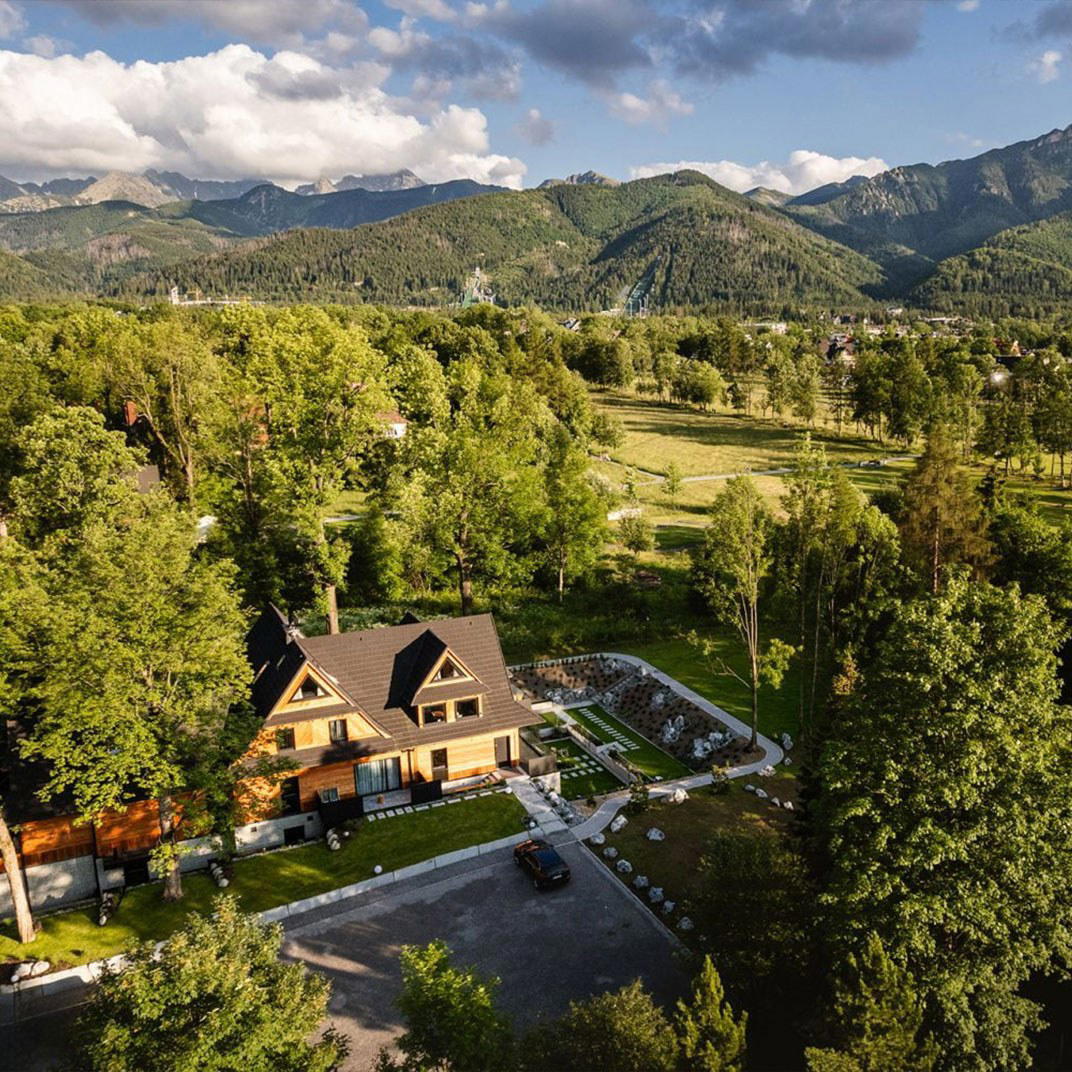
Zakopane's Apartment-Hotel Model and Where Villa T Sits in It
Poland's premier mountain resort has, over the past decade, developed a distinct accommodation tier that sits between standard hotel rooms and private chalet rentals. Properties offering apartment formats with shared spa facilities have proliferated along the Tatra foothills, drawing both weekend visitors from Kraków and Warsaw and longer-stay guests who prefer kitchen access and more spatial freedom than a conventional hotel room provides. Villa T Apartments & SPA, at ul. Henryka Sienkiewicza 7, is a 14-room hotel in Zakopane with apartment-style accommodation and spa facilities.
Michelin Selected is not a participation award. The guide's hotel programme applies the same editorial rigour as its restaurant recommendations, evaluating properties on quality of sleep environment, service attentiveness, and overall experience coherence. For Zakopane specifically, a town where accommodation quality ranges from basic pensions to full-service resort hotels, that selection signals that Villa T has cleared a threshold its many competitors along the same street have not. Comparable properties in the same Polish mountain category include Aries Hotel & SPA Zakopane and Nosalowy Park Hotel & Spa, both of which compete in overlapping guest segments.
Arriving in Zakopane: The Town Context
Zakopane sits at roughly 850 metres above sea level at the northern edge of the Tatra National Park, a two-hour drive south of Kraków. The town functions as Poland's year-round mountain destination: winter brings skiers targeting Kasprowy Wierch and Gubałówka; summer pulls hikers heading into high-Tatra routes toward Morskie Oko and Giewont. The shoulder months, October and April in particular, carry quieter streets but rarely empty ones, since the region's highland food traditions, thermal bathing culture, and Górale architectural character draw visitors beyond peak sports seasons.
Sienkiewicza street, where Villa T is addressed, runs as one of the town's central arteries, connecting the main pedestrian zone of Krupówki with the residential and accommodation districts that fan toward the mountain approaches. That position is logistically direct: Krupówki's concentration of regional food stalls, restaurants serving oscypek (the smoked sheep's-milk cheese with Protected Designation of Origin status), and the town's characteristic wooden architecture are within walking distance. For guests who arrive by car, the predominant mode from Kraków and the broader Małopolska region, parking logistics in central Zakopane are a known friction point, particularly on winter weekends, making an in-town address at a property with its own facilities more practical than it might initially appear.
The Spa-Integrated Mountain Stay
The convergence of wellness infrastructure with mountain-adjacent accommodation is not incidental in Zakopane. The Tatra region has a documented history as a therapeutic destination stretching back to the late nineteenth century, when the town developed as a sanatorium location capitalising on clean mountain air. That heritage now manifests commercially in the expectation that any property positioned above the basic pension tier will offer thermal or spa access. Properties that do not, regardless of room quality, compete at a structural disadvantage in the Zakopane market.
Villa T's SPA component, indicated in its name and Michelin listing, aligns with that market expectation. The apartment format, meanwhile, reflects a specific guest preference: visitors arriving for multiple nights, particularly families or small groups, who want the recovery infrastructure of a spa after a day on the trails or slopes but also the flexibility to prepare meals or manage schedules outside of hotel dining hours. This format has grown more common across Polish mountain resorts, and properties that do it with sufficient quality to attract Michelin attention represent a smaller subset. The Rysy Boutique Hotel and Bachleda Residence Zakopane operate in adjacent segments, each with slightly different format emphases.
Regional Food Culture and the Sourcing Tradition Around Zakopane
The ingredient tradition of the Podhale region, the highland area centred on Zakopane, is one of the more coherent and geographically specific in Central Europe. Górale (highland) cuisine is built around a narrow set of ingredients with strong provenance claims: lamb from Tatra flocks, smoked meats prepared using generational methods, and oscypek cheese that, under EU PDO rules, can only be produced between May and September using milk from Polish mountain sheep grazed in designated Tatra and Beskidy pastures. The cheese is typically spindle-shaped, lightly smoked over spruce wood, and sold directly by producers along Krupówki and at weekly markets.
Żurek, a sour rye soup, and kwaśnica, a sauerkraut-based broth traditionally made with smoked ribs, appear across the region's restaurants in forms that vary noticeably by sourcing quality. Establishments using locally sourced pork and naturally fermented kapusta (sauerkraut) produce noticeably different results from those using commercial stock bases. For guests staying in apartment formats, proximity to Zakopane's direct-from-producer markets offers access to those ingredients without intermediary restaurant markups. This is a practical advantage of the apartment hotel format in a region where food provenance genuinely tracks to geography rather than marketing.
Our full Zakopane restaurants guide covers the town's dining options in detail, including where to find consistent regional cooking beyond the tourist-facing Krupówki strip.
Positioning Within Polish Hospitality
Michelin Selected hotel coverage in Poland has expanded in recent years, with recognitions spread across Warsaw, Kraków, Gdańsk, Wrocław, and regional destinations including Zakopane. The diversity reflects Poland's broader hospitality maturation: properties that might once have competed only on price are now differentiated by design approach, service depth, and experiential coherence. In Warsaw, properties like H15 Boutique Hotel operate in an urban luxury register quite different from a Tatra mountain apartment hotel, but the Michelin framework creates a shared credential that helps guests calibrate expectations across city and resort contexts.
Elsewhere in Poland, the range of recognised properties includes Hotel Altus Palace in Wrocław, Hotel H15 Francuski Old Town in Kraków, and coastal properties such as Hilton Gdansk. For mountain-specific context, the Zakopane set also includes Biała Owca, EN Hotel, Stary Niedźwiedź, and Rezydencja Nosalowy Dwór, each occupying a slightly different niche within the same destination market. Beyond Poland, EP Club covers comparable mountain-adjacent spa-hotel formats internationally, including properties at the level of Badrutt's Palace Hotel in St. Moritz, a useful reference point for understanding how mountain resort hospitality scales across different market tiers.
Planning Your Stay
Zakopane operates on two distinct peak seasons: late December through February for skiing, and July through August for hiking. Accommodation across the town's better properties books out four to eight weeks ahead during those windows, with New Year's Eve commanding the longest lead times, often three months or more for properties with limited capacity. The March to May and September to November windows offer materially easier availability and, in most years, lower rates, while still providing access to open trails and functional mountain conditions. Guests arriving by train from Kraków should note the connection involves a change at Nowy Targ; the drive remains the faster and more flexible option for those carrying gear. For additional options in the broader Polish spa and wellness resort category, properties such as Grano Hotel Solmarina & Apartments in Wiślinka, Pałac Ciekocinko Hotel Resort & Wellness, and Cisowy Zakątek in Sasino offer points of comparison across different Polish regions.
Category Peers
Comparable venues nearby, for context on price, style, and recognition.
| Venue | Cuisine | Price | Awards | Notes |
|---|---|---|---|---|
| Villa T Apartments & SPAThis venue — the venue you are viewing | Boutique luxury apartments with resort amenities in city center | $$$ | Not listed | Not listed |
| Biała Owca | Modern boutique villa blending contemporary comfort with traditional Highland charm | $$$ | Not listed | near Krupowki Street |
| Villa Milimani - Zakopane | Century-old wooden chalet transformed into a stylish adults-only boutique guesthouse on the wooded outskirts of Zakopane. | $$$ | 3-Star | Droga Do Walczaków |
| Rezydencja Nosalowy Dwór | Contemporary alpine resort with traditional highland influences; multi-facility complex offering varied accommodation standards from 3-5 stars. | $$$ | 4-Star | Zakopane, near Nosal mountain |
| Villa Nova | Modern design hotel blending simplicity and style in a mountain setting | $$$ | 3-Star | Krupowki |
| Nosalowy Park Hotel & Spa | Historic villa with modern extension in beech park | $$$$ | 5-Star | Krupówki |
Recognition history
Dated appearances from independent guides and award organizations, with the underlying list record or original source where available.
Michelin Selected
Michelin
Continue exploring
More in Zakopane
Hotels in Zakopane
Browse all →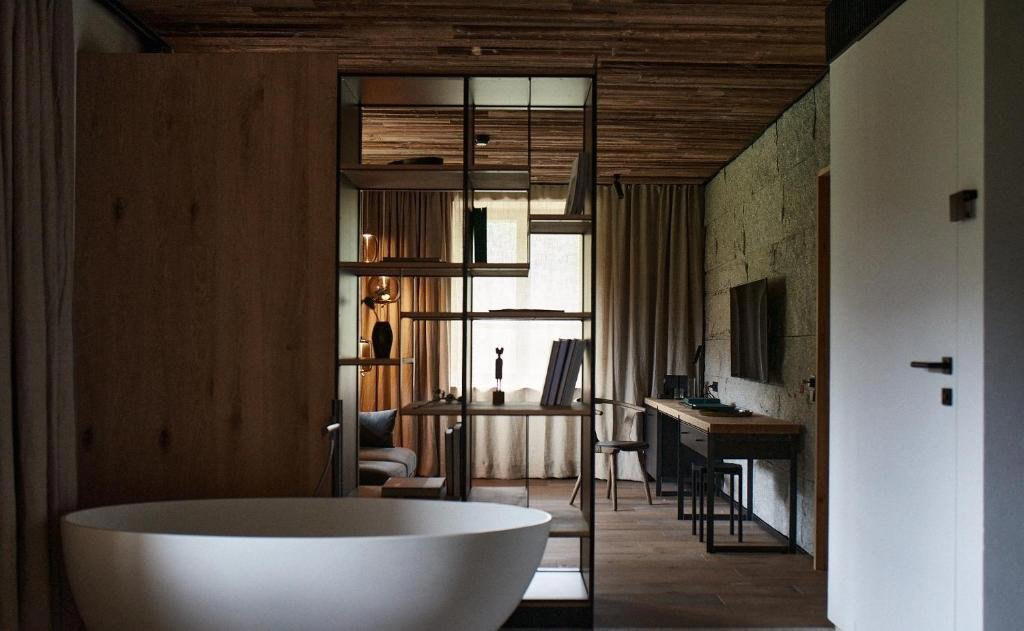
At a Glance
- Modern
- Cozy
- Elegant
- Scenic
- Intimate
- Romantic Getaway
- Wellness Retreat
- Weekend Escape
- Panoramic View
- Terrace
- Spa
- Sauna
- Hot Tub
- Massage
- Wi Fi
- Parking
- Restaurant
- Garden
- Mountain
- Spa
- Sauna
- Hot Tub
- Massage
- Wi Fi
- Parking
- Restaurant
- Garden
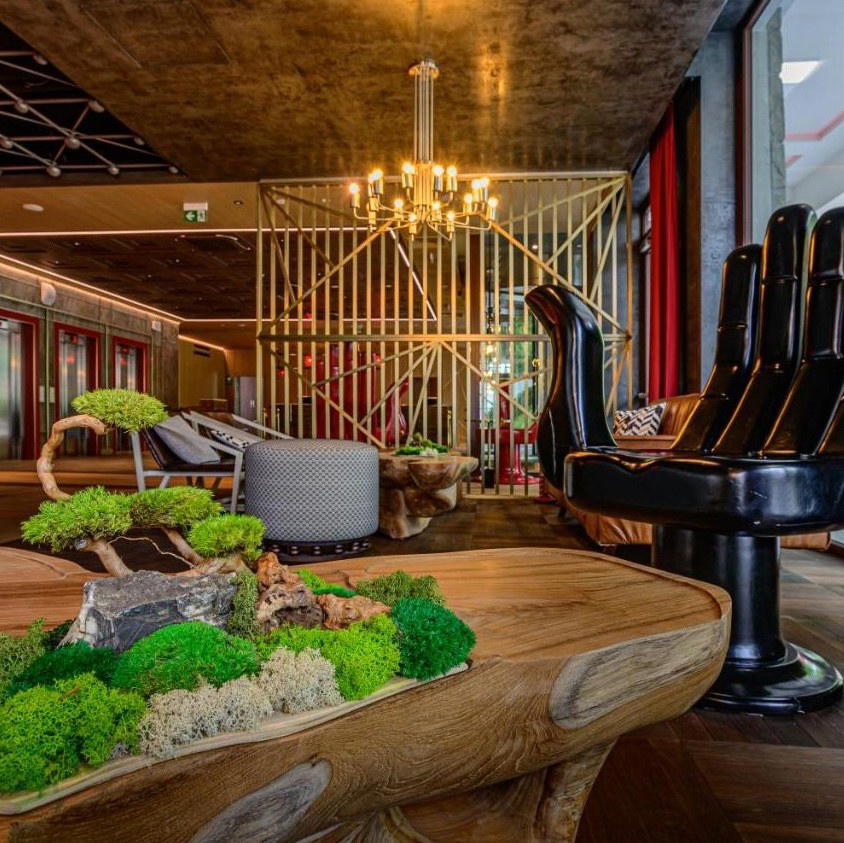
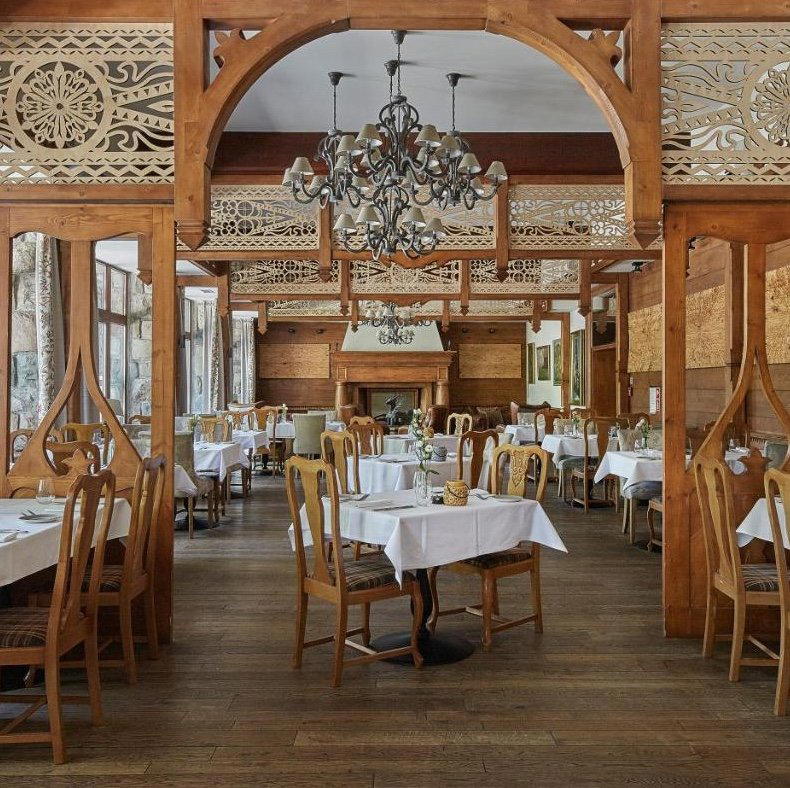
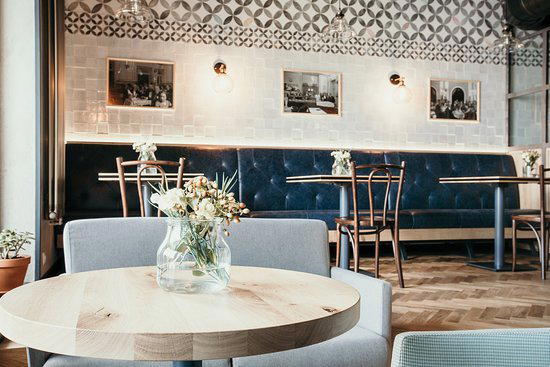
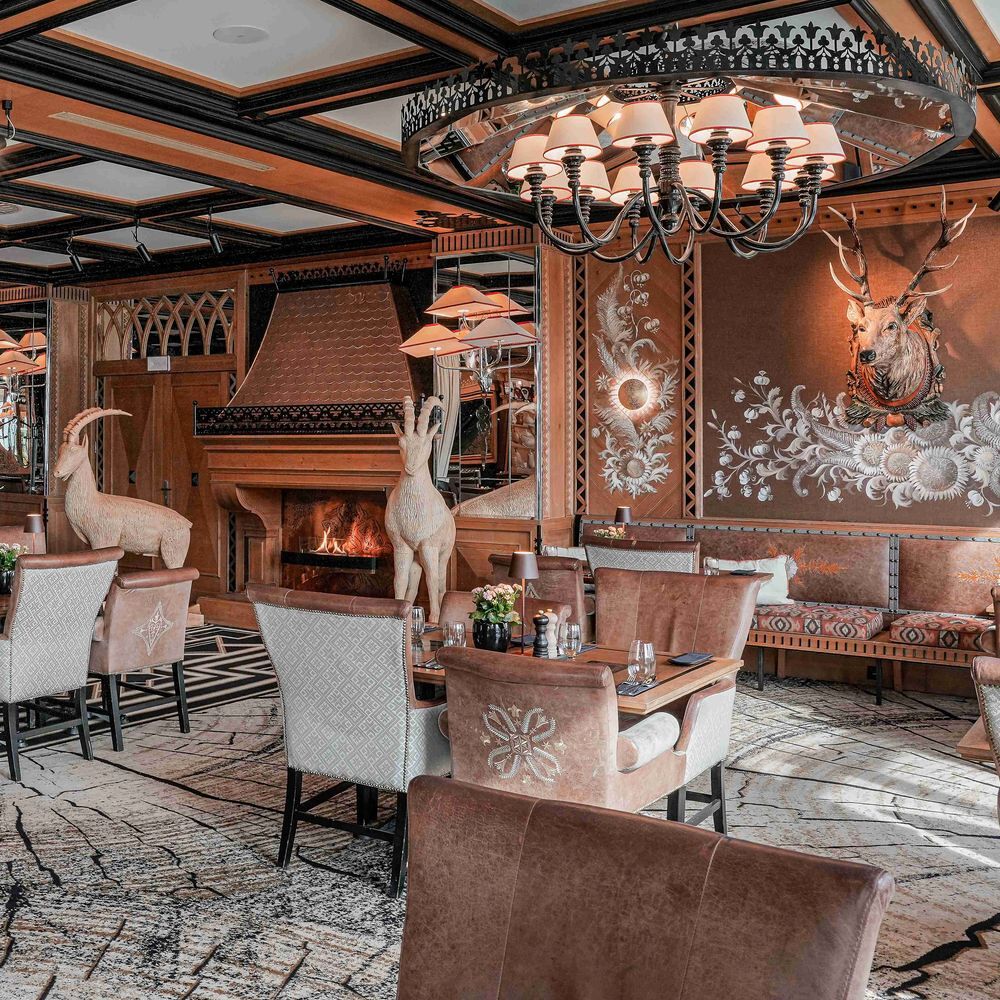
Modern, spacious interiors with thoughtful design, spa sauna offering dramatic mountain views, and a relaxing, refined atmosphere.