
Stary Niedźwiedź holds a 2025 Michelin Bib Gourmand, placing it among a small group of mountain-region restaurants in Poland where serious cooking meets accessible pricing. For a town better known for smoked sheep's cheese and tourist-trail góralska fare, this level of recognition carries real weight.
Pearl is the En Primeur Club membership app — saves, bookings, and concierge access live there. Same editors, same standards.
- Address
- Strążyska 33A, 34-500 Zakopane, Poland
- Phone
- +48 696 001 122
- Website
- instagram.com
- Directions
- Get directions
 Saves & bookings on Pearl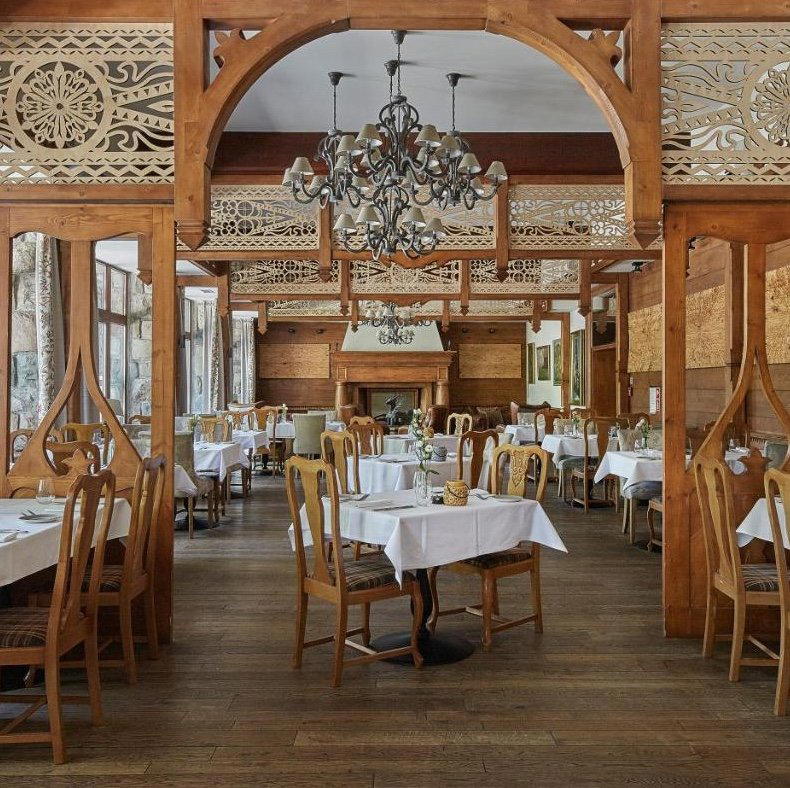
Where the Tatra Mountains Meet Modern Polish Cooking
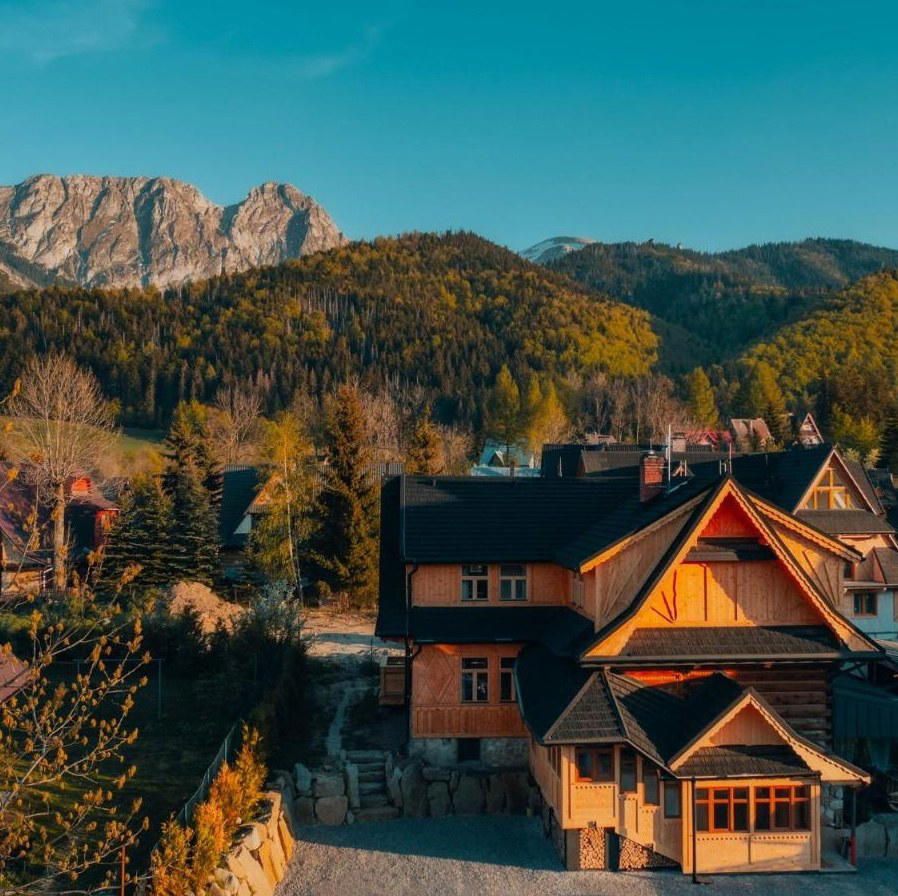
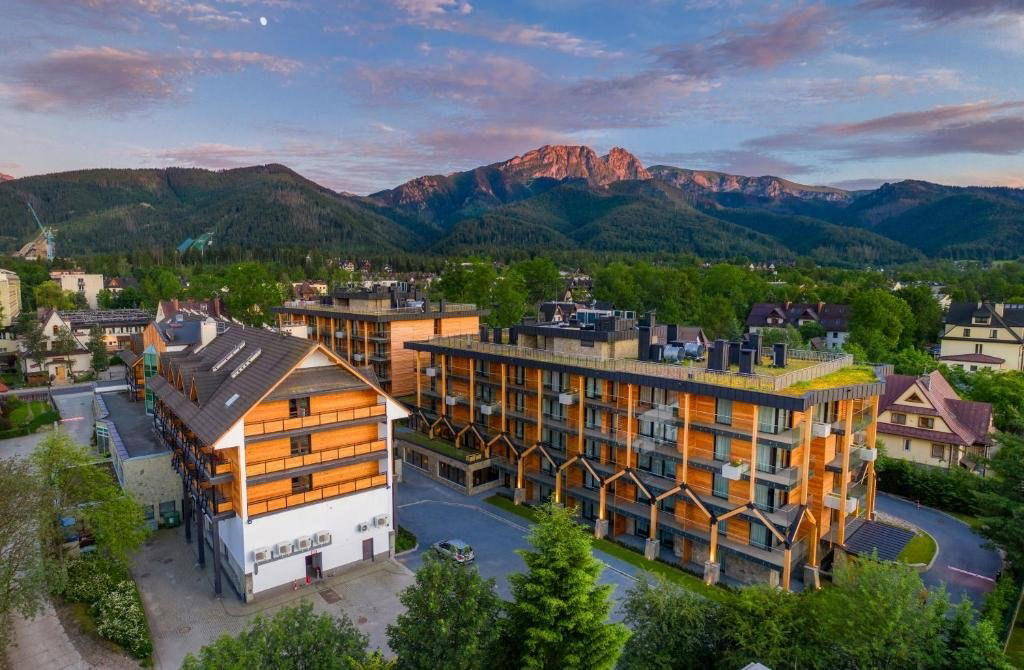
Strążyska is one of Zakopane's quieter approach roads, running toward the valley trails rather than the commercial centre along Krupówki. Arriving at Stary Niedźwiedź, the name translates as The Old Bear, you're in a part of town where the architecture still reads as working highland Poland rather than ski-resort pastiche. That setting matters. The Podhale region has among the more codified food cultures in the country: żurek with smoked sausage, bundz (fresh sheep's cheese), oscypek grilled over open fire, and slow-cooked mutton that traces its lineage directly to the Wallachian shepherds who settled these slopes centuries ago. A restaurant earning a Michelin recognition in this context is working with a specific culinary inheritance.
The Bib Gourmand in Context
Poland's Michelin coverage has expanded steadily since the guide entered the country in 2023, and the Bib Gourmand category has become a useful signal for where serious cooking intersects with value. The 2025 Bib Gourmand recognises restaurants delivering quality above their price bracket, as a deliberate endorsement of a particular cooking standard at the €€ tier. Stary Niedźwiedź sits in that category alongside restaurants in larger Polish cities that have invested heavily in sourcing and technique. For Zakopane specifically, the recognition is notable: the town's dining scene has historically been oriented around volume tourism, and most visitors eat in one of the many regional inns (karczma) offering standardised versions of highland cuisine. A Bib Gourmand award signals a kitchen operating on a different register entirely.
For comparison, Giewont in nearby Kościelisko operates at the €€€ tier with modern cuisine, illustrating how the Tatra foothills are producing a small but coherent cluster of serious restaurants. The two form a niche comparable set in a region where dining ambition has traditionally been in short supply.
Modern Cuisine in a Highland Setting
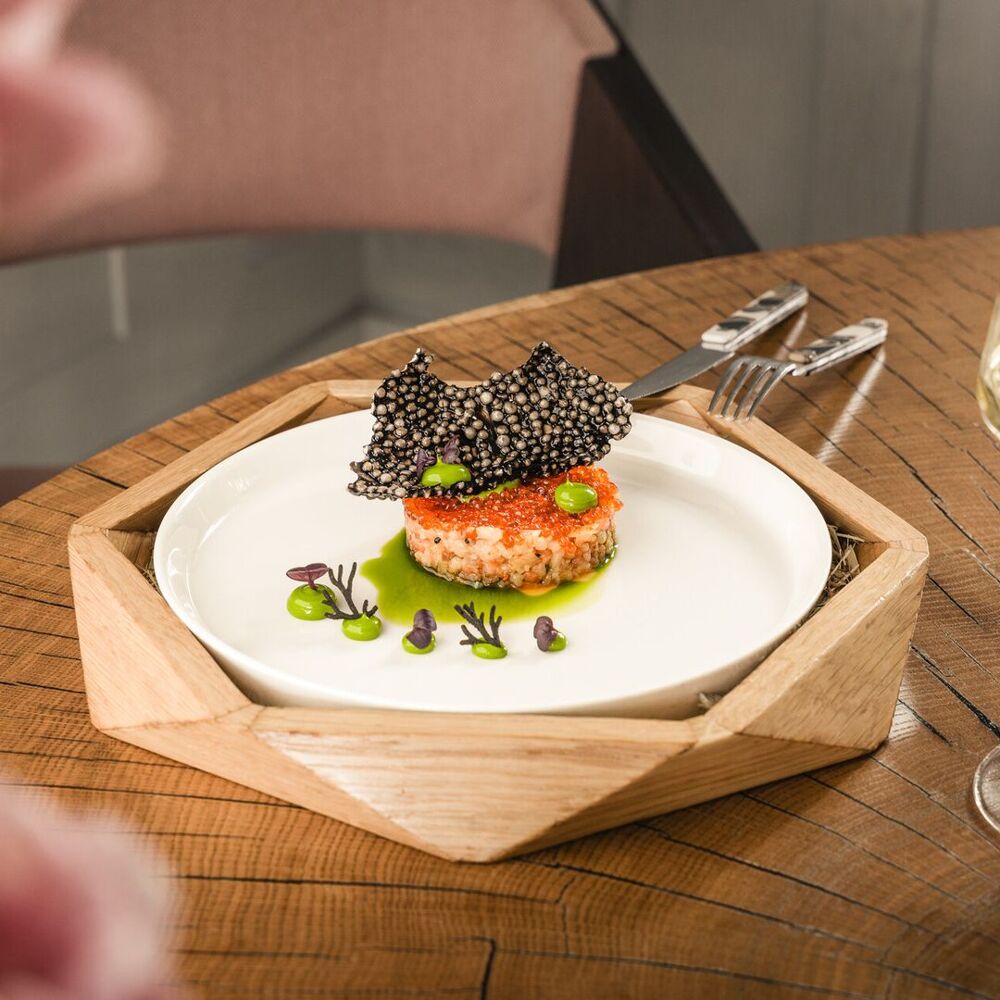
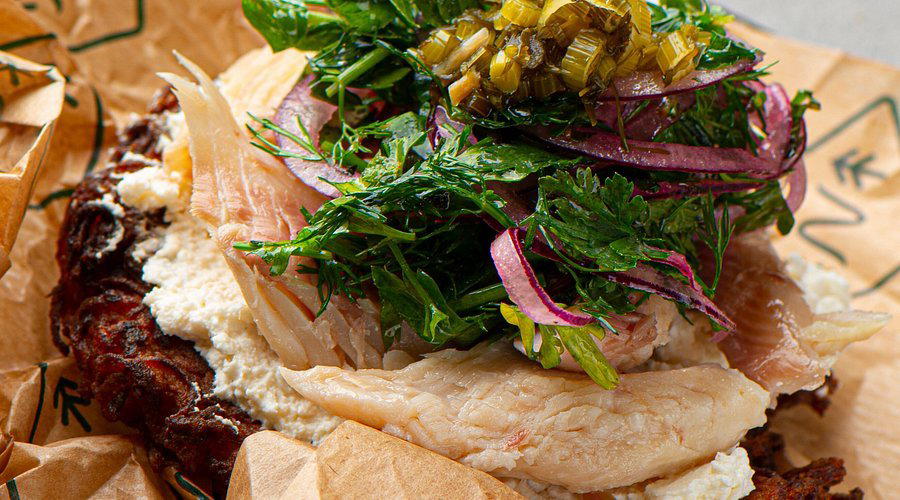
The cuisine classification at Stary Niedźwiedź is modern, which in a Podhale context means something specific: the raw materials of the mountains, the dairy traditions, the smoked and cured proteins, the foraged herbs and fungi from the lower slopes of the Tatras, processed through contemporary technique rather than folkloric habit. This is the direction that Polish cooking has moved in broadly over the past decade, and it has found its most visible expression in urban restaurants. That the approach has taken root in Zakopane, a mountain town of roughly 27,000 permanent residents with a significant but seasonal tourist base, reflects a wider pattern across Central European mountain destinations where local-produce cooking has found an audience willing to pay for it.
Mountain-town restaurants in tourist destinations tend to accumulate reviews quickly from visitors who have limited local context for comparison. A 4.7 aggregate across that volume, alongside Michelin recognition, suggests consistent execution rather than occasional excellence.
Zakopane's Culinary Geography
Understanding where the restaurant sits in Zakopane requires some sense of how the town eats. The pedestrianised main strip, Krupówki, is dense with karczma-style restaurants and cafés that trade heavily on regional identity: wooden interiors, live folk music, grilled oscypek served at outdoor stalls. That economy is real and serves millions of visitors annually. But alongside it, a quieter tier of eating has developed in the town's residential and trail-adjacent streets. These restaurants draw a different crowd: hikers and climbers staying in Zakopane for multiple nights, domestic travellers from Kraków and Warsaw who know the Polish fine-dining scene from venues like Bottiglieria 1881 in Kraków, and a growing international visitor base engaging with Poland's mountain culture more deliberately. The restaurant's address on Strążyska, close to the start of the valley trail, places it firmly in that second category.
The broader national picture is relevant too. Poland's modern cuisine scene now spans multiple cities with distinct identities: Arco by Paco Pérez in Gdańsk, hub.praga in Warsaw, Muga in Poznań, Acquario in Wrocław, and 1911 Restaurant in Sopot represent the range. What Zakopane contributes to that picture is a regional-ingredients story that no urban restaurant can replicate: the sheep dairy cooperatives of the Podhale, the wild mushroom and herb ecology of the Tatras, and a smoked-meat tradition that predates any culinary trend by several centuries. Restaurants working seriously in this context are building on material that is genuinely place-specific, a contrast to the sourcing narratives that urban modern-cuisine kitchens often construct at some remove from the actual producer.
Planning Your Visit
The restaurant operates in the €€ price bracket, meaning a full meal for two with drinks typically falls below the threshold of the region's more formal dining options. That positioning, combined with Michelin recognition, creates strong demand in peak seasons. Zakopane sees its highest visitor volumes in winter (December through February, aligned with ski season at Kasprowy Wierch and Gubałówka) and in summer (July and August, when the Tatra trail system is at full capacity). Booking ahead is advisable in both windows; walking in during a January Saturday evening or a mid-August lunch service carries real risk. Spring and autumn shoulder periods offer more flexibility and better conditions for the mountain-sourced ingredients that modern Podhale cooking depends on, the autumn mushroom season in particular runs from September through October and represents a high point in the regional food calendar.
The address at Strążyska 33A is walkable from the town centre and directly on the route toward the Strążyska Valley trail. For a Zakopane-adjacent modern cuisine comparison, Giewont in Kościelisko is the natural reference. If the modern-Polish approach interests you more broadly, Drukarnia Smaku Cristina offers another angle on contemporary cooking in Zakopane itself.
Price Lens
Comparable venues nearby, for context on price, style, and recognition.
| Venue | Cuisine | Price | Awards | Notes |
|---|---|---|---|---|
| Stary Niedźwiedź | Not listed | $$ | Bib Gourmand | Strążyska Valley, Modern European Fine Dining |
| Drukarnia Smaku Cristina | Not listed | $$$ | Not listed | Plac Niepodległości, Modern Polish with International Influences |
| SPOT. | Not listed | $$ | Bib Gourmand | Wilda, Modern European with Polish influences |
| Vamos! | Not listed | $$ | Michelin Plate | Kazimierz, Modern Mediterranean Sharing Plates |
| Fiorentina | Stare Miasto, Modern Polish Fine Dining | $$$ | Michelin Plate | Not listed |
| dinette | Old Town, Modern European Bistro | $$ | Michelin Plate | Not listed |
Recognition history
Dated appearances from independent guides and award organizations, with the underlying list record or original source where available.
Michelin Bib Gourmand
Michelin
Michelin Bib Gourmand
Michelin
Continue exploring
More in Zakopane
Restaurants in Zakopane
Browse all →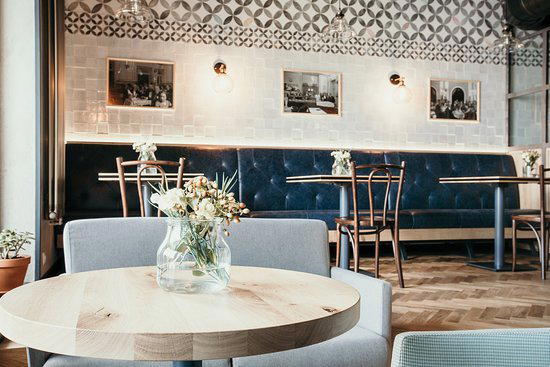
At a Glance
- Romantic
- Elegant
- Cozy
- Modern
- Date Night
- Special Occasion
- Group Dining
- Private Dining
- Garden
- Panoramic View
- Hotel Restaurant
- Terrace
- Sommelier Led
- Local Sourcing
- Mountain
- Garden
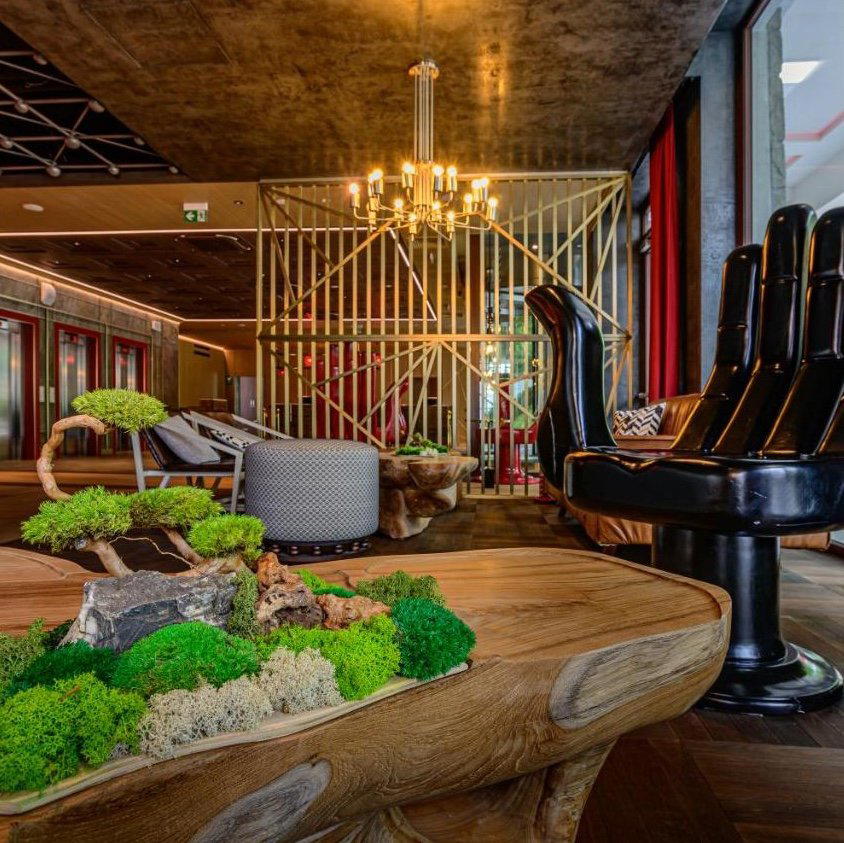
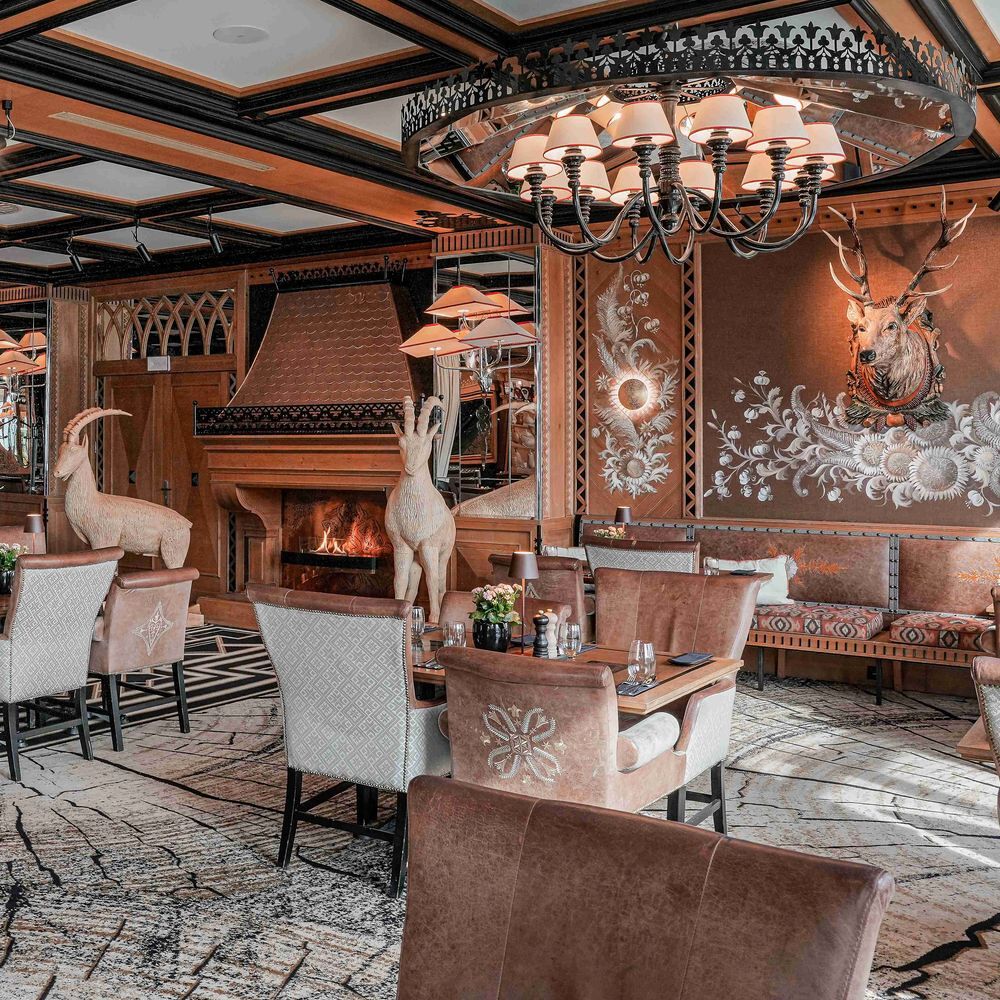
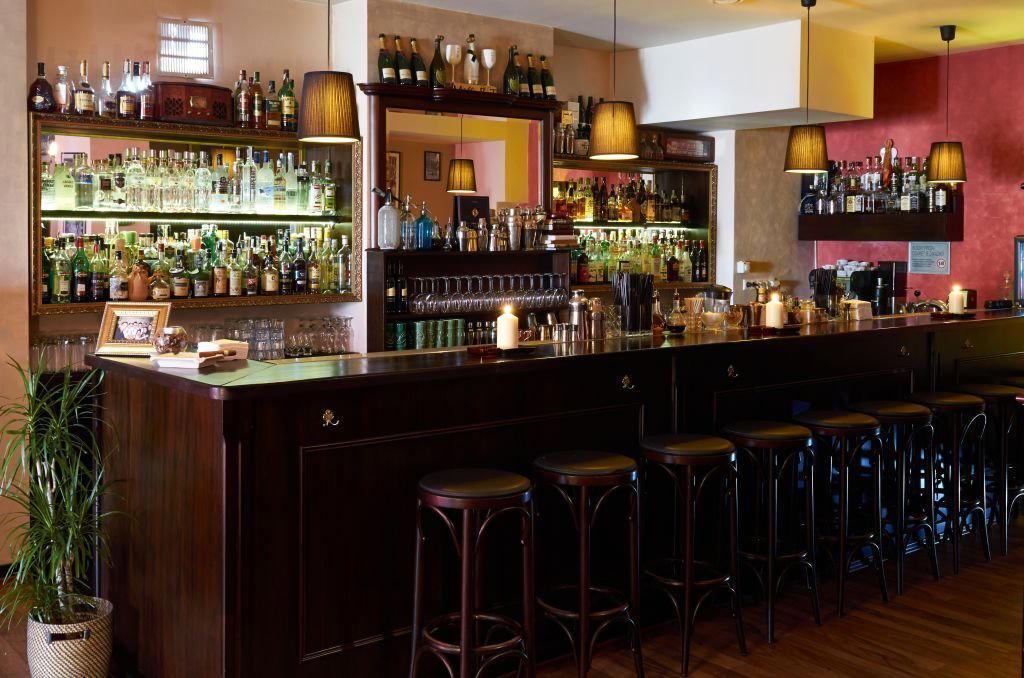
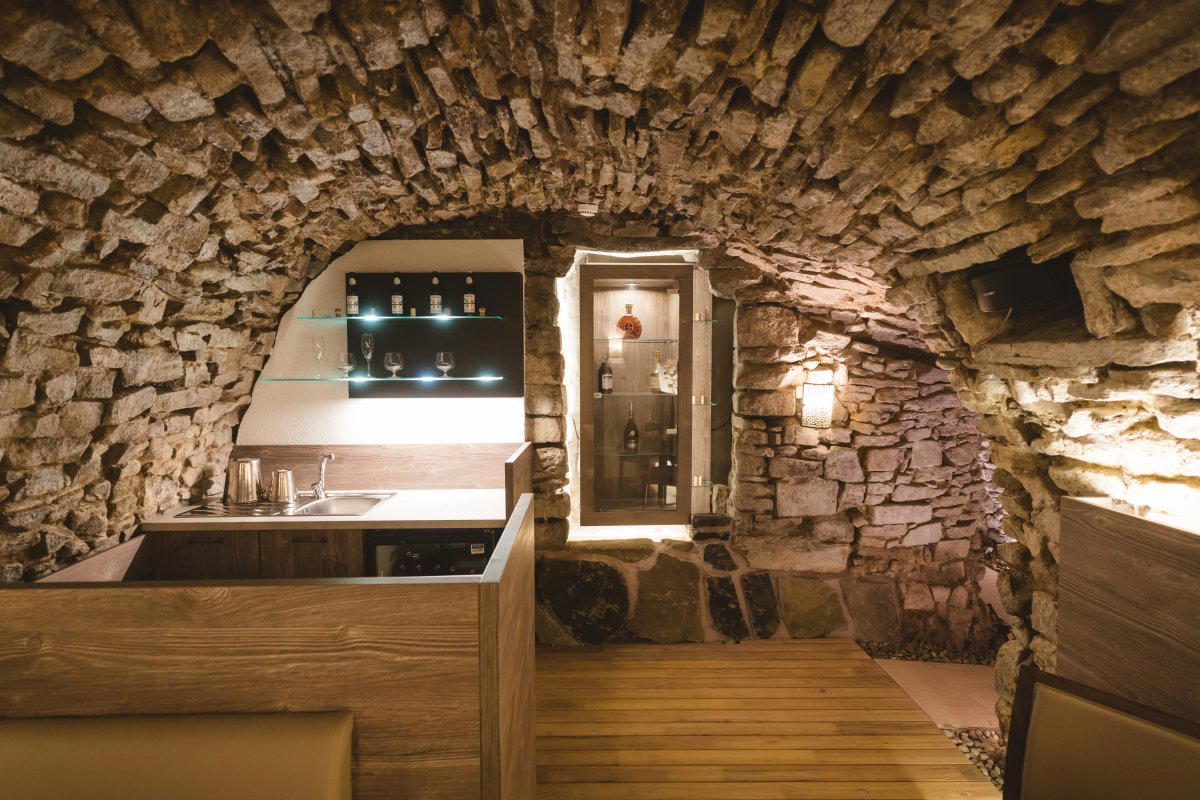
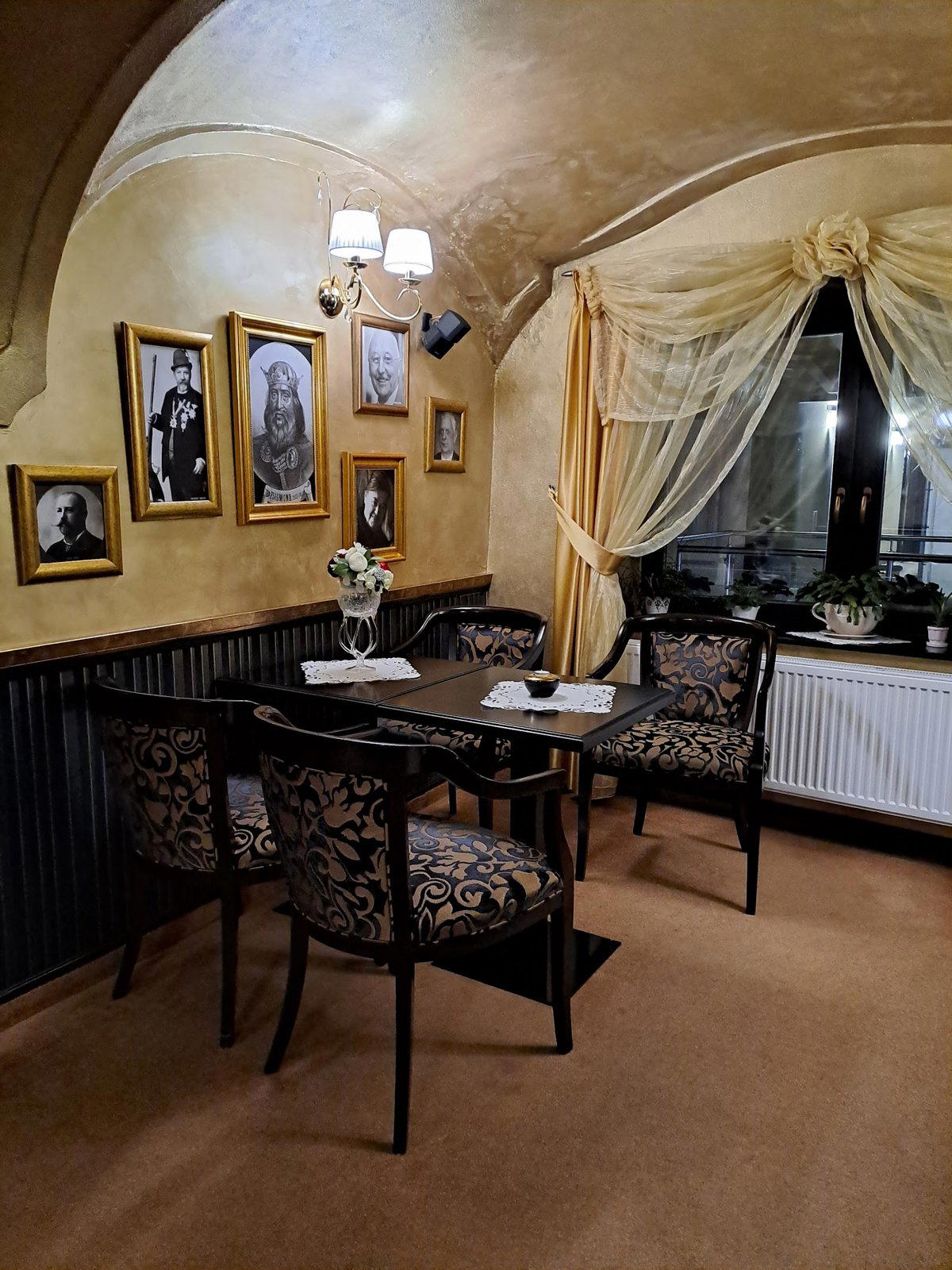
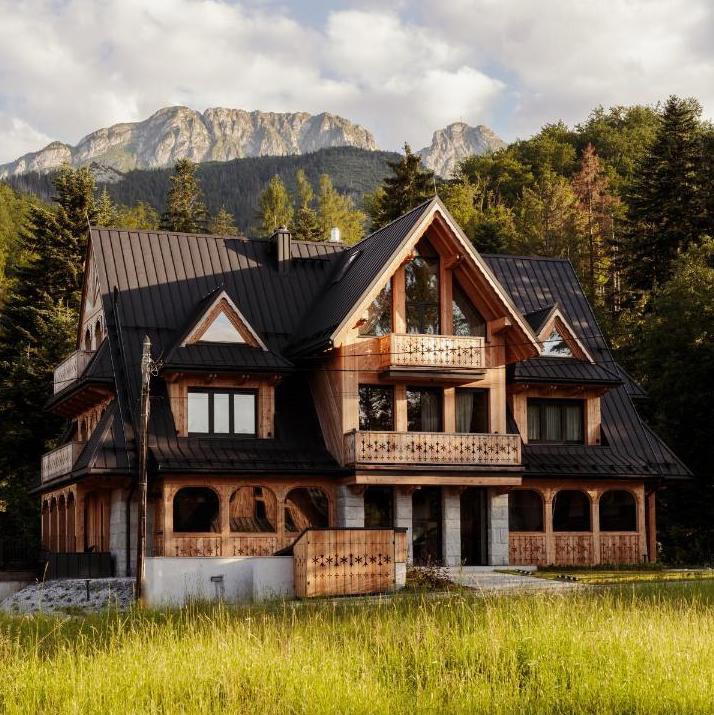
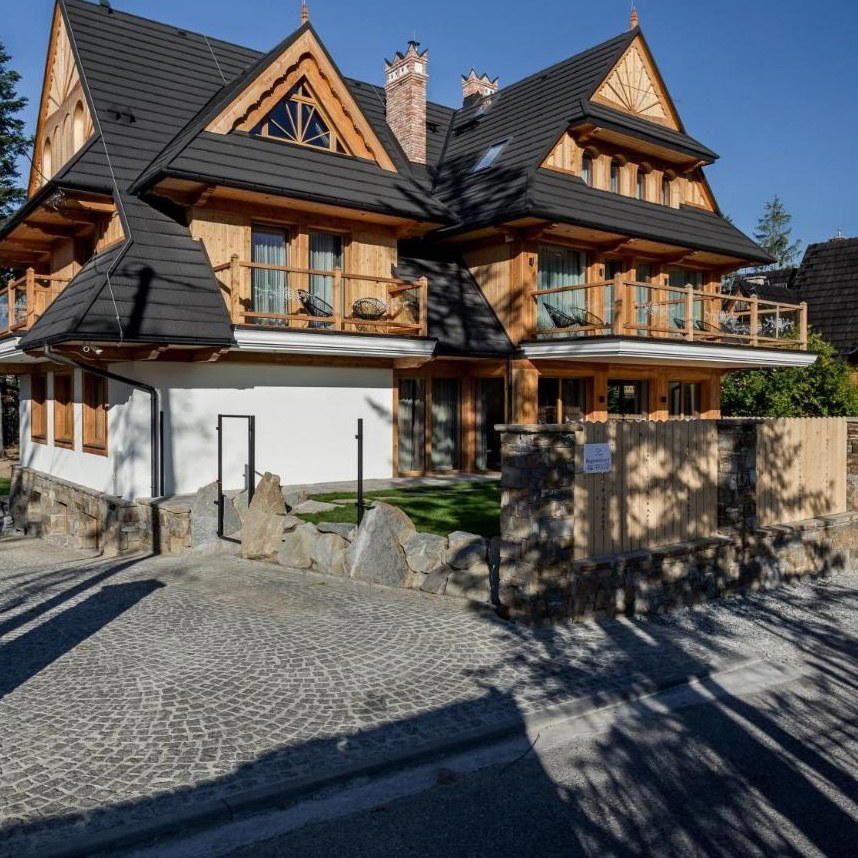
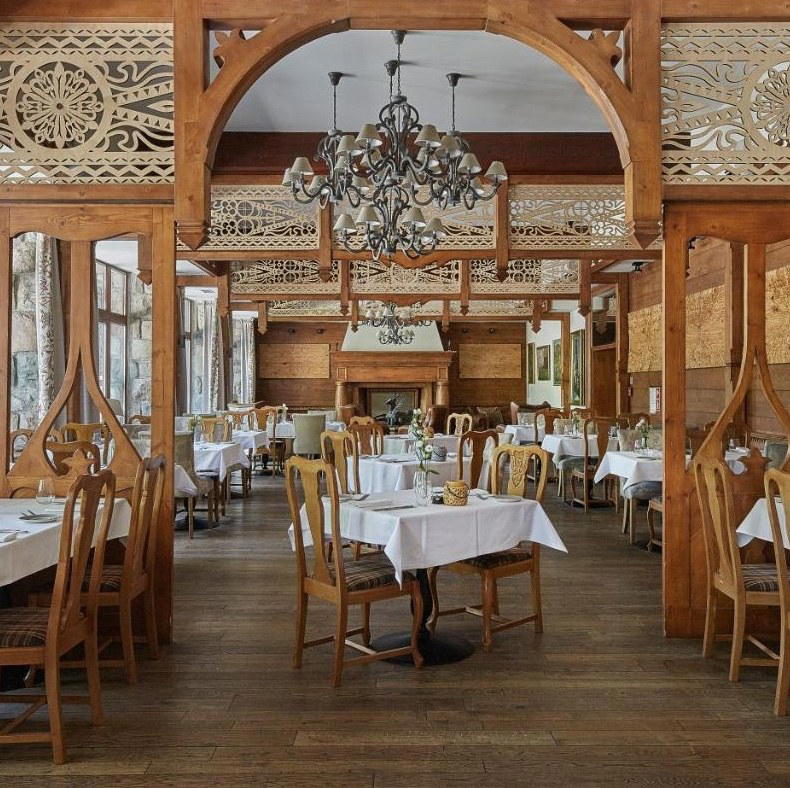
Warm and inviting basement setting with crackling log fire, Nordic-inspired design, elegant yet relaxed atmosphere with garden views and mountain backdrop.