Victoria-Jungfrau Grand Hotel & Spa

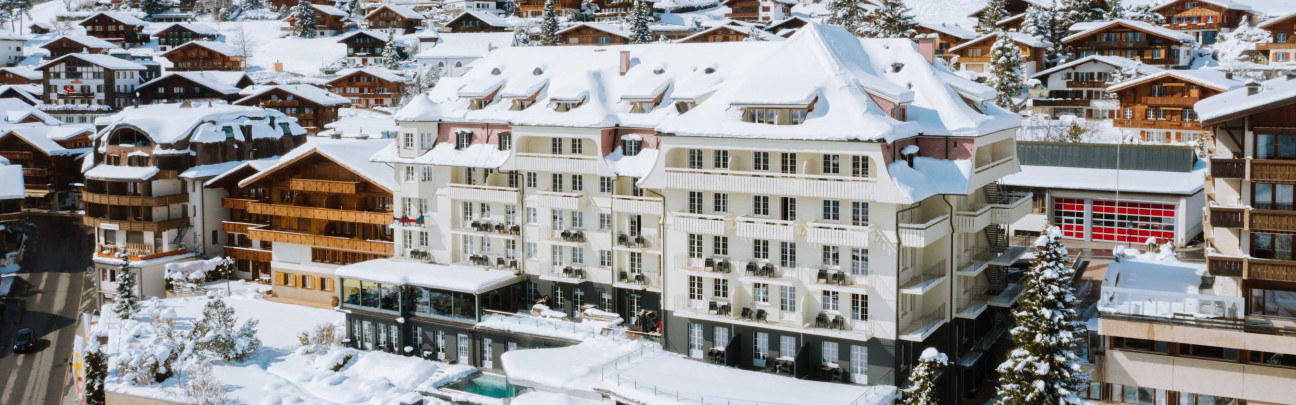
The Victoria-Jungfrau Grand Hotel & Spa has anchored Interlaken's Höheweg since the nineteenth century, occupying a position where Belle Époque architecture meets direct views of the Jungfrau massif. Among Switzerland's grand historic hotels, it sits in the upper tier of properties that have maintained their original scale and spatial ambition. Advance planning is advisable, particularly across summer and winter high seasons.
 Discover on Pearl
Pearl is the En Primeur Club membership app — saves, bookings, and concierge access live there. Same editors, same standards.
- Address
- Höheweg 41, 3800 Interlaken, Switzerland
- Phone
- +41 33 828 28 28
- Website
- victoria-jungfrau.ch
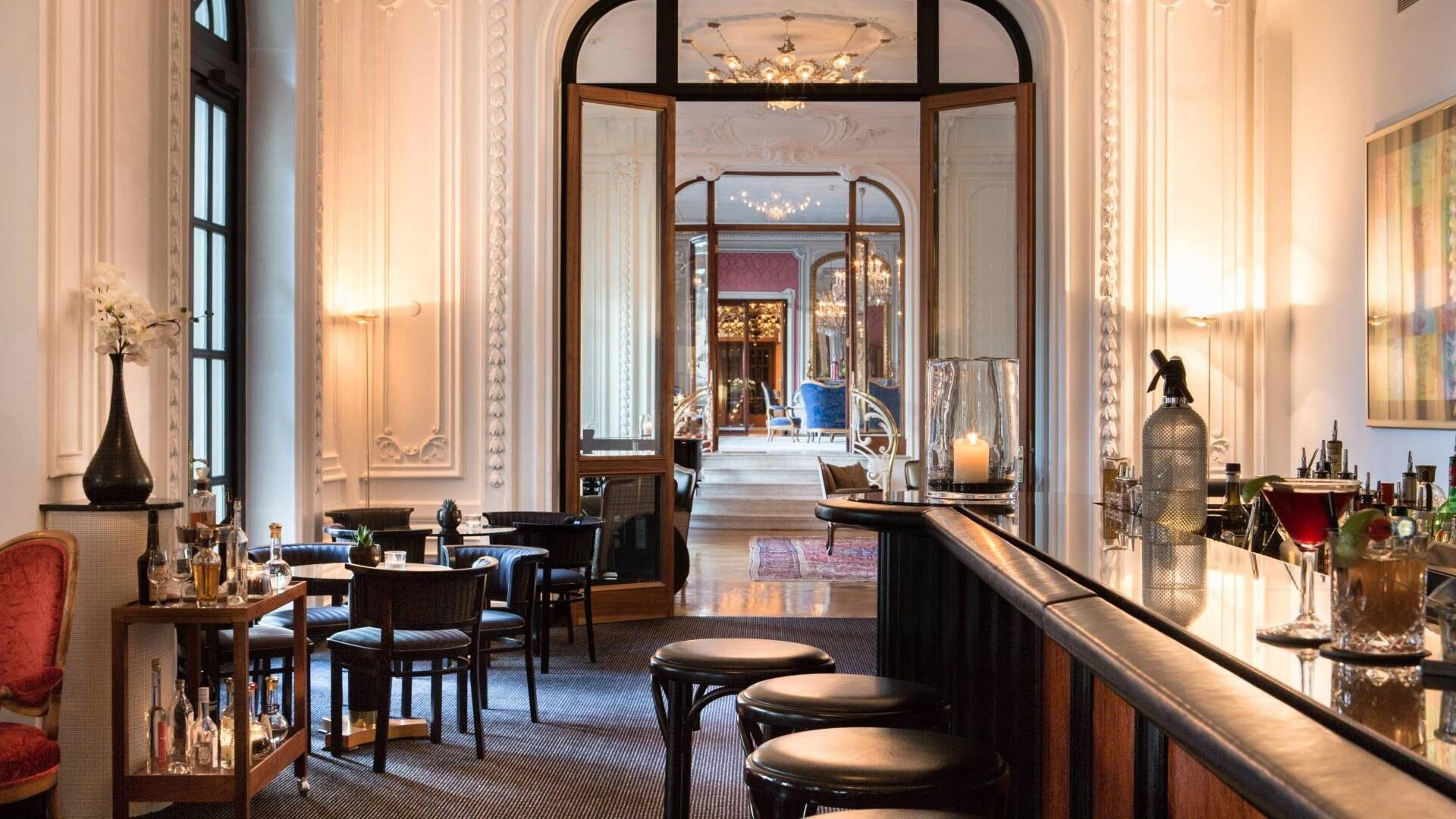
A Palace on the Höheweg
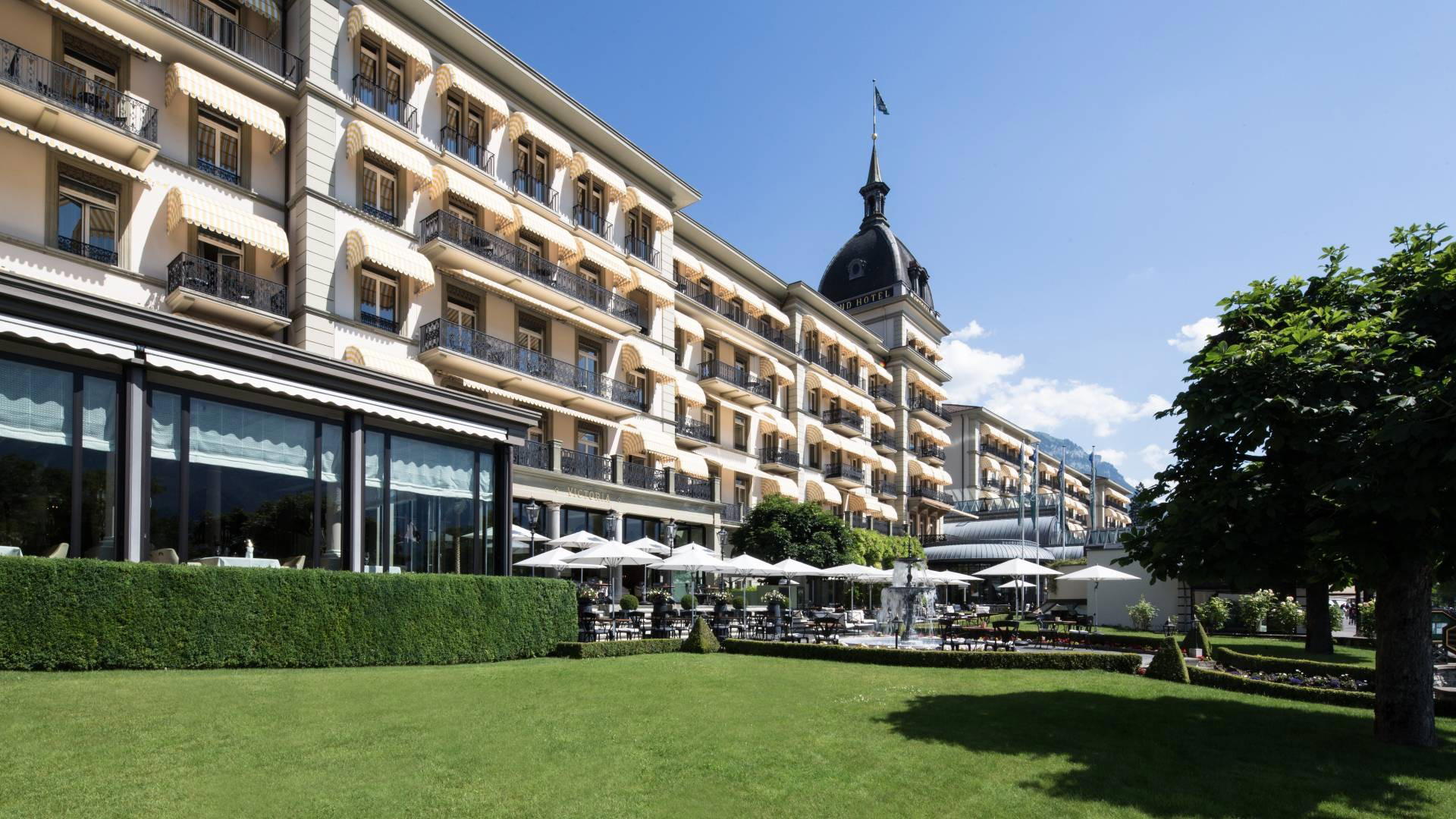
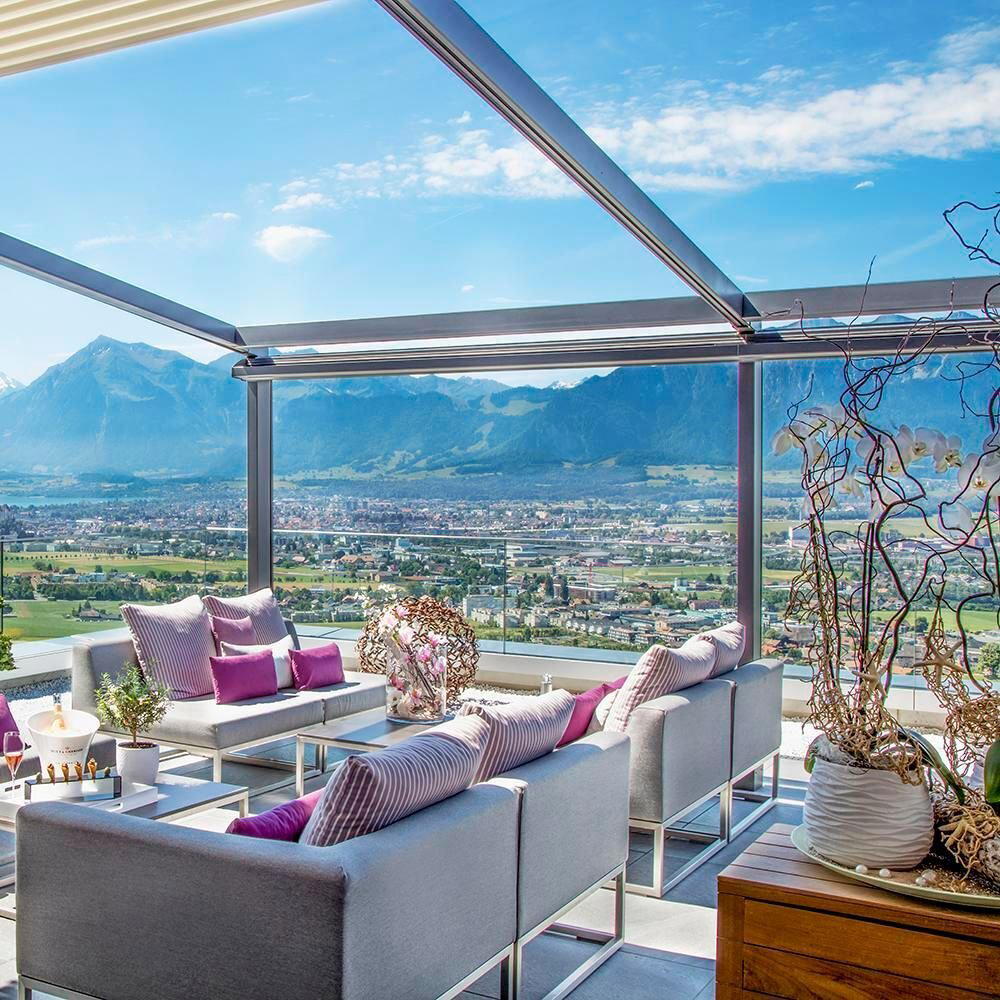
Victoria-Jungfrau Grand Hotel & Spa is a luxury hotel in Interlaken, Switzerland, on the Höheweg at Höheweg 41, with a 4.6 Google rating. Standing on the Höheweg, the broad promenade that bisects the town between Lake Thun and Lake Brienz, the Jungfrau massif fills the southern horizon with a directness that can feel disorienting. The Victoria-Jungfrau Grand Hotel & Spa sits along this promenade at Höheweg 41, and its siting is not accidental. The building was positioned so that guests approaching from the street are already framing the mountain view through the hotel's formal facade, a compositional decision that speaks to the era in which grand Swiss hotels were conceived as much as viewing platforms as places to sleep.
The property belongs to a generation of Alpine grand hotels built between roughly 1860 and 1914, when European aristocracy and the British upper classes formalised the Swiss mountain resort as a seasonal destination. That cohort includes Badrutt's Palace Hotel in St. Moritz, Beau-Rivage Palace in Lausanne, and Grand Hotel Kronenhof in Pontresina, all of which share a structural logic: large public rooms designed for promenading and socialising, a formal symmetrical facade, and a relationship to landscape that treats the view as the primary amenity. Among Swiss peers, Baur au Lac in Zurich and Beau-Rivage Geneva represent the urban variant of the same tradition, though the Alpine examples carry an additional theatrical quality, given the scale of what sits behind them.
The Architecture as the Argument
What distinguishes the Victoria-Jungfrau within Interlaken's accommodation offer is the physical scale of its Belle Époque structure. Grand hotel architecture of this period operated on a logic of reassurance through mass: wide corridor widths, ceiling heights that make a single guest feel suitably small, ballrooms and dining rooms sized for the social rituals of a leisure class with time to fill. These are not qualities that can be replicated in a newer build. The Royal St. Georges – MGallery Collection, also on the Höheweg, represents an alternative within Interlaken's historic tier, but the Victoria-Jungfrau's footprint and the depth of its original detailing place it in a different bracket of spatial ambition.
Across Switzerland's broader luxury hotel set, the properties that have sustained the Belle Époque formula at genuine scale are a relatively small group. Hotel Les Trois Rois in Basel and Hotel Bellevue Palace Bern operate in urban contexts with similar institutional authority, while mountain-focused properties like The Alpina Gstaad and CERVO Mountain Resort in Zermatt represent a contrasting design movement: contemporary Alpine design that responds to landscape through materials and restraint rather than through historical ornament. The Victoria-Jungfrau is a clear argument for the older position in that debate, and it makes that argument from a building that has been making it for well over a century.
Interlaken's Position in Swiss Alpine Travel
Interlaken functions as one of the main access points for the Jungfrau region, a UNESCO World Natural Heritage site that includes the Eiger, Mönch, and Jungfrau peaks. The town sits at an unusually low elevation for a Swiss resort, at roughly 570 metres, which means it lacks the snow guarantee of higher-altitude destinations but gains in accessibility: it is reachable by train from Zurich in approximately two hours, and direct rail connections to Grindelwald, Wengen, and the Jungfraujoch operate from the town's two main stations. This logistical convenience has shaped Interlaken's character as a transit hub as much as a destination in its own right, which makes the choice of a property with genuine residential depth, rather than a functional overnight option, a meaningful one. For visitors using Interlaken as a base for multi-day exploration of the Bernese Oberland, a hotel with proper public spaces and a spa functions differently than for a one-night transit stop.
The contrast with higher-altitude peers is instructive. Grand Resort Bad Ragaz, Bürgenstock Resort, and Mandarin Oriental Palace, Luzern each occupy different points on the Swiss luxury spectrum, but the Jungfrau region's combination of rail infrastructure and UNESCO-level scenery gives Interlaken a draw that operates independently of the hotel itself. The Victoria-Jungfrau's position on the Höheweg means guests are within walking distance of both main stations and the town's central amenities, while the formal hotel grounds provide separation from the street-level tourist activity that defines Interlaken's commercial centre.
How the Victoria-Jungfrau Fits the Wider Swiss Grand Hotel Conversation
Switzerland's grand hotel tradition is broad enough that positioning within it requires some specificity. Properties like 7132 Hotel in Vals and Hotel Villa Honegg have built their identities around architectural distinctiveness of a very different register, while Villa Principe Leopoldo in Lugano, Castello del Sole in Ascona, and Park Hotel Vitznau represent the lakeside variant of Swiss luxury hospitality. The Victoria-Jungfrau's comparable set is really the mountain-facing grand hotels, and within that group it holds one of the strongest positional arguments: a building of genuine historic weight, a promenade address that frames the Jungfrau directly, and a spa offering for travellers who want recovery infrastructure alongside access to serious Alpine terrain. Internationally, the structural logic has parallels with Aman Venice or the The Fifth Avenue Hotel in New York City: historic buildings carrying forward an original spatial ambition into contemporary hospitality, where the architecture itself is part of what is being sold.
Planning Your Stay
Both periods represent peak demand for Interlaken's better hotels. For the Victoria-Jungfrau specifically, rooms facing south toward the Jungfrau carry a clear positional advantage over street or garden-facing alternatives, and that distinction is worth specifying at booking. Shoulder months, particularly October and May, offer reduced competition for availability and the possibility of combining late-season hiking with quieter public spaces, though some mountain infrastructure operates on reduced schedules outside peak windows. The Aman New York represents a useful parallel for travellers familiar with that property's approach to spatial generosity in a historic structure: the logic is similar even if the context differs entirely.
At-a-Glance Comparison
Comparable venues nearby, for context on price, style, and recognition.
| Venue | Cuisine | Price | Awards | Notes |
|---|---|---|---|---|
| Victoria-Jungfrau Grand Hotel & SpaThis venue — the venue you are viewing | Hotel | $$$$ | , | |
| SALZANO Hotel - Spa - Restaurant | Swiss chalet-style boutique hotel | $$$ | 3-Star | Unterseen |
| Royal St. Georges – MGallery Collection | Historic luxury hotel with modern updates in three buildings | $$$$ | 4-Star | central Interlaken |
| Victoria-Jungfrau Grand Hotel & Spa | Historic grand hotel with modern luxury | $$$$ | Michelin 2 Key | Interlaken |
| Casa Caminada | Contemporary Alpine guesthouse in historic stables | $$$$ | , | Fürstenau |
| Villa Flor | Restored 1904 Art Nouveau villa blending historic charm with modern design | $$$$ | , | S-chanf |
At a Glance
- Elegant
- Sophisticated
- Classic
- Cozy
- Date Night
- Special Occasion
- Live Music
- Terrace
- Historic Building
- Hotel Bar
- Panoramic View
- Mountain
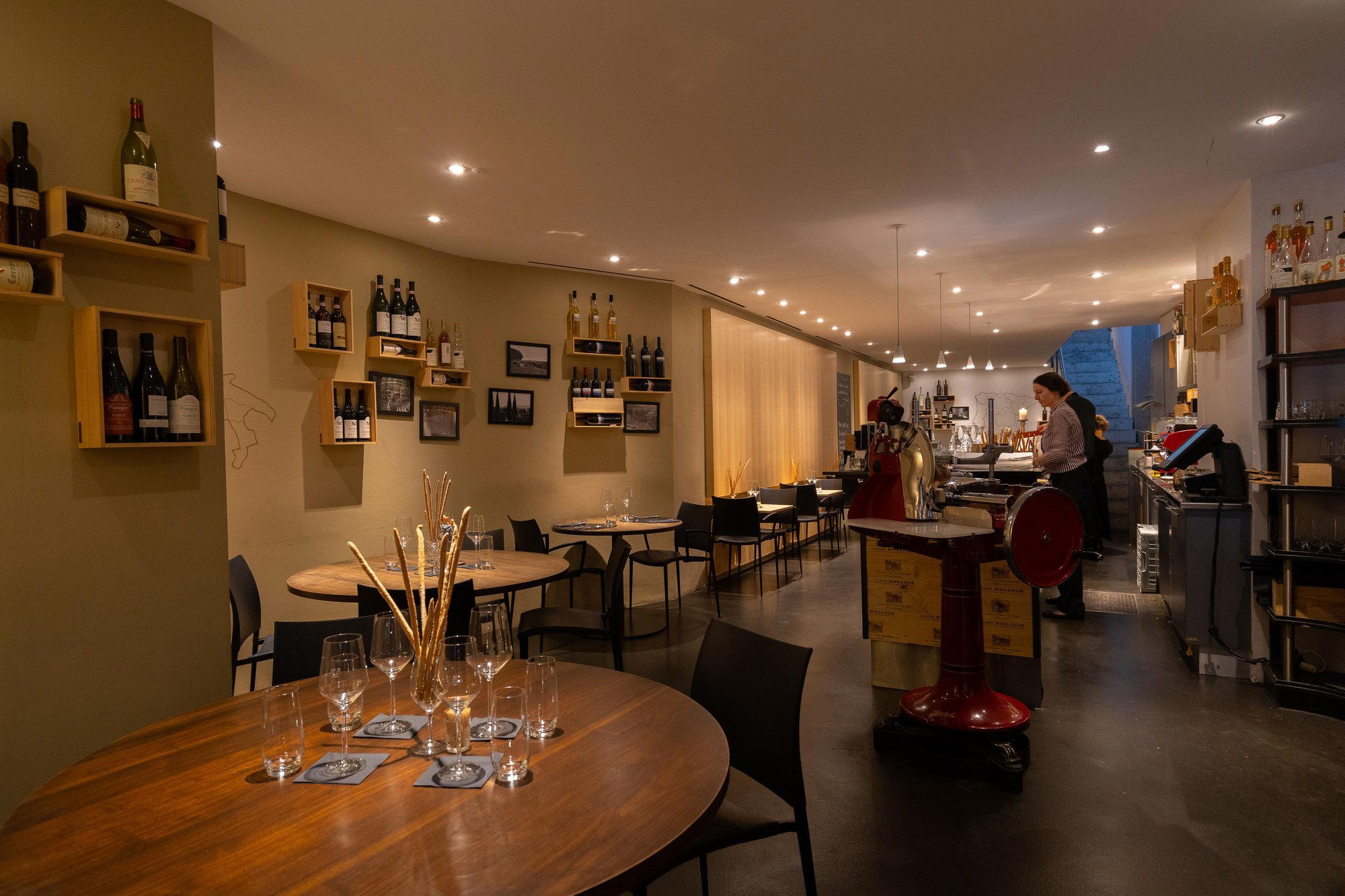
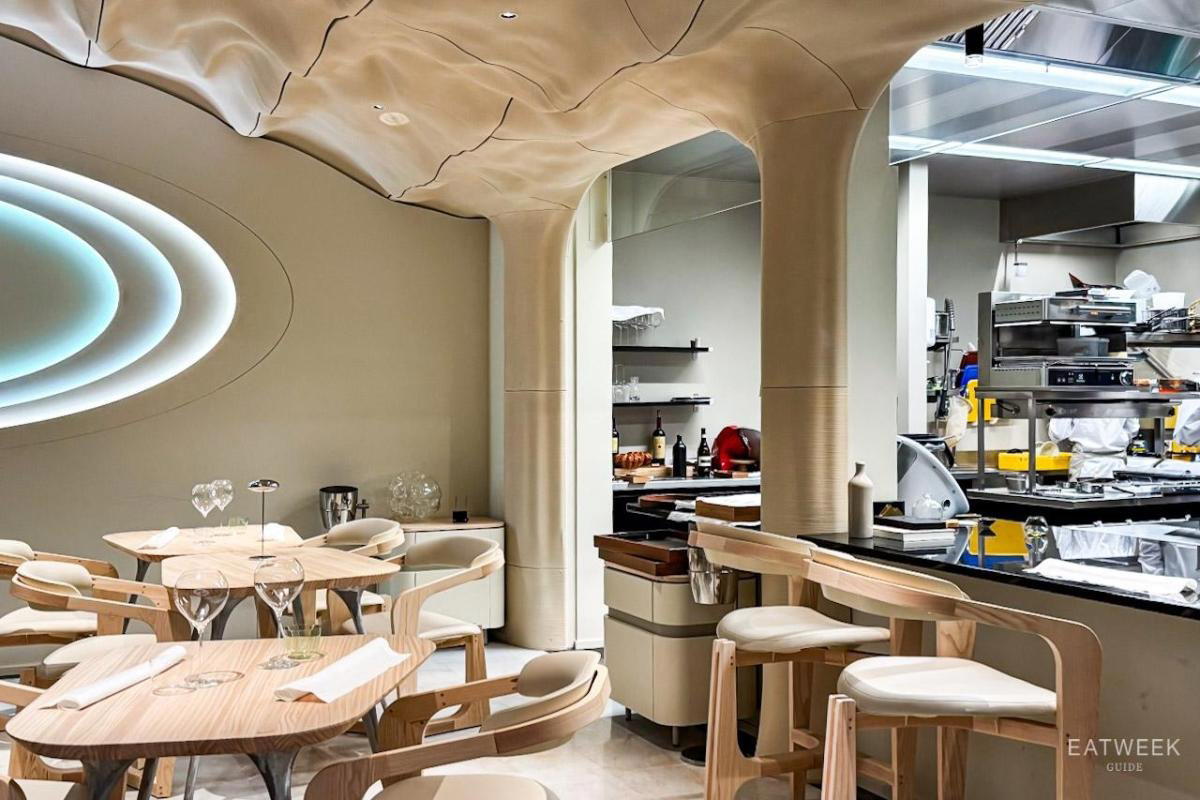
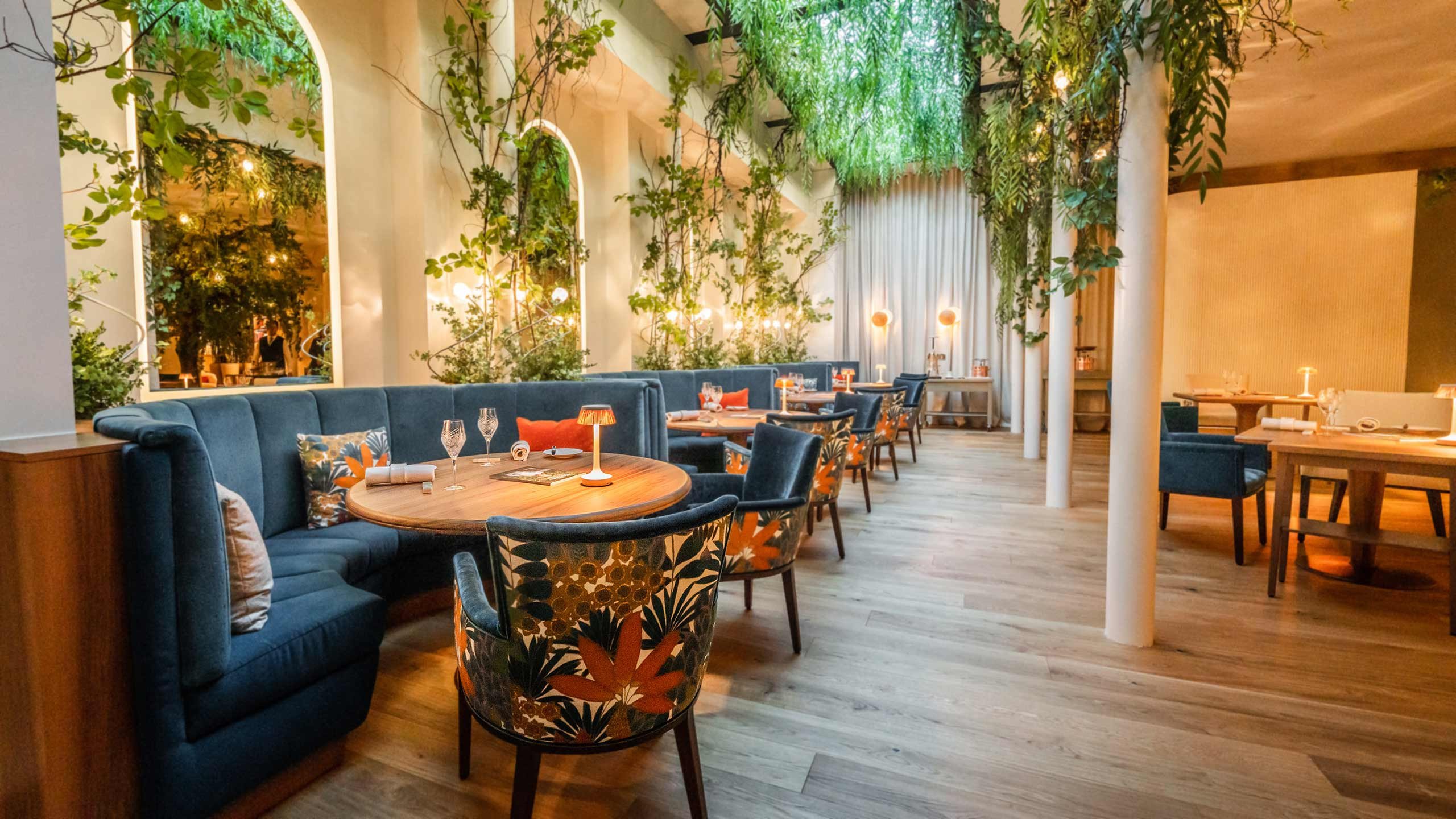
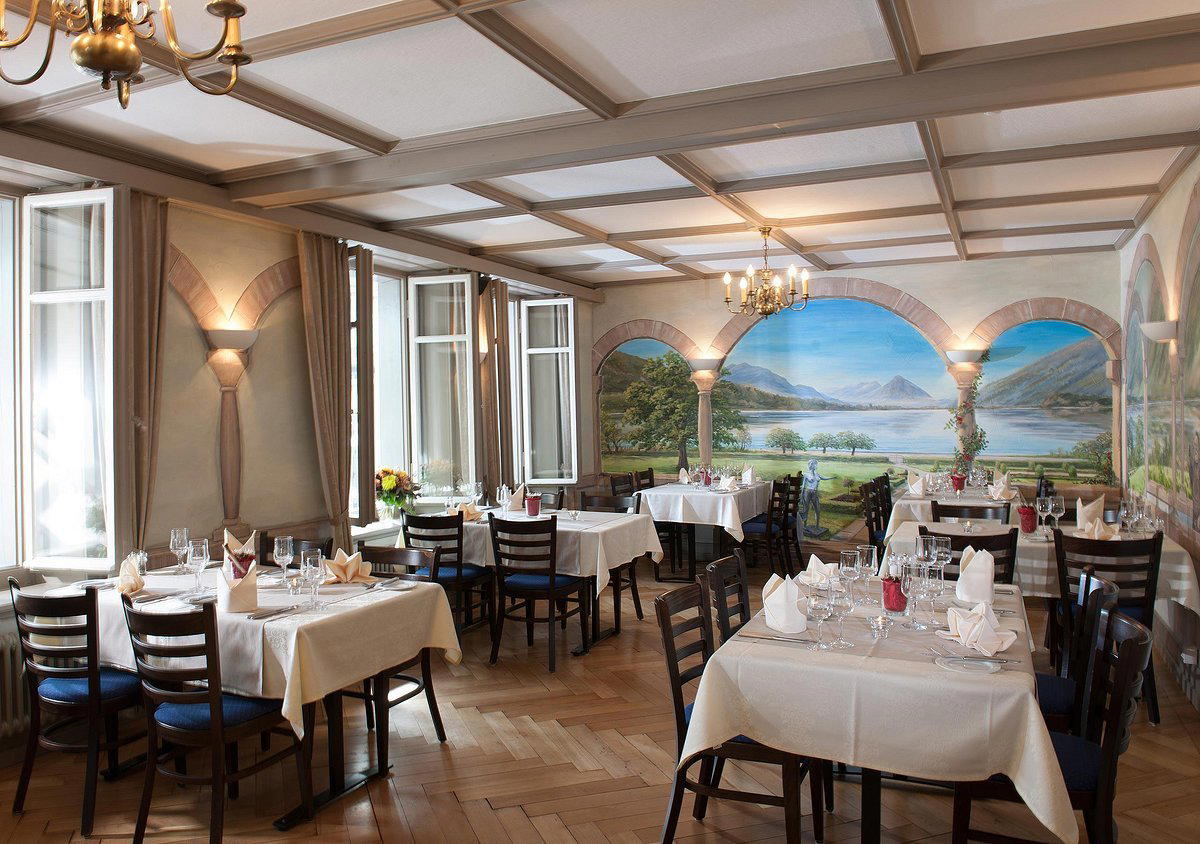
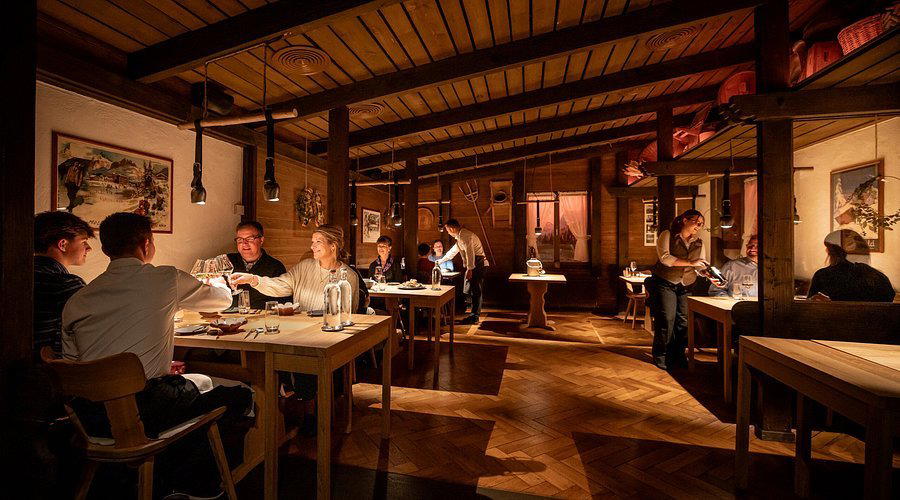
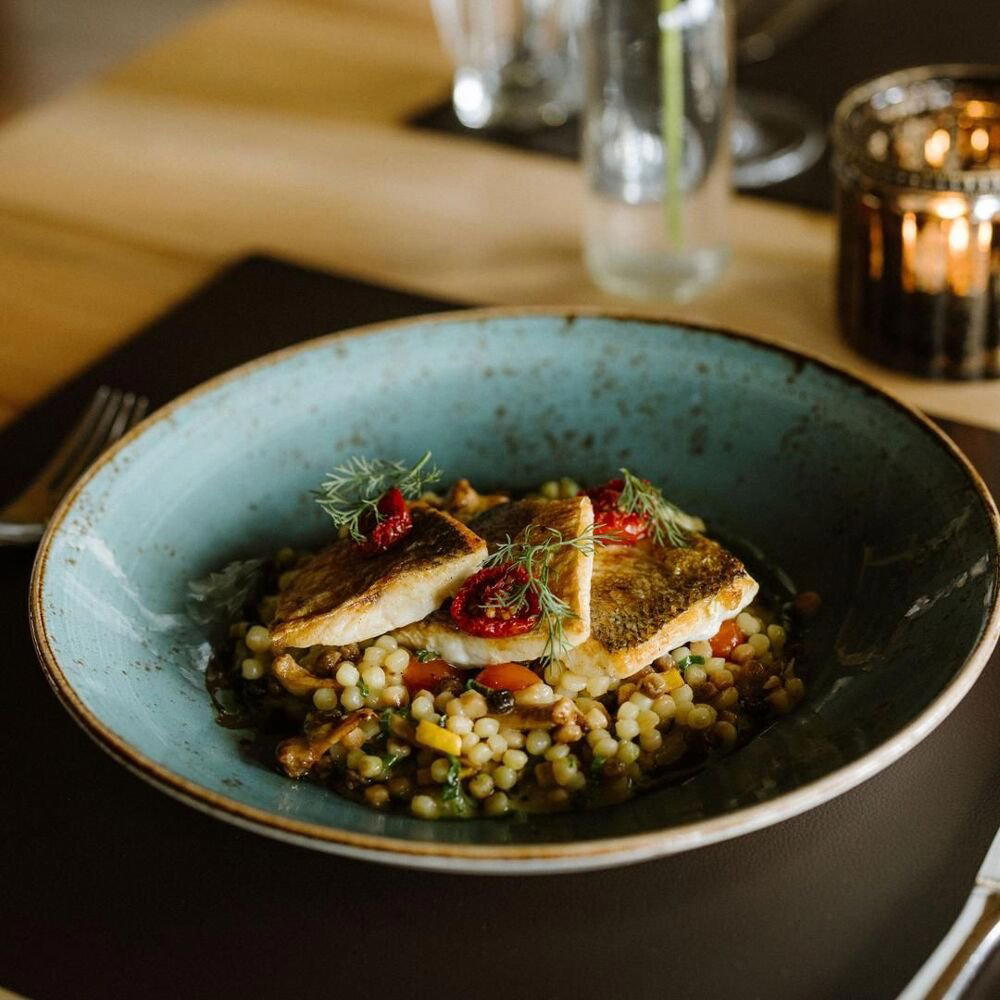
Stylish and elegant atmosphere with live piano music in the evenings creating a sophisticated vibe amid clinking crystal glasses and cozy seating.