Urban Cowboy

Urban Cowboy sits in the Catskill Mountains of Big Indian, New York, roughly two and a half hours from Manhattan — a five-star property that trades city scale for deliberate remoteness. The design approach places it firmly in the tradition of architecturally considered wilderness retreats, where the physical environment does most of the talking and the distance from the city is the amenity.
Pearl is the En Primeur Club membership app — saves, bookings, and concierge access live there. Same editors, same standards.
- Address
- 37 Alpine Rd, Big Indian, NY 12410
- Phone
- +1 845-254-5016
- Website
- urbancowboy.com
- Directions
- Get directions
 Saves & bookings on Pearl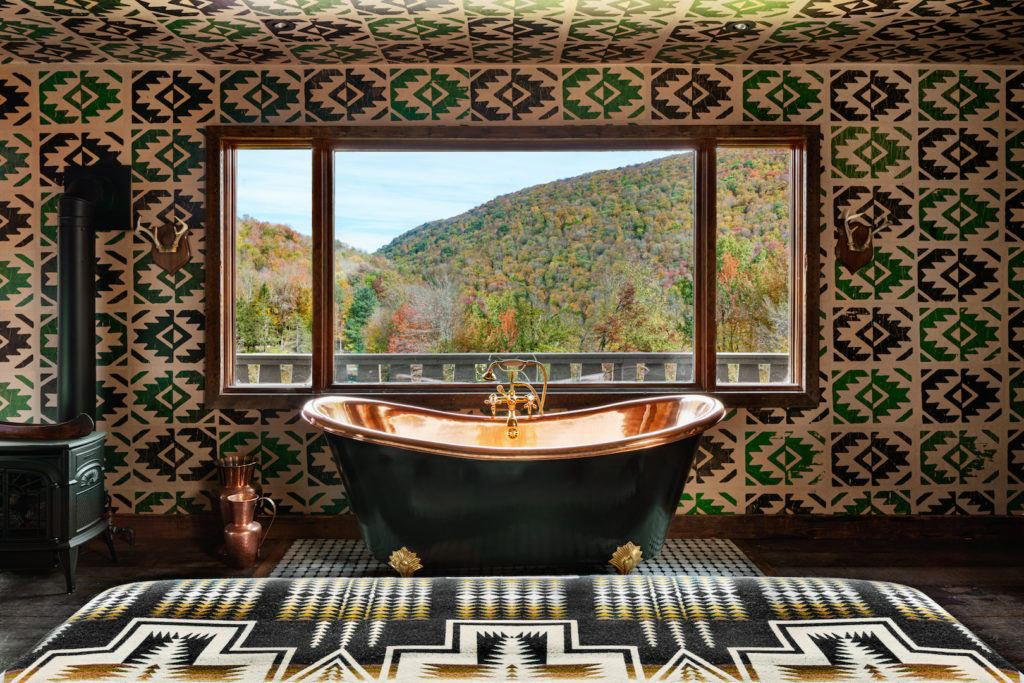
Where the Catskills Begin to Feel Serious
The drive out of Manhattan on the way to Big Indian tracks a familiar arc for anyone who has done it more than once: the density of the outer boroughs giving way to the Hudson Valley's broader rhythms, then the Catskill range asserting itself somewhere past Woodstock, the road narrowing, the tree cover thickening. By the time you reach 37 Alpine Rd, the city feels like a different country. That two-and-a-half-hour remove is not incidental to Urban Cowboy's proposition — it is the proposition. This is a property that asks you to accept the distance as the experience, and the surrounding wilderness as the primary amenity.
Within the broader pattern of American wilderness retreats, Urban Cowboy belongs to a specific tier: small-footprint, design-led properties that position themselves against the landscape rather than against the urban hotel grid. Properties in this cohort — think Post Ranch Inn in Big Sur or Troutbeck in Amenia, share a common logic: limited keys, material specificity, and a design sensibility that reads as deeply local rather than broadly international.
The Architecture of Deliberate Wilderness
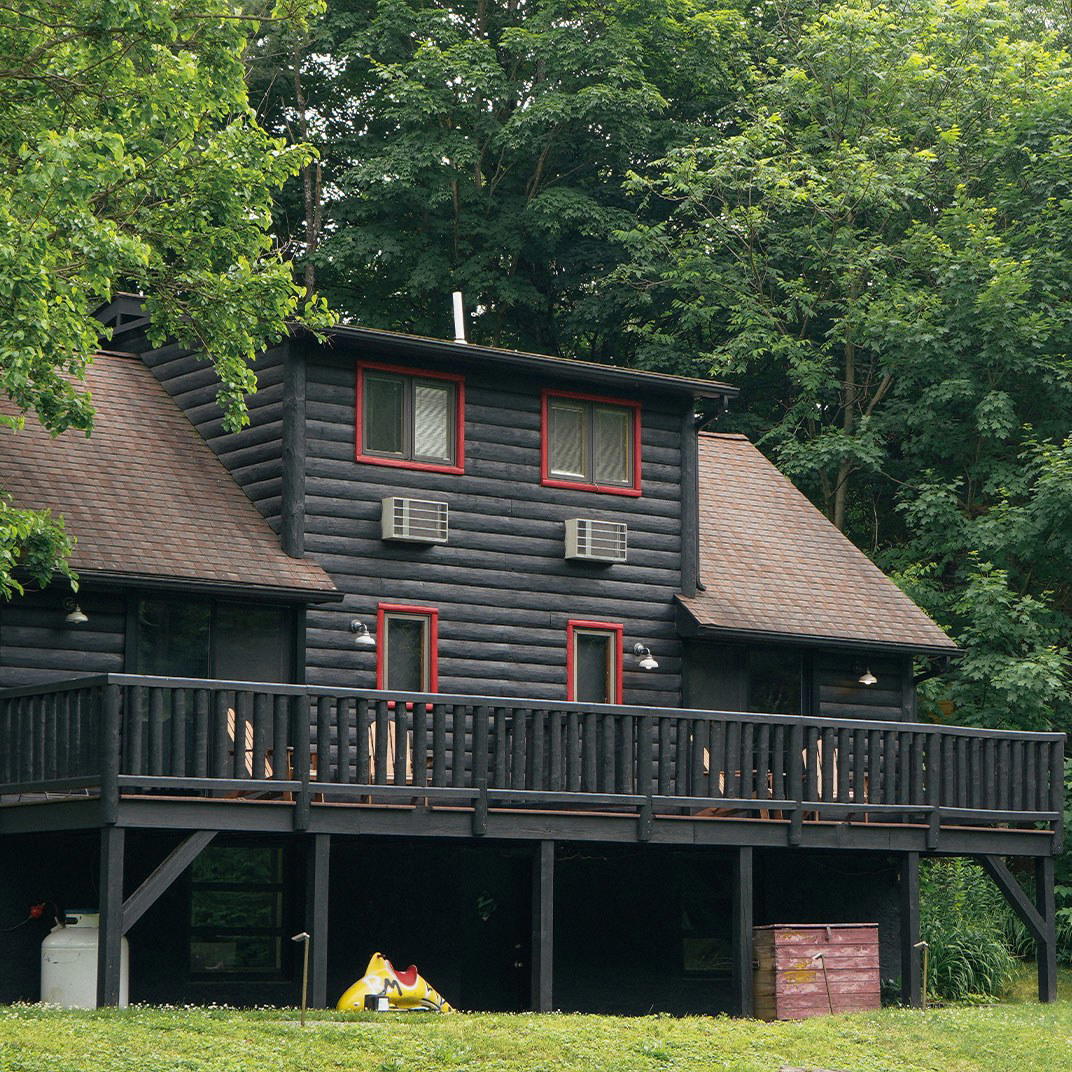
The design tradition that Urban Cowboy draws from is one that has been gaining traction across American independent hospitality over the past decade: the intentional cabin aesthetic, where roughness is curated rather than inherited. This is not the rustic-by-default condition of a converted farmhouse that was never renovated. It is the roughness of considered material choices, reclaimed wood, exposed structure, natural fiber, objects that carry the suggestion of history even when new. The result, in properties that execute this well, is an environment that feels grounded in place without being frozen in a particular era.
In the Catskills, this approach has particular resonance. The region carries its own architectural memory: the great Victorian boarding houses that defined the area's first hospitality era, the mid-century bungalow colonies, the later generation of weekend retreats that made places like Woodstock and Phoenicia familiar to a certain kind of New Yorker. Urban Cowboy sits within this lineage but reads more contemporary, closer in spirit to the movement that has also produced properties like Blackberry Farm in Walland or Sage Lodge in Pray, retreats that use craft and material to anchor themselves to a specific geography.
What that means in practice is an environment built around texture and warmth rather than the cool minimalism that defines a different tier of luxury hotel. Compare that approach to the polished urban formality of The Fifth Avenue Hotel in New York City or the grand heritage register of Aman New York, and the contrast clarifies what Urban Cowboy is actually selling: not prestige signaling through address or architecture, but the specific comfort of a space that feels built for its location rather than transported into it.
Big Indian in the Catskills Context
Big Indian itself sits in Ulster County, within the Catskill Park boundary, at an elevation that keeps it cooler than the valley towns and snowier in winter. The hamlet is small enough that the hotel functions as a destination rather than a base for a broader local scene. This is not the Catskills of Woodstock's galleries and weekend farmers' markets, nor the more developed infrastructure of the Windham or Hunter ski corridors. It is quieter, more remote, and more genuinely wild-feeling than either of those.
That remoteness shapes the accommodation dynamic. Guests arriving at a property like this are, by definition, committing to the property's environment rather than to a broader neighbourhood program. The surrounding Catskill terrain, hiking, cross-country skiing, swimming holes, functions as the excursion layer, but the property itself has to hold the experience. This is the structural challenge that distinguishes remote wilderness retreats from urban design hotels, and it is the challenge that properties like Alpine Falls Ranch in Superior, Canyon Ranch Tucson, and Little Palm Island Resort and Spa in Little Torch Key each answer in different ways.
For the Catskills visitor weighing options, the region now offers a genuinely varied set of alternatives. Troutbeck in Amenia operates in a more estate-like mode, with greater emphasis on historic fabric and a more social atmosphere. Urban Cowboy in Big Indian positions itself further into the wilderness end of the spectrum, with a design language that emphasises intimacy and material warmth. See our full Big Indian guide for a broader picture of what the area offers beyond the hotel itself.
Planning the Stay
Access is by car, there is no practical public transit option to Big Indian, and the two-and-a-half-hour drive from Manhattan assumes reasonable highway conditions. Weekend booking pressure in the Catskills has increased substantially since 2020, and properties at this tier and price level tend to fill at least six to eight weeks ahead for summer weekends and holiday periods. The winter calendar around skiing season and the fall foliage window in mid-October are the two other high-demand periods when advance planning pays. Guests considering the broader luxury wilderness circuit in the United States might also look at SingleThread Farm Inn in Healdsburg, Auberge du Soleil in Napa, Bernardus Lodge and Spa in Carmel Valley, or further afield, Kona Village in Kailua Kona and Four Seasons at The Surf Club in Surfside, each operates on a similar logic of destination-as-experience, though in dramatically different landscapes. For those drawn to design-led properties in urban contexts, Chicago Athletic Association, Raffles Boston, Hotel Bel-Air in Los Angeles, 1 Hotel San Francisco, Ambiente in Sedona, and Bowie House in Fort Worth represent the range across different American cities. Internationally, Aman Venice and Badrutt's Palace Hotel in St. Moritz offer points of comparison for the kind of environment-defined luxury that Urban Cowboy pursues in a very different register.
How Urban Cowboy Big Indian compares with similar nearby venues.
| Venue | Awards |
|---|---|
| Urban Cowboy | Fodor's Most Incredible Hotels in the World (2026) |
Recognition history
Dated appearances from independent guides and award organizations, with the underlying list record or original source where available.
Fodor's Most Incredible Hotels in the World
Fodor's
Continue exploring
More in Big Indian
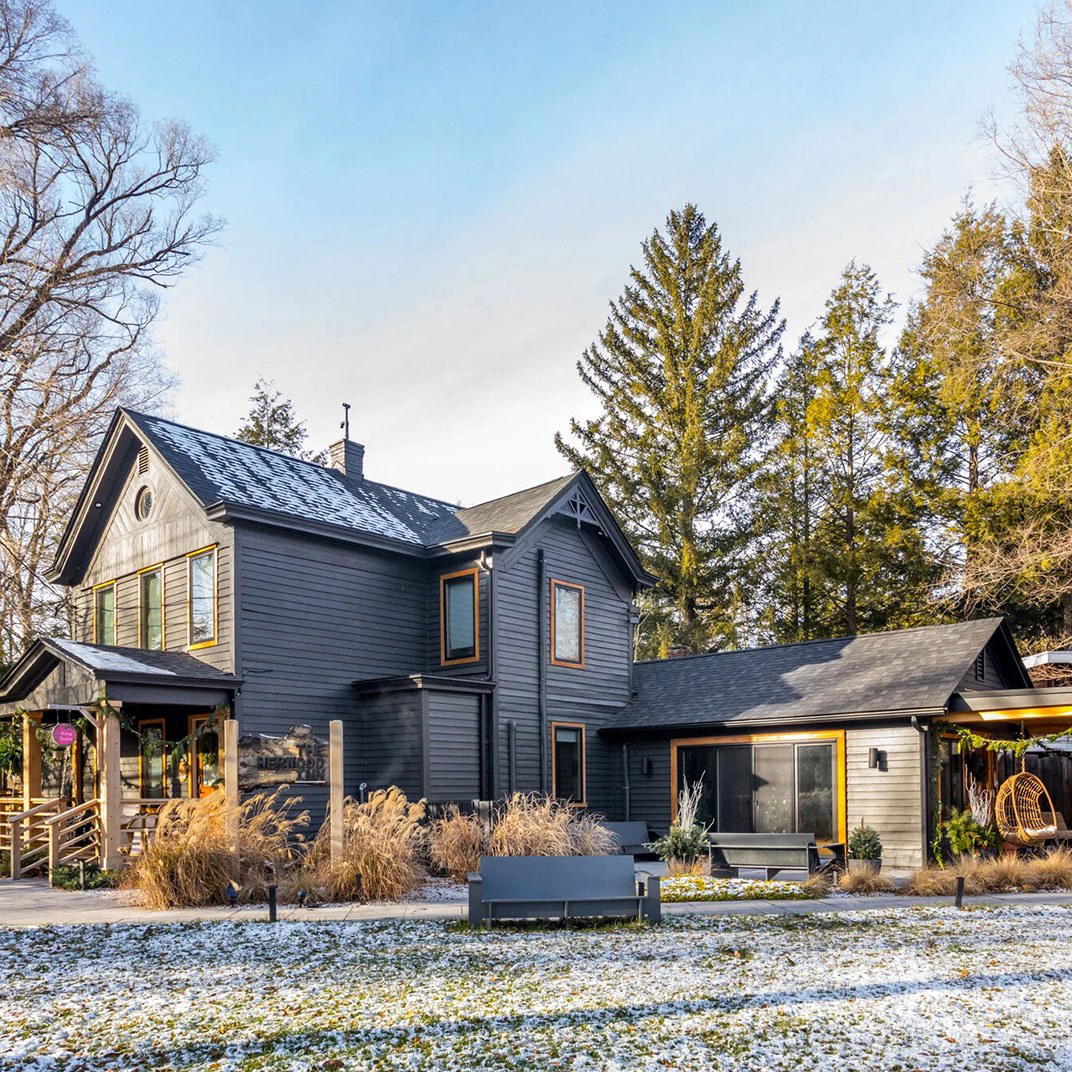
Hotels in Big Indian
Browse all →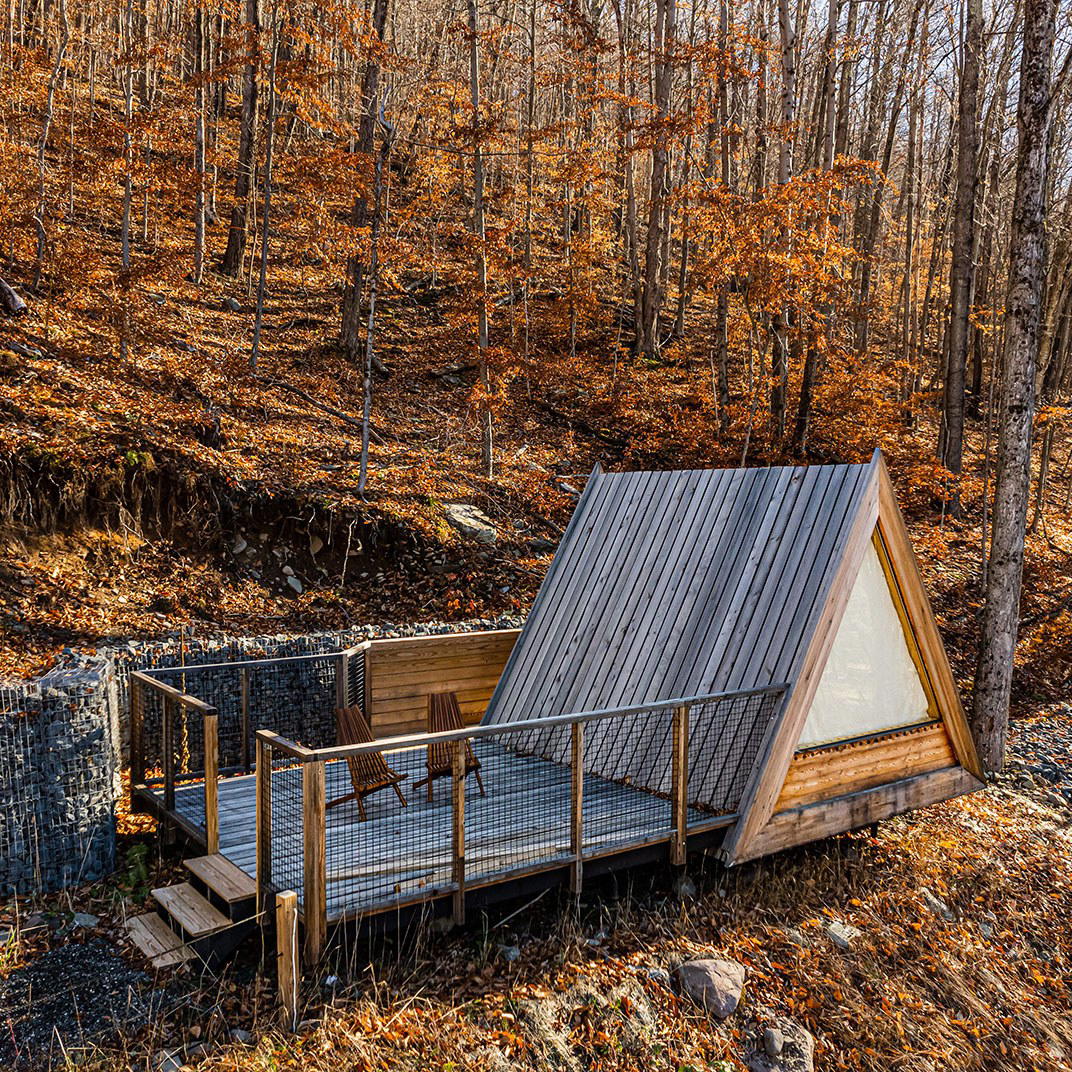
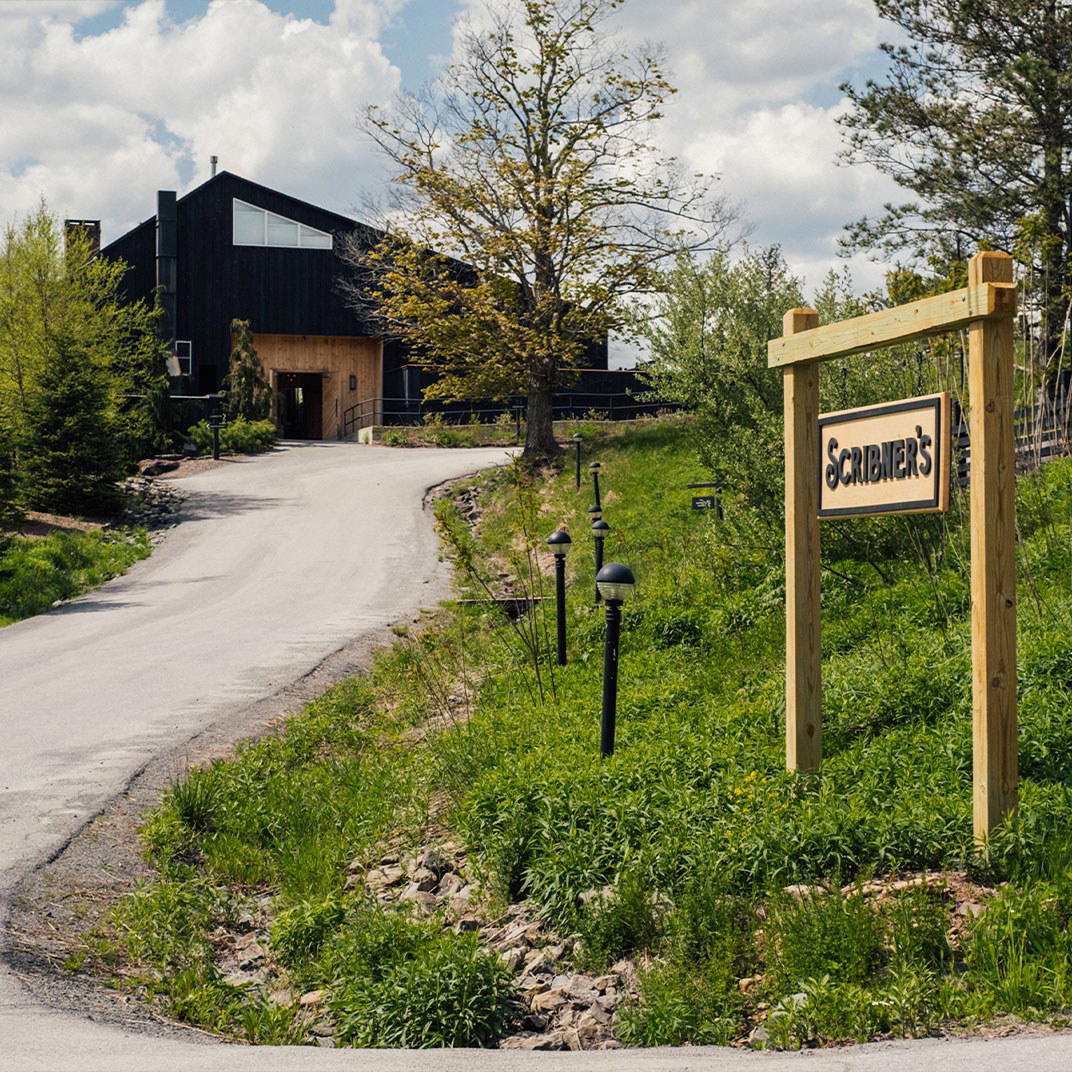
Bars in Big Indian
Browse all →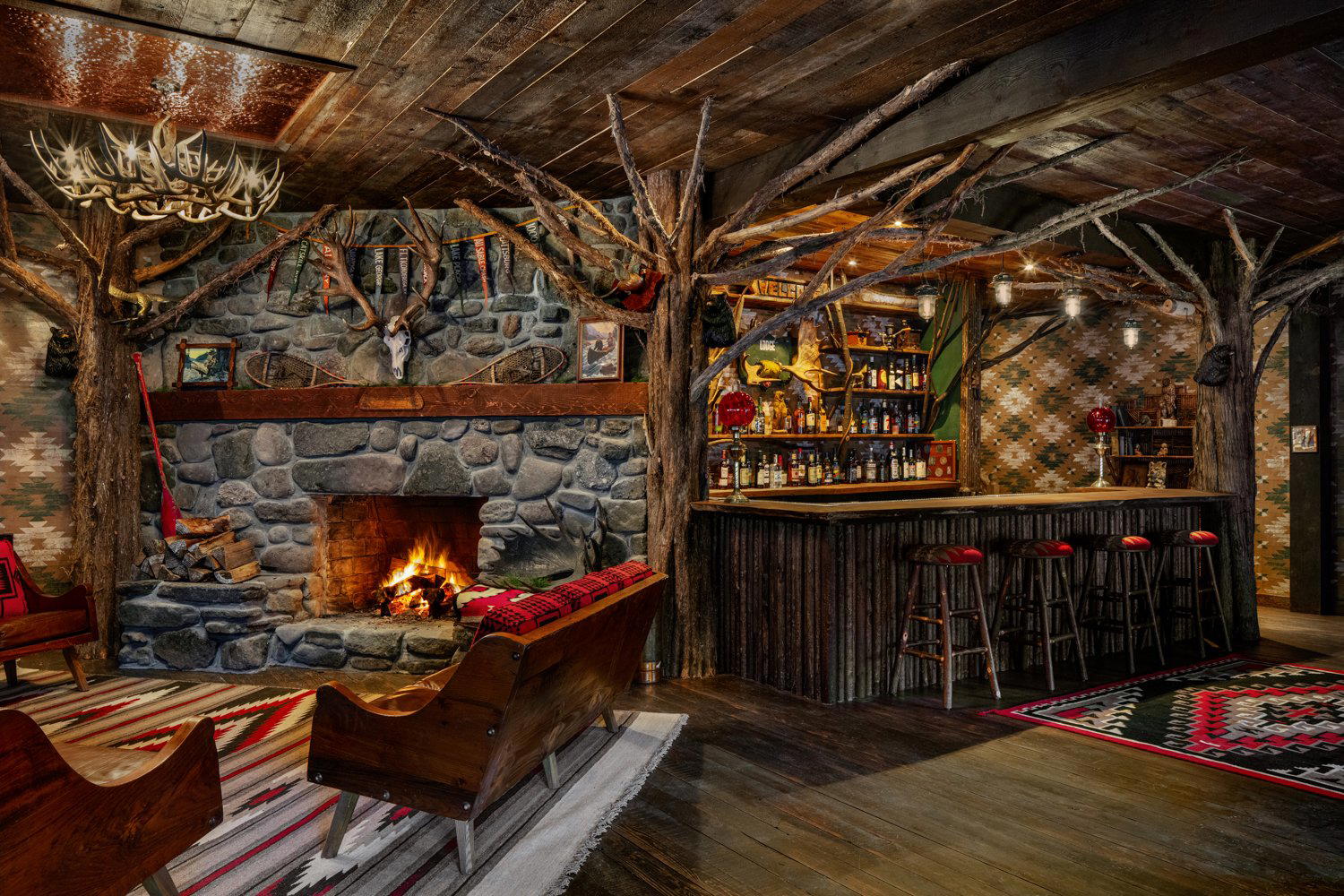
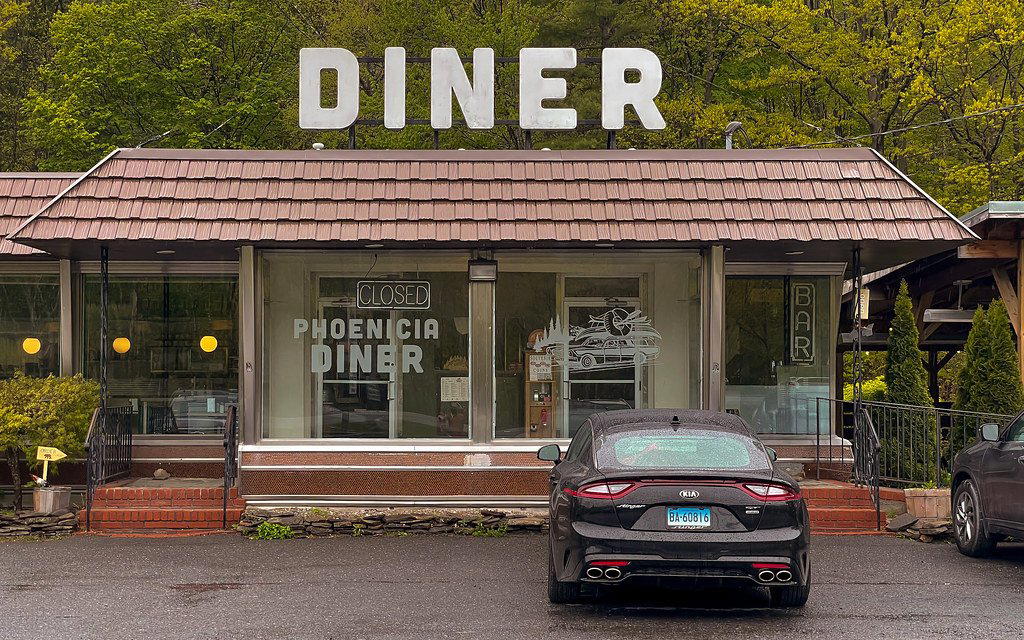
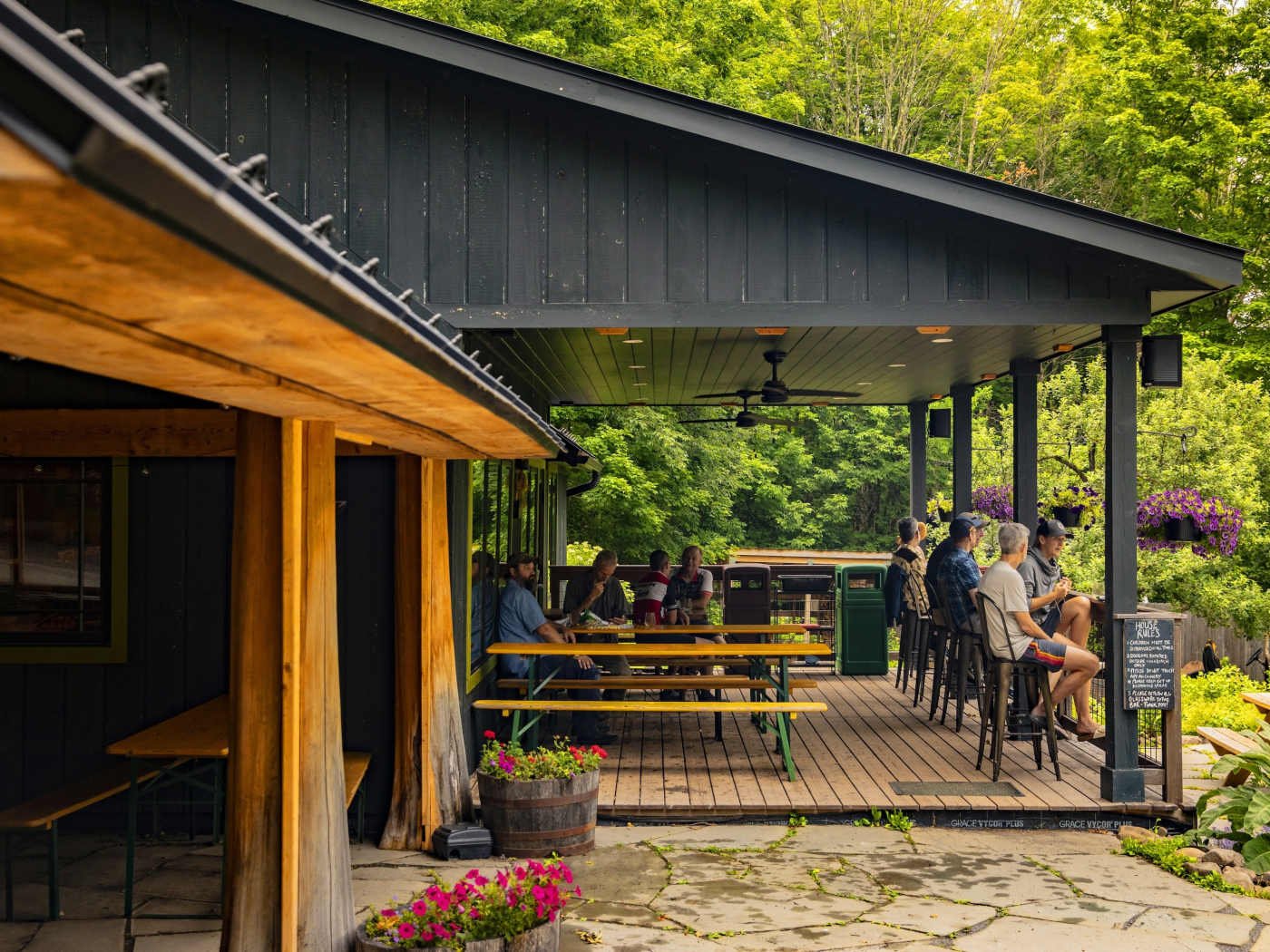
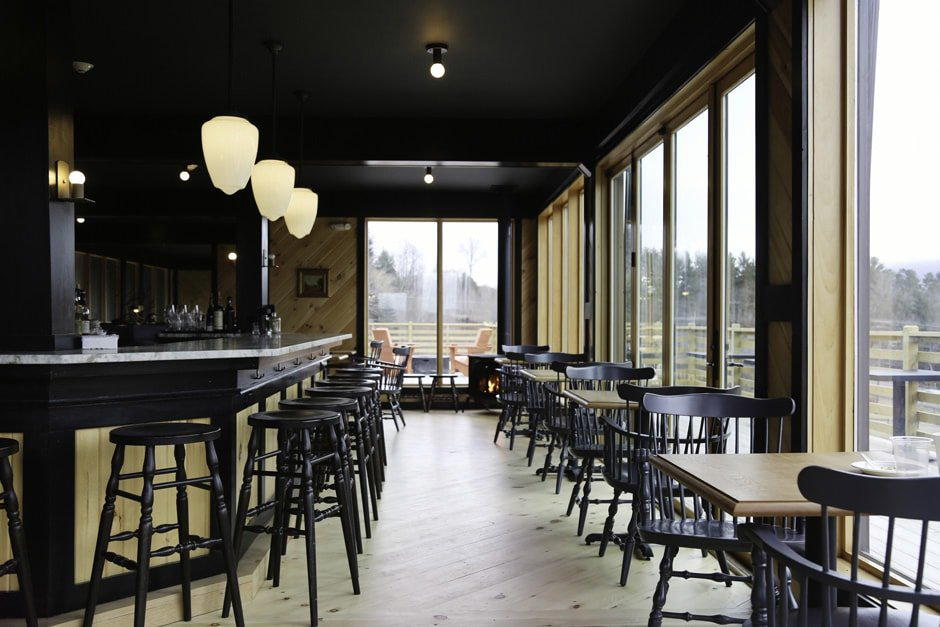
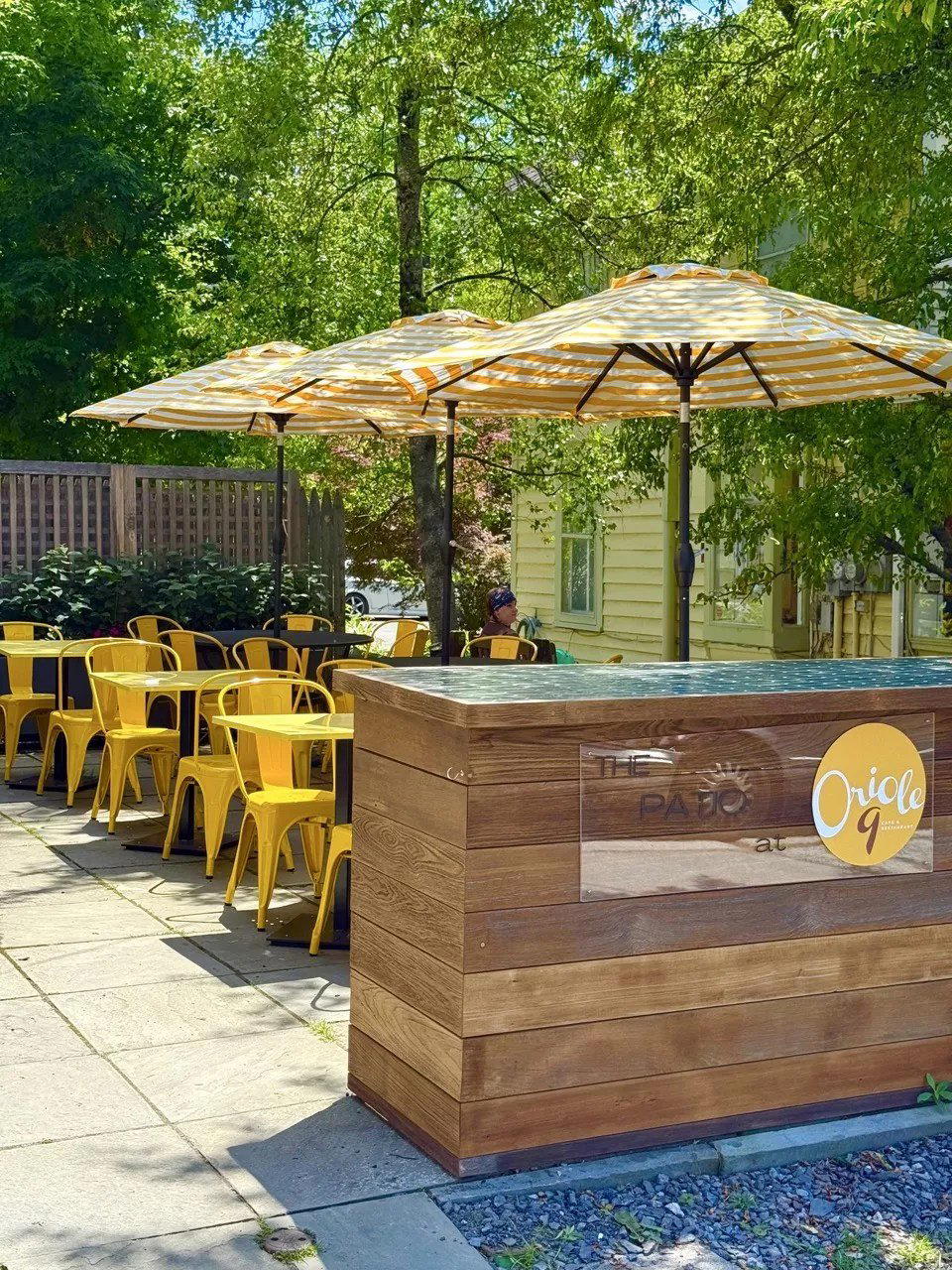
Restaurants in Big Indian
Browse all →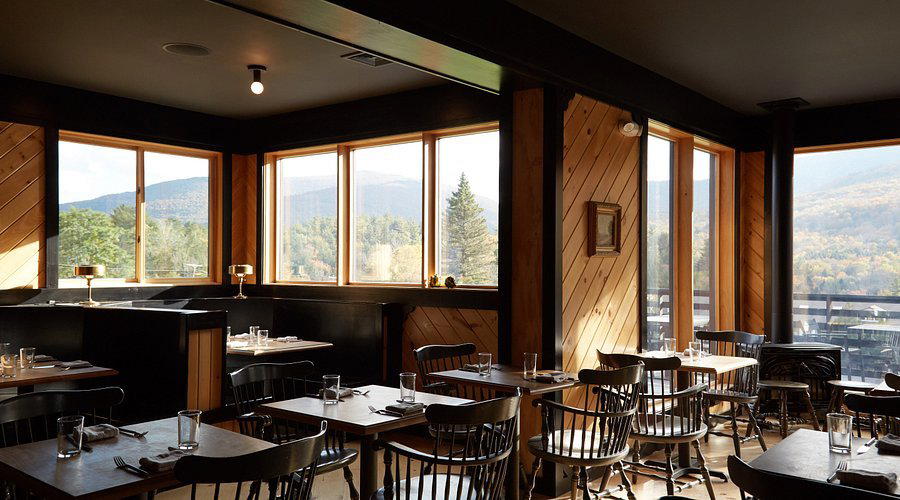
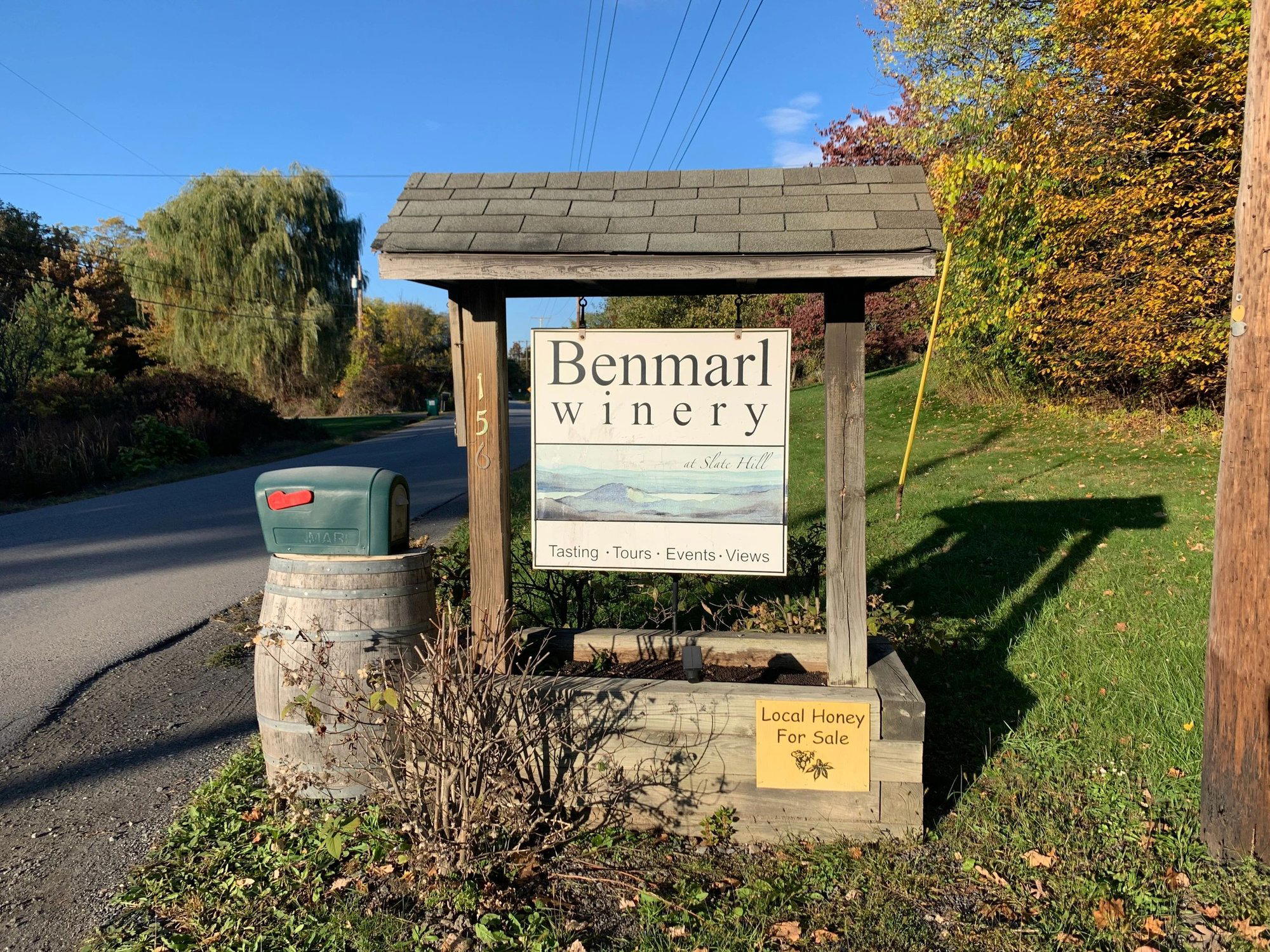
Wineries in Big Indian
Browse all →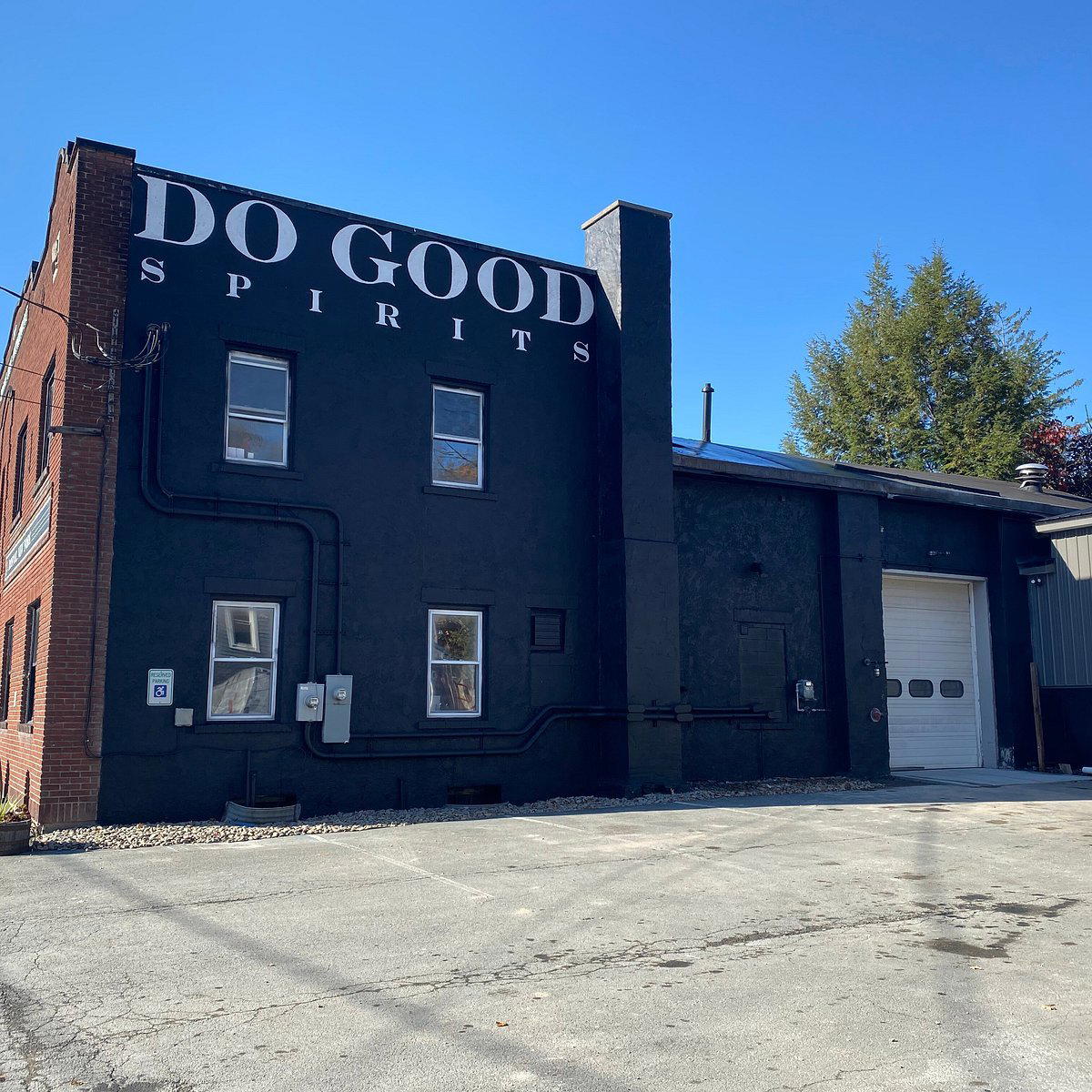
At a Glance
- Romantic
- Cozy
- Rustic
- Scenic
- Whimsical
- Romantic Getaway
- Wellness Retreat
- Weekend Escape
- Group Retreat
- Panoramic View
- Terrace
- Wi Fi
- Pool
- Sauna
- Restaurant
- Bar
- Massage
- Fitness Center
- Mountain
- Garden
- Wi Fi
- Pool
- Sauna
- Restaurant
- Bar
- Massage
- Fitness Center
Cozy and welcoming with wood and leather decor, warm fireplaces, campfires, and a lively yet relaxing atmosphere featuring live music and communal gatherings.
Know Before You Go
- Getting there
- 37 Alpine Rd, Big Indian, NY 12410