


Michelin Selected · Mr & Mrs Smith Seal of Approval · Design Hotels Member
A converted 1890s spice warehouse on Robertson Quay, The Warehouse Hotel translates Singapore's industrial past into a design-led stay that sits apart from the city-centre tower properties. Its position on the Singapore River places it within walking distance of Clarke Quay's bar scene, while the building's heritage bones give it a different character from the glass-and-marble hotels further south along the bay.

Pearl is the En Primeur Club membership app, where members save venues, book tables and use the concierge.
From River Godown to Design Hotel: Robertson Quay's Industrial Reinvention
Robertson Quay occupies a particular position in Singapore's hospitality story. Upriver from the casino-anchored spectacle of Marina Bay and removed from the polished heritage corridor of Raffles and the Colonial District, it developed as a quieter residential and dining strip along the Singapore River, the kind of neighbourhood that attracts boutique properties rather than international flag operations. The Warehouse Hotel arrived in that context as a conversion project, taking an 1890s godown (the local term for the river-trade warehouses that once defined this stretch of Havelock Road) and reworking it into a hotel that draws directly from Singapore's trading-port history rather than glossing over it. That heritage framing places it in a different competitive set from the larger towers: where properties like Capella Singapore or Conrad Singapore Marina Bay anchor their identity in scale and bay-front positioning, The Warehouse Hotel works with constraint, using the industrial bones of a 19th-century structure as its primary design asset.
The Architecture of Reinvention
Industrial adaptive reuse has become a recognisable format in Southeast Asian hospitality, Bangkok, Penang, and Ho Chi Minh City have all produced versions of it, but the Singapore River context gives The Warehouse Hotel a specific cultural weight. The godowns along this stretch were the engine of Entrepôt trade: the physical infrastructure through which rubber, spices, and tin moved between the Malay Peninsula and international shipping lines. Converting that infrastructure into a hotel is not simply an aesthetic decision; it positions the property as a legible record of the city's economic history, which Singapore's tourism apparatus has increasingly treated as a differentiator against newer regional competitors. The result, as the property's own framing suggests, is a building that functions as a portal to Singapore's trading-port heritage, though the quality of that translation depends as much on how seriously the design team engaged with the original structure as on the narrative around it.
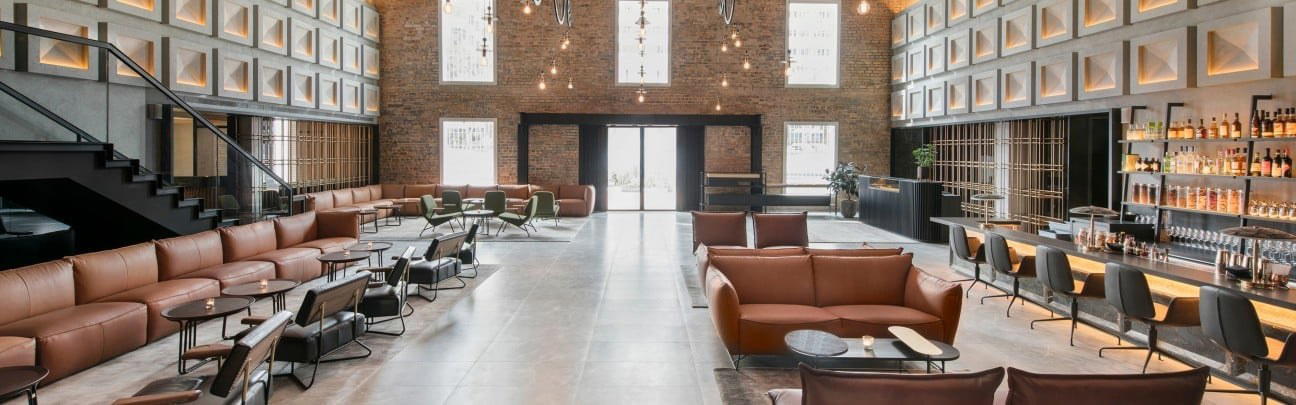
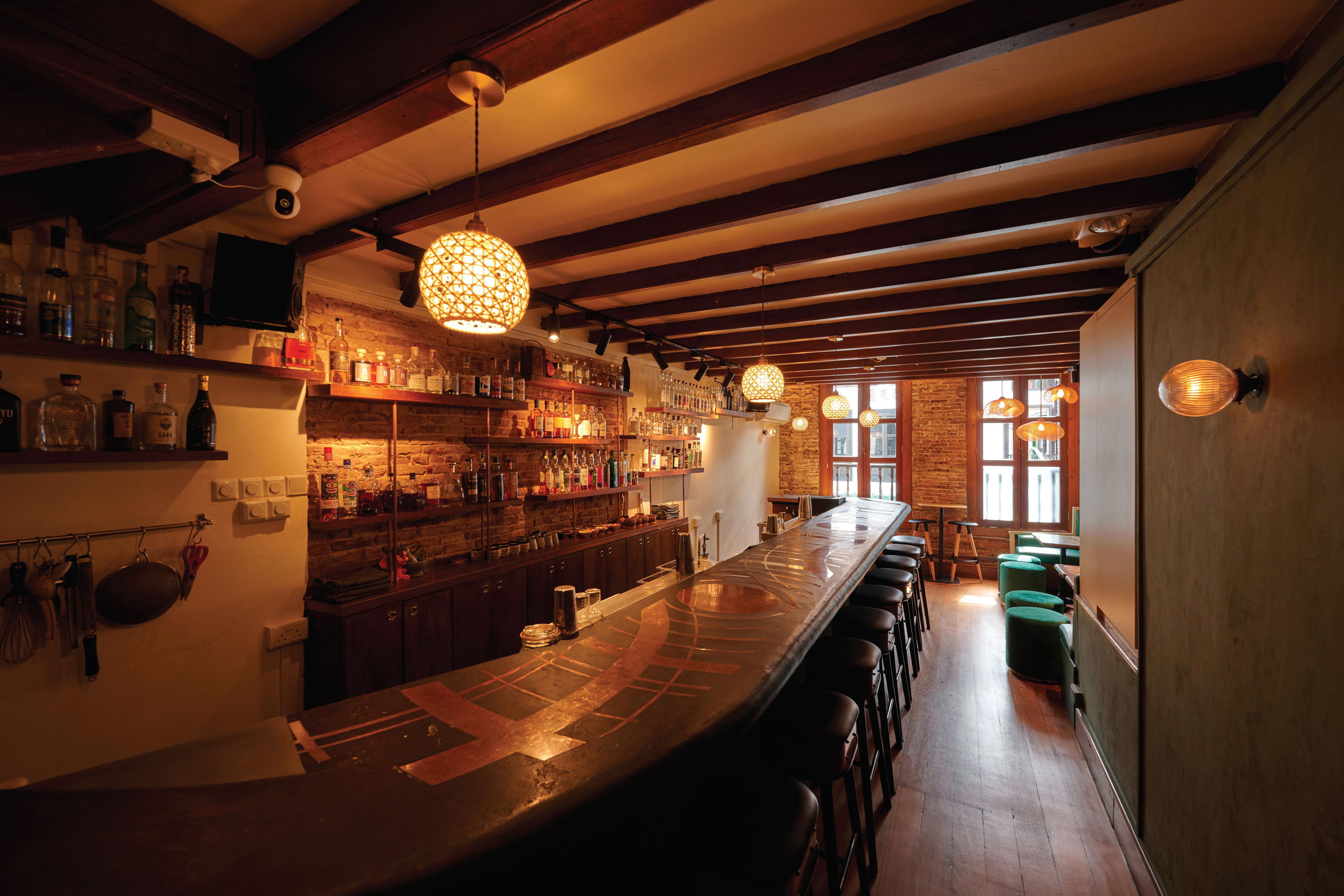
The hotel's approach to the industrial fabric leans toward retention rather than concealment. High ceilings, original brickwork, and warehouse-scale proportions create a spatial character that no amount of contemporary fit-out in a new-build tower can replicate. That physical specificity is what separates properties of this type from the mid-range design hotels that simulate industrial aesthetics through exposed concrete and Edison bulbs. The difference is structural: one is working with actual history, the other is referencing a style. For travellers comparing Robertson Quay against the Andaz Singapore or Artyzen Singapore, this distinction matters if architectural authenticity is part of the brief.
Position in Singapore's Design-Hotel Tier
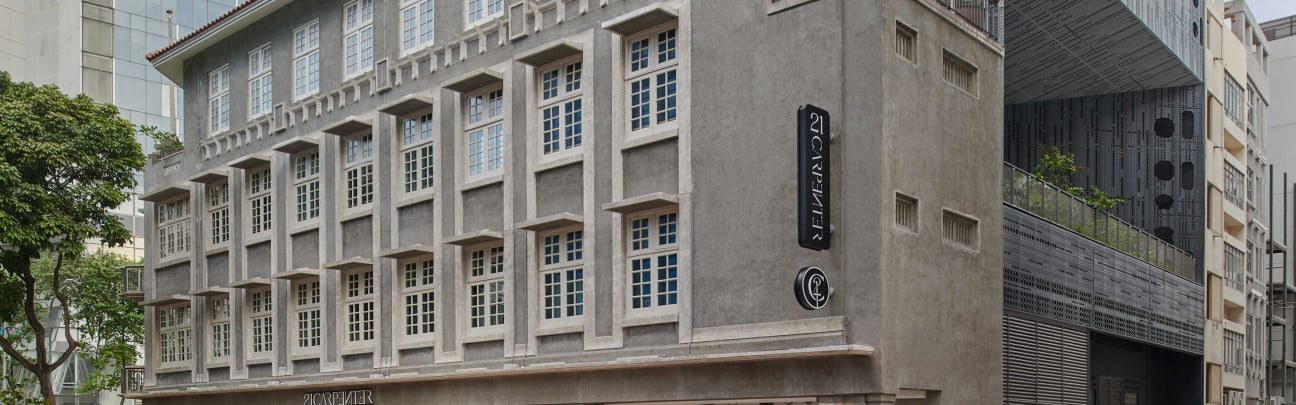
Singapore's boutique hotel market has compressed into a relatively small band between the large international operators and the budget serviced-apartment sector. Within that band, design-led independents and soft-branded properties compete on concept clarity, location specificity, and the quality of their food and bar programs, because they cannot match the points ecosystems or the amenity depth of full-service towers. The Warehouse Hotel operates in this space alongside properties like 21 Carpenter, where the premise is a clearly articulated local identity rather than brand-standard delivery.
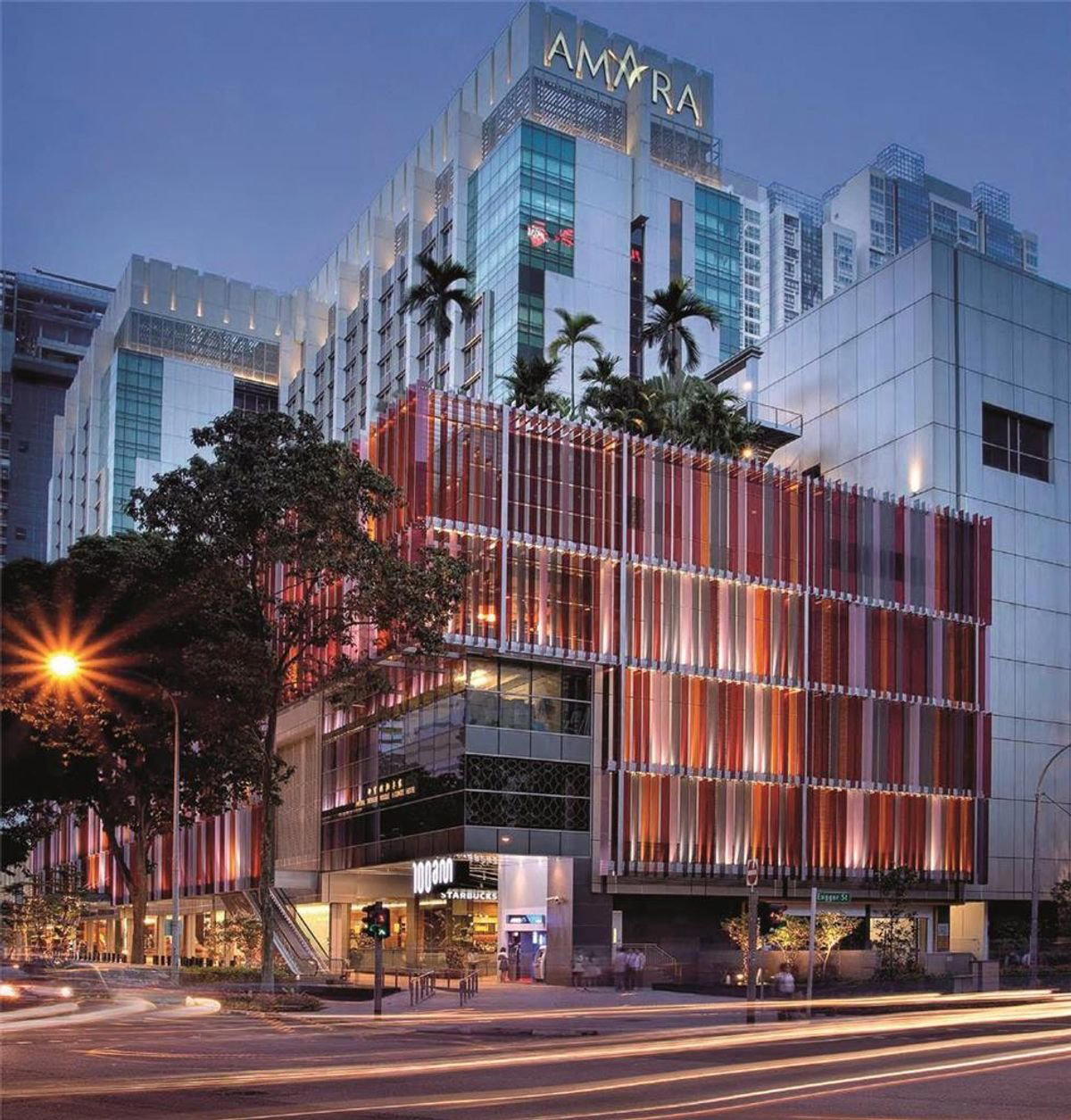
The Robertson Quay address is both an advantage and a trade-off. The neighbourhood offers a genuine river-side setting, proximity to the Fort Canning arts corridor, and a restaurant-bar strip that has developed steadily over the past decade. It is less convenient for Marina Bay Sands, the financial district, or Orchard Road than properties positioned in those areas, including Amara Singapore or Carlton Hotel Singapore. Travellers whose agenda is built around MICE events, shopping, or casino access will find the location requires more commuting. Those whose priority is neighbourhood texture, architectural character, and the specific quality of life along the Singapore River will find the trade-off worthwhile. Visit our full Singapore restaurants guide for context on what the surrounding area offers in terms of dining.
How the Property Has Changed
Adaptive reuse hotels tend to evolve differently from new builds. The physical structure constrains rapid renovation cycles, you cannot simply reclad a heritage godown to refresh the brand, so the evolution happens through programming, food and beverage positioning, and the refinement of how the heritage narrative is communicated. Since The Warehouse Hotel opened, Robertson Quay itself has changed: the neighbourhood has gentrified further, new restaurant openings have increased the area's dining density, and the broader Singapore market has seen a wave of internationally branded properties (including recent arrivals in the design-conscious mid-luxury tier) that have raised the baseline expectations of travellers who once had fewer options in this price range.
That market pressure has pushed properties like The Warehouse Hotel to be more specific about what they offer rather than relying on novelty. In Singapore's current hotel market, where Raffles Hotel Singapore anchors the heritage-prestige tier and international chains cover most other segments, a converted warehouse needs a clear answer to the question of why a traveller would choose it over a newer, better-equipped alternative. The answer, for this property, is rooted in place: the physical building, the river address, and the specificity of the cultural story it carries. That is a durable differentiator as long as the execution keeps pace with what the market now considers standard in terms of service and room quality.
For travellers benchmarking Singapore against other heritage-conversion hotel experiences globally, the comparison set reaches beyond the city. Properties like Hotel Sacher Wien in Vienna or Castello di Reschio in Lisciano Niccone represent different scales of the same underlying principle: that a building's history is an asset, not an obstacle. The Warehouse Hotel applies that principle at a neighbourhood scale, in a city whose relationship with heritage preservation has historically been complicated by its pace of development.
Planning a Stay at Robertson Quay
The hotel sits at 320 Havelock Road, Robertson Quay, on the north bank of the Singapore River. The nearest MRT access is Fort Canning station on the Downtown Line, which places the property within reach of the Orchard corridor and the CBD without requiring a taxi. Grab, Singapore's dominant ride-hailing platform, is the practical solution for airport transfers or journeys to Marina Bay. Robertson Quay's restaurant strip is within walking distance of the hotel, which reduces the friction of evenings out, a practical advantage over properties positioned further from their neighbourhood's amenity density, such as The Outpost Hotel Sentosa by Far East Hospitality on Sentosa Island, where the resort setting creates more distance from city-side dining. Booking is handled through the hotel's own channels and the standard third-party platforms; rates and availability should be confirmed directly, as design-led properties of this scale can fill on weekends when the Robertson Quay bar and restaurant scene draws a local crowd alongside hotel guests.
Compact Comparison
Comparable venues nearby, for context on price, style, and recognition.
| Venue | Price | Awards | Notes |
|---|---|---|---|
| The Warehouse HotelThis venue (the venue you are viewing) | $200–300 | Michelin Selected · Mr & Mrs Smith Seal of Approval | Not listed |
| Maxwell Reserve | $200–300 | Michelin Selected | CHINATOWN, Heritage colonial building restored with modern luxury |
| Hotel Indigo Singapore Katong | Not listed | World Luxury Hotel Awards WLHA Country Winner | MARINE PARADE, Peranakan heritage boutique hotel |
| Como Metropolitan Singapore | $300–500 | Michelin Selected · Mr & Mrs Smith Seal of Approval | SOMERSET, Contemporary urban lifestyle hotel integrated with retail, wellness, and dining in a 19-story tower. |
| Dusit Thani Laguna Singapore | $200–300 | Preferred Hotels Member | XILIN, Contemporary luxury resort with Asian design sensibility, positioned as a serene retreat integrated within a championship golf community. |
| Frasers House | $200–300 | Michelin Selected · Forbes Recommended | Bugis, Large luxury heritage city hotel integrated with a retail mall, blending historic shophouse character with contemporary five-star comforts. |
Recognition history
Dated appearances from independent guides and award organizations, with the underlying list record or original source where available.
Michelin Selected
Michelin
Design Hotels Member
Design Hotels
Mr & Mrs Smith Seal of Approval
Mr & Mrs Smith
Continue exploring
More in Singapore
Hotels in Singapore
All hotels in Singapore →
Details
- Sophisticated
- Industrial
- Romantic
- Elegant
- Romantic Getaway
- Anniversary
- Weekend Escape
- Rooftop Pool
- Waterfront
- Historic Building
- Design Destination
- Infinity Pool
- Wi Fi
- Pool
- Room Service
- Restaurant
- Bar
- Concierge
- Parking
- Air Conditioning
- Waterfront
- Wheelchair Accessible
- Elevator
- Accessible Restroom
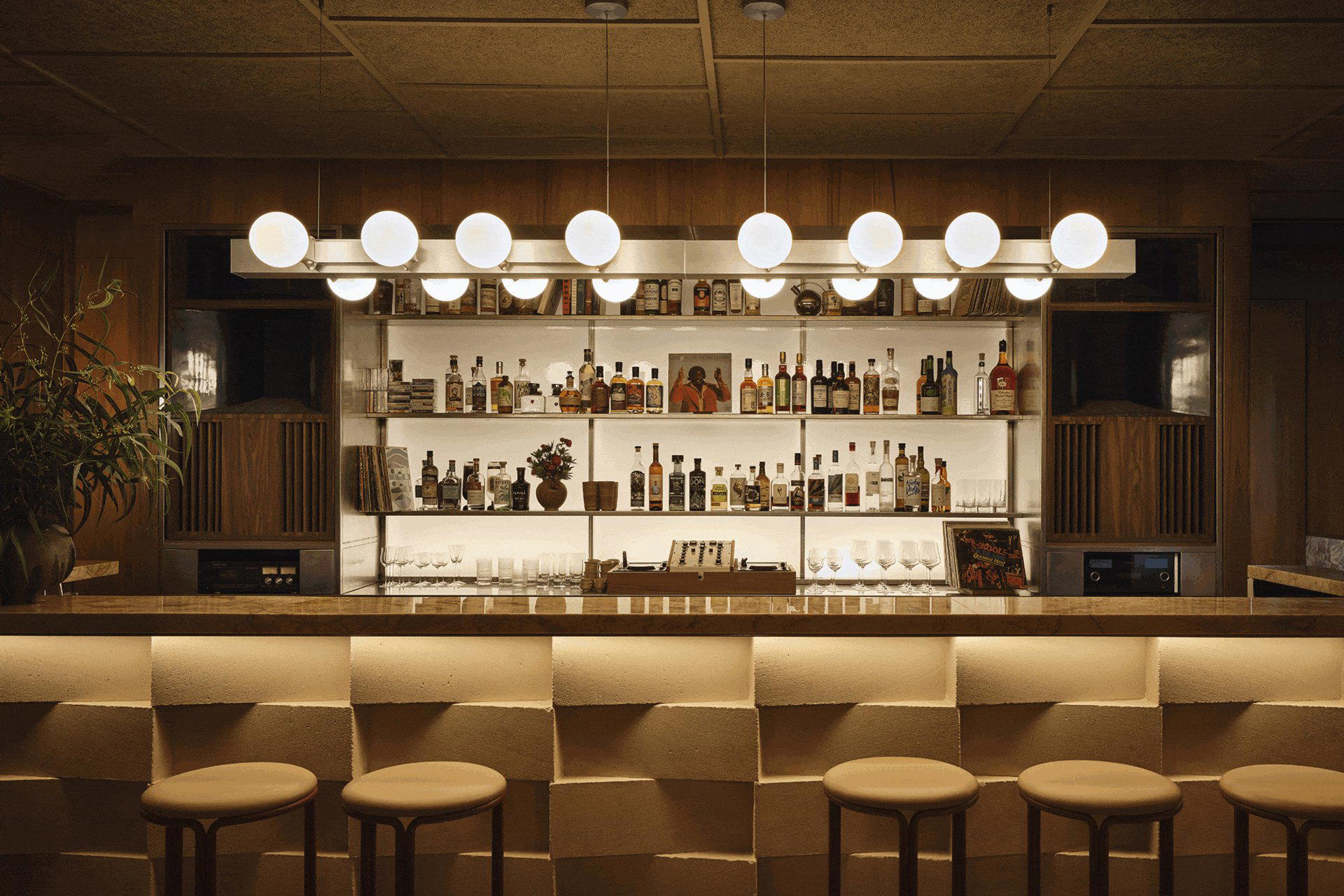
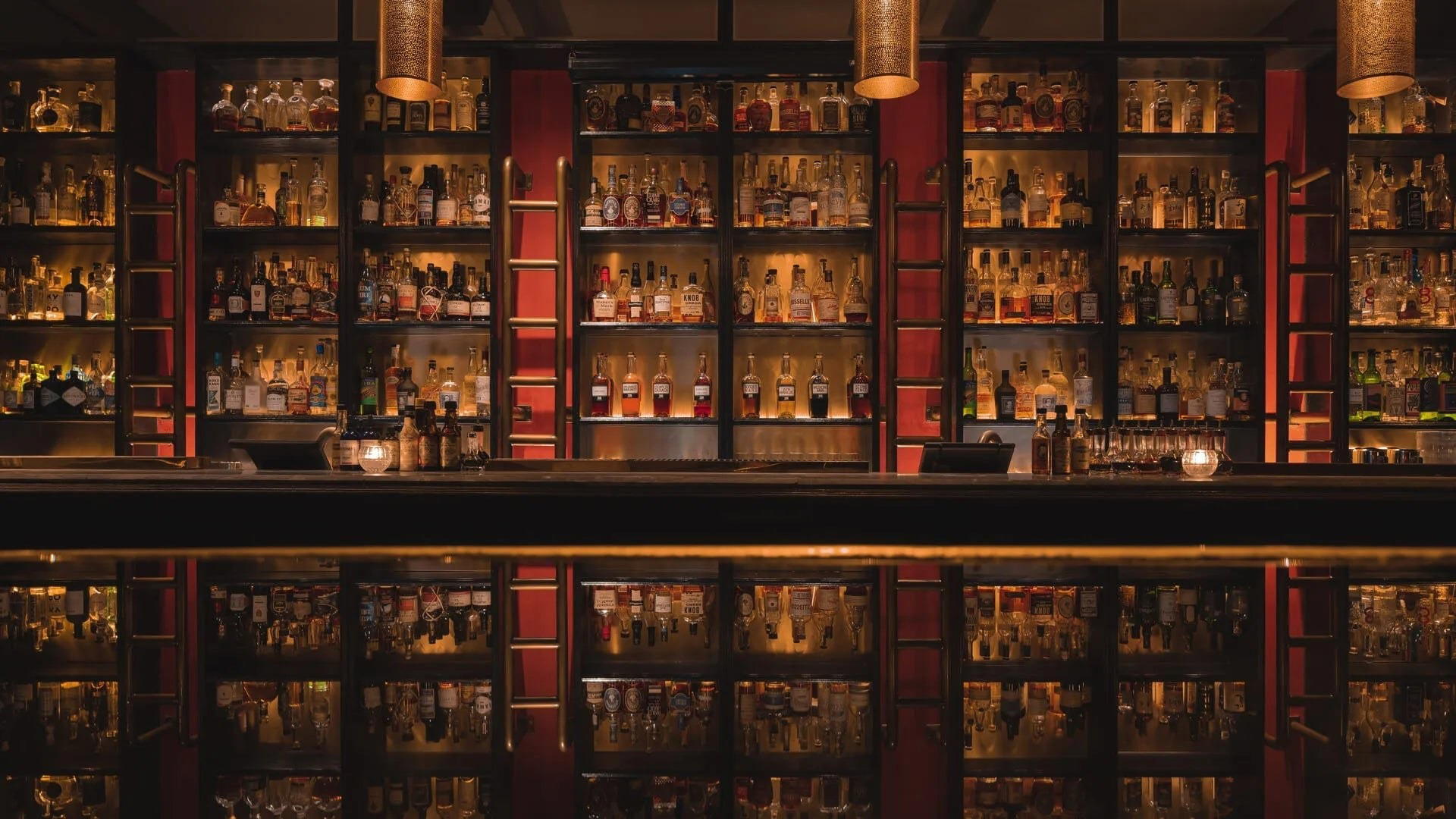
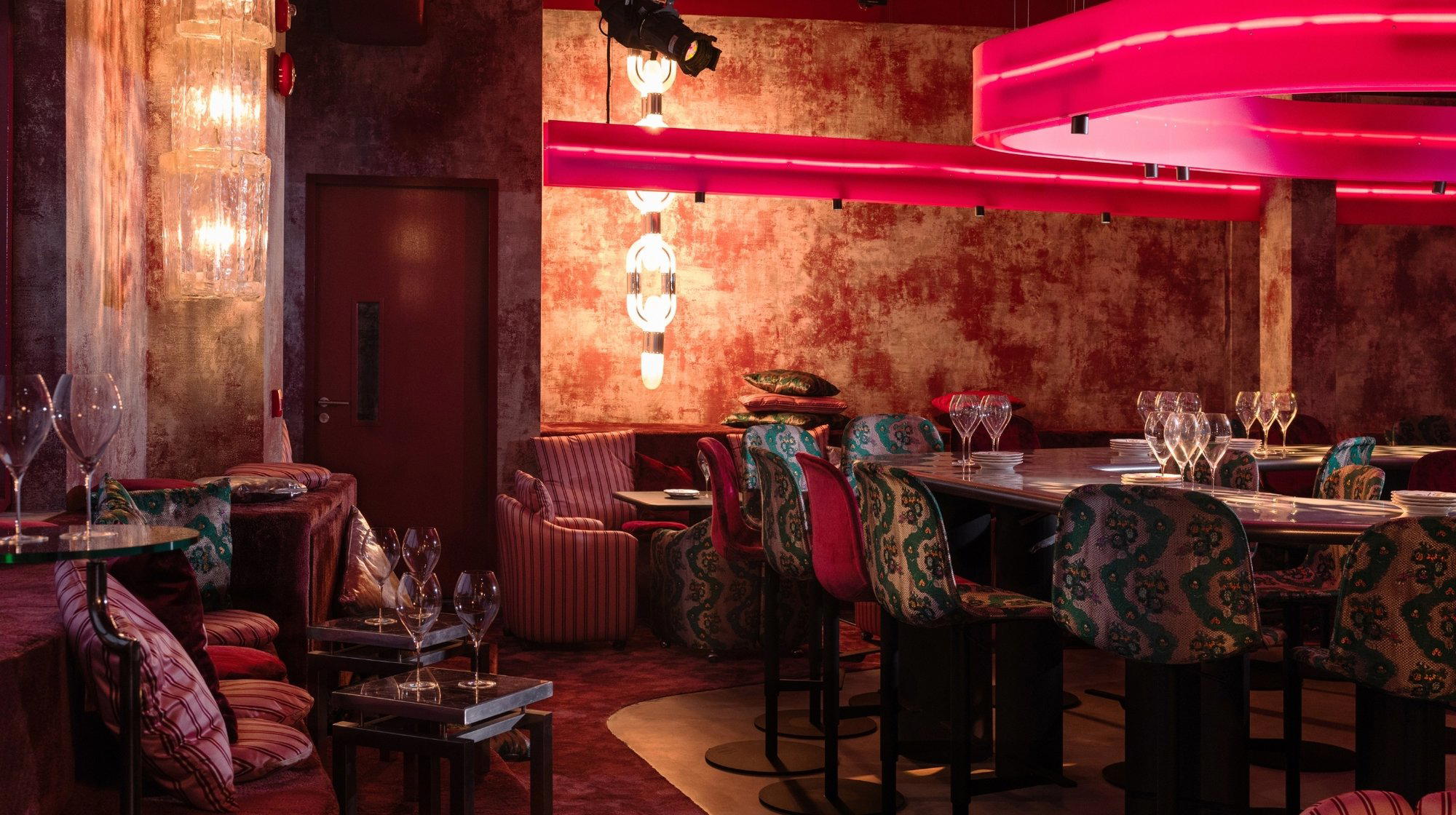
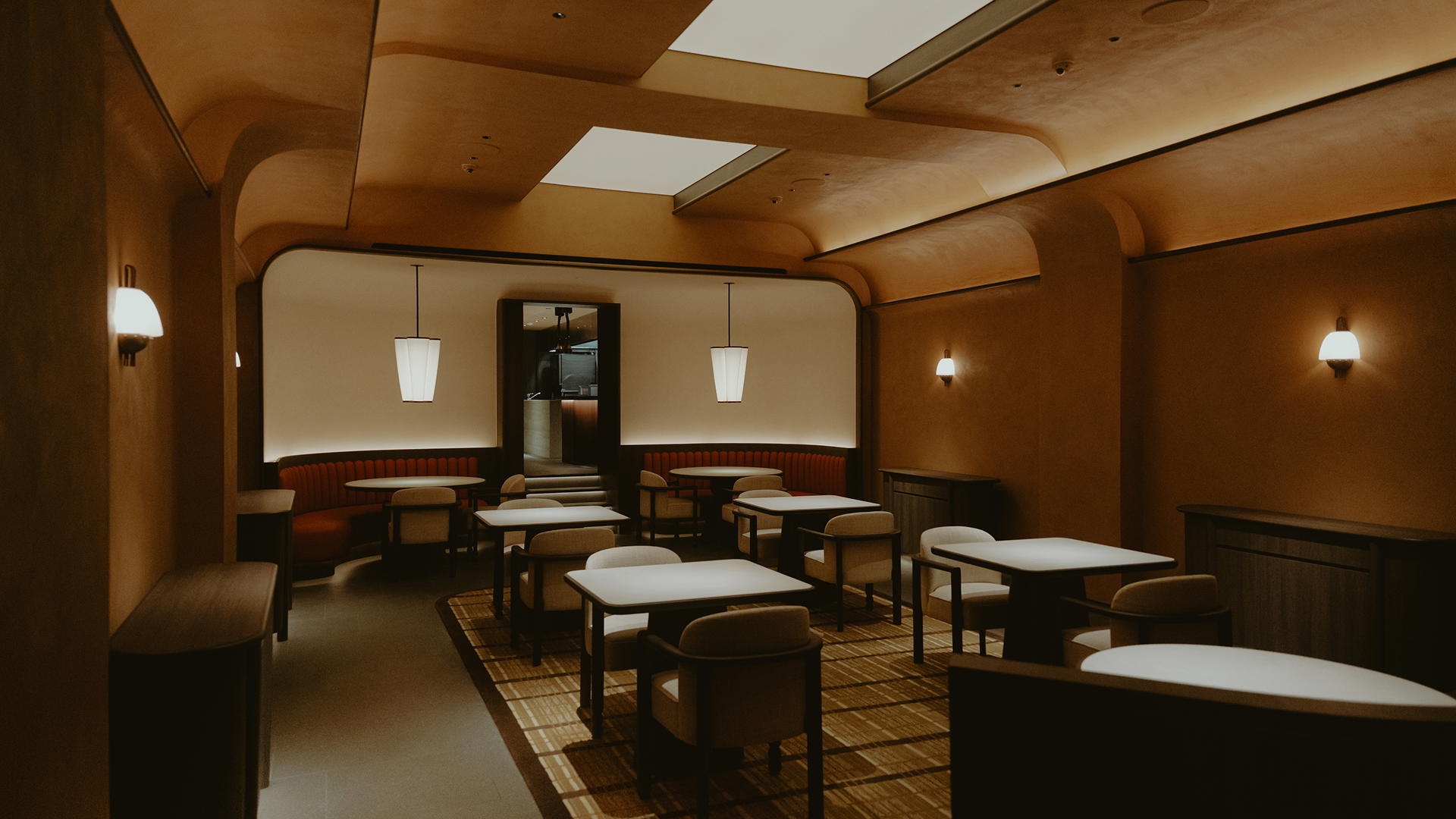
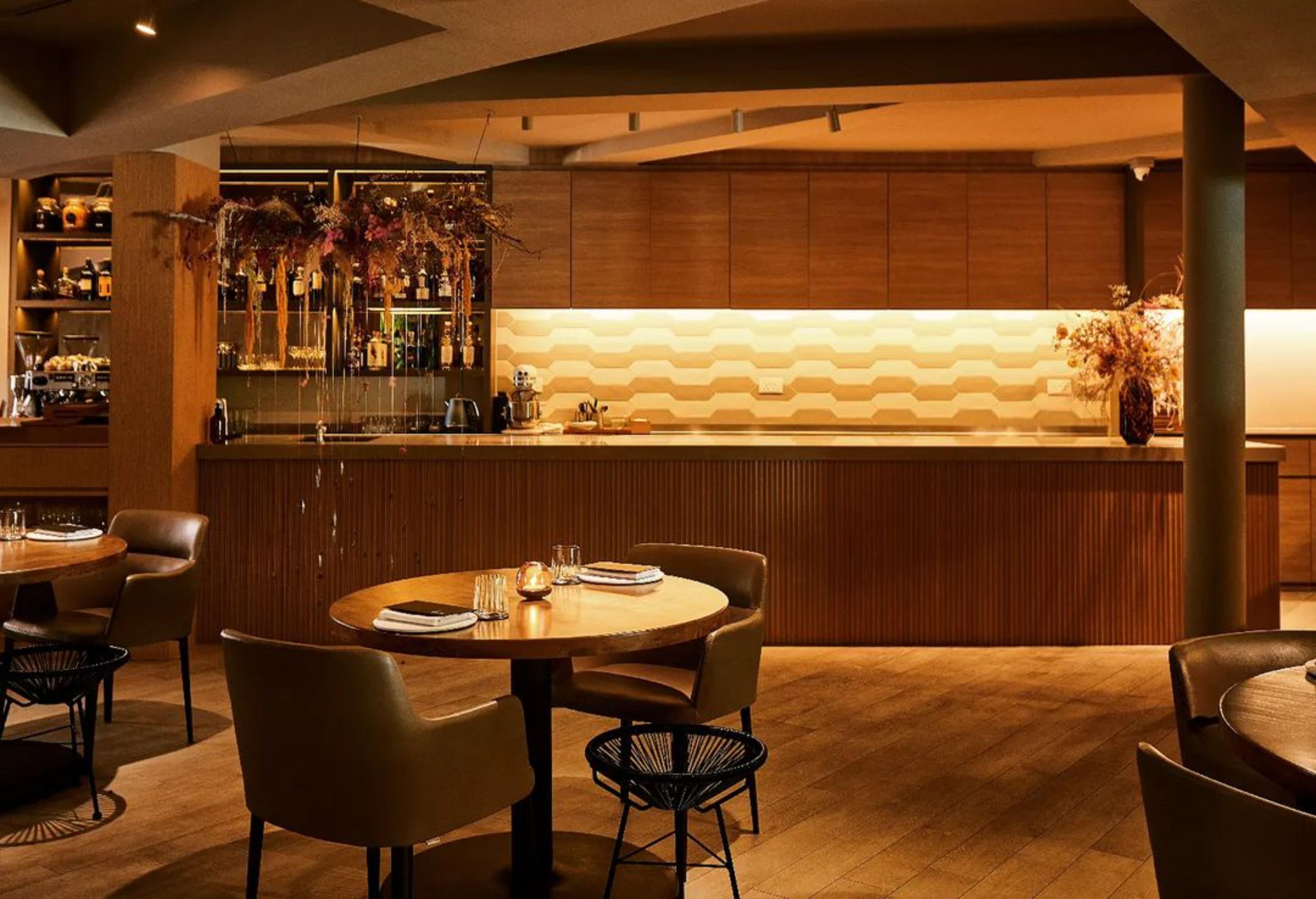
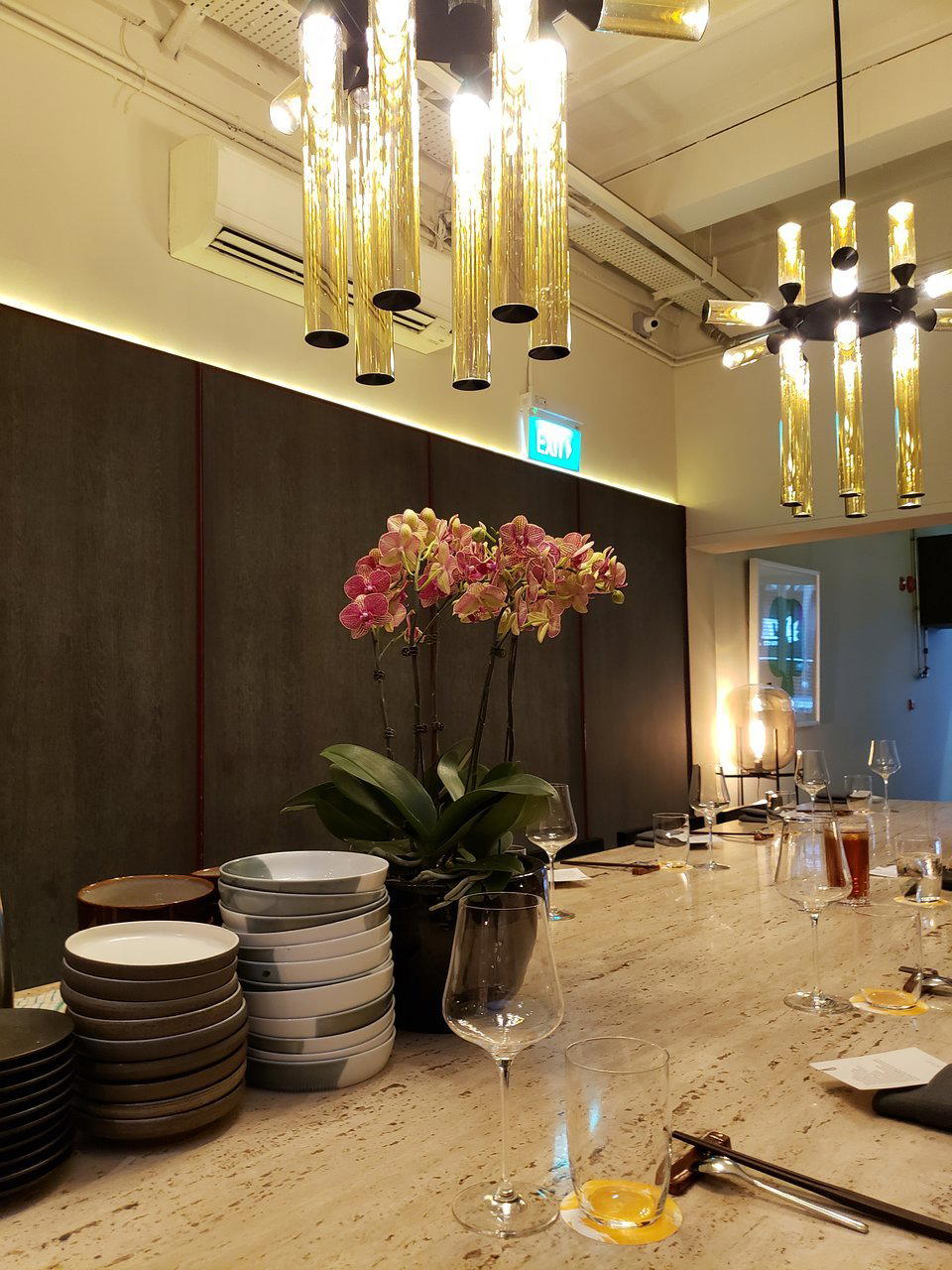
Moody, dimly lit lobby with mood lighting and sophisticated ambiance; rooms feature dark woods and greys with original warehouse beams; intimate and refined throughout.