
Maxwell Reserve sits at the edge of Chinatown's hawker corridor on Cook Street, carrying a 2025 Michelin Selected designation that places it in Singapore's curated boutique hotel tier. The building itself is a converted colonial-era structure, and the address positions guests within walking distance of Tanjong Pagar's restaurant strip and the Maxwell Food Centre. For travellers who want heritage fabric without the price ceiling of the city's established luxury flagships, this is a considered option.
Pearl is the En Primeur Club membership app — saves, bookings, and concierge access live there. Same editors, same standards.
- Address
- 2 Cook St, Singapore 078857
- Phone
- +65 6978 5172
- Website
- marriott.com
- Directions
- Get directions
 Saves & bookings on Pearl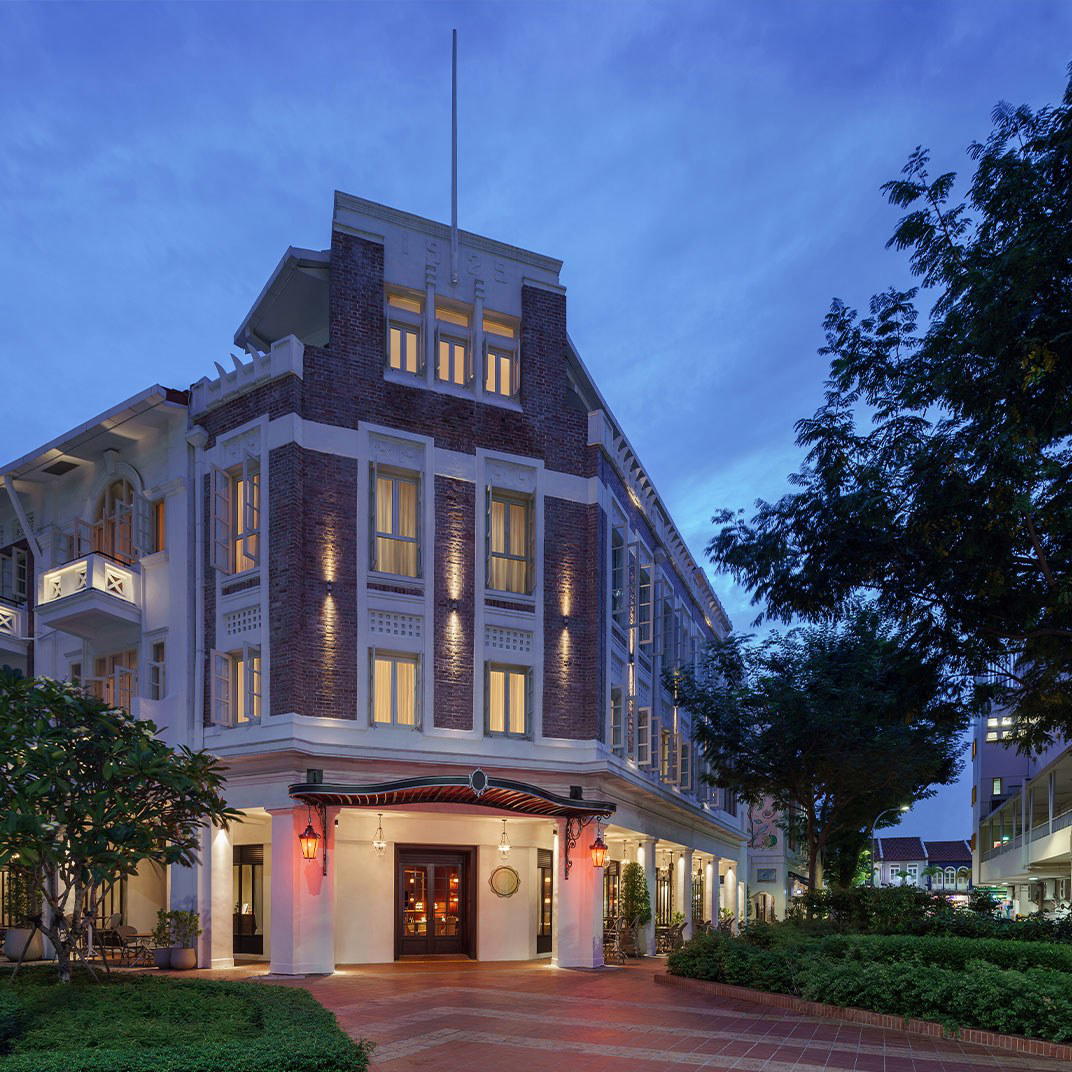
Where Chinatown's Heritage Fabric Meets the Hotel Room
Singapore's hotel market has long been divided between two dominant forces: the grand colonial flagships clustered around Raffles Place and Orchard Road, and the newer glass-and-steel towers rising along Marina Bay. A quieter third tier has been forming in between, built around conserved shophouses, pre-war civic buildings, and mid-century structures that carry neighbourhood identity no developer brief can replicate. Maxwell Reserve is a 5-star hotel at 2 Cook St in Singapore's Chinatown. Maxwell Reserve, at 2 Cook Street in Chinatown, belongs to that third tier. Its 2025 Michelin Selected designation, awarded by the same editorial body that rates the city's restaurants, confirms it has earned attention beyond the boutique novelty bracket.
The address is the first thing to understand about this property. Cook Street sits at the intersection of Chinatown's commercial core and the Tanjong Pagar restaurant corridor, two of Singapore's most active dining districts stacked within a few minutes of each other. Maxwell Food Centre, one of the hawker centres that defines how the city actually eats, is a short walk from the front door. That proximity is not incidental; it shapes the rhythm of a stay here in ways that no in-house restaurant can fully substitute. Guests who treat the neighbourhood as the amenity rather than the hotel get considerably more from this location than those who stay anchored to the property. Compare this with Capella Singapore, which occupies a self-contained Sentosa estate, or Raffles Hotel Singapore, which anchors itself to the city's colonial civic quarter, Maxwell Reserve's Chinatown position is a different kind of argument about where Singapore's texture actually lives.
The Room as the Product
In the boutique hotel tier that hotel occupies, the guest room carries more weight than it does at a large-inventory property. When you strip away the sprawling lobby, the multiple F&B; outlets, the conference floors, and the pool deck, what remains is the quality of the overnight experience itself. That places the emphasis squarely on what happens between check-in and check-out: the bed, the bathroom, the light, the sound insulation, and whether the room has been designed with enough specificity to feel considered rather than assembled from a contract-furniture catalogue.
Heritage conversions of the type the hotel represents, repurposed civic or commercial buildings from Singapore's colonial and early post-independence period, come with structural constraints that can work for or against the guest. Ceiling heights tend to be generous, which changes how a room breathes and how much a space can absorb sound. Original architectural detailing, when preserved rather than plastered over, gives rooms a material specificity that new-build hotels cannot manufacture. The tradeoff is that load-bearing walls and irregular floor plates can produce rooms with layouts that differ from one to another, which for some guests is a feature and for others a frustration. Properties in this category that have managed the conversion well, such as 21 Carpenter in the nearby Raffles Place district, demonstrate that the building's bones can become the room's defining asset rather than its constraint.
Singapore's premium boutique tier increasingly prices against full-service hotels rather than against hostel-adjacent options, and the Michelin Selected recognition places the hotel in a peer group where bathroom fit-out, bedding quality, and in-room technology are expected to reach a consistent standard. For travellers comparing options in this part of the city, Amara Singapore and Artyzen Singapore operate in a broadly similar price and positioning range, while Como Metropolitan Singapore and Andaz Singapore represent a step up in both scale and rate.
The Chinatown Context
Understanding the hotel's competitive logic requires understanding what Chinatown means as a hotel location in 2025. The district has undergone considerable gentrification over the past decade, with the Sri Mariamman Temple corridor and the Ann Siang Hill conservation area drawing a food and beverage scene that now includes some of the city's more interesting independent operators. Tanjong Pagar, directly adjacent, has become a destination in its own right for restaurant dining, particularly Korean food and contemporary European cooking, with enough concentration of serious operators to justify a dedicated evening of walking between venues.
For hotel guests, the practical consequence is that the neighbourhood does the work that a hotel's own programming would otherwise need to do. The cultural density within ten minutes of Cook Street, hawker food, heritage temples, serious restaurants, independent retail, means the hotel's physical footprint matters less than its ability to position guests inside that activity. This is a fundamentally different value proposition from what Carlton Hotel Singapore offers from its City Hall position, or what The Outpost Hotel Sentosa by Far East Hospitality delivers from its Sentosa Island address, each location makes a different argument about what Singapore is worth seeing.
Planning a Stay
The Michelin Selected status, part of the 2025 Michelin Selected Hotels programme, the same editorial body behind the restaurant guide, functions as a baseline quality signal rather than a star-rated ranking, indicating the property has met a curatorial threshold without being slotted into a tiered hierarchy.
The Cook Street location is served by multiple MRT lines within comfortable walking distance, with Outram Park station connecting the Circle, East-West, and Thomson-East Coast lines. Chinatown station on the North-East and Downtown lines provides a second option. Both place the airport, Marina Bay, and Orchard Road within direct transit range without requiring a taxi.
At-a-Glance Comparison
Comparable venues nearby, for context on price, style, and recognition.
| Venue | Cuisine | Price | Awards | Notes |
|---|---|---|---|---|
| Maxwell ReserveThis venue — the venue you are viewing | Heritage colonial building restored with modern luxury | $$$$ | 5-Star | Not listed |
| JW Marriott Hotel Singapore | Contemporary luxury with heritage preservation, targeting sophisticated business travelers and design-conscious guests. | $$$$ | 5-Star | CITY HALL |
| Hotel Fort Canning | Heritage luxury boutique hotel combining British colonial architecture with contemporary minimalist design and wellness focus. | $$$$ | 5-Star | FORT CANNING |
| Pan Pacific Serviced Suites Orchard, Singapore | Luxury serviced apartments with home-like comforts in prime shopping location | $$$$ | 5-Star | SOMERSET |
| QT Singapore | Playful luxury in heritage building | $$$$ | 5-Star | CECIL |
| Singapore Marriott Tang Plaza Hotel | Well-known urban luxury resort | $$$$ | 5-Star | BOULEVARD |
Recognition history
Dated appearances from independent guides and award organizations, with the underlying list record or original source where available.
Michelin Selected
Michelin
Continue exploring
More in Singapore
Hotels in Singapore
Browse all →
Bars in Singapore
Browse all →
Restaurants in Singapore
Browse all →
At a Glance
- Elegant
- Ornate
- Sophisticated
- Historic
- Intimate
- Romantic Getaway
- Anniversary
- Business Trip
- Historic Building
- Design Destination
- Wi Fi
- Pool
- Fitness Center
- Room Service
- Wi Fi
- Pool
- Fitness Center
- Room Service
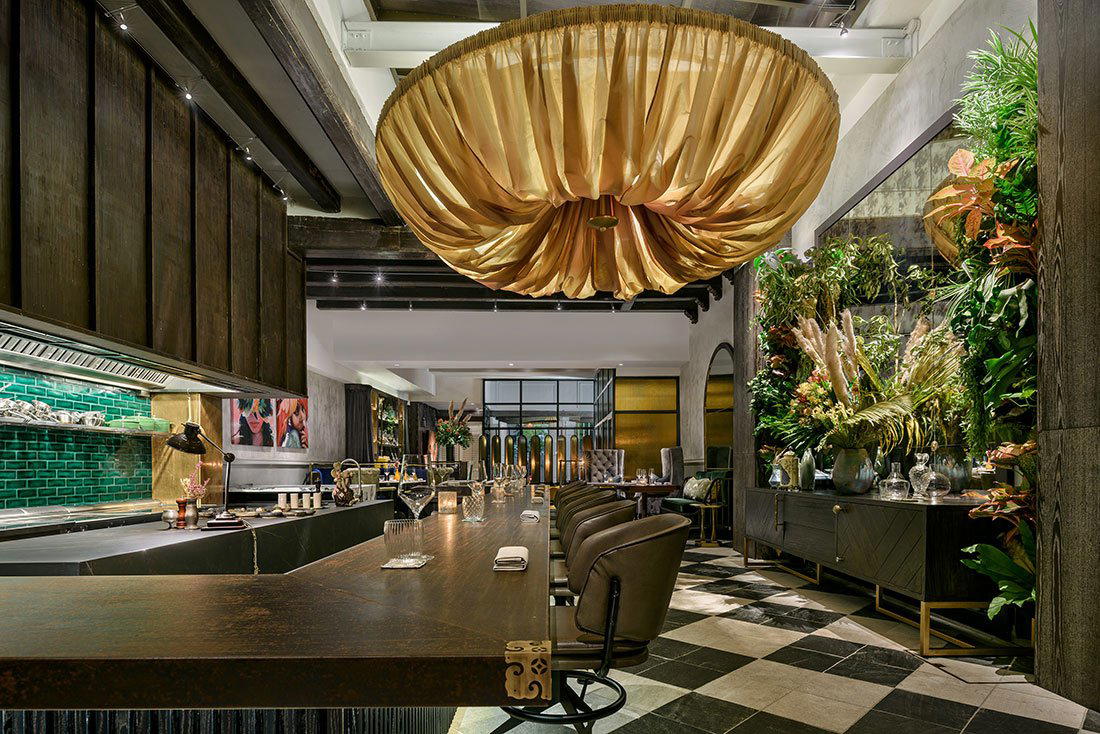
Elegant atmosphere blending historical touches, rich colors, tactile materials, and glamorous European style with warm, personal intimacy.