The Merchant Hotel


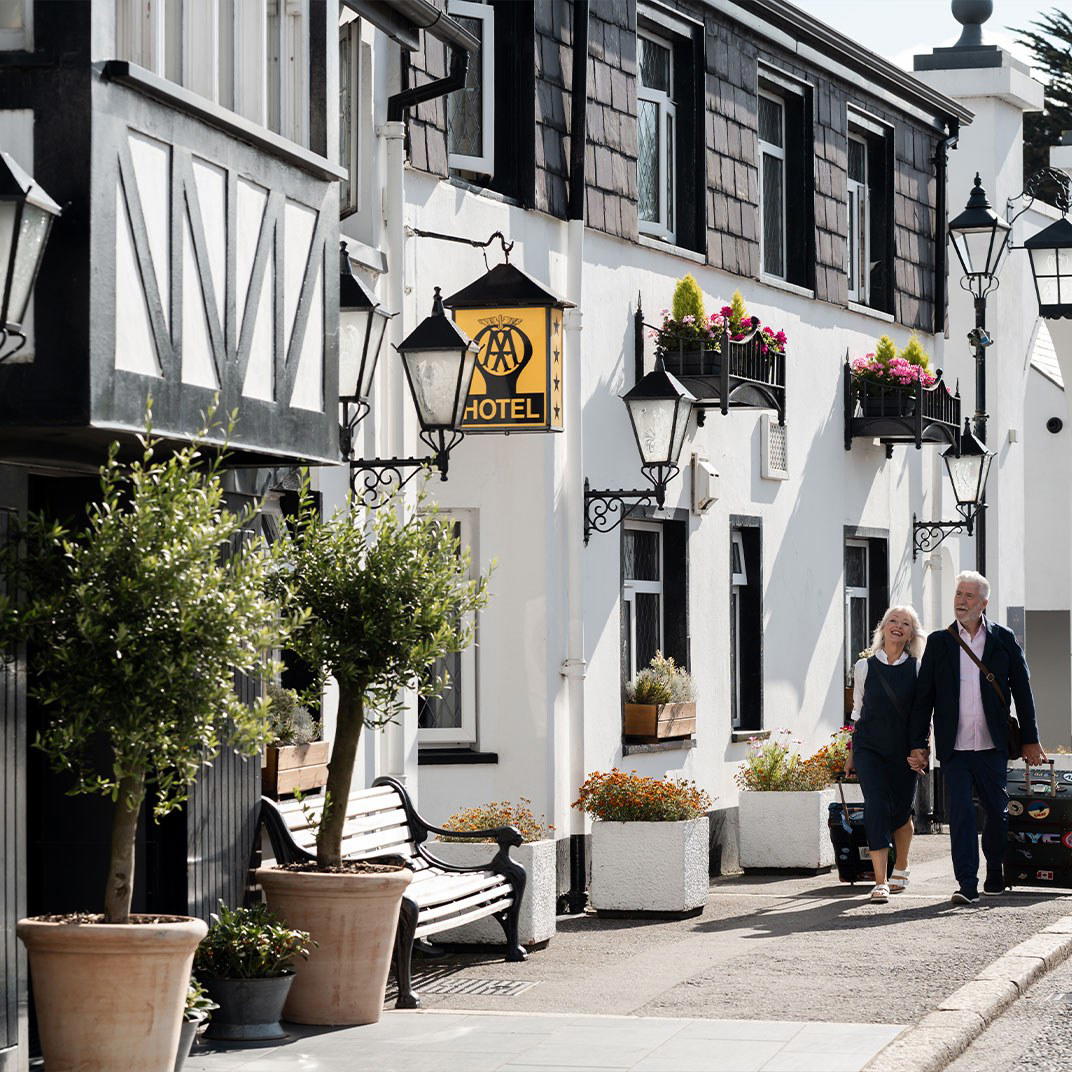
Occupying a converted Victorian bank in Belfast's Cathedral Quarter, The Merchant Hotel is the city's most formally decorated address, earning 94.5 points in La Liste's 2026 Top Hotels ranking. The property sits at the intersection of historic architecture and contemporary hospitality, placing it in a different competitive tier from the city's newer builds. Guests are within walking distance of the Cathedral Quarter's bars, galleries, and the waterfront.
 Discover on Pearl
Pearl is the En Primeur Club membership app — saves, bookings, and concierge access live there. Same editors, same standards.
- Address
- 16 Skipper St, Belfast BT1 2DZ, UK
- Phone
- +44 28 9023 4888
- Website
- themerchanthotel.com
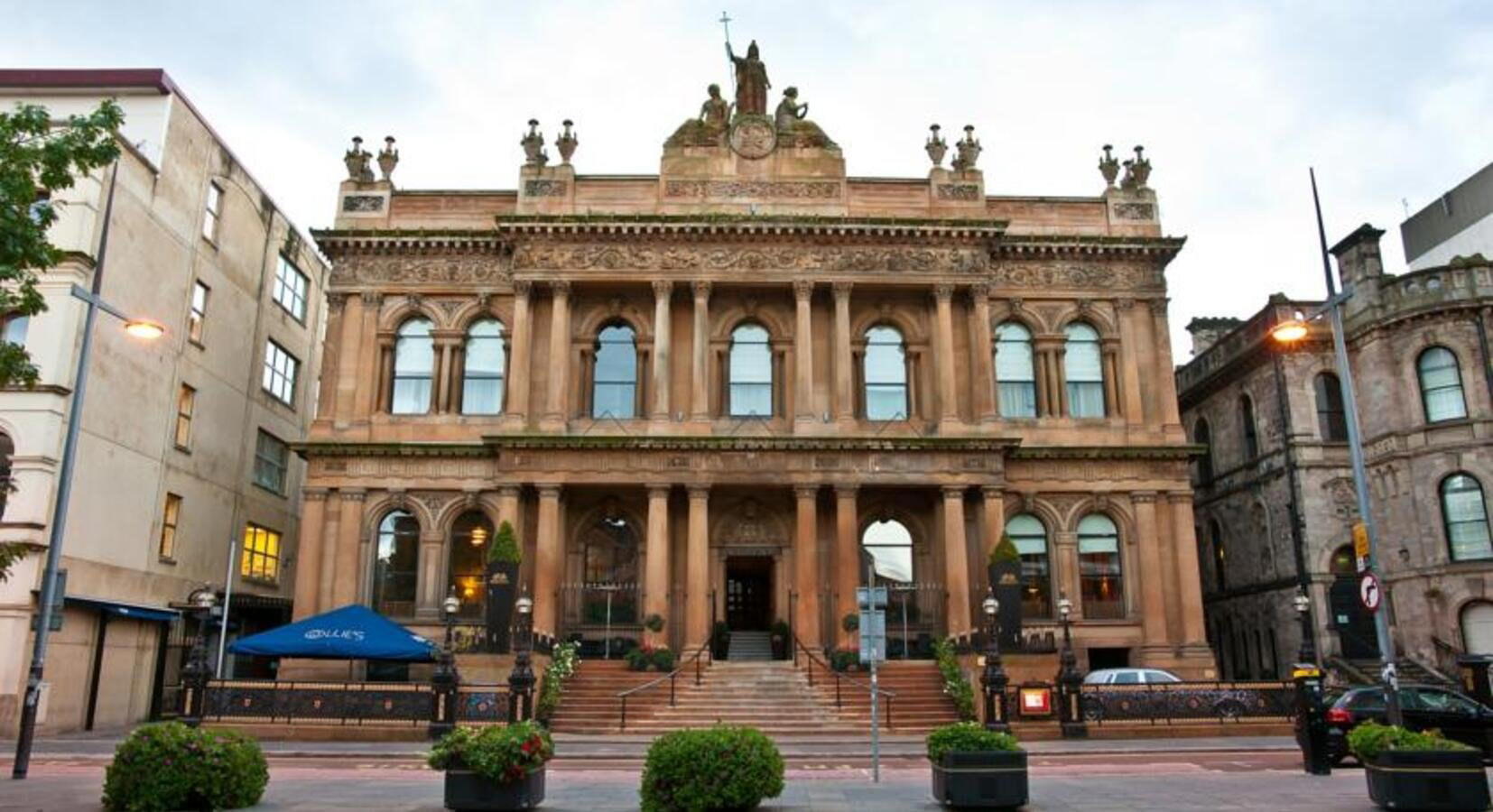
Cathedral Quarter, Cast Iron, and a Different Kind of Belfast Hotel
Belfast's hotel scene has reorganised considerably over the past two decades. The post-Troubles city built upward fast, and much of that construction landed in the city centre as glass-and-steel conference product or mid-market chain inventory. What makes the Cathedral Quarter interesting is that its most compelling address went the other direction entirely: into an existing Victorian structure, preserving the ornamental weight of a former Ulster Bank head office rather than replacing it. The Merchant Hotel, at 16 Skipper Street, occupies that building, and the address shapes everything about what the property offers.
What the Address Provides
Skipper Street sits inside the Cathedral Quarter, Belfast's most concentrated cultural district. Within short walking distance: the Black Box arts venue, the Oh Yeah Music Centre, St Anne's Cathedral, and a cluster of bars and restaurants that represent the more considered end of Belfast's food scene. The waterfront is accessible on foot, as is the Titanic Quarter, where the Titanic Belfast museum occupies a site of genuine historical weight. For a guest arriving without local knowledge, the Cathedral Quarter address functions as a navigational anchor, you are within reach of most of what the city does well without needing a taxi.
That proximity matters more in Belfast than in larger cities precisely because the city remains compact. Unlike London or Manchester, where a hotel's neighbourhood can effectively seal a guest into one zone, Belfast's scale means that a Cathedral Quarter base offers access to the commercial centre (a ten-minute walk toward Victoria Square), the university district to the south, and the waterfront to the east. The positioning is genuinely central in a way that the term often promises and rarely delivers.
Among Belfast's most-referenced hotel options, the property occupies a distinct position. Culloden Estate and Spa operates a different model entirely, a country-house property on the shores of Belfast Lough, several kilometres outside the city, where space and setting are the offer. The Fitzwilliam Hotel Belfast is a more contemporary build in the city centre, closer to the commercial core but without the Victorian fabric. Regency House Belfast sits in a different scale and price bracket altogether.
The Victorian Interior as the Primary Proposition
Heritage-conversion hotels across the British Isles have multiplied in the past decade, and the format has produced a wide range of results. The approach works when the original structure provides genuine ornamental material, ceiling height, plasterwork, original fittings, that neither a new build nor a sensitive renovation can fabricate. What distinguishes the better examples in this category is how completely the architectural bones determine the guest experience, rather than serving merely as backdrop to contemporary interiors dropped inside a shell.
The former Ulster Bank building, completed in the 1860s in High Victorian style, provides exactly that kind of structural depth. The Great Room, which functions as the hotel's principal dining and social space, is frequently cited as one of the more architecturally significant interior rooms in Belfast: a domed ceiling, elaborate plasterwork, and proportions that were designed to communicate institutional permanence rather than domestic comfort. That scale translates directly into the dining experience in a way that no contemporary fit-out replicates. Hotels working with equivalent Victorian bank conversions elsewhere in the British Isles, properties like King Street Townhouse Hotel in Manchester or Hope Street Hotel in Liverpool, face the same challenge: the architecture is the asset, and everything else must be calibrated against it.
Placing the Merchant in British Isles Context
Properties earning comparable marks in the British Isles context tend to be either large-scale country estates, Gleneagles in Auchterarder is the reference point, or tightly managed urban heritage properties with high service-to-room ratios.
The Merchant operates in the second category. It is not attempting to compete with the resort model, and it is not attempting to scale through volume. This positions it similarly to Claridge's in London in strategic terms, not in scale, but in the sense that both properties derive authority from a specific, non-replicable building with a long history in its city. Readers comparing hotel options across the British Isles will find useful context in Lime Wood in Lyndhurst and The Newt in Somerset, both La Liste-recognised properties in England that similarly anchor their guest propositions in a specific sense of place rather than brand infrastructure.
For international visitors, The Merchant offers a historic building, a precise urban address, and a reputation built on physical specificity. That relative scarcity of recognised luxury product in Belfast is itself part of the argument for the property.
Planning a Stay
The Short List
Comparable venues nearby, for context on price, style, and recognition.
| Venue | Cuisine | Price | Notes |
|---|---|---|---|
| The Merchant HotelThis venue — the venue you are viewing | $$$$ | ||
| The Fitzwilliam Hotel Belfast | $$$$ | Belfast City Centre, luxurious boutique hotel | |
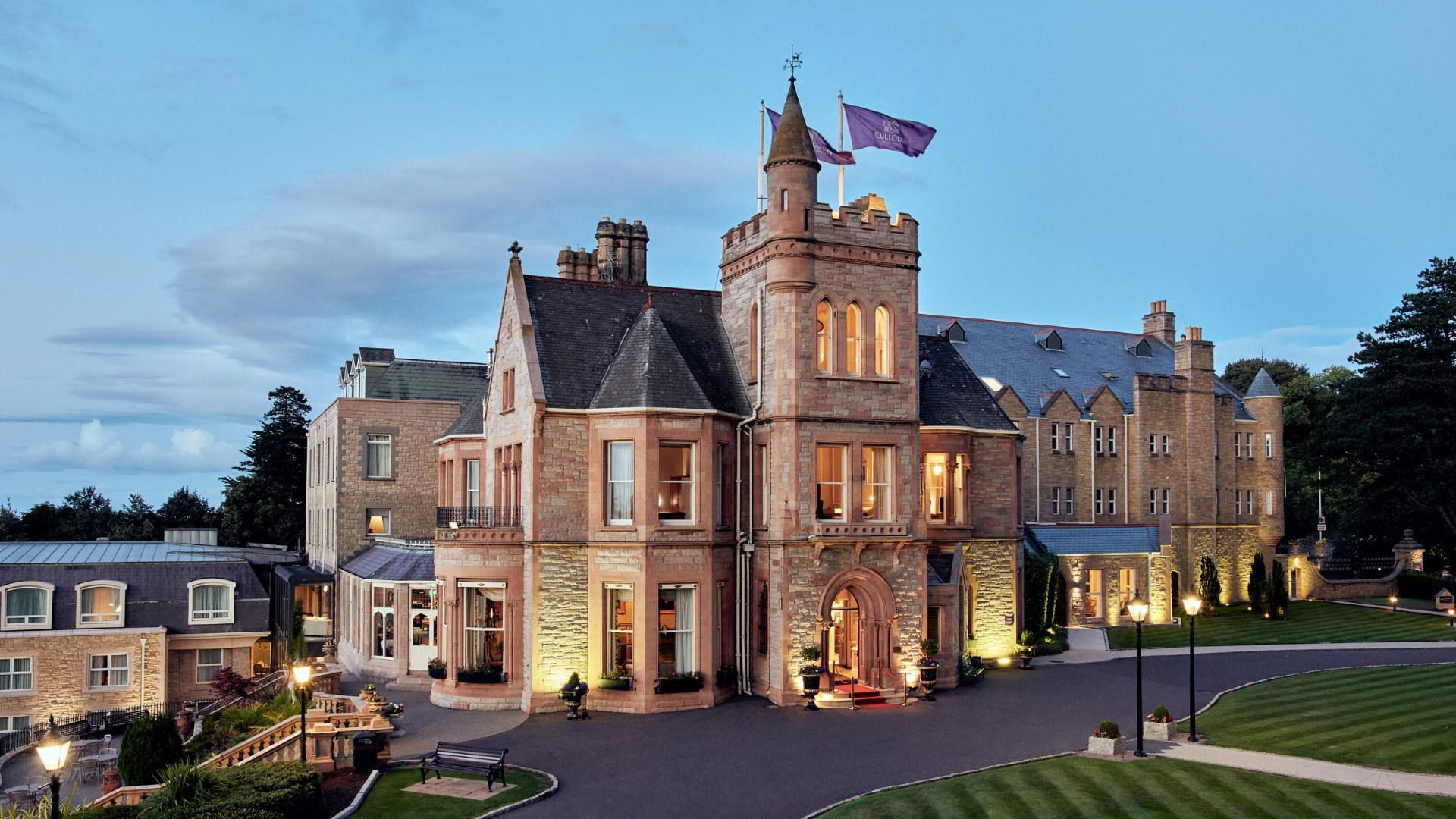
| Culloden Estate and Spa | $$$$ | Holywood (Cultra), Luxury heritage property housed in a restored Gothic mansion with palatial surroundings, fine antiques, and contemporary amenities blending historic elegance with modern comfort. | |
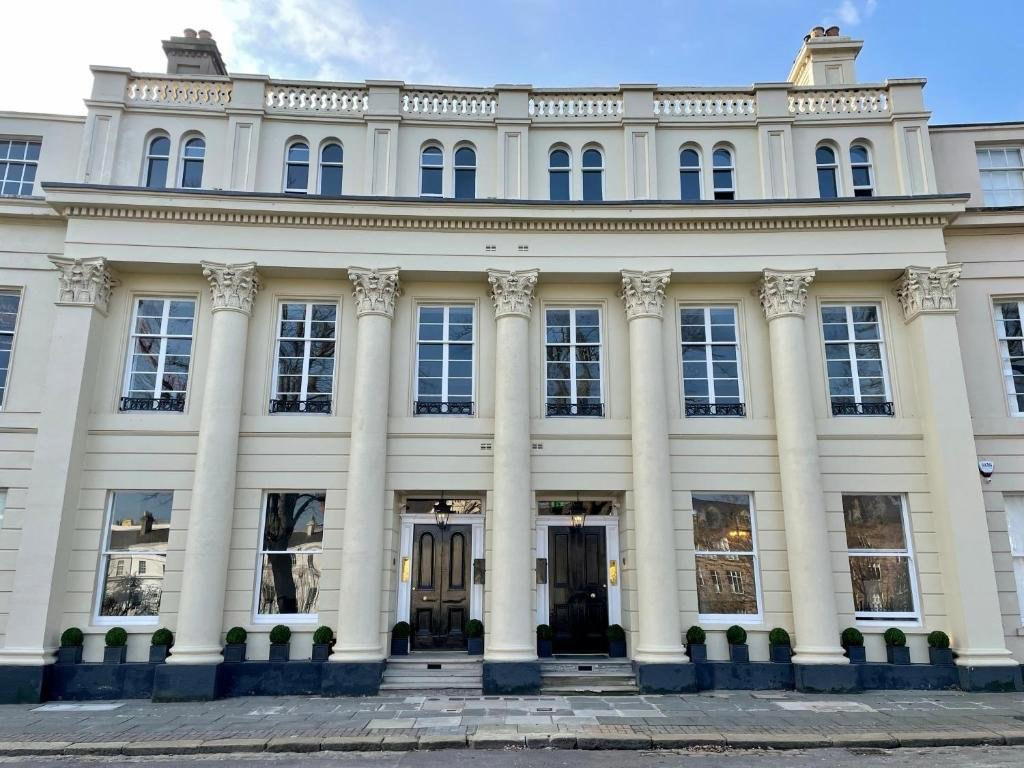
| Regency House Belfast | $$$$ | Belfast City Centre, Restored Georgian townhouse with luxury aparthotel positioning, blending historic architecture with contemporary comfort and personalized service. | |
| Swinney Wood Log Cabins | Belper, luxurious rustic log cabins | $$$$ | |
| Seaham Hall Hotel | $$$$ | Durham Heritage Coast, Contemporary luxury coastal wellness resort housed in a historic Georgian country house with modern amenities and refined British aesthetic. |
Continue exploring
More in Belfast
Hotels in Belfast
Browse all →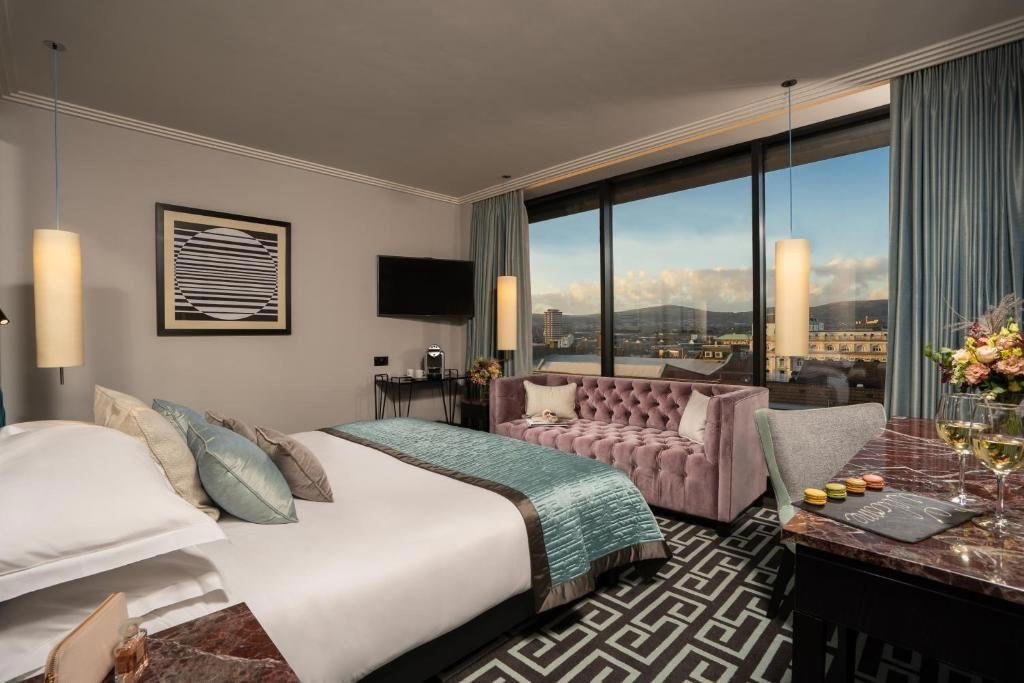
Bars in Belfast
Browse all →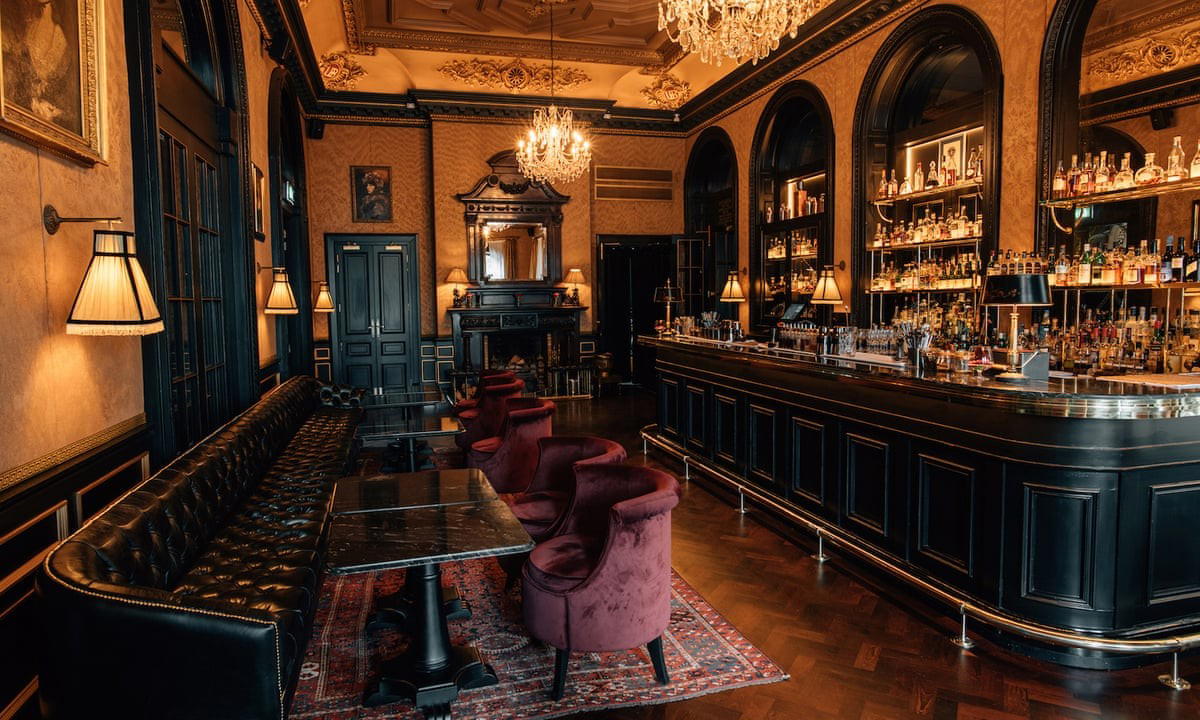
Restaurants in Belfast
Browse all →
Wineries in Belfast
Browse all →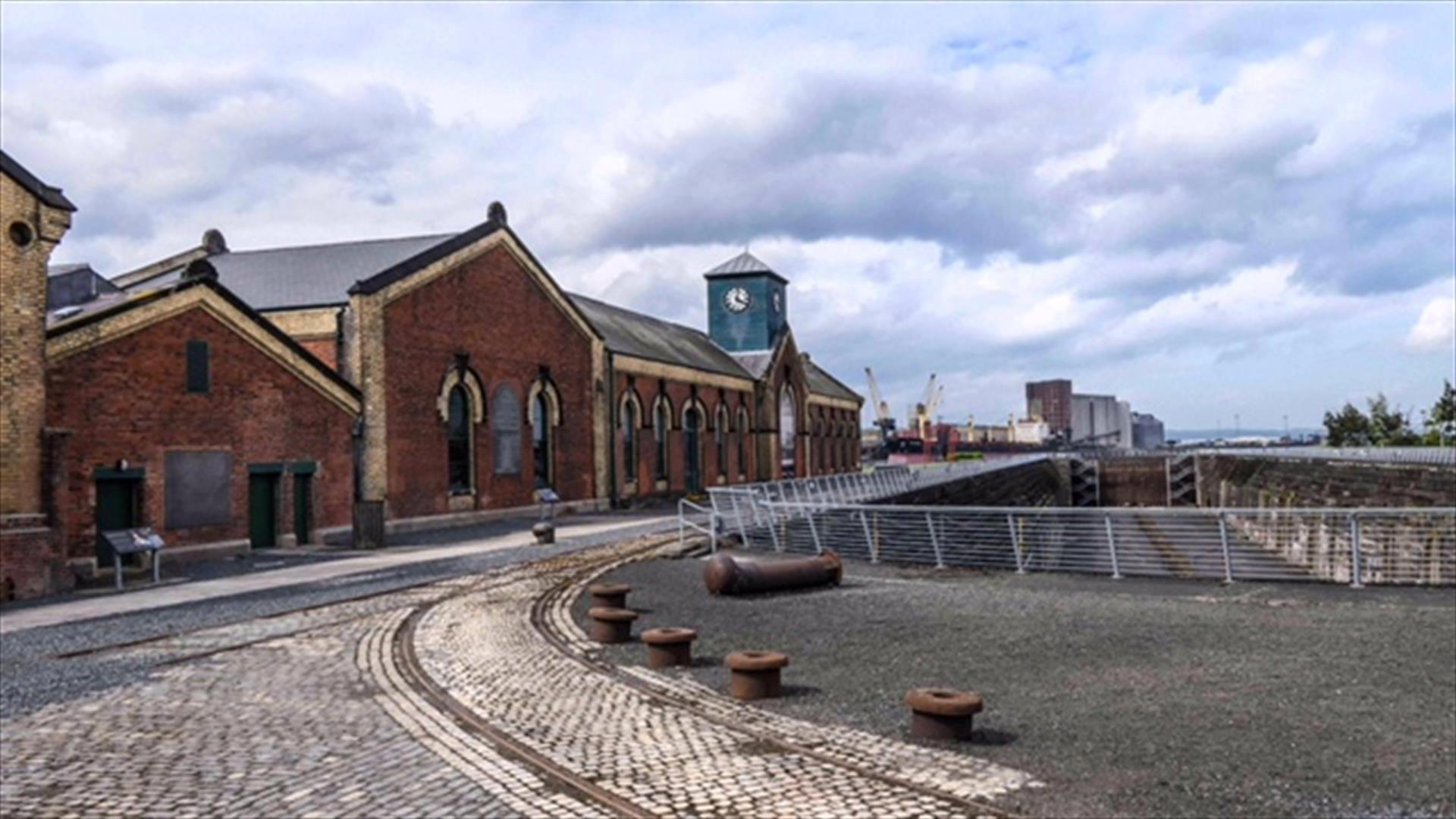
At a Glance
- Elegant
- Sophisticated
- Opulent
- Romantic
- Classic
- Romantic Getaway
- Anniversary
- Honeymoon
- Wedding
- Historic Building
- Rooftop Pool
- Spa
- Pool
- Sauna
- Fitness Center
- Room Service
- Concierge
- Wifi
- Restaurant
- Bar
- Business Center
- Valet Parking
Opulent and grand with ornate Victorian interiors, gilded moldings, sparkling chandeliers, rich fabrics, mood lighting, and a sophisticated, romantic atmosphere praised for its luxurious and stylish design.