THE DARWIN RANCH

Top 50 Ranches
The Darwin Ranch sits deep in Wyoming's Gros Ventre wilderness, operating as a fully all-inclusive dude ranch where horseback riding and farm-to-table dining form the structural core of the stay. The physical setting — working ranch infrastructure set against high-altitude terrain — places it in a narrow category of American wilderness properties that function as both agricultural operations and hospitality experiences. Access alone filters the guest list.

Pearl is the En Primeur Club membership app — saves, bookings, and concierge access live there. Same editors, same standards.
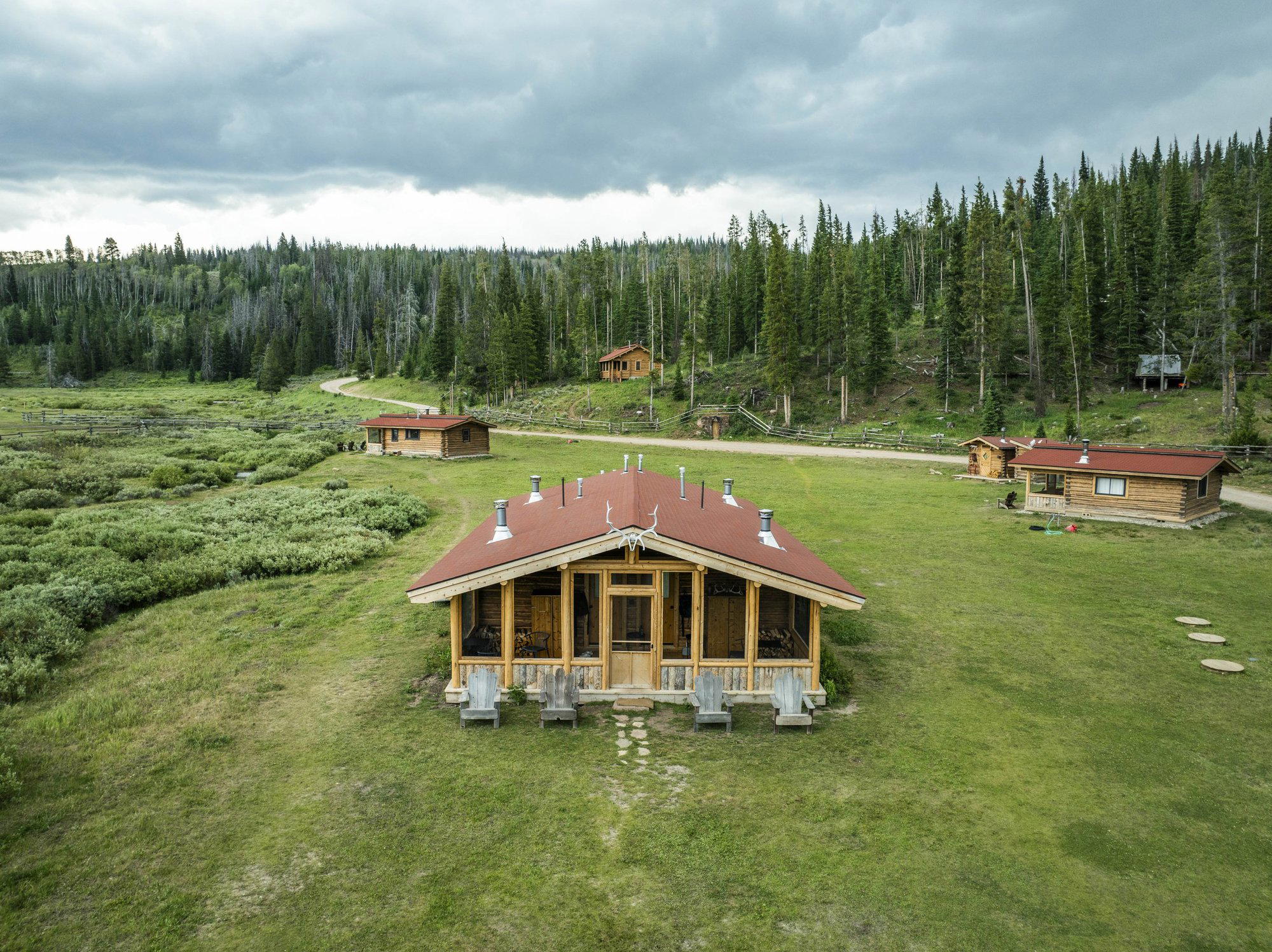
Where the Road Ends and the Ranch Begins
There is a category of American wilderness property that earns its authority not through amenity stacking but through geographic commitment. The approach alone — unpaved road, rising elevation, the Gros Ventre Range filling the windshield — communicates more about the experience than any amenity list could. This is a working ranch environment, and the physical architecture of the place reflects that without apology: weathered timber, practical outbuildings, corrals, and a landscape shaped by function rather than aesthetics imported from elsewhere.
That functional honesty is increasingly rare in the premium wilderness tier. Properties like Amangani in Jackson Hole or Amangiri in Canyon Point position themselves against dramatic terrain but rely on architectural set-pieces, cantilevered concrete, infinity pools, designer furniture, to mediate between guest and wilderness. The Darwin Ranch takes a different position: the built environment steps back, and the terrain does the work. Corrals and tack rooms are not hidden from view. They are the view.
The Architecture of a Working Ranch
Dude ranch design in the American West carries a long vernacular tradition, and the Darwin Ranch operates within it rather than against it. The log construction, steep-pitched rooflines, and compact cabin footprints that characterize properties of this type evolved from practical necessity in high-altitude, high-snowfall environments. What distinguishes the Darwin Ranch within that tradition is its location: the Gros Ventre wilderness is among the more remote corners of accessible Wyoming, placing the property outside the orbit of the Jackson Hole resort corridor that has increasingly absorbed premium Western ranch travel.
Compare this positioning to Sage Lodge in Pray, Montana, which anchors its identity to the Yellowstone River and fly-fishing infrastructure, or Alpine Falls Ranch in Superior, which sits in a different competitive register entirely. Each of these properties makes a spatial argument about what a premium wilderness stay should feel like. The Darwin Ranch's argument is essentially about distance from convenience, and for a specific guest, that distance is the primary draw rather than a concession.
The all-inclusive format reinforces this spatial logic. When a property is structured so that guests have little reason to leave, the design of the communal spaces carries additional weight. Dining areas, common rooms, and the transitions between interior and exterior become the operative architecture of daily life at the ranch. The farm-to-table dining program, which sits at the center of the all-inclusive offer, connects the culinary environment directly to the working land around it, a structural relationship between kitchen and terrain that properties like SingleThread Farm Inn in Healdsburg and Blackberry Farm in Walland have developed into signature identities.
Farm-to-Table in a Ranch Context
Farm-to-table as a hospitality concept covers significant range, from kitchen gardens supplying a few garnishes to fully integrated agricultural operations where the property's food identity is inseparable from its land use. In a ranch setting, the logic extends naturally: the animals, the pasture, the kitchen, and the dining room are all within the same operational frame. The Darwin Ranch's all-inclusive structure means that dining is not an optional upgrade but a designed part of the total experience, which places more pressure on the food program to carry its own weight editorially.
This is a meaningful distinction from properties where dining is separated from the accommodation offer. At Auberge du Soleil in Napa or Bernardus Lodge and Spa in Carmel Valley, the restaurant operates as a semi-independent draw with its own reservation system and public-facing identity. At an all-inclusive ranch, the dining room is closed to outside guests by design, which concentrates the culinary experience entirely on the resident guest population and changes the social architecture of mealtimes. Shared tables, fixed schedules, and communal rhythm become part of the product.
Horseback Riding as Structural Activity
In the taxonomy of premium experiential travel, activities divide between optional amenities and load-bearing experiences. At properties like Canyon Ranch Tucson or Little Palm Island Resort and Spa, wellness programming or water access serves as the organizing principle of the stay. At the Darwin Ranch, horseback riding fills that role. It is not an add-on. The ranch format is built around daily riding, which means the quality and management of the horse program has a direct effect on whether the experience delivers on its central premise.
High-altitude terrain in the Gros Ventre range, with its mix of open meadow, river drainage, and forested ridge, provides the kind of riding variety that flatland or foothill ranches cannot replicate. The elevation and remoteness also mean that wildlife encounters, including elk, deer, and occasionally larger predators, are realistic rather than staged. That ecological context is part of what separates a property of this type from resort-adjacent riding programs at properties that happen to keep horses on the grounds.
Planning a Stay
The Darwin Ranch operates on an all-inclusive basis, which means pricing, activity access, and dining are bundled rather than itemized. Guests planning a stay should contact the ranch directly for availability and rates, as the remote location and limited capacity make advance planning necessary, the Gros Ventre wilderness is not a drop-in destination. For broader context on the Cora area and comparable properties in the region, see our full Cora restaurants guide.
Travelers weighing this against other remote American wilderness stays might also consider Post Ranch Inn in Big Sur, Kona Village, a Rosewood Resort in Kailua Kona, or Ambiente, A Landscape Hotel in Sedona, each of which makes a different spatial and experiential argument about what it means to stay somewhere genuinely removed from urban infrastructure. The Darwin Ranch's argument is among the more uncompromising in the American West.
At-a-Glance Comparison
Comparable venues nearby, for context on price, style, and recognition.
| Venue | Cuisine | Price | Awards | Notes |
|---|---|---|---|---|
| THE DARWIN RANCHThis venue (the venue you are viewing) | rustic wilderness guest ranch with modern comforts in historic log cabins | $1,000–1,500 | Top 50 Ranches | Not listed |
| LAZY L&B RANCH | rustic dude ranch with historic lodge and comfortable cabins | $2,500+ | Top 50 Ranches | Dubois |
| Blackwater Creek Lodge & Guest Ranch | Historic dude ranch with authentic Western heritage. | Not listed | USA Today Best Ranches Best Ranches #2 | Shoshone National Forest |
| DOUBLE RAFTER CATTLE DRIVES | working cattle ranch with tent camping | $750–1,000 | Top 50 Ranches | Ranchester |
| Red Rock Ranch | Authentic log cabin dude ranch with western decor and modern comforts. | Not listed | USA Today Best Ranches Best Ranches #17 | Kelly |
| Brush Creek Ranch | luxury historic guest ranch collection | Not listed | Michelin Selected | Saratoga |
Recognition history
Dated appearances from independent guides and award organizations, with the underlying list record or original source where available.
Top 50 Ranches
Top 50 Ranches
Continue exploring
More in Cora
Hotels in Cora
All hotels in Cora →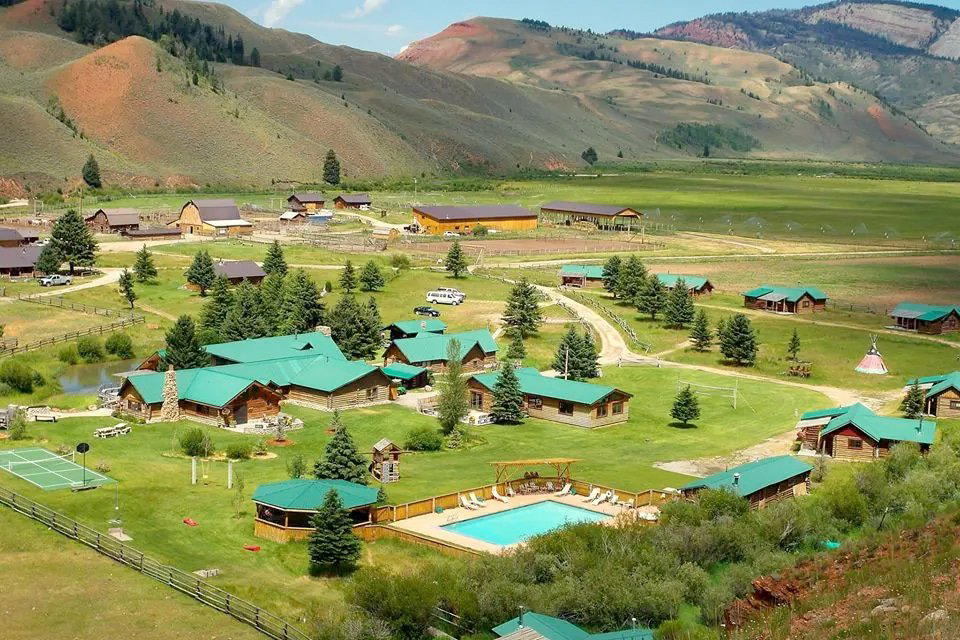
Details
- Rustic
- Scenic
- Cozy
- Quiet
- Family Vacation
- Weekend Escape
- Group Retreat
- Panoramic View
- Sauna
- Wi Fi
- Housekeeping
- Mountain
Peaceful and relaxed atmosphere with crackling fires in the main lodge, cocktails on the porch overlooking the river, and a convivial vibe fostered by warm, family-like staff and guests.