The Belize Zoo and Tropical Education Center
The Belize Zoo and Tropical Education Center, on Mile 29 of the George Price Highway outside La Democracia, operates as one of Central America's most consequential wildlife facilities. It houses animals born in captivity or rehabilitated from injury, placing visitors within close range of jaguars, tapirs, and scarlet macaws in open-air enclosures designed around native savanna and forest habitats.

Pearl is the En Primeur Club membership app — saves, bookings, and concierge access live there. Same editors, same standards.
- Address
- Mile 29 George Price Hwy, La Democracia, Belize
- Phone
- +501 613 4966
- Website
- belizezoo.org
- Directions
- Get directions
Where the Savanna Meets the Enclosure
Approaching Mile 29 of the George Price Highway, the transition from the open pine savanna of central Belize into the tree-lined corridor surrounding the Belize Zoo and Tropical Education Center is abrupt enough to register physically. The air changes before the entrance sign does. This stretch of highway, roughly midway between Belize City and the Cayo District, has always functioned as a kind of threshold between Belize's coastal lowlands and its western interior, and the Zoo occupies that in-between with something close to ecological logic. You are not arriving at a manicured park; the grounds read as a working piece of Belizean habitat interrupted by pathways and interpretive signage rather than the other way around.
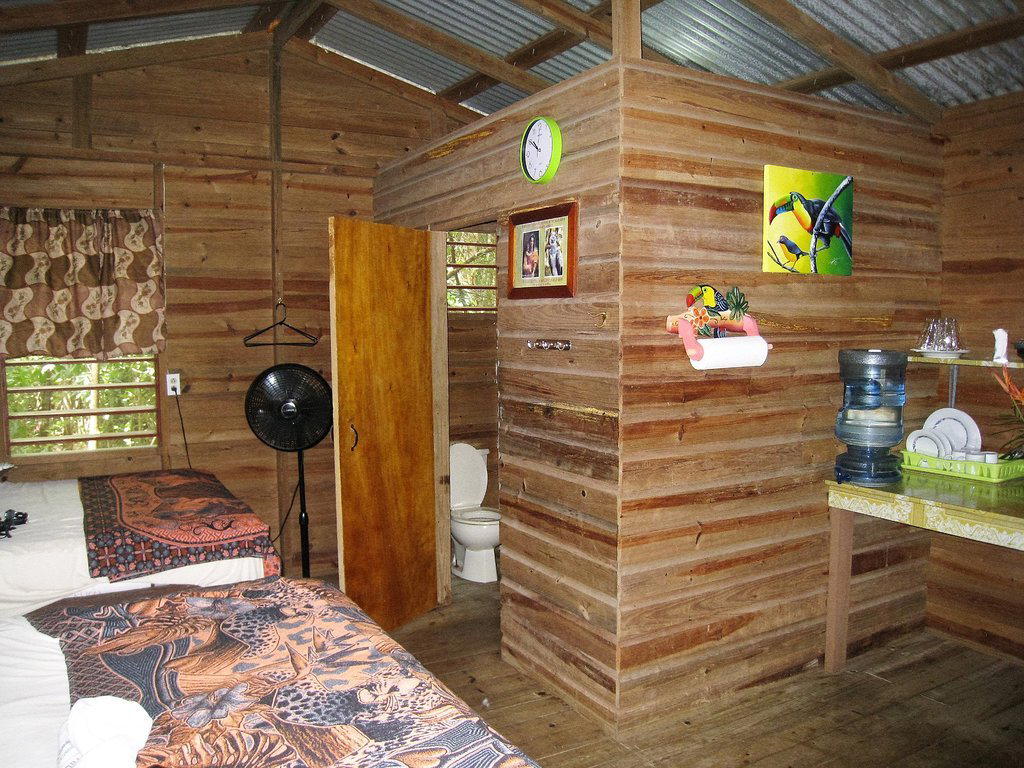
That spatial character is deliberate. Unlike zoo design traditions that prioritize spectacle through grand infrastructure, the facility here operates from a design philosophy rooted in low-intervention naturalism. Enclosures are built to approximate the animals' actual habitat ranges within the country rather than to create theatrical backdrops. The structures use local timber and thatch where possible, and the sightlines are arranged so that visitors frequently feel they have entered the animals' territory rather than imposed a viewing platform upon it. For travelers accustomed to institutions like those found at Amangiri in Canyon Point, where the architecture submits to the surrounding landscape, the design language here will feel legible, if more modest in budget.
Animals of the Interior, Presented on Their Own Terms
The resident collection draws entirely from Belize's native fauna. Jaguars, Baird's tapirs, harpy eagles, keel-billed toucans, and scarlet macaws are among the species housed here, all either born in captivity or received as injured animals unable to survive release. This curatorial restriction distinguishes the Zoo from facilities that import exotic species from outside the region, and it has a direct effect on the visitor experience: every animal you encounter exists within its biogeographic home range, giving the encounters an ecological coherence that imported-species collections cannot replicate.
The jaguar enclosures in particular occupy a significant portion of the grounds and are designed to allow movement, shade, and concealment, which means sightings require patience and timing rather than guaranteed theater. Early morning visits, before the highway traffic builds and the midday heat settles, consistently offer better animal activity. Travelers who are also spending time in the Cayo District, perhaps staying at properties like Blancaneaux Lodge in San Ignacio or GAÏA Riverlodge in Cayo District, will find the Zoo sits naturally on the route between Belmopan and the western highlands, requiring no significant detour.
The Education Mandate as Structural Identity
Tropical Education Center portion of the facility is not a secondary annex. It represents the institution's founding logic and continues to shape how the physical space is organized. Interpretive programs, overnight lodging for student and researcher groups, and formal school outreach initiatives are integrated into the grounds rather than appended to them. This is a model that parallels what institutions like Bocawina Rainforest Resort and Adventures in Silk Grass and Copal Tree Lodge in Punta Gorda pursue through eco-tourism programming, though the Zoo's mission is explicitly educational rather than hospitality-driven.
Interpretive signage throughout the grounds is written in a register accessible to younger visitors without condescending to adults. Information about Belize's forest cover, the pressures facing jaguar corridor connectivity, and the legal framework surrounding wildlife rehabilitation gives context that extends well beyond the individual animals on display. For travelers whose Belize itinerary already includes reef excursions from properties like Aqua Vista Beachfront Suites in San Pedro or Matachica Resort and Spa in Ambergris Caye, the Zoo provides the terrestrial counterpoint that marine-focused programming rarely covers.
Position in Belize's Broader Nature Itinerary
Belize's premium nature circuit tends to concentrate on the Cayo District's cave systems and ruins, the reef and atolls of the Caribbean coast, and the jaguar reserves of the southern interior. The Zoo at Mile 29 sits outside the typical anchor-point logic of that circuit, which makes it more useful as a connector stop than as a destination in its own right for travelers staying at remote properties. Those based at Hidden Valley Wilderness Lodge in Pine Ridge or planning routes that include Turtle Inn in Placencia or Hopkins Bay Resort in Hopkins will find that the George Price Highway already passes through or near this corridor on a standard overland route.
For travelers whose primary reference points are hotels like Thatch Caye Resort in Coco Plum Range, the Zoo functions as a useful orientation to the country's terrestrial wildlife before or after time on the water. The contrast between those two registers of Belizean nature, marine and inland forest, is one of the more distinctive features of traveling through the country with any depth. See our full La Democracia guide for additional context on the surrounding area and what else warrants time along this stretch of highway.
Planning a Visit
The Zoo sits at Mile 29 George Price Highway, accessible by private vehicle or scheduled bus service between Belize City and Belmopan. Given the highway's role as the country's primary overland artery, access is direct for anyone transiting between the coast and the interior. Most visits run between two and three hours at a measured pace. Morning arrival is advisable both for animal activity and to avoid midday heat on the open pathways. The facility accommodates independent visitors and organized groups, and the Tropical Education Center has historically offered overnight accommodation for educational programs, though availability for independent travelers should be verified in advance.
Fast Comparison
| Venue | Price | Awards |
|---|---|---|
| The Belize Zoo and Tropical Education CenterThis venue — the venue you are viewing | $1–100 | Not listed |
| Ka'ana Resort | $300–500 | Michelin Selected · Forbes Recommended |
| Turtle Inn | $300–500 | Michelin Selected · La Liste Top Hotels |
| Alaia Belize, Autograph Collection | Not listed | Conde Nast Best Resorts #22 |
| Blancaneaux Lodge | $300–500 | 1 Michelin Key · Virtuoso Luxury Hotel Partner |
| Cayo Espanto | $1,000–1,500 | Virtuoso Luxury Hotel Partner |
Continue exploring
More in La Democracia
Hotels in La Democracia
Browse all →
Bars in La Democracia
Browse all →
Details
- Scenic
- Rustic
- Family Vacation
- Group Retreat
- Garden
- Waterfront
- Pool
- Garden
- Wheelchair Accessible
- Step Free Entrance
- Accessible Parking
Natural, open-air garden setting with tropical vegetation and native wildlife in spacious exhibits; peaceful and educational atmosphere with gravel pathways through lush landscape.