
Three miles off the coast of San Pedro, Cayo Espanto occupies its own private island in the Western Caribbean, operating six villas and a single over-water bungalow with a two-to-one staff-to-guest ratio. The property sits ten minutes from Belize's barrier reef, the second longest in the world, and positions itself in a tier of Caribbean private-island resorts where total seclusion and personalised service are the primary product.
Pearl is the En Primeur Club membership app — saves, bookings, and concierge access live there. Same editors, same standards.
- Address
- Ambergris Caye, P.O. 244
- Directions
- Get directions
 Saves & bookings on Pearl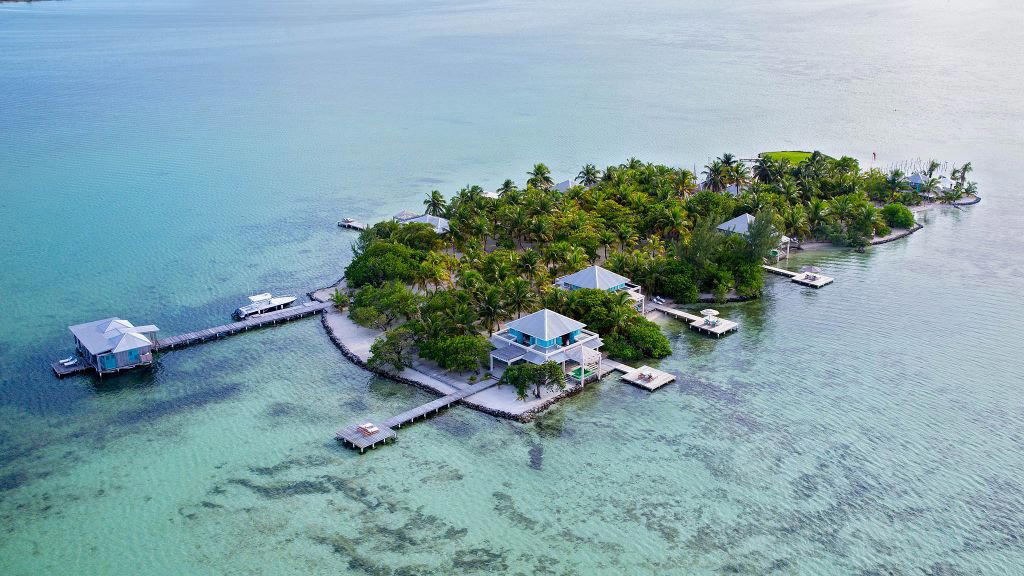
A Private Island in the Western Caribbean
The approach to Cayo Espanto tells you most of what you need to know. A short boat transfer from San Pedro, roughly three miles across the calm, shallow water of the Western Caribbean, delivers guests to a property that functions on a different logic from any shore-based hotel. There is no lobby to pass through, no corridor of other guests, no shared dining room unless you choose one. The island itself is the amenity, and the architectural choices made across its seven accommodation units reinforce that premise at every turn. Alfresco showers open to the sea. Verandahs and private docks serve as the default dining room. A freshwater pool sits within each villa's footprint, oriented toward the water. The physical environment does not try to replicate a larger resort experience in a smaller space; it does something more deliberate, building an infrastructure of privacy around each guest's particular schedule and preferences.
Where Cayo Espanto Sits in the Belize Market
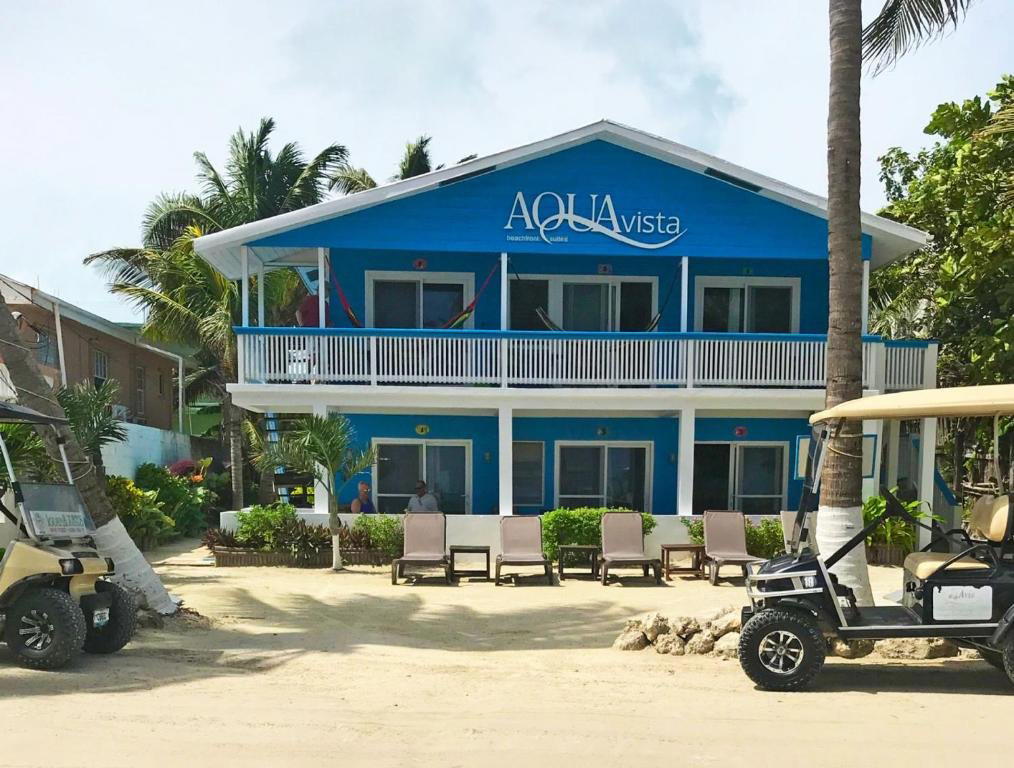
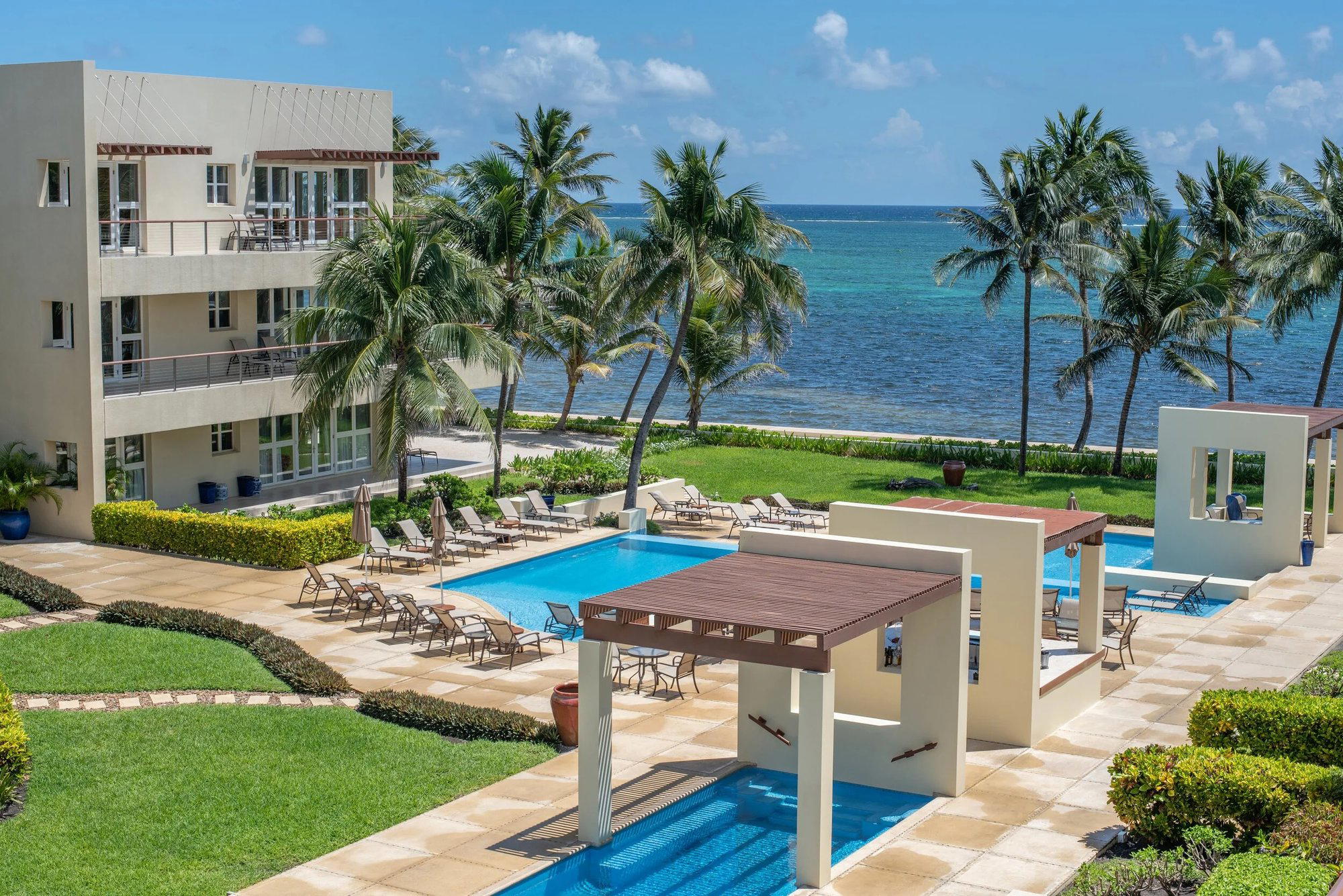
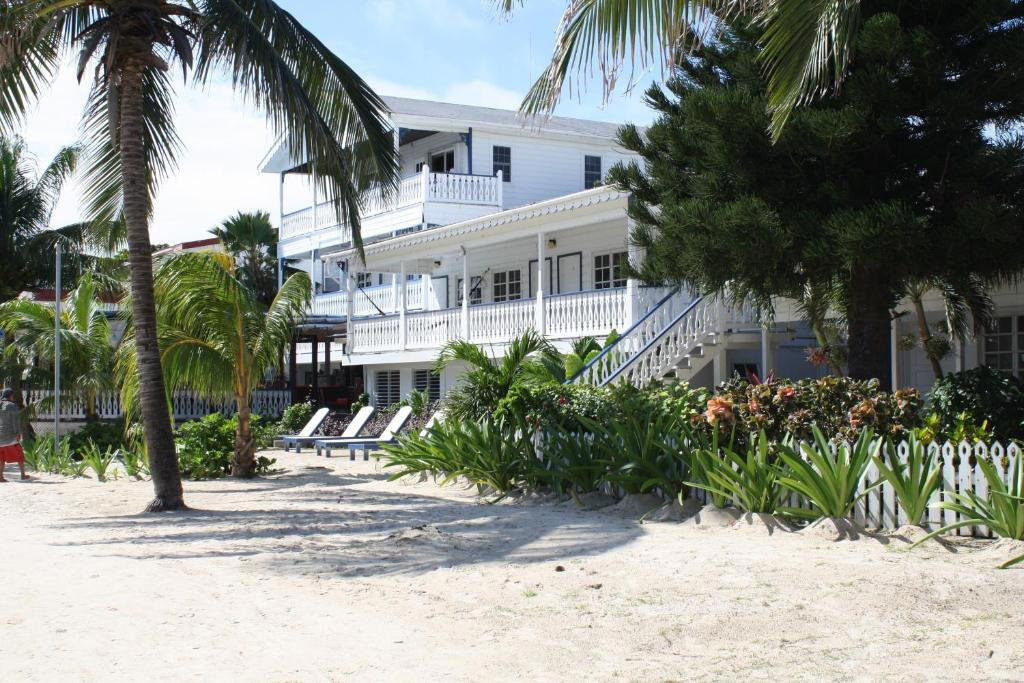
Belize's premium accommodation has fractured into distinct tiers over the past two decades. At the broadest level, you have the San Pedro strip of boutique hotels, properties like Alaia Belize, Autograph Collection, The Phoenix Resort, and Victoria House Resort & Spa that offer reef access and Belizean hospitality at a range of price points. Further along the island, smaller operators like Mata Rocks By Barefoot, Aqua Vista Beachfront Suites, and San Pedro Holiday Hotel serve a traveller who wants proximity to town without the full resort apparatus. Cayo Espanto operates in a category of its own: a private island with a self-described five-star positioning and a hard cap of seven bookable units. The competitive reference point is not any property on Ambergris Caye proper, but rather the category of single-island Caribbean retreats where the defining constraint, and appeal, is absolute inventory scarcity. In that context, it belongs alongside a comparable set closer to Turtle Inn in Placencia or the more remote jungle lodges, though its orientation is entirely seaward.
Belize itself adds a layer of context that works in the property's favour. Despite sharing two-hour flight proximity to Miami, Houston, and Charlotte, the country's tourism infrastructure has developed more slowly than comparable Caribbean markets. That relative quietness is part of what the island's positioning leans on: seclusion here is geographic and cultural, not merely architectural.
The Barrier Reef Factor
No serious account of a Belizean island property can avoid the reef. Belize's barrier reef is the second longest in the world, and Cayo Espanto sits ten minutes from it by boat. That proximity changes the character of a stay in ways that are difficult to replicate elsewhere in the Caribbean. Fly fishing for bonefish, tarpon, and permit in the flats around the island draws anglers from across the world specifically because the species and the casting conditions exist within reach of the villa. Snorkelling and scuba diving at the barrier reef itself are coordinated through private dive tours arranged by the property. The rainforest interior and the Maya ruins of the Belizean mainland are accessible via day trips, adding a cultural and ecological dimension that purely ocean-facing properties in other markets cannot offer. The island, in other words, functions as a base for a broader geography, not just a place to stay horizontal.
The Seven-Unit Model and What It Means in Practice
Private-island resorts are not all built the same. Some carry thirty or forty keys and function as small resort towns; others maintain strict caps that keep the experience personal. The hotel holds to six villas and one over-water bungalow, and a staff-to-guest ratio of two to one. At that ratio, service is less a department than a continuous presence. Breakfast arrives in the villa each morning. Dining on the verandah or private dock is the standard arrangement rather than an upgrade. Dining is tailored to individual preference, meaning the kitchen works to the guest's stated desires rather than a fixed menu. This model requires significantly more operational complexity per guest than a conventional hotel but produces a measurable difference in how time on property is spent: the friction of shared spaces, queued services, and fixed schedules is largely absent.
Guests considering the category should compare this against other small-footprint Belizean properties. Thatch Caye Resort in Coco Plum Range operates a similar private-island format on the country's southern coast. Hidden Valley Wilderness Lodge in Pine Ridge and Blancaneaux Lodge in San Ignacio represent the jungle-lodge equivalent, where seclusion is delivered through rainforest rather than open water. Bocawina Rainforest Resort in Silk Grass and GAÏA Riverlodge in Cayo District round out the ecological tier. The decision between them is less about quality than about what the primary environment should be: Caribbean sea or Belizean interior.
The logic of the hotel is easier to understand when placed alongside properties like Amangiri in Canyon Point or Castello di Reschio in Lisciano Niccone: places where the physical setting is itself the product, and where the accommodation is designed to frame rather than compete with that setting. The comparison to Aman Venice or Badrutt's Palace Hotel in St. Moritz is useful for understanding what the upper tier of heritage-driven private retreats looks like globally, even if the operational and environmental contexts differ substantially.
Planning a Stay
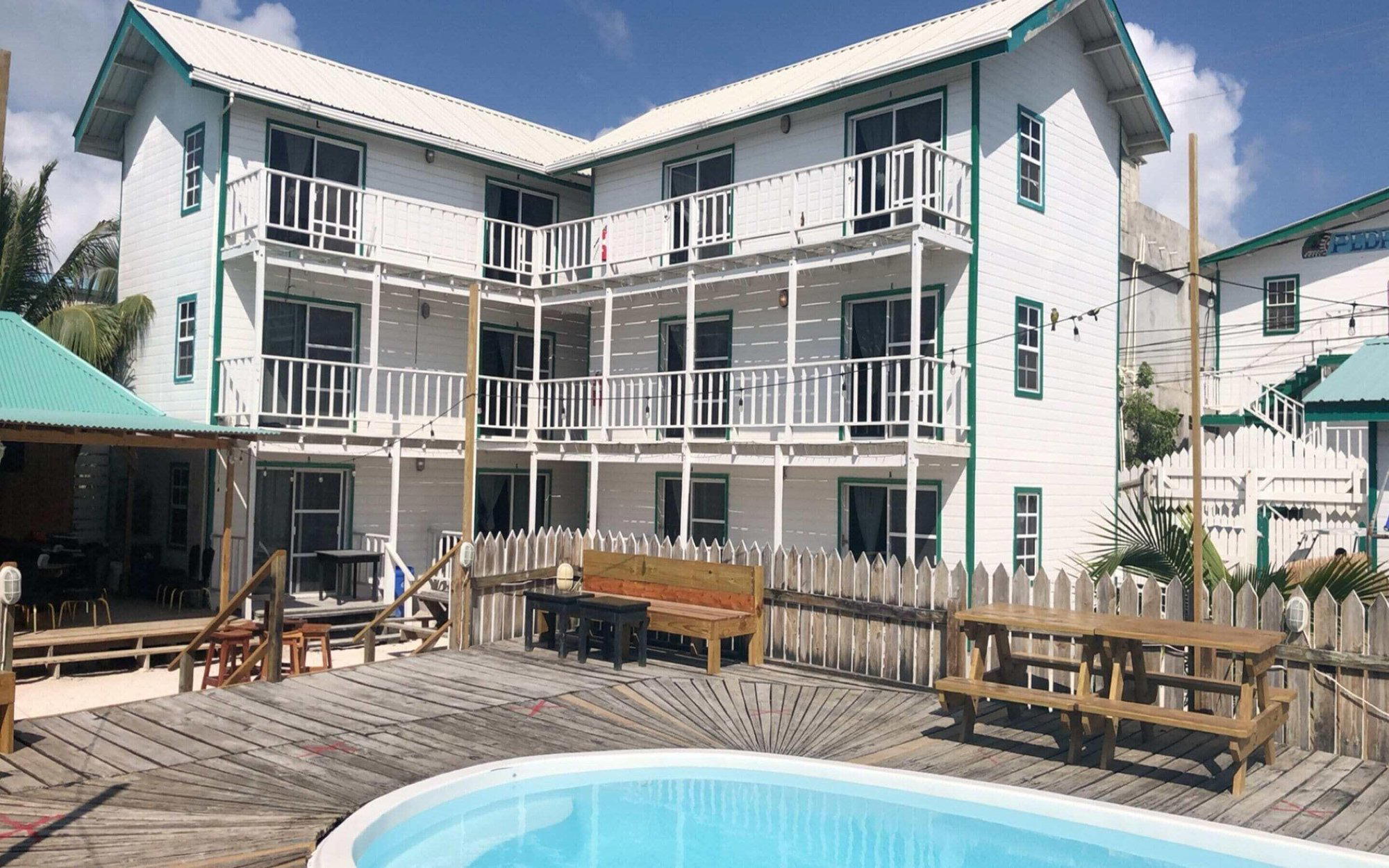
The hotel is accessible via San Pedro, itself reached from Belize City by short domestic flight or water taxi. The property's boat service between the island and San Pedro town runs on a complimentary basis during the day, which matters for guests who want access to the town's restaurants, markets, and water-sports operators without depending entirely on the island's own programming. For a broader view of what San Pedro offers beyond the private-island circuit, Properties like Pedro's Inn represent the entry-level end of that range. Given the seven-unit cap, the property books well ahead of peak Caribbean season, which runs November through April. Guests travelling for the fly fishing should note that the species present around the island, bonefish, tarpon, permit, follow seasonal patterns in the flats; arriving in the right window makes a material difference to the fishing experience. The Maya ruins and rainforest excursions to the mainland are available year-round and do not require dry-season timing, making shoulder months a reasonable consideration for guests whose priority is cultural rather than aquatic.
Same-City Peers
Comparable venues nearby, for context on price, style, and recognition.
| Venue | Cuisine | Price | Notes |
|---|---|---|---|
| Cayo EspantoThis venue — the venue you are viewing | Exclusive private island villas with personalized service | $$$$ | Not listed |
| Victoria House Resort & Spa | Caribbean-colonial boutique resort | $$$$ | San Pedro |
| The Phoenix Resort | Modern luxury boutique resort with Belizean design elements and Caribbean aesthetic. | $$$$ | San Pedro |
| Alaia Belize, Autograph Collection | oceanfront resort blending laid-back island living with refined coastal elegance | $$$$ | San Pedro |
| Mata Rocks By Barefoot | boutique beachfront resort | $$$ | San Pedro |
| San Pedro Holiday Hotel | colonial style full service resort | $$ | San Pedro |
Recognition history
Dated appearances from independent guides and award organizations, with the underlying list record or original source where available.
Virtuoso Luxury Hotel Partner
Virtuoso
At a Glance
- Quiet
- Intimate
- Romantic
- Scenic
- Elegant
- Sophisticated
- Honeymoon
- Romantic Getaway
- Anniversary
- Family Vacation
- Weekend Escape
- Group Retreat
- Private Villa
- Butler Service
- Waterfront
- Private Dining
- Destination Spa
- Pool
- Spa
- Wi Fi
- Room Service
- Concierge
- Beach Access
- Waterfront
- Pool
- Spa
- Wi Fi
- Room Service
- Concierge
- Beach Access
Barefoot-luxury and highly private, with a quiet, serene, intimate atmosphere shaped by secluded villas, ocean views, and personalized service.