





Michelin Selected · La Liste Top Hotels · Virtuoso Luxury Hotel Partner
Owned by Francis Ford Coppola since 2001, Turtle Inn sits on a stretch of Caribbean beach north of Placencia village, earning 97.5 points in the 2026 La Liste Top Hotels ranking. Balinese-crafted cabanas, seven dining and drinking venues, and staff known for treating guests like returning family place it in a small tier of design-led luxury properties along Belize's southern coast.

Pearl is the En Primeur Club membership app — saves, bookings, and concierge access live there. Same editors, same standards.
- Address
- GJJQ+CF2, Placencia
- Phone
- +501 523-3150
- Directions
- Get directions
Where the Service Sets the Tone
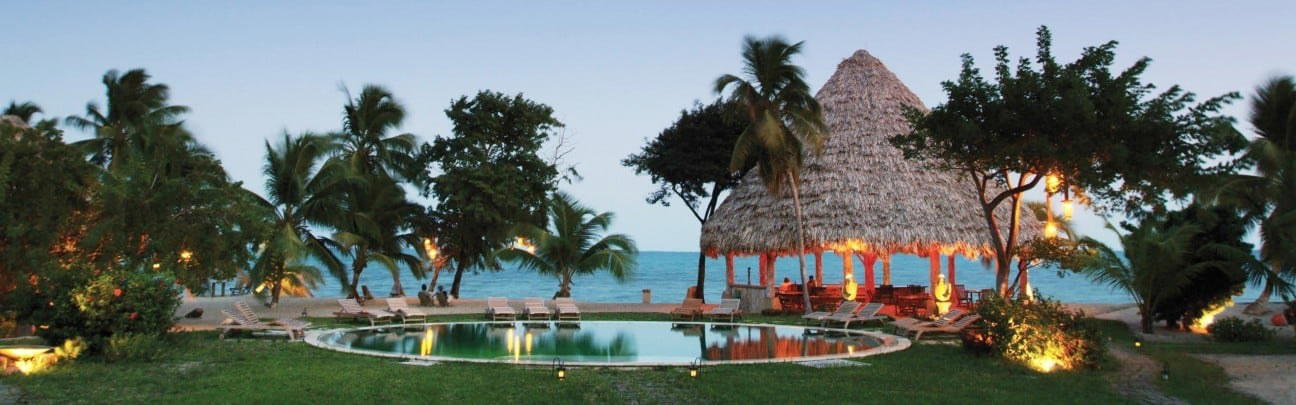
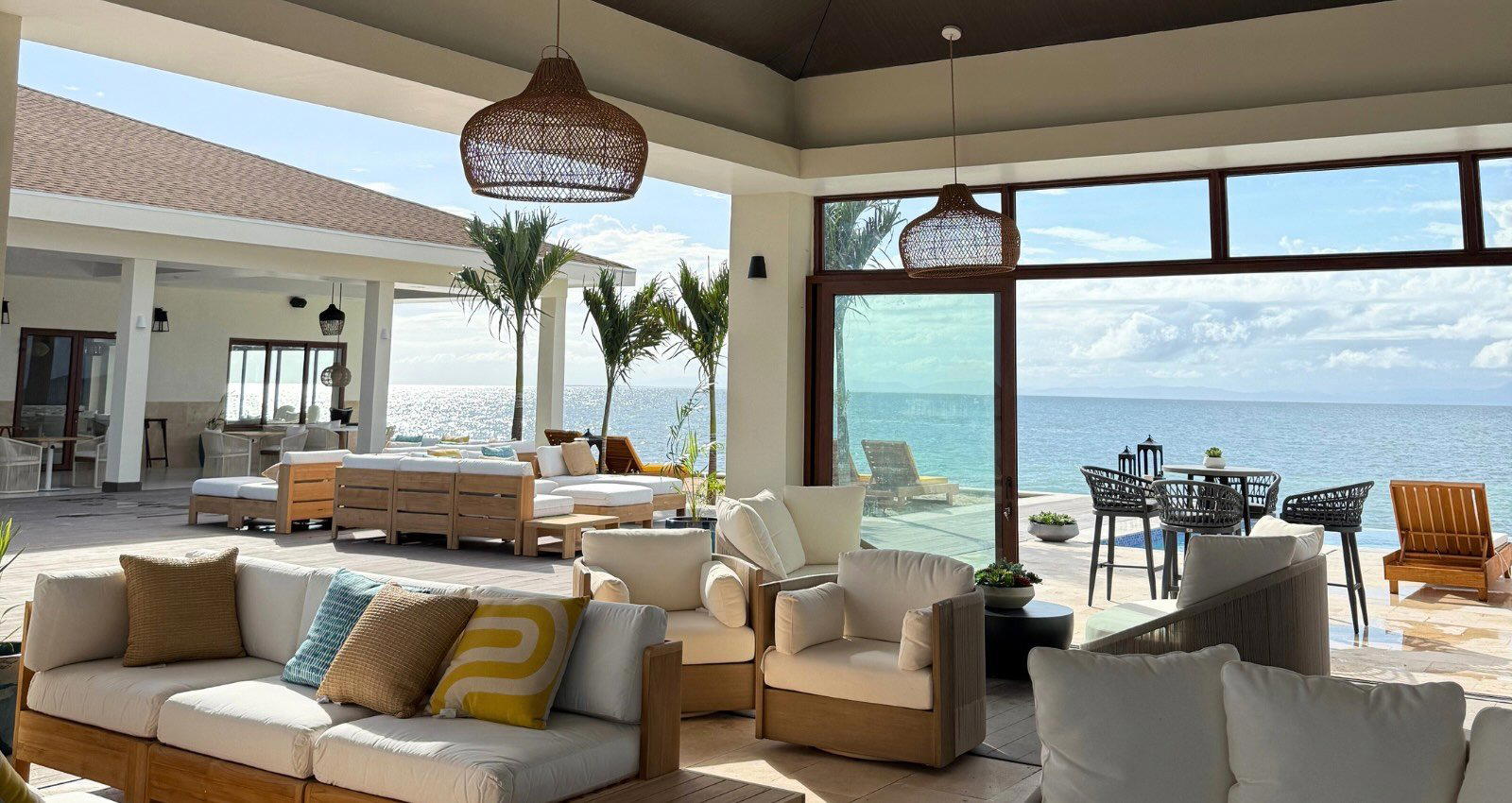
The winding paths of Turtle Inn tell you something before you reach your cabana. Orchid-strewn birdbaths, carved statuary, and carefully tended trees line the approach in a way that signals deliberate attention rather than resort-scale maintenance. What follows that arrival is a consistent extension of the same logic: staff who track when your water glass is low, who deliver fresh watermelon juice and piña coladas to the beach without being summoned, and who treat each guest with the kind of familiarity typically reserved for people the Coppola family knows by name. That last quality is not incidental — it is the operating principle. The 25-room property, purchased by Francis Ford Coppola in 2001, runs at a scale where anticipatory service is structurally possible, and the staff appear to have internalised it. In the 2026 La Liste Leading Hotels ranking, Turtle Inn scored 97.5 points, placing it in a tier of properties where the soft metrics of guest experience carry as much weight as design and cuisine.
The Physical Setting and What It Tells You About the Category
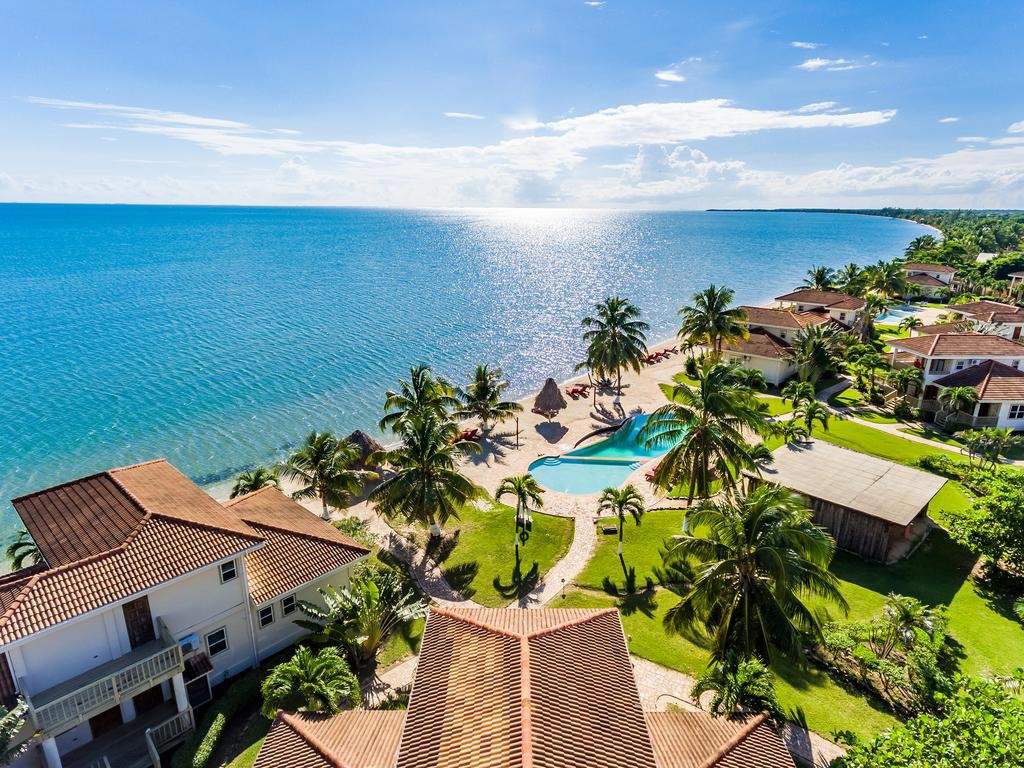
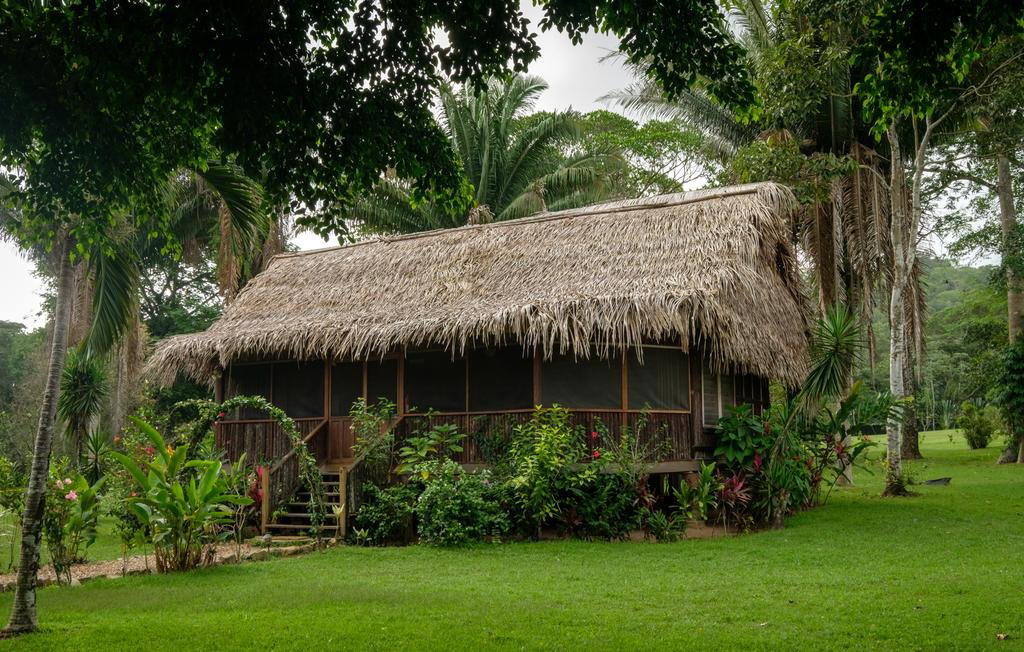
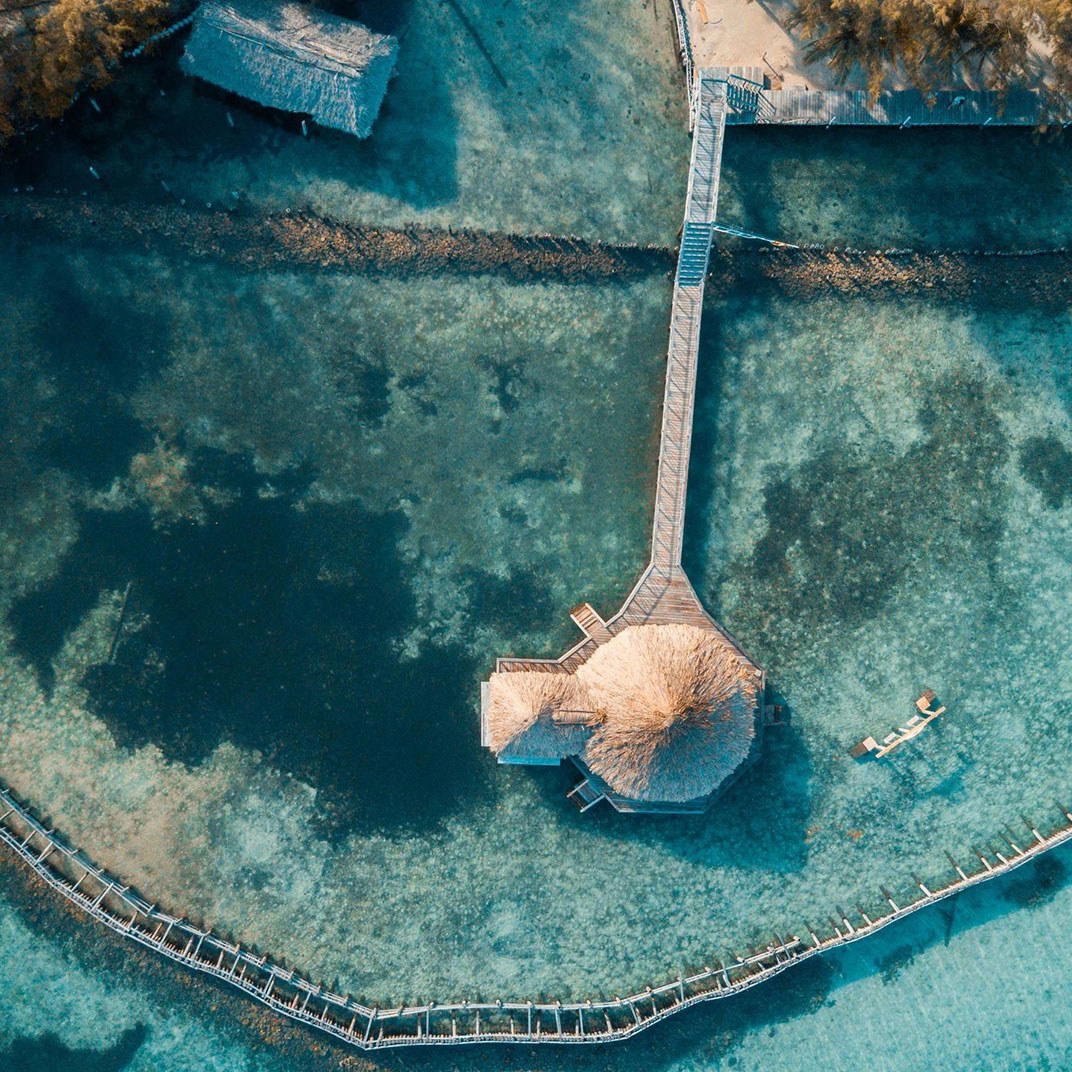
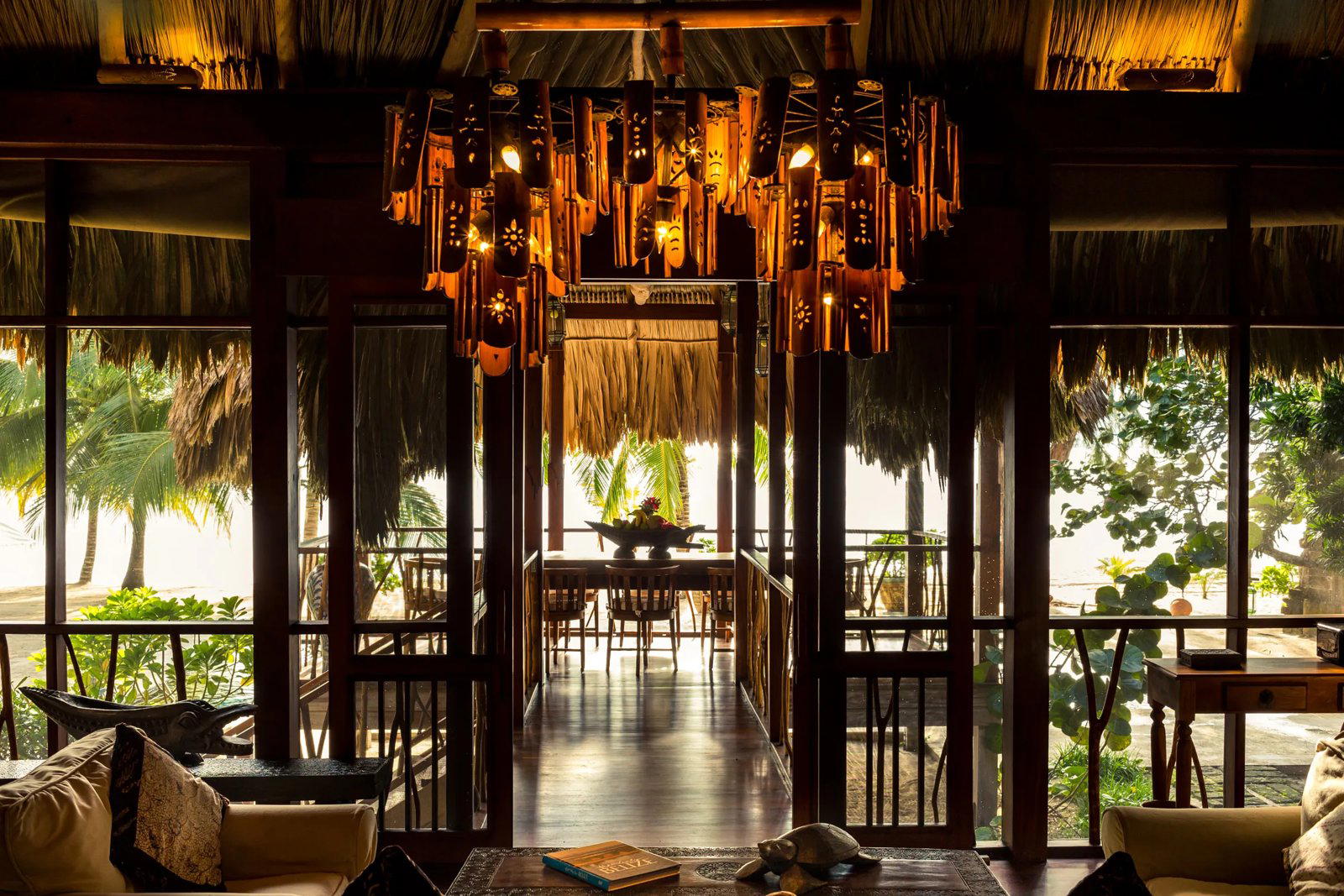
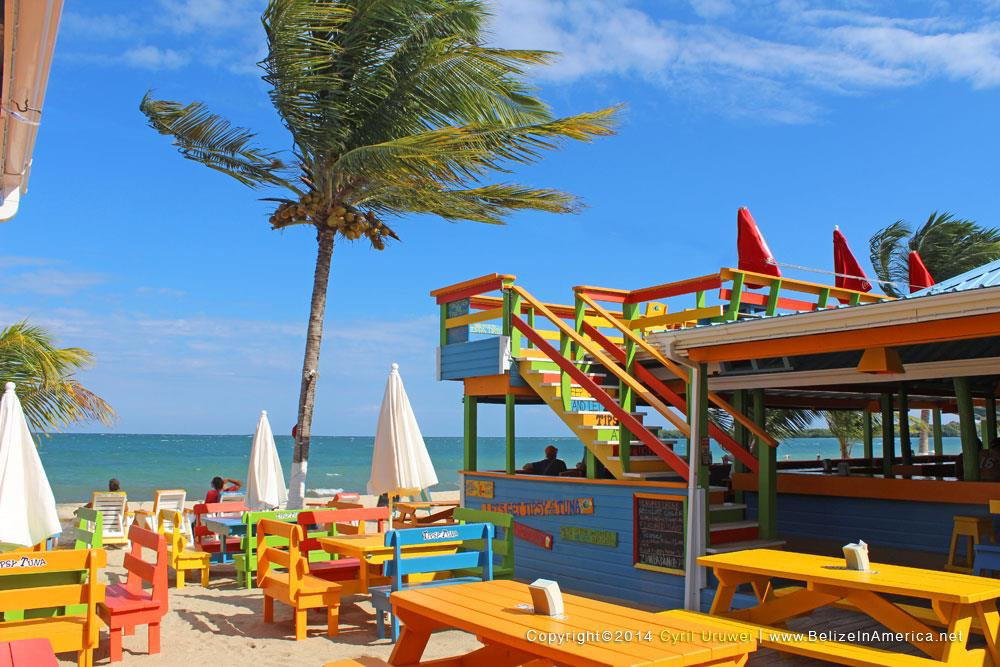
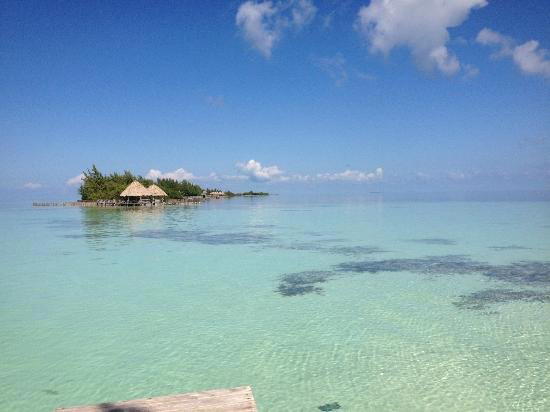
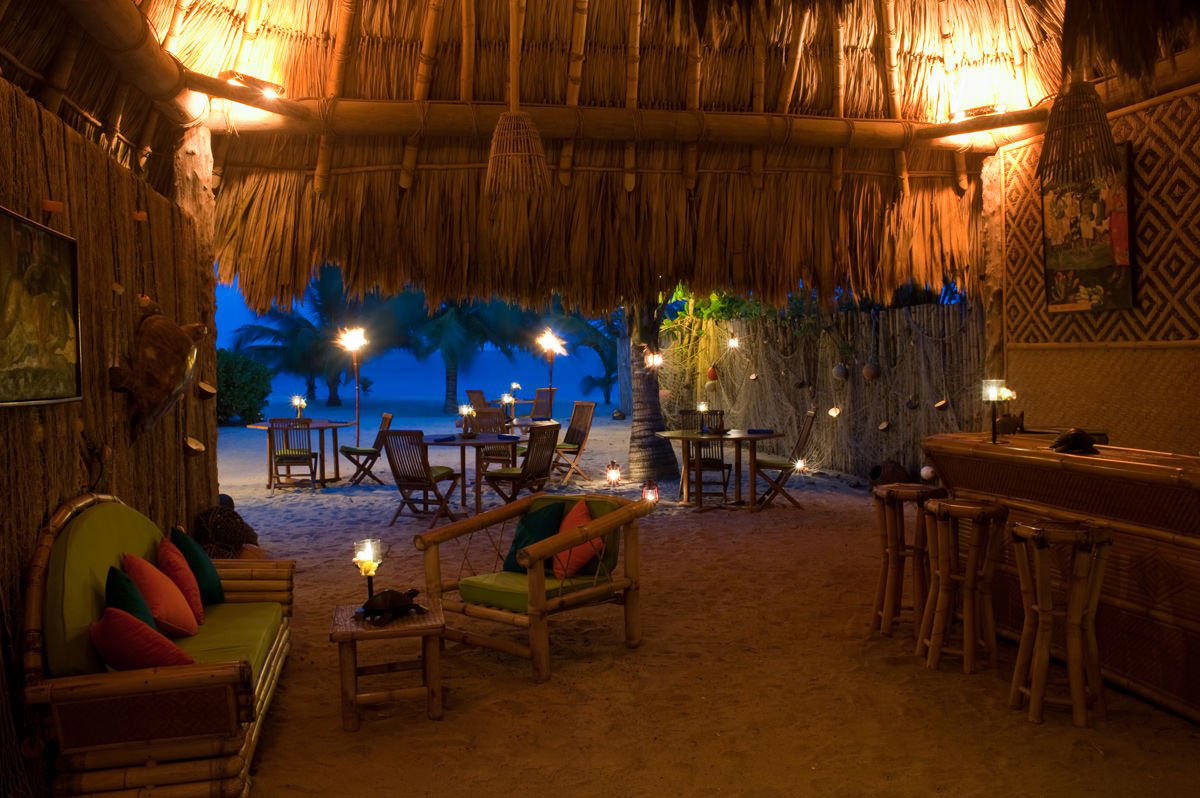
Placencia occupies a narrow peninsula in southern Belize, and the properties that perform well here tend to be those that resolve the tension between seclusion and connectivity. Turtle Inn does this by positioning itself just north of Placencia village — close enough to the Creole fishing culture and the Garifuna settlement of Seine Bight to make cultural excursions practical, far enough from the village strip to feel removed. The beachfront is Caribbean white sand shading into clear water above coral, with the Belize Barrier Reef, the largest in the Northern Hemisphere, accessible by boat. Properties at this end of the market in Belize, including Itz'ana Resort & Residences, compete on how well they translate the natural setting into a contained daily experience. Turtle Inn's answer is a design language borrowed from Bali: thatch-roof cabanas with hand-carved doors, jade-green tilework in the bathrooms, Japanese-style soaking tubs, and ceiling fans in place of air conditioning. The Balinese reference is not simply decorative, it shapes the pace and feel of the property, which tends toward the unhurried.
Dining Across Seven Venues
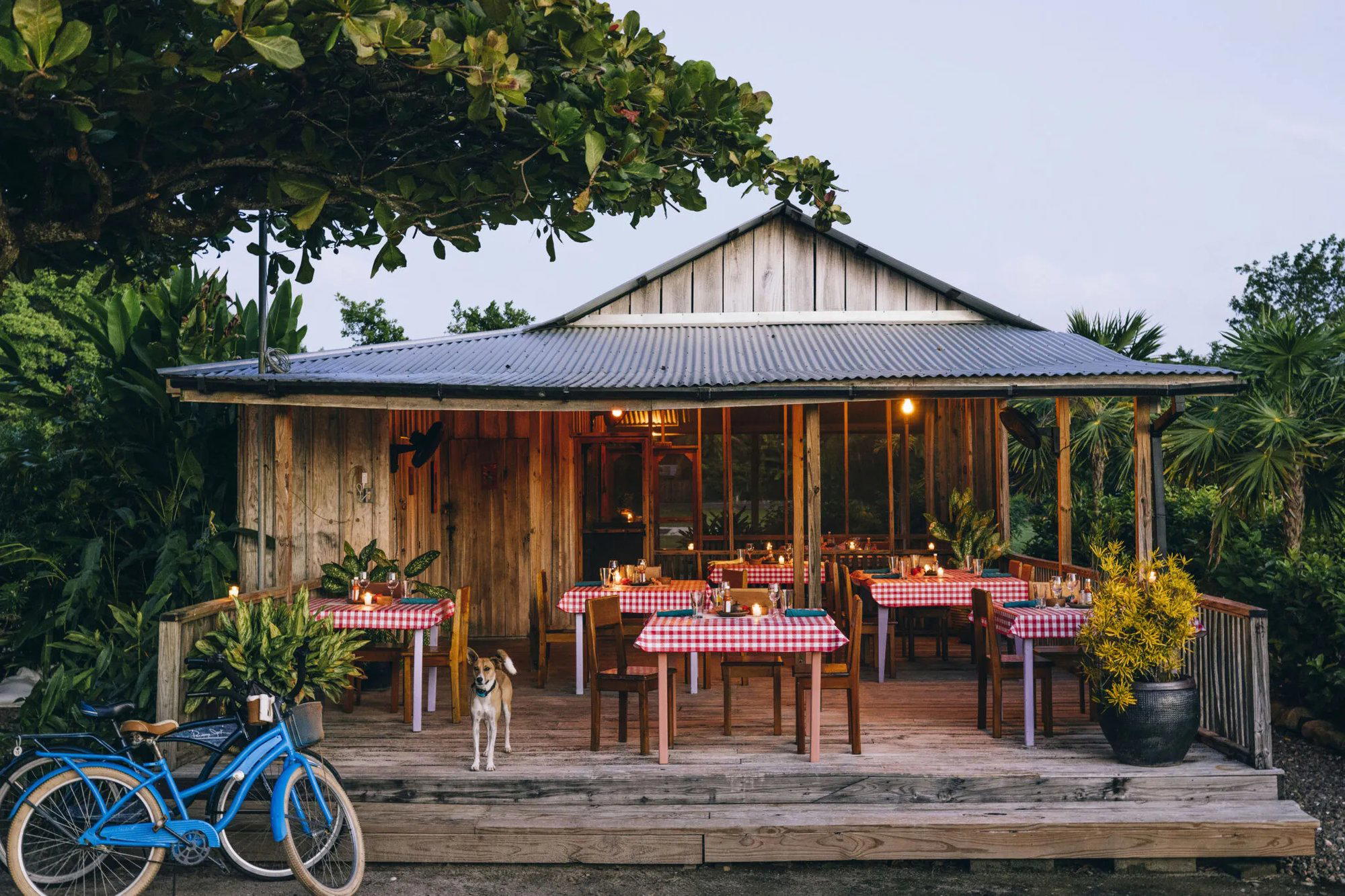
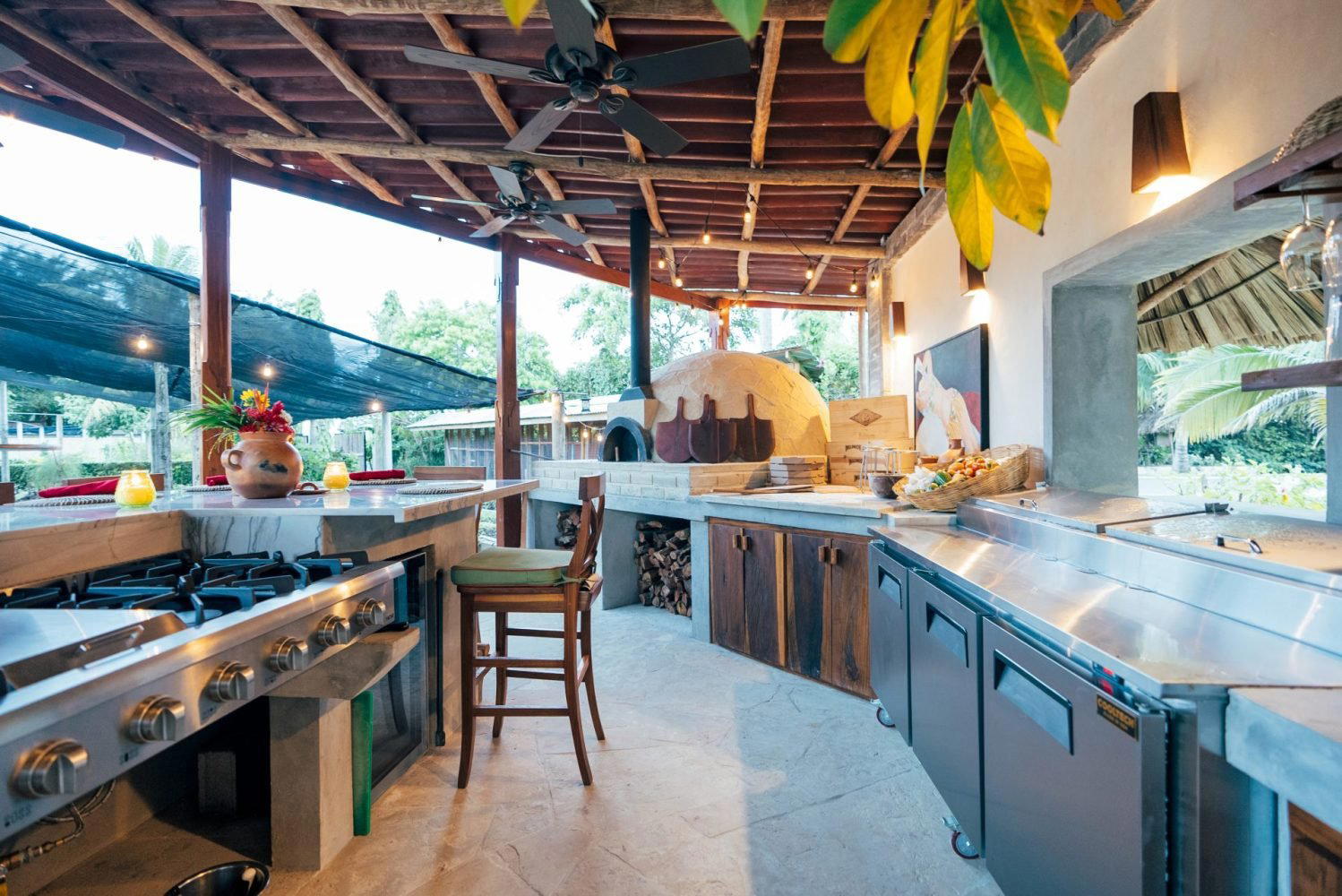
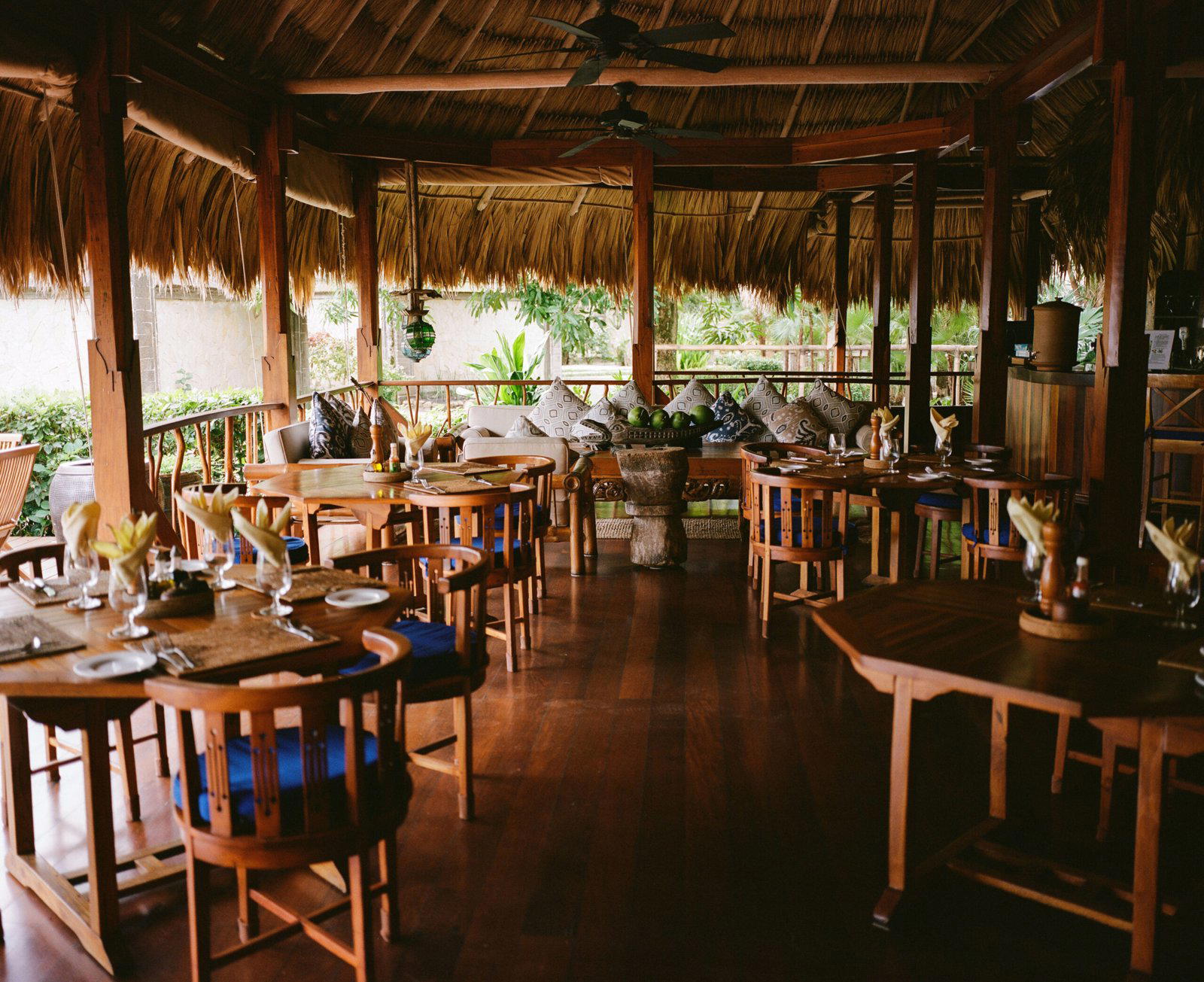
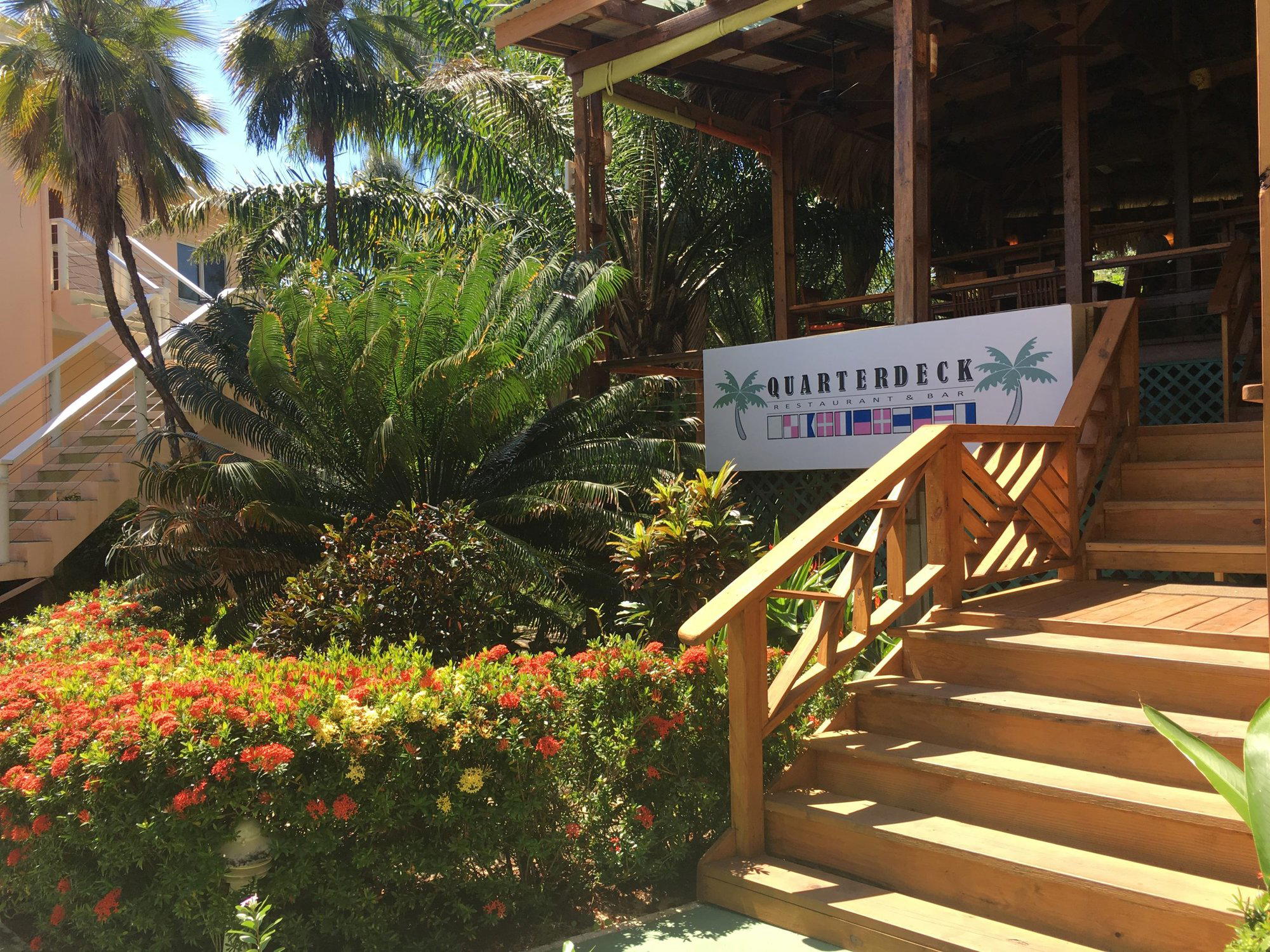
The dining structure at Turtle Inn is more extensive than the property's room count might suggest. Seven establishments operate across the resort, ranging from the beachfront Gauguin Grill to the locally focused Auntie Luba's Kitchen and a casual Kid's Gelato Bar. A garden pizzeria uses an Italian wood-burning oven, with recipes drawn from the Coppola family tradition and produce sourced from the resort's own organic garden. A sunken sand-floor bar offers Niebaum-Coppola wines alongside cocktails served at the water's edge. A third restaurant overlooking the lagoon focuses on Belizean cooking. The breadth matters logistically: meals at most venues are served during limited hours, so guests planning full-day excursions, which typically depart early and return by mid-afternoon, benefit from checking service windows in advance. Continental breakfast is included with the stay and covers coffee, juice, pastries, bread, jam, and fruit. The open-air dining room and the candlelit option at the ocean's edge represent two registers of the same kitchen, useful for couples and families operating on different itineraries during a single stay.
Activities and the Surrounding Region
The activities program here connects to one of the more compelling concentrations of natural and archaeological resources in Central America. Belize's barrier reef is the primary draw for many guests: Turtle Inn operates its own dive shop with PADI certification courses for beginners and experienced divers, alongside snorkelling and guided reef excursions. Beyond the water, guides based at the resort lead trips to the Cockscomb Basin Wildlife Sanctuary, the only jaguar reserve of its kind in the world, and riverine cruises on the Monkey River where manatees, howler monkeys, crocodiles, and tropical birds are reliably encountered. Mayan ruins are accessible nearby, as are the cultural communities along the peninsula. Properties like Blancaneaux Lodge in San Ignacio, also Coppola-owned and positioned deeper in the Belizean jungle, attract guests who want to weight their trip toward rainforest immersion. Turtle Inn attracts those who want the reef and beach as the primary experience with jungle access as an option, rather than the reverse. For those considering the wider country, Hidden Valley Wilderness Lodge in Pine Ridge, Bocawina Rainforest Resort in Silk Grass, and Copal Tree Lodge in Punta Gorda each offer distinct regional positioning across Belize's interior and southern zones.
The Rooms and How to Choose
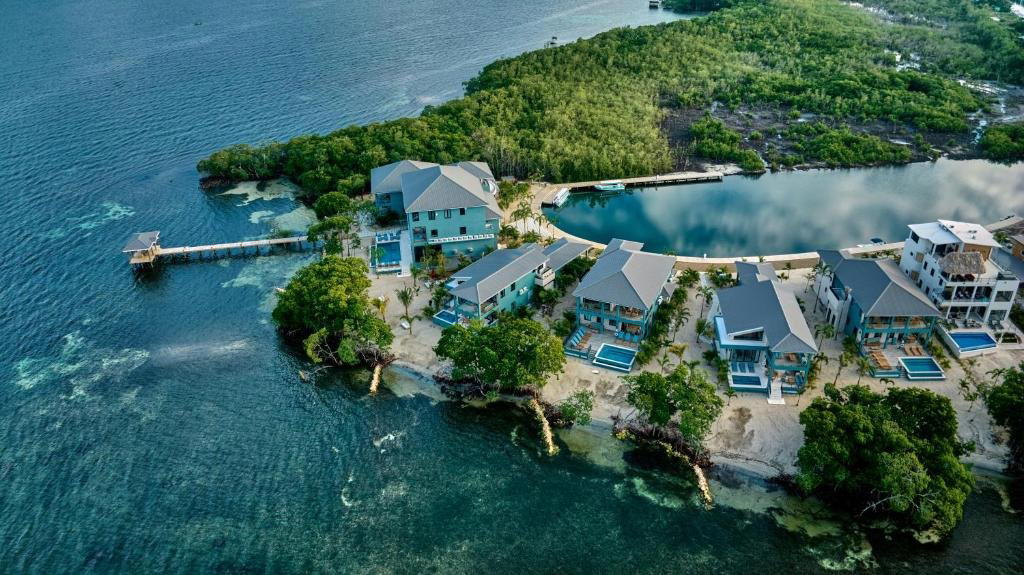
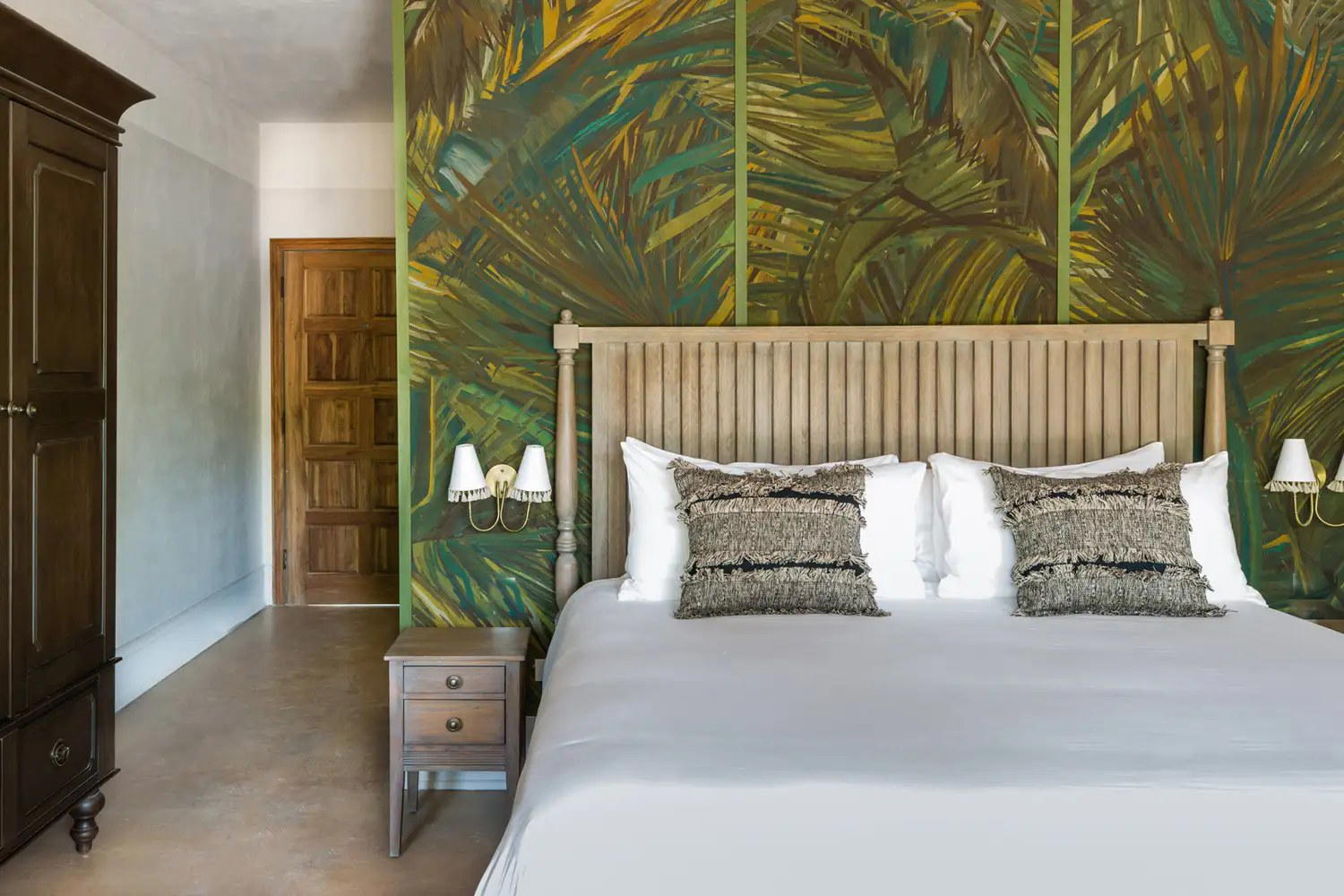
25 rooms divide into cottages and villas, with a private island option available by 25-minute boat transfer for those seeking maximum separation from shared resort space. Beachfront cottages offer the closest proximity to the water, hammocks and chairs within reach of the tide, while seaview units sit within roughly 200 feet of the sea. The design throughout is Balinese in character: carved wooden details, handcrafted furnishings, jade tilework, and screened porches that bring Caribbean air through without the noise of mechanical cooling. Villas with multiple bedrooms, full kitchens, and private pools accommodate families and small groups; the naming convention (Roman's Lagoon Bungalow, Francis' Family Pavilion, Sofia's Beach House) reflects the Coppola family imprint that runs through the property. Cottages are calibrated for couples: honeymooners and those on paired retreats who want proximity to the beach without the operational footprint of a villa. The Sunset Spa occupies a traditional open-air Balinese rice house structure, offering massage techniques and aesthetic references that will be familiar to anyone who has spent time in Indonesia. For those comparing Belize's southern coast options, our full Placencia restaurants and hotels guide maps the broader range of properties and dining across the peninsula. Elsewhere in the region, Hopkins Bay Resort in Hopkins, Matachica Resort & Spa on Ambergris Caye, and Aqua Vista Beachfront Suites in San Pedro each sit in different tiers and locations for those building a multi-stop Belizean itinerary. At the international level, small-footprint owner-led properties with a distinct creative identity, such as Castello di Reschio in Umbria or Hotel Esencia in Tulum, occupy a similar market position to Turtle Inn: design-serious, low-key count, and built around a proprietorial sensibility rather than brand standards.
Planning Your Stay
Most day excursions from Turtle Inn depart early in the morning and return by mid-afternoon, which makes an early-morning schedule the practical template for balancing reef or jungle trips with the resort's own beach and pool rhythms. The beach bicycles and sea kayaks included at the property extend independent exploration without requiring a guide booking. The Sunset Spa and beachside bar function as afternoon anchors after activity-heavy mornings. Given the limited dining hours at several of the resort's venues, checking service times on arrival, or confirming them at booking, avoids the friction of returning from a full-day trip to find a preferred restaurant closed for the evening. For guests calibrating Belize against other Caribbean or Central American alternatives, the Turtle Inn positioning, low room count, owner-led identity, barrier reef access, and the kind of staff culture that registers in reviews as warmth rather than procedure, places it in a distinct competitive set from the chain-affiliated properties along the coast. The Thatch Caye Resort and GAÏA Riverlodge in Cayo District offer further points of comparison for those assembling a picture of Belize's design-led accommodation tier.
Where It Fits
Comparable venues nearby, for context on price, style, and recognition.
| Venue | Cuisine | Price | Awards | Notes |
|---|---|---|---|---|
| Turtle InnThis venue — the venue you are viewing | Tropical Balinese beach resort with thatched cottages and private gardens | $300–500 | Michelin Selected · La Liste Top Hotels | Not listed |
| Turtle Inn - A Francis Ford Coppola Hideaway | rustic Balinese-inspired beach hideaway | $300–500 | Michelin Selected · La Liste Top Hotels | Placencia |
| Itz'ana Resort | Laid-back luxury beachfront retreat with residential-style atmosphere. | Not listed | Michelin Selected · Travel + Leisure It List Hotels | Placencia |
| Itz'ana Resort & Residences | Luxurious beachfront resort with private villas and stylish suites emphasizing privacy and Belizean authenticity. | Not listed | Michelin Selected · Travel + Leisure It List Hotels | Placencia |
| Las Terrazas Resort | Luxury beachfront resort with spacious townhome residences blending island-inspired style and modern luxury. | Not listed | Michelin Selected | North Ambergris Caye |
| GAÏA Riverlodge | Modern Maya treehouse aesthetic blending rustic elegance with eco-minimalism in a riverside rainforest setting. | $300–500 | 2 Michelin Keys · Mr & Mrs Smith Seal of Approval | Cayo District, Mountain Pine Ridge Forest Reserve |
Recognition history
Dated appearances from independent guides and award organizations, with the underlying list record or original source where available.
Michelin Selected
Michelin
La Liste Top Hotels
La Liste
Forbes Recommended
Forbes
Mr & Mrs Smith Seal of Approval
Mr & Mrs Smith
Virtuoso Luxury Hotel Partner
Virtuoso
Full recognition history (7 entries)
Conde Nast Gold List
Conde Nast
Forbes Recommended
Forbes
Details
- Romantic
- Quiet
- Elegant
- Scenic
- Intimate
- Sophisticated
- Honeymoon
- Romantic Getaway
- Family Vacation
- Wellness Retreat
- Beachfront
- Infinity Pool
- Private Villa
- Waterfront
- Pool
- Spa
- Wi Fi
- Beach Access
- Room Service
- Concierge
- Restaurant
- Fitness Center
- Waterfront
- Wheelchair Accessible
Serene and relaxing with cooling sea breezes, soft lighting, and a laid-back tropical atmosphere enhanced by attentive service and natural surroundings.