Sooke Harbour House sits on the southern tip of Vancouver Island where the Strait of Juan de Fuca meets the Pacific, occupying a position that Canadian coastal inn design rarely matches. The property has shaped how the region thinks about local sourcing, inn-scale hospitality, and the relationship between built environment and landscape over several decades.

Pearl is the En Primeur Club membership app — saves, bookings, and concierge access live there. Same editors, same standards.
- Address
- 1528 Whiffin Spit Rd, Sooke, BC V9Z 0T4, Canada
- Phone
- (778) 425-9015
- Website
- sookeharbourhouse.com
- Directions
- Get directions
Where the Strait of Juan de Fuca Meets the Inn
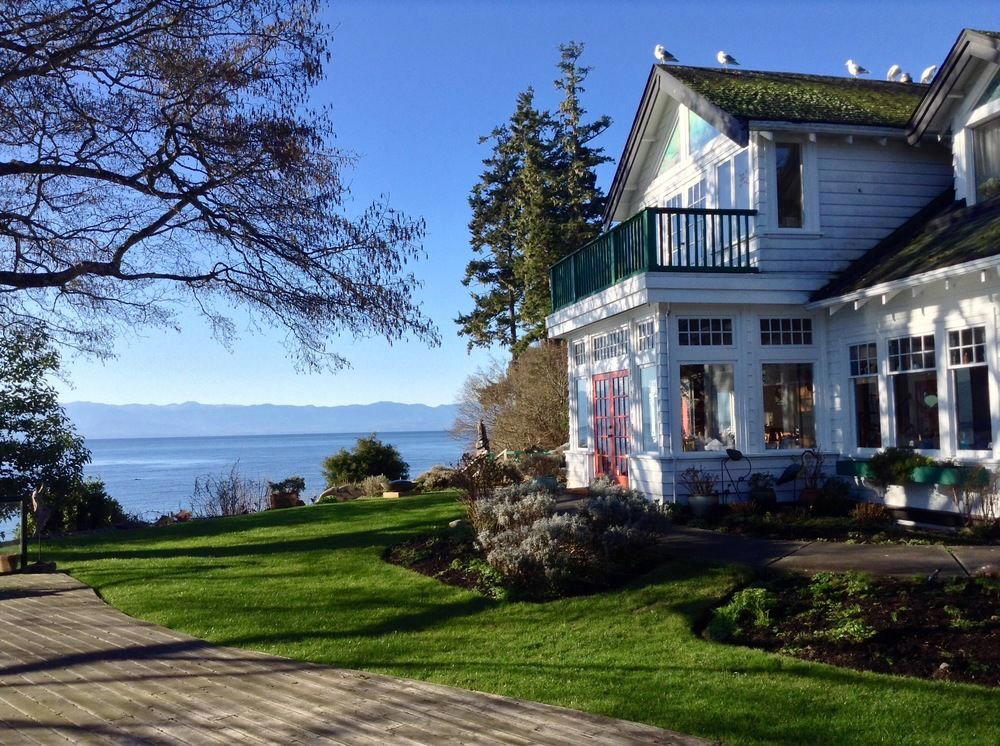
The approach to Sooke Harbour House along Whiffin Spit Road prepares you before the building does. The strait opens to the south, the Olympic Mountains of Washington State sit clearly across the water on clear days, and the inlet curves in from the west. By the time the white clapboard structure comes into view, the geography has already done most of the positioning work. This is not a property that borrows landscape as a backdrop — the physical setting is integrated into how the space operates, what appears on the table, and how rooms face the water. On the southern tip of Vancouver Island, roughly 35 kilometres west of Victoria, Sooke occupies a stretch of coast that remained relatively undeveloped precisely because it offered no convenient through-route to anywhere else. That peripheral quality is the point.
The Architecture of Restraint on the Pacific Coast
Canadian coastal inn design tends toward two poles: the grand timber-frame resort scaled for conference groups, or the modest bed-and-breakfast that prioritises location over construction. Sooke Harbour House sits between those categories and has held that position for decades, which is itself a form of editorial statement. The original structure is a 1929 farmhouse, and successive additions have preserved a domestic scale that resists the impulse toward resort monumentality. White exterior cladding and a low profile against the treeline read as deliberately understated against the drama of the water view. The building does not compete with its site.
This approach to design is more common among properties that emerged from owner-operator traditions rather than from hotel-group development pipelines. Compare it with large-format Canadian properties like the Fairmont Chateau Whistler in Whistler or the Fairmont Banff Springs in Banff, where the architecture asserts itself as the destination. At Sooke, the built environment functions more as a mediation layer between guests and the surrounding coast. The same ethos appears, in different form, at properties like Fogo Island Inn in Joe Batt's Arm, where architectural ambition is high but the relationship between structure and landscape remains primary, or at Clayoquot Wilderness Lodge in Tofino, where tent-cabin formats make impermanence part of the design logic. Sooke Harbour House achieves something different: permanence without dominance.
Rooms That Read as Extensions of Their Views
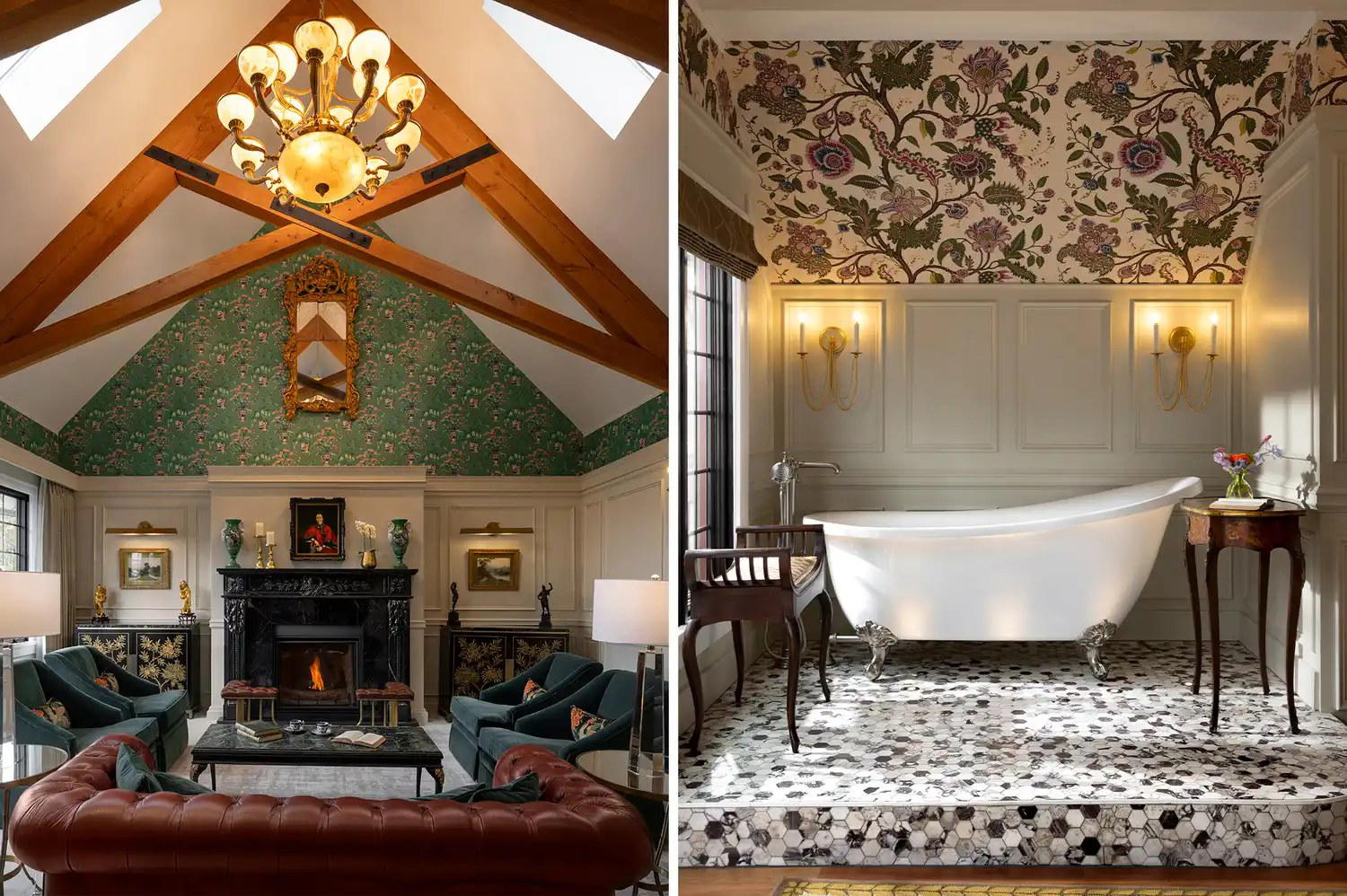
Inn-scale properties on working waterfronts face a consistent design challenge: how to give every room a meaningful relationship with the exterior without reducing that relationship to a picture window and a generic palette. The rooms at Sooke Harbour House are individually decorated, which in practice means each one carries a distinct character rather than conforming to a standardised brand aesthetic. This is a deliberate feature of owner-operated inns that hotel groups rarely replicate at scale — each room becomes a specific argument about how to inhabit a particular view or corner of the building. For guests accustomed to the polished consistency of properties like the Rosewood Hotel Georgia in Vancouver or the Four Seasons Hotel Toronto in Toronto, the idiosyncrasy here reads as either a feature or an adjustment depending on expectation.
The most sought-after accommodations are those with direct water views and private outdoor access, where the architecture frames the strait rather than merely acknowledging it. At this scale, proximity to the water and the specific orientation of each room matter more than square footage or amenity count. Properties that compete for a similar traveller, including Manoir Hovey in North Hatley and Langdon Hall Country House Hotel and Spa in Cambridge, operate on comparable logic: the room is an instrument for experiencing a particular kind of exterior, and the design choices serve that function.
Local Sourcing as a Design Principle, Not a Marketing Position
Sooke Harbour House developed a reputation for hyper-local sourcing, edible gardens on the property, direct relationships with coastal foragers and fishermen, that predates the terminology now used to describe it. In the 1980s and 1990s, this approach was genuinely unusual in Canadian hospitality. It has since become an industry standard position, but the property arrived at it through operational logic rather than branding strategy. When the inn sits on a productive stretch of coast and grows herbs and edible flowers on the same grounds where guests walk, sourcing locally is the path of least resistance, not a statement. The food program here has always reflected that integration: what the land and sea produce in a given week shapes what appears on the plate, a model that only functions at small inn scale where the kitchen can adapt without managing a standardised supply chain.
This positions the dining experience within a Canadian coastal tradition that values provenance over technique showcase, which distinguishes it from urban destination restaurants. Guests looking for comparable food-to-place integration in Canadian hospitality contexts might consider Le Germain Charlevoix Hotel and Spa in Baie-St-Paul, where regional Quebec producers anchor the culinary program, or Elora Mill in Centre Wellington, where the heritage building and local sourcing operate in similar alignment.
Planning a Stay: Logistics and Context
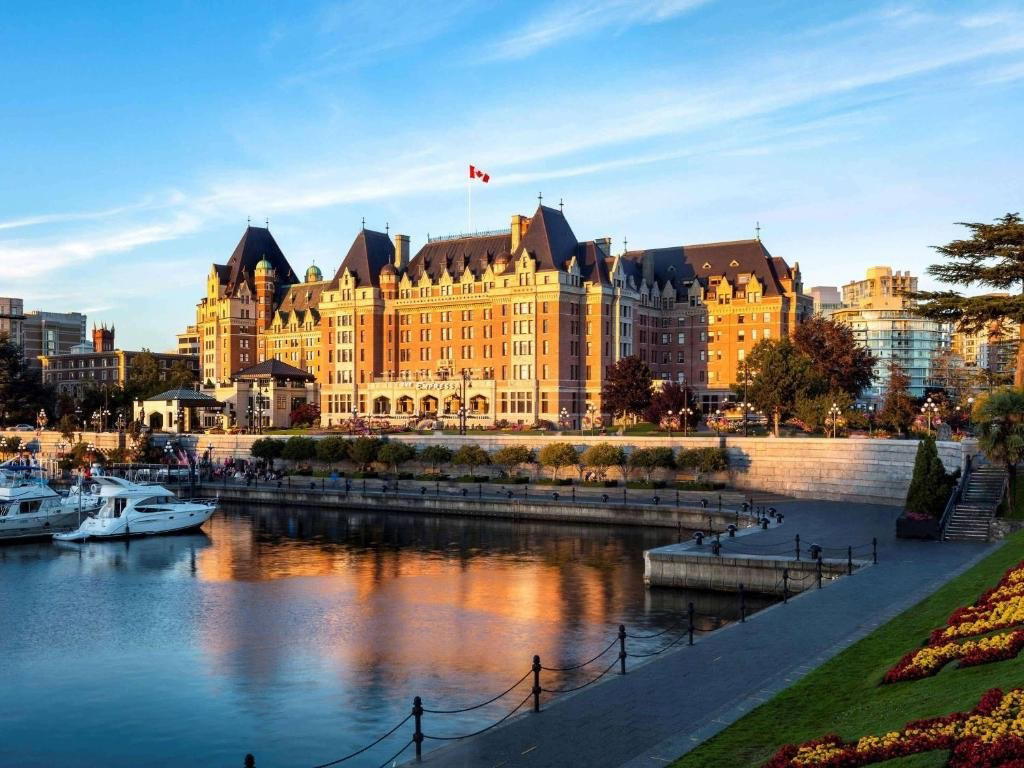
Sooke sits at the western end of the Trans-Canada Highway on Vancouver Island, accessible from Victoria by car in approximately 35 to 45 minutes depending on traffic through the western suburbs. There is no practical public transit option. Guests arriving by air land at Victoria International Airport, rent a vehicle, and drive west through Langford and Colwood before the road narrows and the landscape opens up. The Swartz Bay ferry terminal from the BC Mainland is roughly an hour from the property, making a combined ferry-and-drive arrival the standard approach for guests travelling from Vancouver. For those who prefer to pair the stay with urban Vancouver or Victoria, the Fairmont Empress Hotel in Victoria provides a natural bookend. The inn's position on the water means shoulder and winter seasons bring dramatic weather, low tides that expose the rocky foreshore, and significantly fewer visitors than summer, conditions that suit the property's character more than the peak-season crowds do. Booking ahead is advisable for summer weekends; the limited room count means availability tightens well before comparable urban properties.
For travellers building a broader Pacific Northwest or Canadian coastal itinerary, the property fits naturally alongside Clayoquot Wilderness Lodge in Tofino further up the island, or as a quieter counterpart to the mountain resort format represented by properties like the Fairmont Chateau Lake Louise in Lake Louise. See our full Sooke restaurants guide for dining context beyond the property itself.
Side-by-Side Snapshot
| Venue | Price | Awards |
|---|---|---|
| Sooke Harbour HouseThis venue — the venue you are viewing | $300–500 | Not listed |
| Four Seasons Hotel Toronto | $200–300 | 2 Michelin Keys · La Liste Top Hotels |
| Fairmont Chateau Whistler | Not listed | 2 Michelin Keys · Forbes Recommended |
| Four Seasons Resort Whistler | $300–500 | 2 Michelin Keys · La Liste Top Hotels |
| Rosewood Hotel Georgia | Not listed | 2 Michelin Keys · La Liste Top Hotels |
| Fairmont Banff Springs | $300–500 | 1 Michelin Key · Forbes 4-Star |
Details
- Romantic
- Scenic
- Cozy
- Elegant
- Intimate
- Romantic Getaway
- Honeymoon
- Anniversary
- Weekend Escape
- Destination Wedding
- Family Vacation
- Beachfront
- Waterfront
- Panoramic View
- Garden
- Terrace
- Historic Building
- Wi Fi
- Restaurant
- Bar
- Room Service
- Concierge
- Valet Parking
- Garden
- Waterfront
- Mountain
- Wheelchair Accessible
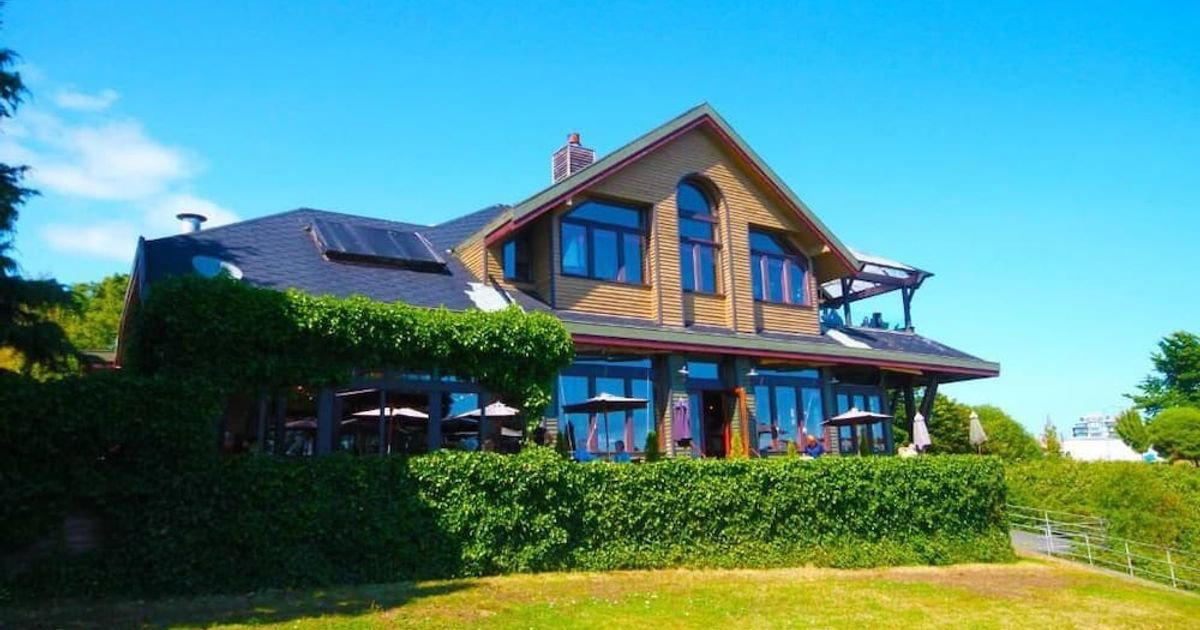
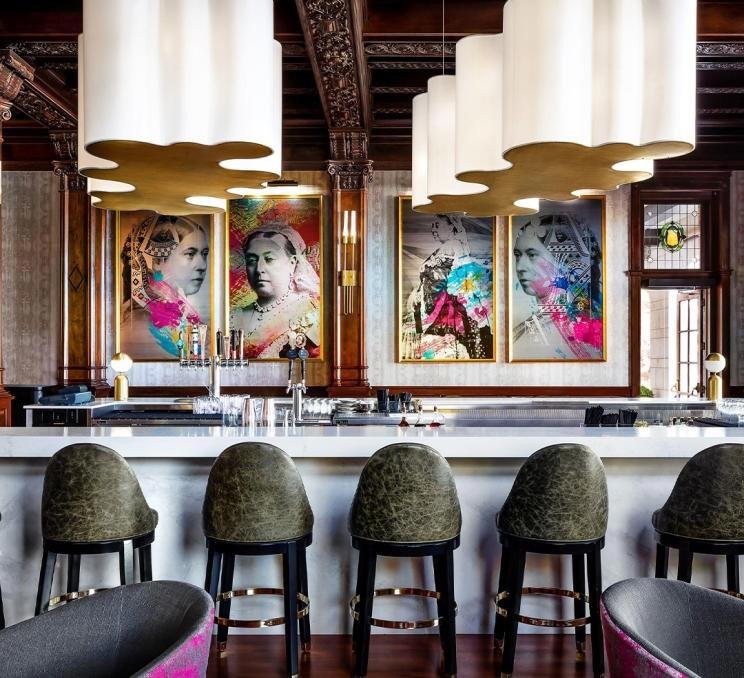
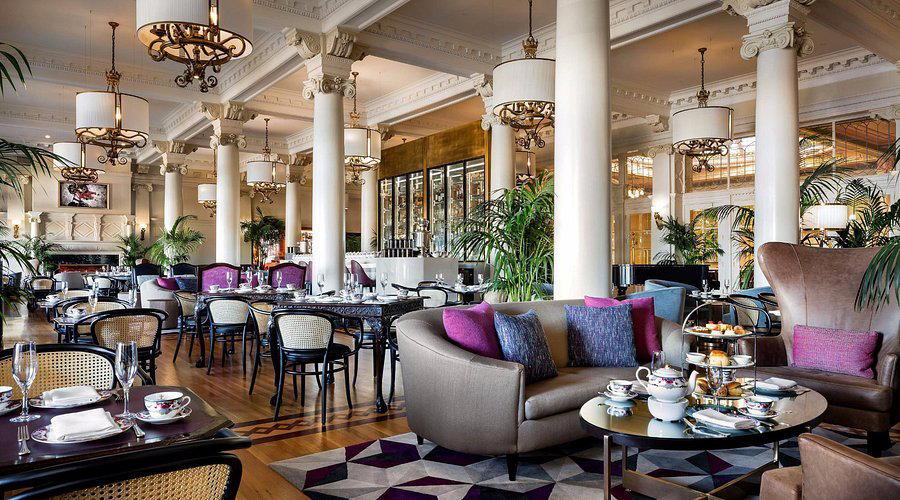
Bright, naturally lit spaces with clean white interiors, bare wood accents, and large windows framing ocean views; refined yet welcoming atmosphere with natural light and sweeping coastal vistas creating an immersive West Coast experience.