Soho Ranch House Sonoma
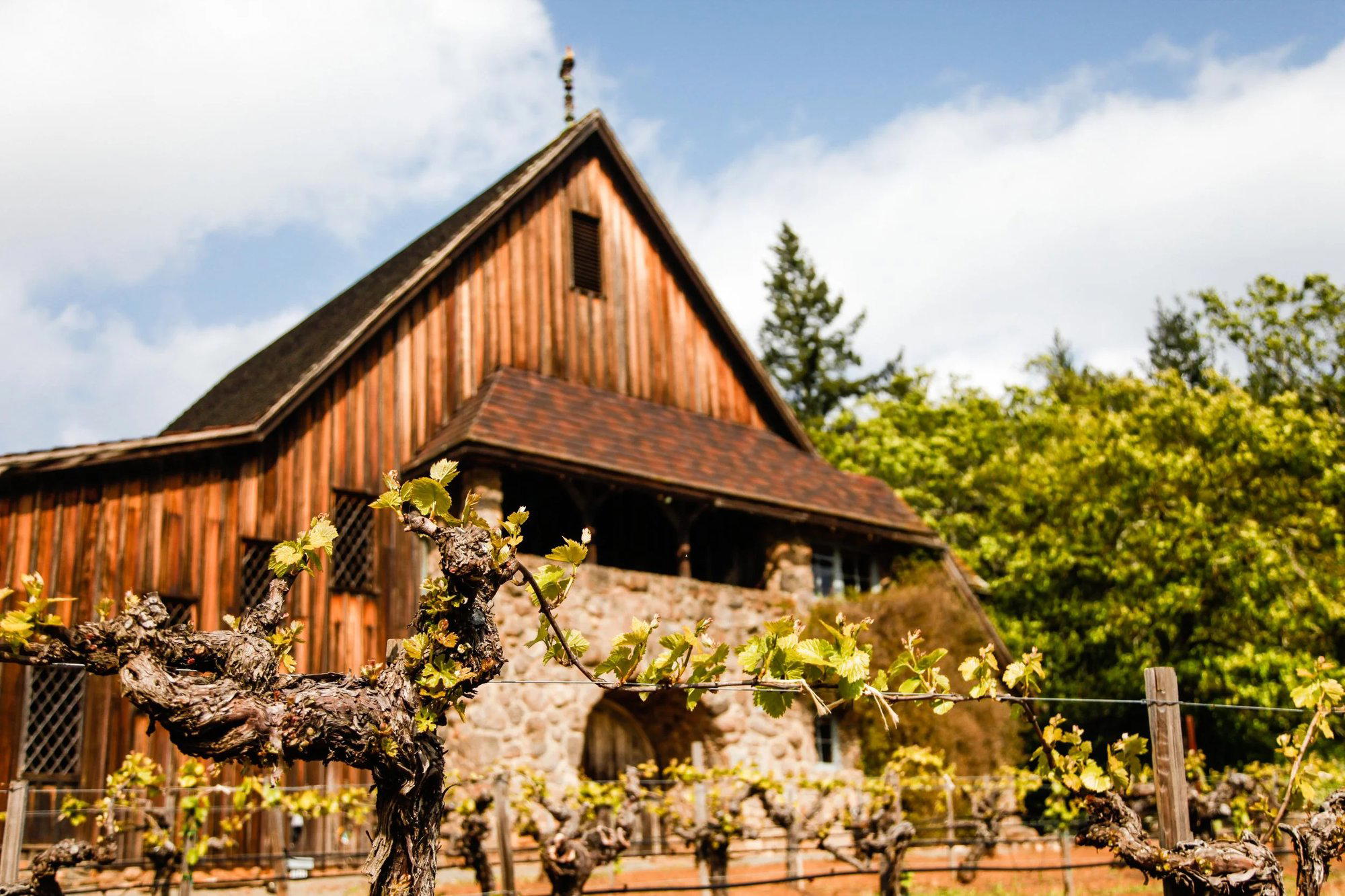
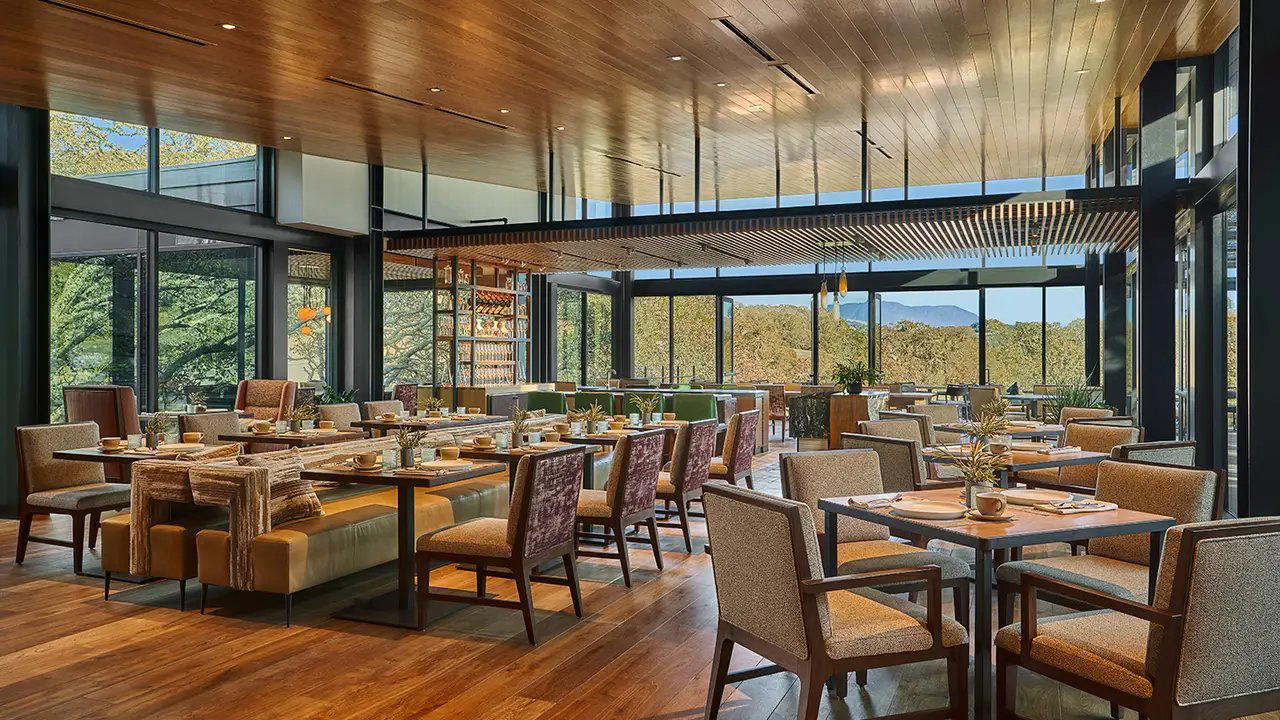
Soho Ranch House Sonoma in Sonoma pairs a 50-room Soho House stay with pool, spa, and fitness center access, plus vineyard, mountain, and garden views.
Pearl is the En Primeur Club membership app — saves, bookings, and concierge access live there. Same editors, same standards.
- Address
- Sonoma, United States
- Website
- sohohouse.com
 Saves & bookings on Pearl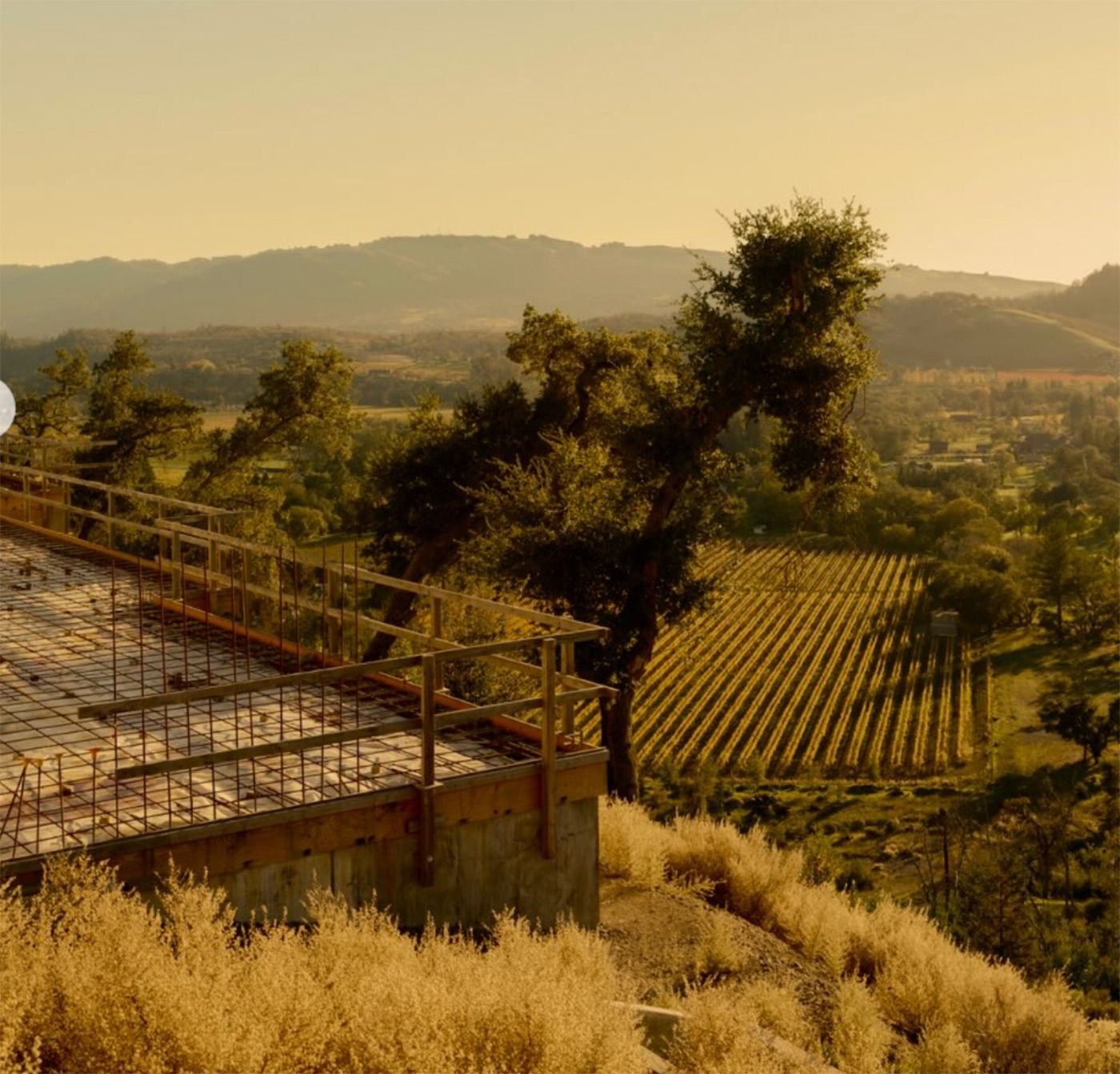
First read: Sonoma hospitality through the lens of space
Approaching a Sonoma stay is rarely about spectacle first. The county’s hospitality character is quieter than Napa’s big-name resort circuit: lower buildings, vineyard roads, town squares, farm edges, and properties that often try to disappear into the agricultural rhythm rather than dominate it. That absence matters. In a region where the difference between a working-ranch mood, a spa-resort campus, and a town-adjacent inn can shape the whole trip, the page should be read as an editorial orientation rather than a claim-heavy profile.
Sonoma’s hotel scene has split into several clear categories. There are large wellness-led resorts with substantial facilities, intimate inns that trade on proximity to wine country roads, farmhouse properties that connect hospitality to dining culture, and design-forward retreats that use materials, landscape, and privacy as the main argument. Without verified architectural details for Soho Ranch House Sonoma, the responsible way to place it is comparative: judge it against the Sonoma County comparable set, then verify the operational specifics directly before making firm plans.
Why design carries so much weight in Sonoma
In dense cities, hotel design often has to announce itself quickly: a lobby, a bar, a staircase, a skyline view. Sonoma works differently. The strongest properties in the county tend to be read slowly, through arrival sequence, room spacing, garden structure, porch culture, spa placement, and how naturally the building language handles heat, dusk, and vineyard-country quiet. Architecture is not decoration here; it is a practical filter. A property either gives guests room to decompress between tastings and dinners, or it becomes another appointment in an already scheduled day.
That is why the design question around Soho Ranch House Sonoma is worth asking even when hard details are missing from the available record. A ranch-house framing suggests a lower-key, residential code rather than a marble-lobby hotel model, but that should not be treated as a verified description of the property. What can be said with confidence is that Sonoma rewards hospitality that respects scale. The county’s appeal depends on the intervals between places as much as the places themselves: the drive from a tasting room to dinner, the hour before sunset, the morning when the town is not yet moving at visitor pace. A hotel that handles those intervals well can feel more relevant than one with a longer amenity list.
The competitive set shows how varied that interpretation can be. Montage Healdsburg represents the expansive resort reading of wine country, where acreage, wellness facilities, and destination infrastructure carry the stay. Beltane Ranch points toward the agricultural inn tradition, where the rural setting is the organizing principle. Fairmont Sonoma Mission Inn & Spa sits in the established spa-resort lane, a useful contrast for travelers who want a fuller-service base. MacArthur Place Hotel & Spa brings the conversation closer to town, with a more estate-like read inside Sonoma itself. Each comparison helps clarify the central question for Soho Ranch House Sonoma: not whether it is grander, but whether its setting and design logic match the kind of wine-country trip being planned.
The Sonoma hotel decision: resort, inn, farm stay, or town base
Sonoma County is not one destination in practical terms. Healdsburg, Sonoma town, Glen Ellen, Kenwood, the Russian River area, and the wider valley each produce a different trip. A guest staying near Healdsburg tends to build around northern Sonoma wineries and ambitious dining. A Sonoma town base makes sense for plaza access, southern valley tastings, and a gentler evening pattern. A ranch or farm-style property changes the emphasis again, shifting the trip toward quiet mornings, drives, and a stronger sense of rural remove.
That distinction is more useful than generic luxury language. Farmhouse Inn signals a dining-linked country-house model. Gaige House belongs to the inn category, where scale and atmosphere matter more than resort breadth. Hotel Les Mars places the guest in a more traditional small-hotel frame in Healdsburg. Hyatt Place Sonoma Wine Country serves a different need altogether: functional access and predictability over destination-hotel character. Soho Ranch House Sonoma should be evaluated against those categories rather than against an abstract idea of luxury.
For travelers, the practical implication is clear. If the trip is built around long tasting appointments and one major dinner each night, a calm base with strong room comfort may matter more than extensive facilities. If spa time, pool service, and on-property dining are central, a resort with documented amenities gives more certainty. If the goal is to feel close to the agricultural identity of the county, ranch-style or inn-like properties deserve attention, but details should be confirmed before committing because public-facing records can lag behind actual operations.
Food, wine, and the limits of what can be claimed
The available record does not list cuisine type, chef name, signature dishes, restaurant format, price range, hours, or awards. In Sonoma, those details are not minor. A hotel with a serious restaurant changes the evening calculus; a property with limited food service pushes guests toward town restaurants and reservation planning; a stay near strong winery corridors can reduce driving friction during the day.
What can be discussed is the regional pattern. Sonoma dining has become more varied than the old wine-country shorthand suggests. The county contains tasting-menu ambition, farm-linked restaurants, casual plaza dining, chef-driven inns, and tasting-room hospitality that increasingly overlaps with food. Hotels compete not only on rooms but on how gracefully they connect guests to that network. The smarter Sonoma stay is planned as a sequence: breakfast or coffee, late-morning tasting, a slower lunch, afternoon rest, then dinner without turning the night into a logistics exercise. Any hotel under consideration should be tested against that pattern.
For Soho Ranch House Sonoma, confirm whether dining is on property, whether breakfast is included or separately arranged, whether outside reservations are needed for most meals, and whether transportation support is available. Those questions matter more than adjectives. Sonoma rewards travelers who protect the unstructured parts of the day, but the county also punishes loose planning on peak weekends, during harvest season, and around major events. A hotel can be low-key in mood and still require precise coordination.
How Soho Ranch House Sonoma compares beyond California
The design-led country retreat is now a national and international hotel category, not a Sonoma-only phenomenon. In New York, Troutbeck in Amenia shows how literary history, landscape, and a residential scale can define a rural stay. In Utah, Amangiri in Canyon Point uses architecture as a response to desert space rather than as surface styling. In Hawaii, Kona Village, A Rosewood Resort in Kailua Kona frames hospitality through site, material language, and distance from ordinary resort density. These comparisons matter because wine-country hotels now compete with a broader class of properties where design is expected to create pace, not just appearance.
Urban hotels make the contrast sharper. The Fifth Avenue Hotel in New York City, The Beverly Hills Hotel in Los Angeles, Four Seasons at The Surf Club in Surfside, and Raffles Boston in Boston work through service theater, civic identity, or resort heritage in more visible ways. Sonoma’s stronger hospitality language is usually quieter. It is less about arrival drama and more about whether the room, grounds, and setting let the wine-country day breathe.
International references underline the point. Hôtel de Paris Monte-Carlo in Monte Carlo, Badrutt's Palace Hotel in St. Moritz, and Aman Venice in Venice operate in places where heritage, address, and ceremony carry major weight. Sonoma is less formal. The county’s design challenge is restraint: a property has to feel considered without turning rural Northern California into a stage set. That is the standard against which the hotel should be measured.
Planning a stay with incomplete public data
Confirm the precise location in Sonoma, the current reservation channel, cancellation rules, available room categories, parking arrangements, food and beverage service, and any minimum-stay requirements. This is especially relevant in wine country, where weekends, harvest months, wedding season, and holiday periods can alter both price and availability. Lack of listed pricing also means the property cannot be responsibly placed in a firm rate tier from the available record.
Timing matters. Sonoma sees different visitor patterns across the year: spring brings green hills and lighter pre-summer movement, summer stretches tasting days and raises demand, harvest season adds energy and scarcity, and winter can produce a calmer, more local-feeling trip. None of those seasonal points are specific claims about the hotel; they are planning realities for the region. A traveler comparing hotels should decide first whether the stay needs a full-service resort, a design-led retreat, or a simple base for restaurants and wineries. Only then does the venue choice become clear.
For a more dining-centered Sonoma itinerary, compare the hotel’s location against dinner plans and tasting appointments before committing. For a design-centered trip, ask for current room imagery, floor-plan context if available, and confirmation of outdoor or shared spaces. For a wellness-centered trip, verify spa, pool, fitness, and treatment availability rather than assuming those amenities from the name. The more limited the public record, the more valuable direct confirmation becomes.
Editorial assessment
The hotel is better understood as a question inside Sonoma’s current hospitality shift than as a fully documented hotel profile. The name and city place it in wine country’s quieter design conversation, where ranch-house associations, residential scale, and landscape sensitivity can matter more than classic resort grandeur. The available record, however, does not support claims about architecture, interiors, chef, rooms, rates, awards, or amenities. That makes it a property to approach with interest and caution: potentially relevant for travelers drawn to low-key Sonoma stays, but not one to book on assumptions.
The stronger editorial read is comparative. Guests who want large-scale infrastructure should examine Montage Healdsburg or Fairmont Sonoma Mission Inn & Spa. Those drawn to agricultural atmosphere should compare Beltane Ranch and Farmhouse Inn. Those wanting town proximity should look closely at MacArthur Place Hotel & Spa or other Sonoma-area bases. The hotel enters that field as a name to verify against the trip’s actual needs: privacy, design, food access, room comfort, and the amount of service expected between winery appointments.
Reputation & Price
Comparable venues nearby, for context on price, style, and recognition.
| Venue | Cuisine | Price | Awards | Notes |
|---|---|---|---|---|
| Soho Ranch House SonomaThis venue — the venue you are viewing | Not listed | $$$$ | Not listed | Not listed |
| Hyatt Place Sonoma Wine Country | Not listed | $$$ | Not listed | Sonoma Wine Country, Upscale select-service hotel with polished public spaces and Wine Country charm. |
| Gaige House | Hotel | Not listed | Not listed | Not listed |
| Fairmont Sonoma Mission Inn & Spa | Not listed | $$$$ | 4-Star | Sonoma, Historic mission-style resort sanctuary in wine country |
| Beltane Ranch | Not listed | $$$$ | 4-Star | Glen Ellen, Historic Southern plantation-style Victorian farmhouse with New Orleans-inspired architecture, family-owned agricultural preserve blending heritage with regenerative farming practices. |
| Vinarosa Resort & Spa | Not listed | $$$$ | 4-Star | Russian River Valley, Modern European-style inn with red-tile roofs set amid vineyards |
Continue exploring
More in Sonoma
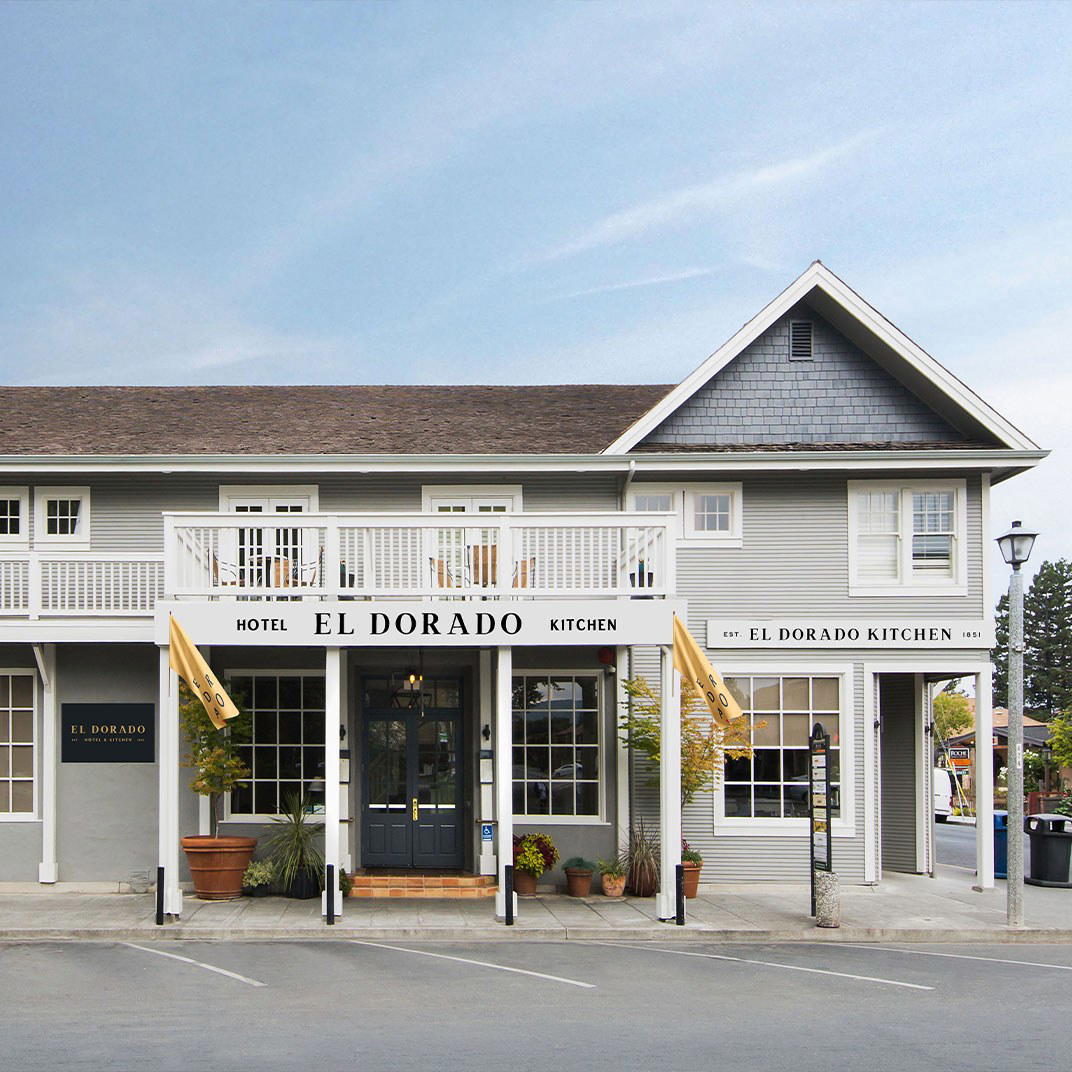
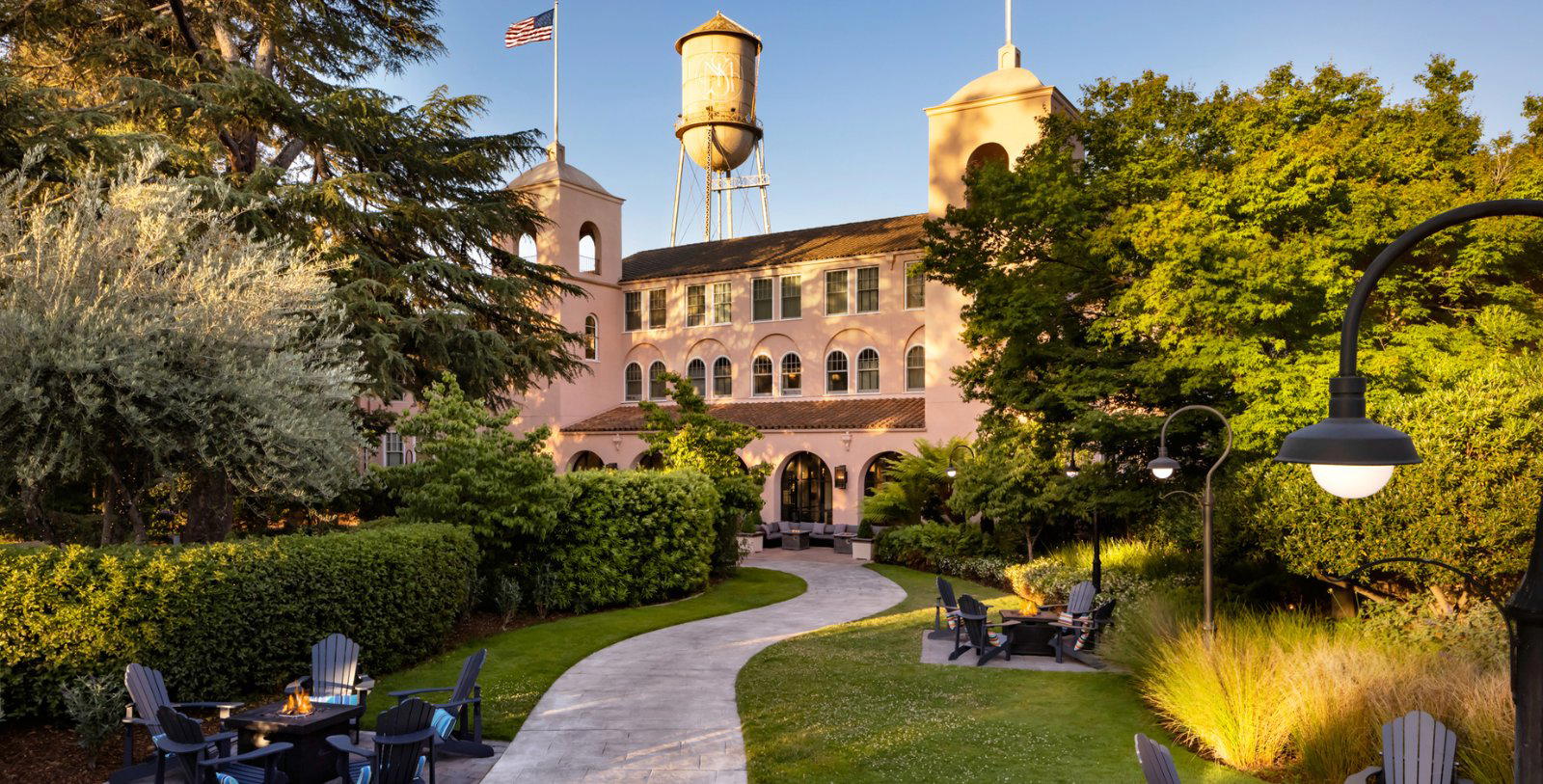
Hotels in Sonoma
Browse all →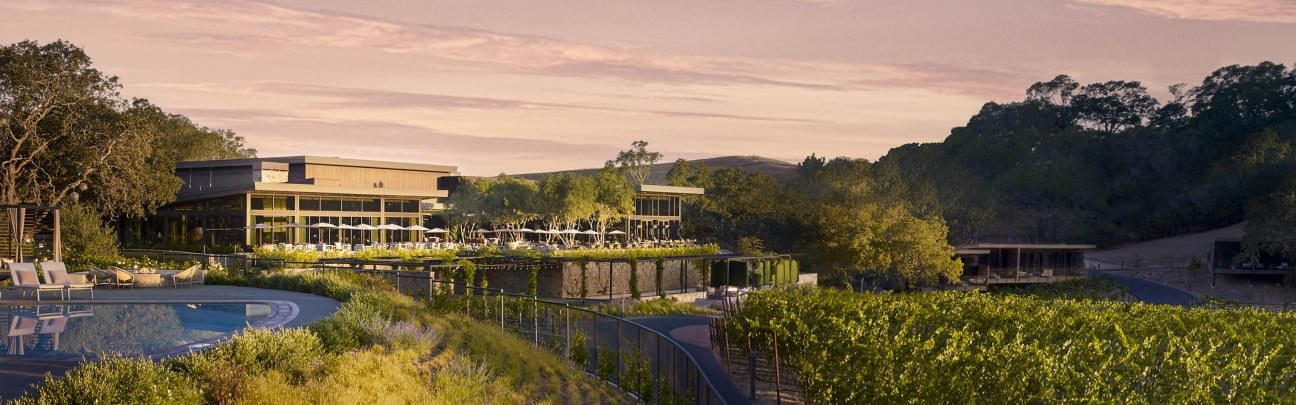
Bars in Sonoma
Browse all →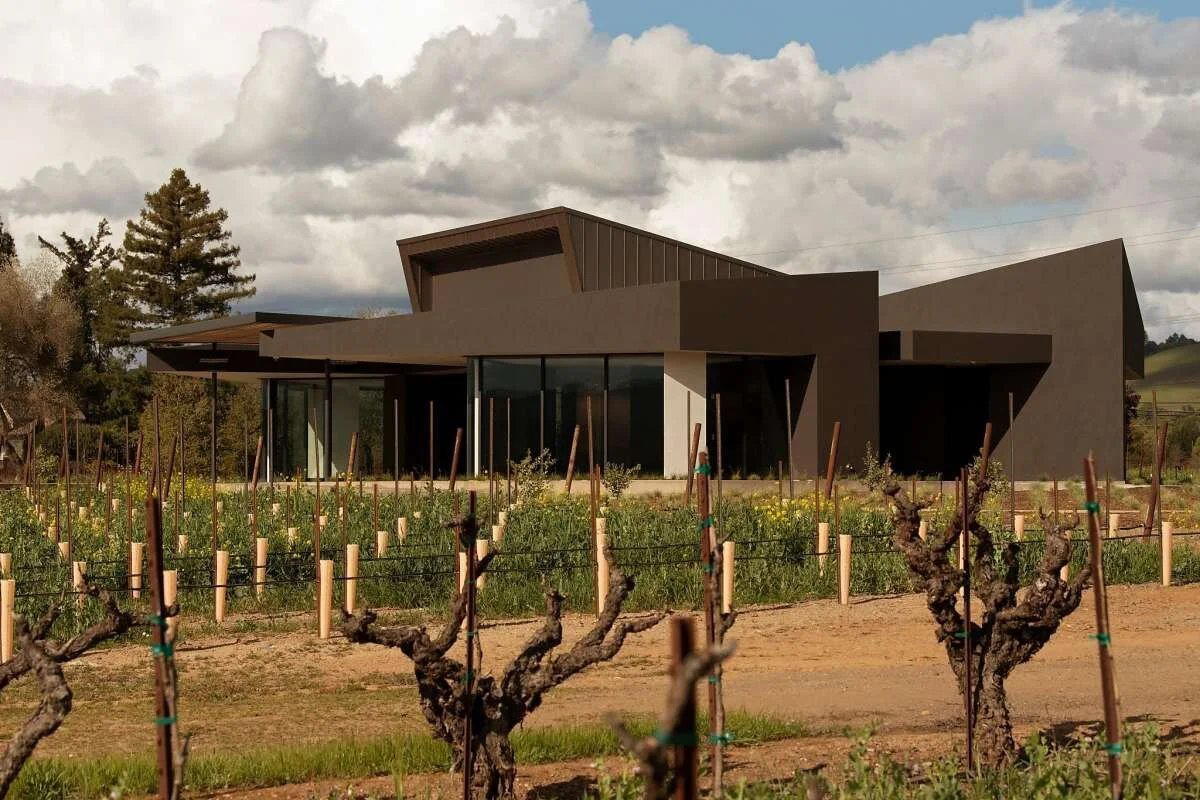
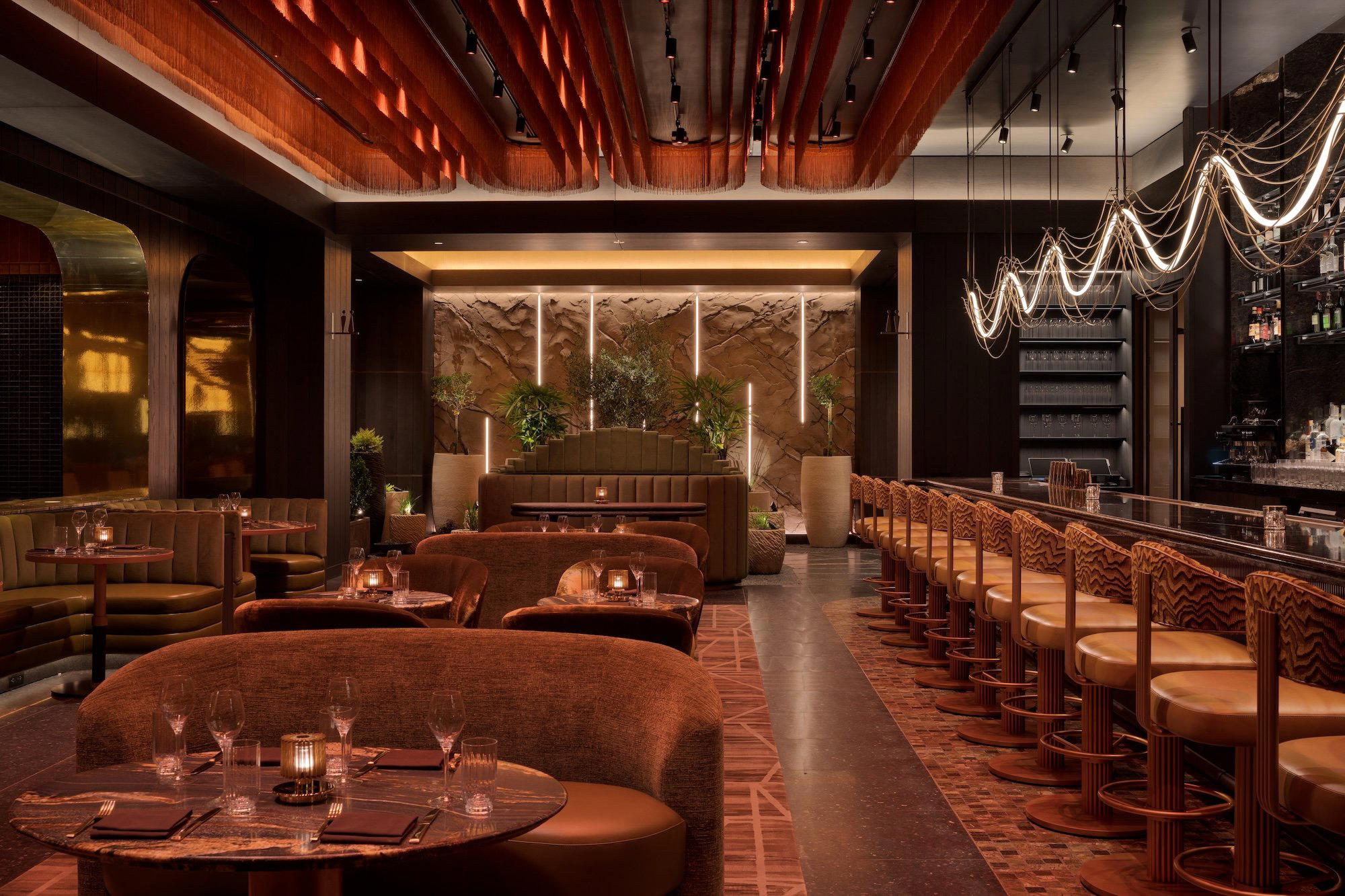
Restaurants in Sonoma
Browse all →
At a Glance
- Scenic
- Rustic
- Elegant
- Sophisticated
- Romantic
- Trendy
- Romantic Getaway
- Weekend Escape
- Wellness Retreat
- Anniversary
- Group Retreat
- Destination Wedding
- Private Villa
- Destination Spa
- Garden
- Panoramic View
- Design Destination
- Terrace
- Pool
- Spa
- Fitness Center
- Vineyard
- Mountain
- Garden
- Pool
- Spa
- Fitness Center
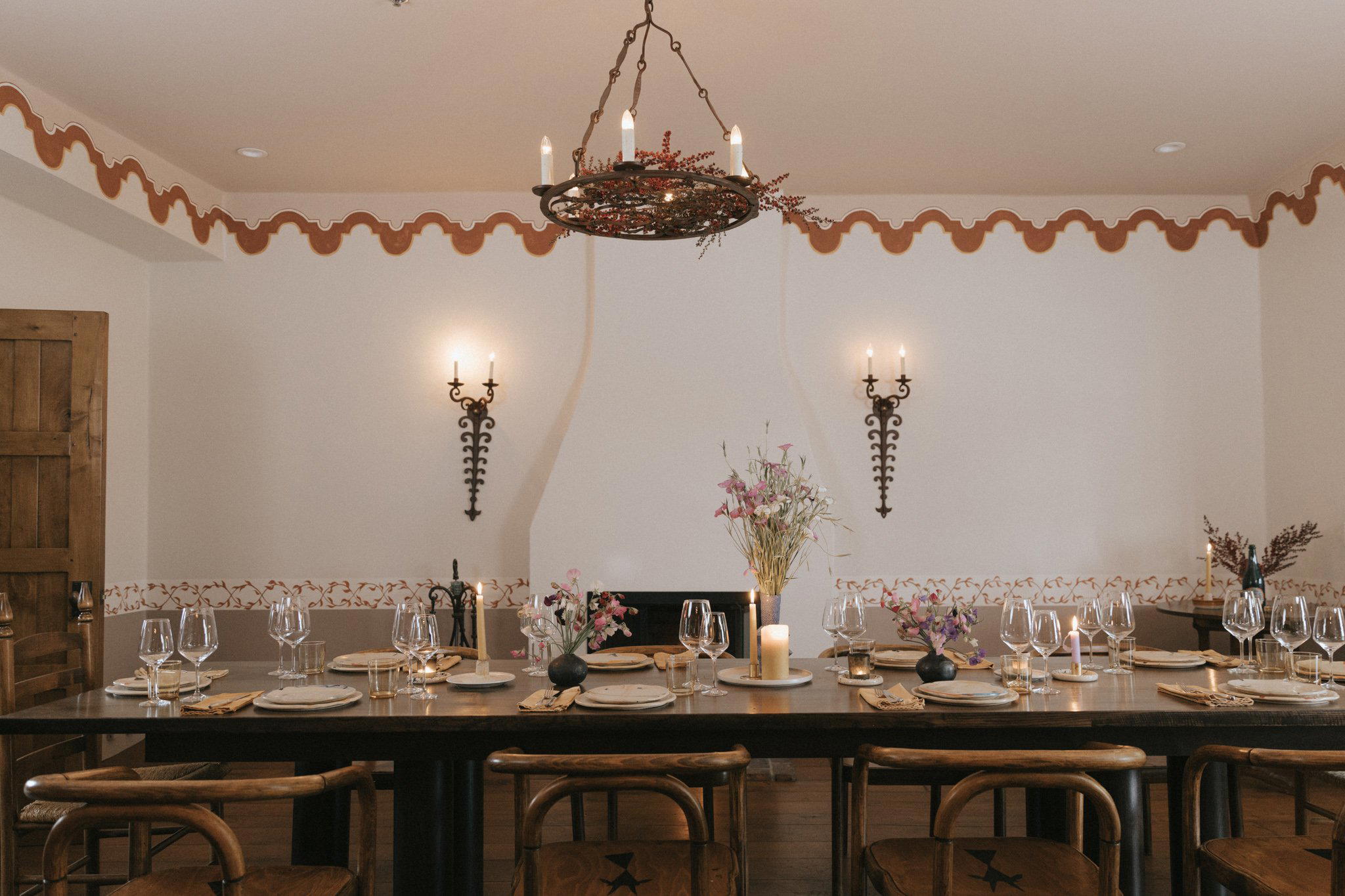
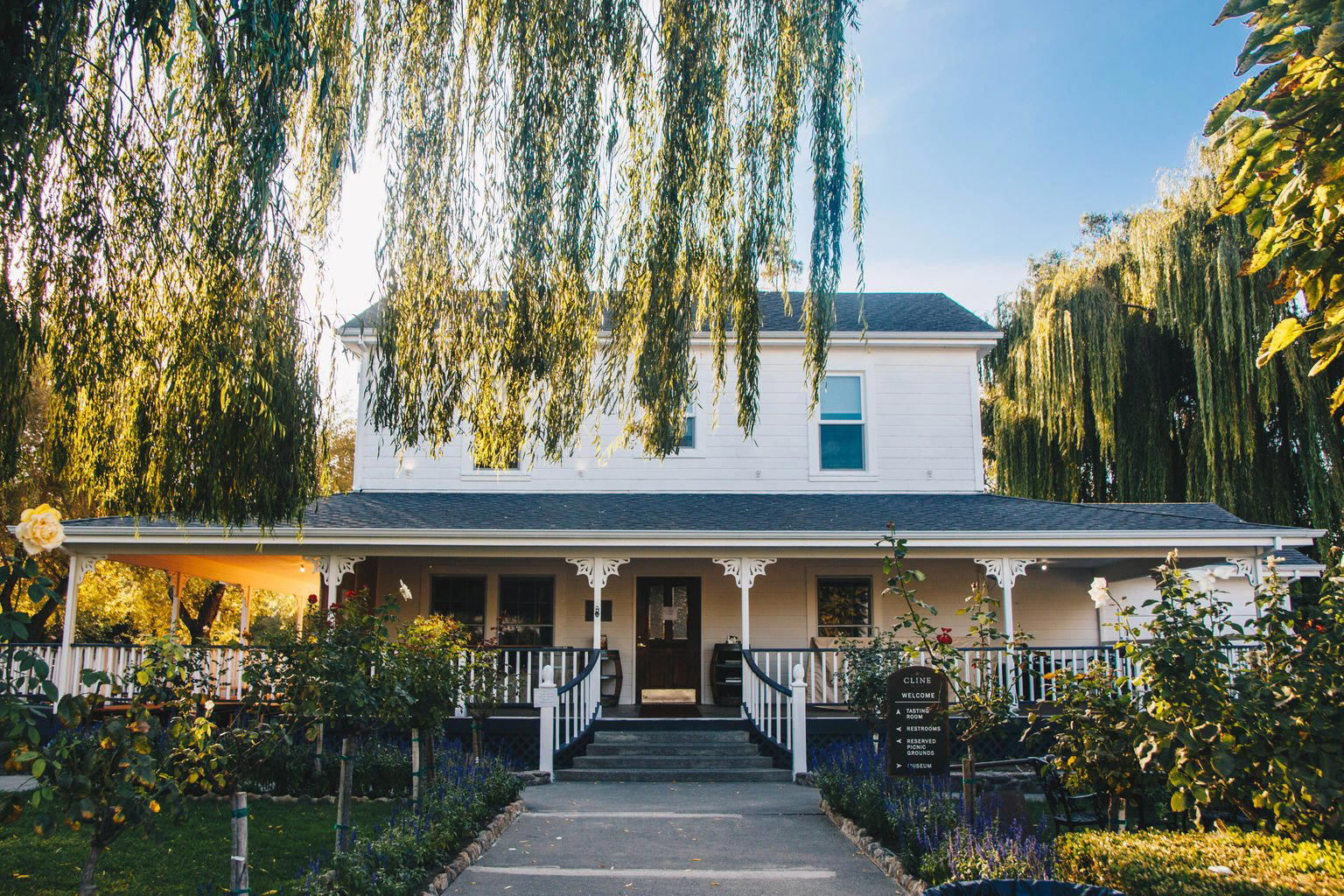
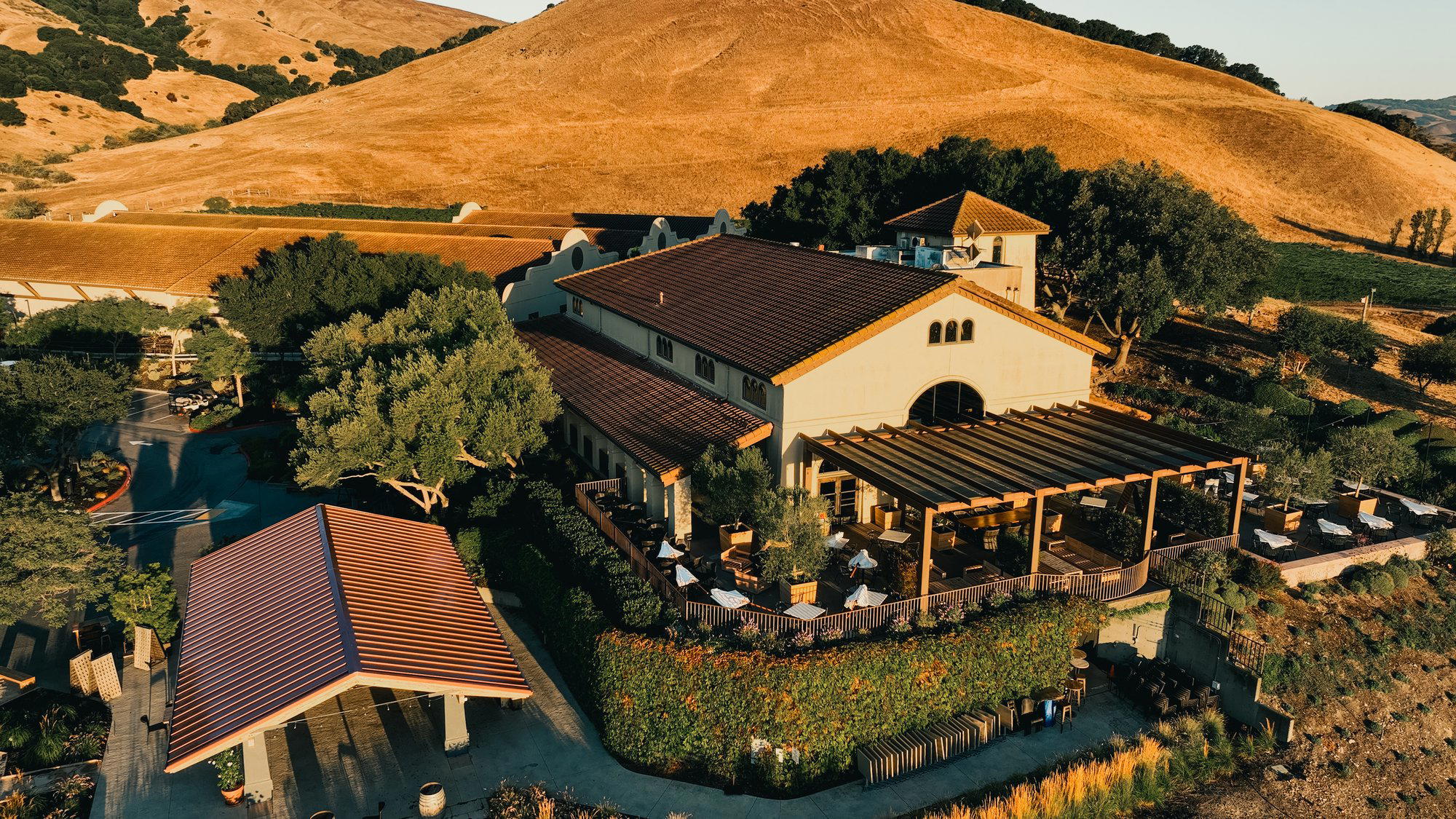
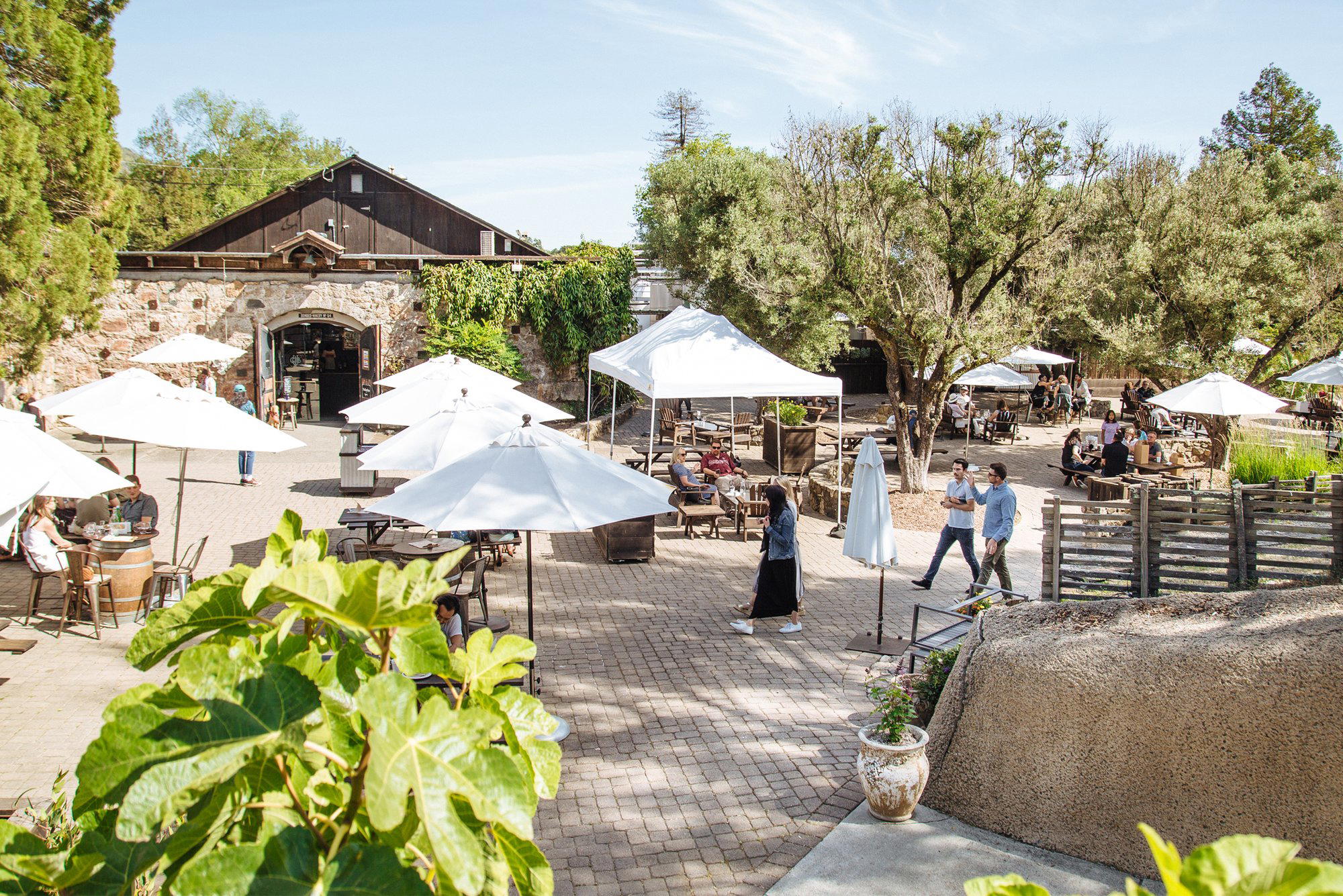
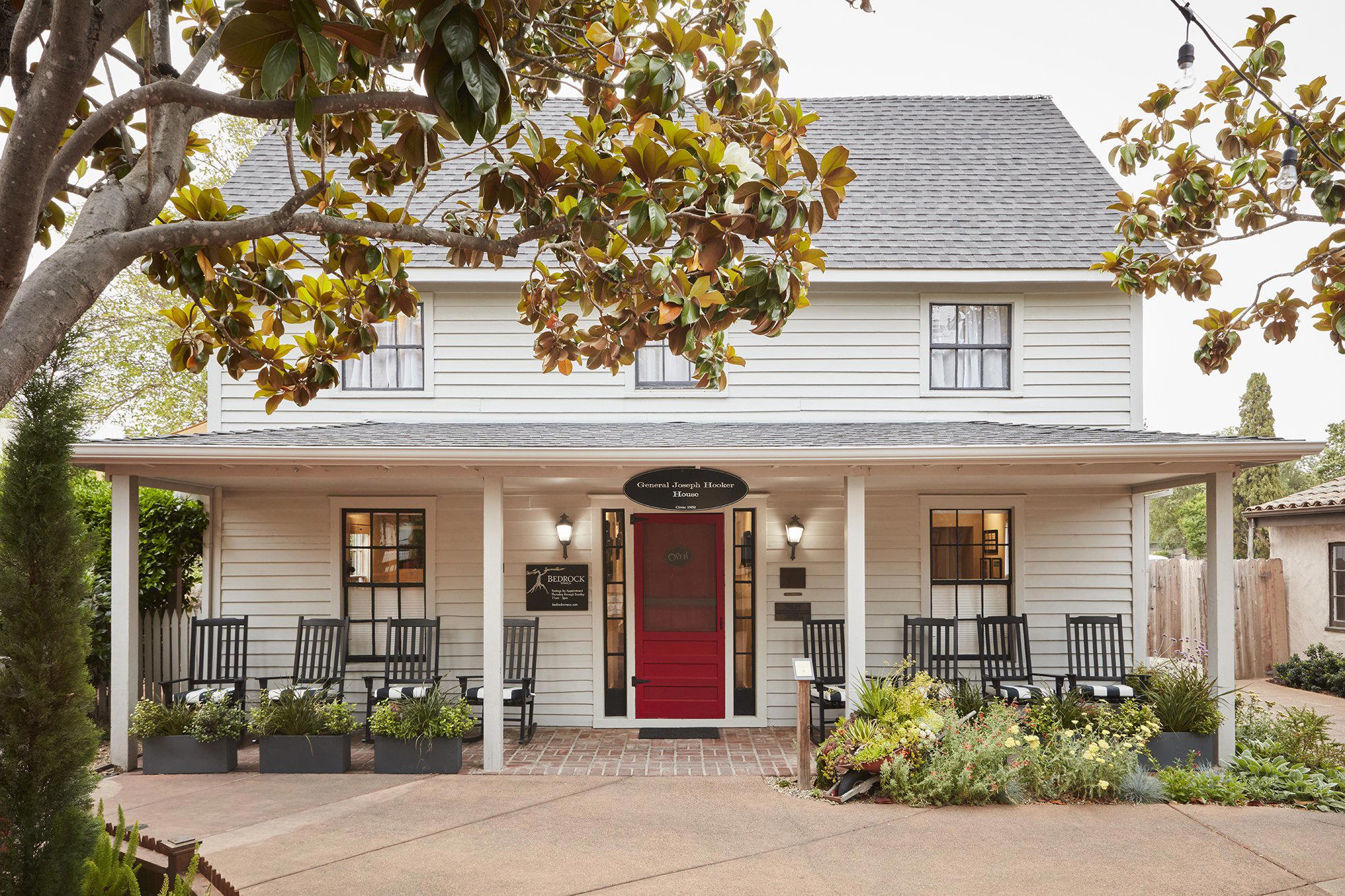
A private, design-forward countryside retreat that blends Soho House’s members-club aesthetic with expansive vineyard and valley views, centered around outdoor courtyards, pools, and relaxed yet upscale ranch-style club spaces.