Satri House


Michelin Selected · Mr & Mrs Smith Seal of Approval
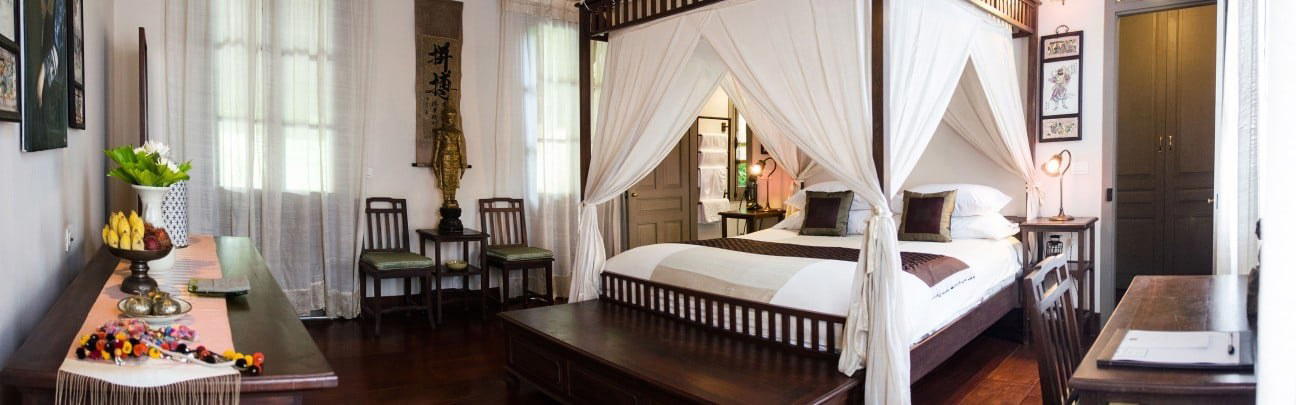
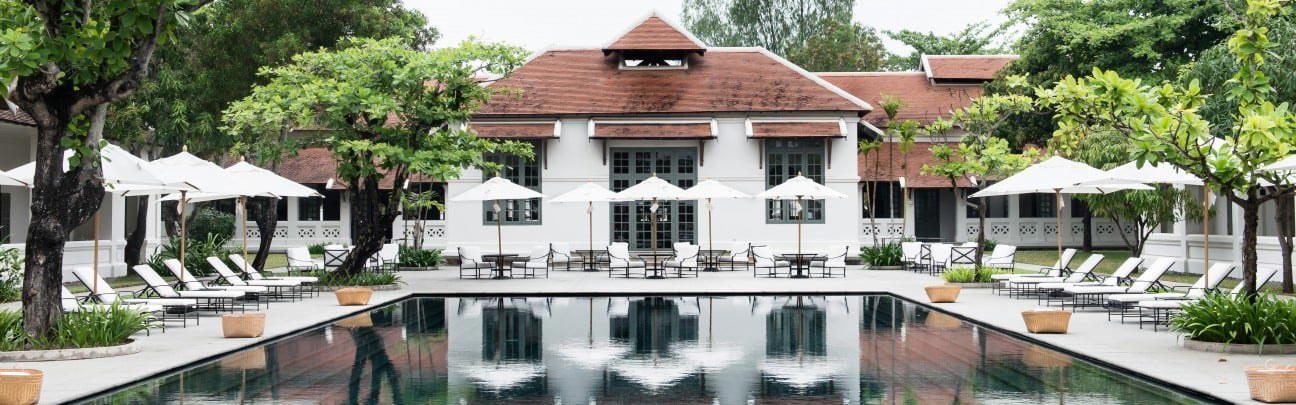
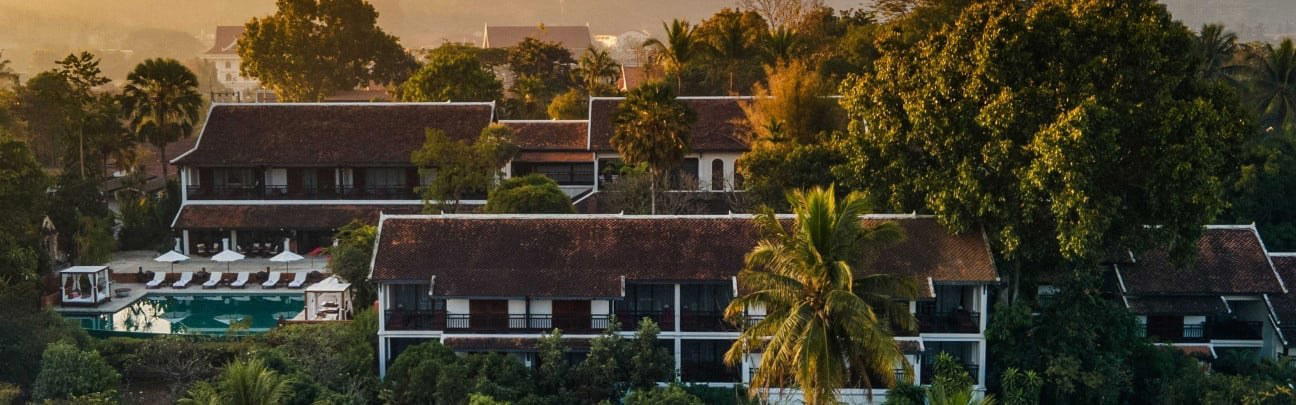
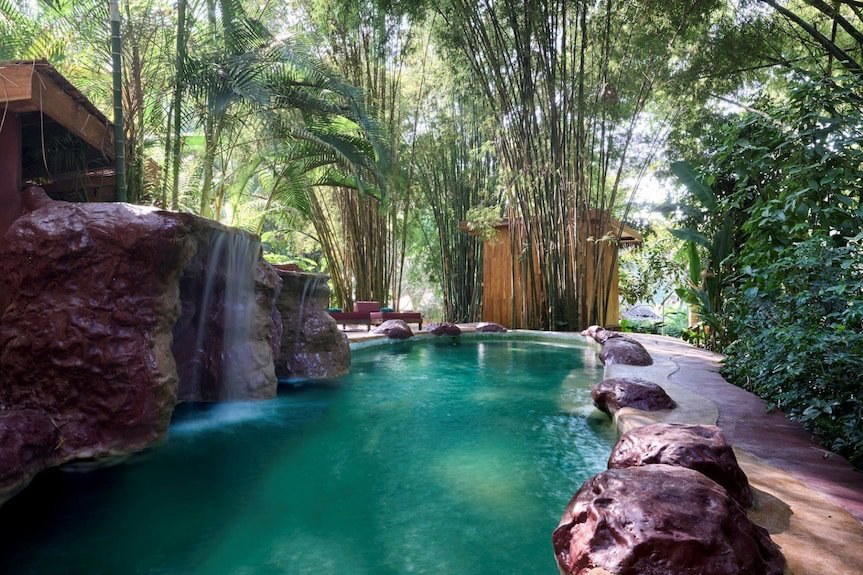
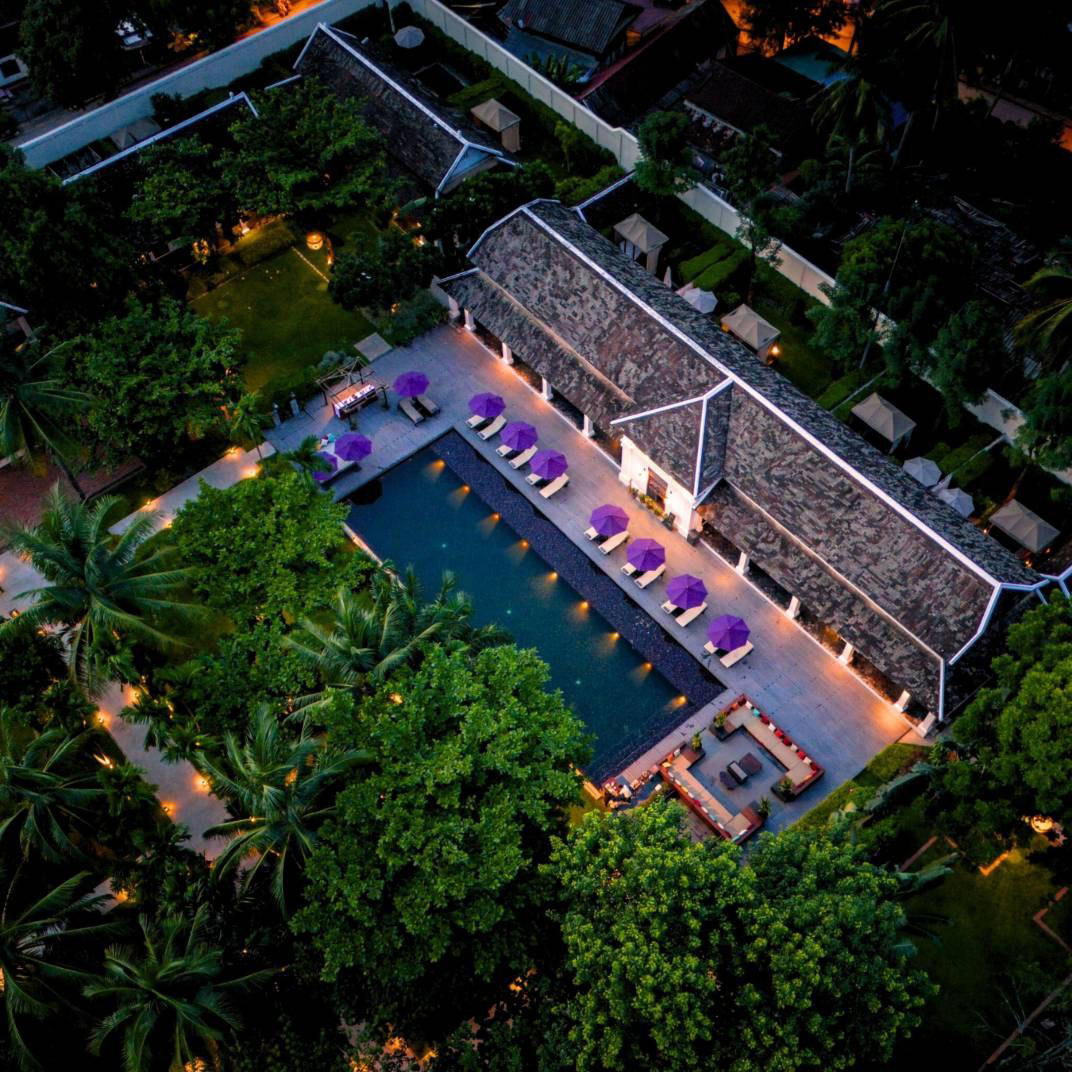
A Michelin Selected property occupying a restored colonial-era villa near the Royal Palace, Satri House places guests at the quieter, more residential end of Luang Prabang's heritage accommodation tier. The property's garden setting and intimate scale distinguish it from the larger international footprints in the city, making it a reference point for travellers prioritising atmosphere over amenity volume.

Pearl is the En Primeur Club membership app, where members save venues, book tables and use the concierge.
Where Luang Prabang's Heritage Hotel Tier Sits
Luang Prabang's accommodation scene has divided, over the past decade, into two broadly legible camps: internationally affiliated properties with full-service infrastructure, and smaller design-led houses that trade on restored heritage architecture and residential quiet. The first camp includes addresses like Sofitel Luang Prabang, The Grand Luang Prabang Affiliated by Melia, and, at the higher end, Amantaka. The second camp is where Satri House sits: a Michelin Selected property occupying a restored French colonial villa within walking distance of the Royal Palace, operating at a scale and pace that the larger properties cannot replicate.
That Michelin Selected designation, awarded as part of the Michelin Hotels guide for 2025, places Satri House in a shortlist of Luang Prabang properties that the guide's inspectors consider worth signalling to a discerning international audience. It is not a star rating for cuisine, but it carries the same editorial weight as Michelin's restaurant selections: properties earn it by meeting standards of experience, character, and consistency that the guide treats as meaningful. In a city where heritage listings are common but quality is variable, that signal matters.
The Setting as the Dining Context
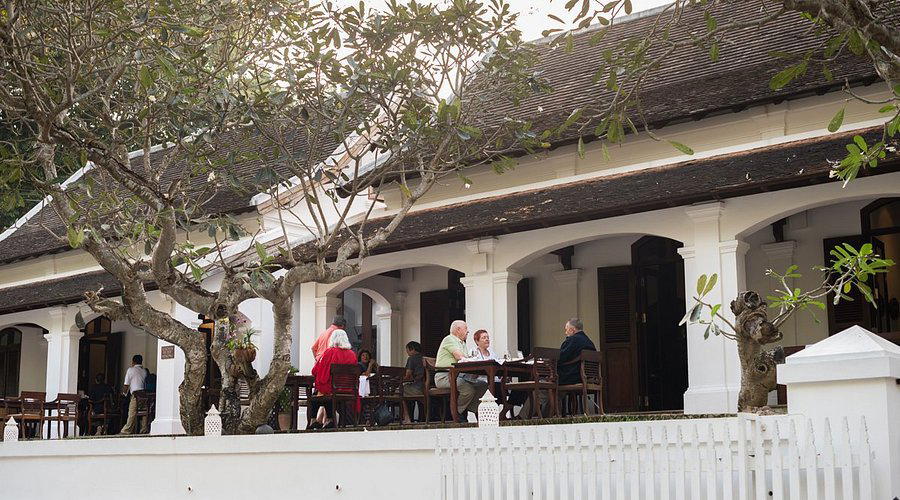
In many Southeast Asian heritage towns, the hotel garden functions as the primary dining venue. Luang Prabang is no exception: the city's humidity, the quality of evening light along the Mekong corridor, and the architectural character of its French colonial stock all push guests outdoors. At a property like Satri House, where the grounds of a restored villa form the spatial backbone of the guest experience, meals taken in that environment carry a different character than the same food served in a formal interior.
This matters when thinking about the hotel's food and beverage programme. The editorial angle here is not a celebrity chef or a destination restaurant with its own following. Luang Prabang's boutique heritage tier, which also includes properties like La Résidence Phou Vao, The Apsara Rive Droite, and Victoria Xiengthong Palace, tends to position its dining as an extension of the property's atmosphere rather than as a standalone draw. Guests eat in the garden, or in a restored interior, and the cooking draws on Lao ingredients and technique. The room is the point as much as the plate.
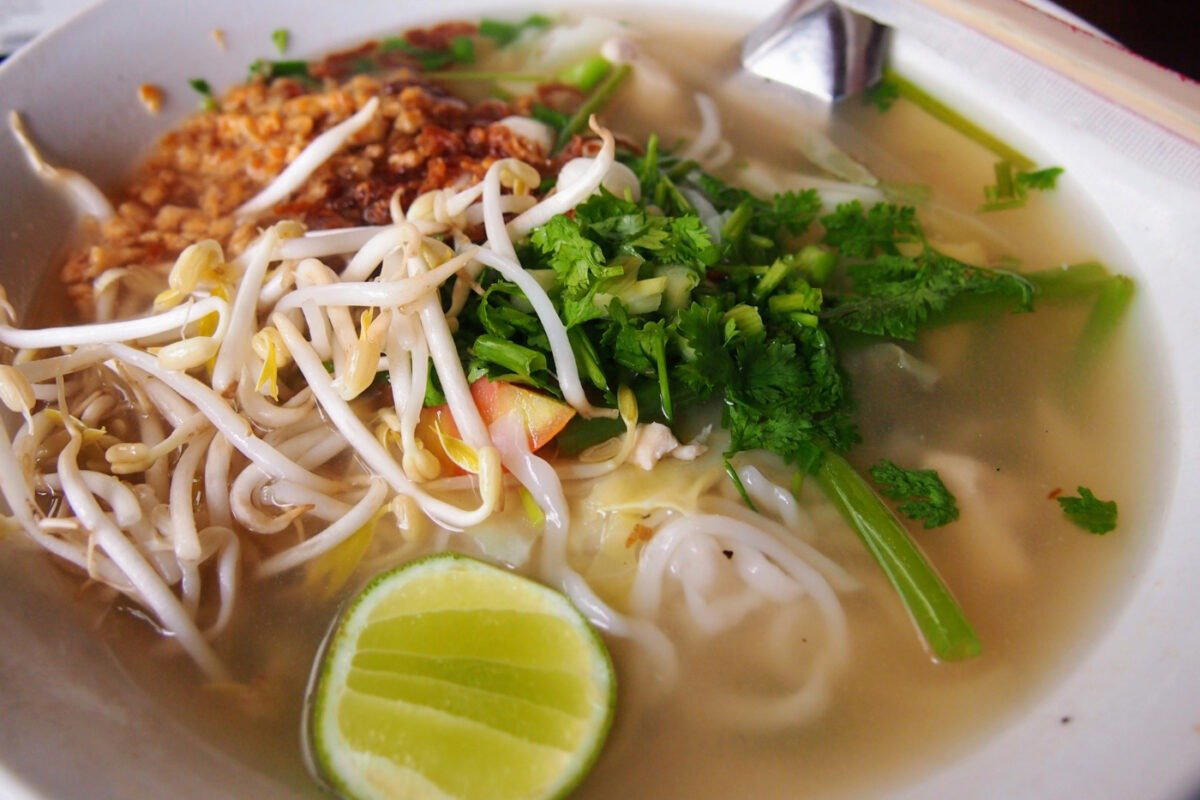
This is not a diminishment. It reflects a broader truth about how premium heritage hospitality works in smaller UNESCO-listed cities: the culinary programme is calibrated to complement the setting, and the setting does substantial work. Luang Prabang's culinary identity, built on sticky rice, herbal broths, fermented fish pastes, and river vegetables, is genuinely distinctive, and a kitchen that sources locally and cooks without over-internationalising the menu is doing something more considered than one that defaults to a Western-Lao hybrid for guest comfort.
How Satri House Sits in Its Competitive Set
The relevant peer comparison for Satri House is not Amantaka, which operates at a significantly higher price point and with Aman-level service infrastructure, nor is it Rosewood Luang Prabang, which sits on the outskirts of the old city in a jungle-facing setting aimed at a different kind of retreat. Satri House occupies a middle tier in the heritage villa category: more characterful than a standard boutique but without the brand infrastructure of the international flags. Its Royal Palace adjacency gives it genuine locational credibility in the old city's tightly controlled historic zone, where new construction is restricted and colonial-era villas carry real architectural value.
Comparable stays elsewhere in Laos, such as MyBanLao Hotel in Louangphrabang or Salana Boutique Hotel in Vientiane, operate at similar boutique scale but without the Michelin Selected signal that Satri House carries. At the broader regional level, the heritage villa format that Satri House represents has parallels in Hoi An, Siem Reap, and Yangon, but the Luang Prabang version benefits from one of the most intact French colonial streetscapes in Southeast Asia and from a city that has kept its scale small. If you have been following this format across the region, the Riverside Boutique Resort in Vang Vieng shows how the format translates further down the Mekong corridor, though without the same heritage density.
The Luang Prabang Morning Ritual and Why It Matters Here
One of the most genuinely singular features of staying in Luang Prabang's old city is proximity to the tak bat, the pre-dawn alms-giving procession in which Buddhist monks walk single file through the streets collecting rice and food offerings from lay residents. The procession passes through the historic peninsula neighbourhood, and a hotel positioned near the Royal Palace places guests within easy walking distance without requiring transport. This is a temporal detail worth flagging: the procession begins before sunrise, typically around 5:30 to 6:00 a.m. depending on season, and the experience is materially different when you can observe it from the street rather than arriving by tuk-tuk as a day visitor. Heritage hotels in the old city zone consistently market this proximity, and it is one of the concrete arguments for staying within the UNESCO-protected area rather than opting for a river-facing resort on the city's edge.
Planning a Stay
Luang Prabang's peak season runs from November through February, when temperatures are cooler and rainfall is minimal. This is when the city's hotel inventory tightens and advance booking for any property in the Michelin Selected tier is advisable. The monsoon months, June through September, bring lower rates and a greener, quieter version of the city; the light quality changes, the crowds thin, and the Mekong rises to levels that alter the riverside character entirely. Guests arriving during the dry season will find the morning alms procession more reliably pleasant in terms of temperature; arriving in the shoulder months of March and April means navigating higher heat and the smoke from agricultural burning in the wider region, which can affect air quality and visibility.
Satri House's address within the Royal Palace area means the old city's core temples, the night market on Sisavangvong Road, and the peninsula's restaurant strip are accessible on foot. International access is via Luang Prabang International Airport, which receives direct regional connections from Bangkok, Chiang Mai, Hanoi, and Vientiane; the airport sits approximately four kilometres from the old city centre. For reference on what this level of heritage hotel requires globally, the model of a restored aristocratic property in a UNESCO-listed city core has parallels at addresses like Aman Venice or Cipriani in Venice, though at considerably different price points and with entirely different culinary programmes. The point of comparison is structural: location within a protected historic zone, limited keys, and an experience built around the city rather than around the hotel's own amenities.
For a broader map of what Luang Prabang's hotel and dining scene offers across price tiers and formats, see our full Luang Prabang guide. Properties like The Namkhan offer a river-immersed alternative for those who want to trade old city walkability for a more secluded setting.
Budget and Context
Comparable venues nearby, for context on price, style, and recognition.
| Venue | Price | Awards | Notes |
|---|---|---|---|
| Satri HouseThis venue (the venue you are viewing) | Not listed | Michelin Selected · Mr & Mrs Smith Seal of Approval | Not listed |
| The Namkhan | $100–200 | Michelin Selected · Small Luxury Hotels of the World Member | Ban Donkeo, Eco-luxury wellness sanctuary blending traditional Laotian elements with modern comforts |
| The Grand Luang Prabang Affiliated by Melia | Not listed | World Luxury Hotel Awards WLHA Country Winner | Luang Prabang, Colonial-era architecture blended with traditional Laotian design, set within a former royal residence featuring manicured gardens and century-old trees. |
| La Résidence Phou Vao, Luang Prabang | $300–500 | Michelin Selected · La Liste Top Hotels | Phou Vao Hill, Colonial hilltop residence blending French and Laotian heritage. |
| Sofitel Luang Prabang | $200–300 | Michelin Selected | Old Town, Historic colonial mansion blending French elegance and Laotian heritage |
| The Apsara Rive Droite | $100–200 | Michelin Selected · Mr & Mrs Smith Seal of Approval | Ban Phanluang, Contemporary homage to French colonial era with refined Asian design elements and curated antiques from owner's travels. |
Recognition history
Dated appearances from independent guides and award organizations, with the underlying list record or original source where available.
Michelin Selected
Michelin
Mr & Mrs Smith Seal of Approval
Mr & Mrs Smith
Continue exploring
More in Luang Prabang
Details
- Elegant
- Quiet
- Romantic
- Classic
- Intimate
- Sophisticated
- Romantic Getaway
- Honeymoon
- Anniversary
- Historic Building
- Garden
- Pool
- Spa
- Wi Fi
- Room Service
- Concierge
- Garden
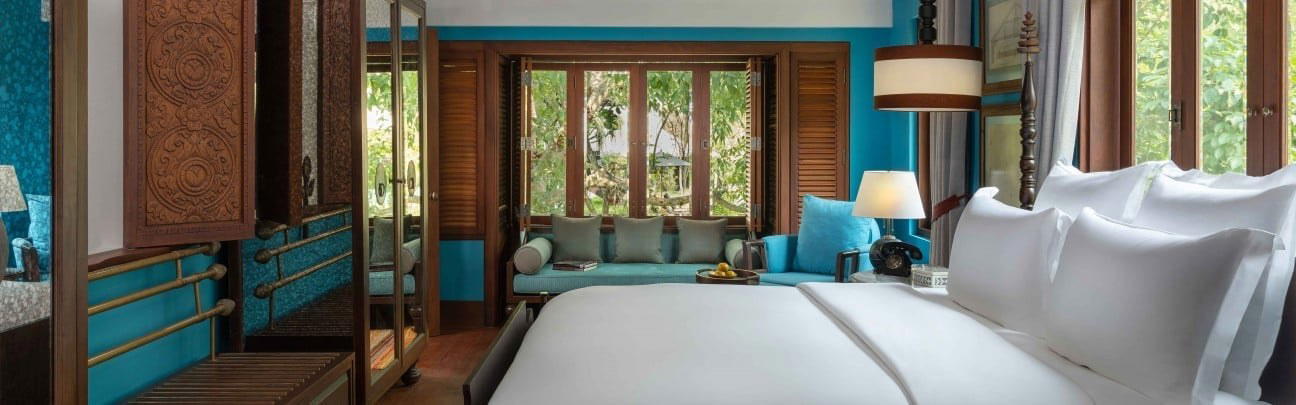
Serene and regal colonial-luxe atmosphere with antiques, artworks, hardwood furnishings, and tranquil garden settings.