Ruby Hotel Stockholm is a sparse-data Stockholm hotel entry, so the editorial value lies in reading it against the city’s sharper hospitality patterns: design hotels, restaurant-led stays, and neighbourhood-driven dining. Until room categories, pricing, dining venues, awards, and booking channels are confirmed, treat it as a name to verify carefully rather than a fully mapped luxury proposition.

Pearl is the En Primeur Club membership app — saves, bookings, and concierge access live there. Same editors, same standards.
- Address
- Scheelegatan 8, 112 28 Stockholm, Sweden
- Phone
- +46 8 517 947 37
- Website
- ruby-hotels.com
- Directions
- Get directions
First read: a Stockholm hotel name without the usual signals
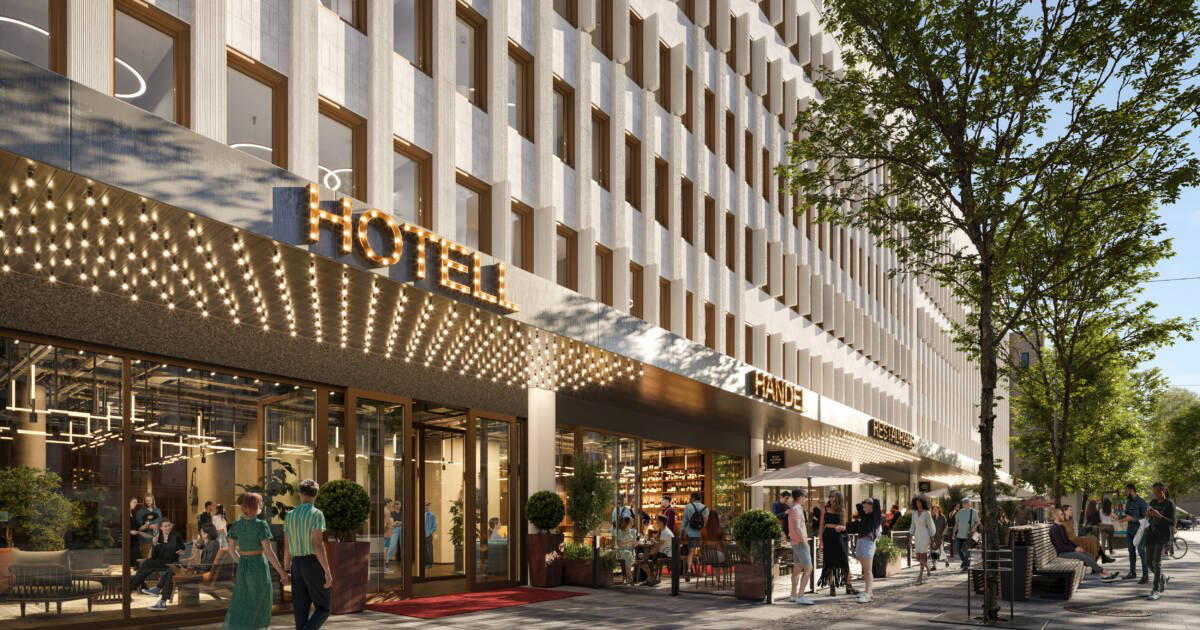
Stockholm hotel arrivals are often legible before the room key appears. In the central city, the cues tend to be restrained: stone façades, low-lit lobbies, well-cut coats at breakfast, and a dining room that says as much about the property as the bedrooms upstairs. The city rewards hotels that understand this compact rhythm. A stay is rarely only about square footage; it is about where coffee happens, where dinner sends guests afterwards, and whether the bar has a life beyond residents. Ruby Hotel Stockholm enters that conversation with less public data than many peer properties, which makes the first editorial task a comparative one rather than a descriptive one.
No address, star rating, price range, restaurant format, chef, bar programme, awards, room count, booking method, or website is listed. That absence matters. In Stockholm, where hotel identity is often built through dining and design, missing detail limits the confidence with which a traveller can place a property in the city’s hierarchy. The comparison set therefore becomes the useful frame: restaurant-led houses, design-conscious urban hotels, larger lifestyle properties, and smaller Swedish stays whose hospitality offer is more clearly documented.
The dining programme is the main test in Stockholm
For Stockholm hotels, food and drink are not decorative extras. They are often the clearest signal of ambition. The city’s stronger hotel restaurants operate within a broader Nordic dining culture shaped by seasonal produce, concise menus, serious bread and dairy, freshwater fish, foraged or preserved elements, and a service style that avoids theatre. Hotel bars, meanwhile, carry a different burden: they need to serve residents, locals, and late arrivals without becoming generic lobby seating. A property that cannot explain its restaurant or bar proposition risks looking incomplete in a market where dining identity has become part of the room rate argument.
That does not make the dining weak; it means it is not yet evidenced here. For a traveller using food as a deciding factor, the safer move is to compare against properties where the dining programme is already part of the public story. Ett Hem belongs to the small-house model, where domestic scale and meal rituals shape the stay. At Six sits in the larger urban-luxury lane, where restaurants and bars help carry a downtown address. Bank Hotel reads through heritage architecture and central-city polish, while Berns Hotel has long been tied to Stockholm’s social and dining life. Those references matter because they show what a documented hotel dining identity looks like in this city.
Where Ruby fits against Stockholm's hotel categories
Stockholm’s hotel scene splits into several useful camps. There are intimate design-led addresses that trade on residential mood and limited scale. There are larger lifestyle hotels that use communal spaces, bars, and programming to create momentum. There are business-friendly central properties where convenience outranks intimacy. There are heritage buildings where architecture gives the stay a civic quality. Ruby Hotel Stockholm cannot yet be assigned cleanly to any one of these categories from the available record, and that uncertainty should be treated as information rather than glossed over.
Travellers who want a clearly defined design-hotel comparison should look at Blique by Nobis, where the brand and architectural positioning are easier to read. For a more casual urban base with lifestyle programming, Downtown Camper by Scandic gives a different version of central Stockholm hospitality. Backstage Hotel Stockholm sits closer to the entertainment-and-culture axis, while Freys Hotel represents the practical city-hotel lane often considered by travellers who prioritise central movement over destination dining. Against that field, Ruby Hotel Stockholm remains an incomplete data point: potentially useful, but not yet classifiable with the same confidence.
What the missing details tell a careful traveller
Luxury and premium travel decisions are made from signals. A listed star rating says one thing; a named chef says another. A published price range helps position a property against its peers. A booking method tells the guest how formal the operation is. Awards, when present, narrow the competitive set. That makes it a different kind of page: less a finished verdict than a cautionary editorial reading of what can and cannot be known.
In practical terms, the missing fields are not equal. The lack of address affects neighbourhood planning. The lack of price range makes value comparison impossible. The lack of awards means the property cannot be placed through Michelin, hotel-ranking, or editorial-recognition shorthand. Stockholm is a city where those details change the itinerary: staying near Norrmalm, Östermalm, Gamla stan, Södermalm, or Djurgården produces different daily patterns, even before restaurants enter the plan.
Stockholm context: food, neighbourhoods, and hotel rhythm
Stockholm’s dining geography is compact but not uniform. Norrmalm works for business, shopping, and fast movement through the city. Östermalm brings polished dining rooms, market-hall culture, and a more formal evening register. Södermalm carries a looser bar and restaurant character, with a stronger independent streak. Gamla stan is historic and atmospheric but demands more selectivity from restaurant-minded travellers. Djurgården suits culture-heavy days, though late-night dining usually pulls guests back toward the centre. Without an address for Ruby Hotel Stockholm, the neighbourhood question remains open, and that is a meaningful limitation.
The broader Stockholm food scene deserves planning beyond any hotel. Our full Stockholm restaurants guide is the better tool for mapping serious meals, especially when a hotel’s own dining programme is not documented. For drinks, Our full Stockholm bars guide helps separate cocktail-led rooms from hotel lounges and casual wine bars. Travellers building a wider itinerary can also use Our full Stockholm experiences guide, while category-wide hotel comparisons sit in Our full Stockholm hotels guide. Our full Stockholm wineries guide is relevant for readers treating Sweden as part of a broader drinking and dining trip, rather than a single hotel stay.
The Swedish hotel comparison set beyond the capital
Stockholm is not the only Swedish context that matters. A growing number of travellers compare capital-city stays against countryside estates, coastal properties, and restaurant-led destinations elsewhere in the country. That comparison is useful because it clarifies what a city hotel must do. If the room is not large, the restaurant must carry weight. If the address is not atmospheric, service and logistics need to compensate. If the property lacks awards, clear pricing and positioning become more important.
Within Sweden, Görvälns Slott in Järfälla offers a castle-hotel reference outside the city core, while Akademihotellet - Clason House Rooms in Uppsala points toward academic-town hospitality. On the west coast, Hotel Flora Göteborg in Gothenburg gives another urban Swedish comparison. Eco by StrandNara in Morbylanga and Sibbjäns in Burgsvik sit closer to rural and island sensibilities, while Story Studio Malmö in Malmö reflects a southern-city alternative. Maryhill Estate in Glumslöv, Vyn Restaurant in Ostra Nobbelov, and Stora Hotellet in Umeå show how broad the national field becomes once the search moves beyond Stockholm.
International lens: why documentation matters
International luxury travellers arrive with comparison habits formed in cities where hotel identity is tightly published. A dining room has a chef, the bar has a list, the spa has hours, the room categories are named, and the awards are visible. In that context, a sparse record changes the confidence level. It does not condemn the hotel, but it requires verification before a premium stay is built around it.
The contrast is clearest when Stockholm is read beside heavily documented grand hotels and newer restaurant-aware properties abroad. The Fifth Avenue Hotel in New York City exists in a market where food, design, and room product are judged in public detail. Hôtel de Paris Monte-Carlo in Monte Carlo is tied to a formal European palace-hotel tradition with explicit culinary gravity. Badrutt's Palace Hotel in St. Moritz belongs to a resort culture where restaurants, seasonality, and social ritual define the stay. Ruby Hotel Stockholm should not be judged by those categories directly, but those examples show why transparent data is not a minor detail in premium travel planning.
Planning notes for Ruby Hotel Stockholm
Confirm the exact location before building restaurant reservations around the stay. Confirm whether there is an in-house restaurant, whether it serves breakfast, lunch, or dinner, and whether non-residents use the bar or dining room. If the hotel is being considered for a food-led Stockholm trip, cross-check its dining offer against the restaurants and bars planned elsewhere in the city.
Timing also matters. Stockholm changes character across the year: long summer evenings encourage waterfront movement and late outdoor meals, while winter puts more emphasis on interiors, breakfast rooms, saunas, bars, and proximity to museums or dining rooms. The practical editorial position is simple: Ruby Hotel Stockholm is worth tracking as a Stockholm hotel name, but it should not anchor a dining-led itinerary until its restaurant, bar, price, and location details are confirmed.
Reputation & Price
Comparable venues nearby, for context on price, style, and recognition.
| Venue | Cuisine | Price | Awards | Notes |
|---|---|---|---|---|
| Ruby Frida Hotel StockholmThis venue — the venue you are viewing | Not listed | Not listed | Not listed | Not listed |
| Haymarket by Scandic | Not listed | Not listed | White Guide Sweden Hotels - Exceptional Level | Norrmalm, Modern Art Deco in historic department store building |
| Ruby Hotels Stockholm | Not listed | $100–200 | Not listed | Kungsholmen, Urban lean-luxury design hotel with a strong lifestyle and music narrative. |
| Nosh and Chow | Norrmalm, upmarket townhouse | Not listed | Not listed | Not listed |
| Story Hotel Stockholm North - JDV by Hyatt | Not listed | Not listed | Not listed | Sundbyberg, Boutique hotel in historic 19th-century building with industrial-chic design. |
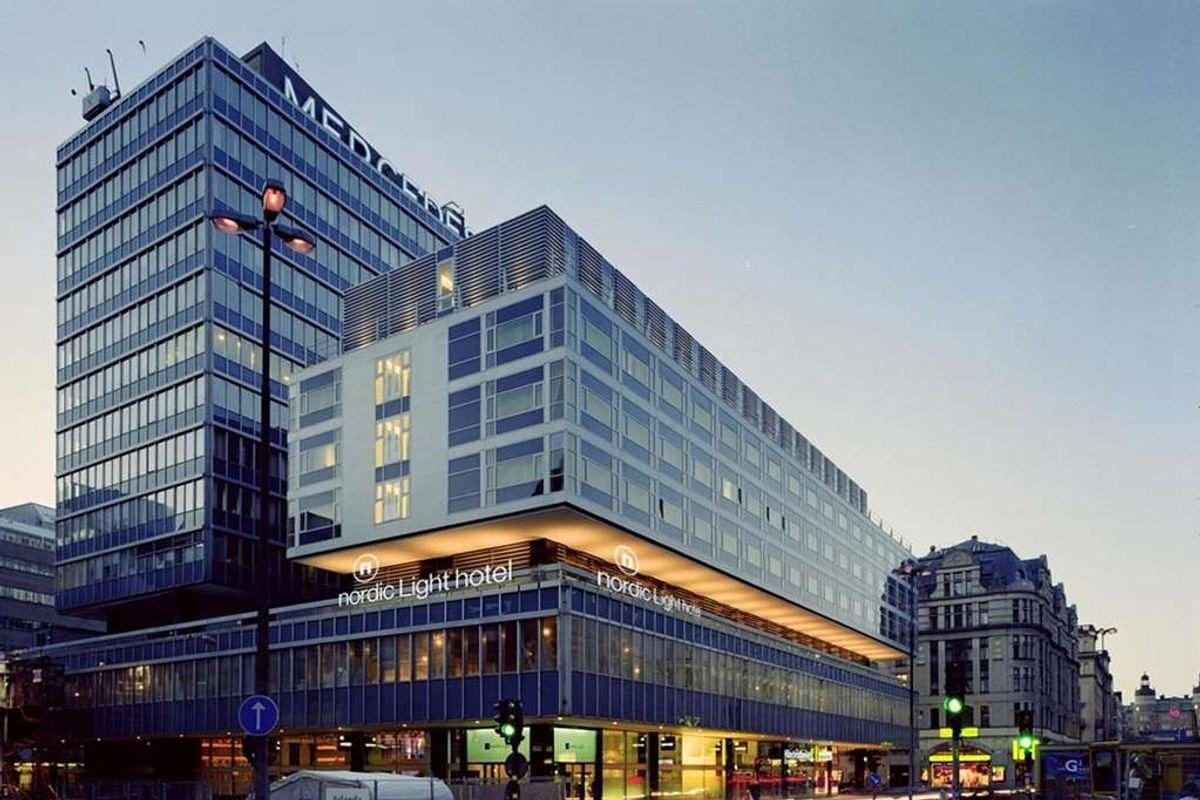
| Nordic Light Hotel | Not listed | Not listed | Michelin Selected · Preferred Hotels Member | Norrmalm, Stylish Nordic design hotel in the heart of the city |
Continue exploring
More in Stockholm
Hotels in Stockholm
Browse all →
Bars in Stockholm
Browse all →
Restaurants in Stockholm
Browse all →
Details
- Modern
- Trendy
- Weekend Escape
- Business Trip
- Group Retreat
- Design Destination
- Terrace
- Wi Fi
- Fitness Center
- Street Scene