Ruby Hotels Stockholm is best read through its city context: a Stockholm hotel choice where location will matter more than resort-style theatre or destination dining claims. With on room count, awards, pricing, address, or services, the useful comparison is against the capital’s sharper hotel types, from townhouse privacy to central business-design properties.

Pearl is the En Primeur Club membership app — saves, bookings, and concierge access live there. Same editors, same standards.
- Address
- Stockholm, Sweden

Stockholm First, Hotel Second
Arriving in Stockholm changes the rhythm before any hotel lobby does. The city is built on water, stone, bridges, tramlines, ferries, and sudden shifts between formal façades and domestic quiet. A hotel here is rarely only a room category; it is a decision about which version of the capital will frame the day. That absence matters. It pushes the assessment toward the asset that can be discussed with confidence: Stockholm itself, and the way a hotel’s location determines the trip more decisively here than in many European capitals.
Stockholm rewards proximity. A stay that places a guest near the right bridge, metro stop, ferry line, museum cluster, or dining street can feel efficient without becoming compressed. A poorly placed stay can turn a short weekend into a sequence of transfers. That is why the useful question around Ruby Hotels Stockholm is not whether it carries a trophy cabinet, a named chef, or a published luxury rating. The sharper question is what kind of Stockholm itinerary it can support once its exact location and services are confirmed directly through current channels.
The Stockholm Hotel Field Is Split by Neighbourhood Logic
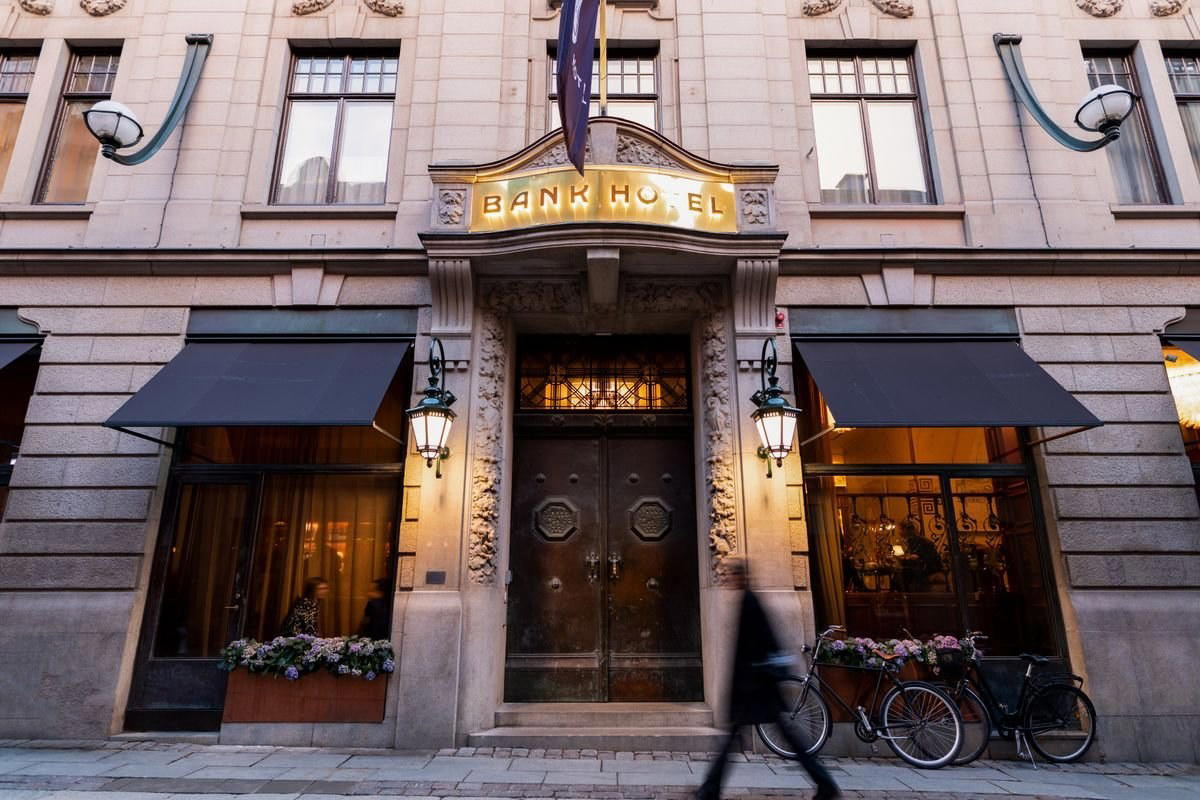
Stockholm’s hotel scene does not fall into a single luxury pattern. It divides by city use. There are domestic-feeling addresses for guests who want privacy and residential calm, represented in EP Club’s Stockholm selection by Ett Hem. There are theatrical, music-adjacent, or nightlife-coded hotels such as Backstage Hotel Stockholm and Berns Hotel. There are finance-and-waterfront addresses like Bank Hotel, and more value-conscious or transit-aware stays such as Freys Hotel.
Against that field, a hotel with limited published information needs to be handled with discipline. For an editorial reader, that is not a weakness in the analysis. It is the analysis. Stockholm hotels should be chosen by the fit between neighbourhood, transport, and trip purpose before aesthetic language enters the conversation.
Location Is the Real Luxury Variable
In Stockholm, location carries different value depending on season. In summer, waterfront access, ferry convenience, and the ability to move between islands without over-planning have high practical value. In winter, shorter walking loops, proximity to restaurants, and quick transit access become more important, particularly when daylight is limited and weather can make scenic detours less appealing. Spring and early autumn reward a hotel that lets a guest move between museums, shopping streets, bars, and dining rooms without turning every outing into a scheduled transfer. Ruby Hotels Stockholm should therefore be evaluated first by its confirmed address rather than by brand language.
The city’s geography makes that point concrete. Norrmalm suits rail access, department stores, business appointments, and fast connections across the capital. Östermalm brings formal streets, dining rooms, galleries, and proximity to Djurgården’s museums if the route is favourable. Södermalm changes the register toward independent shops, casual restaurants, bars, and a less polished evening tempo. Gamla stan gives historic proximity but can be crowded in peak visitor hours. Vasastan and Kungsholmen often suit guests who prefer local routines over landmark concentration. The practical move is to confirm the exact location, then judge whether that area matches the trip.
What the Sparse Record Tells a Careful Traveller
It defines the boundary of what can be responsibly said. It does not list a phone number, website, star rating, total awards, hotel group, style, price range, address, hours, room count, or review data. That means claims about service level, signature design, restaurant quality, room sizes, opening date, amenities, or booking rules would be speculation. In a city with credible alternatives across several hotel categories, speculation is poor travel advice.
The correct comparison, then, is procedural. If a guest wants a documented design-hotel frame within Stockholm, Blique by Nobis belongs on the comparison list. If the trip needs a central base with broad city access, compare against At Six, Bank Hotel, and Freys Hotel. If privacy and residential scale matter more than being in the thick of the city, look at Ett Hem. Ruby Hotels Stockholm may fit the itinerary once current details are verified, but it should not be chosen on implied prestige when the public record supplied here does not support that argument.
How to Read Stockholm by Hotel Type
What's the main draw of Ruby Hotels Stockholm?
The main draw is its potential role as a Stockholm base rather than any documented award or price position.
Do I need a reservation for Ruby Hotels Stockholm?
Yes, arrange accommodation in advance once current contact or platform details are verified.
What's the most popular room type at Ruby Hotels Stockholm?
Check current room-category information directly before choosing. In Stockholm, room choice should be matched to stay length, luggage needs, work requirements, and season.
Who tends to like Ruby Hotels Stockholm most?
Travellers who prioritise Stockholm access and are comfortable verifying details before committing are the natural fit.
Any tips before I go to Ruby Hotels Stockholm?
Confirm the exact address first, then map it against the parts of Stockholm that matter for the trip: rail arrival, dining reservations, museums, meetings, late bars, or ferry routes. Because no website, phone number, price range, or awards are listed in the record, current verification is part of the planning process.
Comparable venues nearby, for context on price, style, and recognition.
| Venue | Cuisine | Price | Awards | Notes |
|---|---|---|---|---|
| Ruby Hotels StockholmThis venue — the venue you are viewing | Urban lean-luxury design hotel with a strong lifestyle and music narrative. | $100–200 | Not listed | Not listed |
| Nosh and Chow | upmarket townhouse | Not listed | Not listed | Norrmalm |
| Nordic Light Hotel | Stylish Nordic design hotel in the heart of the city | Not listed | Michelin Selected · Preferred Hotels Member | Norrmalm |
| Hobo Hotel | Contemporary boutique in Brutalist architecture | Not listed | Michelin Selected · White Guide Sweden Hotels - Very Fine Level | Norrmalm |
| Ruby Hotel Stockholm | Large urban design hotel in a mixed-use development on Drottningholmsvägen, positioned as Ruby’s ‘lean luxury’ lifestyle concept for both visitors and locals. | Not listed | Not listed | Kungsholmen |
| Story Hotel Stockholm North - JDV by Hyatt | Boutique hotel in historic 19th-century building with industrial-chic design. | Not listed | Not listed | Sundbyberg |
Continue exploring
More in Stockholm
Hotels in Stockholm
Browse all →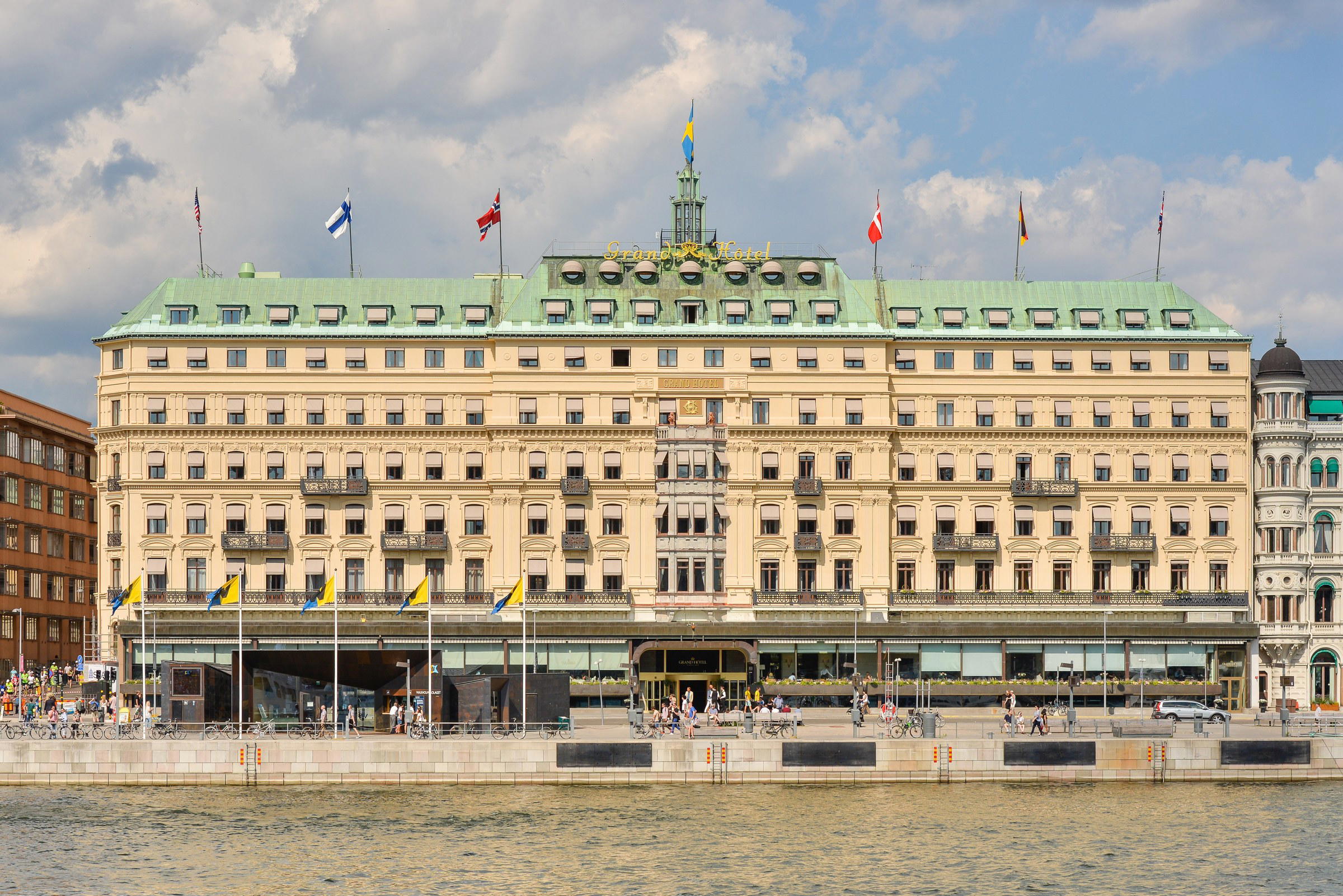
Bars in Stockholm
Browse all →
Restaurants in Stockholm
Browse all →
Details
- Modern
- Trendy
- Sophisticated
- Well Known
- Business Trip
- Weekend Escape
- Group Retreat
- Design Destination
- Wi Fi
- Bar
- Concierge
- Street Scene
- Elevator
- Wheelchair Accessible
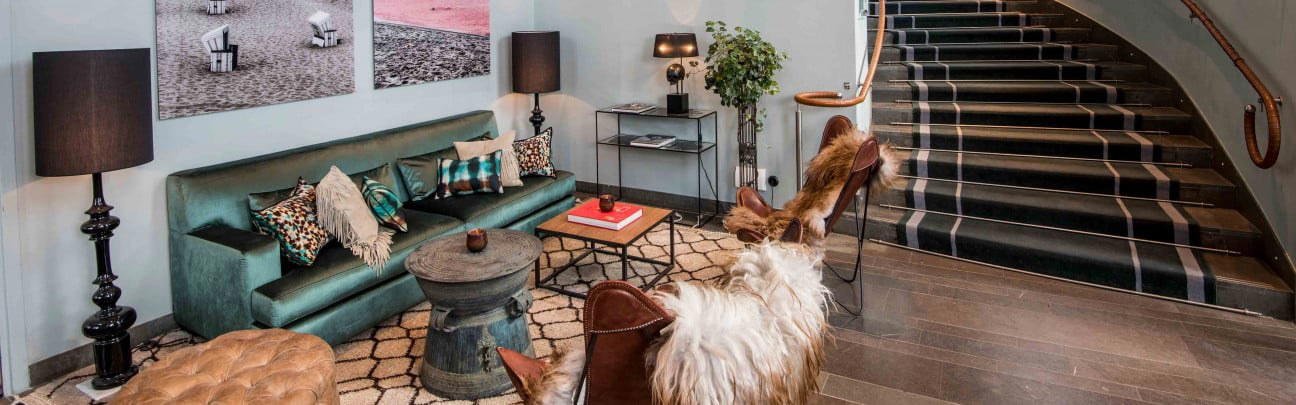
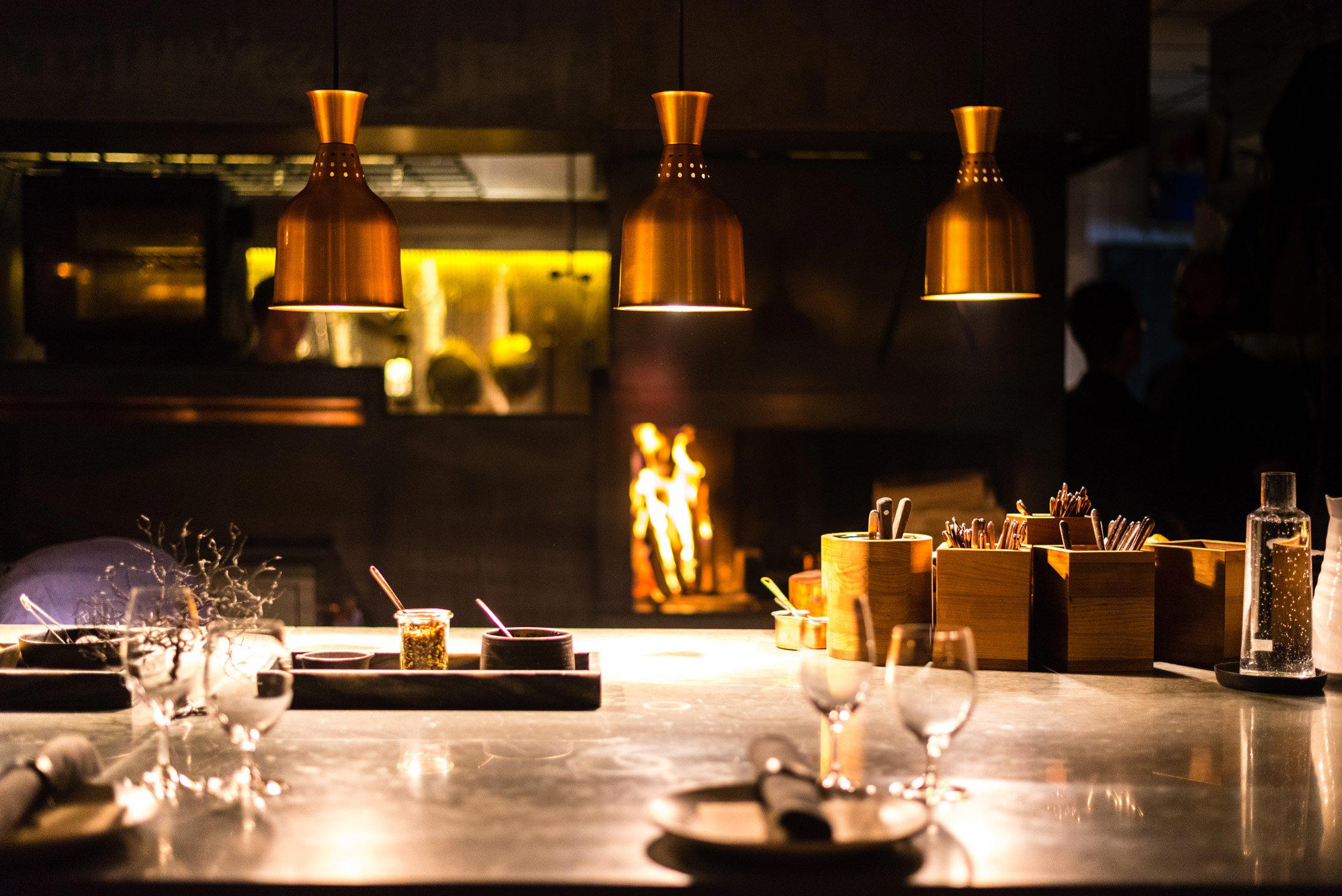
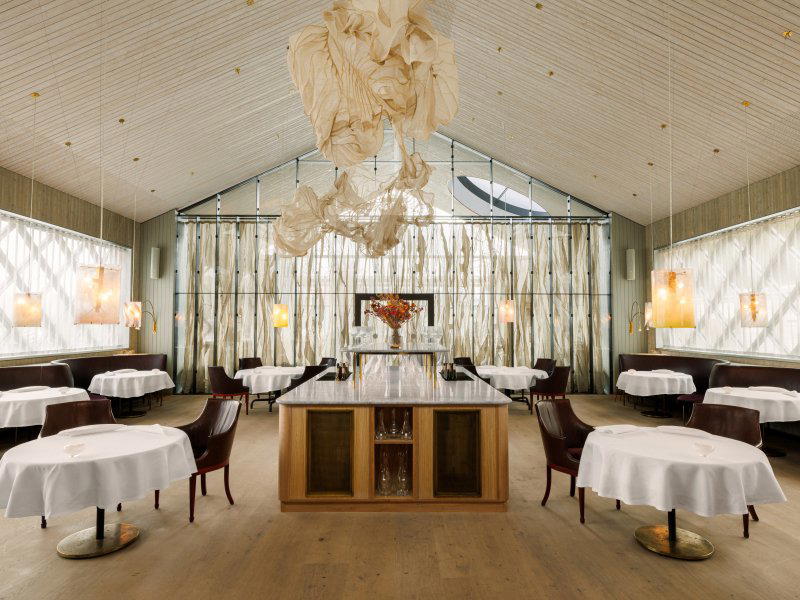
Lean Luxury design with a Scandinavian, retro-tinged atmosphere inspired by Stockholm’s 1960s music and creative scene; dynamic social spaces and a character-rich bar-centered lobby create an energetic, design-led feel.