Rockywold-Deephaven Camps (RDC)
Rockywold-Deephaven Camps on Squam Lake in Holderness, New Hampshire, occupies a category that barely exists anymore: a family camp resort operating continuously since the 1890s, where cottages of weathered pine and fieldstone sit directly on the water and the rhythm of lake life shapes every day. It is a destination for those who understand that restraint in design is its own kind of luxury.
Pearl is the En Primeur Club membership app — saves, bookings, and concierge access live there. Same editors, same standards.
- Address
- 18 Bacon Rd, Holderness, NH 03245
- Phone
- +1 603 968 3313
- Website
- rdcsquam.com
 Saves & bookings on Pearl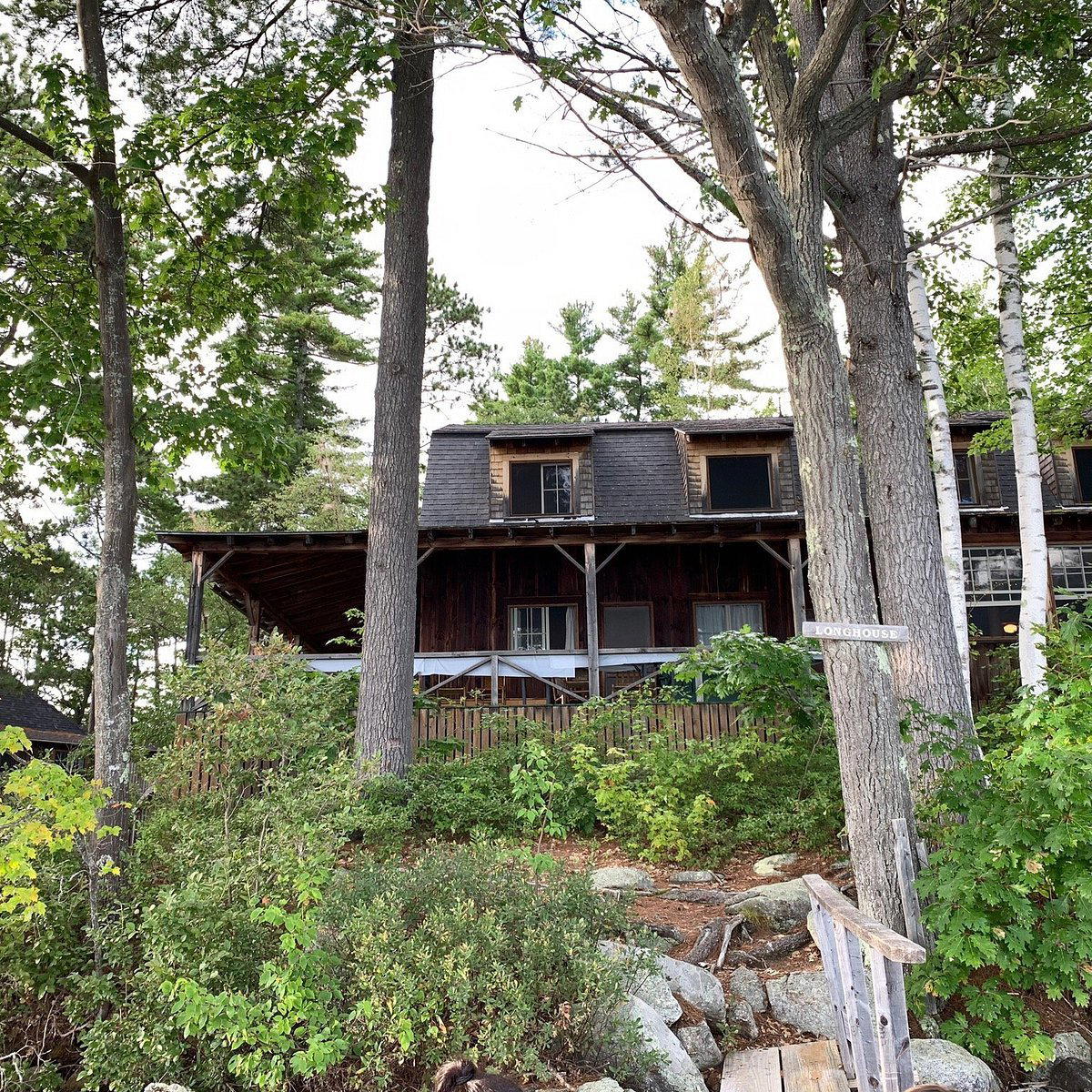
Where the Architecture Is the Experience
There is a particular kind of American resort that was never meant to impress on arrival. No grand porte-cochère, no marble lobby, no orchestrated reveal. Rockywold-Deephaven Camps (RDC) is a 4-star hotel in Holderness, New Hampshire, at 18 Bacon Rd, Holderness, NH 03245. It announces itself differently: through the smell of pine resin, the sound of Squam Lake against a wooden dock, and the sight of cottages that have been weathering into their surroundings for well over a century. The design language here is not rustic-chic, a term that implies deliberate curation. It is simply rustic, which is a different thing entirely.
Squam Lake itself frames everything. The lake occupies the northern lakes region of New Hampshire, a stretch of the White Mountains foothills where the water runs cold and clear and the loon is a reliable companion after dark. The setting places RDC in a specific regional tradition of lake camp resorts that dates to the late nineteenth century, when urban families from Boston and New York began summering in the New England interior as an antidote to city heat. That tradition has largely disappeared. RDC is one of the few operations that can claim an unbroken line back to it.
A Design Logic Built Around Impermanence and Staying
The structural character of RDC is its most distinguishing quality. The compound consists of individual cottages scattered along the lake's edge and back into the tree line, built primarily from local timber and stone in the late nineteenth and early twentieth centuries. What makes the design notable is what was never done to it. These are not buildings that have been renovated into palatability. The materials age. The porch boards flex. The light inside comes through windows that frame water and trees without any intervening gloss of modernization.
This puts RDC in an unusual position relative to its peers in the American resort category. Properties like Amangiri in Canyon Point or Ambiente, A Landscape Hotel in Sedona have made their architectural identity through deliberate, architect-led design that responds to landscape. RDC's relationship with its environment is older and less mediated. The cottages were not designed to evoke the landscape. They were built within it, and the landscape has been slowly reclaiming them ever since, in the way that pine needles accumulate on a roof and lichen spreads across granite steps.
That temporal quality is not incidental. It is the point. Guests who return to RDC season after season, and the camp's multigenerational guest profile is well documented, are not seeking novelty. They are seeking continuity. The specificity of a particular cottage, a particular view, a particular dock belongs to a design experience that no amount of architectural brilliance can manufacture quickly. It requires decades.
The New Hampshire Lakes Region in Context
Holderness sits at the southwestern shore of Squam Lake, roughly an hour and twenty minutes north of Boston by car, and about thirty minutes from the ski infrastructure around Waterville Valley. The town itself is small, but the lake region's hospitality circuit extends to Plymouth and Meredith, where the dining and provisioning options concentrate. Within Holderness, the accommodation options are sparse, which is partly by design and partly by geography. The area has not developed in the way that Lake Winnipesaukee to the south has, and that restraint in development is what preserves the character that draws a certain kind of guest.
The area also hosts The Manor On Van Horn Estate, which represents the other end of the local accommodation register.
The broader American camp resort category places RDC alongside properties that have made heritage continuity their central offer. Blackberry Farm in Walland operates in a similar register of deep seasonal loyalty, though its design vocabulary is Southern agrarian rather than New England lakeside. Troutbeck in Amenia similarly uses historic built fabric as its primary identity marker. What distinguishes RDC is the specific combination of water access, longevity, and an absence of the renovation impulse that has reshaped most comparable properties.
Planning a Stay
The camp operates seasonally, consistent with its New Hampshire lake context where the swim and boating season runs from late spring through early fall. Prospective guests should contact the property directly, as booking logistics and availability for specific cottages operate on a system shaped by the camp's returning guest base. First-time visitors should be aware that the returner culture at RDC is pronounced. Cottages carry histories that families track across generations, and availability for new guests can reflect that dynamic. Approaching the booking process early in the calendar year is advisable for summer stays.
Those calibrating RDC against the broader spectrum of American resort experiences should note where it sits relative to properties with more developed amenity programming. Canyon Ranch Tucson in Tucson, Post Ranch Inn in Big Sur, and Sage Lodge in Pray each offer programmed wilderness-adjacent experiences with contemporary service architecture. RDC does not compete in that category. Its offer is closer to self-directed lake life in a historic setting than to managed retreat.
For those building a broader New England or northeastern itinerary, the region connects logically to Boston, where Raffles Boston represents the urban counterpoint. Further afield, properties like SingleThread Farm Inn in Healdsburg, Bernardus Lodge & Spa in Carmel Valley, or Auberge du Soleil in Napa occupy the wine-country heritage lodge category, which shares some DNA with RDC in terms of place-rooted loyalty, even if the execution differs sharply. Those seeking comparable scale of ambition in water-facing settings might also consider Little Palm Island Resort & Spa in Little Torch Key or Kona Village, A Rosewood Resort in Kailua Kona, though both operate with a service intensity and price point that sits in a different tier.
Side-by-Side Snapshot
Comparable venues nearby, for context on price, style, and recognition.
| Venue | Cuisine | Price | Awards | Notes |
|---|---|---|---|---|
| Rockywold-Deephaven Camps (RDC)This venue — the venue you are viewing | Historic all-inclusive family resort blending rustic authenticity with modern comfort, emphasizing simplicity, continuity, and environmental responsibility. | $$ | 4-Star | |
| The Manor On Van Horn Estate | Historic lakeside manor estate | $$$$ | 4-Star | Holderness |
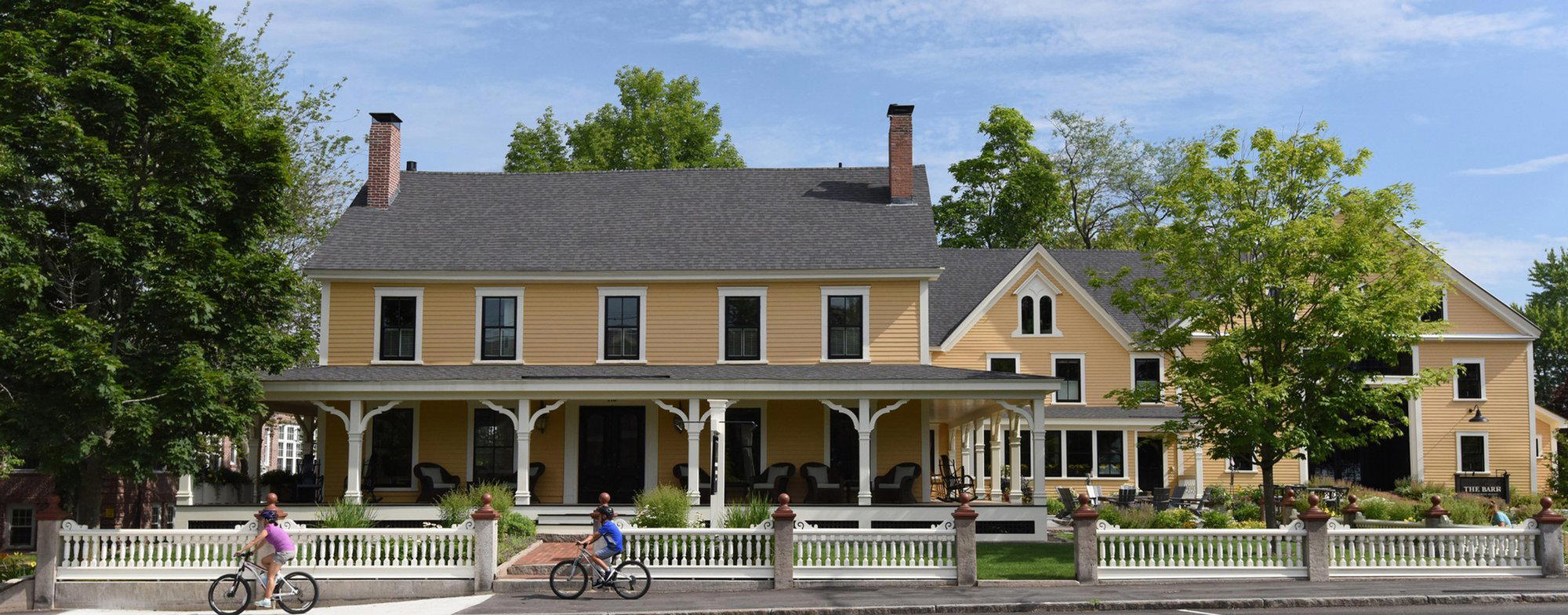
| Pickering House Inn | Nationally acclaimed boutique historic inn imaginatively reinvented as a luxury property blending period architecture with contemporary amenities. | $$$ | 5-Star | Downtown Wolfeboro |
| A Hotel Inn Sunapee | modern rustic boutique | $$ | 2-Star | Newbury |
| The INN Downtown | Boutique apart-hotel in historic building | $$$ | 3-Star | Downtown |
| Rye Motor Inn & Swim Shop | Restored 1950s motor inn micro-resort | $$$ | 3-Star | Rye |
Continue exploring
More in Holderness
Hotels in Holderness
Browse all →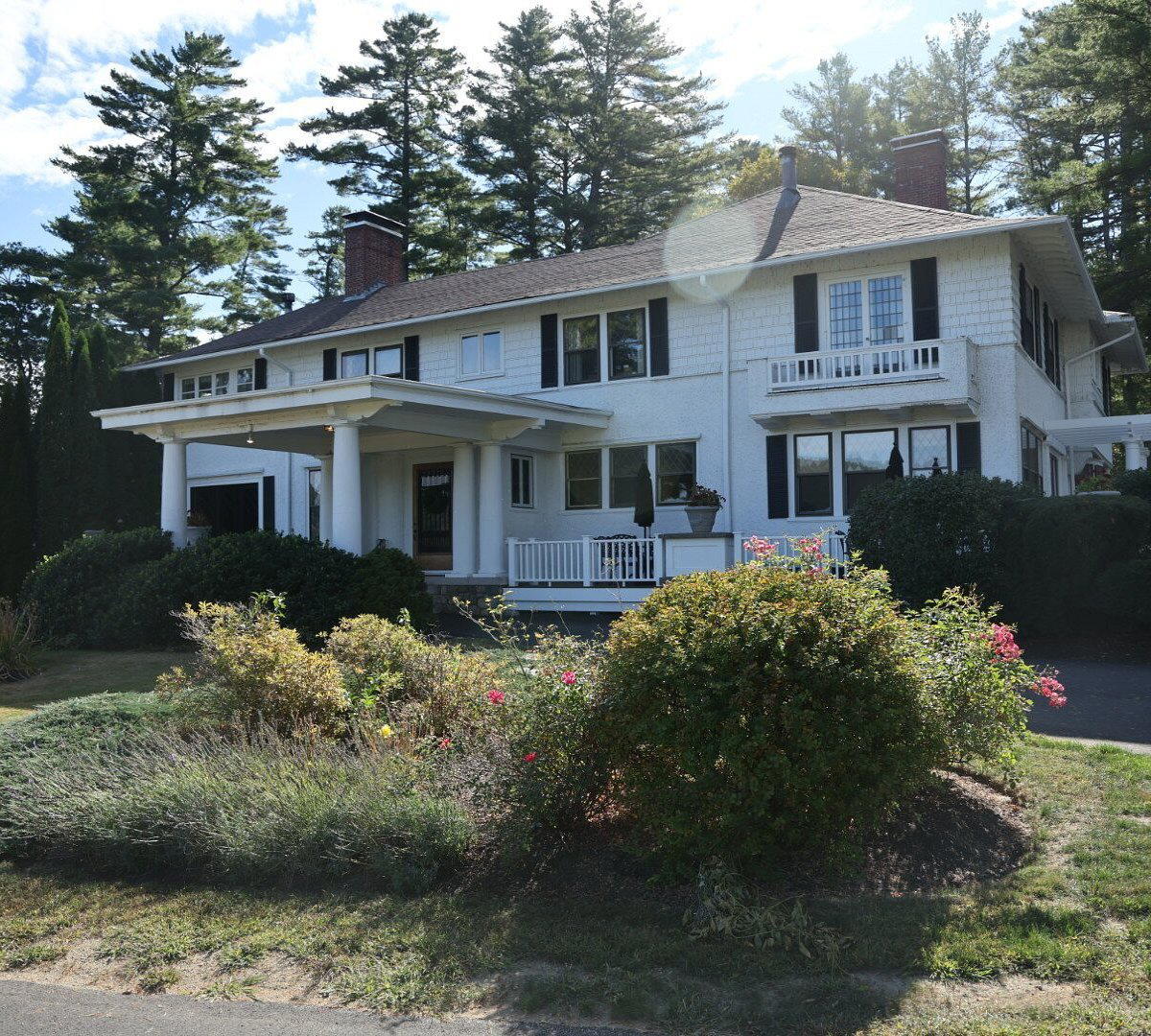
Restaurants in Holderness
Browse all →

At a Glance
- Rustic
- Cozy
- Scenic
- Quiet
- Classic
- Family Vacation
- Group Retreat
- Romantic Getaway
- Anniversary
- Celebration
- Waterfront
- Historic Building
- Garden
- Terrace
- Panoramic View
- Wifi
- Restaurant
- Beach Access
- Tennis Court
- Kids Club
- Babysitting
- Room Service
- Laundry Service
- Convenience Store
- Kayaking
- Fishing
- Boating
- Waterfront
- Mountain
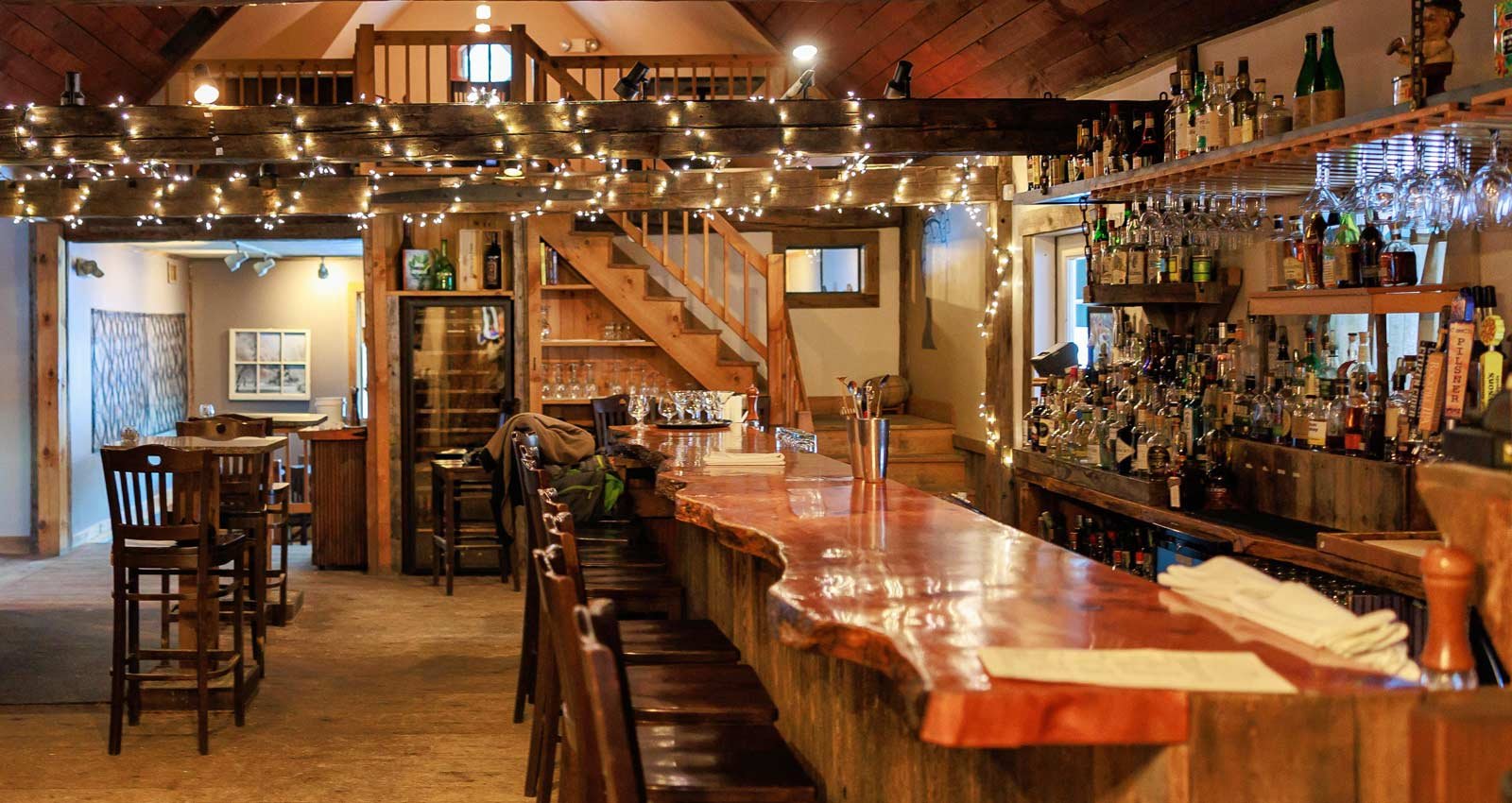
Warm and inviting with natural lighting from lakefront views, vintage charm enhanced by knotty pine interiors, screened porches overlooking the water, and a relaxed yet elegant atmosphere designed to foster community and connection.