Nira Alpina


Michelin Selected · Design Hotels Member
Nira Alpina sits above Silvaplana on the Corvatsch ski area, offering ski-in, ski-out access through the Eastern Alps with a contemporary mountain design that keeps the setting central rather than decorative. The hotel pairs direct glacier access with serious dining credentials, positioning it within a small cohort of Swiss mountain properties where architecture and gastronomy carry equal weight to the skiing itself.

Pearl is the En Primeur Club membership app, where members save venues, book tables and use the concierge.
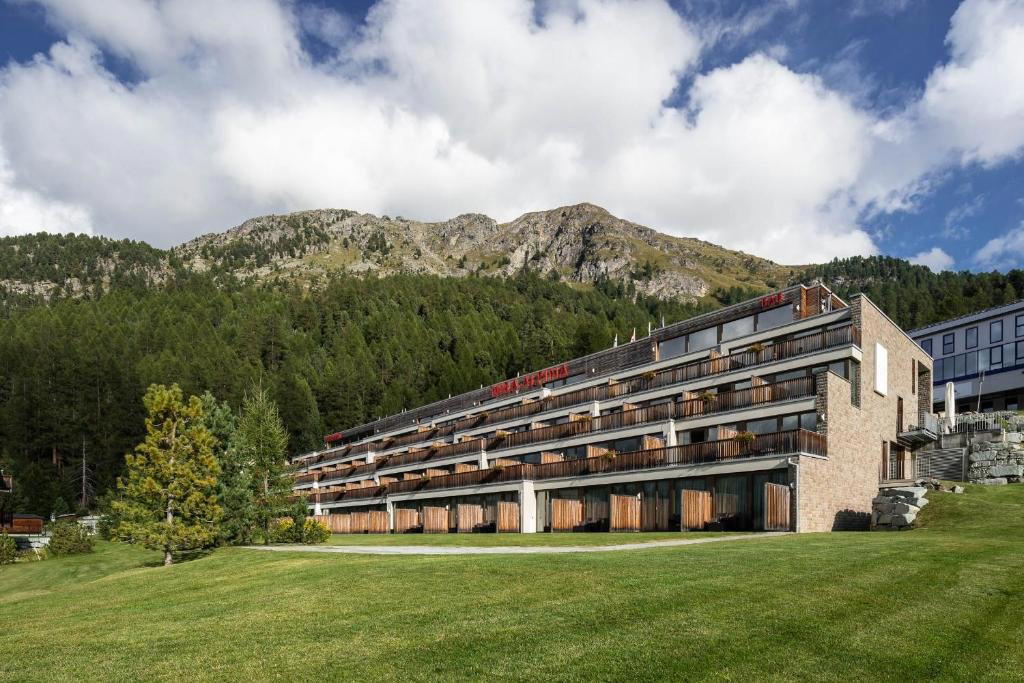
Where the Corvatsch Glacier Meets Contemporary Alpine Design
The Eastern Alps above Silvaplana operate at a different register from the more trafficked resorts further west. At 1,800 metres, the light arrives differently: sharper in winter, cutting across granite faces without the diffused warmth of lower valleys. Nira Alpina sits at that altitude at Via dal Corvatsch 76, where the building's relationship to the mountain is immediate and structural rather than scenic. Arriving guests step from snow to interior without transition, a physical reality that shapes every design decision the property makes. In Swiss mountain hospitality, ski-in, ski-out access is not a luxury marketing phrase so much as an architectural constraint: the building must orient itself toward the slope, and everything inside follows from that orientation.
The Architectural Logic of a Mountain-Chic Property
Mountain-chic as a design category has developed considerable precision over the past two decades across the Swiss and Austrian Alps. It occupies the middle ground between traditional Stube warmth, all dark pine and ceramic stoves, and the glass-and-concrete minimalism that arrived in the early 2000s and aged quickly. The better properties in this category use natural materials with restraint: stone floors that record the cold, timber details that recall craft without nostalgia, and fenestration designed around the specific quality of high-altitude light rather than generic panoramic ambition.
Nira Alpina reads within that tradition. The contemporary mountain-chic designation points to a design approach that takes the physical conditions of the Engadin valley seriously rather than applying a generic Alpine aesthetic from outside. Properties that do this well, whether in Graubünden or the Bernese Oberland, tend to share a quality of material honesty: the building does not pretend to be warmer or softer than the landscape warrants. For a broader look at how Swiss mountain properties approach this balance, the contrast with The Alpina Gstaad in Gstaad or CERVO Mountain Resort in Zermatt is instructive: each sits in a distinct micro-climate and resort culture, and each interprets mountain design accordingly.
Gastronomy as a Structural Commitment
The Engadin valley, which runs from St. Moritz through Silvaplana and Sils Maria, has long supported serious dining alongside its skiing and summer walking culture. That is partly a function of the clientele, who arrive from across Europe and expect kitchen standards that match the room rates, and partly a reflection of the longer Graubünden culinary tradition that draws on both Italian and Germanic influences given the canton's three official languages.
Nira Alpina is explicitly positioned as a gastronomic property, not merely a hotel with food service. In the Swiss mountain context, that distinction matters. Properties at this tier are expected to run kitchens that operate with the same discipline year-round as the skiing, rather than treating dining as an ancillary revenue stream. The nearby Grand Hotel Kronenhof in Pontresina represents the more classical end of Engadin gastronomy; Nira Alpina's contemporary positioning suggests a different register, where the food vocabulary aligns with the design language rather than sitting in tension with it.
For guests travelling to the Engadin primarily for dining alongside skiing, it is worth noting that the valley's restaurant scene extends well beyond the hotel properties. Our full Silvaplana restaurants guide maps the wider options across price points and formats.
Position Within the Swiss Mountain Hotel Tier
Switzerland's premium mountain hotel sector is dense with properties that make competing claims on design quality and dining credentials. Understanding where Nira Alpina sits requires placing it against both its immediate geographic peers and the broader national tier. Badrutt's Palace Hotel in St. Moritz operates at a different scale and history entirely, representing the Belle Époque Palace tradition that defined Swiss luxury before the contemporary mountain-chic category existed. Bürgenstock Resort in Bürgenstock and Grand Resort Bad Ragaz in Bad Ragaz are large-footprint resort complexes with multiple food and wellness facilities. Nira Alpina's positioning is more concentrated, with the ski access and the gastronomic program as the two primary pillars rather than breadth of facilities.
Properties in this focused tier, where skiing and serious dining define the offer rather than spa squares or tennis courts, tend to attract guests who know exactly what they are choosing. The trade-off for that clarity is that the property lives or dies on the quality of its two core commitments. This is a different proposition from, say, Valsana Hotel and Appartements in Arosa, which operates with a broader family and wellness orientation, or The Capra in Saas-Fee, which shares the ski-in, ski-out format in a higher-altitude, car-free village.
Planning a Stay: Practical Considerations
The Silvaplana address places Nira Alpina within easy reach of the St. Moritz rail hub, which connects via the Rhaetian Railway to Chur and onward to Zurich. The Corvatsch cable car system, which the property accesses directly, serves the glacier terrain above and provides some of the most technically varied skiing in the Engadin. For summer visits, the lake below and the network of Engadin valley trails make the location equally usable outside the ski season, though the property's identity is most coherent in winter.
Given the combination of direct slope access and gastronomic positioning, Nira Alpina sits in the segment of Swiss mountain hotels that books ahead during peak winter weeks, particularly over Christmas and New Year and during the February school holidays that pull heavily from Germany, the UK, and Scandinavia. Arriving without a reservation in those windows, or expecting table availability at short notice during peak dining periods, is optimistic. Planning three to four months ahead for a December or February stay is consistent with how comparable Engadin properties manage demand.
For guests who prefer to frame a broader Switzerland itinerary around this type of property, the chain of design-led or gastronomy-focused hotels across the country includes 7132 Hotel in Vals, notable for Peter Zumthor's thermal baths, Hotel Villa Honegg in Ennetbürgen on Lake Lucerne, and Mandarin Oriental Palace, Luzern in Lucerne for urban contrast. Each represents a different interpretation of what premium Swiss hospitality can prioritise.
At-a-Glance Comparison
Comparable venues nearby, for context on price, style, and recognition.
| Venue | Cuisine | Price | Awards | Notes |
|---|---|---|---|---|
| Nira AlpinaThis venue (the venue you are viewing) | Contemporary alpine design hotel blending modern luxury with Swiss nature. | $300–500 | Michelin Selected · Design Hotels Member | Not listed |
| The Alpina | Historic mountain resort blending 19th-century charm with modern luxury | Not listed | Michelin Selected | Tschiertschen |
| art boutique Hotel Monopol | Historic boutique hotel with modern art integration | $500–750 | Preferred Hotels Member | shopping area |
| Appenzeller Huus – Huus Loewen | Luxury boutique hotel seamlessly blending modern design with traditional Appenzell heritage and craftsmanship. | Not listed | Michelin Selected · Preferred Hotels Member | Gonten |
| Hotel Castell | Historic castle-like building blending tradition and contemporary art. | $300–500 | Not listed | Zuoz |
| LuganoDante Boutique & Lifestyle Hotel | Refined and stylish boutique hotel blending historic architecture with contemporary design. | Not listed | Michelin Selected | Lugano City-Centre |
Recognition history
Dated appearances from independent guides and award organizations, with the underlying list record or original source where available.
Michelin Selected
Michelin
Design Hotels Member
Design Hotels
Continue exploring
More in Silvaplana
Hotels in Silvaplana
All hotels in Silvaplana →
Bars in Silvaplana
Browse all →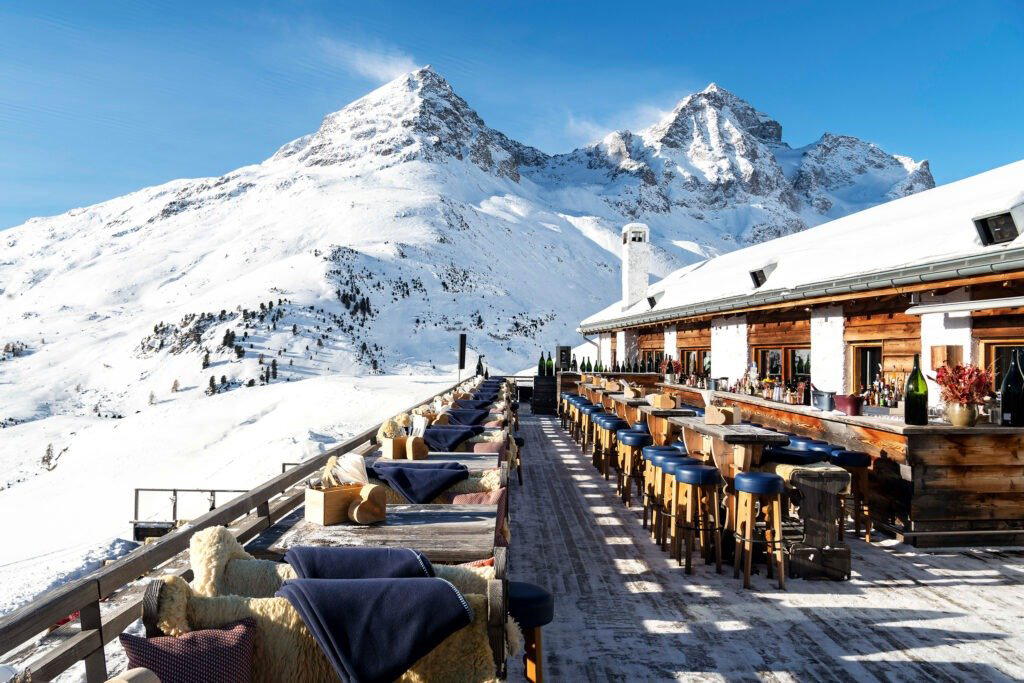

Details
- Modern
- Elegant
- Scenic
- Sophisticated
- Cozy
- Honeymoon
- Romantic Getaway
- Family Vacation
- Wellness Retreat
- Weekend Escape
- Ski In Ski Out
- Panoramic View
- Terrace
- Spa
- Pool
- Fitness Center
- Room Service
- Concierge
- Wi Fi
- Mountain
- Waterfront
- Wheelchair Accessible
- Elevator
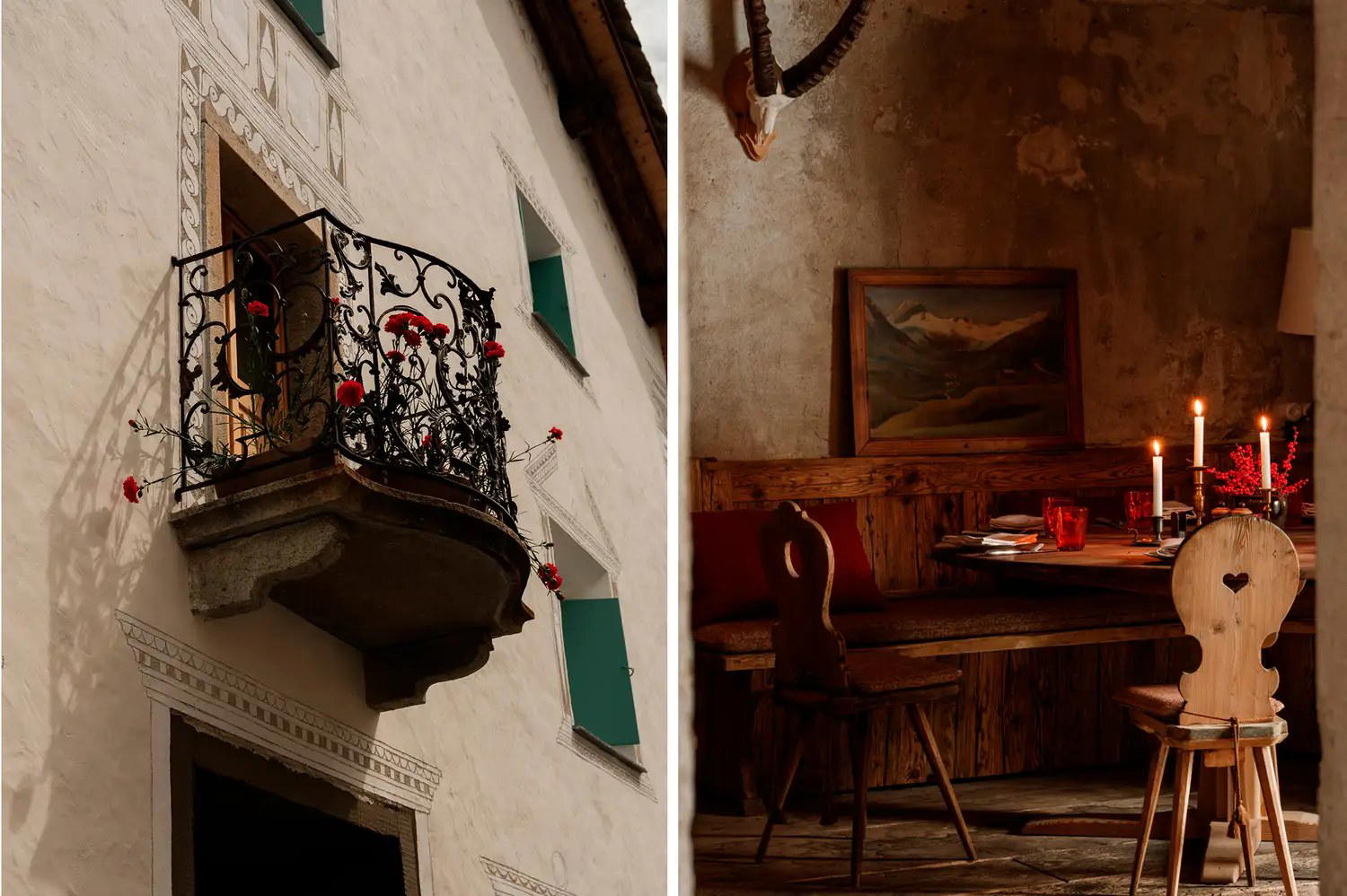
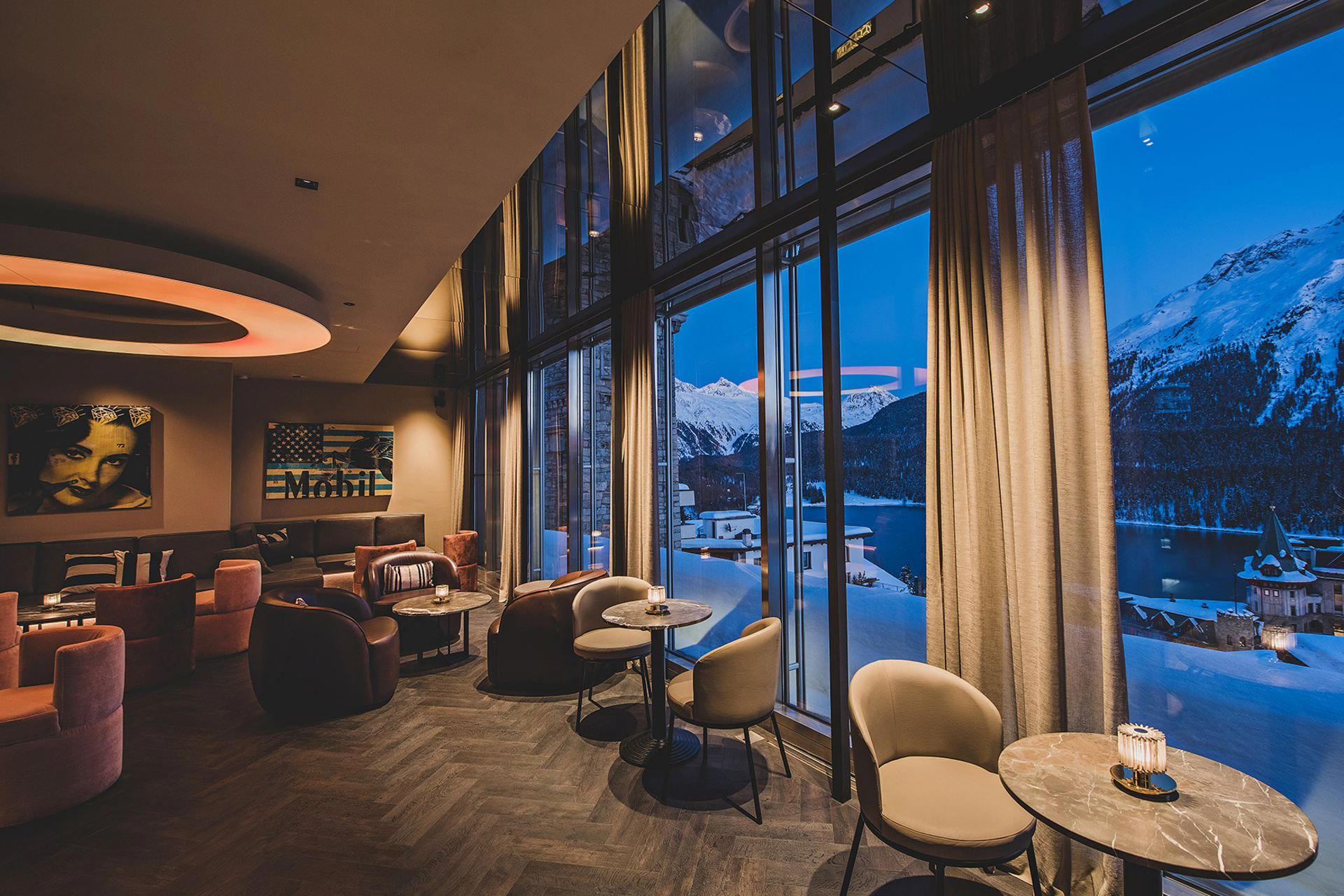
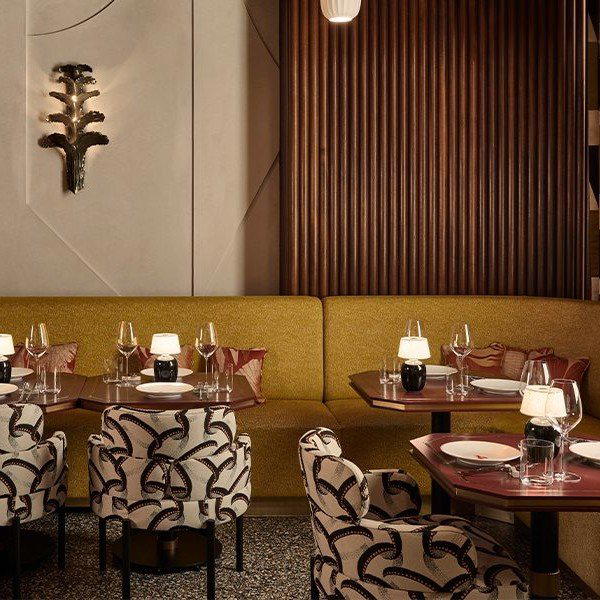
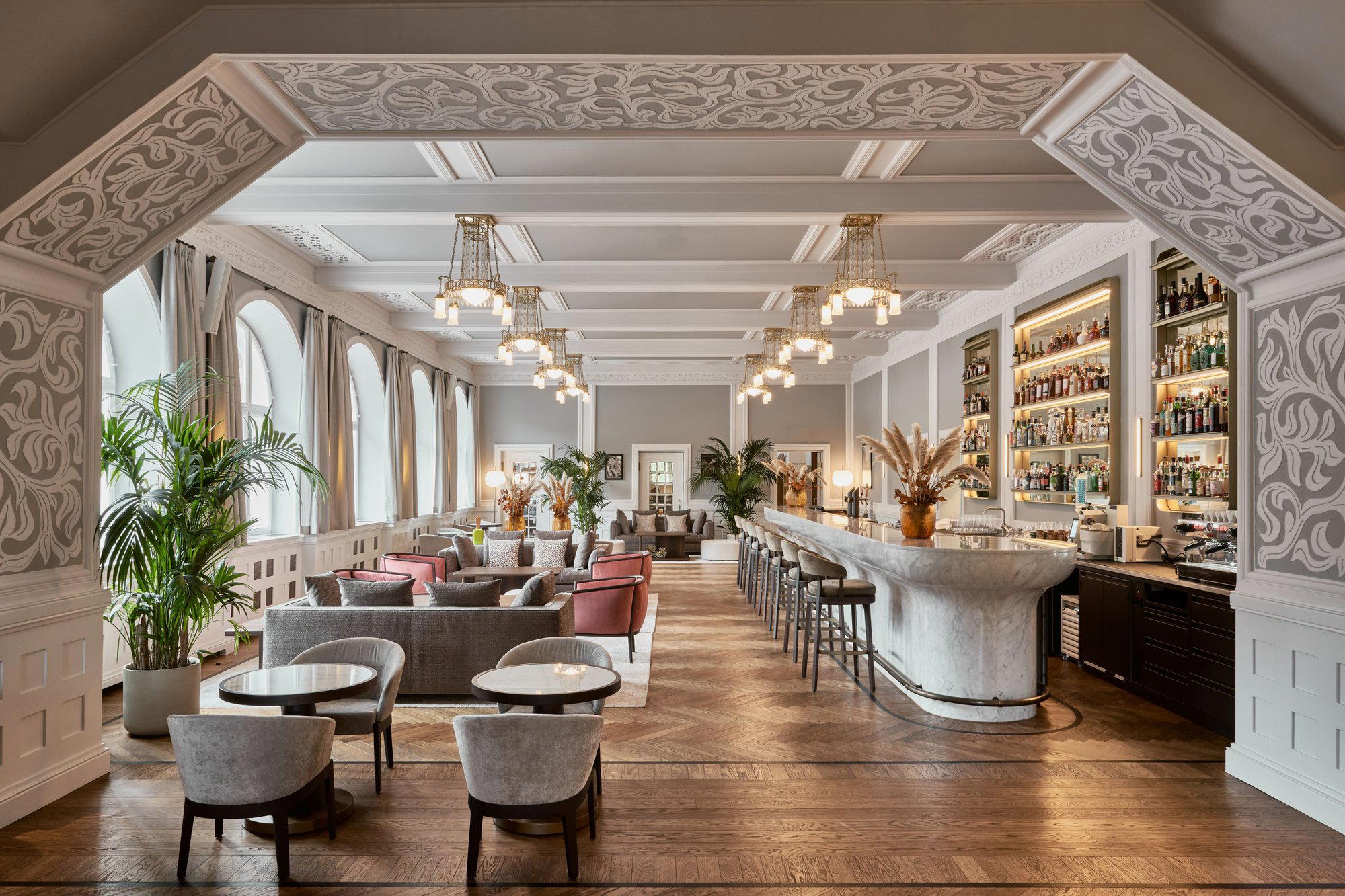
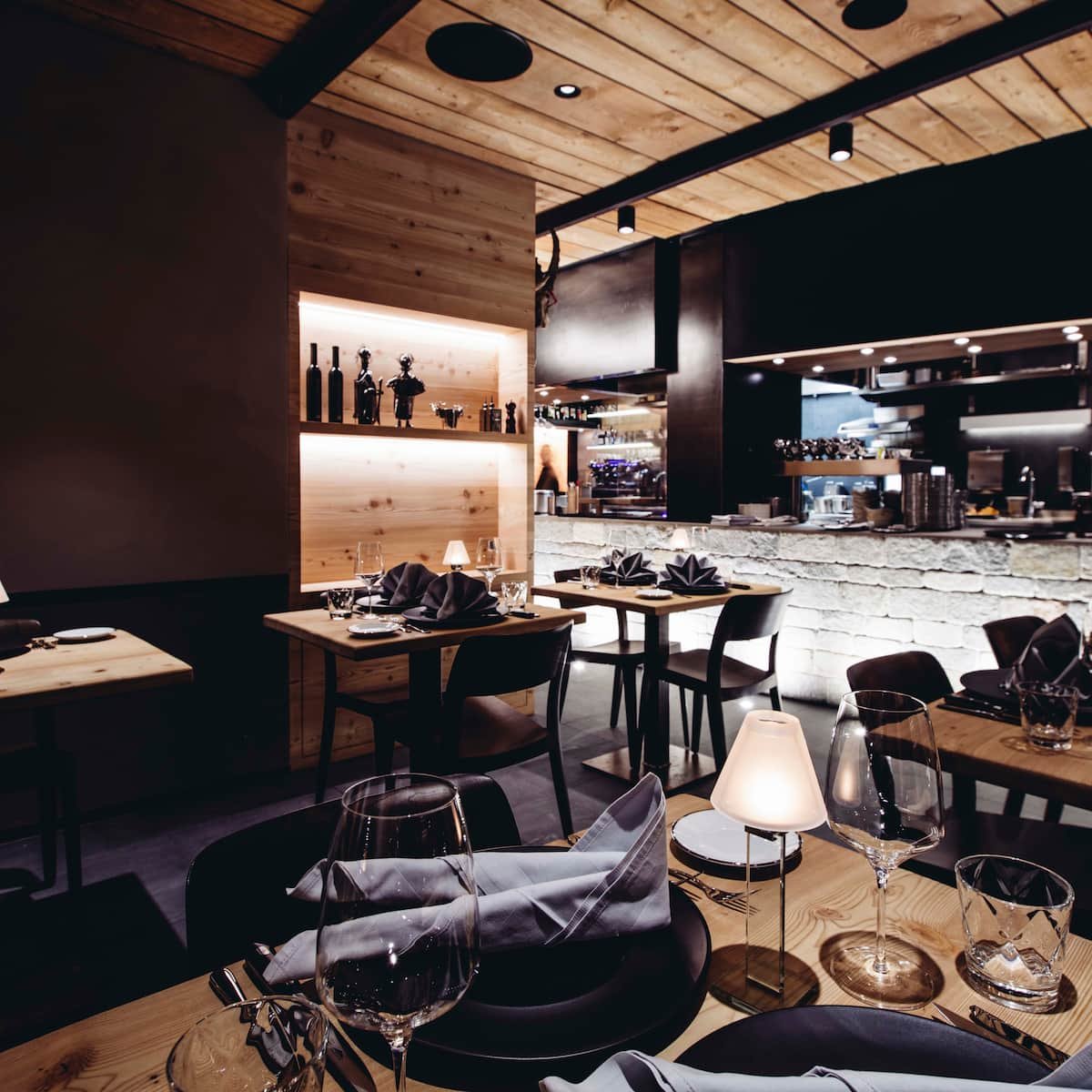
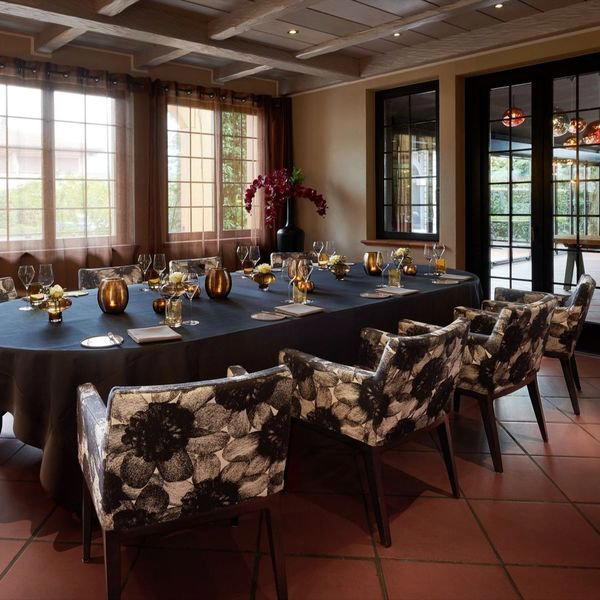
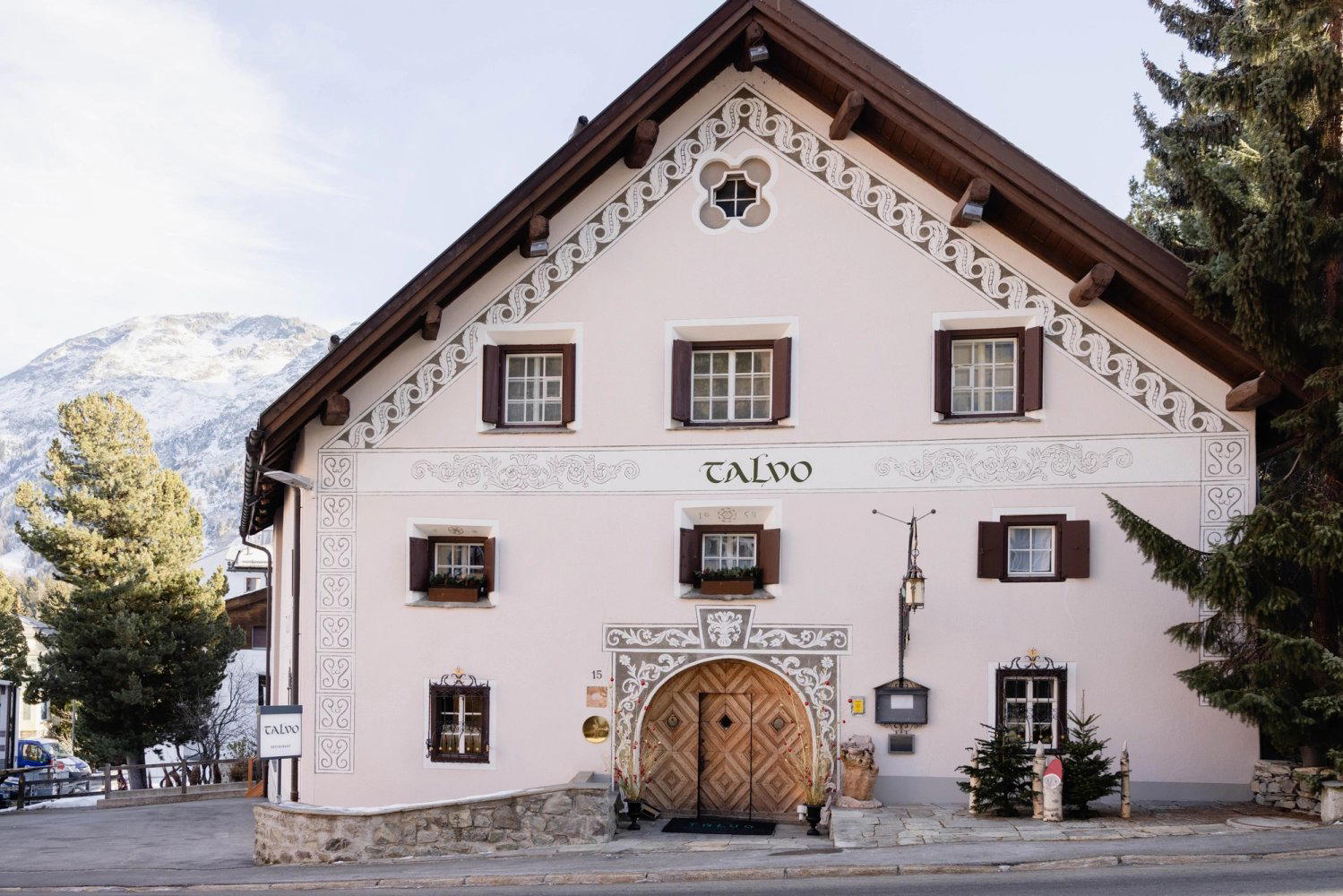
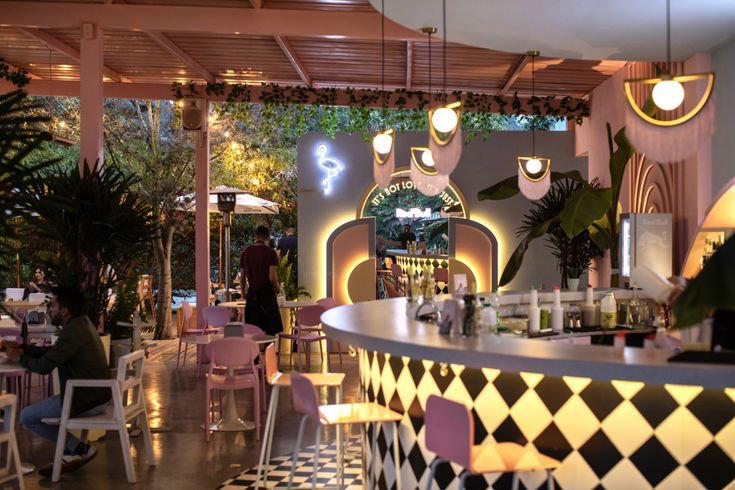
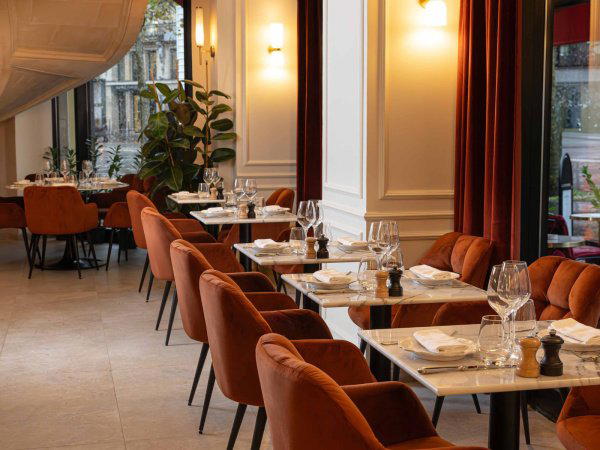
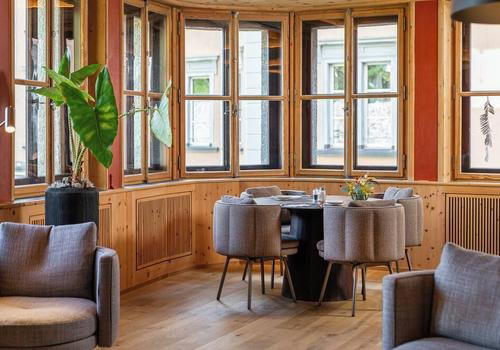
Modern alpine elegance with warm lighting, minimalist decor using natural woods, and dramatic valley and mountain vistas from rooms and rooftop.