The Qatar Faculty of Islamic Studies occupies a prominent place in Doha's Education City, a campus district that has reshaped the capital's architectural and intellectual character over two decades. As a centre for Islamic scholarship and postgraduate research, it draws academics, students, and culturally curious visitors seeking to understand the intellectual traditions that underpin contemporary Gulf society. Plan visits around the academic calendar for the fullest sense of the institution in operation.
Pearl is the En Primeur Club membership app — saves, bookings, and concierge access live there. Same editors, same standards.
- Address
- Doha, Qatar
- Directions
- Get directions
 Saves & bookings on Pearl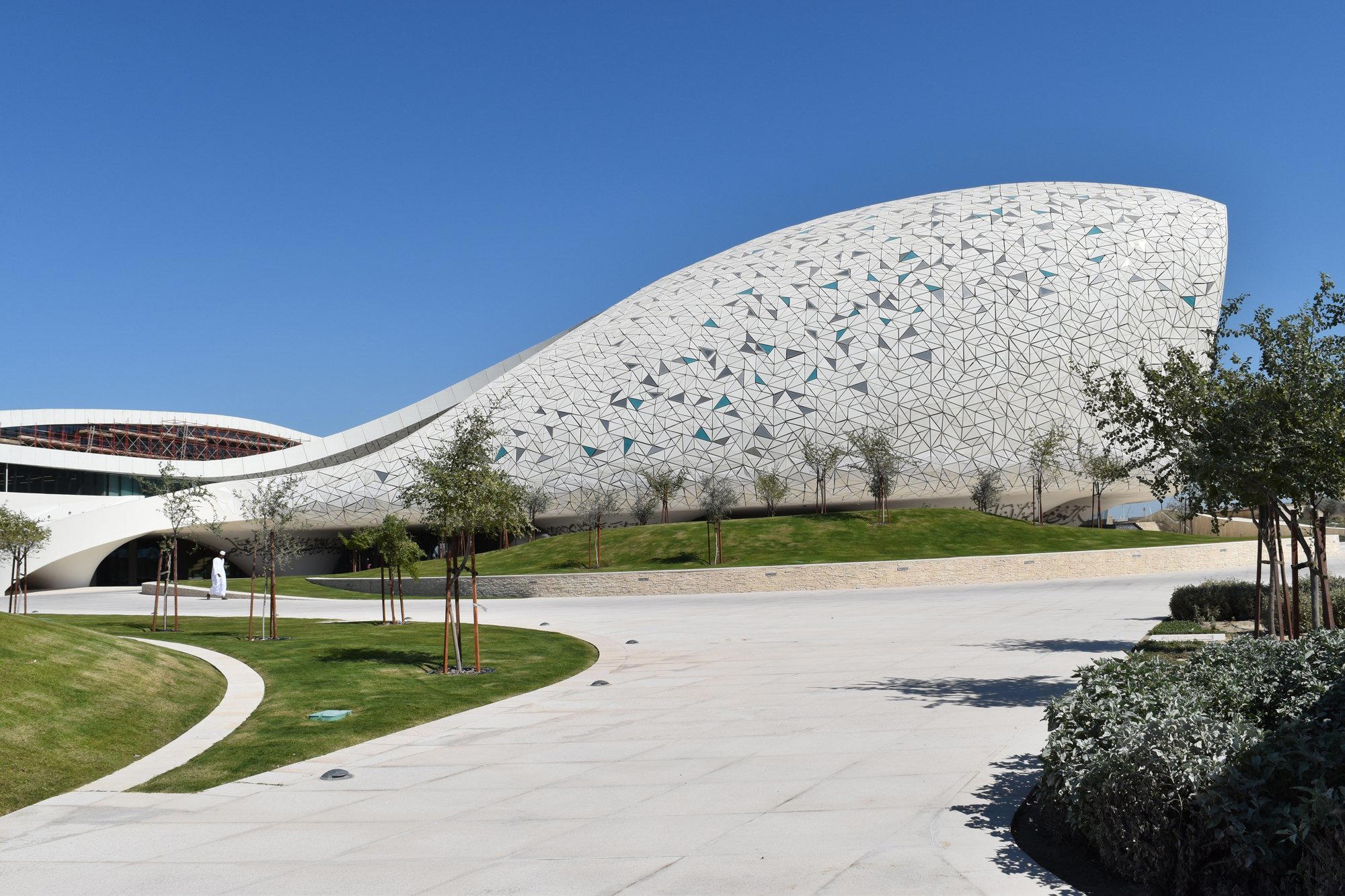
Education City and the Architecture of Intention
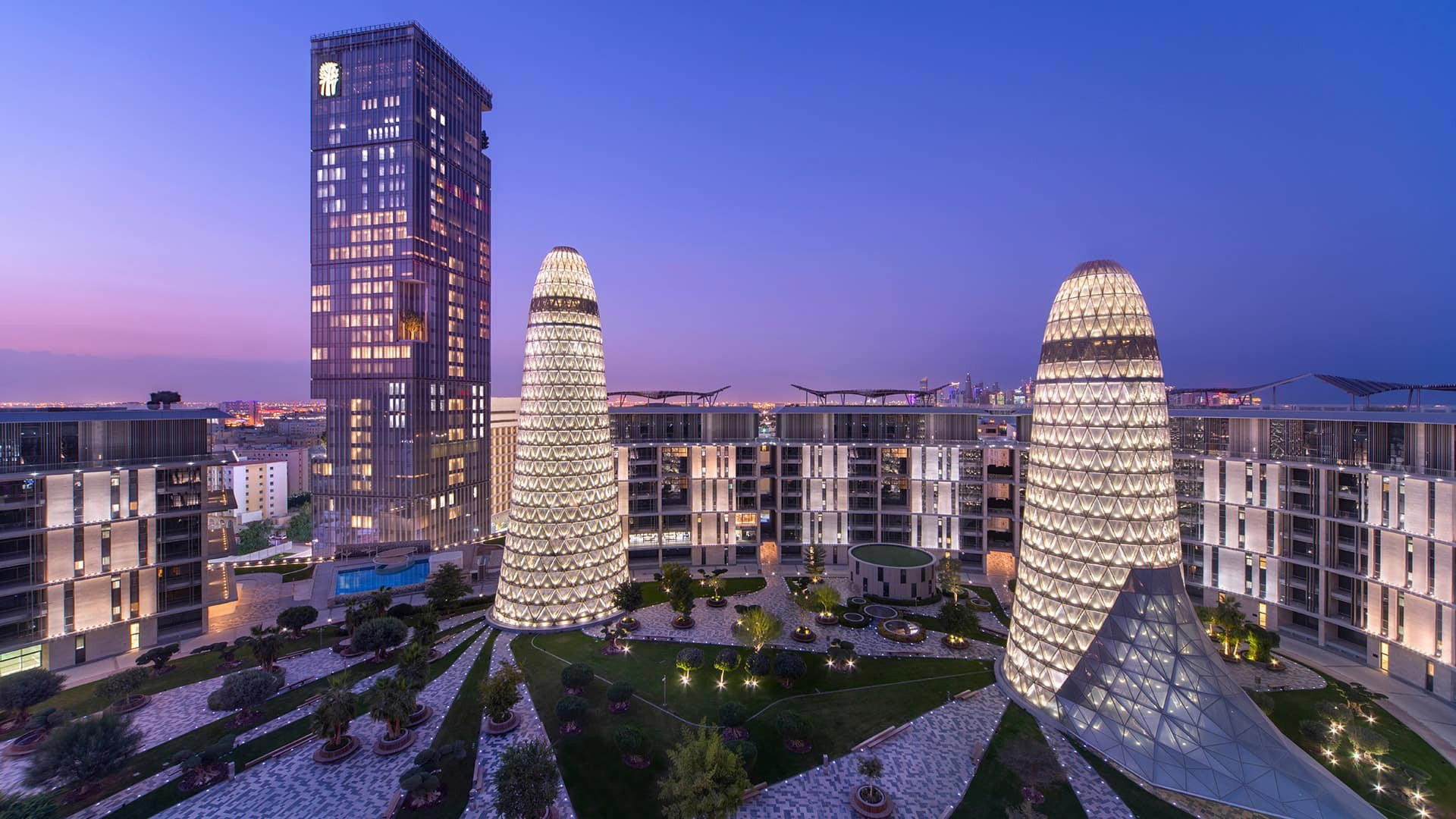
Doha's Education City campus, developed under the Qatar Foundation, represents one of the more deliberate urban projects in the contemporary Gulf: a district purpose-built to concentrate academic institutions, research bodies, and cultural infrastructure within a single, planned environment. The Qatar Faculty of Islamic Studies sits within this context, and that positioning matters more than the building alone. In a city where prestige architecture tends to cluster along the West Bay waterfront, Education City offers a different register, quieter, more inward, organised around intellectual rather than commercial ambition.
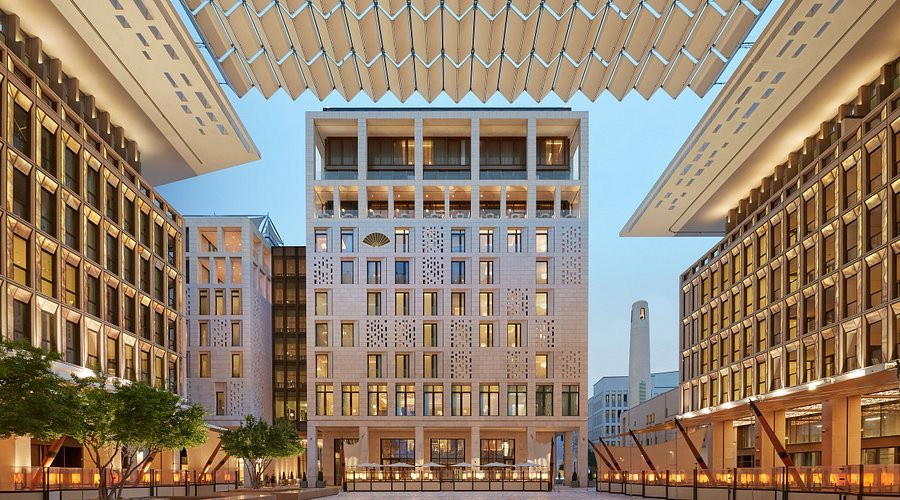
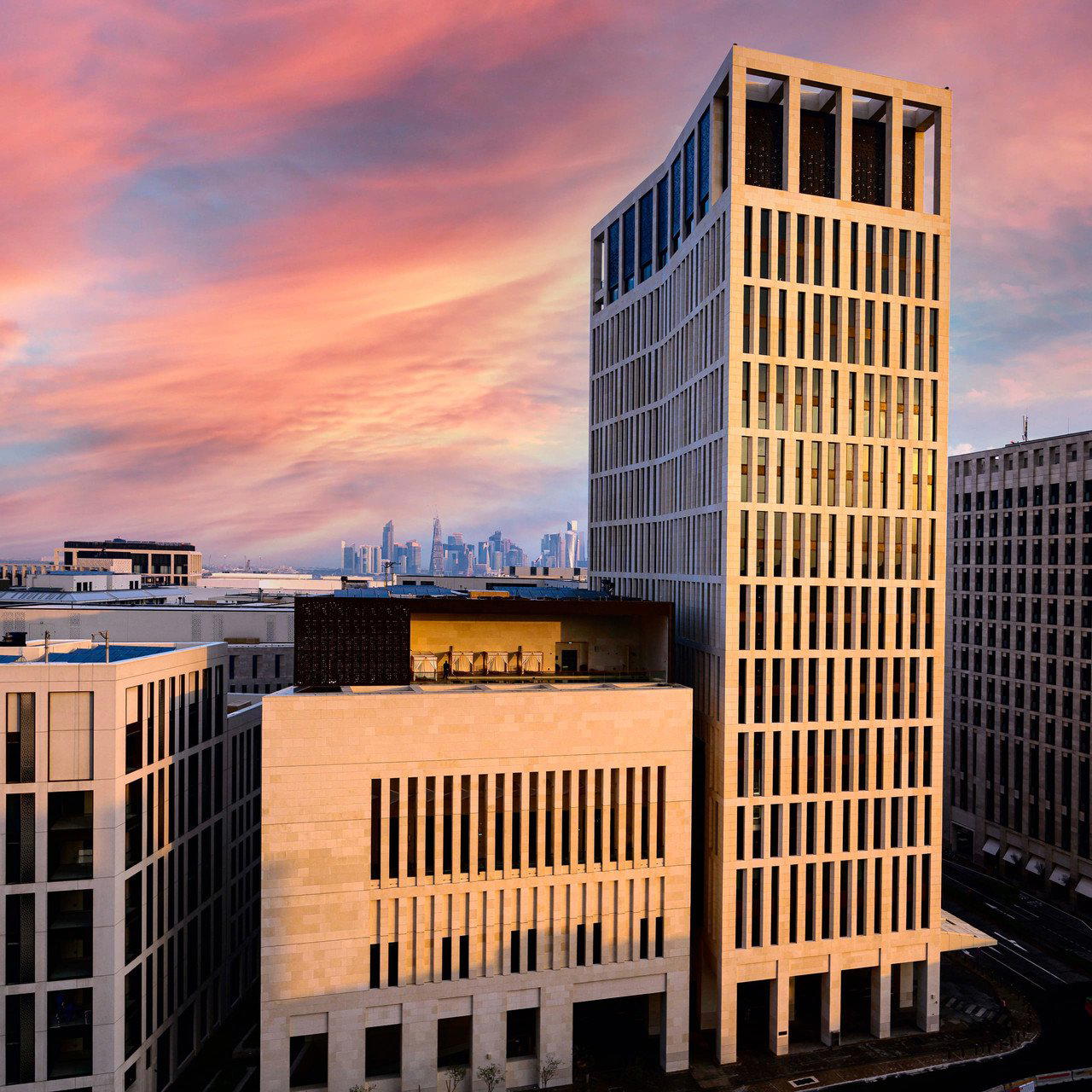
The Faculty's building, designed by Mangera Yvars Architects and completed in 2015, draws on geometric traditions from Islamic architecture without retreating into pastiche. The exterior latticework filters light in ways that shift through the day, and the interior organisation reflects the dual function of a working academic institution and a space designed for public engagement with Islamic thought and heritage. Visitors approaching from the main Education City boulevard encounter a structure that reads as considered rather than showy, a meaningful distinction in a skyline where assertiveness is the default.
What the Space Actually Is
Understanding what the Qatar Faculty of Islamic Studies is, and is not, shapes any visit productively. This is not a mosque, not a museum in the conventional sense, and not a tourist attraction in the transactional meaning of the term. It is a postgraduate academic institution, home to programmes in Islamic studies, Islamic finance, Muslim societies, and public policy. The Hamad bin Khalifa University framework positions it within an international research context, and the student and faculty population is genuinely international in composition.
That said, the building and its public-facing functions are accessible to visitors with an interest in Islamic intellectual history, contemporary scholarship, or the architectural language the space employs. The library and certain event spaces operate within the broader Education City access framework, and public lectures and symposia are scheduled across the academic year, typically running from September through June. Visiting during term time, rather than the summer recess, gives the campus the density of activity that makes it legible as a living institution rather than an empty set piece.
The Guest Experience: Orientation and Engagement
Arriving without a specific event to attend requires some orientation. Education City is not a drop-in environment in the way that a museum quarter might be, and the Faculty operates on the rhythms of an academic calendar rather than a visitor services model. Particularly productive visits tend to be anchored to a specific public programme, an architecture-focused campus tour organised through Qatar Foundation, or an arranged academic engagement. Treat the Faculty as a destination that rewards preparation rather than spontaneous diversion.
For those with a genuine interest in Islamic studies, the public lecture series and occasional international symposia hosted by the Faculty represent access to scholarly discourse that is not widely available in the region's commercial cultural venues. Speakers drawn from institutions across the Muslim world and beyond bring perspectives that sit outside the standard conference-circuit fare. Checking the Hamad bin Khalifa University events calendar before arrival in Doha is one direct way to time a visit usefully.
Doha's Broader Cultural Infrastructure
The Faculty sits within a wider pattern of cultural institution-building that has defined Doha's development since the early 2000s. The Museum of Islamic Art, the National Museum of Qatar, and the Mathaf Arab Museum of Modern Art each occupy distinct positions in that ecosystem, but Education City adds a dimension that purely cultural institutions cannot: the combination of active scholarship with architectural ambition in a campus setting. Visitors spending several days in Doha who are interested in how the city has constructed its intellectual identity will find the Education City circuit, including the Faculty, the Qatar National Library, and the various branch campuses of international universities, more instructive than the downtown corridor alone.
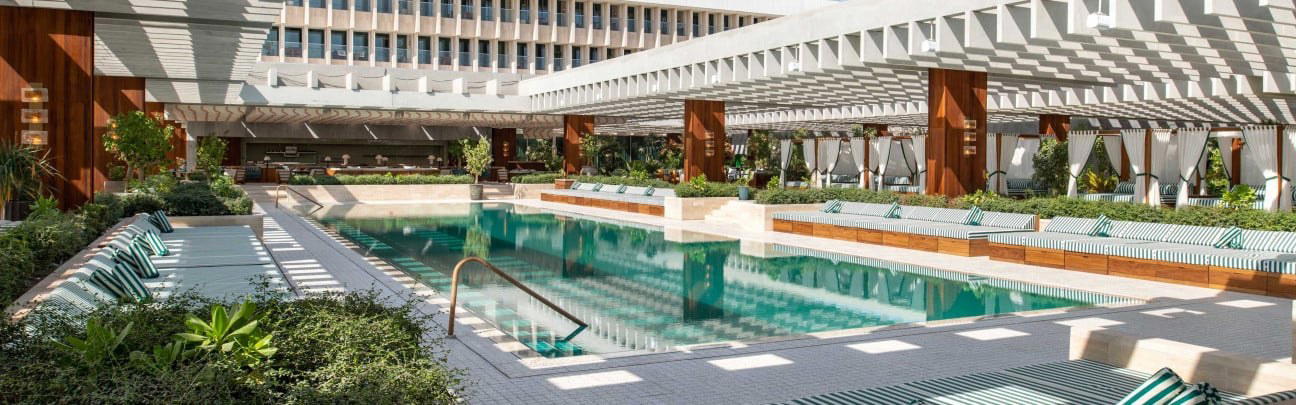
For accommodation across different price tiers and styles, the city offers a range of options within reasonable distance of Education City. The Four Seasons Hotel Doha and Fairmont Doha represent the established international luxury tier, while Banyan Tree Doha At La Cigale Mushaireb and Aleph Doha Residences, Curio Collection by Hilton offer design-led alternatives with a stronger sense of local character. For those seeking to extend beyond the city, Banana Island Resort Doha by Anantara and Hilton Salwa Beach Resort and Villas in Abu Samra provide resort-format options outside the urban core. The Zulal Wellness Resort by Chiva-Som in Al Ruwais represents the wellness-retreat tier for travellers combining cultural and restorative agendas.
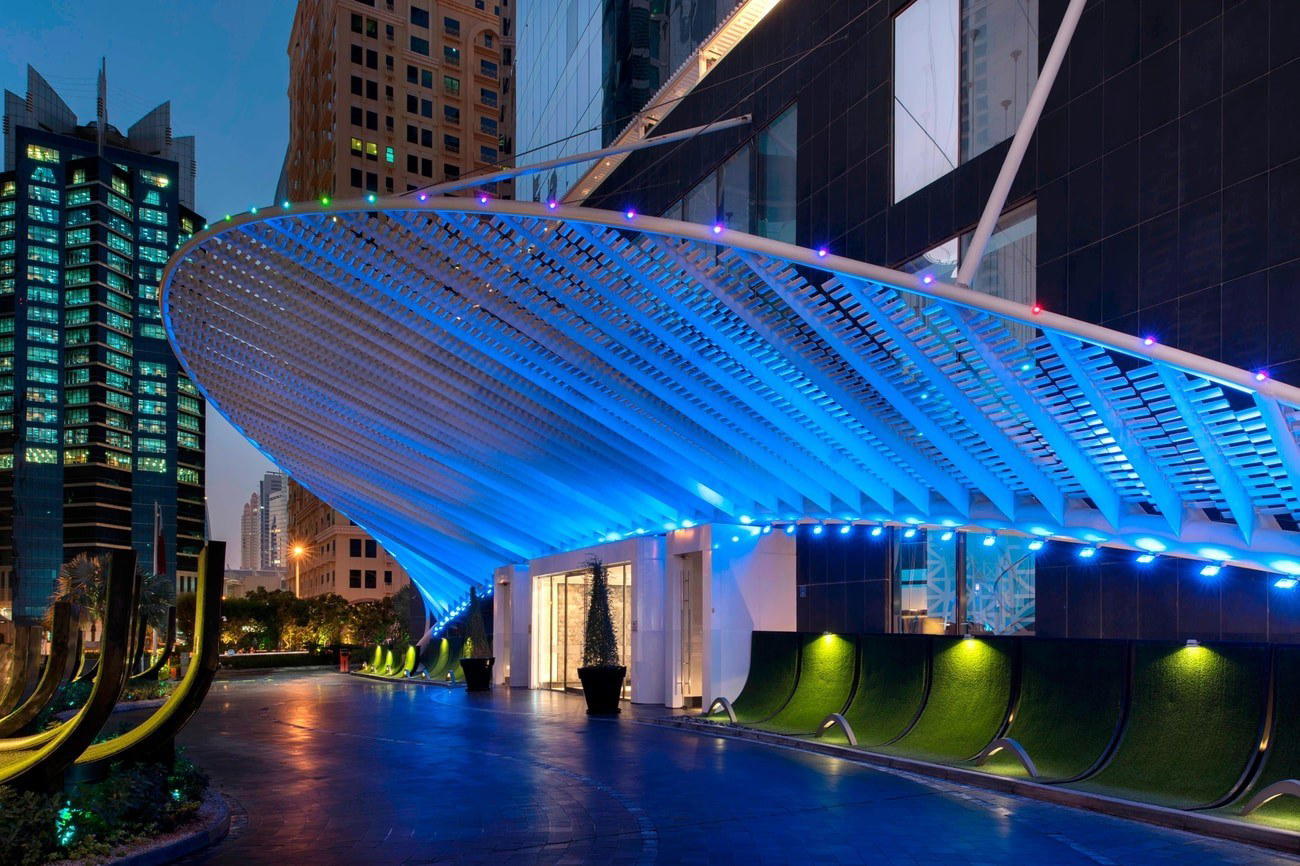
Within central Doha, the Dusit Doha Hotel, Doha Tower Hotel, and 21 High Street Residence By The Torch cover the mid-range and residential-style categories for longer stays.
Planning Your Visit
Access to the Qatar Faculty of Islamic Studies is tied to Qatar Foundation's broader campus protocols. Visitors planning to attend public events should confirm registration requirements through the Hamad bin Khalifa University website in advance, as open-access events sometimes require pre-registration. The Education City campus is most accessible by taxi or ride-share from central Doha; the journey from West Bay takes approximately 20 to 25 minutes depending on traffic. Public bus connections exist but are infrequent, and the campus layout makes on-foot navigation between sites more manageable than it appears from a map. Dress codes align with the academic and Islamic institutional context of the campus, meaning conservative dress is expected and appropriate for all visitors regardless of gender.
Category Peers
Comparable venues nearby, for context on price, style, and recognition.
| Venue | Cuisine | Price | Awards | Notes |
|---|---|---|---|---|
| Qatar Faculty of Islamic StudiesThis venue — the venue you are viewing | Contemporary Islamic educational complex | Not listed | Not listed | Not listed |
| Andaz Doha | Lifestyle hotel with polished, locally inspired design | $$$$ | 5-Star | West Bay |
| Four Seasons Resort at The Pearl - Qatar | Contemporary luxury resort with residential-style suites blending modern and traditional Arabian Gulf-inspired design on a private beachfront. | $$$$ | 5-Star | The Pearl |
| The St. Regis Marsa Arabia Island, The Pearl Qatar | Ultra-luxury all-suite resort with classical elegance and modern undertones, positioned as an exclusive island escape within a lively marina community. | $$$$ | 5-Star | The Pearl, Porto Arabia |
| InterContinental Doha Beach & Spa | Well-known beachfront luxury resort | $$$$ | 5-Star | West Bay |
| Sheraton Grand Doha Resort & Convention Hotel | Well-known beachfront resort with convention facilities and pyramidal architecture. | $$$$ | 5-Star | West Bay |
At a Glance
- Historic Building
Serene and contemplative atmosphere reflecting faith and knowledge in a gleaming white and gold complex.