Public West Hollywood
Public West Hollywood sits in the city’s California coastal dining lane, a format defined less by formality than by an easy relationship between produce, seafood, daylight, and design. With no published awards, chef details, pricing, hours, or booking method in the available record, the useful reading is contextual: judge it against West Hollywood’s design-conscious restaurant scene rather than against destination tasting counters.
Pearl is the En Primeur Club membership app — saves, bookings, and concierge access live there. Same editors, same standards.
- Address
- West Hollywood, United States
- Directions
- Get directions
 Saves & bookings on Pearl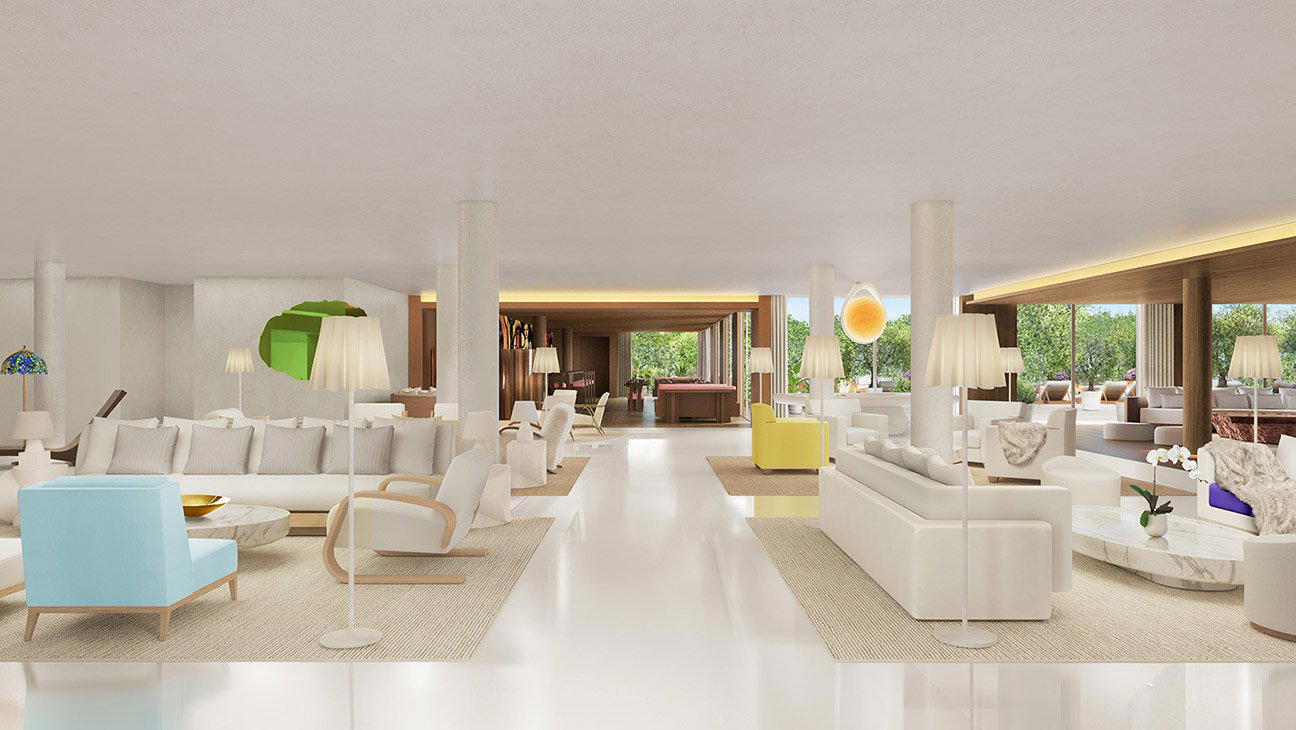
Design Sets the Terms Before the Menu Does
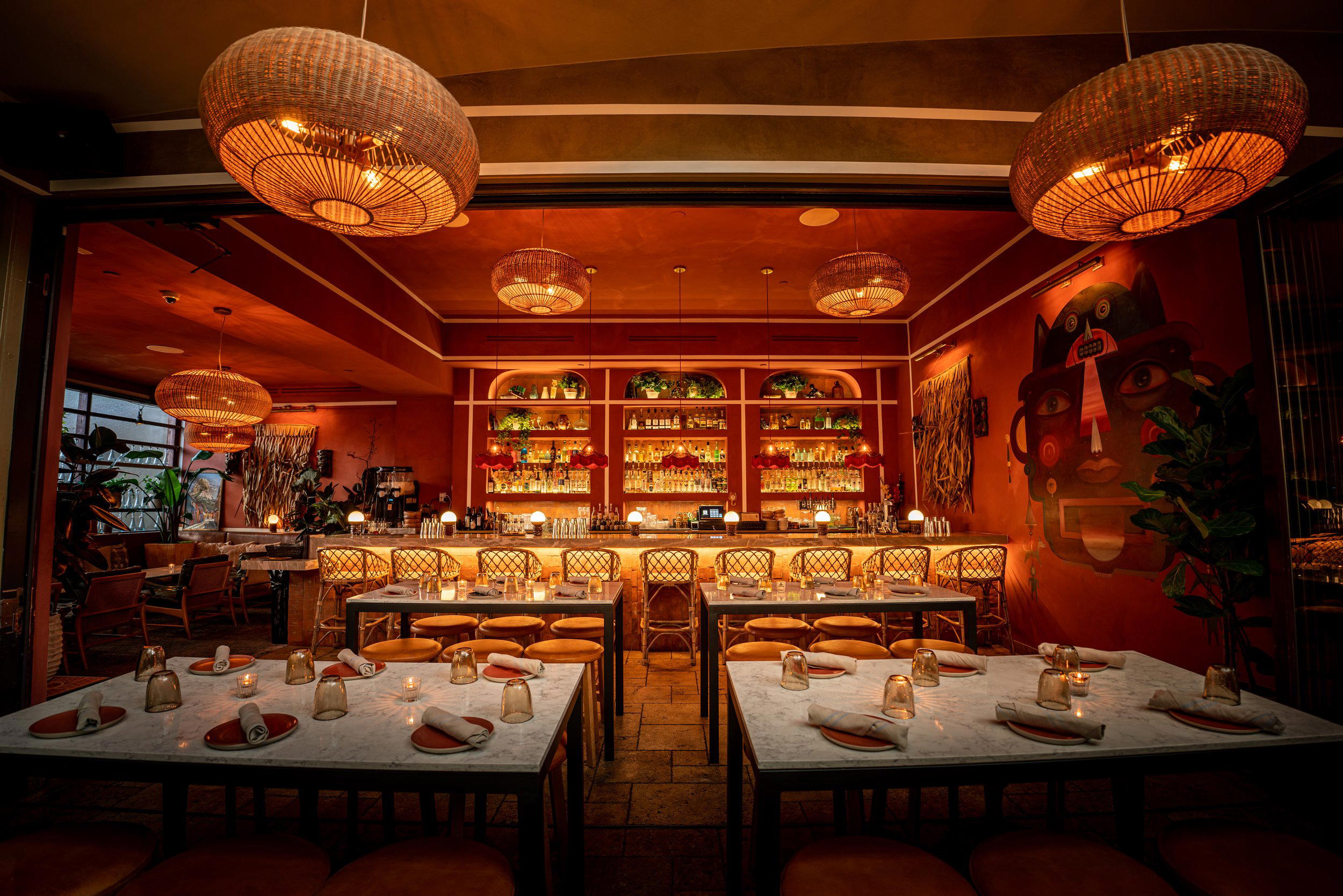
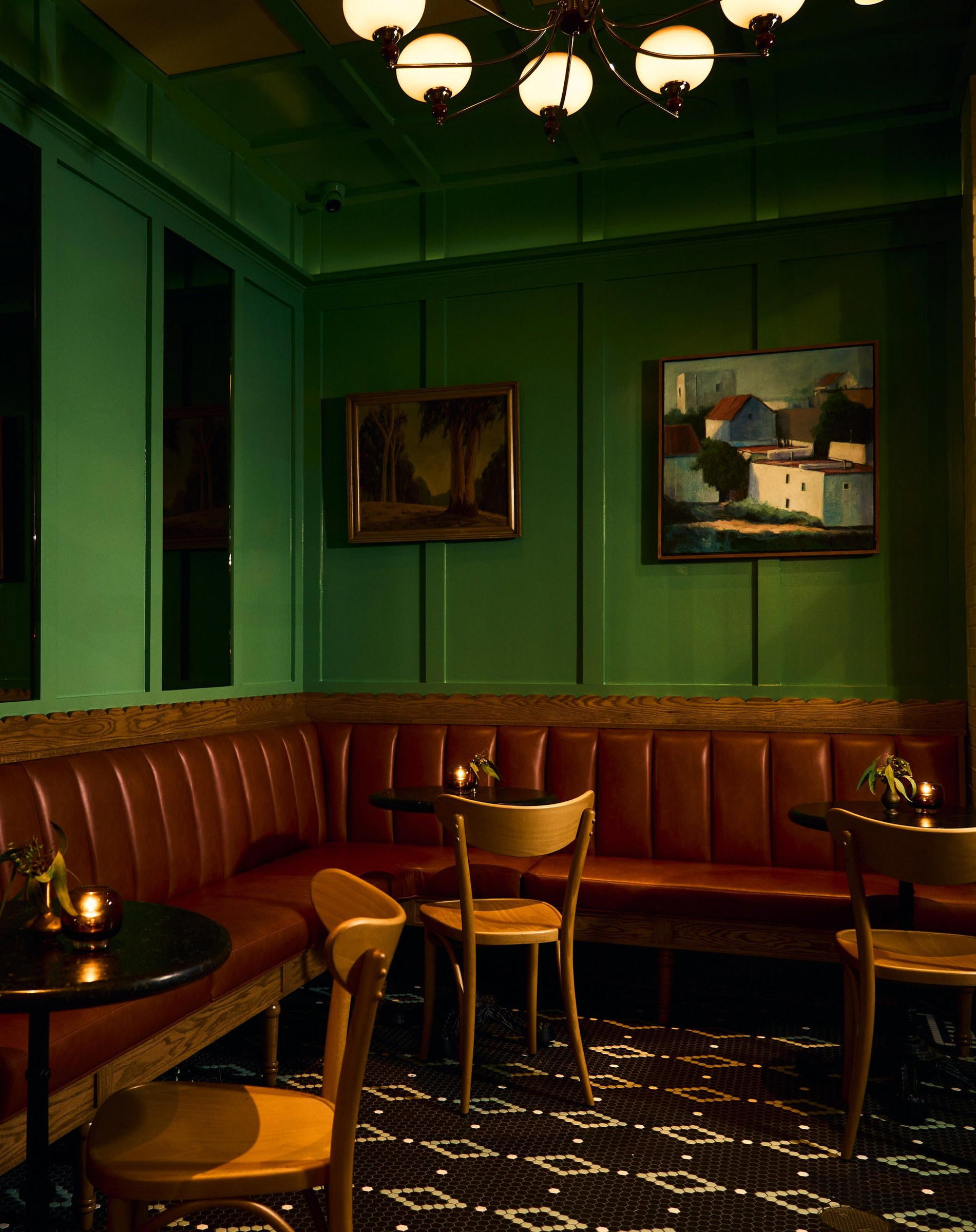
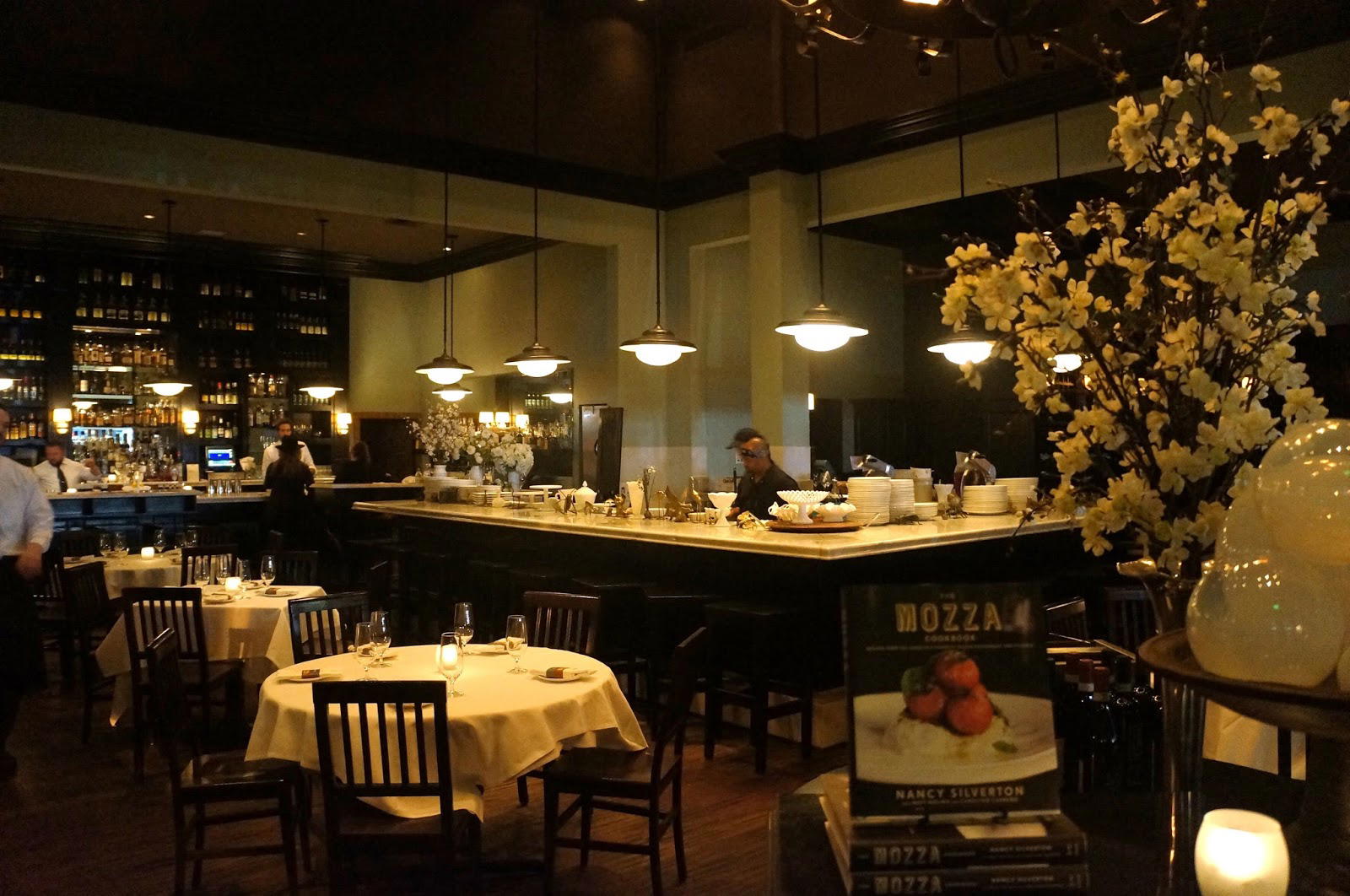
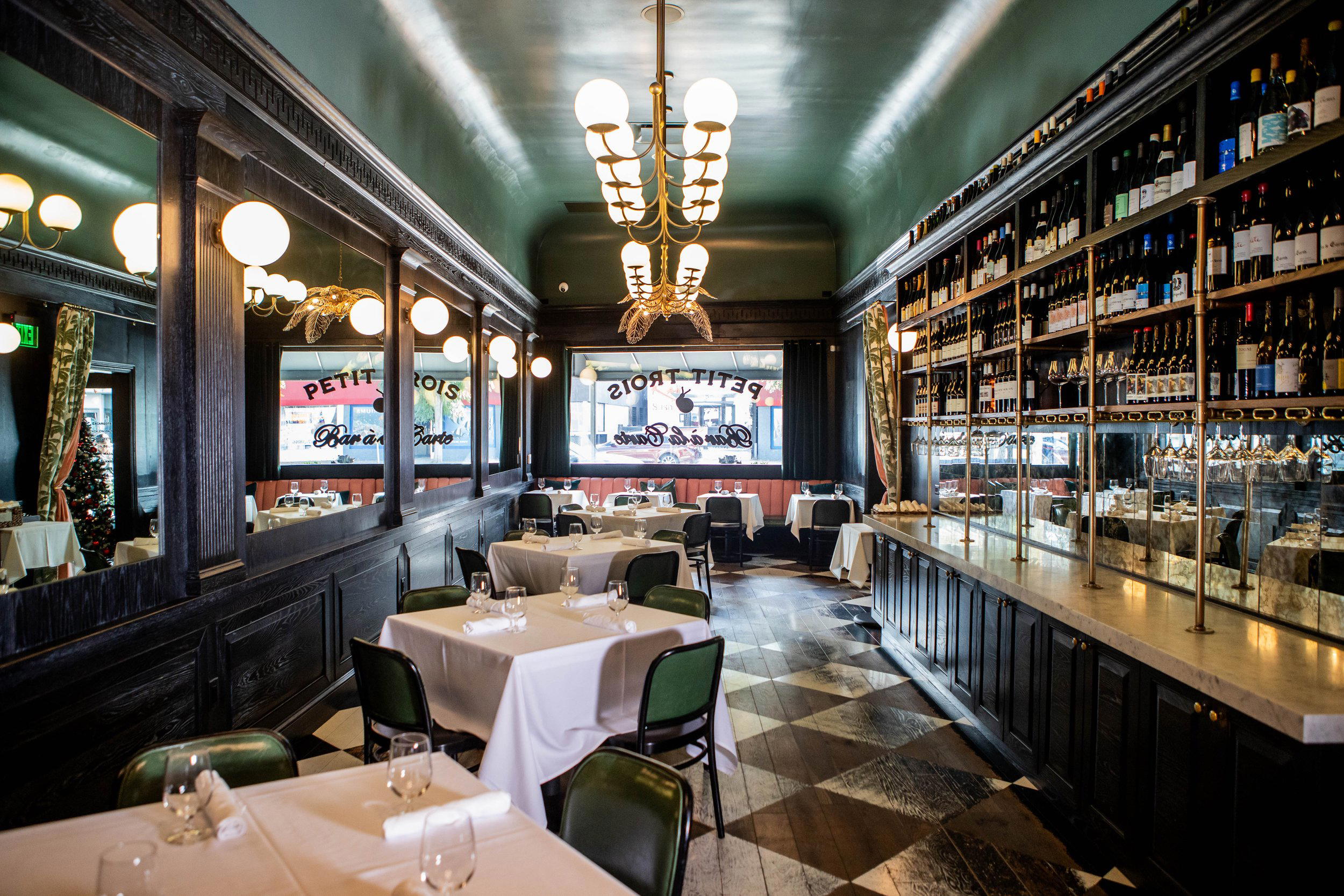
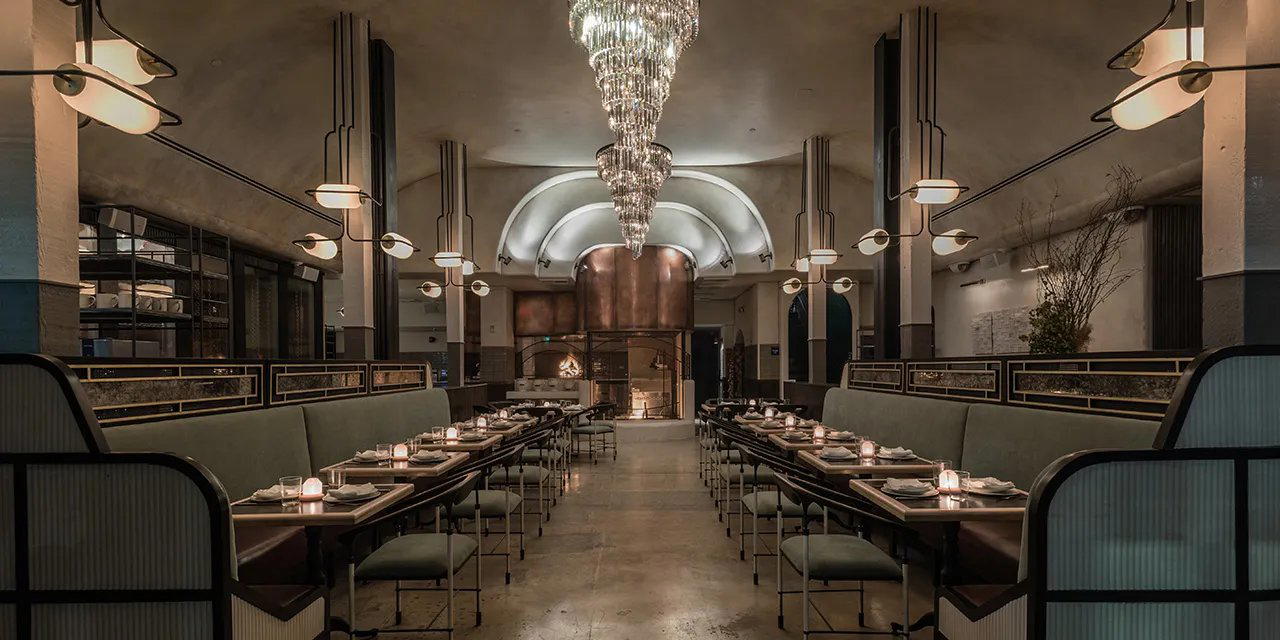
West Hollywood restaurants often announce themselves through surface and rhythm before a plate reaches the table: the angle of the room, the level of light, the way conversation carries, the distance between the dining room and the street. Public West Hollywood belongs to that design-conscious city grammar, where a meal is read through atmosphere as much as through cuisine. The available record identifies the kitchen as California coastal, which places it in a category shaped by produce, seafood, citrus, olive oil, and a looser relationship to formality than the tasting-menu rooms across Los Angeles. That label matters because it signals a certain kind of Los Angeles dining: polished but not ceremonious, seasonal by implication, and tuned to guests who expect the room to do part of the work.
The architectural angle is not a decorative extra in West Hollywood. This is a city where restaurants compete with hotels, members’ clubs, rooftops, galleries, and bars for the same evening. A room that feels unresolved can make even capable cooking seem anonymous. A room with discipline can give a coastal menu the frame it needs: pale materials, controlled sound, daylight or low evening glow, and a floor plan that lets the room feel social without tipping into nightclub volume. Public West Hollywood should be approached in that context. The venue data does not provide architect, designer, seat count, awards, pricing, or chef name, so the critical lens has to stay honest: the scene around it is legible, while the venue-specific evidence is limited to name, city, and cuisine type.
That limitation is useful for readers. In West Hollywood, a restaurant without published Michelin recognition, major listed awards, or a named chef in the record should not be assessed like a trophy reservation. It belongs instead to the city’s more flexible middle register: places chosen for setting, location, social ease, and a menu language that can move between early dinner, late drinks, and hotel-adjacent plans. For a broader read on how this room fits the city’s dining field, compare it with Our full West Hollywood restaurants guide, where the stronger question is not which room shouts loudest, but which setting matches the night.
California Coastal as a West Hollywood Language
California coastal is a broad term, but in Los Angeles it usually points to restraint rather than heaviness. The tradition grew from access: farmers’ markets, seafood from the Pacific corridor, Mediterranean technique absorbed into everyday cooking, and a citywide preference for menus that can feel light without feeling austere. West Hollywood adds another layer. The neighborhood’s dining rooms tend to serve mixed-purpose evenings, with business dinners, hotel guests, entertainment industry tables, and locals moving through the same spaces. That creates pressure for menus that are readable, flexible, and visually in tune with the room.
Public West Hollywood sits inside that expectation. The useful point is categorical: a California coastal restaurant in this part of the city is expected to speak through freshness, clarity, and a sense of place rather than through long-form ceremony. That is why nearby hotel references matter. Kimpton La Peer Hotel, Sunset Marquis, and The London West Hollywood at Beverly Hills all sit in the same urban conversation: hospitality in West Hollywood is as much about scene management and spatial identity as it is about the formal service hierarchy.
The trust signal here is contextual rather than award-led. West Hollywood has an established reputation as a design-forward hospitality district between Beverly Hills, Hollywood, and the Sunset Strip. That position shapes restaurant expectations. Rooms need to work for guests who may arrive from a hotel lobby, a showroom, a late meeting, or an early evening drink. A coastal menu can suit that range because it does not demand a single mode of dining. It can be a full dinner, a lighter table, or a staging point before the rest of the night. That flexibility is a serious asset in a city where traffic, timing, and social geography determine how people eat.
The Room Matters More Than Ceremony
In a restaurant culture dominated by extremes, West Hollywood often occupies the middle with confidence. On one side are destination counters where the reservation itself becomes part of the status economy. On the other are casual neighborhood rooms where food is the whole point and design barely matters. The West Hollywood version is different: the room, lighting, and service rhythm carry real weight. Public West Hollywood, by name and category, reads as part of this more public-facing genre, where the dining room needs to be visible, social, and comfortable enough to hold a varied crowd.
That does not make the cooking secondary. It means the cooking has to fit the architecture of the night. California coastal food rarely benefits from a room that feels too grand or too hard-edged. It needs proportion: clean lines, enough texture to avoid sterility, and a pace that lets guests use the table rather than submit to it. In West Hollywood, this is a distinction worth making. A restaurant can be expensive without being formal, designed without being theatrical, and serious about ingredients without asking the guest to study every plate. The better local rooms understand that dinner may be one element of a larger itinerary.
For travelers, the design question should be practical. Is the restaurant a destination in itself, or is it a well-placed component in a West Hollywood evening? There are no listed Michelin stars, no published price range, no chef biography, no documented awards, and no seating count in the record. It should be judged as a setting-led California coastal address in West Hollywood, not as a heavily credentialed culinary monument.
How to Place It Beside West Hollywood Hotels and Bars
The city’s hospitality ecosystem is compact but layered. Hotels bring design-forward lobbies and terrace dining; bars add late-night momentum; restaurants negotiate between both. Anyone planning around Public West Hollywood should think in clusters rather than isolated reservations. Our full West Hollywood hotels guide is useful for understanding the accommodation side of that equation, while Our full West Hollywood bars guide gives the after-dinner frame. The city also supports adjacent planning categories, from Our full West Hollywood wineries guide to Our full West Hollywood experiences guide, though the wine and experience layers function more as trip-building tools than as direct comparisons to a coastal restaurant.
Design-led hospitality in the United States has moved well beyond the idea that luxury is only expressed through scale. In New York, The Fifth Avenue Hotel in New York City uses historic architecture and layered interiors to create a different register from the grand Beverly Hills model. In Los Angeles, The Beverly Hills Hotel in Los Angeles represents a more established form of social theater. West Hollywood sits between those poles: less old-guard than Beverly Hills, more visible and entertainment-adjacent than many residential dining districts, and more dependent on room energy than on ritual.
That broader comparison helps explain why a restaurant such as Public West Hollywood should be read through setting. Across the country, high-end travel dining increasingly merges restaurant, hotel, and lifestyle cues. Amangiri in Canyon Point makes architecture inseparable from landscape and silence; Troutbeck in Amenia uses estate scale and literary history; Four Seasons at The Surf Club in Surfside trades on coastal club culture; Raffles Boston in Boston brings a polished urban hotel vocabulary. West Hollywood’s restaurant rooms, by contrast, often work in tighter spaces and sharper social tempo. Their design has to create identity quickly.
Planning a Meal Here
That means planning should be handled with care rather than assumption. In practical terms, confirm current operating hours and reservation availability through an official channel before building an evening around it. West Hollywood traffic can compress dinner timing, especially when plans involve the Sunset Strip, Beverly Boulevard, Melrose, or hotel pickups, so the safer approach is to leave room between dinner and any later bar or performance plan.
In West Hollywood, California coastal restaurants can range from casual polish to high-spend hotel-adjacent dining, and design can push perception upward even when the menu format is relaxed. Until pricing is confirmed, treat it as a flexible dinner option rather than a fixed-budget recommendation. The same applies to walk-ins. Some West Hollywood rooms can accommodate early arrivals or bar seating; others tighten quickly around prime dinner hours. Without a listed booking policy, the only responsible guidance is conditional: if a specific time matters, confirm in advance; if the night is open-ended, build a backup nearby.
Dress code is not listed, but the neighborhood sets its own informal standard. West Hollywood rarely requires rigid formality, yet design-conscious rooms reward a polished approach. That means the safest choice is not black-tie ceremony or beach casualness, but city evening clothes that can move from dinner to a hotel bar. For guests using the restaurant as part of a wider stay, the closest strategic comparison is not a remote resort dining room but the dense urban hospitality circuit around the city. A traveler choosing between West Hollywood and other design-led destinations might look at SingleThread Farm Inn in Healdsburg, Kona Village, A Rosewood Resort in Kailua Kona, Sage Lodge in Pray, Auberge du Soleil in Napa, or Post Ranch Inn in Big Sur for trips where the property defines the day. West Hollywood works differently: the room is one move in a sequence.
That distinction is central. Resorts such as Canyon Ranch Tucson in Tucson, Little Palm Island Resort & Spa in Little Torch Key, and Meadowood Napa Valley in St. Helena create controlled environments where dining, sleep, wellness, and service are bound together. West Hollywood’s appeal is more urban and fragmented. Dinner competes with galleries, hotel terraces, cocktail rooms, and late schedules. Public West Hollywood should be planned as a design-aware coastal restaurant within that moving field, not as an isolated pilgrimage.
The Critical Read
The strongest case for Public West Hollywood is contextual: California coastal cuisine makes sense in a neighborhood where design, lightness, and social flexibility shape how people eat. The weaker case is credential-led, because the available record does not list awards, chef identity, price range, or booking infrastructure. For EP Club readers, that distinction matters. This is not a page to overstate prestige. It is a page to place the restaurant correctly.
That correct placement is West Hollywood’s setting-first dining tier. The restaurant’s value depends on how well its room, menu category, and neighborhood use pattern align. If the goal is a California coastal meal in a city where physical space and evening flow matter, the category fit is clear. International comparisons sharpen the point. Hôtel de Paris Monte-Carlo in Monte Carlo, Badrutt's Palace Hotel in St. Moritz, and Aman Venice in Venice show how European luxury often uses heritage architecture as the main frame. West Hollywood is younger, faster, and more image-conscious. Its restaurants have to create atmosphere without centuries of patina.
That is where the architectural lens becomes useful. The question is not whether the restaurant has a grand historical claim. The question is whether it understands the city it occupies. In West Hollywood, a room that can hold a coastal menu, a hotel-adjacent crowd, and a flexible evening has a defined role. Public West Hollywood belongs in that conversation, with the caveat that readers should verify current logistics before making plans around it.
Comparable venues nearby, for context on price, style, and recognition.
| Venue | Cuisine | Price | Awards | Notes |
|---|---|---|---|---|
| Public West HollywoodThis venue — the venue you are viewing | Urban resort-style design hotel on the Sunset Strip with an emphasis on social spaces, rooftop experiences, and flexible event venues. | $$$$ | 3-Star | Not listed |
| Kimpton La Peer Hotel | Design-centric urban boutique hotel reflecting West Hollywood's art, architecture, and fashion. | $$$$ | 4-Star | West Hollywood Design District |
| The Sun Rose | Modern luxury rooted in Sunset Strip glamour with music and creative energy. | $$$$ | 5-Star | West Hollywood |
| Petit Ermitage | Suite-only bohemian pied-à-terre with private rooftop club. | $$$$ | 4-Star | West Hollywood |
| The Valorian Los Angeles, Curio Collection by Hilton | Trendsetting luxury hotel blending timeless creativity with modern West Hollywood style on the Sunset Strip. | $$$$ | 4-Star | West Hollywood |
| Sunset Marquis | Mid-century contemporary Mediterranean eclectic oasis. | $$$$ | Not listed | West Hollywood |
Continue exploring
More in West Hollywood
Hotels in West Hollywood
Browse all →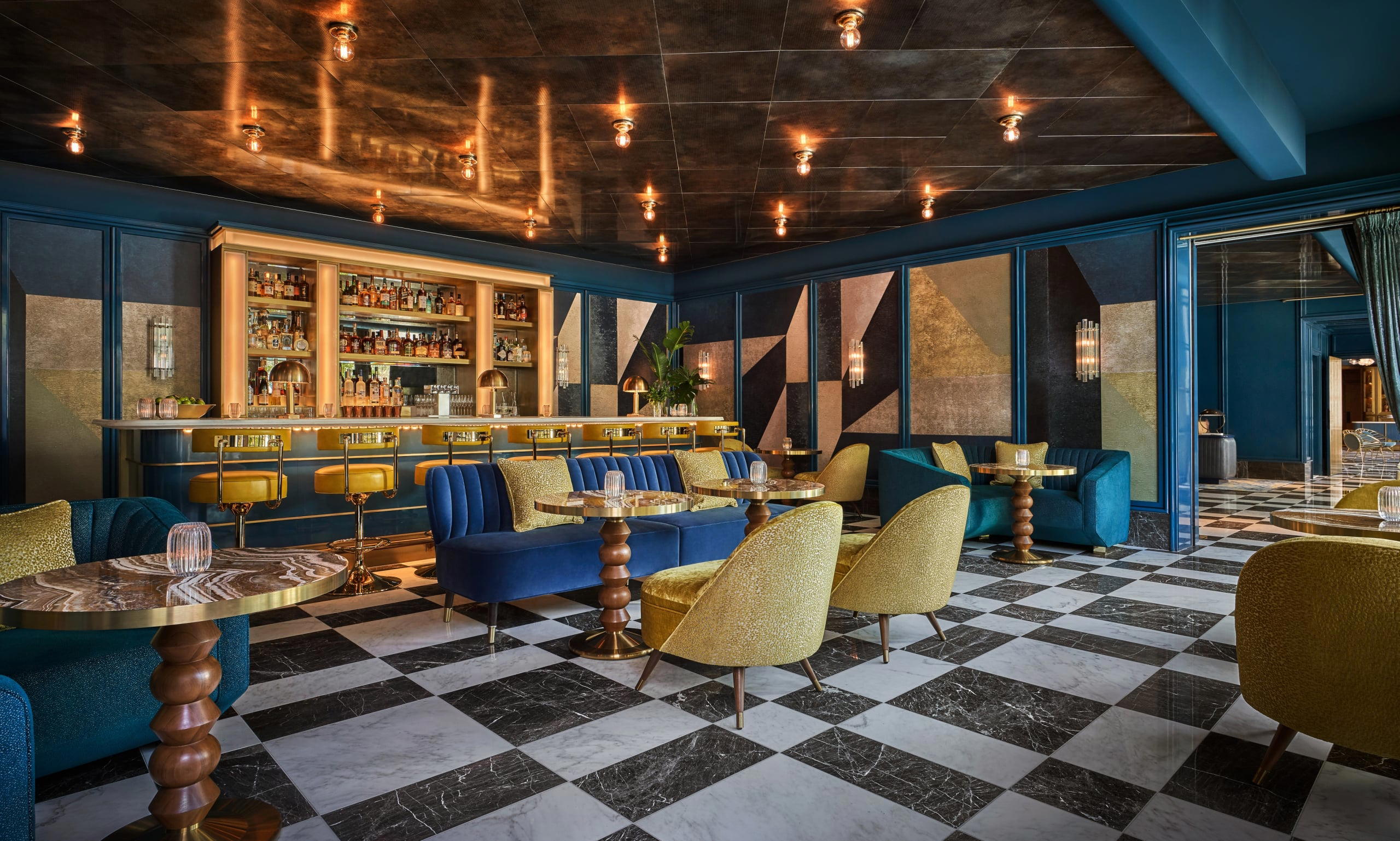

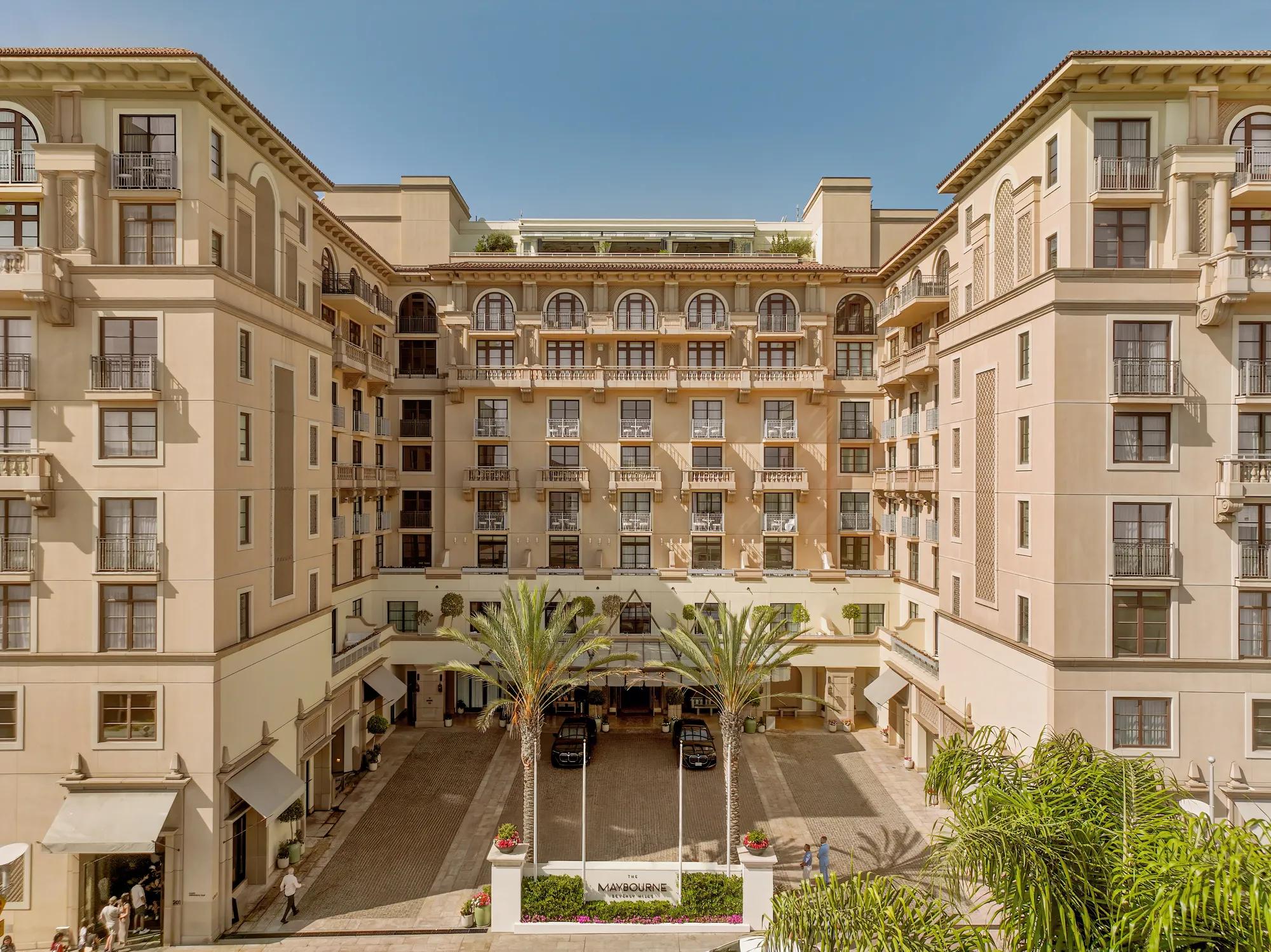
Bars in West Hollywood
Browse all →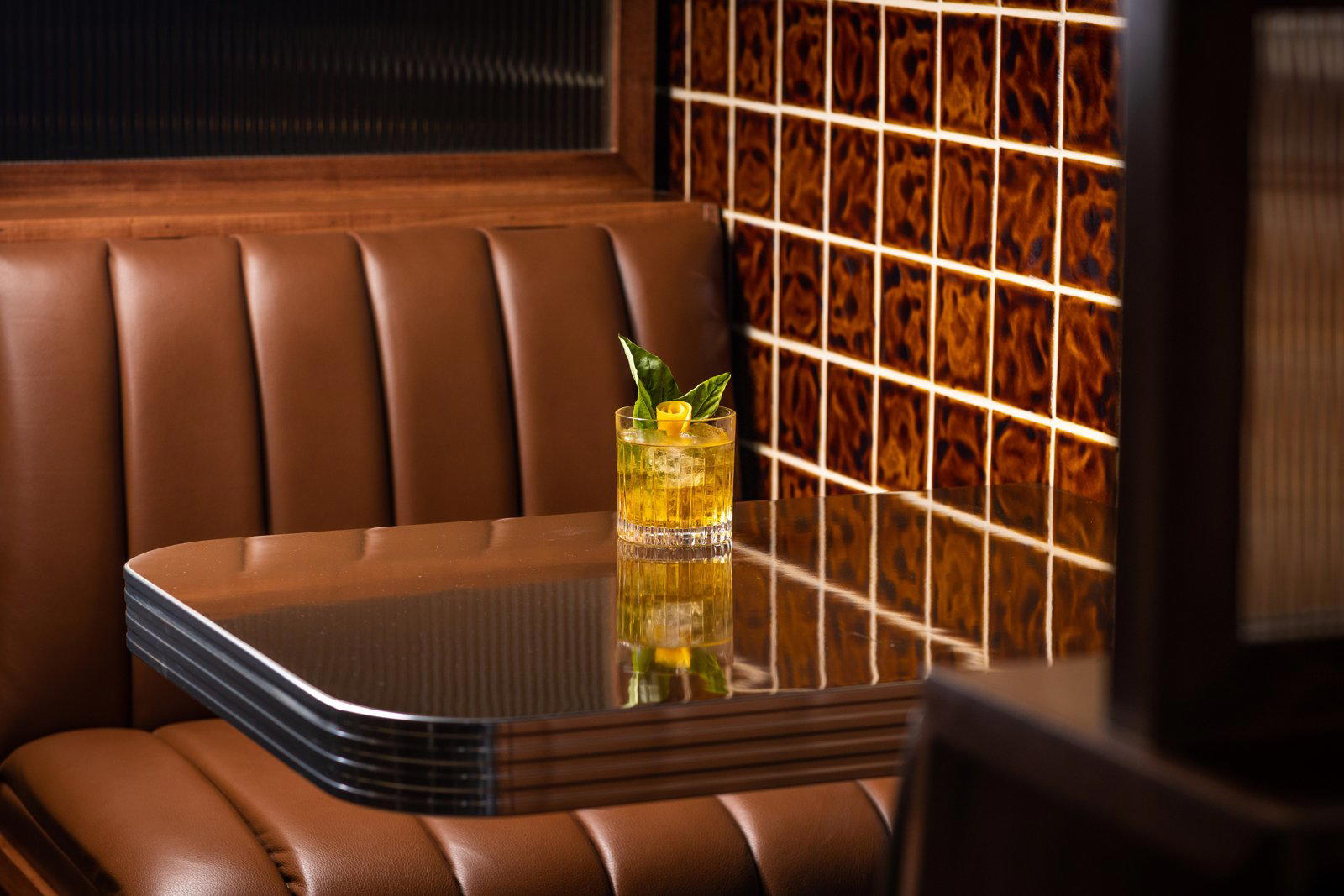
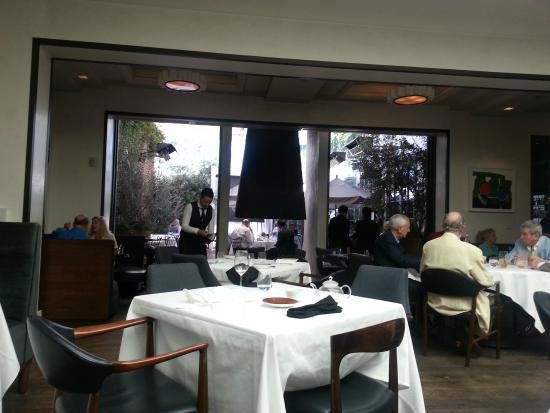
Restaurants in West Hollywood
Browse all →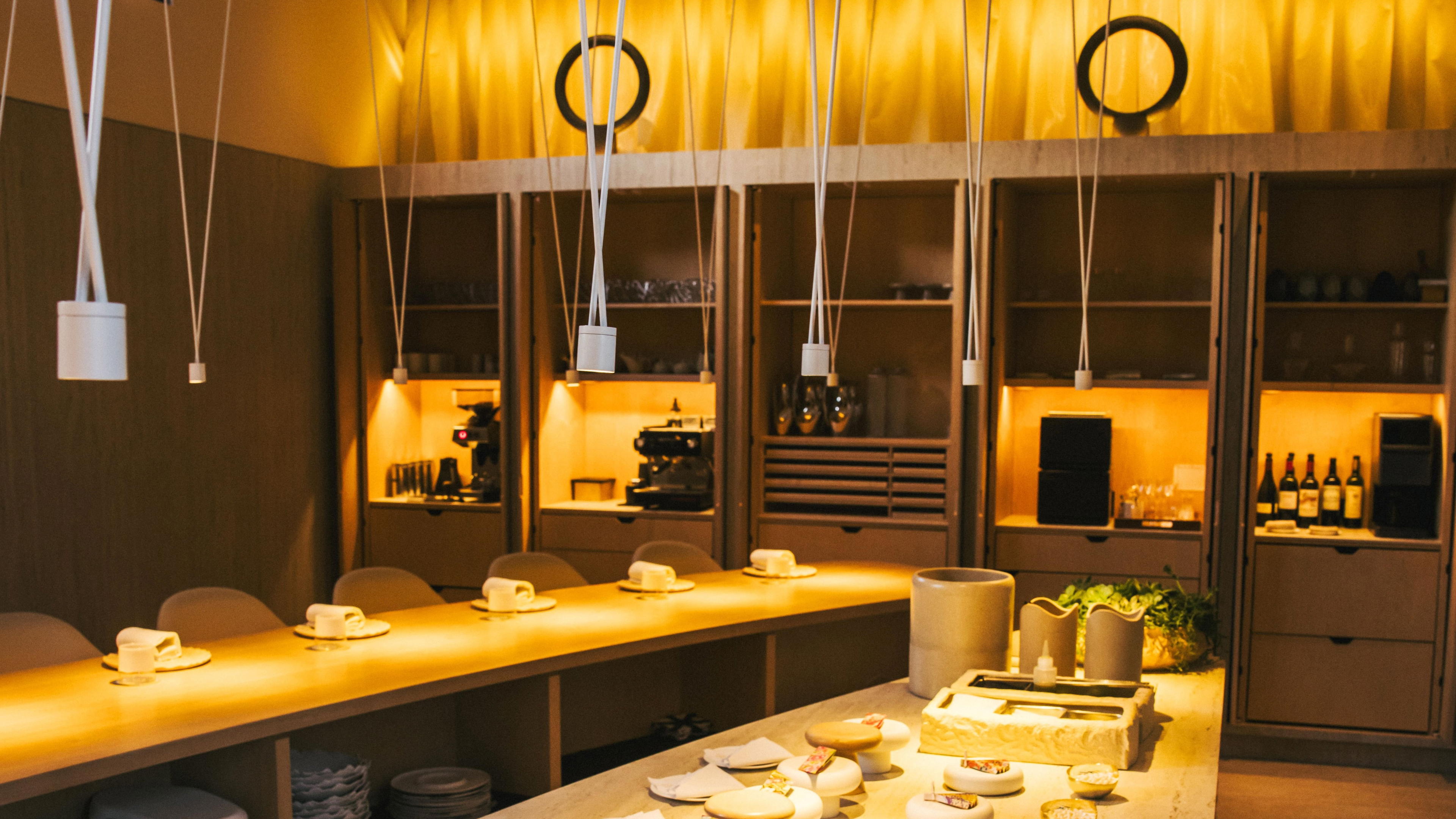
Wineries in West Hollywood
Browse all →
At a Glance
- Modern
- Trendy
- Scenic
- Energetic
- Sophisticated
- Well Known
- Business Trip
- Weekend Escape
- Celebration
- Group Retreat
- Destination Wedding
- Rooftop Pool
- Terrace
- Panoramic View
- Design Destination
- Historic Building
- Private Dining
- Wi Fi
- Pool
- Fitness Center
- Room Service
- Concierge
- Business Center
- Valet Parking
- Skyline
- Mountain
- Street Scene
- Wi Fi
- Pool
- Fitness Center
- Room Service
- Concierge
- Business Center
- Valet Parking
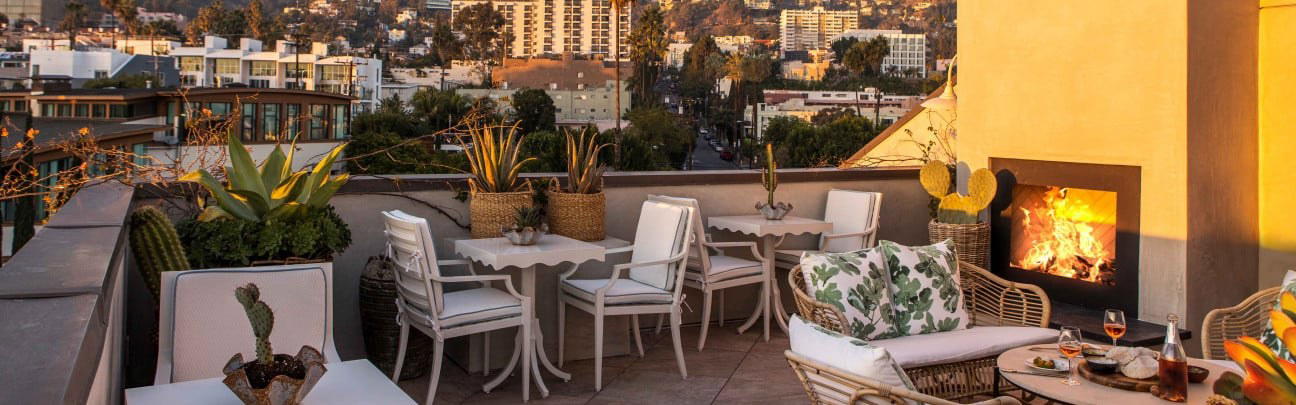
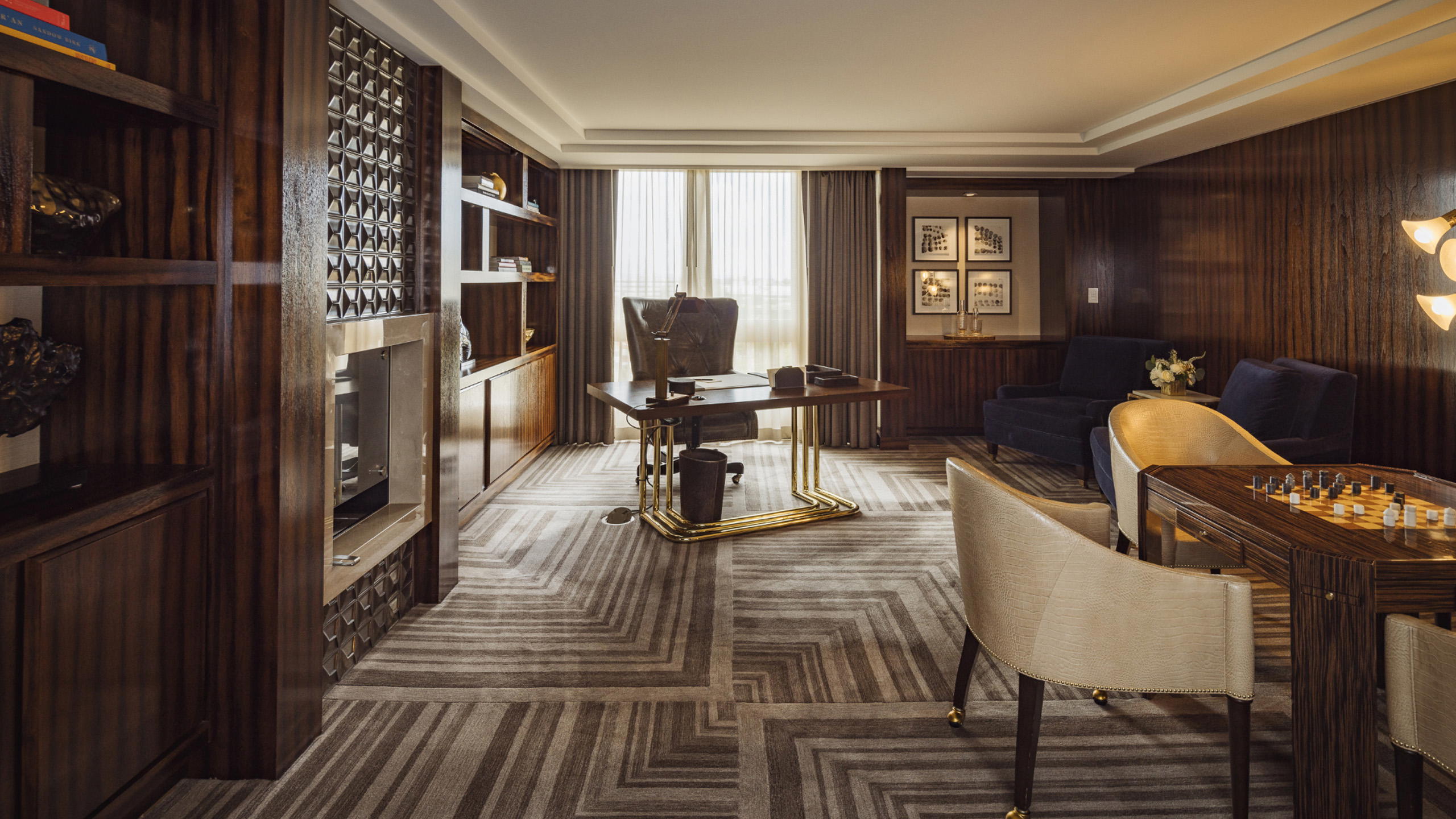
Design‑driven and social with a lively lobby and rooftop scene, minimalist contemporary interiors, and a resort-like pool and terrace atmosphere that stays lively into the evening while maintaining an upscale, polished feel.