Orange Inn Boutique Hotel
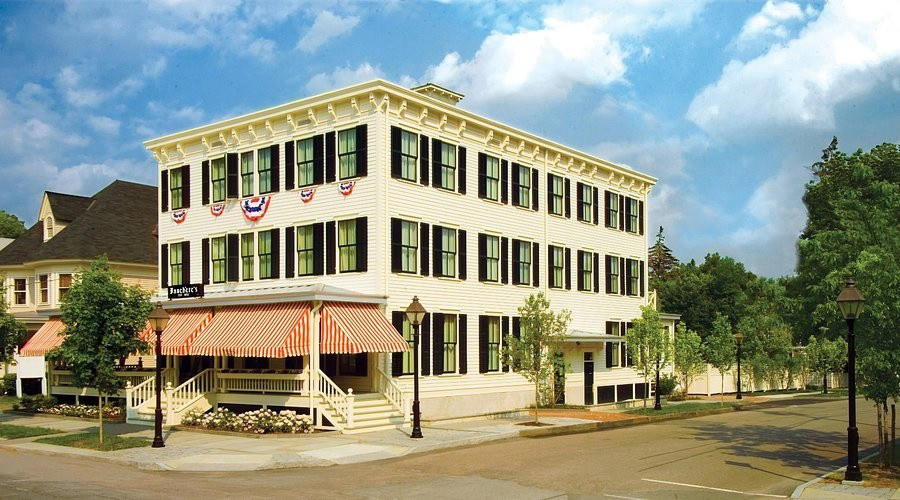
Orange Inn Boutique Hotel enters the Chester hotel conversation as a small-format lodging choice rather than a grand-resort statement.
Pearl is the En Primeur Club membership app — saves, bookings, and concierge access live there. Same editors, same standards.
- Address
- Chester, United States
- Directions
- Get directions
 Saves & bookings on Pearl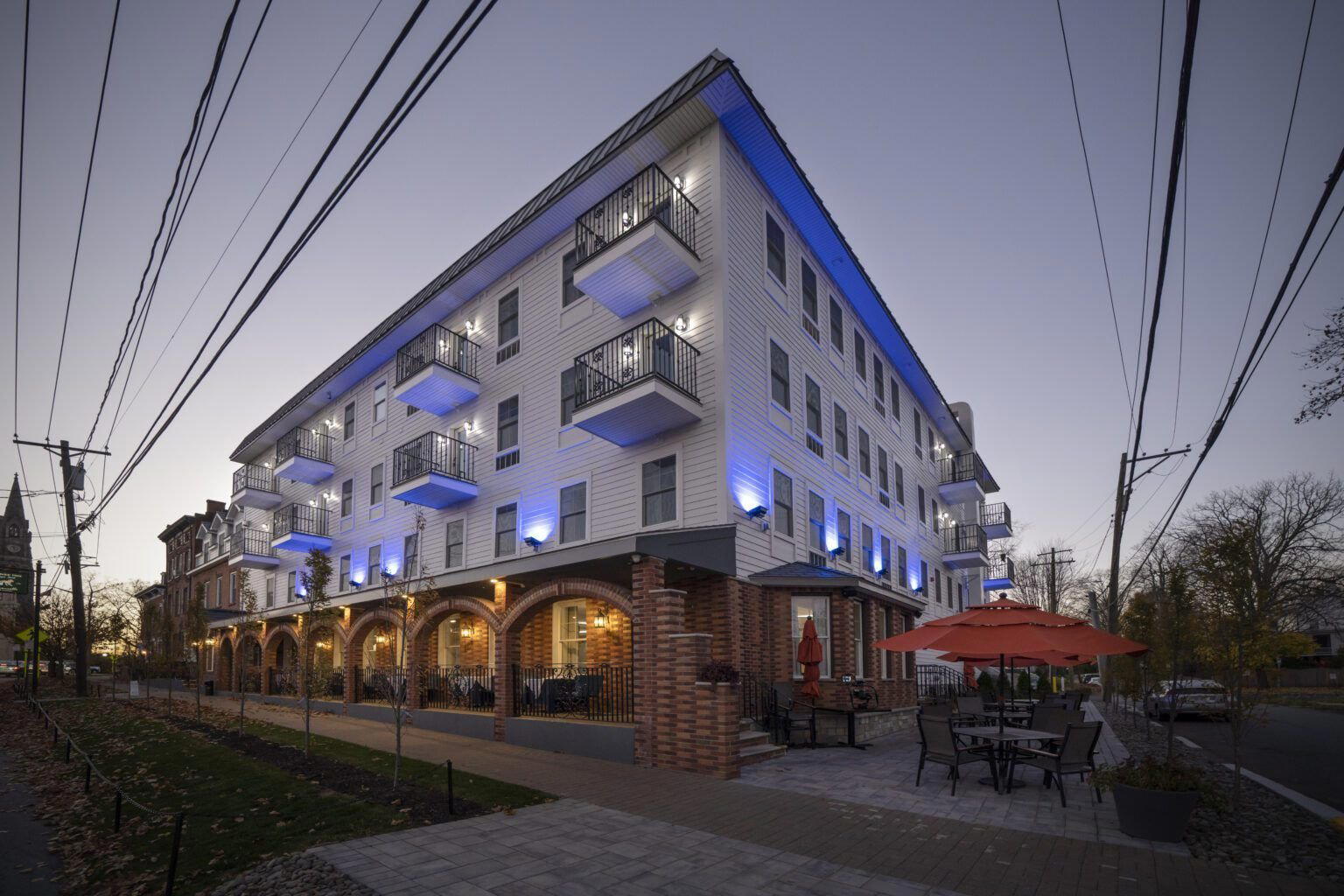
First Impressions: Reading a Small Hotel Through Its Scale
Approaching a boutique hotel is less about spectacle than calibration. The useful questions begin before the room key: how much of the experience is carried by architecture, how much by service rhythm, and how much by the surrounding city? In Chester, a place such as Orange Inn Boutique Hotel belongs to the smaller end of the hotel conversation, where the promise is not acreage, a resort campus, or a famous hotel group, but a tighter relationship between building, guest flow, and local context. The editorial value lies in how this category works: boutique hotels ask to be judged on proportion, atmosphere, and usefulness, not on the machinery of large luxury.
That matters. A hotel page can tempt overconfident claims about neighborhood character, walkability, or views, but those details require location data. Without them, Orange Inn Boutique Hotel should be understood as a candidate for travelers who prefer smaller lodging formats and are prepared to confirm the specific setting before booking. The absence of public awards in the record is also meaningful: this is not being positioned here through Michelin-key style recognition, a major guide rating, or a documented star category. It needs to earn attention through fit.
Why Boutique Hotels Depend on Architecture More Than Scale
The boutique-hotel model became persuasive because it changed the unit of luxury. Instead of measuring comfort only through square footage, lobby volume, or brand infrastructure, it pushed attention toward editing: fewer public rooms, a more pronounced design point of view, and a stronger relationship between interior decisions and the traveler’s daily routine. That is why architecture and design matter so much in this tier. A small hotel cannot hide behind a convention-center lobby or a dozen dining outlets. Circulation, light, entry sequence, acoustic control, room layout, and the friction of arrival carry more weight.
A boutique property in Chester should be examined for how convincingly it turns compactness into coherence. Does the lobby feel like a holding pen or a room with purpose? Do corridors feel like an afterthought or part of the experience? Are materials chosen for durability and local character, or for generic lifestyle-hotel shorthand? These are not decorative concerns. They determine whether a small hotel feels considered or merely small.
That distinction is useful when comparing Orange Inn Boutique Hotel with more established or more documented properties in the wider Chester orbit. Glenmere Mansion sits in a mansion-hotel lineage, where architecture carries an estate narrative and the building itself becomes part of the stay. Hotel Indigo Chester points toward a branded lifestyle model, where design language usually follows a recognized hospitality template. The Chester Grosvenor represents a more traditional grand-hotel reference point. Orange Inn Boutique Hotel, by contrast, should be assessed as a smaller independent-style proposition until further data proves otherwise.
The Chester Hotel Question: Grand Address or Smaller Base
Chester hotel decisions often split into two practical camps. Some travelers want the assurance of a larger property: visible service structure, formal public rooms, known dining, and a clearer sense of rank. Others want a lighter base, with fewer layers between the street and the room. The second camp is where a boutique hotel can make sense, especially for travelers who spend more time in restaurants, bars, galleries, countryside drives, or family visits than in the hotel’s public spaces.
That absence is not automatically a flaw. It simply changes the decision. A traveler choosing this type of hotel should care less about the quantity of facilities and more about the clarity of the stay: arrival process, sleep quality, parking or transport arrangements, breakfast format if offered, and how the hotel handles late arrivals.
For broader trip planning, Chester should be treated as a connected itinerary rather than a single hotel decision. Dining research belongs alongside lodging research, especially when a smaller hotel may not carry the evening on property. EP Club’s city pages are useful companion tools: Our full Chester restaurants guide gives the dining frame, Our full Chester hotels guide puts lodging options side by side, Our full Chester bars guide helps with late-day planning, Our full Chester wineries guide covers cellar-led detours where available, and Our full Chester experiences guide fills in the cultural and local-programming layer.
Design Hotels as a Competitive Set, Not a Mood Board
Across American hospitality, design-led hotels have become a broad category, but the stronger examples share a discipline that is easy to miss. They do not simply add patterned wallpaper, low lighting, and a compact bar. They create a spatial argument: why this building, why this scale, why this neighborhood, why this kind of service? Without that argument, boutique becomes a price category rather than an editorially meaningful description.
Useful comparisons sit far beyond Chester because they show the range of design strategies now in play. The Fifth Avenue Hotel in New York City works from an urban, layered-building premise, where historic fabric and contemporary interiors have to negotiate with Manhattan density. The Beverly Hills Hotel in Los Angeles is a different creature: its power lies in long-established social theater, gardens, and a visual identity that has been reinforced over generations. Amangiri in Canyon Point shows the other end of the spectrum, where architecture responds to desert scale and silence rather than street life.
Smaller rural and resort properties make the comparison sharper. Troutbeck in Amenia uses estate informality and literary-country-house associations as part of its appeal. Four Seasons at The Surf Club in Surfside shows how a major operator can inhabit a historically charged club setting. Raffles Boston in Boston belongs to the metropolitan luxury-hotel model, where branded service rituals and vertical urban planning matter. These references do not make claims about Orange Inn Boutique Hotel’s facilities. They clarify the question a traveler should ask: is the property using design as structure, or merely as styling?
What the Lack of Public Data Tells a Traveler
Scarce public data should not be ignored. For an editorial platform, that means the page should avoid pretending to know what is not documented. For a traveler, it means the planning burden shifts toward confirmation. Before treating Orange Inn Boutique Hotel as a central part of an itinerary, verify the location, rates, cancellation terms, arrival window, parking position, breakfast arrangements, and any accessibility needs through an official channel or a trusted booking platform.
This is not merely administrative caution. Boutique hotels vary dramatically in how they operate. Some run with staffed reception and hotel-like service coverage; others behave more like design-forward inns, with limited desk hours and a lighter operational footprint. Some are strongest for one-night stops; others are more comfortable for a slow weekend. Some invest in rooms; others lean on a restaurant or bar.
There is also a pricing implication. With no price range in the record, Orange Inn Boutique Hotel cannot be responsibly described as value-led, luxury-priced, or mid-market. Boutique hotels often command a premium when design, location, or scarcity support it, but small scale alone does not justify a higher rate. Compare the nightly cost against the documented service level and against Chester alternatives. If a larger hotel offers clearer facilities for the same rate, the boutique option needs to compensate through location, room quality, quiet, or atmosphere. If it is priced below more formal peers, it may work as a simpler base rather than a destination hotel.
How It Fits Beside American Destination Hotels
The United States has several mature hotel categories that help explain where a smaller Chester property might sit. Farm inns, wellness resorts, coastal retreats, mountain lodges, desert compounds, and city palaces each use design differently. SingleThread Farm Inn in Healdsburg is tied to a restaurant-driven hospitality model, where lodging extends a culinary ecosystem. Kona Village, A Rosewood Resort in Kailua Kona belongs to the resort-revival category, where landscape, restoration, and operator scale shape the experience. Sage Lodge in Pray reads through access to open country and outdoor programming.
Wine-country hotels form another useful comparison set. Auberge du Soleil in Napa and Meadowood Napa Valley in St. Helena show how lodging can be bound to regional prestige, cellar culture, and a high-touch leisure economy. Post Ranch Inn in Big Sur belongs to the architecture-and-landscape school, where the setting drives much of the design logic. Canyon Ranch Tucson in Tucson sits in the wellness-infrastructure category, where programming carries as much weight as rooms. Little Palm Island Resort & Spa in Little Torch Key depends on separation and access as part of the experience.
Against that national field, Orange Inn Boutique Hotel should not be inflated into a destination-resort narrative without evidence. Its likely value is more modest and potentially more useful: a compact lodging choice for Chester, to be judged by location, design clarity, and operational reliability. That is a valid role. Not every good hotel needs to carry a grand concept. Some work because they make a town easier to inhabit for a few nights.
European Reference Points and the Weight of History
European grand hotels sharpen the distinction between inherited prestige and boutique intimacy. Hôtel de Paris Monte-Carlo in Monte Carlo trades on palace-hotel ceremony and a dense relationship with its square, casino culture, and Riviera history. Badrutt's Palace Hotel in St. Moritz belongs to the alpine grand-hotel tradition, where winter society, scale, and long institutional memory shape the stay. Aman Venice in Venice demonstrates a different model, placing contemporary luxury inside a historic palazzo framework.
These comparisons matter because they expose a common mistake in hotel writing: confusing age, intimacy, or decorative charm with architectural substance. A small hotel in Chester does not need palace history to be worthwhile. It does need a coherent relationship between room, service, and setting. The stronger boutique experiences are edited rather than underbuilt; personal in scale rather than vague in operation. That is the standard Orange Inn Boutique Hotel should be measured against once more specific public information is available.
Planning Notes: What to Confirm Before You Commit
Confirm the exact Chester location first, especially because the city name is not enough to establish transport logistics. Then confirm the booking channel, nightly rate, taxes or fees, arrival procedure, cancellation policy, and whether the hotel has staffed reception during the hours you expect to arrive. If traveling by car, parking should be checked before booking. If arriving late, entry instructions matter. If accessibility is relevant, room layout and building access need direct confirmation rather than assumption.
For a weekend, holiday period, wedding season, college event, or festival-driven date, earlier planning is prudent because smaller hotels have less inventory to absorb demand. For a midweek stay outside peak local demand, the pressure may be lower, but price and cancellation terms still deserve comparison. With no public awards attached to the record, scarcity should not be assumed from recognition; it should be inferred only from actual availability.
Reputation & Price
Comparable venues nearby, for context on price, style, and recognition.
| Venue | Price | Awards | Notes |
|---|---|---|---|
| Orange Inn Boutique HotelThis venue — the venue you are viewing | $$$ | 5-Star | Not listed |
| Glenmere Mansion | $$$$ | 5-Star | Chester, Gilded Age country estate reborn as luxury boutique hotel |
| The Maritime Hotel | $$$ | 4-Star | Chelsea-Hudson Yards, Nautical-inspired boutique hotel with modernist design elements and ship-like architecture; positioned as a design-forward property in the Chelsea neighborhood. |
| The Garden City Hotel | $$$$ | 4-Star | Garden City, Elegant full-service urban hotel with custom Italian furnishings and modern residential luxury suites. |
| Soho House New York | $$$$ | 5-Star | Meatpacking District, Members-only creative club with luxury hotel accommodations in a historic industrial warehouse |
| Hotel Indigo Lower East Side New York by IHG | $$$ | 4-Star | Lower East Side, Neighborhood-inspired boutique urban oasis |
Continue exploring
More in Chester
Hotels in Chester
Browse all →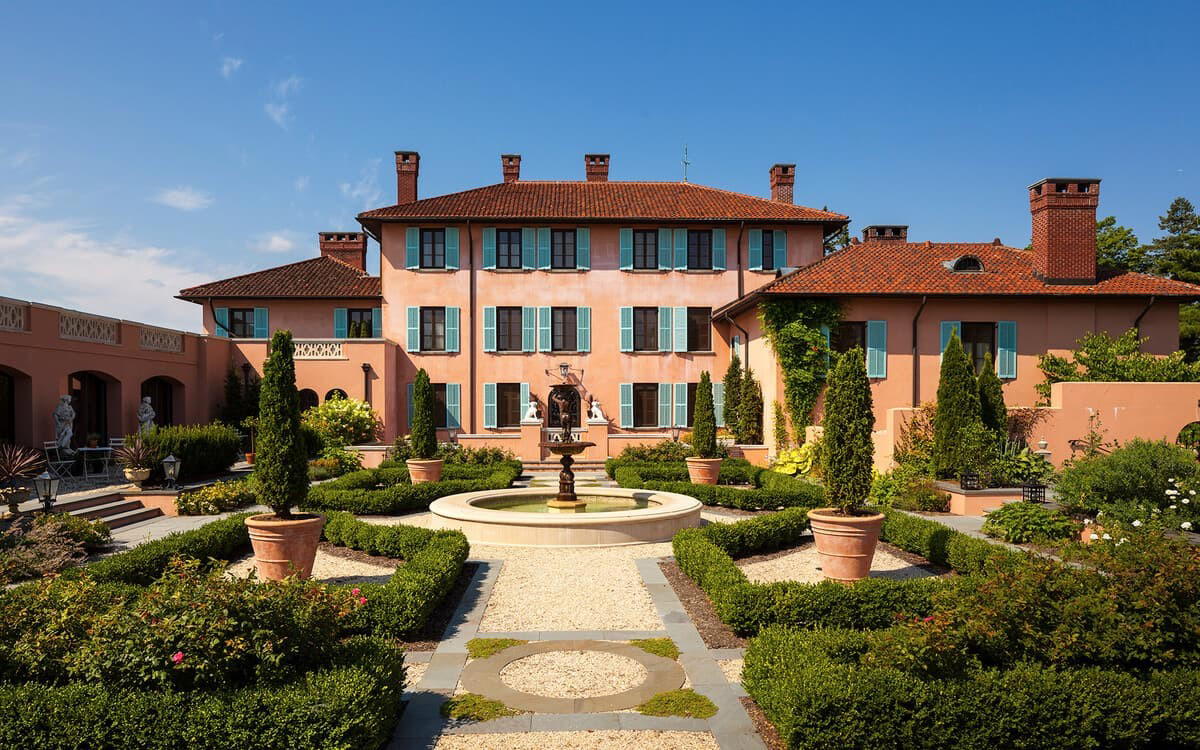
Bars in Chester
Browse all →
Restaurants in Chester
Browse all →
At a Glance
- Elegant
- Modern
- Scenic
- Quiet
- Romantic
- Cozy
- Weekend Escape
- Romantic Getaway
- Family Vacation
- Business Trip
- Celebration
- Group Retreat
- Terrace
- Historic Building
- Design Destination
- Panoramic View
- Wi Fi
- Restaurant
- Bar
- Room Service
- Parking
- Street Scene
- Wi Fi
- Restaurant
- Bar
- Room Service
- Parking
Warm and upscale boutique atmosphere with individually furnished rooms, marble bathrooms, and a cozy lobby with a fireplace that blends classic elegance with modern comforts.