Olm Nature Escape - Eco Aparthotel

A Michelin Selected eco aparthotel in the Aurina Valley, Olm Nature Escape sits in the South Tyrolean Alps above Campo Tures, where the architecture uses local timber and stone to keep the building in deliberate conversation with its surroundings. The format suits self-sufficient travellers who want mountain access without the programming overhead of a full-service resort.
Pearl is the En Primeur Club membership app — saves, bookings, and concierge access live there. Same editors, same standards.
- Address
- Via Unterwalburgen, 21, 39032 Campo Tures BZ, Italy
- Phone
- +39 0474 430900
- Website
- olm.it
- Directions
- Get directions
 Saves & bookings on Pearl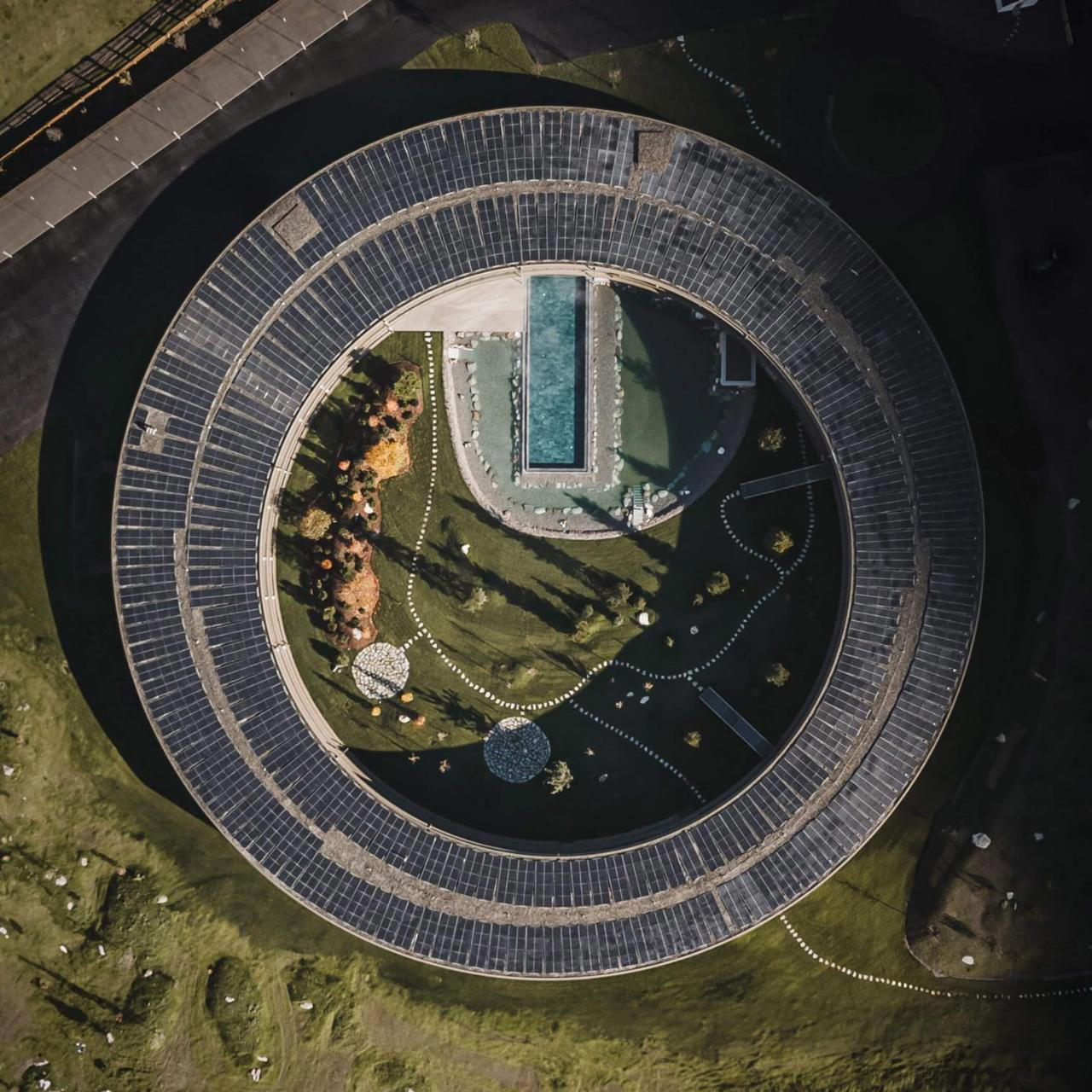
Alpine Eco Design in the Aurina Valley
South Tyrol has developed one of the more coherent eco-architecture traditions in the Italian Alps, where a combination of strict regional planning codes and a culturally German-speaking building culture has pushed designers toward local larch, stone, and mineral renders rather than the generic glass-and-concrete resort language found elsewhere in the mountains. Campo Tures, sitting at the entrance to the Aurina Valley north of Bruneck, belongs to this tradition. Properties here tend to read as extensions of the valley floor rather than impositions on it, and the Michelin Selected Olm Nature Escape fits that pattern: its design vocabulary prioritises natural materials and a reduced footprint, positioning it within the eco-aparthotel tier.
The address at 21 Unterwalburgen places the property in the quieter agricultural fringes of Campo Tures rather than the village centre, which means the immediate visual context is pasture and forest rather than street-level activity. That separation is a design choice as much as a locational one. Eco-oriented mountain properties in this corner of the Alps increasingly use site placement to do some of the atmospheric work, arriving at stillness through position rather than through interior noise-suppression. The result, at properties working in this register, is that the architecture and landscape become inseparable, the building functions as a frame for the view rather than competing with it.
What Michelin Selection Means in This Category
Michelin's hotel selection programme applies editorial criteria around quality of welcome, comfort, and property character rather than star-count or room inventory. Inclusion in the 2025 Michelin Selected Hotels list places Olm Nature Escape within a cohort of Italian properties that includes urban palazzi, coastal retreats, and agriturismo estates alongside alpine eco-stays. The selection functions as a credible third-party signal that the property meets a consistent standard of hospitality quality. For the eco-aparthotel category specifically, that kind of external validation matters more than in the full-service hotel segment, where brand reputation or group affiliation often carries the weight. An independent eco property in a secondary alpine town earns discoverability from exactly this kind of recognition.
The aparthotel format itself deserves some context. Across South Tyrol, the aparthotel model has moved upmarket over the past fifteen years, shifting from budget self-catering toward design-led units with hotel-quality finishes, proper linen, and some form of breakfast or provisions service. Properties in this tier now compete with three- and four-star hotel rooms on comfort, while offering the autonomy of self-catering. For travellers spending more than two or three nights in the valley, the format is often preferable to a hotel room: kitchen access, more living space, and the ability to eat on a local market schedule rather than a dining-room schedule. This places Olm Nature Escape in a different competitive conversation than, say, Castel Fragsburg in Merano or Bellevue Hotel & Spa in Cogne. The comparison set is design-focused eco aparthotels in alpine South Tyrol.
The Campo Tures Valley as Context
The Aurina Valley (Valle Aurina in Italian, Ahrntal in German) is one of the less trafficked of the main South Tyrolean valleys, which is a meaningful distinction in a region that draws substantial summer and winter tourism. The valley runs north from Campo Tures toward the Austrian border, narrowing as it rises, with villages including Lutago, San Giovanni, and Casere strung along the valley floor. The landscape is high alpine: deciduous forest giving way to conifer, then to the open meadows and rock above the tree line. Campo Tures itself anchors the southern entrance with a medieval castle, Castel Tures, that has defined the skyline since the thirteenth century.
For hikers, the valley connects to the Rieserferner-Ahrn Nature Park, a protected area of roughly 32,000 hectares that encompasses the main ridge system. Trail access from the valley floor reaches glacier terrain and cross-valley routes into Austria and across to the Zillertal Alps. In winter, the valley's ski infrastructure is smaller than Kronplatz to the south, which makes it draw a different visitor profile: fewer day-trippers from Bolzano or Innsbruck, more guests spending multiple nights. That profile aligns well with the aparthotel format, where the economics and design work leading for stays of three nights or more.
Design Logic in the Eco Mountain Tier
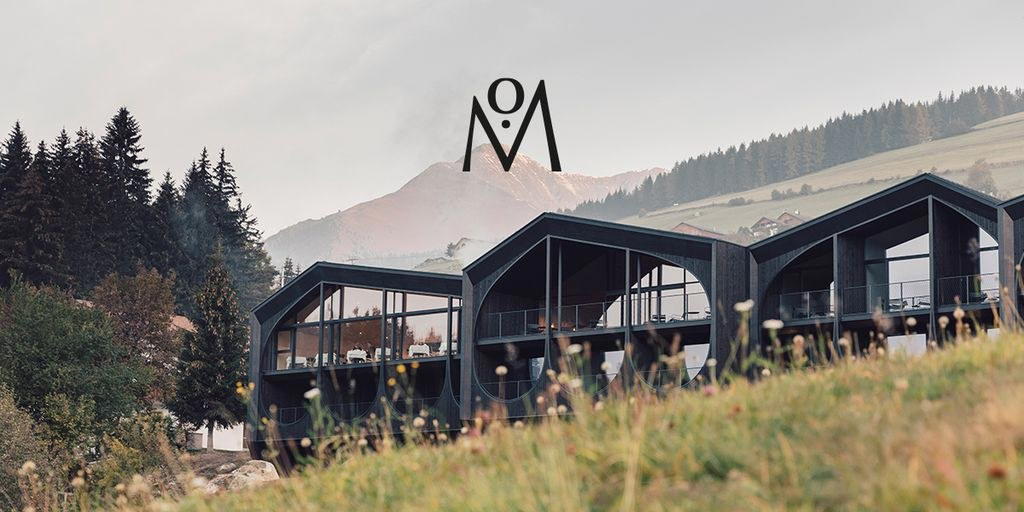
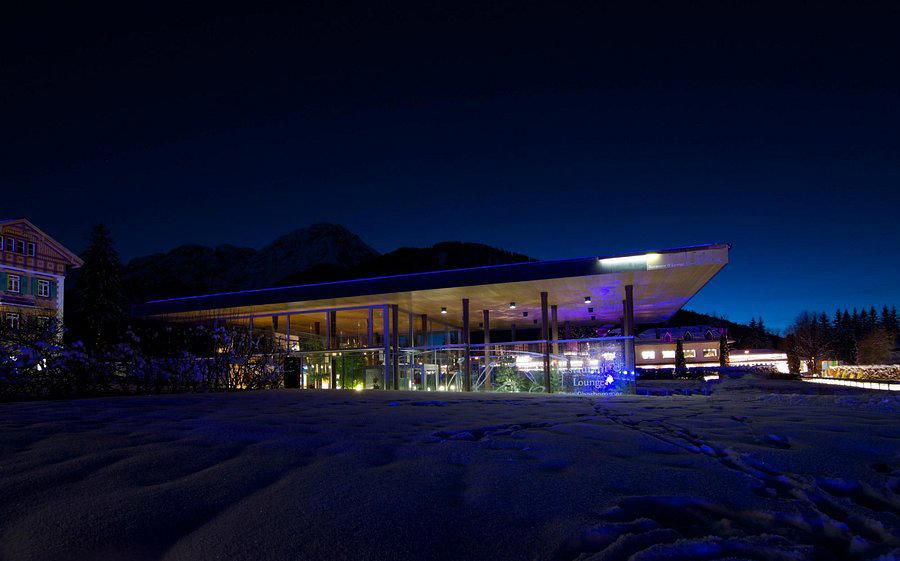
Eco-certified or eco-positioned alpine properties in South Tyrol typically work within a recognisable formal language: heavy timber structural elements, often in larch or pine; south-facing glazing to maximise passive solar gain; dark or weathered exterior cladding that reads as stone or charred timber at distance; and interiors that use the same palette of natural materials inside as the exterior presents outside. The effect, done well, is that entering the building feels continuous with standing outside it rather than a transition into a climate-controlled bubble.
That architectural coherence is what separates the better eco properties in this region from those that apply sustainable credentials as a marketing layer over conventional construction. The distinction is visible: properties where the eco commitment is structural rather than cosmetic tend to use exposed material honestly, where timber shows its grain, stone shows its texture, and the building ages in a way that reads as intentional. Properties in this category across South Tyrol have found that guests who specifically seek out eco stays are more sensitive to this distinction than the average mountain tourist.
Planning a Stay
Campo Tures is reachable from Bruneck (Brunico) by road in under thirty minutes, and Bruneck sits on the Brenner rail corridor with connections to Bolzano and Innsbruck. The Aurina Valley does not have its own rail connection, so car or bus from Bruneck is the standard approach. Summer booking windows for quality properties in the valley tighten from May onward, as the peak hiking season runs from late June through September. Shoulder season in October and early November, before winter snow conditions establish, tends to offer both availability and lower rates, with the larch forests in their autumn colour phase providing a different visual register from the summer green. For current rates and availability, direct enquiry via the property is the appropriate channel.
Travellers building a wider Italian mountain itinerary can use Campo Tures as a northern anchor, with Merano and Bolzano accessible to the south for contrast in scale and urban character. For those moving between alpine and coastal Italy, Venice is approximately three and a half hours by road. Further afield, properties like Borgo Santandrea in Amalfi Coast, Il San Pietro di Positano, or Castello di Reschio in Lisciano Niccone represent different Italian hospitality registers worth considering for a longer multi-region trip.
Other Italy-based properties that share the design-led independent positioning, if at a different price tier or setting, include Casa Maria Luigia in Modena, Il Pellicano in Porto Ercole, Passalacqua in Moltrasio, and Il Sereno in Torno.
A Quick Peer Check
Comparable venues nearby, for context on price, style, and recognition.
| Venue | Cuisine | Price | Awards | Notes |
|---|---|---|---|---|
| Olm Nature Escape - Eco AparthotelThis venue — the venue you are viewing | Sustainable luxury eco aparthotel blending Alpine tradition with technological innovation, featuring circular architecture inspired by natural cycles and millstone design. | $$$ | 4-Star | Not listed |
| Hotel Viminale | Refined historic hotel blending timeless elegance with contemporary design. | $$$ | 4-Star | Monti |
| Terme di Vulci Glamping & Spa | Luxury glamping resort blending safari-camp aesthetics with contemporary Italian minimalism and thermal wellness focus. | $$$ | 4-Star | Canino |
| Villa Svetoni Wine Resort | Historic Tuscan estate reimagined as luxury wine resort; blends 18th-century architectural heritage with contemporary hospitality and wellness focus. | $$$ | 4-Star | Montepulciano |
| Olympic SPA Hotel | Family-run Alpine spa hotel blending traditional charm with modern extension. | $$$ | 4-Star | Vigo di Fassa |
| Tre Bacili | L’Ospitalità in Dimora | Restored historic Salentine mansion with scattered layout and generous intimate spaces | $$$$ | 4-Star | Spongano |
Recognition history
Dated appearances from independent guides and award organizations, with the underlying list record or original source where available.
Michelin Selected
Michelin
Continue exploring
More in Campo Tures/sand In Taufers
Hotels in Campo Tures/sand In Taufers
Browse all →
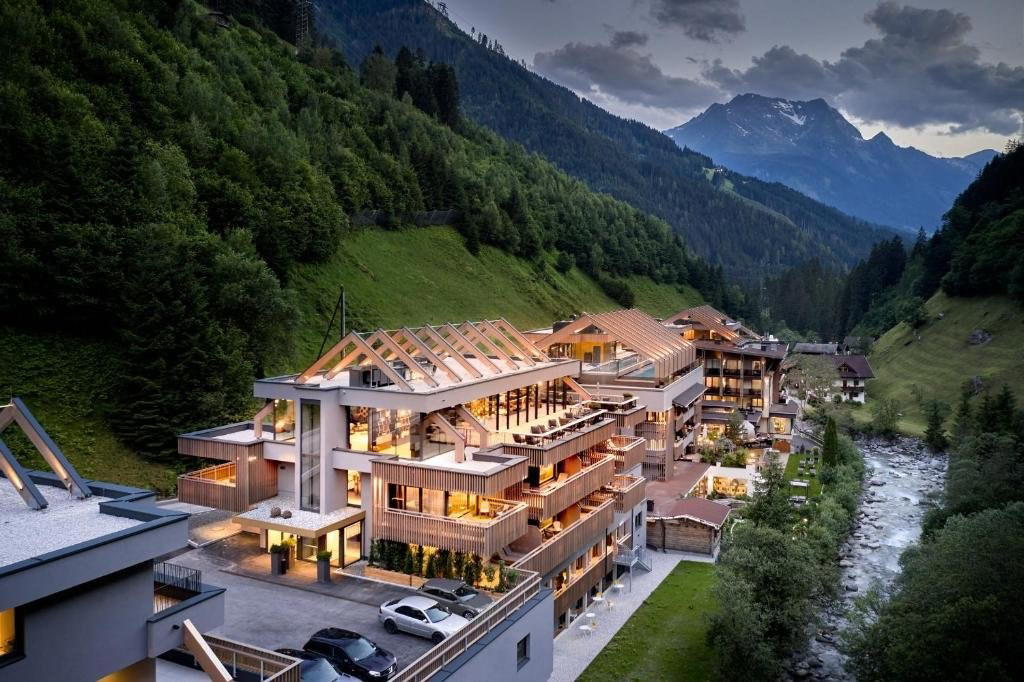
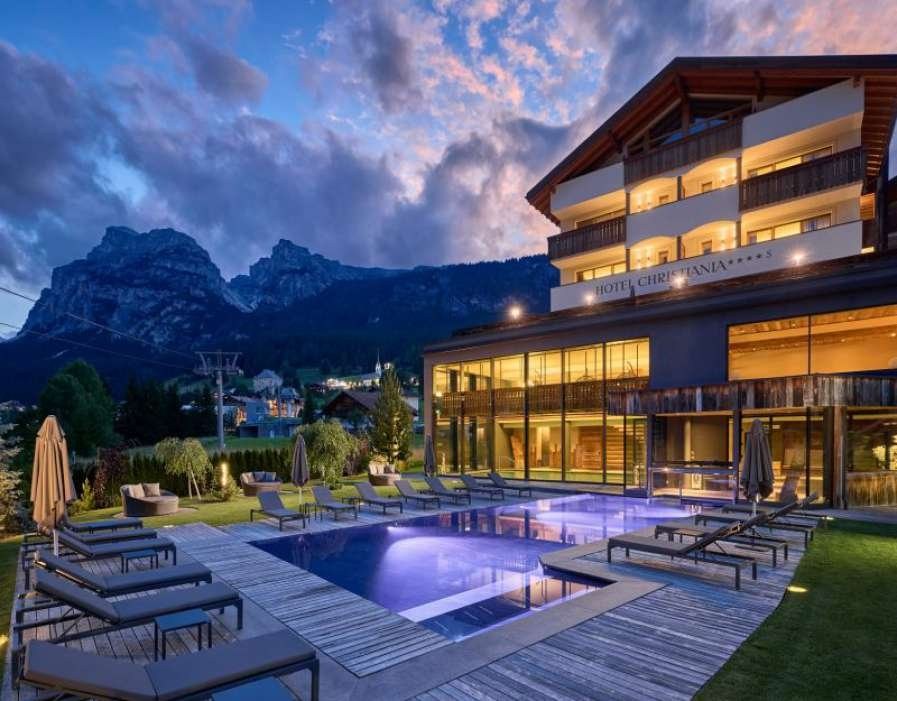
Bars in Campo Tures/sand In Taufers
Browse all →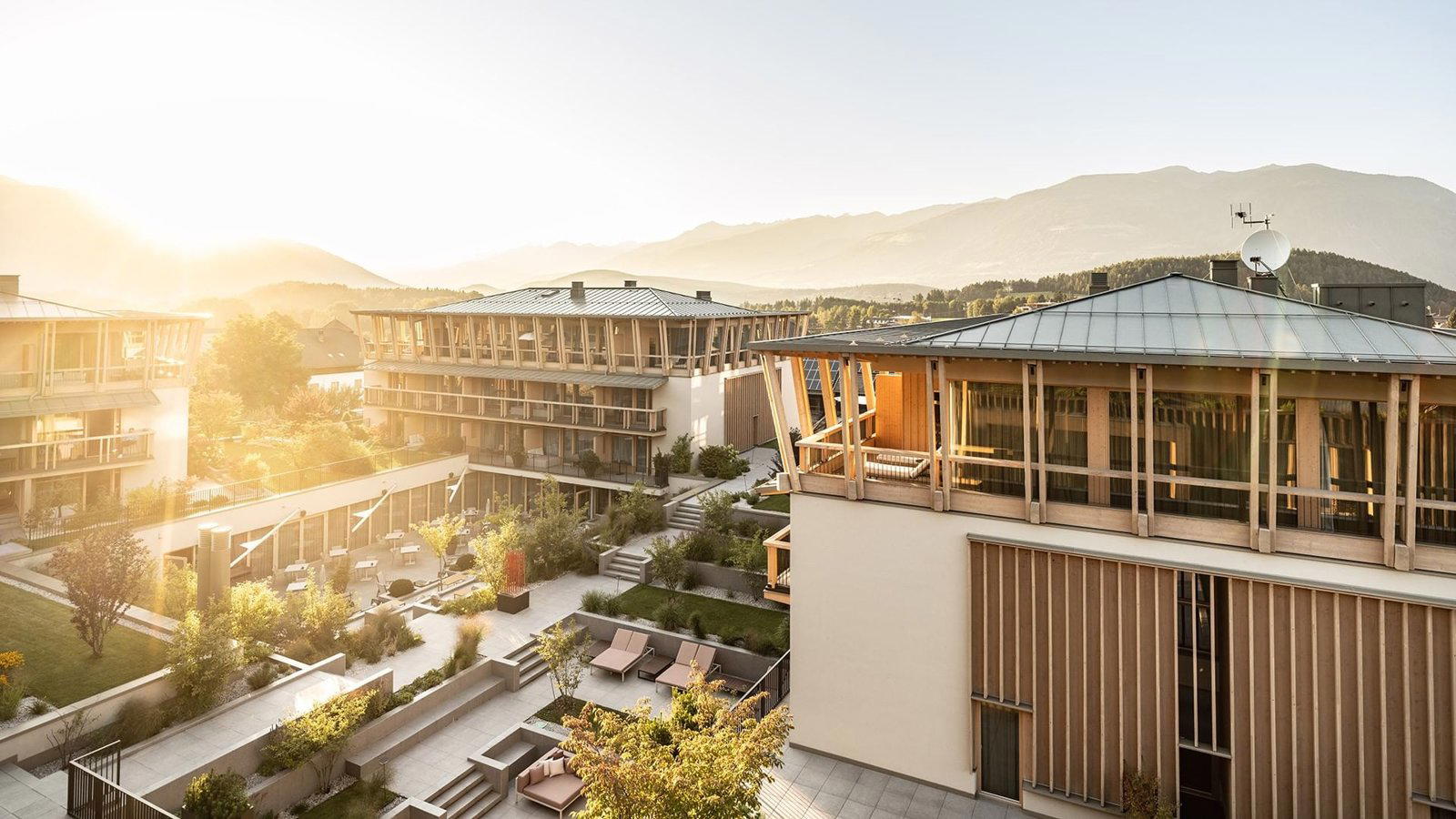
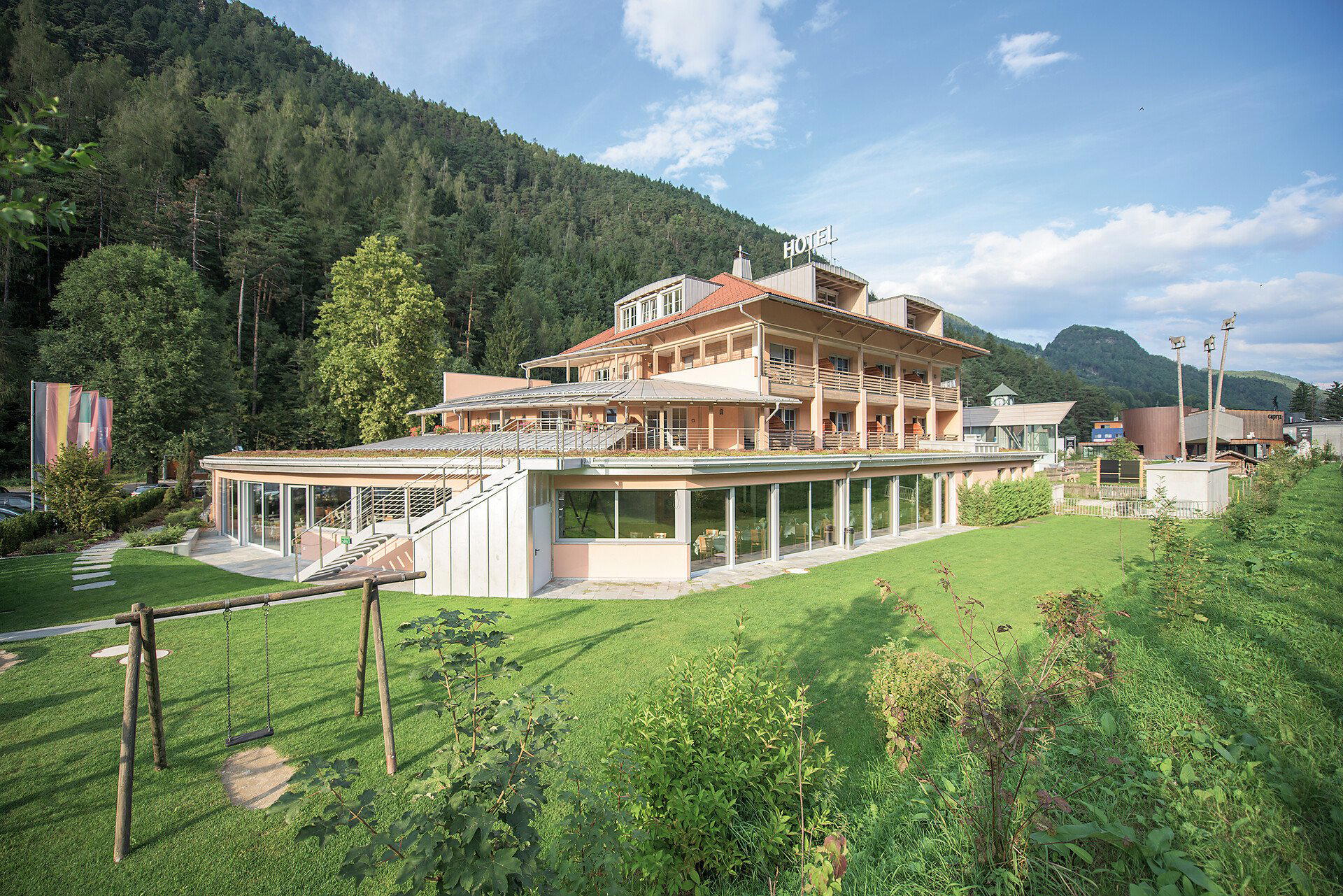
Restaurants in Campo Tures/sand In Taufers
Browse all →
Wineries in Campo Tures/sand In Taufers
Browse all →
At a Glance
- Scenic
- Modern
- Elegant
- Quiet
- Cozy
- Wellness Retreat
- Family Vacation
- Romantic Getaway
- Weekend Escape
- Panoramic View
- Garden
- Terrace
- Destination Spa
- Ski In Ski Out
- Wi Fi
- Pool
- Spa
- Fitness Center
- Sauna
- Restaurant
- Parking
- EV Charging
- Mountain
- Garden
- Wi Fi
- Pool
- Spa
- Fitness Center
- Sauna
- Restaurant
- Parking
- EV Charging
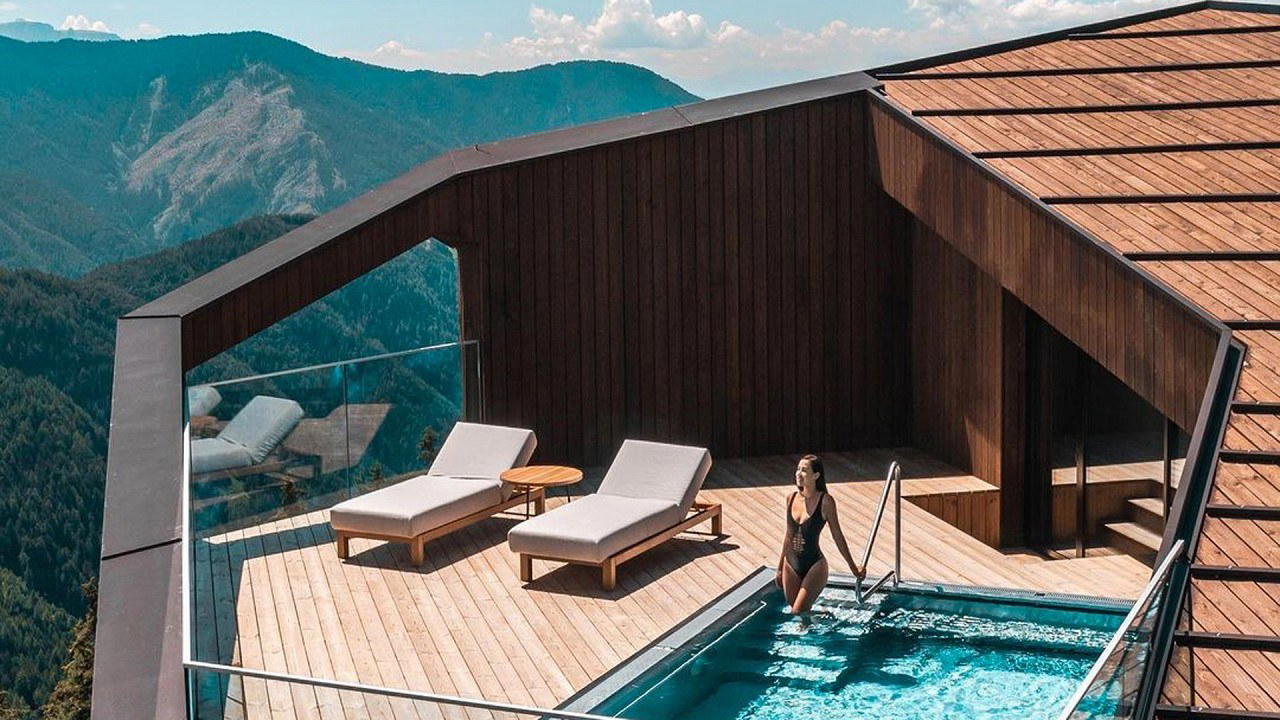
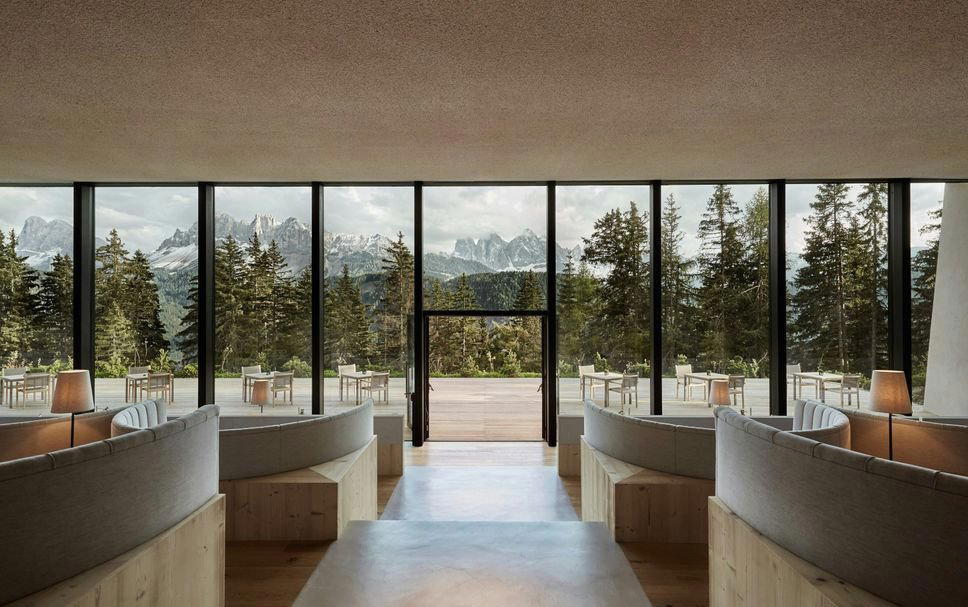
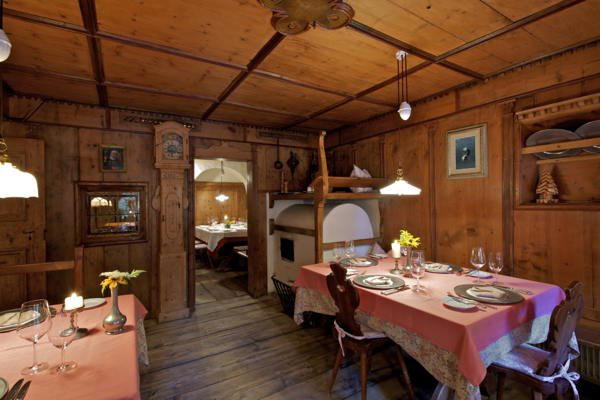
Warm and welcoming modern interiors with natural materials, large windows offering mountain and forest views, lobby fireplace, and seamless indoor-outdoor continuity through garden and terrace spaces.