Naramata Inn
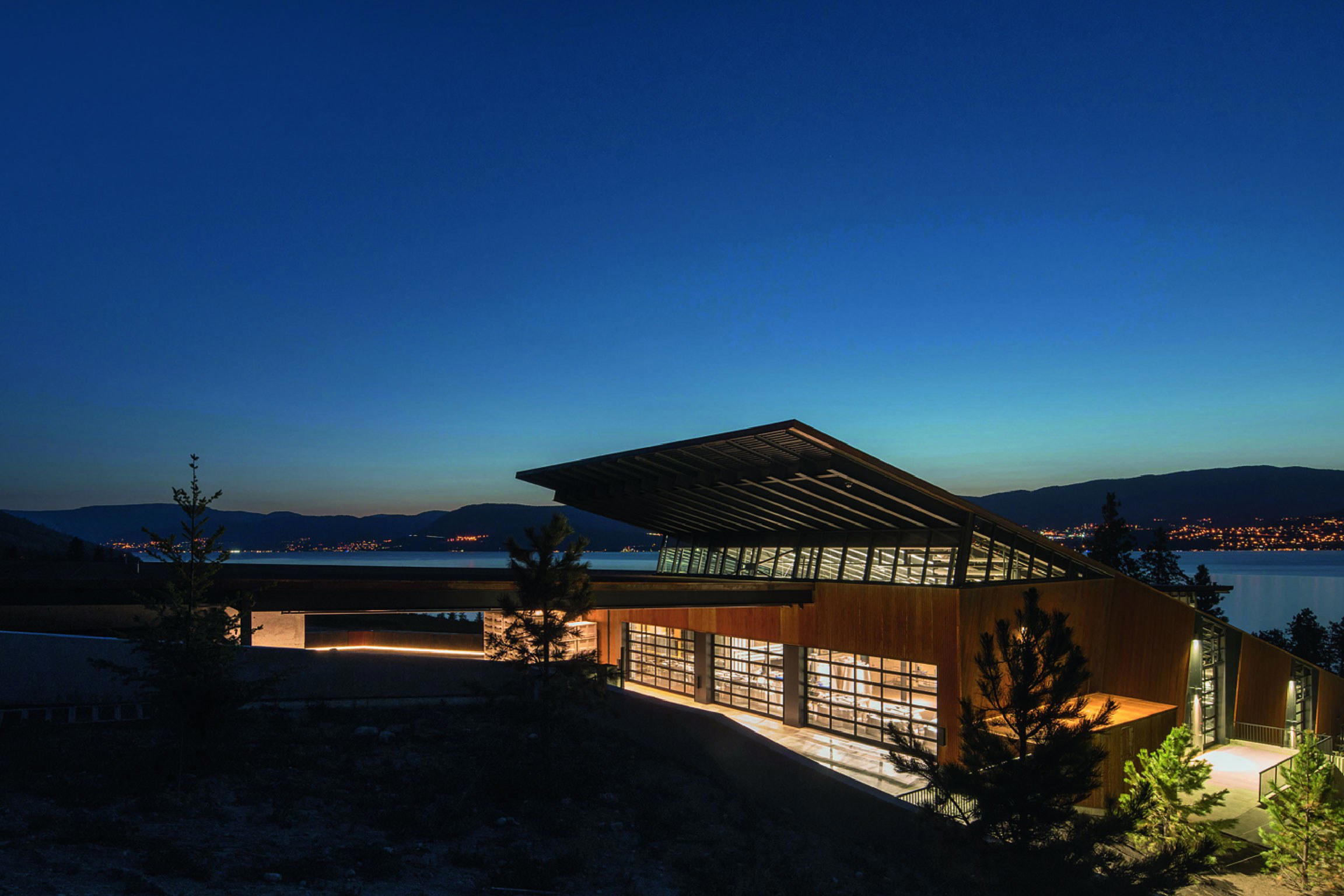
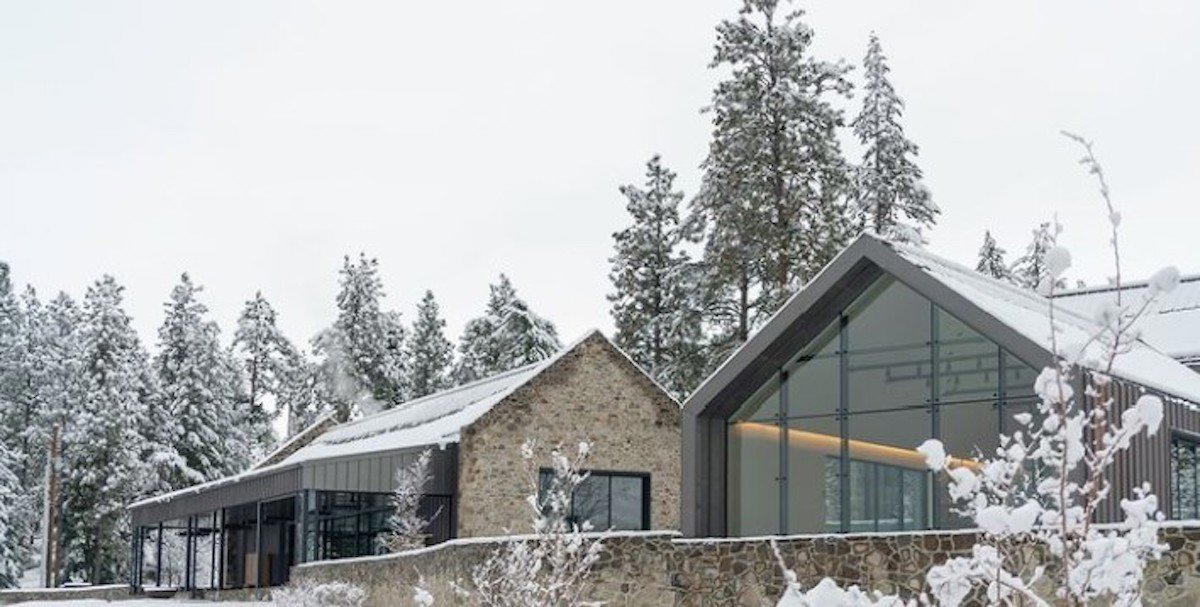
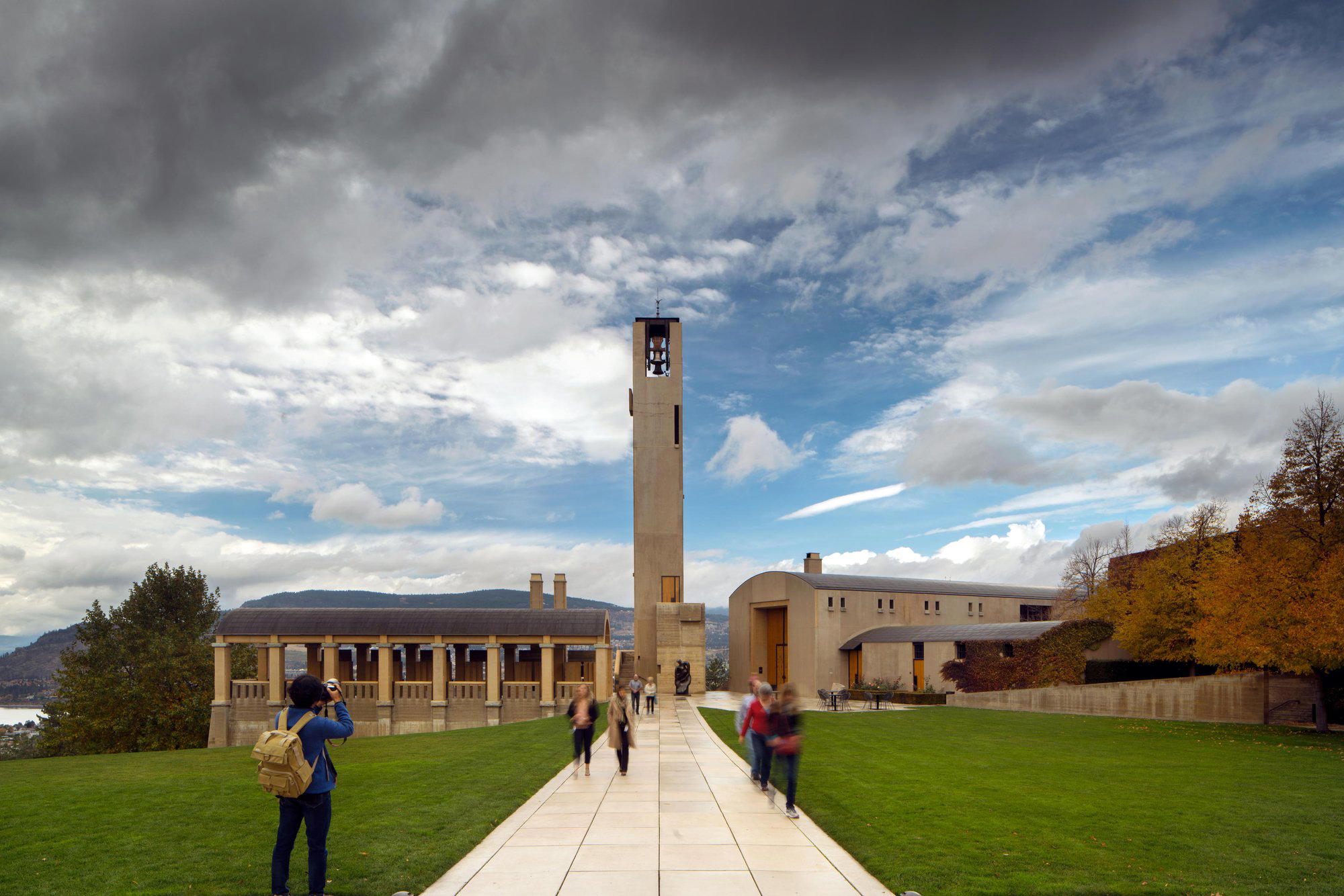
Naramata Inn occupies a restored heritage building on the eastern bench of Okanagan Lake, positioning itself within the Naramata Bench wine corridor that has become one of British Columbia's most concentrated premium wine destinations. The property sits at the intersection of agricultural heritage and design-conscious hospitality, with a kitchen and cellar program built around the surrounding terroir. For travellers combining wine country exploration with unhurried accommodation, it represents one of the more considered options in the southern interior.

Pearl is the En Primeur Club membership app — saves, bookings, and concierge access live there. Same editors, same standards.
- Address
- 3625 1 St, Naramata, BC V0H 1Z1, Canada
- Phone
- (778) 514-5444
- Website
- naramatainn.com
- Directions
- Get directions
A Bench Property in BC's Most Consequential Wine Village
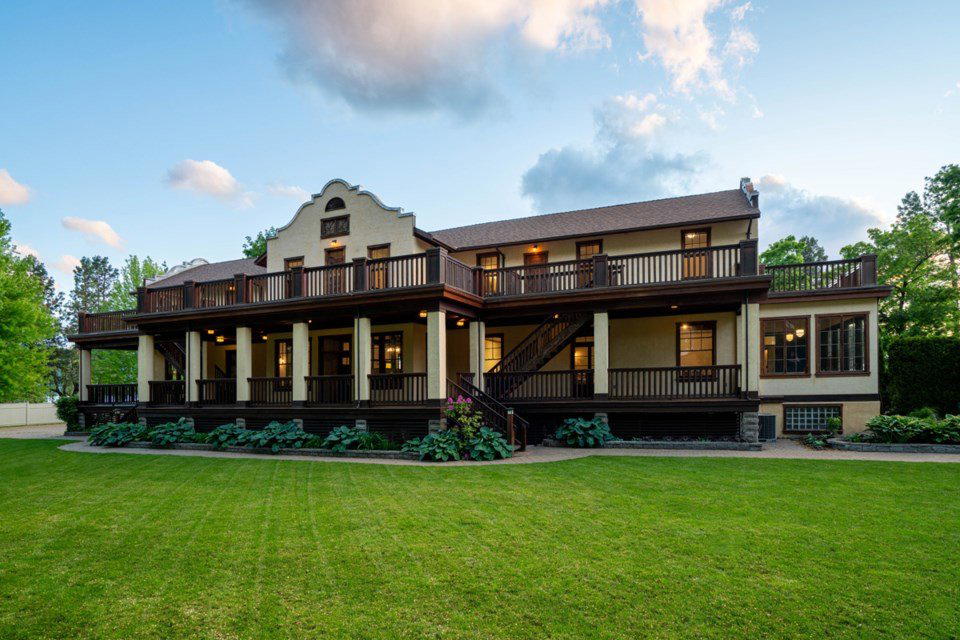
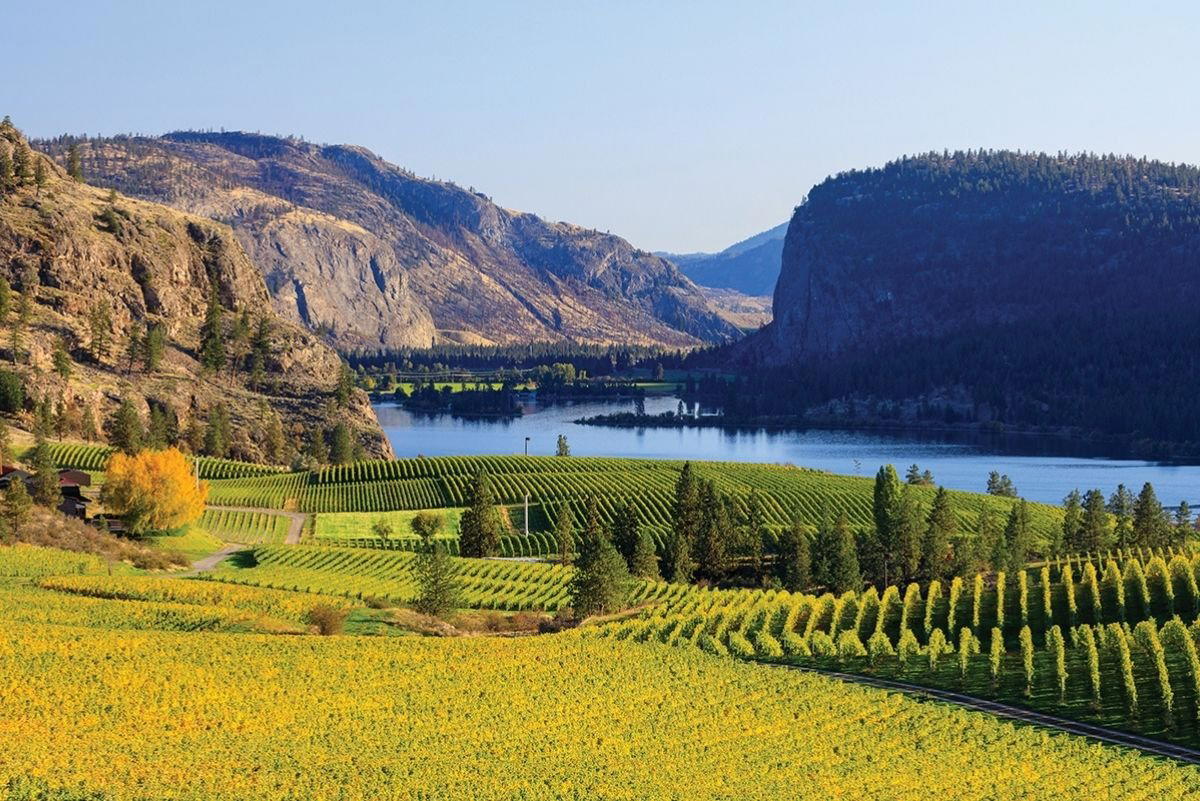
The Naramata Bench has been reshaping expectations of Canadian wine country for the better part of two decades. The strip of south-facing slope running along the eastern shore of Okanagan Lake concentrates an unusual density of small-production wineries, farm operations, and orchard holdings within a few kilometres. What was once an agricultural backwater to Kelowna's more commercial centre has become the address most serious visitors to the Okanagan Similkameen region seek out first. Naramata Inn sits at 3625 1st Street in the village itself, a restored heritage structure that reflects the architectural grammar of the early settlement period rather than the generic resort vernacular that has consumed much of BC's wine country development.
Arriving in Naramata by the lakeside road from Penticton, the shift in pace is physical. The narrow road narrows further, the lake opens to the left, and the village resolves into a handful of heritage buildings, orchards in close proximity, and a social scale that feels deliberately resistant to the scale-up instinct visible elsewhere in the valley. The Inn arrives without theatrical signage or resort-scale parking — an architectural posture that communicates its position in the hospitality market before a room is booked.
The Architecture as Editorial Statement
Heritage restoration in Canadian hospitality tends toward two outcomes: the property is either over-polished into period-pastiche, or it is stripped to bare bones in a gesture toward contemporary minimalism. The more interesting properties find a third route, where the original structure is allowed to speak without being either frozen or erased. The Naramata Inn belongs to this third category. The building's heritage bones — the scale, the proportions, the relationship to the street, are preserved in a way that keeps the property grounded in place. The intervention reads as careful editing rather than renovation-as-erasure.
This approach aligns the Inn with a cohort of Canadian properties that have made architecture and authentic material character a differentiating asset. Elora Mill in Centre Wellington operates on a similar logic, where the structural age of the building becomes the primary design element rather than something to be apologised for. Manoir Hovey in North Hatley sustains a comparable relationship between heritage architecture and contemporary hospitality expectations. What separates these properties from larger-footprint competitors is the specificity of their physical context: you cannot replicate the building without replicating the place, which creates a competitive moat that renovation budgets alone cannot manufacture.
For contrast, the large-footprint mountain properties, Fairmont Chateau Whistler and Fairmont Banff Springs, operate within purpose-built resort architectures that project grandeur at scale. Fairmont Chateau Lake Louise and Fairmont Empress Hotel in Victoria similarly trade on built-for-purpose historic structures. The Naramata Inn plays a different game entirely: intimacy over spectacle, agricultural context over alpine drama.
Dining and the Terroir Premise
Wine country hospitality in British Columbia has increasingly organised itself around a terroir premise: the food and drink program should reflect the immediate geography in a way that justifies the destination's separation from urban dining circuits. This is easier stated than executed. Many regional properties gesture at local sourcing without substantive supply-chain discipline, and the wine list frequently tells the clearest story about how seriously a property takes its regional identity.
At Naramata Inn, the kitchen and cellar program are built around the Naramata Bench itself, a position that the surrounding landscape makes almost unavoidable. The Bench hosts wineries whose production is predominantly allocated directly or through the property cellar doors within the valley, making a genuinely local wine program achievable in a way it would not be for urban properties chasing the same credential. For guests whose primary interest is in understanding the Okanagan's wine geography through the glass rather than through a tasting room trail, a property with serious curatorial intent around local producers is the logistically efficient choice.
This model draws comparison with remote-destination properties that have made the dining program a primary reason for the journey. Fogo Island Inn in Joe Batt's Arm has made its kitchen a practitioner of hyper-local sourcing within a genuinely remote context. Clayoquot Wilderness Lodge in Tofino positions its food program within the Pacific coastal ecology. The Naramata Inn operates on the same logic at a different scale and in a context where the agricultural source material is arguably more varied and accessible.
Planning a Stay
Naramata is approximately 15 kilometres north of Penticton, accessible by car along the lakeside road. The journey from Vancouver is around five hours by road or a short flight to Kelowna followed by a drive south; Penticton Airport offers more direct access to the valley. The Bench's winery season runs from late spring through the harvest period in September and October, with harvest weeks representing the highest demand period across all Naramata accommodation. Booking ahead for any visit between July and October is the standard requirement across the village, not specific to this property. The Inn's heritage building scale implies limited room count, which reinforces the advance-booking logic for anyone targeting a specific weekend. For travellers considering a broader BC wine country and hospitality circuit, the Inn pairs naturally with a Vancouver base at a property like Rosewood Hotel Georgia before or after the valley leg.
For those building longer Canadian itineraries that combine wine country with other design-forward or heritage-focused properties, the comparison set is instructive. Le Germain Charlevoix Hotel & Spa in Baie-St-Paul and Langdon Hall Country House Hotel & Spa in Cambridge occupy comparable niches in their respective provinces, where architectural character and dining seriousness define the offer rather than amenity volume. Cathedral Mountain Lodge in Field and Deer Lodge represent the mountain-adjacent alternative within BC and Alberta for travellers whose itinerary extends into the Rockies.
Quick Comparison
| Venue | Price | Awards |
|---|---|---|
| Naramata InnThis venue — the venue you are viewing | Not listed | Not listed |
| Four Seasons Hotel Toronto | $200–300 | 2 Michelin Keys · La Liste Top Hotels |
| Fairmont Chateau Whistler | Not listed | 2 Michelin Keys · Forbes Recommended |
| Four Seasons Resort Whistler | $300–500 | 2 Michelin Keys · La Liste Top Hotels |
| Rosewood Hotel Georgia | Not listed | 2 Michelin Keys · La Liste Top Hotels |
| Fairmont Banff Springs | $300–500 | 1 Michelin Key · Forbes 4-Star |
Continue exploring
More in Okanagan Similkameen
Bars in Okanagan Similkameen
Browse all →

Restaurants in Okanagan Similkameen
Browse all →



Details
- Romantic
- Cozy
- Rustic
- Scenic
- Elegant
- Romantic Getaway
- Anniversary
- Weekend Escape
- Historic Building
- Garden
- Terrace
- Panoramic View
- Wi Fi
- Spa
- Breakfast Included
- Garden
- Garden
- Mountain
Vintage charm blended with modern comforts, featuring period details, antique furnishings, cozy robes, and serene garden and lake views from verandas.