MalisGarten

MalisGarten in Zell am Ziller occupies a quieter tier of Austrian alpine wellness, where the Herbarium Spa, cryo sauna, and nature-rooted dining sit within a property designed around the idea of longevity and balance. For travellers who find the larger Tyrolean resort circuits too blunt in their approach to recovery, it represents a more considered alternative on the Zillertal valley floor.
Pearl is the En Primeur Club membership app — saves, bookings, and concierge access live there. Same editors, same standards.
- Address
- Rohrerstraße 5, 6280 Zell am Ziller, Austria
- Phone
- +43 5282 2236
- Website
- malisgarten.at
- Directions
- Get directions
 Saves & bookings on Pearl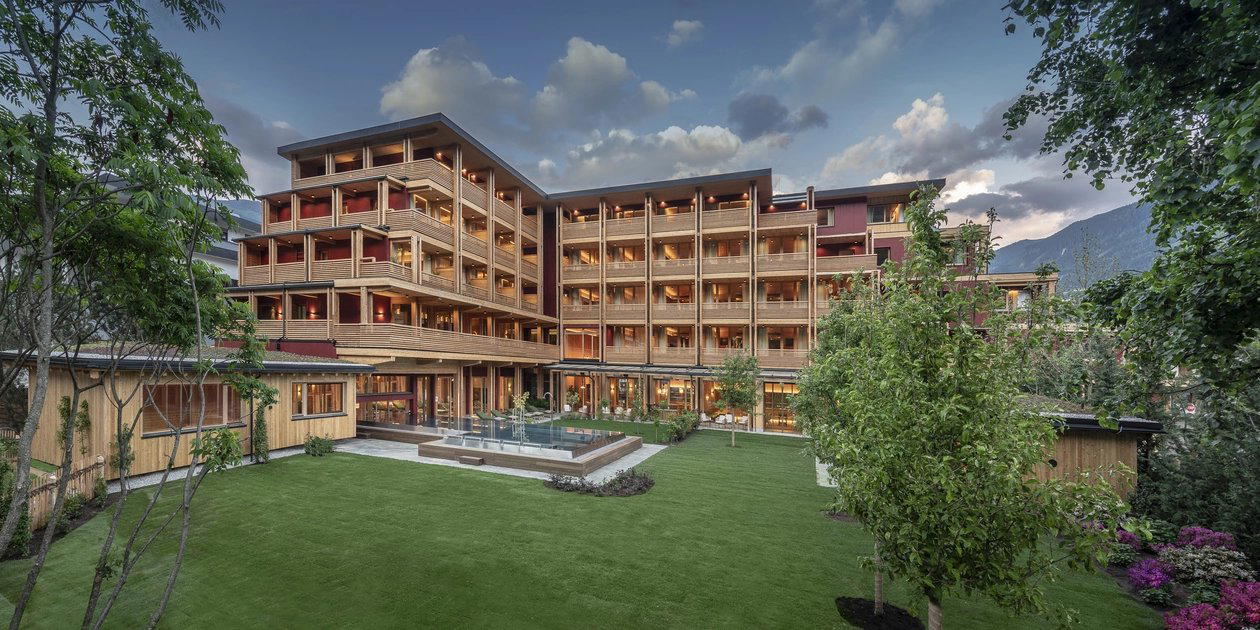
The Zillertal Wellness Divide
Austria's alpine wellness market has split into two recognisable camps. On one side sit the large, amenity-stacked resort hotels that treat the spa as a revenue centre, measured in square metres of pool deck and the number of infrared cabins listed on a brochure page. On the other sits a smaller cohort of properties where the therapeutic logic runs deeper, and the architecture is designed to reinforce it rather than simply house it. MalisGarten belongs to the second group. The Zillertal valley is well-served by properties in both camps: Das Posthotel and Wellnesshotel Theresa both operate in the same village, giving guests a direct basis for comparison. MalisGarten's positioning, anchored around the specific concept of longevity and balance rather than a broad spa menu, places it in a niche that rewards a particular type of traveller.
Architecture as Argument
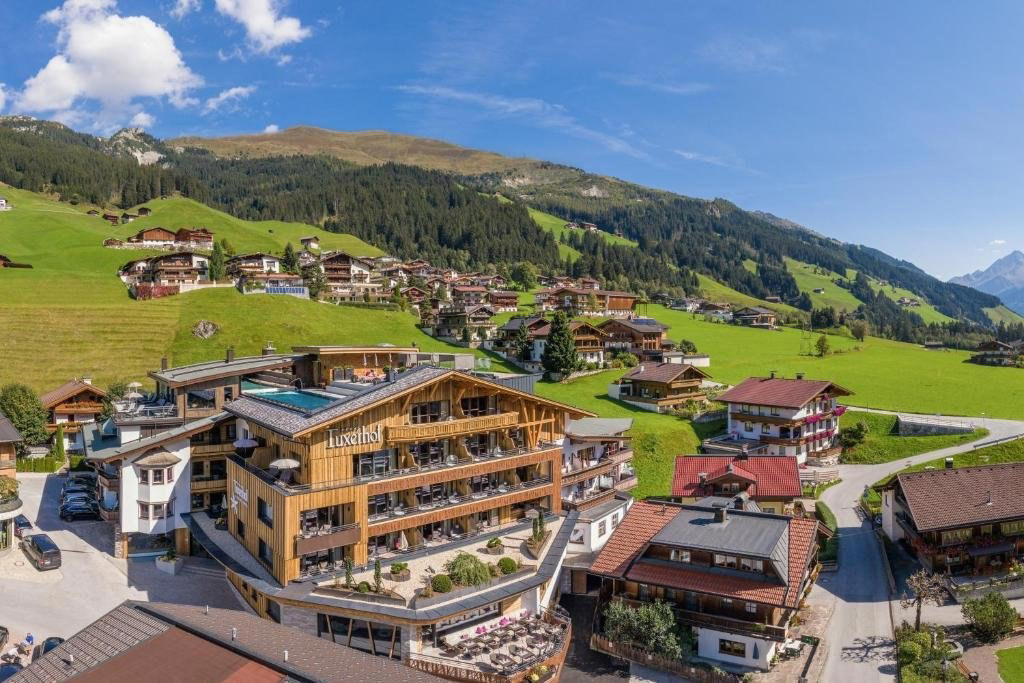
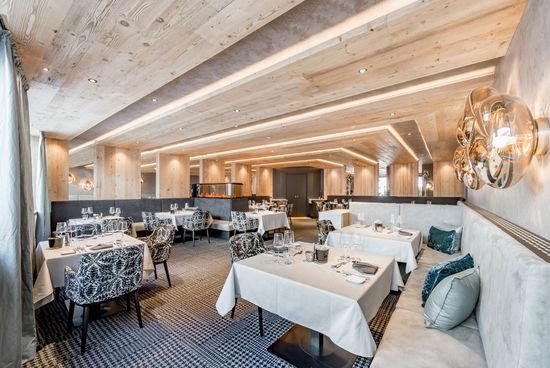
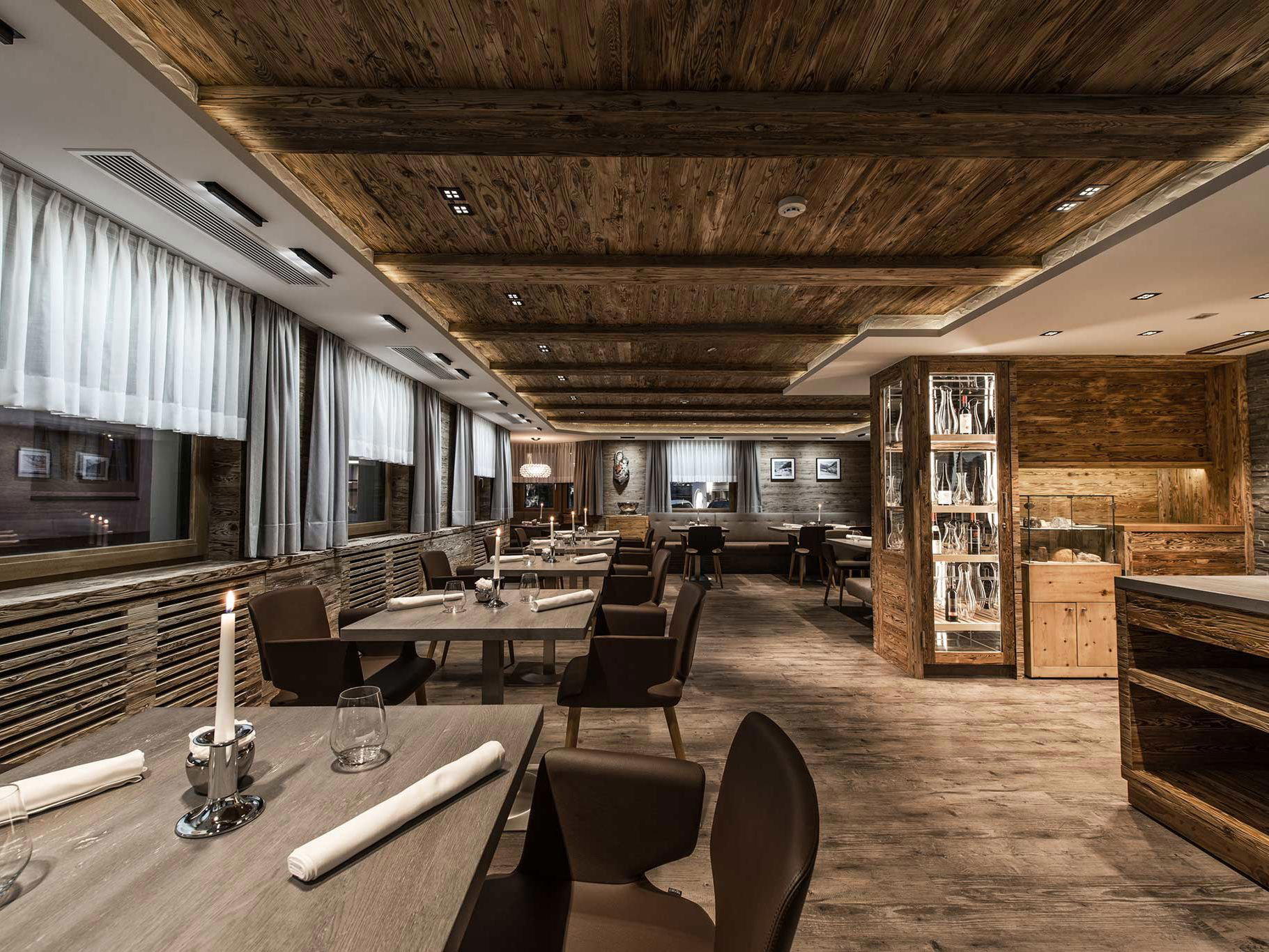
The design logic at MalisGarten is inseparable from its therapeutic premise. Properties that orient around longevity and recovery tend to make deliberate spatial choices: natural materials that reduce synthetic off-gassing, lighting calibrated to circadian rhythms, and a layout that guides guests from activity to rest without friction. The Herbarium Spa concept signals this orientation clearly. An herbarium, in its traditional sense, is a curated collection of plant specimens preserved for study and use. Translated into spa architecture, it suggests a space built around botanical sources of wellness, which in practice means a design vocabulary of wood, stone, dried plant matter, and natural textiles rather than the chrome and glass aesthetic of the high-volume resort spa. This is a meaningful distinction. Across the broader Austrian alpine circuit, from Aktiv & Wellnesshotel Bergfried in Tux to Alpen-Wellness Resort Hochfirst in Obergurgl, the tension between spectacle-driven spa design and quieter, material-led environments is one of the defining fault lines in the category.
The Cryo Sauna in Context
Cryotherapy has moved from the fringes of sports recovery into mainstream alpine wellness over the past decade. The cryo sauna at MalisGarten places it in alignment with a broader trend in serious recovery programming, where cold exposure is understood as a physiological tool rather than a novelty treatment. The inclusion alongside the Herbarium Spa is not incidental: the pairing of plant-based, slow-release wellness with the acute stimulus of cryotherapy reflects a dual-track approach to longevity that has more in common with sports medicine than with traditional hotel spa thinking. For context, properties at the upper end of the Austrian alpine market, including Alpenresort Schwarz in Obermieming and Naturhotel Waldklause in Längenfeld, have integrated cold-therapy infrastructure into their wellness offers, reflecting demand from guests who arrive with specific recovery goals rather than a general desire for relaxation.
Dining Rooted in the Valley
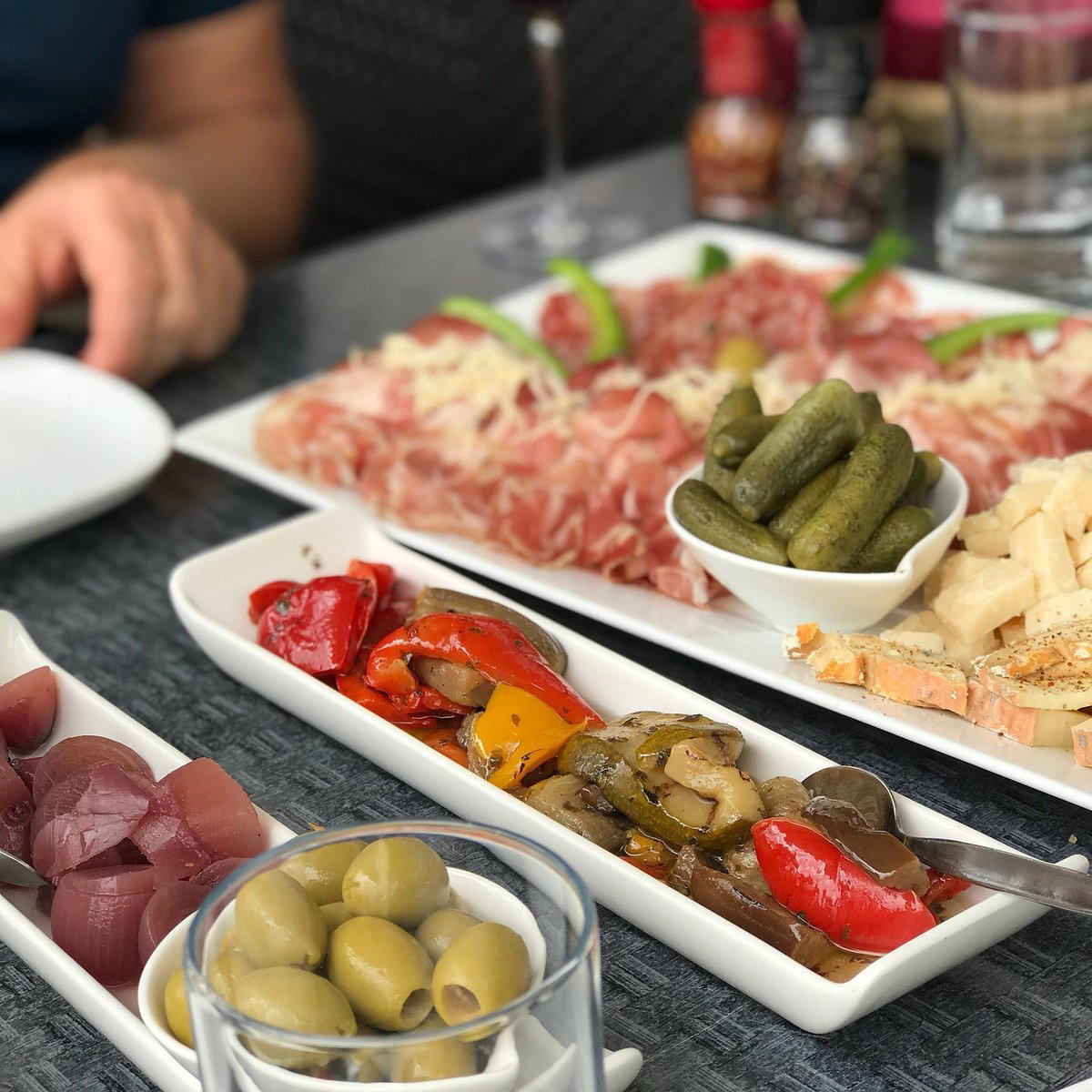
The culinary programme at MalisGarten is rooted in nature, which in the Tirolean context is a positioning with genuine regional depth. The Zillertal sits in a valley where alpine farming has shaped the food culture for centuries. Dairy, cured meats, rye, and foraged ingredients form the foundation of the regional larder, and properties that take this seriously tend to work directly with local producers rather than importing a generic European hotel kitchen approach. Nature-rooted dining in this tradition is not a marketing claim about salads; it means a kitchen calendar organised around what the surrounding landscape produces by season, with preparation methods that reflect the preservation techniques historically necessary in an alpine environment. This connects MalisGarten's culinary approach to a broader Tirolean dining philosophy that guests can trace across the region, from village Gasthäuser to higher-end properties such as Grand Tirolia Kitzbühel.
Positioning Within the Austrian Wellness Circuit
Austria's wellness hotel market is mature and geographically spread. Guests researching serious spa stays will typically compare properties across multiple valleys and provinces. MalisGarten's location in the Zillertal places it within a well-connected corridor: the valley is accessible from Innsbruck and has direct road links southward toward the Italian border. Within Tirol, the comparable set includes Bergland Sölden Design- und Wellnesshotel in Sölden and LEADING Hotel Hochgurgl in Hochgurgl, both of which operate design-led wellness formats in comparable mountain settings. Stepping outside Tirol, the competitive reference points shift: DAS EDELWEISS in Grossarl and Alpine Resort Sacher Seefeld in Seefeld both serve a similar high-intent wellness traveller in the Salzburg and Northern Tirol markets. For those who want to bookend a Tirol wellness stay with a city night, Hotel Schwarzer Adler Innsbruck provides a logical stopover, while Hotel Sacher Wien in Vienna suits those routing through the capital. Guests extending into Salzburg have options at Schloss Mönchstein and Rosewood Schloss Fuschl in Hof bei Salzburg, the latter sitting at a higher price point with a corresponding shift in scale and amenity.
Planning a Stay
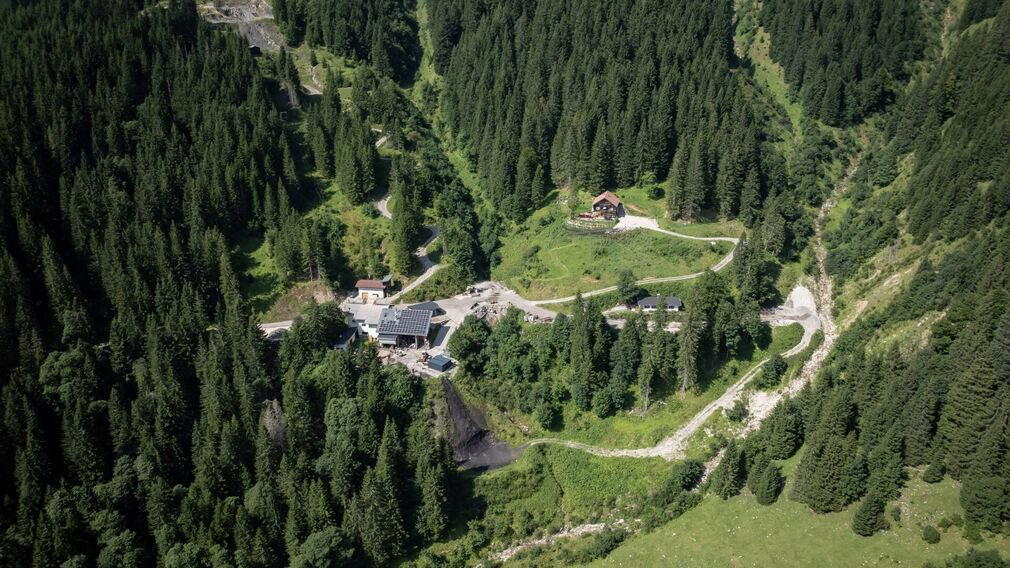
Zell am Ziller is best reached by rail via the Zillertalbahn narrow-gauge line from Jenbach, itself served by mainline ÖBB trains connecting to Innsbruck, Salzburg, and Vienna. The valley runs a predictable seasonal rhythm: winter brings ski access to the Zillertal Arena and surrounding resorts, while summer attracts hiking and cycling guests. Both seasons align with wellness programming, though the character of the stay shifts considerably. A guest arriving in February is likely to combine spa time with on-mountain activity; a July guest will find the valley quieter and the hiking infrastructure at its most accessible. MalisGarten's address at Rohrerstraße 5 places it on the village floor rather than at altitude, meaning both seasons are served without the access complications of high-mountain properties. For a broader orientation to what the village and valley offer, the local dining and hospitality options are easy to explore independently.
The Longevity Hotel as a Format
MalisGarten's self-framing around longevity connects it to a format that has gained traction across European alpine markets. The longevity hotel is distinct from the traditional wellness hotel in that it organises its programming around measurable health outcomes rather than the experiential pleasure of spa treatment. This means cold therapy, dietary discipline, sleep protocols, and movement programming sit alongside or above conventional relaxation-focused offerings. It is a more demanding format for guests to engage with, and it tends to attract a visitor who arrives with specific intentions rather than a vague sense that a mountain break would be restorative. Across Austria, this niche remains smaller than the mainstream wellness market, and properties that occupy it credibly, as MalisGarten appears to, sit in a distinct competitive position relative to larger resorts such as Falkensteiner Schlosshotel Velden or LOISIUM Wine & Spa Resort Langenlois, which operate across a broader and more eclectic offer.
Comparable Venues
Comparable venues nearby, for context on price, style, and recognition.
| Venue | Cuisine | Price | Awards | Notes |
|---|---|---|---|---|
| MalisGartenThis venue — the venue you are viewing | 5*Superior Green Spa Hotel with natural wood architecture | $$$$ | 5-Star | Not listed |
| Wellnesshotel Theresa | Family-run luxury wellness hotel blending traditional Tyrolean architecture with contemporary spa facilities, positioned as a full-board gourmet and wellness destination. | $$$$ | 4-Star | Zell am Ziller center |
| Das Posthotel | Modern alpine boutique with ecological sustainable design | $$$$ | Michelin 1 Key | Zell am Ziller |
| Hotel Almhof Schneider | Family-owned alpine heritage hotel with contemporary reinterpretation of vernacular style. | $$$$ | 5-Star | Lech |
| Bio-Hotel Stanglwirt | Traditional chalet-style bio-hotel with sustainable alpine architecture | $$$$ | 5-Star | Going am Wilden Kaiser |
| Hotel Bristol Salzburg | Historic luxury boutique hotel built in 1892, family-run for generations. | $$$$ | 5-Star | Rechte Altstadt |
Recognition history
Dated appearances from independent guides and award organizations, with the underlying list record or original source where available.
The Longevity Hotels Longevity Hotel Member
The Longevity Hotels
Continue exploring
More in Zell am Ziller
Hotels in Zell am Ziller
Browse all →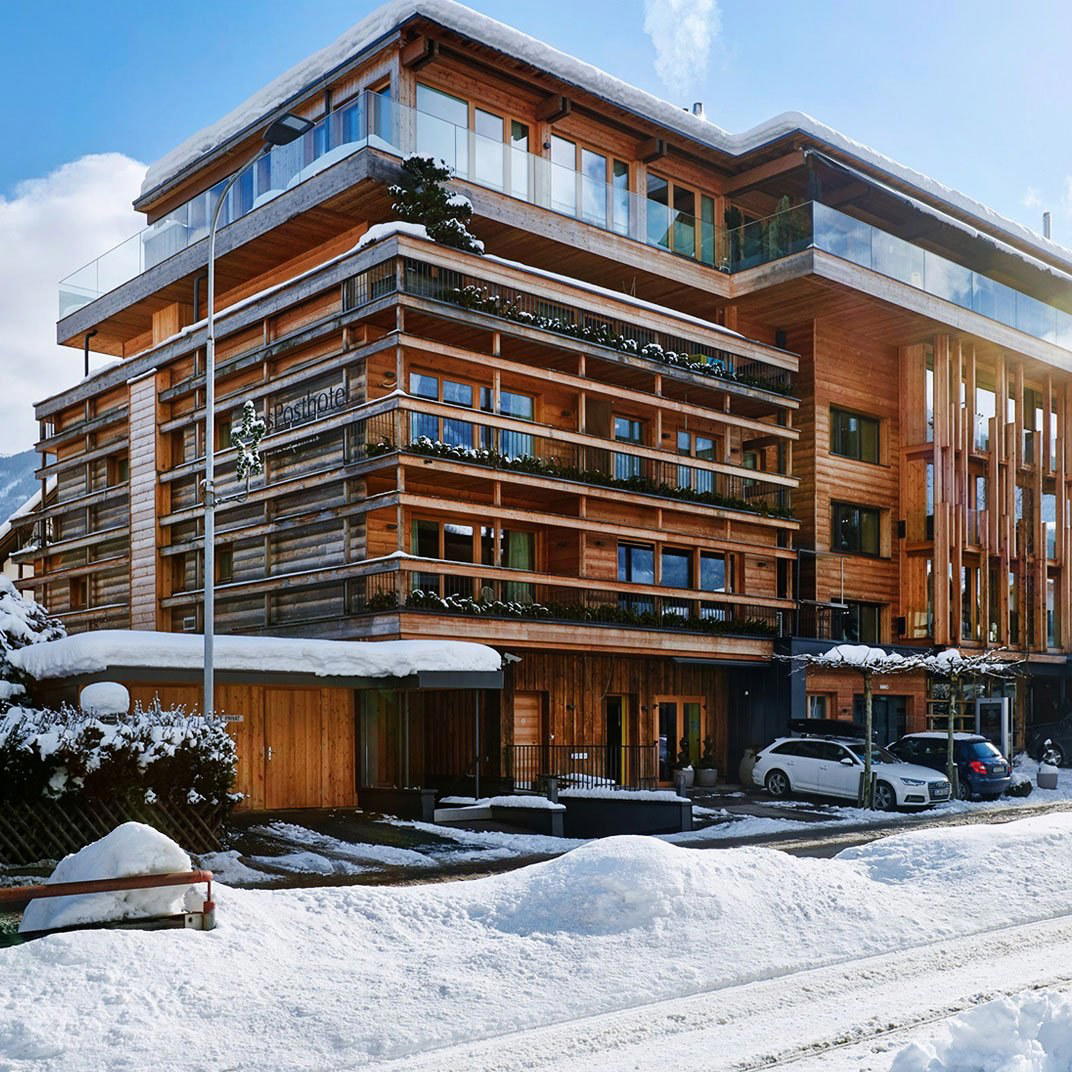
Bars in Zell am Ziller
Browse all →
Restaurants in Zell am Ziller
Browse all →

At a Glance
- Quiet
- Cozy
- Elegant
- Scenic
- Romantic
- Romantic Getaway
- Wellness Retreat
- Anniversary
- Weekend Escape
- Panoramic View
- Destination Spa
- Spa
- Pool
- Sauna
- Fitness Center
- Wi Fi
- Restaurant
- Free Parking
- Mountain
- Garden
- Spa
- Pool
- Sauna
- Fitness Center
- Wi Fi
- Restaurant
- Free Parking
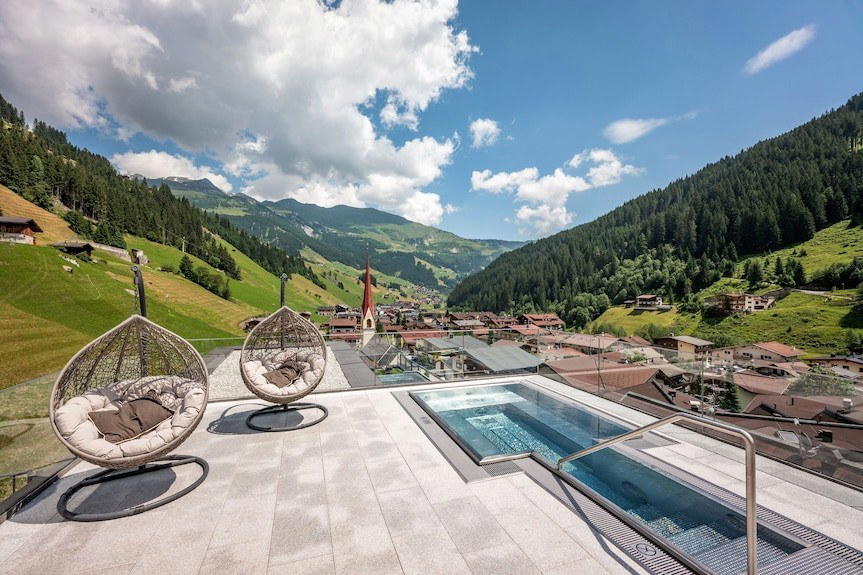
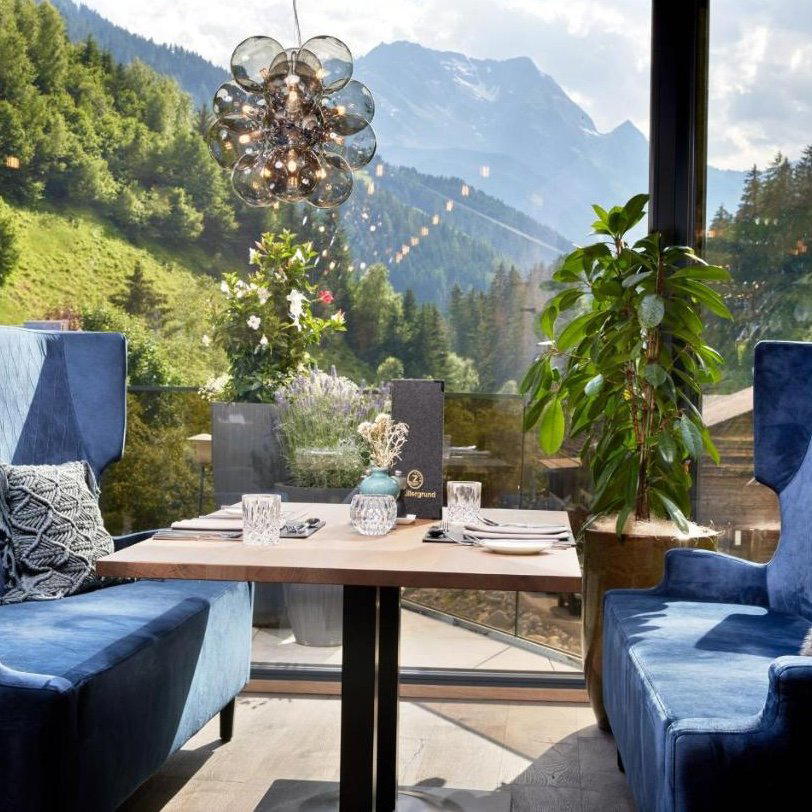
Warm wooden interiors radiate calm and harmony with light-flooded rooms, elegant fabrics, and a peaceful spa oasis.