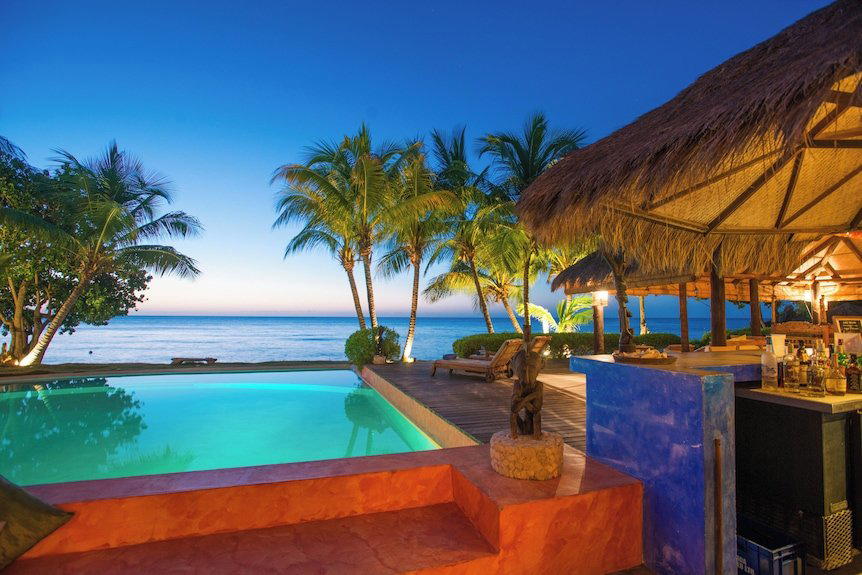
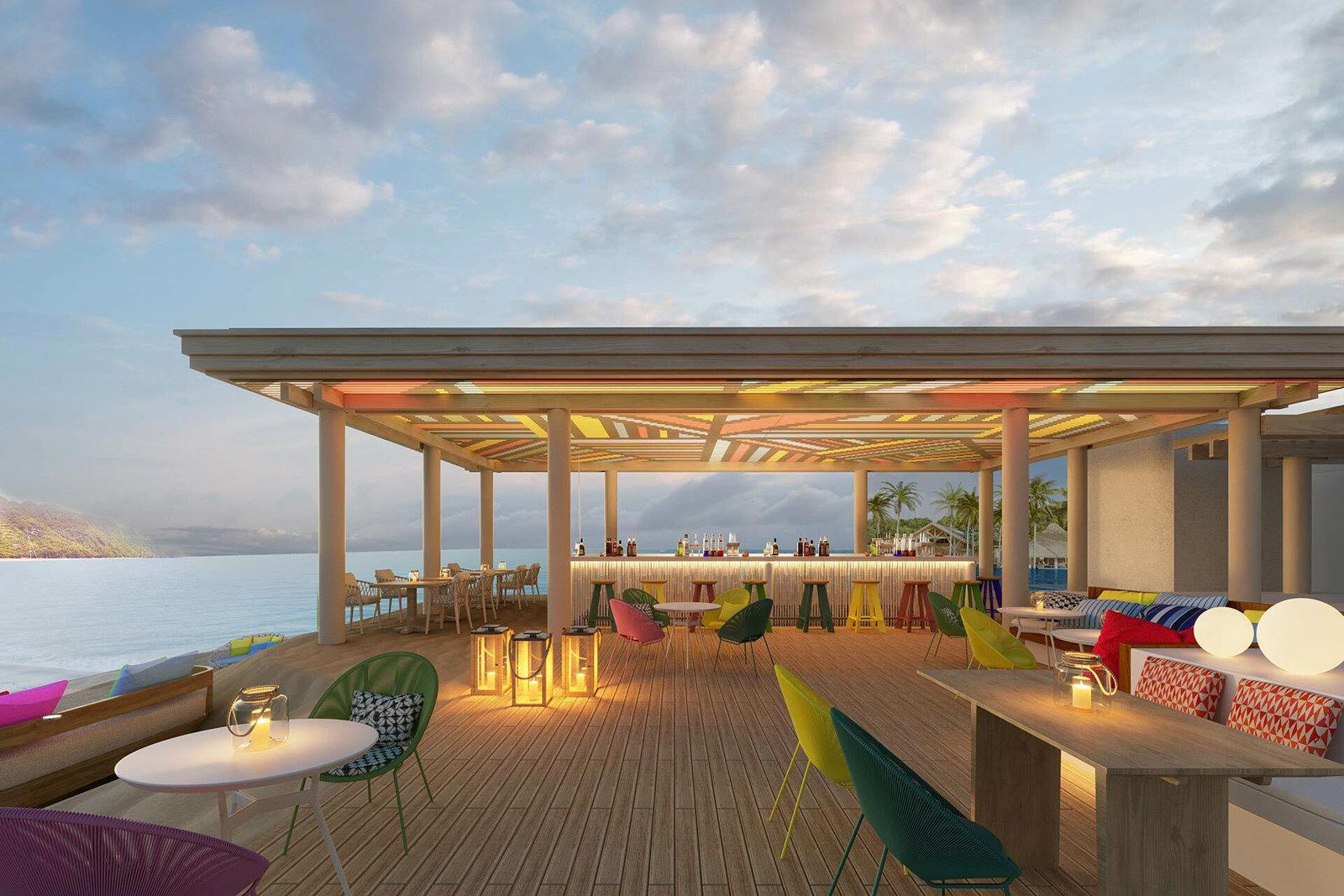
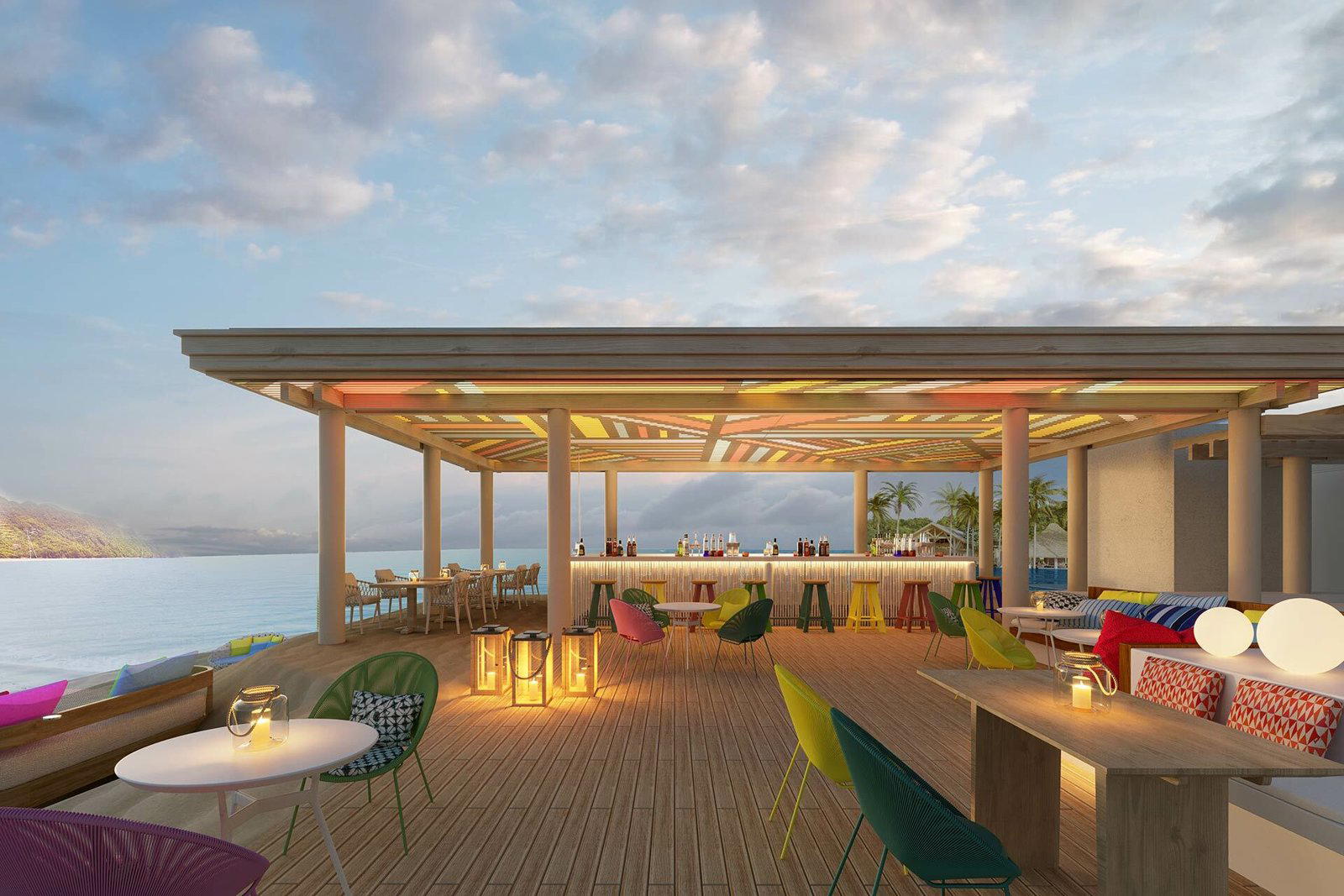
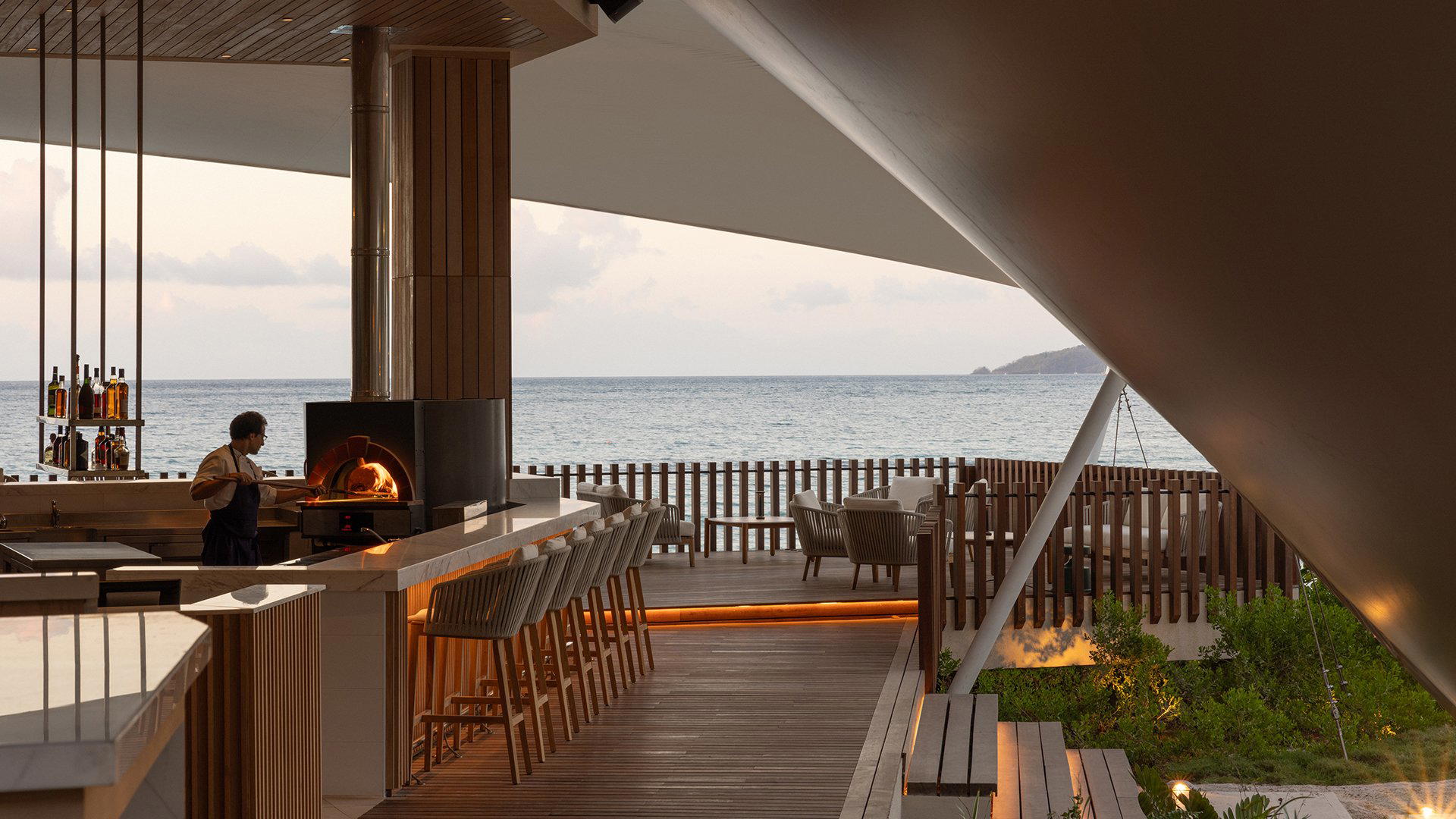
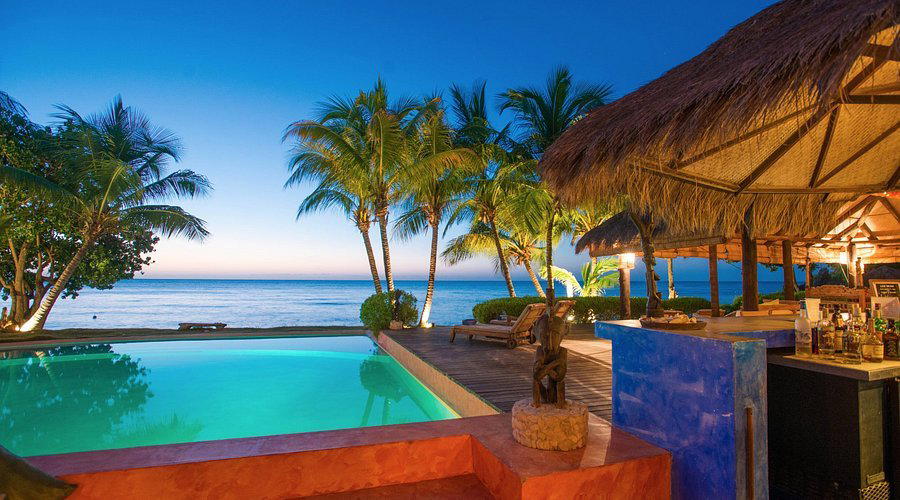
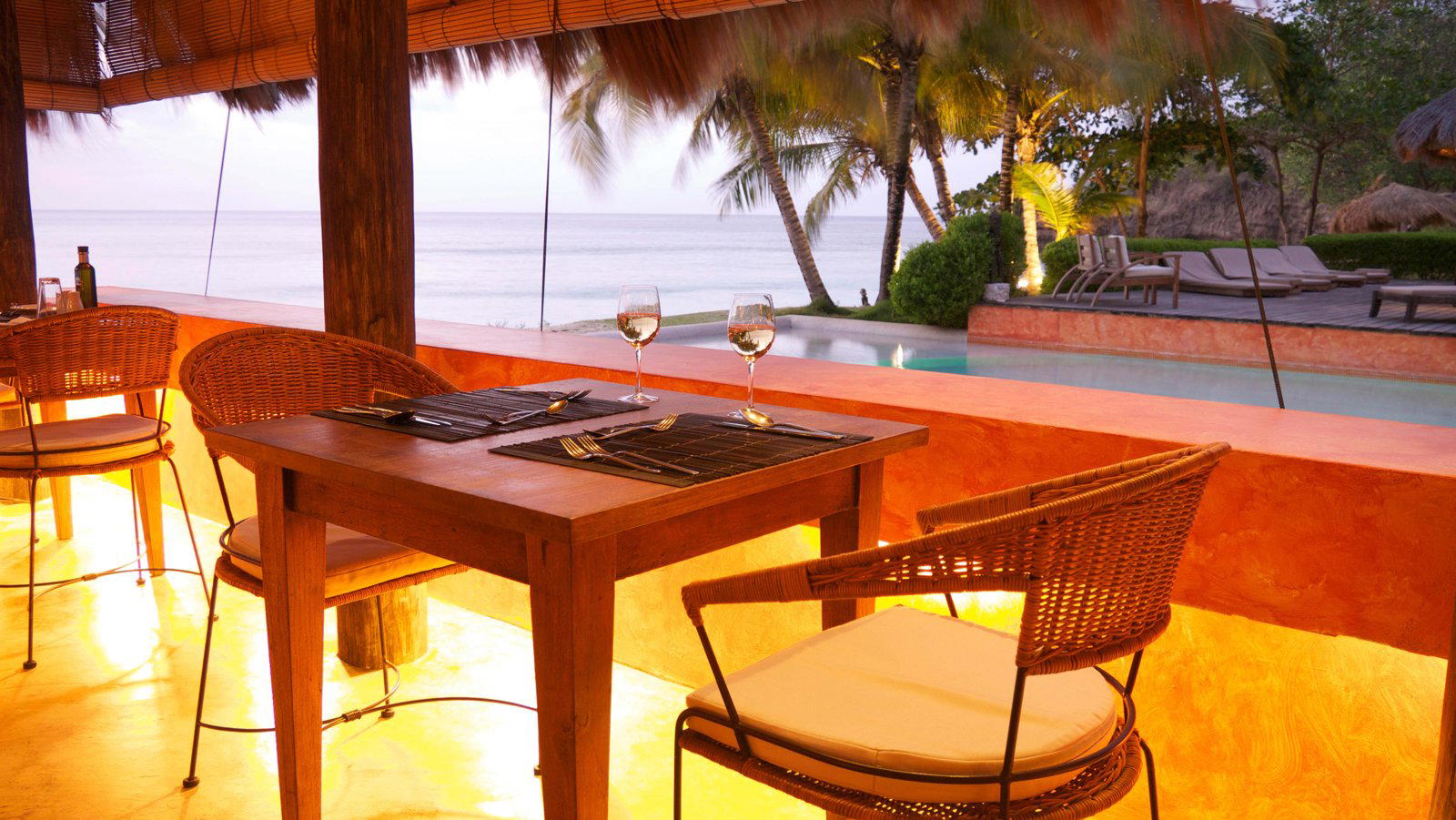
Perched above the southwest coast of Grenada along Maurice Bishop Memorial Highway, Maca Bana occupies a promontory position that places the Caribbean Sea directly in the sightline from most of its villas. The property belongs to a small cohort of design-conscious boutique stays on the island that prioritise architectural intimacy over resort scale, making it a reference point for travellers weighing Grenada's independent accommodation tier against its larger resort neighbours.
Pearl is the En Primeur Club membership app — saves, bookings, and concierge access live there. Same editors, same standards.
- Address
- Maurice Bishop Memorial Hwy, Grenada
- Phone
- +1 473 439 5355
- Website
- macabana.com
- Directions
- Get directions
 Saves & bookings on Pearl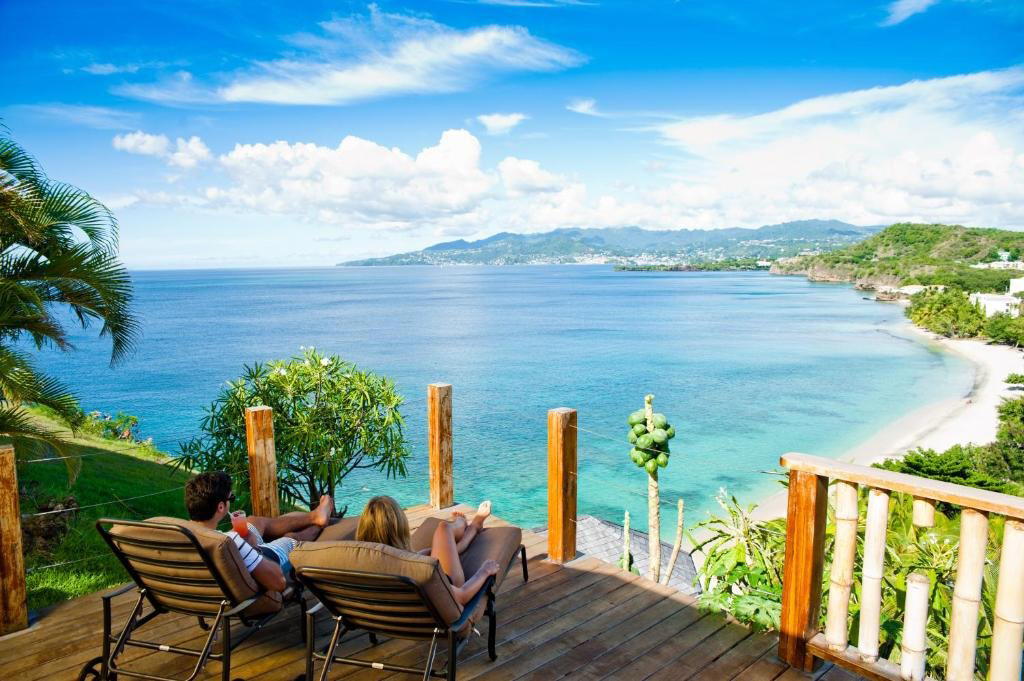
Where Grenada's Coastline Earns Its Architecture
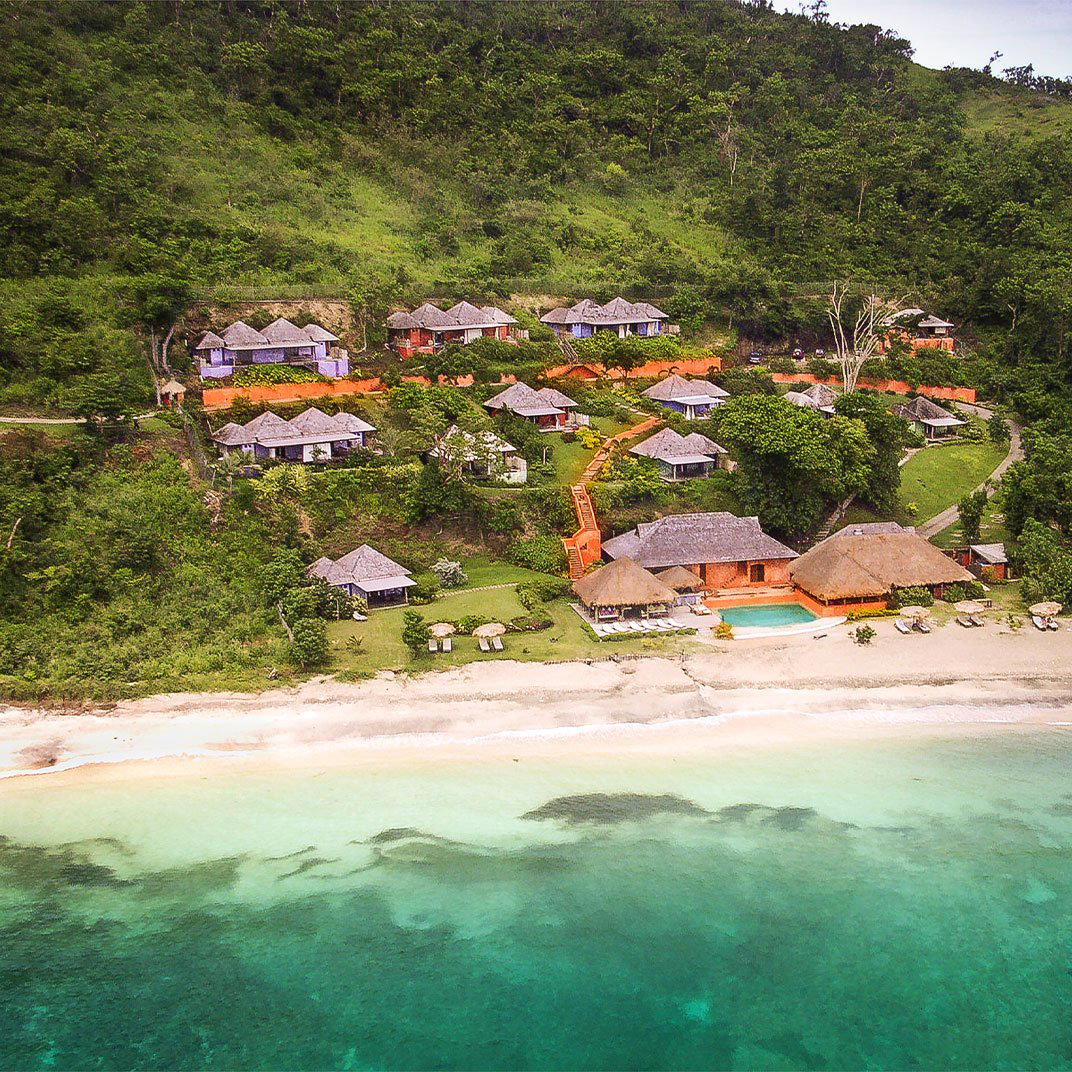
The southwest corridor of Grenada, running along Maurice Bishop Memorial Highway toward Point Salines, has become the island's most architecturally layered strip of accommodation. Properties here compete not on amenity breadth but on how precisely their physical design responds to the landscape they occupy. Maca Bana sits within that framework, positioned above the sea on a hillside site where the relationship between structure and view is the primary design decision. The hotel has 7 villas and a 4-star rating. In a Caribbean context where many boutique properties default to a generic colonial-tropical vocabulary, the properties along this stretch tend toward something more considered, and Maca Bana is among the examples that travel writers and repeat visitors point to when the conversation turns to Grenada's independent lodging tier.
Grenada's luxury accommodation has historically split between full-service resort complexes concentrated around Grand Anse beach and smaller, villa-format properties scattered across the island's southern peninsulas and bays. The latter category, which includes names like Laluna Boutique Hotel and Villas and Calabash Hotel in Lance-aux-Épines, operates on a logic of spatial privacy and design specificity rather than programmatic completeness. Maca Bana belongs to this cohort: the draw is architectural placement, not lobby scale.
The Physical Experience of Arrival
Approaching the hotel from the highway, the property does not announce itself through gates or grand driveways. The vernacular here is low-profile, which is consistent with how the better small properties on Grenada's southern tip present themselves. What opens up on entry is the view corridor, which on this site is directed toward the sea. In a region where many boutique operators talk about integration with nature as an aspiration, the site geometry here makes it structural rather than decorative.
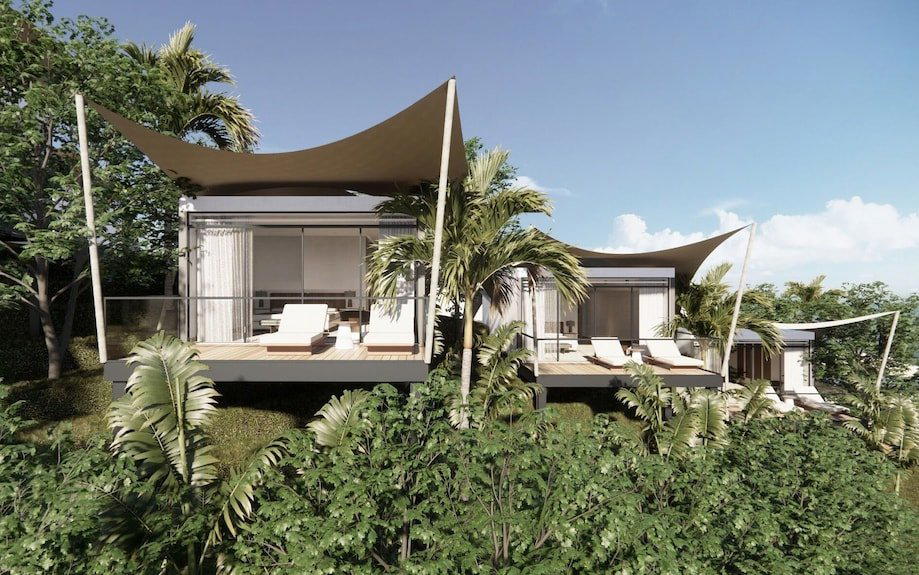
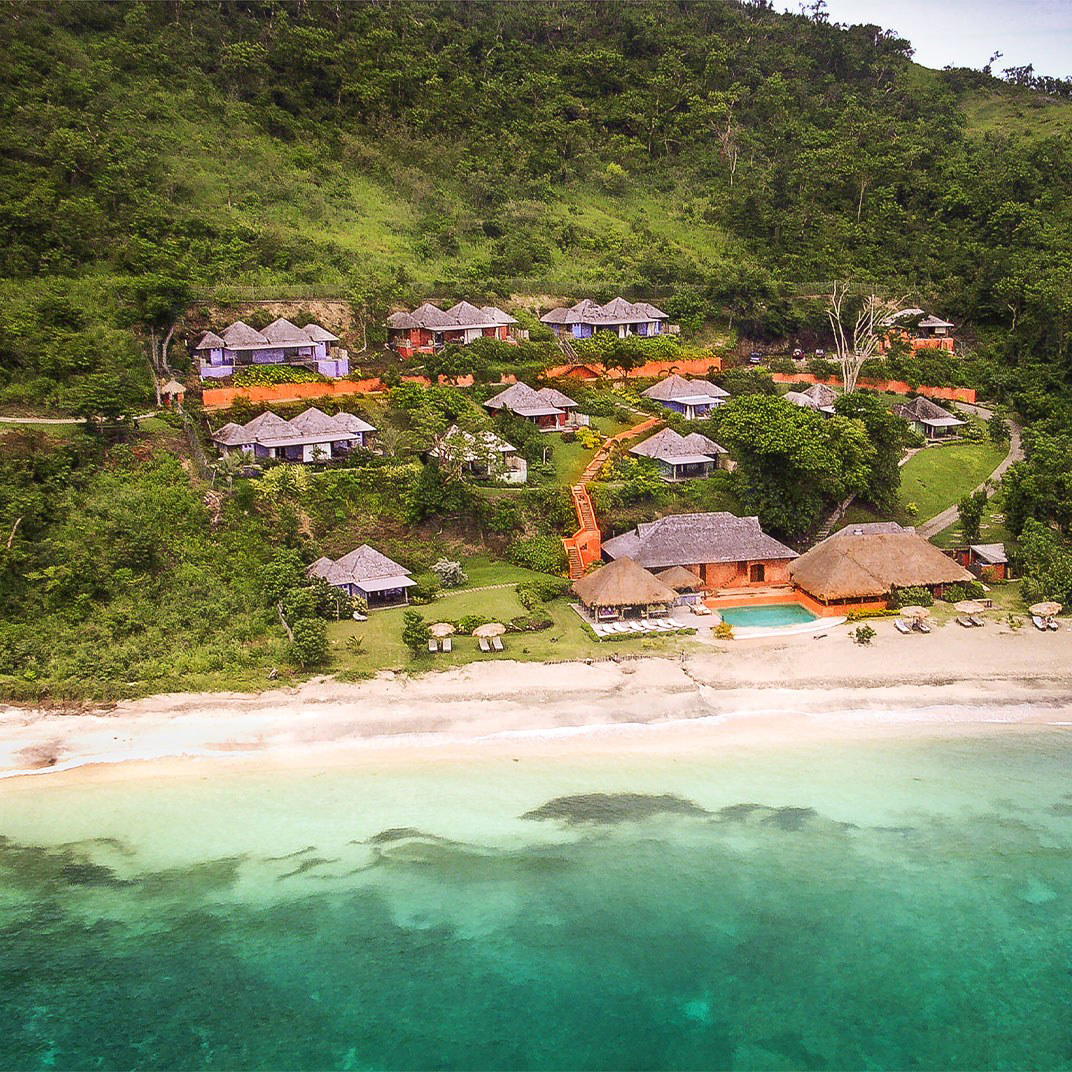
The villas follow a format common to serious hillside properties in the Caribbean: individual structures with private outdoor space, positioned to prevent direct sightlines between units while maximising exposure to the prevailing breeze and sea view. This is the same spatial logic you find at properties like Laluna in St. George's or, further afield, at hillside operations in Mustique and St. Lucia's Soufrière corridor. The execution varies; the principle is consistent across the category.
Architectural Identity Within the Grenada Boutique Tier
Grenada's boutique accommodation tier is smaller than those of Barbados or St. Lucia, which means individual properties carry more weight as reference points. When travellers or travel agents characterise the island's design-led options, a short list forms quickly: Silversands Beach House in St. George's, Le Phare Bleu in Egmont, Six Senses La Sagesse, and properties like Maca Bana that anchor a specific format: the villa-cluster model with refined coastal positioning.
The villa-cluster model as an architectural type in the Caribbean has roots in the development of small-island hospitality from the 1980s onward, when several operators began treating individual accommodation units as discrete structures rather than rooms within a building. The advantages are acoustic privacy, stronger connection to outdoor space, and the ability to calibrate each unit's orientation independently. The trade-off is that communal infrastructure, restaurants, pools, and reception areas require guests to move through shared paths or across a site, which suits some travellers and frustrates others. At the hotel, this trade-off is part of the property's identity.
For context on how Grenada fits within the wider Caribbean boutique picture, the island sits in a different tier from the heavily curated operations you find at, say, Amangiri or Castello di Reschio. Grenada's appeal is earned through character and position, not through design-hotel branding or international awards. That positioning gives properties like Maca Bana room to operate on their own terms, without competing against the globally recognised brand logic of an Aman Venice or a Cheval Blanc Paris.
Planning a Stay: What to Know Before You Book
Grenada's travel calendar concentrates between December and April, the dry season, when the island's Caribbean Sea exposure produces reliable conditions for both coastal stays and watersports. The rainy season, running roughly June through November, brings lower occupancy across the island's accommodation sector, which translates into more flexibility in room selection and, at some properties, adjusted pricing. For a hillside property like Maca Bana where the outdoor experience is central to the product, the dry-season window aligns most directly with the property's strengths.
Getting to Grenada means routing through Maurice Bishop International Airport at Point Salines, which sits at the island's southwest tip. The hotel's address on Maurice Bishop Memorial Highway places it within a short transfer distance of the airport, a logistical advantage that compact Grenada regularly offers properties in the southern parishes. Travellers arriving from North America typically connect through Miami, New York, or Toronto; European arrivals often route through London. Direct services from the US market operate seasonally, and booking windows for the peak December-to-April period at well-positioned boutique properties tend to narrow three to six months ahead.
For those weighing the hotel against other design-oriented stays on the island, a useful comparison set includes 473 Grenada Boutique Resort in Calivigny and Six Senses La Sagesse Grenada in St David. Each operates in a distinct micro-location with a different architectural emphasis: Calivigny's peninsula site, La Sagesse's protected bay, and the hotel's refined coastal vantage each produce a genuinely different physical experience. The choice between them is less about amenity comparison and more about which site geometry and design language fits the trip.
Comparable Venues
Comparable venues nearby, for context on price, style, and recognition.
| Venue | Cuisine | Price | Awards | Notes |
|---|---|---|---|---|
| Maca BanaThis venue — the venue you are viewing | Eco-friendly hillside boutique resort with self-catering villas | $$$$ | 4-Star | Not listed |
| 473 Grenada Boutique Resort | Retro-inspired luxury boutique resort embodying relaxed Southern Caribbean island lifestyle with contemporary upscale amenities. | $$$$ | 4-Star | Fort Jeudy, Petite Calivigny |
| Laluna | Boutique beachfront resort with intimate cottage accommodations | $$$$ | 4-Star | Morne Rouge |
| Le Phare Bleu | Boutique villa resort with marina | $$$$ | 4-Star | Egmont |
| Laluna | Luxury boutique resort designed by renowned architect Gabriella Giuntoli, blending Indonesian and Italian influences with Caribbean sensibilities in an intimate hillside setting. | $$$$ | 5-Star | Morne Rouge |
| True Blue Bay Boutique Resort | Tropical hillside boutique resort with waterfront access and sustainable practices | $$$ | 4-Star | True Blue |
At a Glance
- Romantic
- Quiet
- Scenic
- Intimate
- Elegant
- Honeymoon
- Romantic Getaway
- Anniversary
- Weekend Escape
- Beachfront
- Infinity Pool
- Private Villa
- Panoramic View
- Wi Fi
- Pool
- Spa
- Concierge
- Beach Access
- Waterfront
- Wi Fi
- Pool
- Spa
- Concierge
- Beach Access
Laid-back luxury in a lush, jungle-like tropical garden setting with a warm, relaxing atmosphere.