
Conde Nast Best Resorts #31
Ranked 31st on Condé Nast's 2025 Best Resorts list, Lolebezi sits along the Lower Zambezi in Jeki, Zambia, placing it among a small tier of design-led safari properties where setting and spatial discipline matter more than scale. The property draws serious safari travellers seeking direct water-edge access to one of southern Africa's most consequential wildlife corridors.

Pearl is the En Primeur Club membership app, where members save venues, book tables and use the concierge.
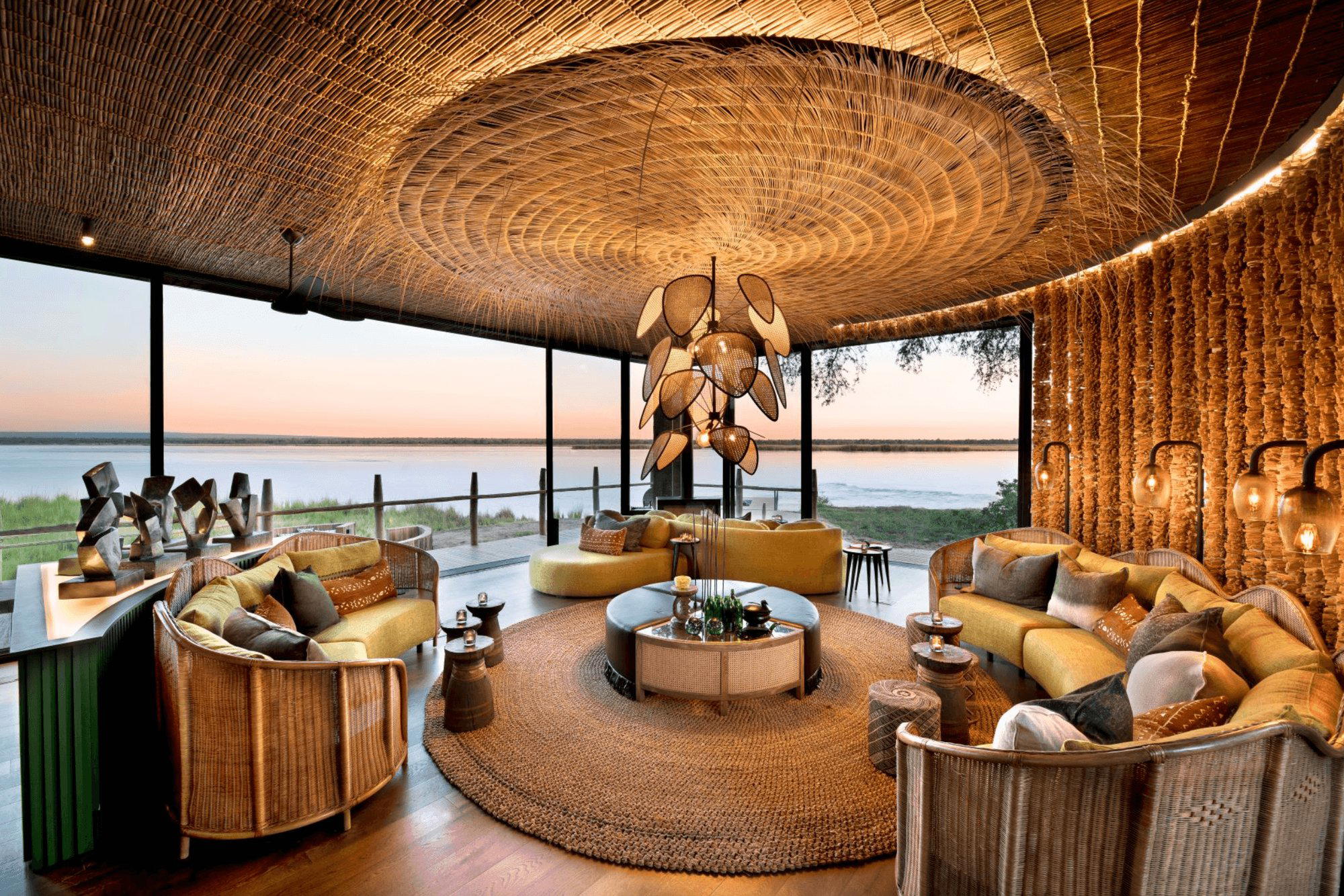
Where the Zambezi Does the Architecture's Heavy Lifting
There is a particular design logic that governs the most considered safari camps in southern Africa: let the site do the work. The canvas, the river view, the canopy line, these are the load-bearing elements, and the structures built within them succeed or fail depending on how honestly they respond to that pressure. Lolebezi, positioned along the Lower Zambezi in Jeki, Zambia, belongs to a cohort of camps where that discipline has held. The property earned the 31st spot on Condé Nast Traveller's 2025 Best Resorts list, a ranking that places it in company with properties operating at a global reference level, properties like Amangiri in Canyon Point or Castello di Reschio in Lisciano Niccone, where site-specific design is the primary credential.
The Physical Logic of the Lower Zambezi
The Lower Zambezi National Park is one of the few protected areas in Africa where the river itself functions as the primary game-viewing axis. Elephant herds cross at shallow points. Hippos hold territorial lines in deeper channels. Raptors work the floodplain margins at dawn. A camp built along this corridor is not simply placed in scenic proximity to wildlife, it is inserted into an active ecological system that operates on its own schedule, indifferent to check-in times. The design challenge for any property here is to create shelter that does not interrupt that system, to build something that a guest can dissolve into rather than retreat behind.
The broader Zambian safari market has divided over recent years into two recognisable tiers: large, brand-managed lodges with standardised infrastructure, and smaller, owner-operated or independently positioned camps that prioritise spatial intimacy and site fidelity over operational consistency. Lolebezi sits in the latter group, alongside regional peers such as Anabezi Camp in Lower Zambezi National Park and Puku Ridge in South Luangwa National Park. These properties compete on atmosphere and access rather than amenity count.
Design as Spatial Argument
In safari architecture at this level, the prevailing approach favours materials that weather honestly, hardwoods, canvas, thatch, stone drawn from local geology, and structures that dissolve at the perimeter rather than assert a boundary between inside and outside. The most successful camps in the southern African tradition make the guest's relationship with the surrounding environment the central experience, not a backdrop to it. Rooms that open directly onto the river, communal spaces without enclosing walls, dining decks that sit close enough to the water that the sounds of the ecosystem carry without amplification, these are design choices, not accidents. They reflect a considered position about what a safari property should prioritise.
This approach contrasts with a different strand of African luxury, represented by properties in the Serengeti or Maasai Mara that have moved toward more insulated, hotel-adjacent formats: climate-controlled interiors, elaborate pool facilities, and service protocols borrowed from urban five-star hotels. That model works for a specific kind of traveller. Lolebezi's Condé Nast recognition in 2025 suggests it has held a different line, one where the physical environment remains the primary product.
The Jeki Sector and What It Means for Access
Jeki is not a name that appears in most general safari itineraries, which is partly the point. The sector sits within the Lower Zambezi National Park zone, a protected corridor that runs along the Zambian bank of the Zambezi opposite Zimbabwe's Mana Pools, itself one of the most ecologically intact stretches of river in the region. Access to properties in this area is typically by small aircraft to a bush airstrip, followed by a short transfer by road or boat. This is not a destination you pass through. Arriving requires a specific decision to be there, which filters the guest profile and shapes the on-property atmosphere in ways that no design intervention alone could achieve.
Travellers building a broader Zambian itinerary from this base often combine Lower Zambezi with parks to the north. Lion Camp in Mfuwe and Sungani Lodge in Luangwa represent South Luangwa alternatives for those extending their time in the country. For something further afield, Anantara Kafue River Tented Camp operates in Kafue National Park, Zambia's largest protected area, with a different ecosystem character. And Mukwa River Lodge in Livingstone offers a useful southern anchor near Victoria Falls for those building a multi-stop circuit.
Planning a Stay
Because Lolebezi operates in a remote bush environment, planning requires more lead time than a conventional hotel booking. The peak season in the Lower Zambezi runs from May through October, when water levels drop, game concentrates near the river, and tracks through the park become consistently passable. This is also when most of the region's camps operate at capacity, and advance planning of several months is the norm for competitive dates. The green season, November through April, brings thicker vegetation and intermittent rains, but also fewer other guests and a different, quieter character to the bush. Some camps in the region reduce capacity or close during this period; whether Lolebezi follows that pattern is worth confirming directly before planning travel. See our full Jeki guide for broader regional context on timing and logistics.
Fast Comparison
Comparable venues nearby, for context on price, style, and recognition.
| Venue | Cuisine | Price | Awards | Notes |
|---|---|---|---|---|
| LolebeziThis venue (the venue you are viewing) | contemporary luxury safari lodge | Not listed | Conde Nast Best Resorts #31 | Not listed |
| Sungani Lodge | Understated luxury safari camp blending natural textures with elegant, sustainable design on polished decking. | $1,000–1,500 | Virtuoso Luxury Hotel Partner | South Luangwa National Park |
| Anabezi Camp | luxury tented safari camp | $1,000–1,500 | World Travel Awards | Lower Zambezi National Park |
| Chichele Presidential | Contemporary luxury safari lodge honoring mid-century presidential heritage with tall arches and expansive decks. | $1,500–2,500 | Travel + Leisure It List Hotels | South Luangwa National Park |
| Lion Camp | Polished treehouse safari lodge blending authentic bush with luxurious comfort. | Not listed | 5-Star | South Luangwa National Park |
| Anantara Kafue River Tented Camp - Virtuoso Preview | Contemporary African luxury safari camp blending modern architecture with natural materials and locally-sourced design elements inspired by the river landscape. | $2,500+ | Virtuoso Luxury Hotel Partner | Kafue National Park |
Recognition history
Dated appearances from independent guides and award organizations, with the underlying list record or original source where available.
Conde Nast Best Resorts #31
Conde Nast
Continue exploring
More in Jeki

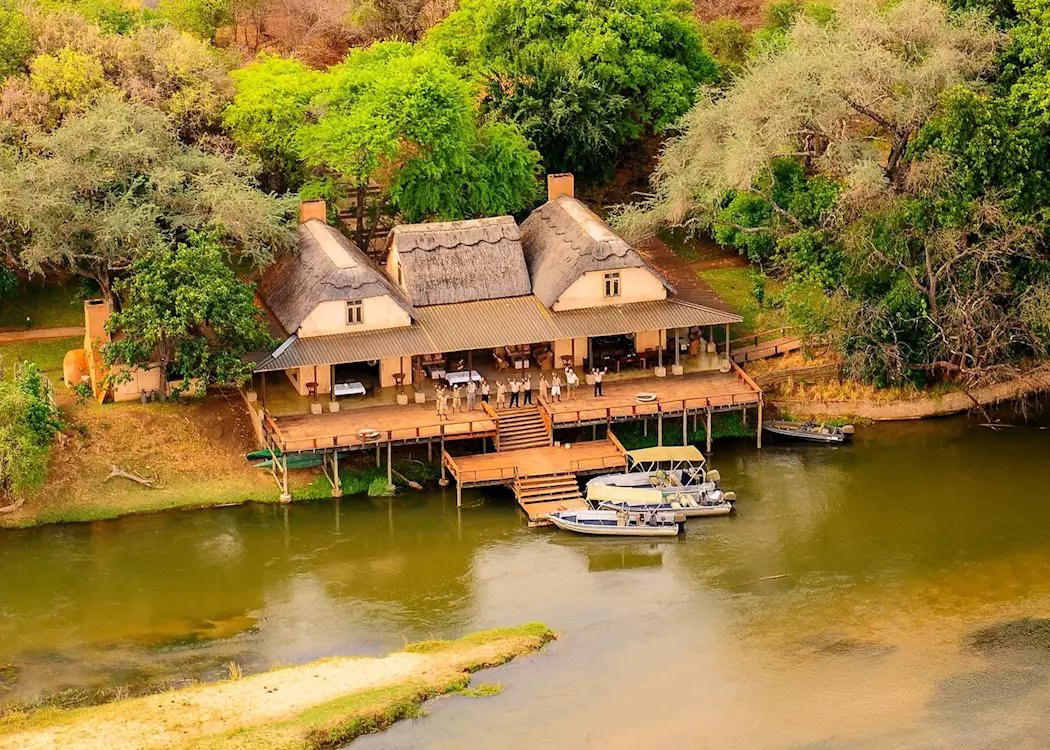
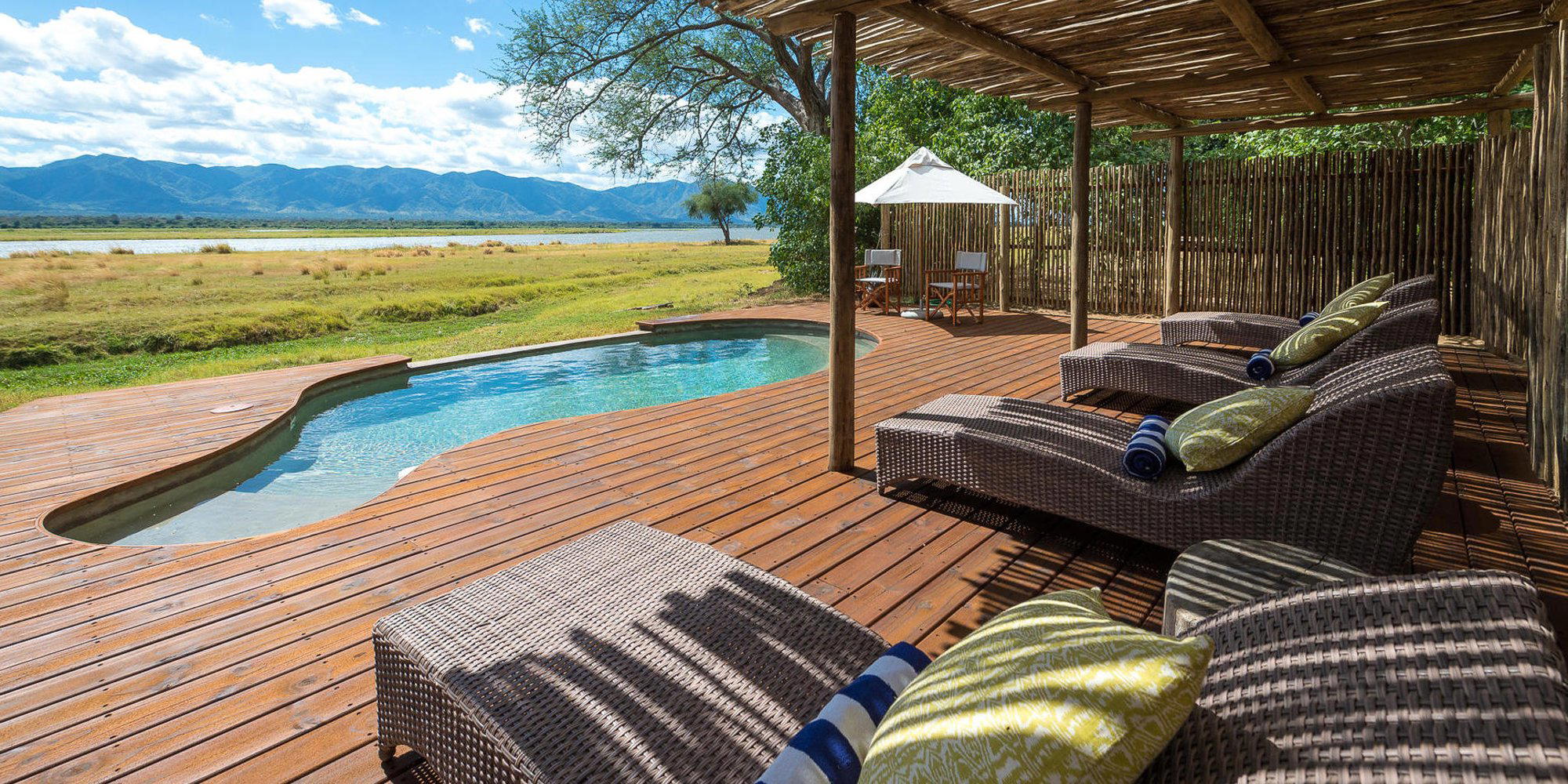
Details
- Scenic
- Elegant
- Intimate
- Sophisticated
- Rustic
- Honeymoon
- Romantic Getaway
- Family Vacation
- Group Retreat
- Waterfront
- Private Villa
- Panoramic View
- Infinity Pool
- Pool
- Spa
- Fitness Center
- Wi Fi
- Room Service
- Concierge
- Waterfront
Stylish, natural, and immersive bush atmosphere blending luxury with the wild Zambezi riverside setting, featuring thoughtful design and warm hospitality.