Dutch Wonderland Inn
Dutch Wonderland Inn sits in Lancaster, a city where family travel, Pennsylvania Dutch heritage, and small-scale hospitality often overlap. With, the useful reading is contextual: treat it as part of Lancaster’s practical lodging map rather than a credential-led hotel play.

Pearl is the En Primeur Club membership app — saves, bookings, and concierge access live there. Same editors, same standards.
- Address
- 2285 Lincoln Hwy E, Lancaster, PA 17602, USA
- Website
- dutchwonderlandinn.com
- Directions
- Get directions
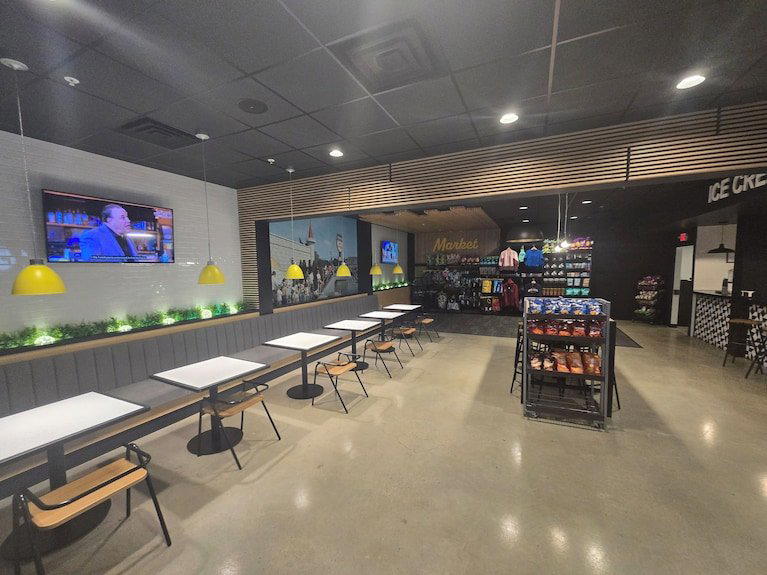
The Lancaster hotel question starts with setting, not spectacle
Approaching a Lancaster inn, the first read is rarely about lobby theatrics. The county’s hospitality character is built around road access, modest building forms, family itineraries, farm-country day trips, and the practical need to place visitors close to the places they came to see. Dutch Wonderland Inn belongs to that Lancaster conversation by name and city alone: the record confirms the property in Lancaster, United States, but does not provide a verified address, room count, design firm, star rating, hotel group, published price range, amenities, awards, or booking channel. That absence matters. In a market where some stays sell architecture, others sell rural quiet, and others sell proximity to family attractions, a reader should separate confirmed fact from assumption.
Lancaster is not a single hotel market. The city and county split into several stay patterns: downtown arts-and-dining weekends, countryside inns near farms and covered bridges, business-oriented roadside hotels, and family-led trips shaped by theme parks, outlet shopping, and Amish Country excursions. The editorially useful point is not to invent charm; it is to place the inn inside Lancaster’s broader lodging logic, where location, arrival ease, and practical room use often matter more than decorative ambition.
Architecture in Lancaster is a matter of use
The design conversation in Lancaster differs from that in coastal resort towns or capital-city hotel districts. Much of the county’s lodging culture is shaped by conversion, roadside access, and local material cues rather than statement architecture. Brick industrial buildings, farmhouses, former warehouses, and low-rise hospitality structures all sit within a region where the visitor economy has grown around agriculture, faith communities, heritage tourism, and a compact downtown arts scene. Without verified images, architect credits, renovation dates, or room descriptions for Dutch Wonderland Inn, any claim about its interiors would be speculation. The safer and more useful reading is to ask what kind of Lancaster stay the building is likely meant to serve, then verify current details directly before making plans.
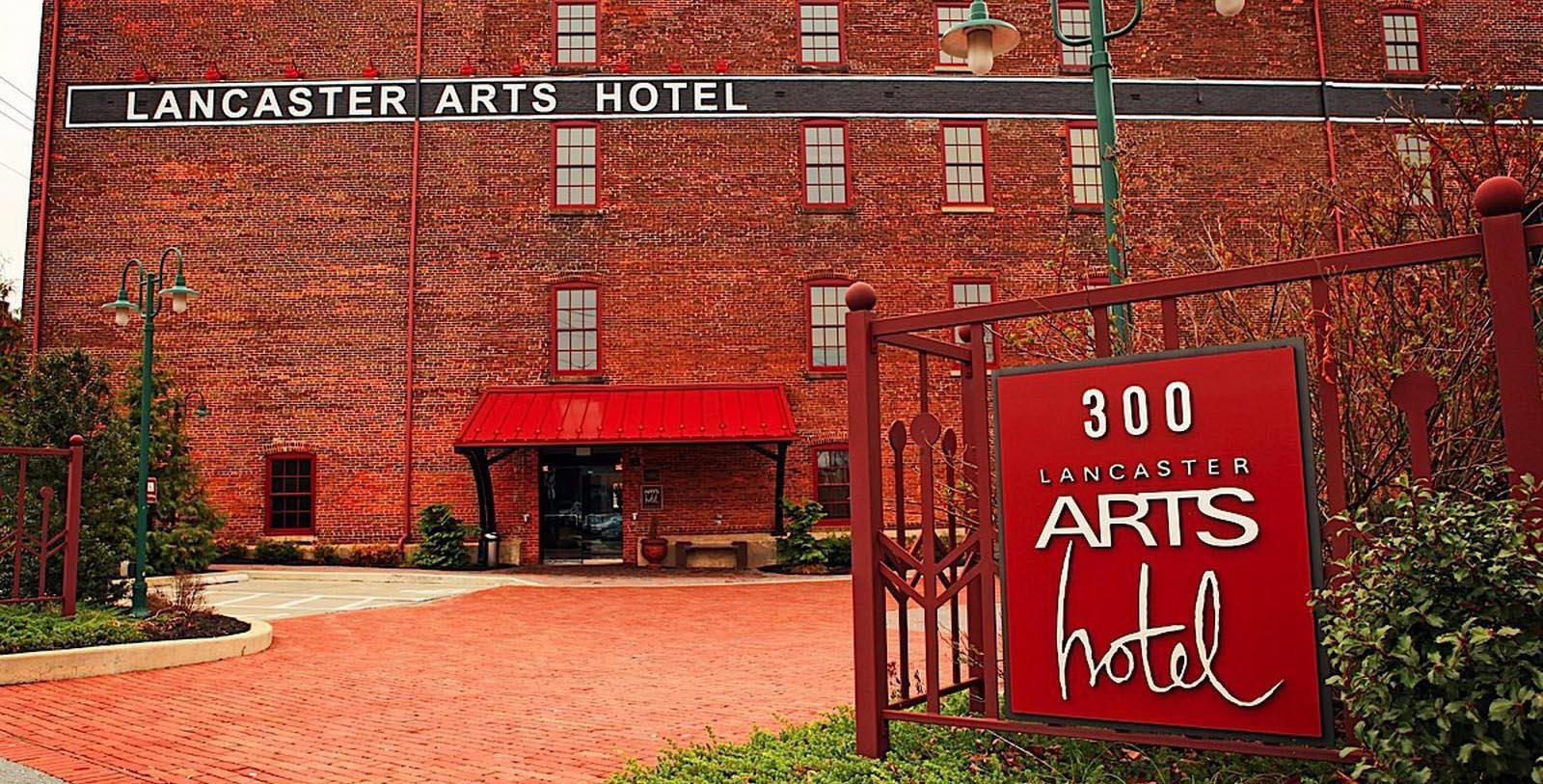
That practical design lens is important because Lancaster’s more character-led hotel choices are comparatively easy to identify when data is available. Lancaster Arts Hotel, for example, sits in the downtown hotel category, where adaptive reuse and proximity to galleries, restaurants, and cultural streets carry weight. The Inn at Leola Village belongs to a different county tradition, one closer to village-scale hospitality and countryside pacing. Against those clearer peer references, Dutch Wonderland Inn should be assessed less as a design destination and more as a possible functional base, pending verified address, current condition, and service details.
Names do a great deal of work in Lancaster travel. “Dutch” in this region usually points to the Pennsylvania Dutch identity that has shaped the county’s foodways, crafts, agriculture, and visitor economy for generations. It is a cultural term with Germanic roots, not a simple reference to the Netherlands. Lancaster tourism often uses that language broadly, sometimes accurately and sometimes as shorthand for a heritage package. Those details should not be assumed.
This distinction is not pedantic. It changes how a seasoned traveler evaluates the stay. A hotel with sparse public-facing data requires a different method: confirm whether it is operating under the same name, check its current location and booking channels, read recent guest reports for maintenance and service consistency, and compare it to properties with clearer documentation.
The Lancaster context: family travel, heritage routes, and downtown contrast
Lancaster’s visitor economy works because it holds several trips in one county. Families come for low-friction entertainment and easy car routes. Culture-focused travelers spend time around downtown Lancaster, where galleries, Central Market, small restaurants, and performance venues create a more urban rhythm. Others use the county as a slower rural circuit, moving through farm stands, antique shops, quilt stores, and small towns such as Lititz, Strasburg, and Bird-in-Hand. That variety means the right hotel choice depends less on a generic star category and more on the day’s geography.
If the trip is centered on downtown meals and arts programming, the stronger planning move is to compare lodging near the city core and then use Our full Lancaster restaurants guide, Our full Lancaster bars guide, and Our full Lancaster experiences guide to build the evenings around walking distance or short drives. If the trip is built around countryside touring, the decision shifts toward parking, road access, and how quickly the property connects to farms, small towns, and heritage sites. For wine-focused side trips, Our full Lancaster wineries guide gives the county a separate drinking-and-tasting layer. For lodging comparisons beyond this single record, Our full Lancaster hotels guide is the cleaner starting point.
How to judge a sparsely documented inn
In hotel criticism, missing data is not a minor inconvenience; it changes the level of confidence. That creates a narrow evidence base. The responsible conclusion is not that the inn is poor, nor that it is charming.
There is a useful hierarchy for that check. First, confirm the exact address, because Lancaster city and Lancaster County can describe meaningfully different travel experiences. Second, confirm the current booking path through an official source or a recognized lodging platform, since names can persist after ownership or operating changes. Third, compare recent reviews by date rather than average score alone; maintenance, noise, cleanliness, and breakfast quality can change faster than a hotel’s public description. Fourth, map the property against the actual itinerary. A room that works for a park-centered family weekend may be wrong for a downtown dining trip, and the reverse is also true.
Design comparison: why Lancaster is not New York, Beverly Hills, or Big Sur
It helps to compare Lancaster’s design stakes with hotels that exist almost entirely through architecture and atmosphere. The Fifth Avenue Hotel in New York City sits in a dense urban luxury context where historic fabric, maximalist interiors, and restaurant energy shape the stay. The Beverly Hills Hotel in Los Angeles draws on a long social history tied to Hollywood, gardens, and a highly recognizable visual language. Post Ranch Inn in Big Sur and Amangiri in Canyon Point are shaped by dramatic landforms and low-density resort architecture. Those hotels can be read as destinations before the itinerary is built.
Lancaster usually asks a different question: does the lodging make the trip easier, more grounded, or better placed? Troutbeck in Amenia, Sage Lodge in Pray, and Auberge du Soleil in Napa show how rural or semi-rural stays can turn setting into the main event. Lancaster can do that too, but the evidence has to come from verified grounds, rooms, views, food, and service.
Where the inn may fit in a premium itinerary
A premium Lancaster itinerary does not have to mean the grandest room in the county. It can mean a disciplined plan: the right base for the day’s geography, the right restaurant reservation for the evening, and enough slack to make the county’s slower pleasures work. Dutch Wonderland Inn may appeal to travelers whose Lancaster trip is organized around family logistics and proximity to family-oriented attractions, but that should be confirmed rather than inferred. Travelers seeking polished design, spa infrastructure, destination dining, or a documented luxury service culture should compare more data-rich properties before committing.
The national hotel field makes that distinction clear. Four Seasons at The Surf Club in Surfside and Raffles Boston in Boston operate in service-heavy luxury categories. SingleThread Farm Inn in Healdsburg is tied to a tightly controlled food-and-stay ecosystem. Kona Village, A Rosewood Resort in Kailua Kona, Little Palm Island Resort & Spa in Little Torch Key, and Meadowood Napa Valley in St. Helena are resort propositions where the property carries much of the trip. Lancaster’s inn category is usually more itinerary-supportive. That is not lesser; it is a different contract with the traveler.
Planning notes for Dutch Wonderland Inn
Confirm the current operating status and exact location through an official channel or a reputable lodging platform before arranging meals, activities, or transport around it. If traveling with children, check room configuration, parking, breakfast availability, check-in timing, and any attraction-related claims directly. If traveling for a downtown Lancaster weekend, map drive times to restaurant and bar plans before choosing the stay, because the experience of the county changes quickly between the city grid, commercial corridors, and rural roads.
Awards are not listed, which means the inn should not be compared on accolade strength with credential-heavy hotels. Instead, judge the value equation through four concrete items: current rate, location relative to the itinerary, recent guest feedback, and the cost of choosing a better-documented alternative. That method is less romantic than a hotel brochure, but it is how a careful Lancaster trip avoids disappointment.
Broader hotel parallels for design-minded travelers
Travelers who care about architecture may find Lancaster most rewarding when they treat lodging as one piece of a wider built-environment itinerary. The county’s appeal is not limited to a hotel room; it appears in markets, barns, old industrial buildings, main streets, and farm roads. In that sense, Dutch Wonderland Inn should be read through the physical landscape around it once the address is verified. A design-led traveler may decide that a plainer room is acceptable if the trip spends long days outside the property. Another traveler may prefer a hotel where interiors and service carry more of the experience.
For comparison across categories, Chicago Athletic Association in Chicago shows how a civic building can become a hospitality anchor, while Hôtel de Paris Monte-Carlo in Monte Carlo, Badrutt's Palace Hotel in St. Moritz, and Aman Venice in Venice represent European hotel traditions where architecture, address, and social history are inseparable. Those references underline the editorial point: not every stay needs that level of architectural authorship, but readers should know when they are buying design, when they are buying service, and when they are buying convenience.
In Context
Comparable venues nearby, for context on price, style, and recognition.
| Venue | Price | Awards | Notes |
|---|---|---|---|
| Dutch Wonderland InnThis venue — the venue you are viewing | $100–200 | Not listed | Not listed |
| The Inn at Leola Village | Not listed | Star Wine List · Forbes 4-Star | Leola, Restored historic Amish farmhouses blending rustic elegance with modern luxury |
| Lancaster Arts Hotel | $100–200 | Not listed | Harrisburg Avenue Tobacco Historic District, historic boutique hotel in a converted tobacco warehouse |
| The Maverick by Kasa | $1–100 | World Travel Awards | East Liberty, Historic YMCA conversion with modern tech-enabled rooms |
| Morris House Hotel | $200–300 | Not listed | Society Hill, Historic boutique inn in a National Register landmark blending B&B charm with modern hotel service. |
| Aloft Philadelphia Downtown | Not listed | Michelin Selected | Avenue of the Arts, Historic adaptive reuse with modern loft vibe |
Continue exploring
More in Lancaster
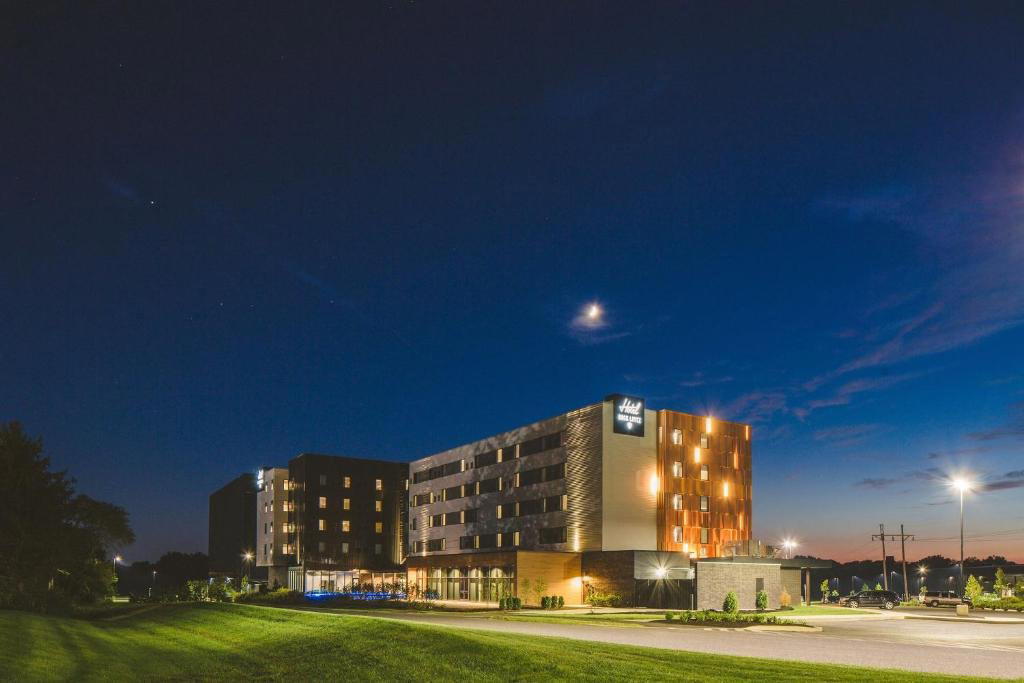
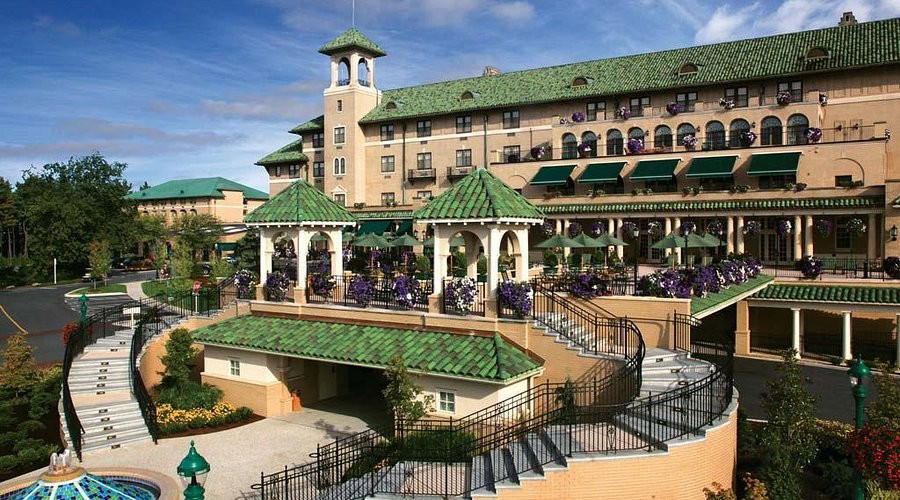
Hotels in Lancaster
Browse all →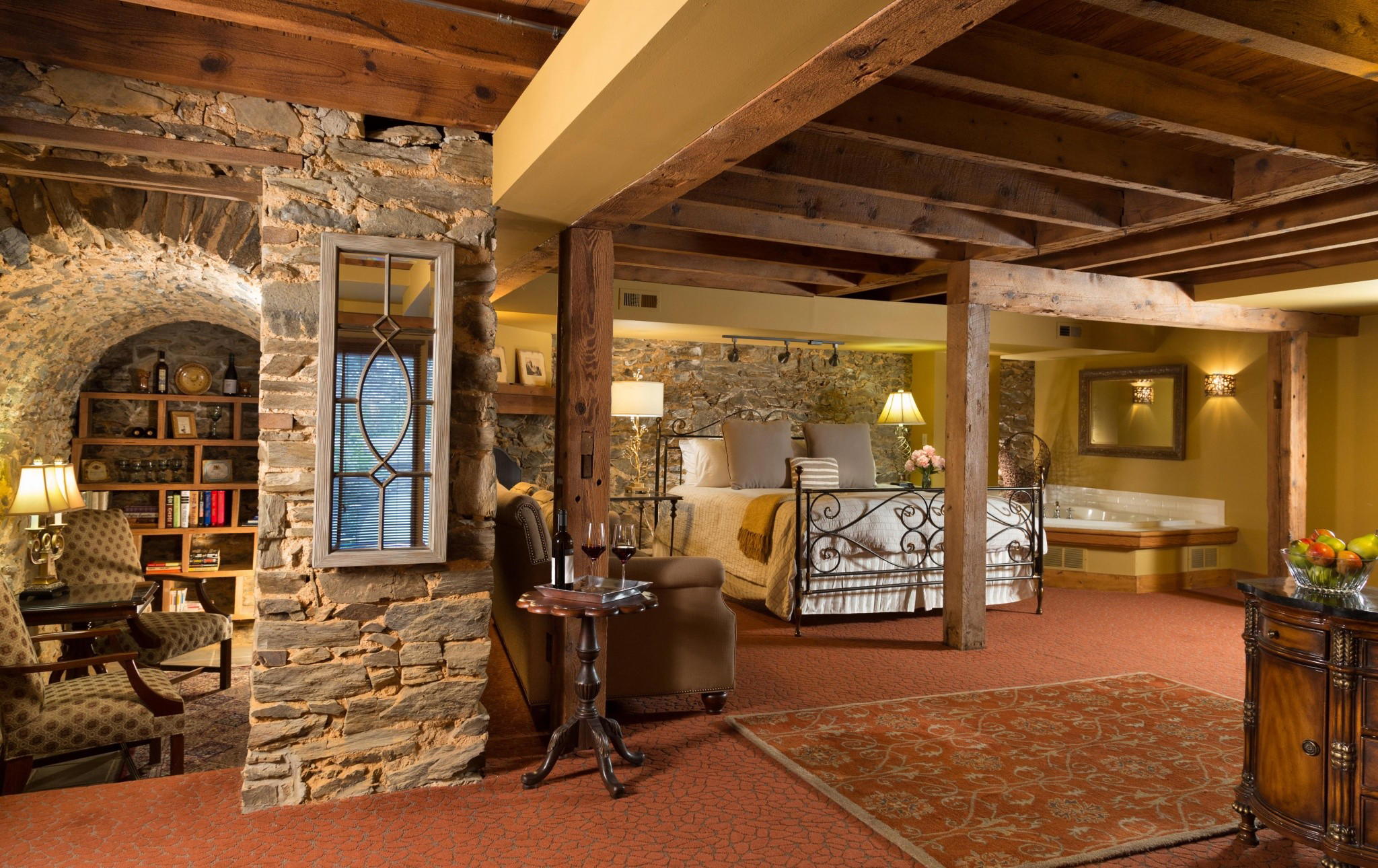
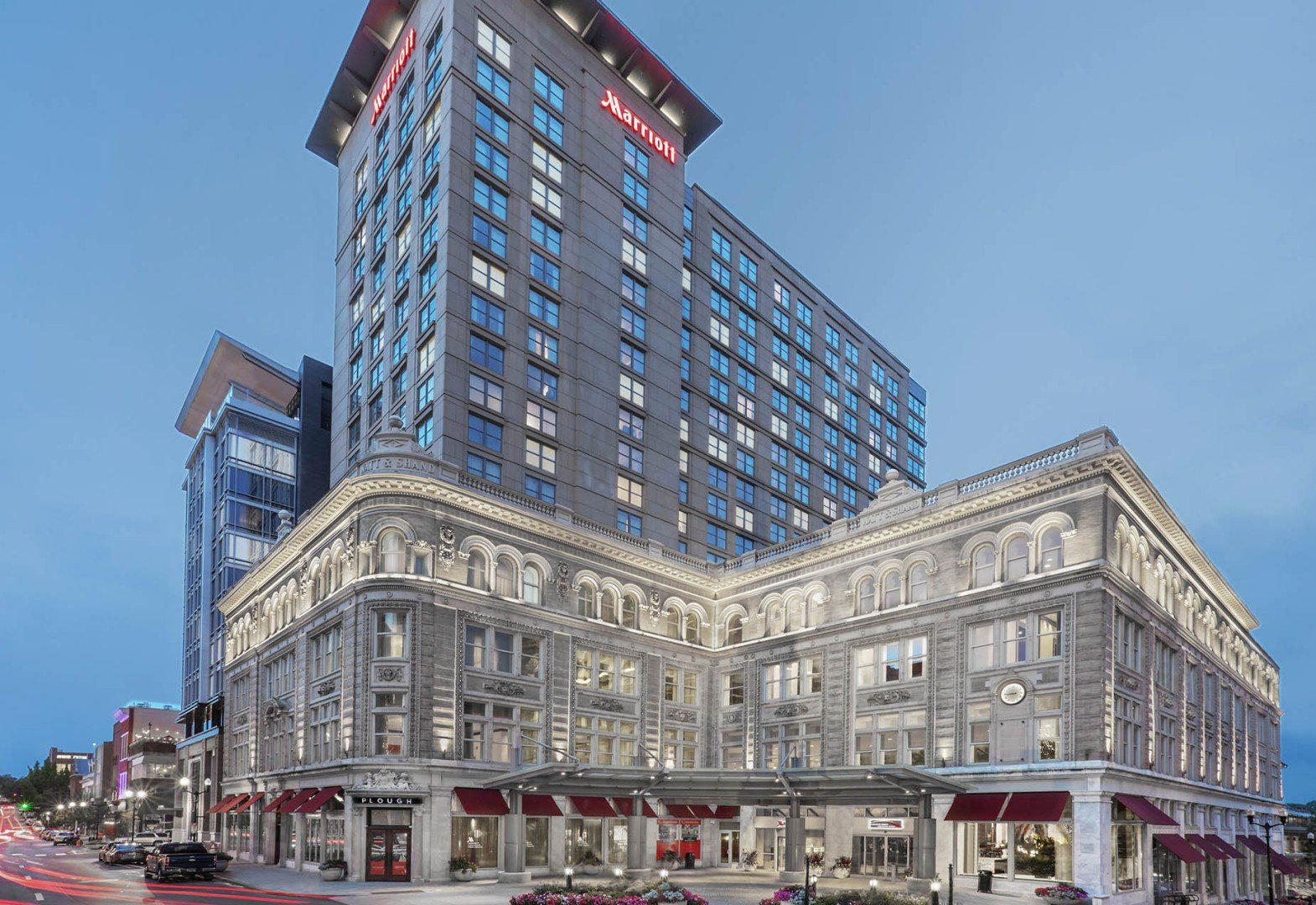
Restaurants in Lancaster
Browse all →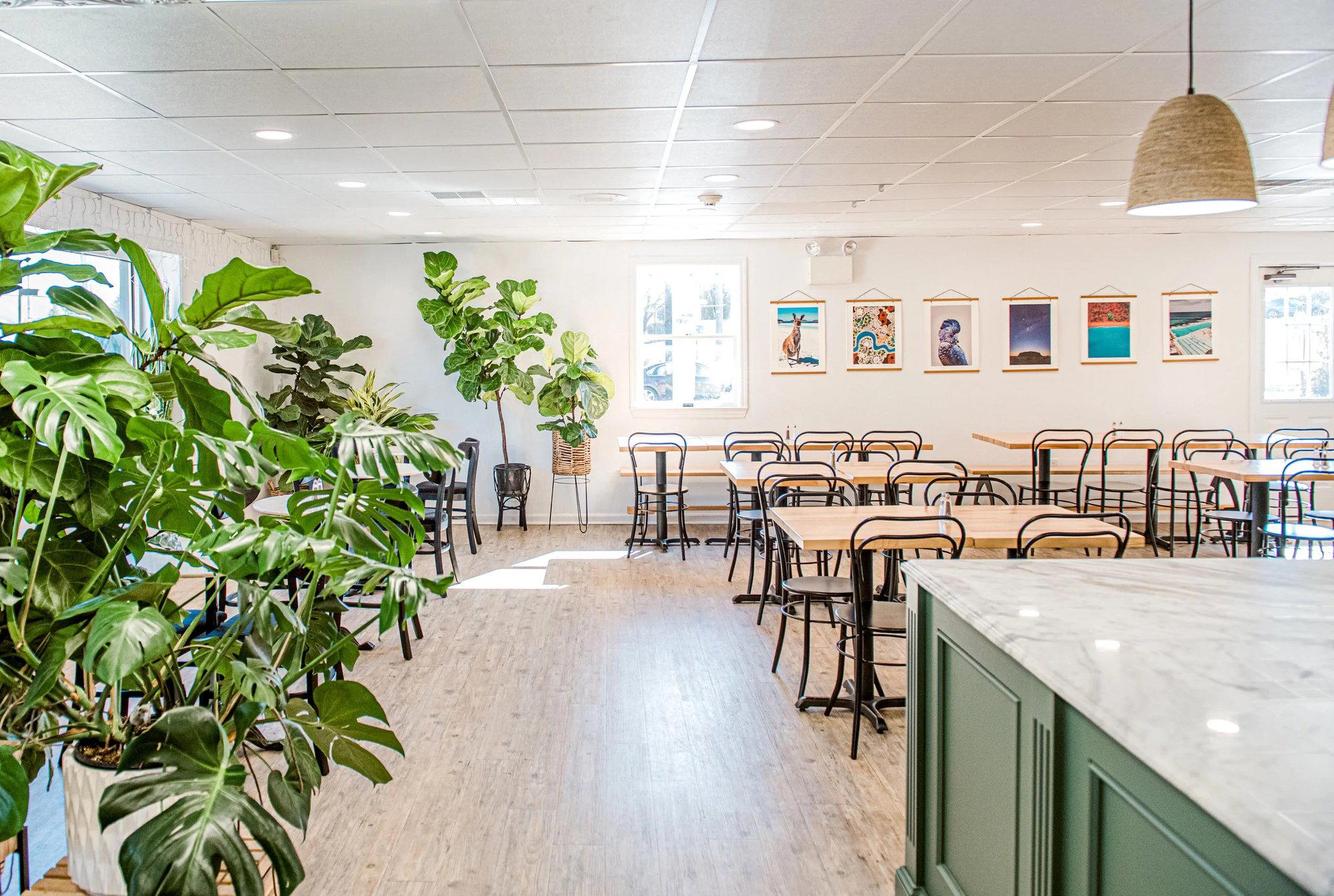
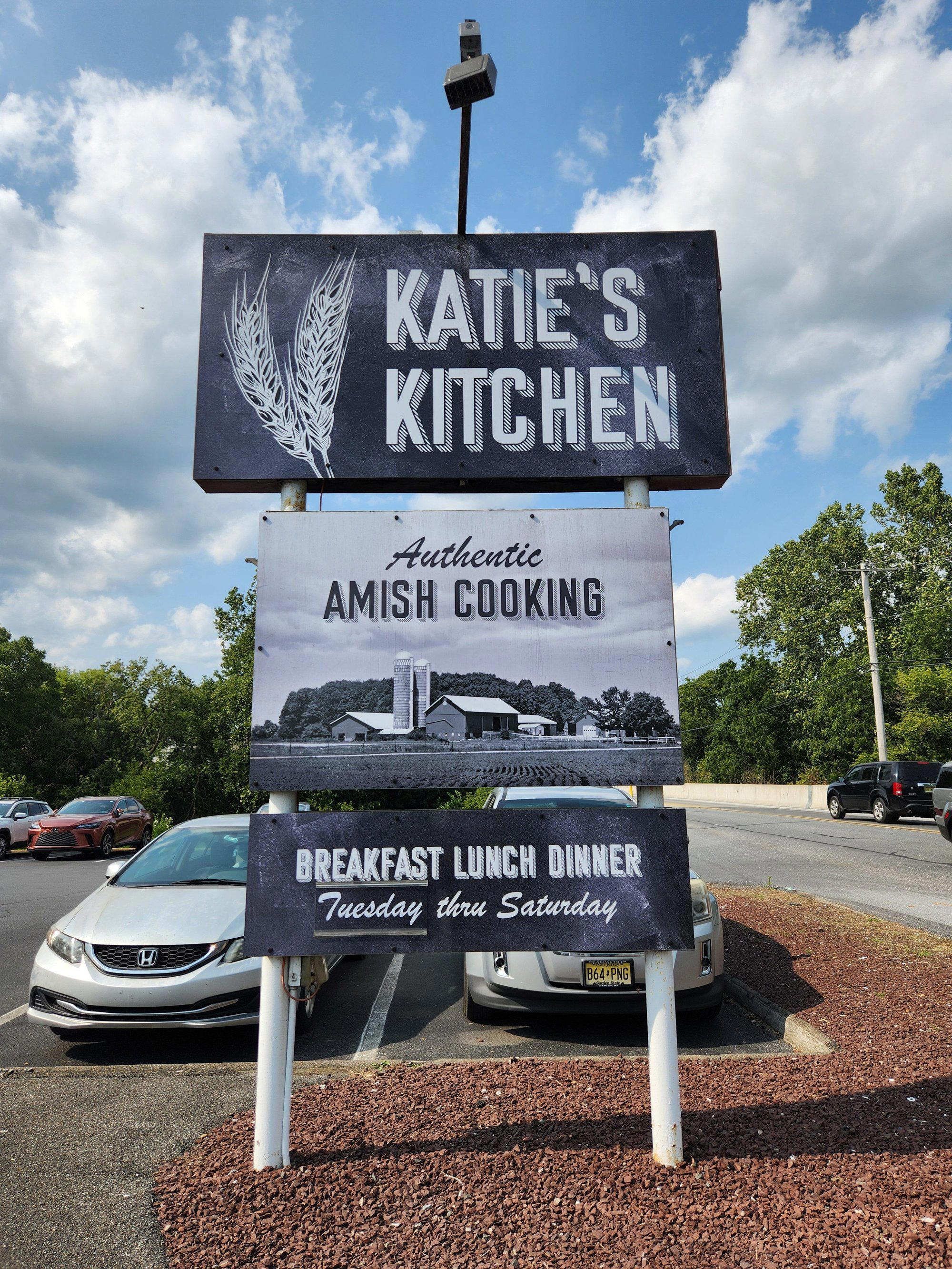
Wineries in Lancaster
Browse all →
Details
- Whimsical
- Lively
- Classic
- Family Vacation
- Weekend Escape
- Celebration
- Group Retreat
- Garden
- Terrace
- Wi Fi
- Pool
- Fitness Center
- Kids Club
- Business Center
- Wheelchair Accessible
- Accessible Parking
Bright, playful, and kid-focused with colorful décor, a castle/royal theme, and high energy around the pool, arcade, and public areas; more functional and relaxed in the guest rooms for families to unwind after the park.