The Fridge
Our verdict
The Fridge occupies a corner of Lancaster's North Mulberry Street corridor, where Pennsylvania Dutch agricultural tradition and a younger generation of sourcing-conscious kitchens have begun to overlap.

Pearl is the En Primeur Club membership app — saves, bookings, and concierge access live there. Same editors, same standards.
- Address
- 534 N Mulberry St, Lancaster, PA 17603
- Phone
- (717) 490-6825
- Hours
- Mon ClosedTue 4–9 PMWed–Thu 12–9 PMFri–Sat 12–10 PMSun 10:30 AM–4 PM
- Website
- beerfridgelancaster.com
- Directions
- Get directions
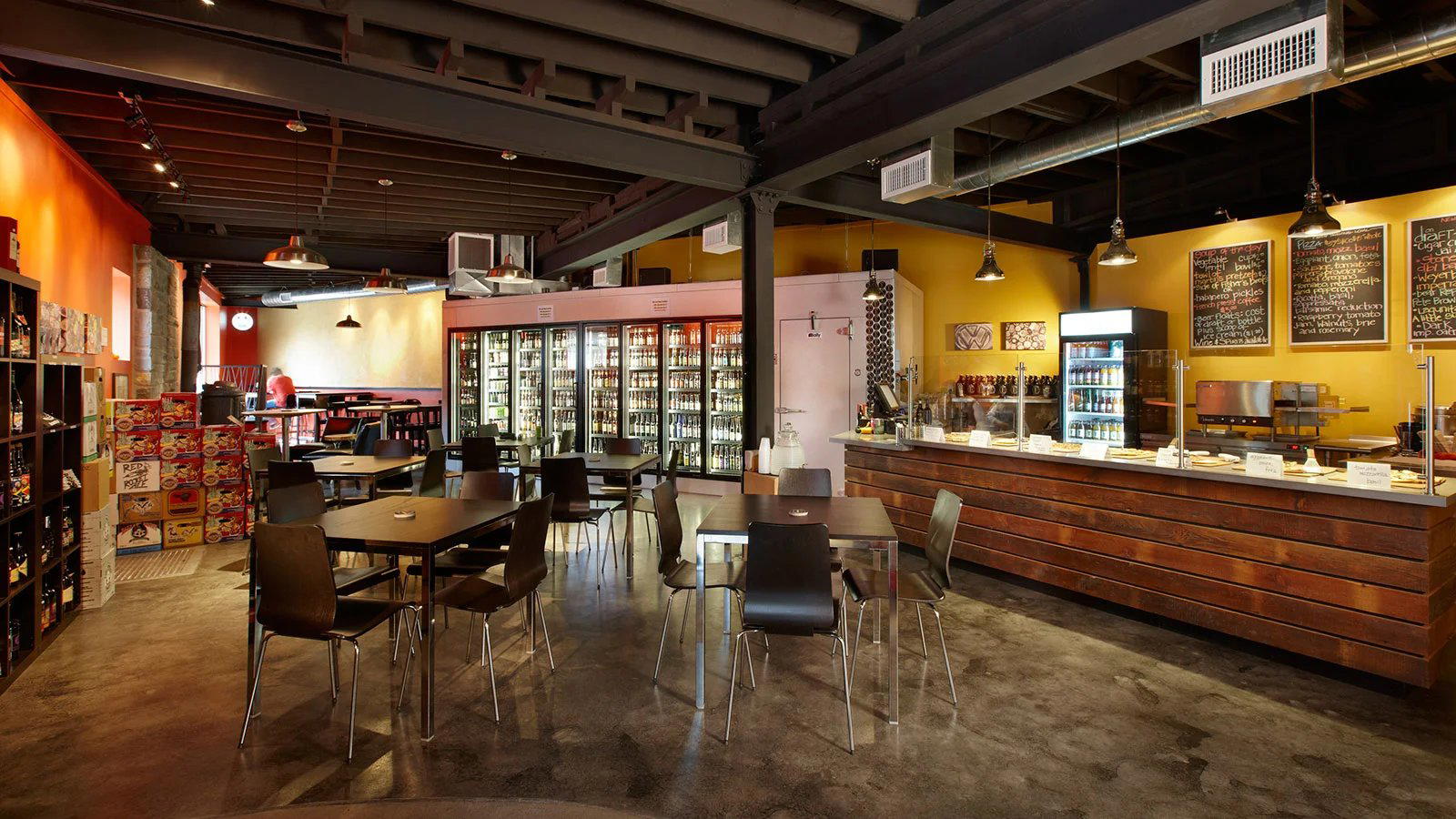
Lancaster's Sourcing Culture and Where The Fridge Fits
Lancaster County sits on some of the most productive farmland in the eastern United States. That agricultural density — Amish and Mennonite producers operating at small scale, heritage grain mills, and a livestock tradition that predates industrial farming by centuries — has made the county a natural supplier for Philadelphia and New York kitchens for decades. What has changed in the past ten to fifteen years is that a cohort of Lancaster-based restaurants has started drawing on that supply chain directly, rather than letting it flow outward. The Fridge, at 534 N Mulberry St, sits within this shift. Its address places it in the northern residential stretch of the city, a few blocks from the Central Market district where Lancaster's food identity has long been anchored.
The broader pattern across American cities of this size, mid-sized post-industrial centers with strong agricultural hinterlands, is that the most interesting restaurants tend not to be the ones chasing coastal formats. They are the ones that treat proximity to a working food economy as a structural advantage rather than a marketing footnote. At its most rigorous, that means menus that change not on a seasonal schedule but on a supply schedule, where what arrives from a specific farm on a specific week shapes what appears on the plate. This is the model that venues like Blue Hill at Stone Barns in Tarrytown and Single Thread Farm in Healdsburg have formalized at the high end, and that smaller city kitchens across the country have adopted in less theatrical but often more practical ways.
The North Mulberry Corridor and Lancaster's Dining Geography
Lancaster's restaurant geography has organized itself around a few distinct nodes. The Central Market, one of the oldest publicly operated farmers' markets in the country, has acted as a gravitational center for food businesses since the eighteenth century. The blocks north of Penn Square along Prince and Mulberry have accumulated a mix of independent restaurants over the past decade, ranging from neighborhood spots to more ambitious tasting-format operations. The Fridge's position on North Mulberry puts it in this broader cluster, in a part of the city that draws a local rather than tourist-primary crowd.
That distinction matters for how you should approach the visit. Restaurants in the Penn Square tourist corridor operate differently from those a few blocks north, different price expectations, different pacing, and generally a more consistent audience of regulars who know what the kitchen is trying to do. For those mapping Lancaster's dining options across the full city, our full Lancaster restaurants guide covers the range of neighborhoods and price tiers in detail. Within that picture, Lombardo's Restaurant represents the longer-established end of the Lancaster dining spectrum, offering a useful reference point for the city's Italian-American tradition.
Ingredient Sourcing as Editorial Frame
The most useful way to think about a kitchen in Lancaster County is to ask how directly it connects to the supply infrastructure around it. The county's agricultural output is not uniform: there are commodity operations producing at scale, and there are smaller family farms running heritage breed animals, market vegetables, and specialty grains that require a buyer willing to work around irregular availability. The kitchens that engage with the latter category tend to produce more interesting food, but they also tend to require more operational flexibility than restaurants built around stable menus and predictable prep schedules.
This sourcing-first orientation has become a genuine differentiator in American dining at multiple price points. At the high end, venues like Smyth in Chicago and Lazy Bear in San Francisco have built Michelin-recognized programs around producer relationships and seasonal variability. At the middle tier, the same instinct shows up in smaller cities where the agricultural infrastructure exists but the restaurant culture is only recently catching up to it. Lancaster is one of those cities, and it is further along in that process than most observers outside the mid-Atlantic region recognize.
Kitchens working in this register, wherever they sit on the price spectrum, tend to share certain operational characteristics: shorter menus, more frequent changes, stronger relationships with specific producers, and a willingness to feature cuts or ingredients that require more explanation at the table. Whether The Fridge operates at this level of sourcing specificity is something that direct inquiry will confirm; the venue's limited public profile makes that the sensible first step before visiting.
Positioning Within the Regional Scene
Lancaster's premium dining tier is not large. The city does not have the critical mass of fine-dining infrastructure found in Philadelphia, forty-five minutes to the east by car, and it is not competing with the Michelin-structured markets of New York or Washington. What it has is a food-literate local audience, an unusually rich agricultural hinterland, and a small number of restaurants making serious use of both. For context on what sourcing-driven dining looks like at national benchmark level, the work being done at Oyster Oyster in Washington, D.C. and The Wolf's Tailor in Denver represents the contemporary American model, rigorous producer sourcing, vegetable-forward menus, and price points that reflect the labor involved without reaching the $$$$ tier of venues like Le Bernardin in New York City or The French Laundry in Napa.
At the most ambitious end of the sourcing-focused spectrum globally, Atelier Moessmer Norbert Niederkofler in Brunico has made hyper-regional ingredient provenance the defining logic of a three-Michelin-star program. These are the reference points that help calibrate what sourcing-led ambition looks like across different scales and price tiers.
Planning Your Visit
Lancaster is accessible by Amtrak from Philadelphia (roughly 70 minutes) and by car from both Philadelphia and Baltimore in under two hours, making it a reasonable day trip or overnight destination for visitors combining a meal with the city's broader food and market culture. The Central Market, open three days a week, is worth building into any visit that has a sourcing-oriented interest. For dining context across Lancaster's full range of neighborhoods and formats, the EP Club Lancaster guide provides the wider map.
Frequently asked questions
Can I bring kids to The Fridge?
Given the North Mulberry corridor's mix of neighborhood-facing venues, contacting them directly before visiting with children is the practical approach. Check for current contact details through local Lancaster dining directories.
What kind of setting is The Fridge?
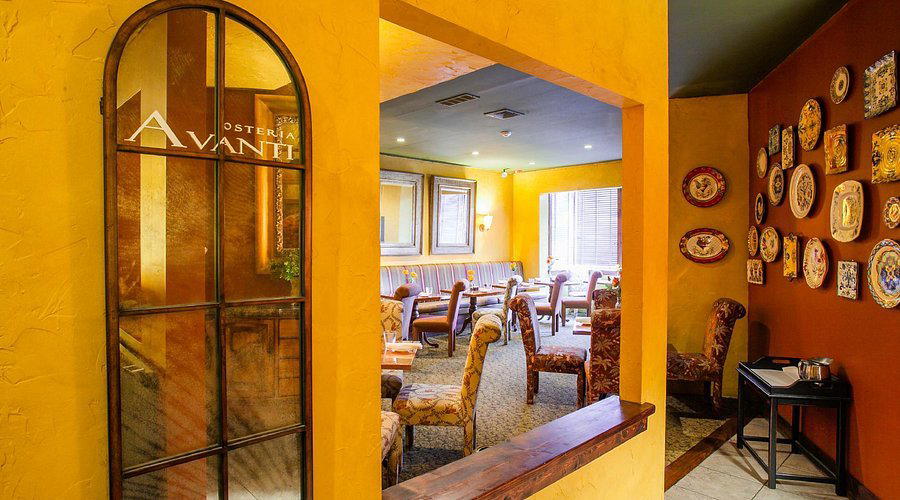
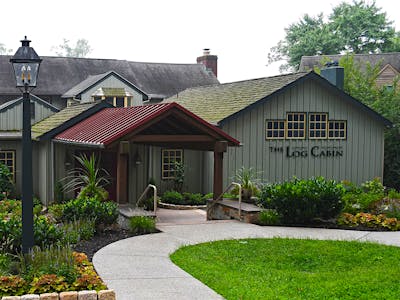
The Fridge sits on North Mulberry Street in Lancaster, a corridor that has developed independently from the city's Central Market-anchored dining core. That address puts it in a neighborhood-scale context rather than a formal fine-dining block. Without confirmed public documentation on the interior format, the setting is best confirmed directly with the venue.
Is The Fridge a good option for visitors exploring Lancaster County's farm-sourcing food culture?
Lancaster County produces a density of Amish and Mennonite agricultural supply that few urban dining corridors in the eastern United States can match, and venues on the North Mulberry stretch in Lancaster are positioned close to that infrastructure. The Fridge at 534 N Mulberry St sits within that geography, making it relevant to anyone tracing the county's farm-supply dining circuit. Specific sourcing relationships are not documented in public directories, so confirming the current menu approach directly is advisable before visiting.
What dish is The Fridge famous for?
No specific signature dishes are documented in available directories for The Fridge at 534 N Mulberry St, Lancaster, PA. Lancaster County's restaurant scene is shaped heavily by its agricultural supply infrastructure, and kitchens in the area often reflect that through market-driven menus. For current offerings, reaching out through local Lancaster listings is the most reliable route.
What part of town is The Fridge in?
The Fridge is located at 534 N Mulberry St, Lancaster, PA 17603, Lancaster.
How far ahead should I plan for The Fridge?
That makes advance planning harder to structure around a booking window. The practical approach is to locate current contact information through Lancaster-area dining platforms or social directories before planning a visit to 534 N Mulberry St.
Quick Comparison
| Venue | Cuisine | Price | Awards | Notes |
|---|---|---|---|---|
| The FridgeThis venue — the venue you are viewing | Craft Beer Pizza Cafe | $20–30 | Not listed | Not listed |
| Le Bernardin | French Seafood Fine Dining | $300–500 | 3 Michelin Stars · World's 50 Best #13 | French, Seafood |
| Lazy Bear | Modern American Tasting Menu | Not listed | 2 Michelin Stars · World's 50 Best #25 | Progressive American, Contemporary |
| Atomix | Modern Korean Tasting Menu | $300–500 | 2 Michelin Stars · World's 50 Best #7 | Modern Korean, Korean |
| Per Se | French Fine Dining Tasting Menu | $300–500 | 3 Michelin Stars · World's 50 Best #40 | French, Contemporary |
| Masa | Traditional Japanese Omakase | $500+ | 2 Michelin Stars · World's 50 Best #27 | Sushi, Japanese |
The Fridge
Featured Guides
Continue exploring
More in Lancaster
Restaurants in Lancaster
Browse all →
The Fridge
The wine
- Wine program
- Curated wine list
- Craft cocktails
- Beer program
Details
- Cozy
- Trendy
- Lively
- Casual Hangout
- After Work
- Open Kitchen
- Beer Program
- Craft Cocktails
- Local Sourcing
- A La Carte
- Craft Beer
- Vegetarian Friendly
- Vegan Options
Current opening hours
- Monday
- Closed
- Tuesday
- 4–9 PM
- Wednesday
- 12–9 PM
- Thursday
- 12–9 PM
- Friday
- 12–10 PM
- Saturday
- 12–10 PM
- Sunday
- 10:30 AM–4 PM
Hours can change for holidays and private events. Last verified .
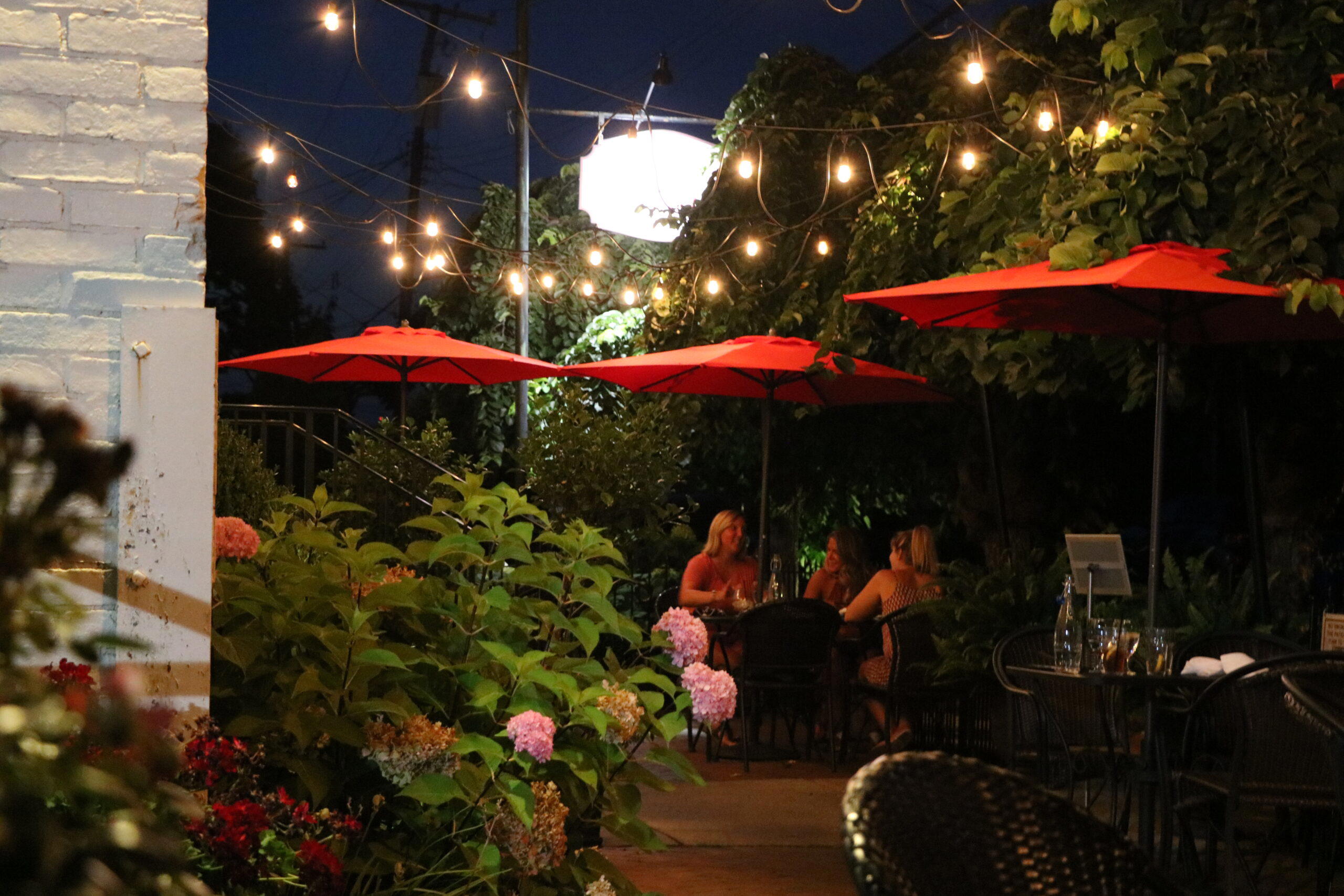
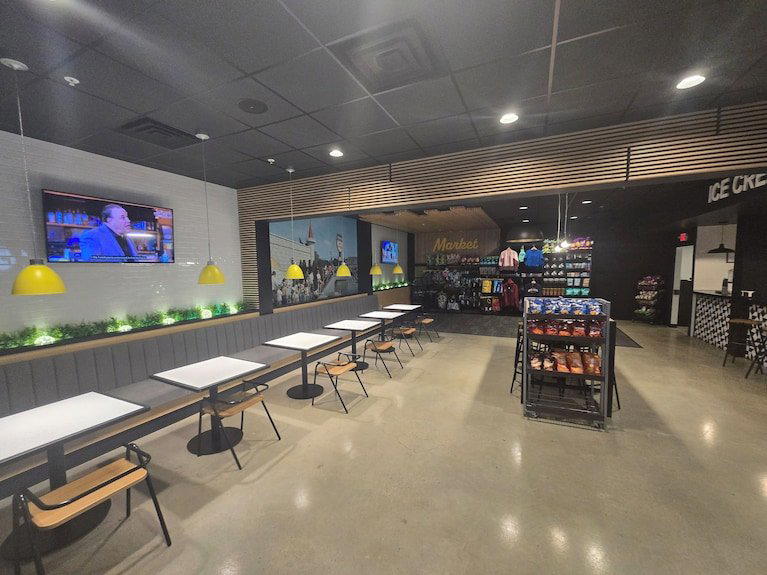
Casual cozy cafe atmosphere with focus on craft beer and fresh pizza.