Lamai Serengeti

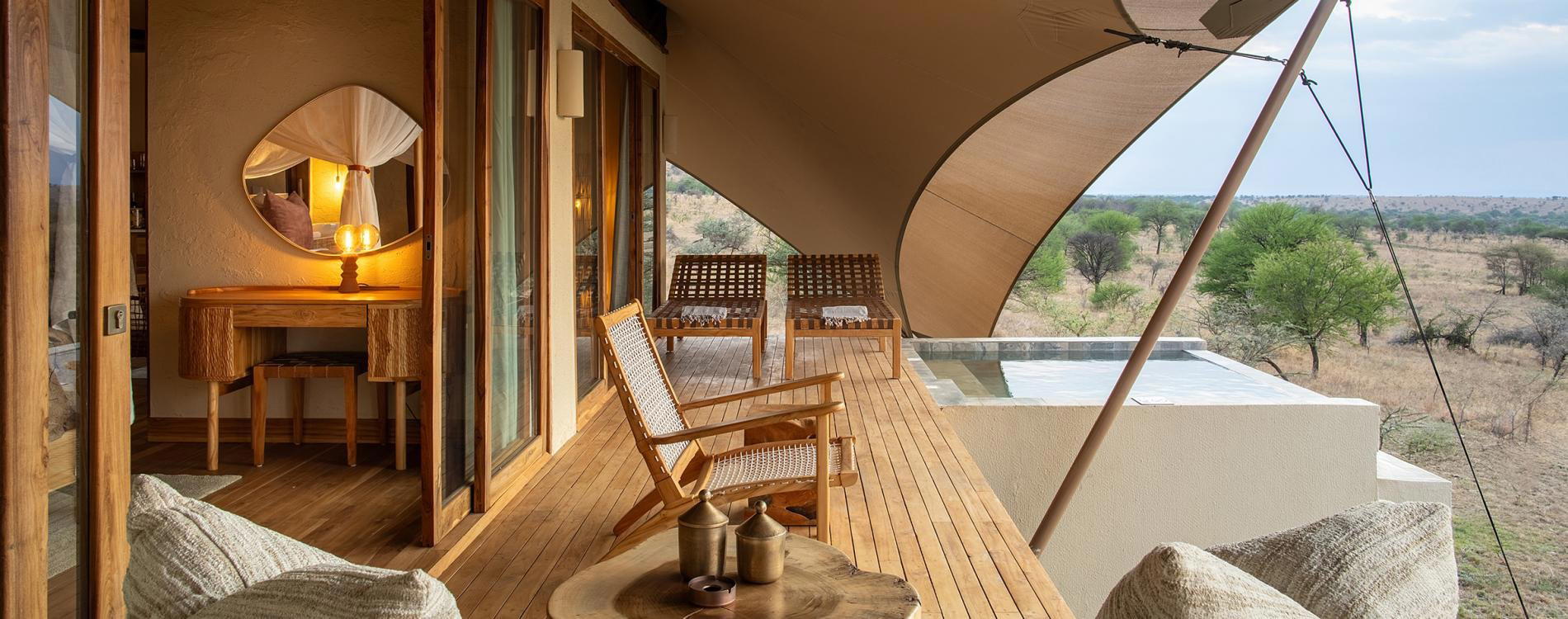
Tanzania's 2025 World Travel Awards winner for Leading Safari Lodge, Lamai Serengeti occupies the northern reaches of the Serengeti where the Mara River crossing concentrates the Great Migration at its most dramatic. The lodge positions itself within the small-capacity, high-context tier of East African safari accommodation, where proximity to wildlife and the quality of the guiding programme carry more weight than resort amenities.
Pearl is the En Primeur Club membership app — saves, bookings, and concierge access live there. Same editors, same standards.
- Address
- Serengeti National Park, Tanzania
- Website
- nomad-tanzania.com
- Directions
- Get directions
 Saves & bookings on Pearl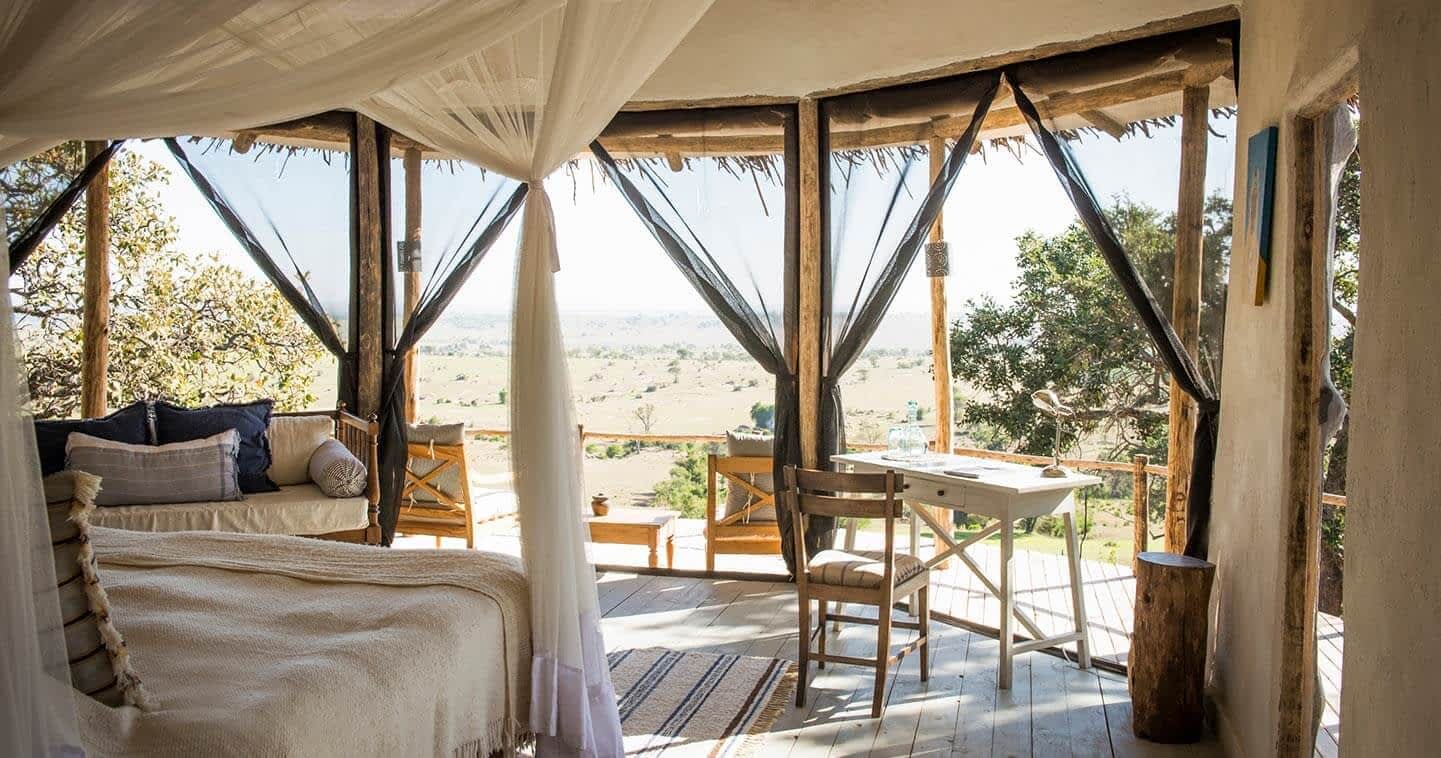
Where the Northern Serengeti Sets Its Own Terms
The northern Serengeti operates on a different logic from the park's central and southern corridors. Fewer lodges, longer distances from the main gate at Naabi Hill, and a wildlife calendar anchored to the Mara River crossings between roughly July and October mean that properties in this sector attract guests with a specific objective rather than a general safari itinerary. Lamai Serengeti sits within this northern cluster, where the Lamai Wedge, the triangular plateau between the Mara River and the Kenyan border, delivers some of the highest big-cat densities in the ecosystem during peak months. The 2025 World Travel Awards recognised the lodge as Tanzania's Leading Safari Lodge.
That award matters as a positioning signal. The World Travel Awards is trade-voted, meaning it reflects peer and operator perception of a property's standing rather than a purely editorial assessment. For a lodge in a remote northern concession, winning at national level confirms that Lamai Serengeti has built a reputation that extends beyond its immediate geographic niche. For the traveller weighing options across Tanzania's safari circuit, which might also include andBeyond Grumeti Serengeti River Lodge in the western corridor or JABALI RIDGE in Ruaha, this recognition provides a useful calibration point.
Dining at Altitude: The Table in the Wild
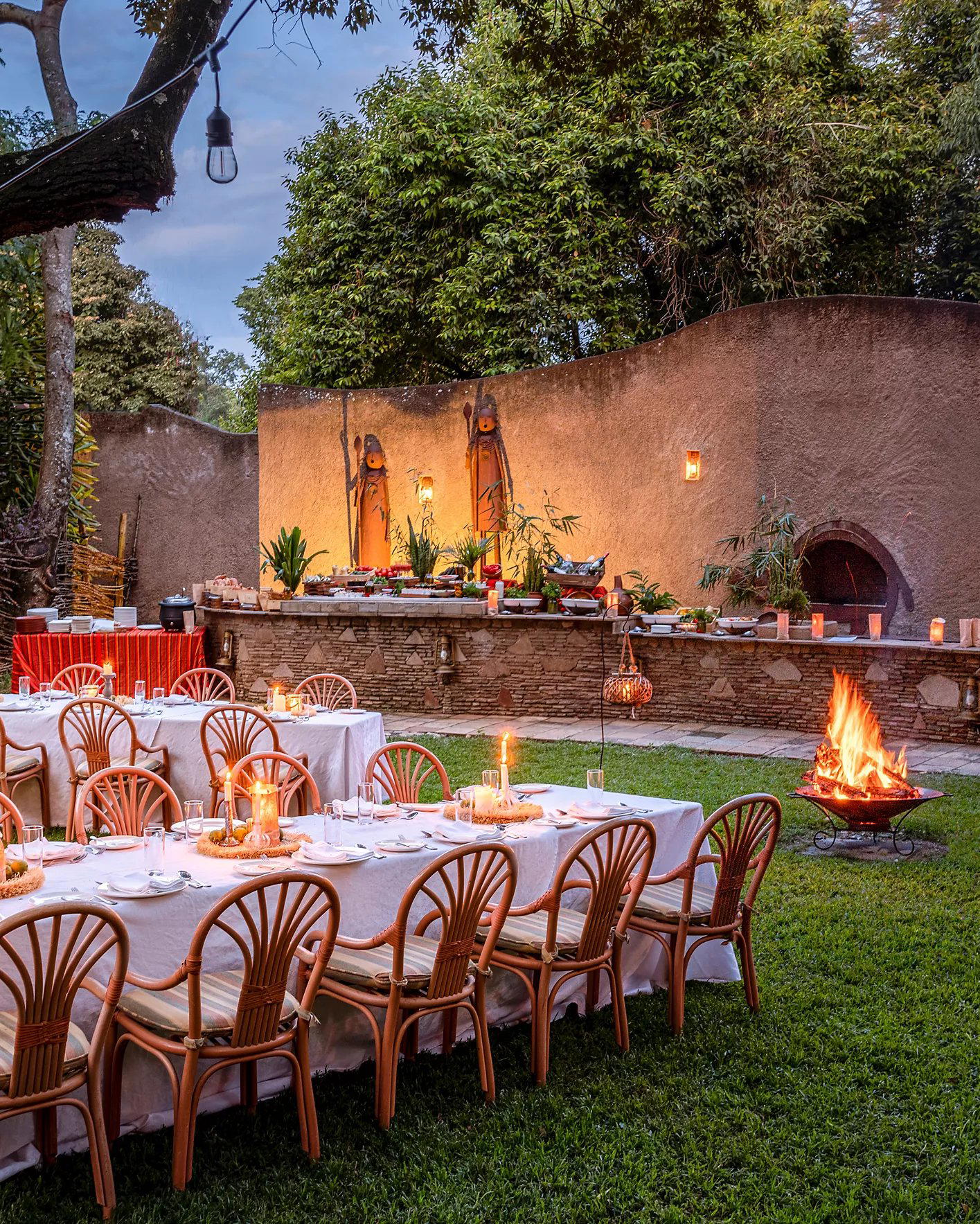
East African safari lodges have increasingly treated their dining programmes as a genuine differentiator rather than a logistical necessity. The shift has been gradual but clear: where a decade ago a bush camp's food offering was measured mainly against the quality of the game drives, today guests at the premium end expect the kitchen to hold its own as a destination in itself. This doesn't mean importing city-restaurant theatrics to the bush; it means that sourcing, technique, and presentation are taken seriously enough that the meal becomes part of the memory rather than background to it.
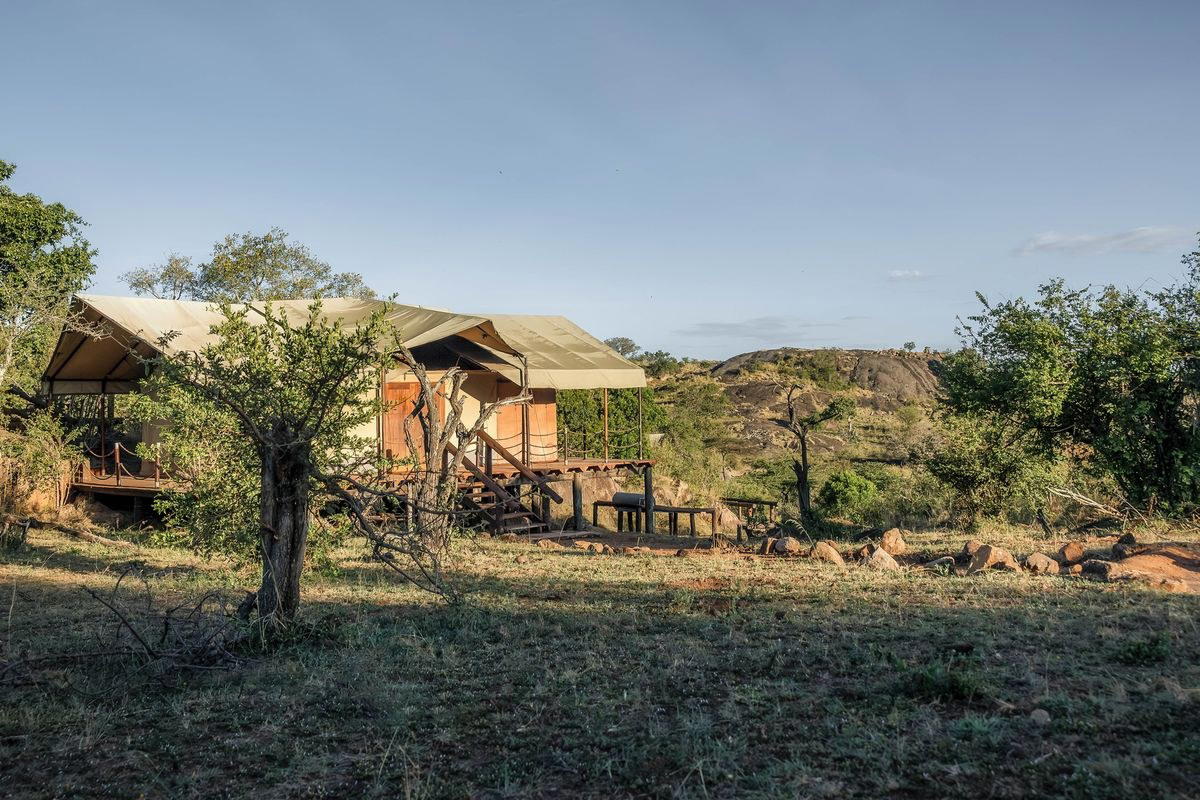
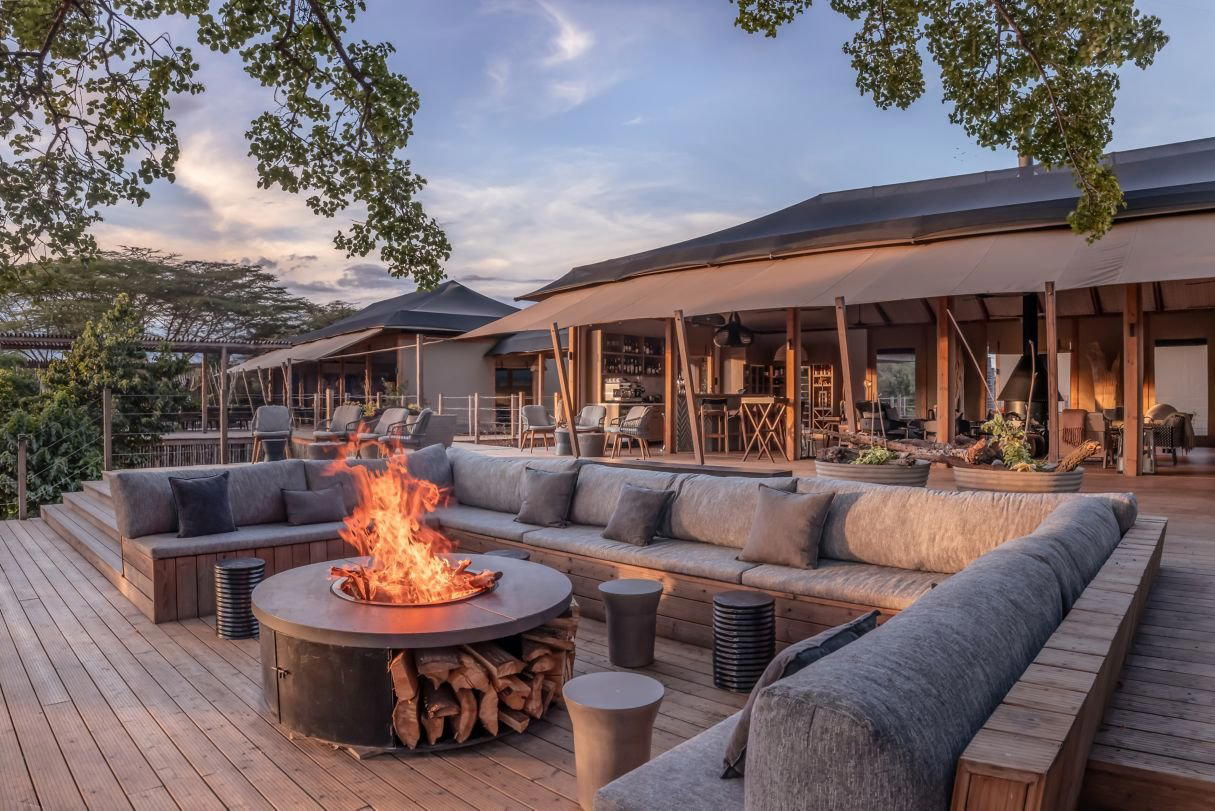
At Lamai Serengeti, the dining experience is shaped by the property's setting on a rocky kopje overlooking the northern plains. Kopje-leading dining, where the table looks out over a geological formation that doubles as a natural wildlife congregation point, is a format that rewards patience and timing. The light in the northern Serengeti shifts dramatically between late afternoon and dusk, and lodges in this tier typically programme their sundowner and dinner sequences to work with that window rather than against it. The practical result is that the hour between 17:30 and 18:30 carries as much culinary significance as the food itself: where you are positioned at that moment, and what is happening in the landscape below, defines the experience in ways that no kitchen can manufacture.
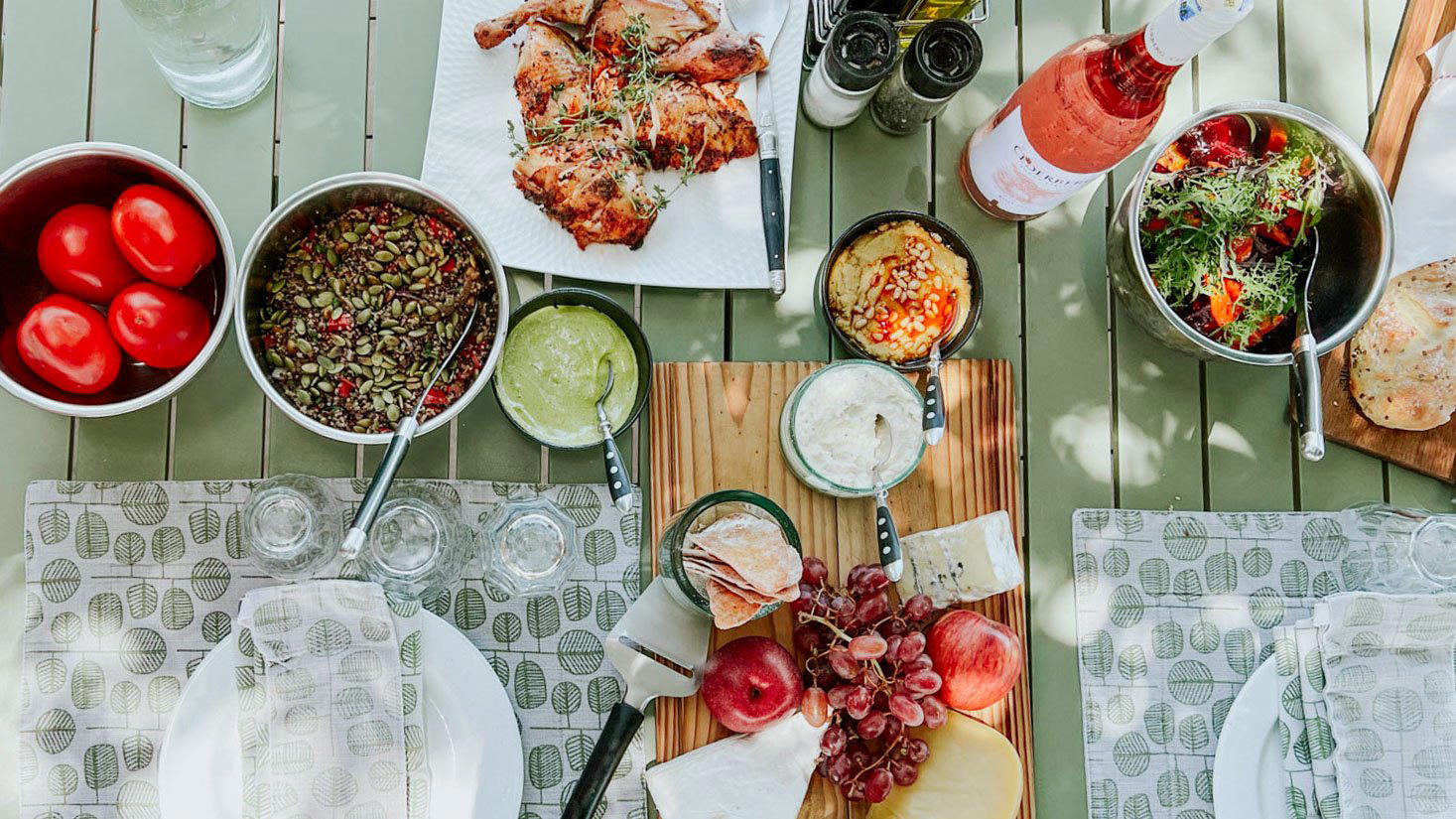
The broader East African safari dining tradition draws on a specific larder: Tanzanian coast spices, Highland coffee from the Kilimanjaro and Arusha regions (where properties like Arusha Coffee Lodge sit within the coffee estates themselves), fresh produce sourced from the southern highlands, and Lake Victoria fish that moves through supply chains faster than outsiders typically expect. A lodge operating at the level the hotel has reached within the World Travel Awards ranking is expected to engage with this regional pantry rather than default to international-hotel generics. How consistently that engagement translates into the daily menu cycle is something verified guest accounts and on-the-ground reporting would need to confirm specifically.
The Northern Serengeti comparable set
Understanding where the hotel sits competitively requires mapping the northern sector's lodge options against each other. The Lamai Wedge is not crowded with infrastructure; the combination of distance from main access points and conservation area restrictions limits the number of properties that can operate here. Sayari Lodge occupies a nearby position and is consistently cited in the same editorial conversations as Lamai. Further south and west, the Grumeti ecosystem hosts a different tier of properties. The competition at the summit of the northern Serengeti market is therefore relatively contained, which means that achieving Tanzania's Leading Safari Lodge recognition against properties across the entire country, including those in Ngorongoro, represented here by andBeyond Ngorongoro Crater Lodge, and further afield in Tarangire, where Kuro Tarangire operates, carries genuine weight.
Travellers building a longer Tanzania circuit often pair the Serengeti with a Zanzibar coast component. Options at different price and format points include Park Hyatt Zanzibar in Stone Town, ENVI Paje on the east coast, Amani Boutique Hotel, and Xanadu Luxury Villas & Retreat Zanzibar in Dongwe. For those extending to more remote Tanzania destinations, Greystoke Mahale in the Mahale Mountains represents a different category entirely: chimpanzee tracking on the shores of Lake Tanganyika, with a lodge format that shares Lamai's low-capacity philosophy. The Tanzania circuit, at its most considered, connects highland, plains, and coast into a sequence where each property type contributes something the others cannot. See our full Serengeti National Park guide for broader context on how lodges in this ecosystem compare.
Practical Planning for the Northern Serengeti
Reaching the northern Serengeti requires a scheduled or charter flight, typically via Kilimanjaro International Airport or Julius Nyerere International in Dar es Salaam, connecting to a bush airstrip. The northern sector's strips, Lamai, Kogatende, service a small cluster of lodges and do not run on the same frequency as central Serengeti hubs like Seronera. Guests arriving from Nairobi via Wilson Airport have a shorter routing, though Tanzania-Kenya cross-border logistics require attention to visa and aircraft registration requirements. The northern Serengeti's peak season aligns with the Mara River crossing window: July through October concentrates the wildebeest migration here, and lodge availability in this period tightens significantly. Booking twelve months ahead for July and August dates is standard practice rather than notable caution. Shoulder months, June and November, carry lower occupancy with the trade-off of transition-season wildlife patterns. For planning across other Tanzania properties, reference points like Chem Chem Lodge, Gibb's Farm in Karatu, and andBeyond Lake Manyara Tree Lodge show how different ecosystems and access patterns affect the overall circuit structure. The hotel has 12 rooms, a 5-star rating, smart-casual dress code, and reservations are essential.
Budget Reality Check
Comparable venues nearby, for context on price, style, and recognition.
| Venue | Price | Awards | Notes |
|---|---|---|---|
| Lamai SerengetiThis venue — the venue you are viewing | $$$$ | 5-Star | Not listed |
| Singita Sasakwa | $$$$ | 5-Star | Grumeti Reserve, Serengeti National Park, Turn-of-the-century Edwardian manor house blending authentic European colonial architecture with East African influences and contemporary luxury. |
| andBeyond Serengeti Under Canvas | $$$$ | 5-Star | Serengeti National Park, Mobile luxury tented camp following the Great Migration |
| ZURI ZANZIBAR | $$$$ | 5-Star | Kendwa, Sustainable beachfront resort blending contemporary design and Zanzibari craftsmanship |
| Lemala Osonjoi | $$$$ | 5-Star | Ngorongoro Conservation Area, High-end safari lodge in the Ngorongoro highlands, focused on immersive wildlife access and comfort within a conservation area. |
| andBeyond Mnemba Island | $$$$ | 5-Star | Mnemba Island, barefoot luxury private island resort |
Recognition history
Dated appearances from independent guides and award organizations, with the underlying list record or original source where available.
World Travel Awards
World Travel Awards
Continue exploring
More in Serengeti National Park
Hotels in Serengeti National Park
Browse all →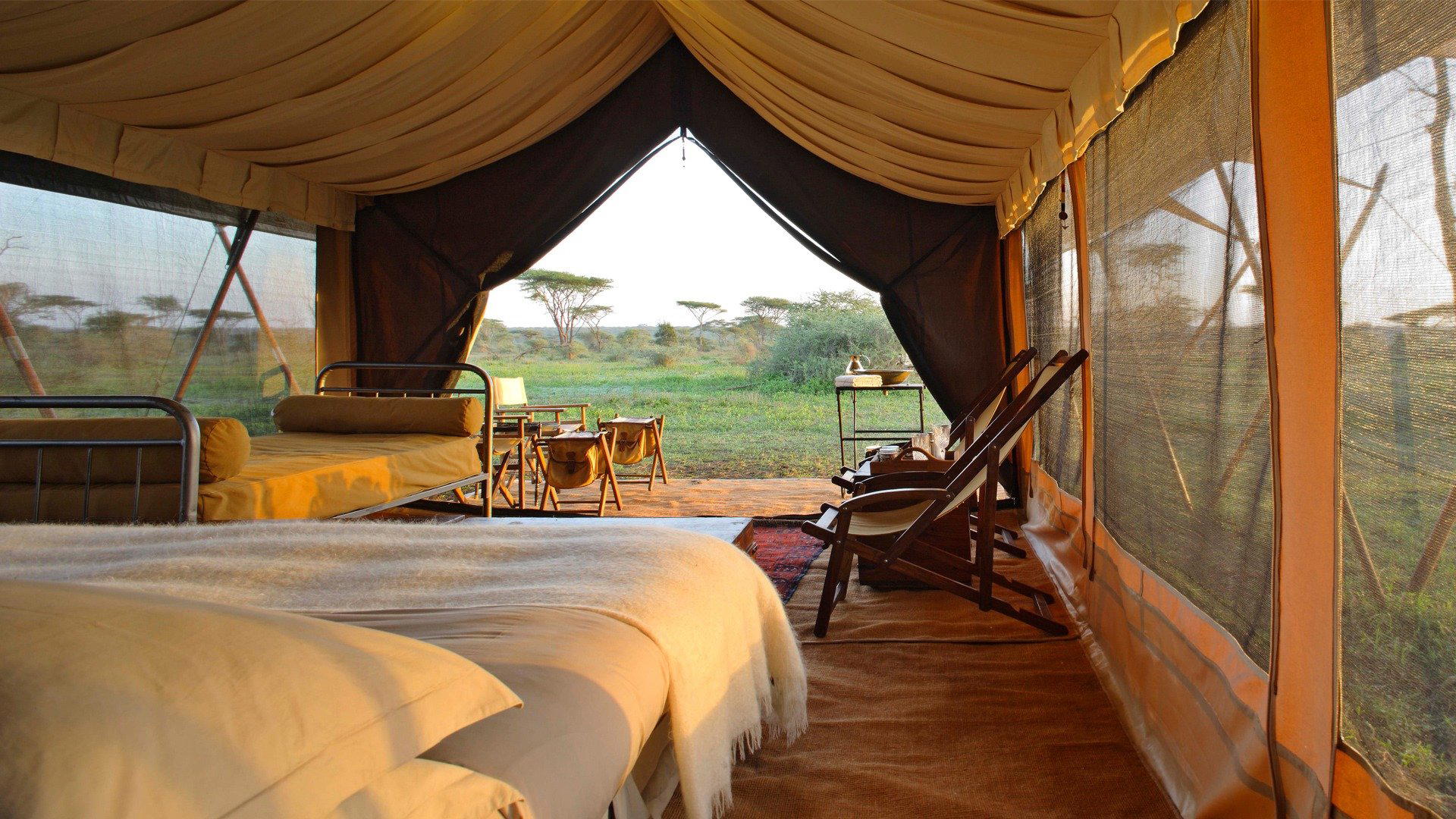
Bars in Serengeti National Park
Browse all →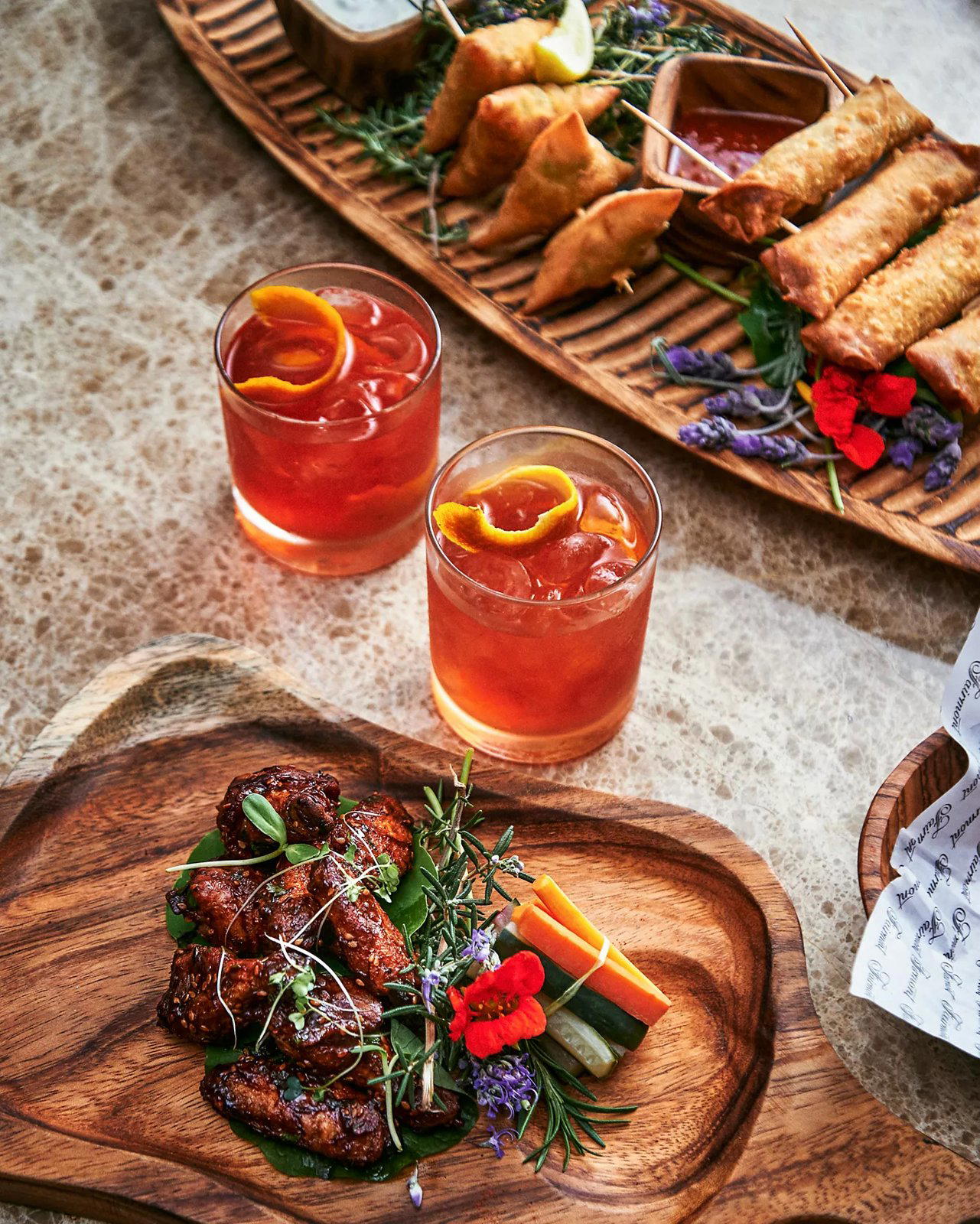
Restaurants in Serengeti National Park
Browse all →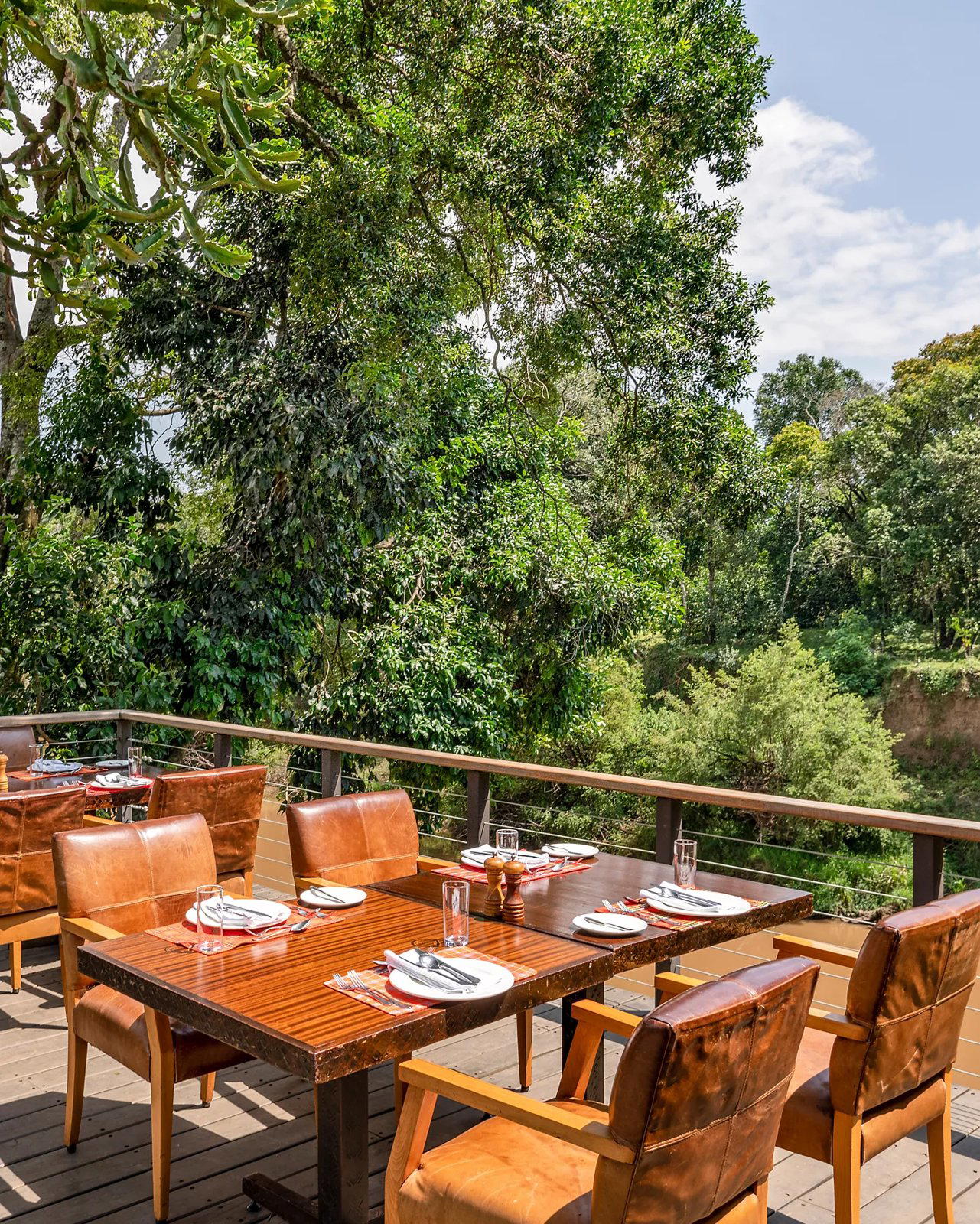
At a Glance
- Romantic
- Scenic
- Rustic
- Elegant
- Intimate
- Cozy
- Honeymoon
- Romantic Getaway
- Family Vacation
- Weekend Escape
- Panoramic View
- Private Villa
- Pool
- Wi Fi
- Room Service
- Concierge
- Laundry Service
- Bar
- Restaurant
- Mountain
- Pool
- Wi Fi
- Room Service
- Concierge
- Laundry Service
- Bar
- Restaurant
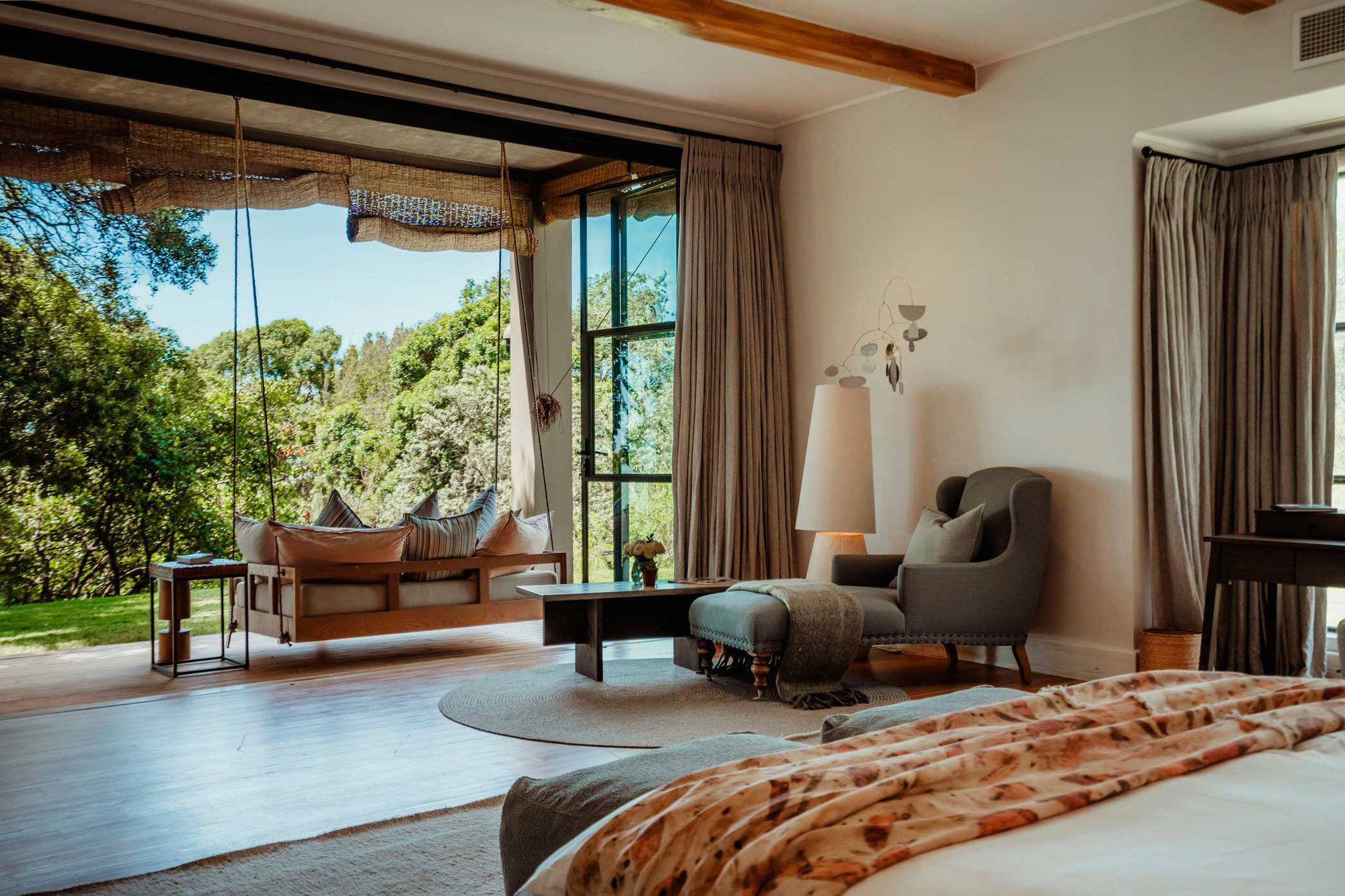
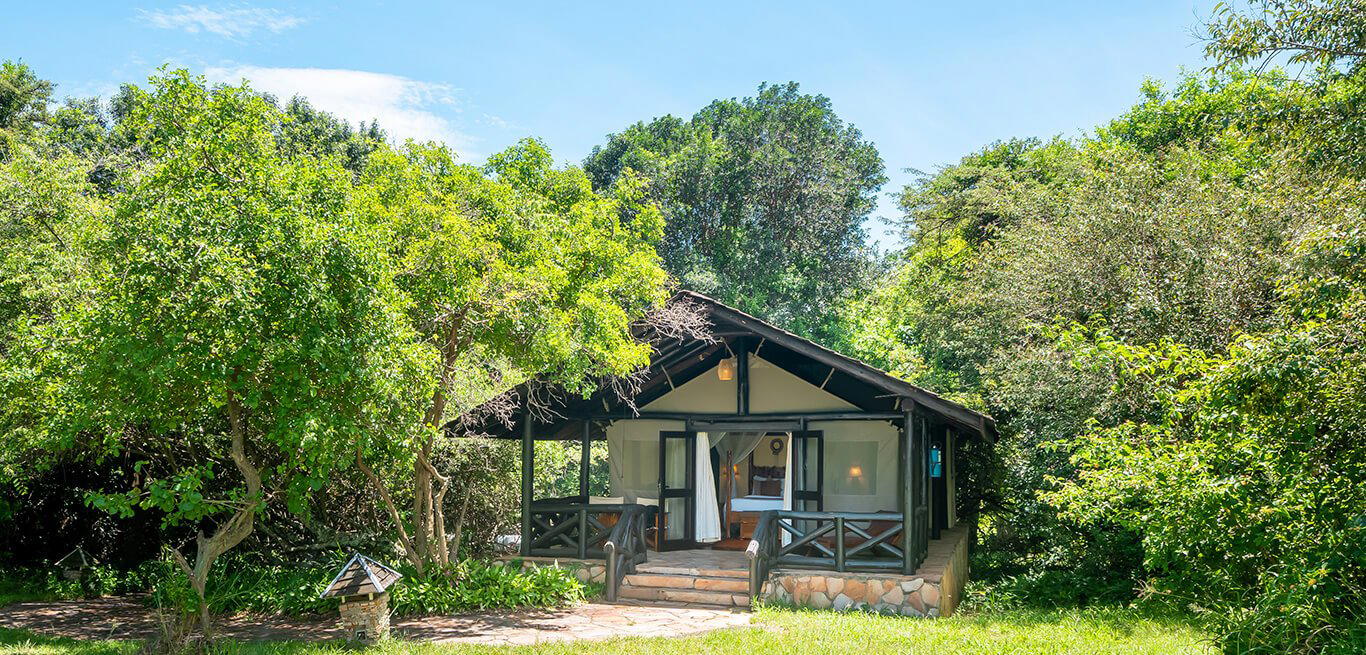
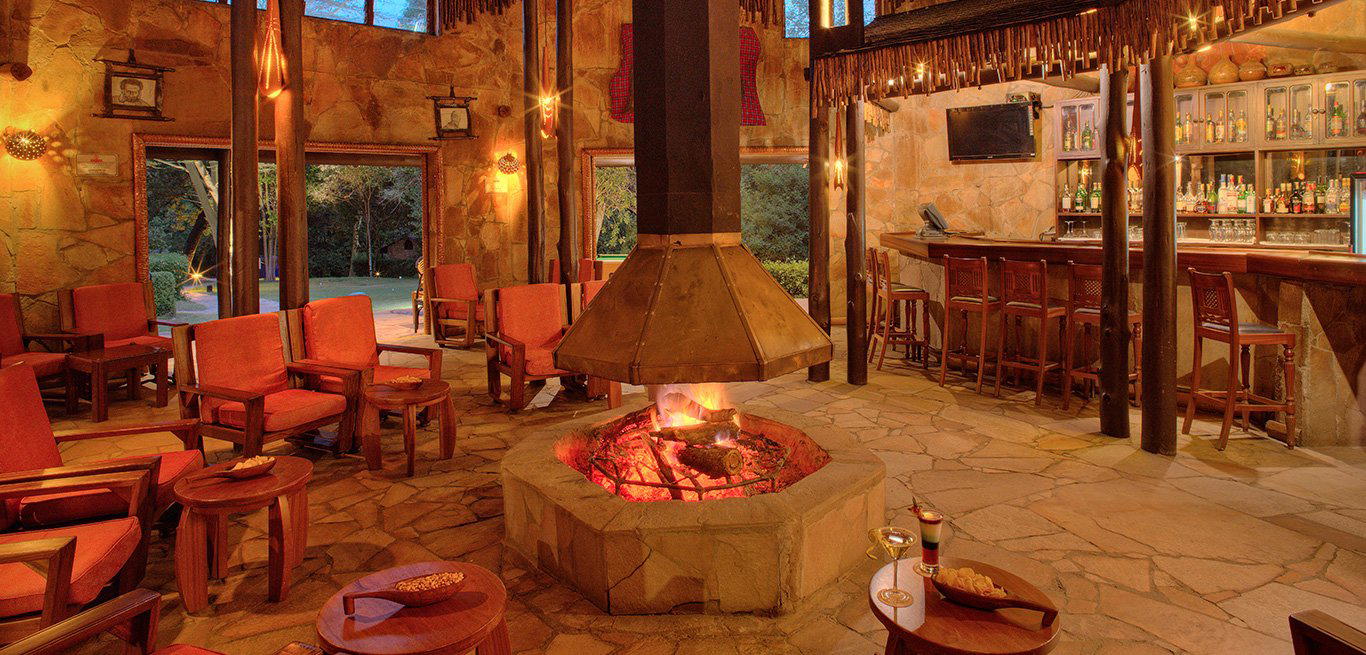
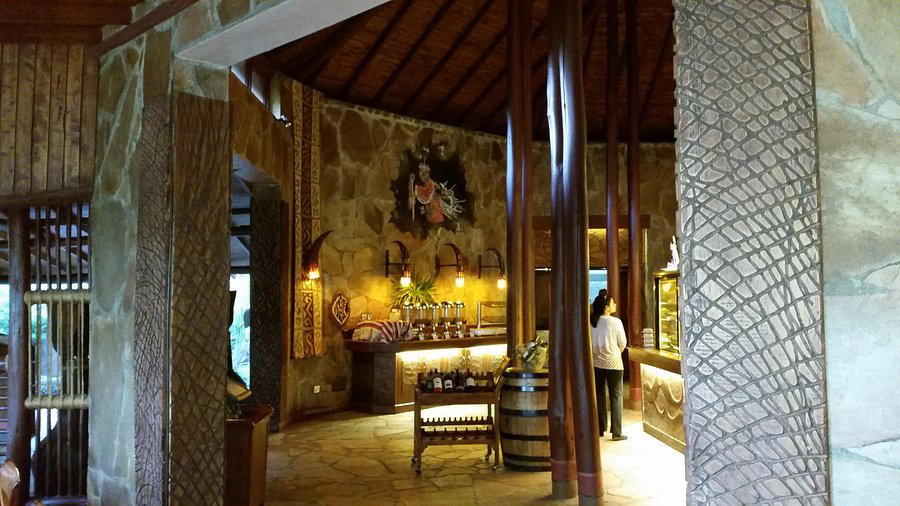
Rustic-chic with natural light, breezy open fronts, whitewashed interiors, cozy textures, and a serene country-house feel enhanced by fireplaces and sweeping wilderness vistas.