Our verdict
Botánica Restaurant belongs to Quito’s growing ingredient-led dining conversation, where Andean produce, coastal supply lines, and Amazonian pantry traditions increasingly shape the city’s serious tables. With its position on Avenida Francisco de Orellana and Avenida Amazonas, it fits a north-central Quito circuit that rewards diners interested in Ecuadorian sourcing rather than generic international polish.

Pearl is the En Primeur Club membership app — saves, bookings, and concierge access live there. Same editors, same standards.
- Address
- Avenida Francisco de Orellana 1172 y Avenida Amazonas
- Directions
- Get directions
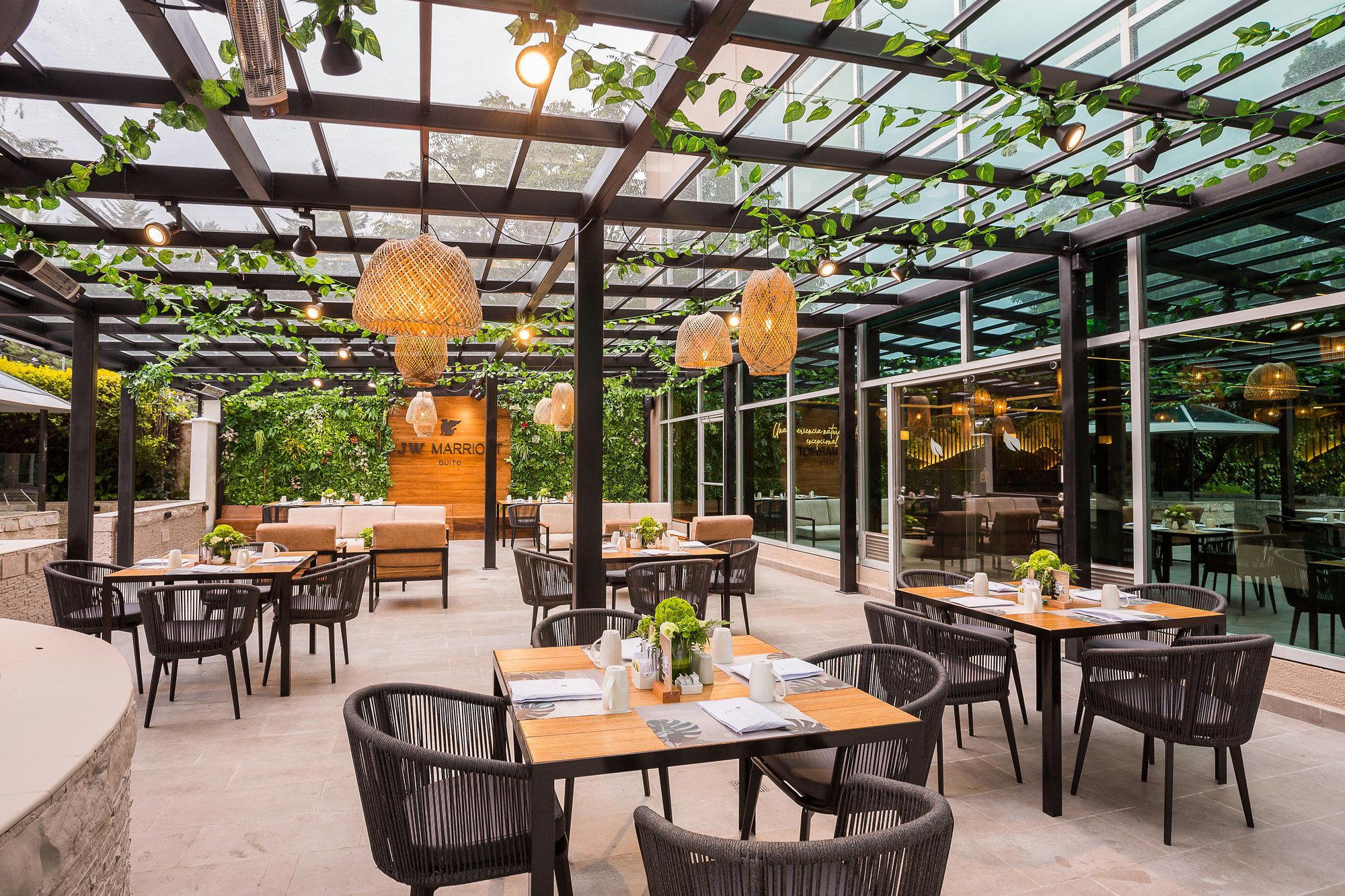
The menu
What to order
- Ecuadorian regional specialties
- Latin-inspired fusion dishes
- Buffet breakfast with waffle and omelet stations
Quito has a particular restaurant rhythm: business corridors, hotel traffic, international visitors, and a dining public that moves between formal rooms and contemporary kitchens with less ceremony than older capital-city dining once required. In the city, the room matters, but the sharper question is how a restaurant fits into the wider dining circuit. Botánica Restaurant sits inside that conversation, where the name gives the venue a distinct identity without requiring a fixed cuisine label.
Quito is a high-altitude capital with unusually compressed access to ecological variety. The Andes, coast, and Amazon all shape the way diners talk about Ecuadorian food, even when an individual restaurant does not publish a narrow category or formula. The city’s more interesting dining rooms now treat that national range as part of the context rather than simple decoration. In that sense, Botánica Restaurant is easier to place as a Quito dining address than through an over-specific menu claim: the relevant comparison is not simply fine dining versus casual dining, but how a room fits the capital’s current restaurant map.
Quito's ingredient-led tables are moving beyond postcard Ecuador
For years, visitors often approached Ecuadorian food through a short list of recognizable dishes. Quito’s current dining scene is broader: heritage recipes, contemporary cooking, hotel dining, bistro technique, and international formats now overlap within a relatively compact city. Some Quito dining rooms speak to polished atmosphere, while Zazu and Nuema represent two of the city’s more visible restaurant references. Botánica Restaurant belongs to the same broader Quito conversation, even when the exact menu format is not publicly reduced to a single neat label.
That distinction matters because serious dining in Ecuador is not the same as importing a global template and adding local color. The stronger version pays attention to place, season, market access, and the expectations of the city’s diners. Quito’s geography allows restaurants to think across many registers, from relaxed local meals to more polished evenings. When a restaurant presents itself with a strong identity in this city, the editorial question becomes whether the experience feels clear, coherent, and useful for a visitor trying to understand the capital’s dining scene.
Botánica Restaurant’s value, for the right diner, is that it offers another point of reference within Quito rather than another anonymous international room. The capital benefits from restaurants that help visitors see how varied the local dining landscape has become. The more compelling tables in the city are those that feel connected to Quito’s present moment, not those that rely only on generic luxury signals.
The Quito setting suits a less ceremonial kind of serious dining
Botánica Restaurant is best understood as part of Quito’s contemporary dining map rather than as a restaurant defined by a single landmark or district. That changes the meal’s frame. In a capital with strong architectural and cultural associations, restaurants still have to earn attention through format, service, and consistency. The city works well for diners staying in contemporary hotels, moving between meetings, or building an evening around the current food and drink circuit rather than a single monument-facing dinner.
This part of the decision also makes comparisons more practical. A diner mapping Quito can move from established dining rooms to contemporary local cooking, more casual international stops, or other formats across the city. The choice is less about chasing a universal ranking and more about matching the night’s purpose: a polished room, a relaxed dinner, a technical counterpoint, or a restaurant that gives the capital another distinct entry in the itinerary.
In Quito, that is not a weakness by itself. The city’s dining identity is still being defined internationally, and many useful meals happen outside the obvious award trail. The better test is whether a restaurant helps a visitor make sense of the capital’s dining options with only a few nights in the city.
How to place it in a Quito itinerary
Use Botánica Restaurant when the brief is a Quito dinner that feels tied to the city rather than a generic luxury script. It makes particular sense for travelers who have already scheduled another established dining room, a tasting-menu counterpoint, or a hotel restaurant and want another angle on how the capital’s restaurant scene presents itself. For a wider scan, our full Quito restaurants guide is the cleaner starting point; the city’s supporting infrastructure is better understood alongside our full Quito hotels guide, our full Quito bars guide, our full Quito wineries guide, and our full Quito experiences guide.
Travelers extending the Ecuador itinerary can also read the capital against restaurants elsewhere in the country and compare how different cities and regions frame dining for visitors. For contrast beyond Ecuador, tightly defined international formats show how place can be communicated through a narrower lens. Quito’s argument is different: the city is compact, the dining field is varied, and the stronger restaurants know that context is part of the story.
Frequently asked questions
Is Botánica Restaurant okay with children?
Those details are not published. Botánica Restaurant is in Quito, and the available public record does not define it as a family-oriented spot. Check the venue's official channels for the latest details.
What's the vibe at Botánica Restaurant?
Botánica Restaurant reads as part of Quito’s contemporary dining conversation, with an emphasis on the city’s current restaurant scene rather than old-fashioned dining ceremony.
Where do I go for Botánica Restaurant?
Quito.
How far ahead should I plan for Botánica Restaurant?
No booking lead time is listed in the public record. Check the venue's official channels for the latest details.
What's Botánica Restaurant best at?
Botánica Restaurant is best positioned as a Quito dining option within the capital’s broader contemporary restaurant conversation.
Comparable Spots, Quickly
Comparable venues by cuisine and price in the same metro.
| Venue | Cuisine | Price | Awards |
|---|---|---|---|
| Botánica RestaurantThis venue — the venue you are viewing | Ecuadorian and International Hotel Restaurant | $20–30 | Not listed |
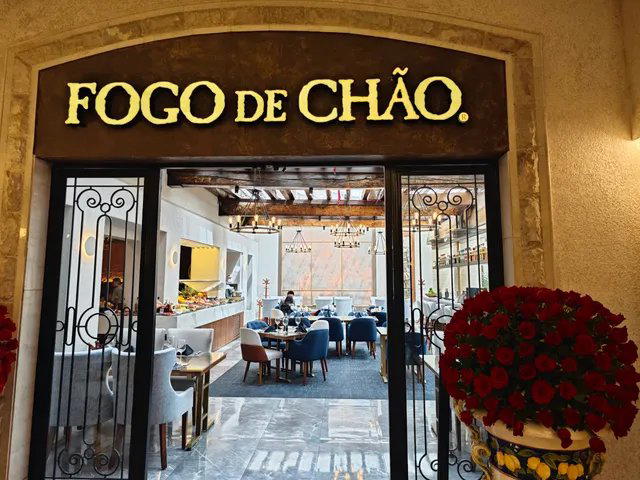
| Fogo de Chão | Authentic Brazilian churrasco steakhouse | $50–100 | Not listed |
| Meet Gourmet | Gourmet Café and Bakery | Not listed | Not listed |
| Raíces Fine Cuisine | South American Fine Dining | Not listed | Not listed |
| Zazu | Modern Peruvian-Ecuadorian Fine Dining | $100–150 | Relais Chateaux Award |
| Nuema | Avant-Garde Ecuadorian Tasting Menu | $50–100 | World's 50 Best #61 · La Liste Top Restaurants |

Details
- Modern
- Elegant
- Cozy
- Family
- Business Dinner
- Group Dining
- Casual Hangout
- After Work
- Celebration
- Hotel Restaurant
- Design Destination
- Beer Program
- Local Sourcing
- Buffet
- A La Carte
- Wine
- Beer
- Cocktails
- Vegetarian Friendly
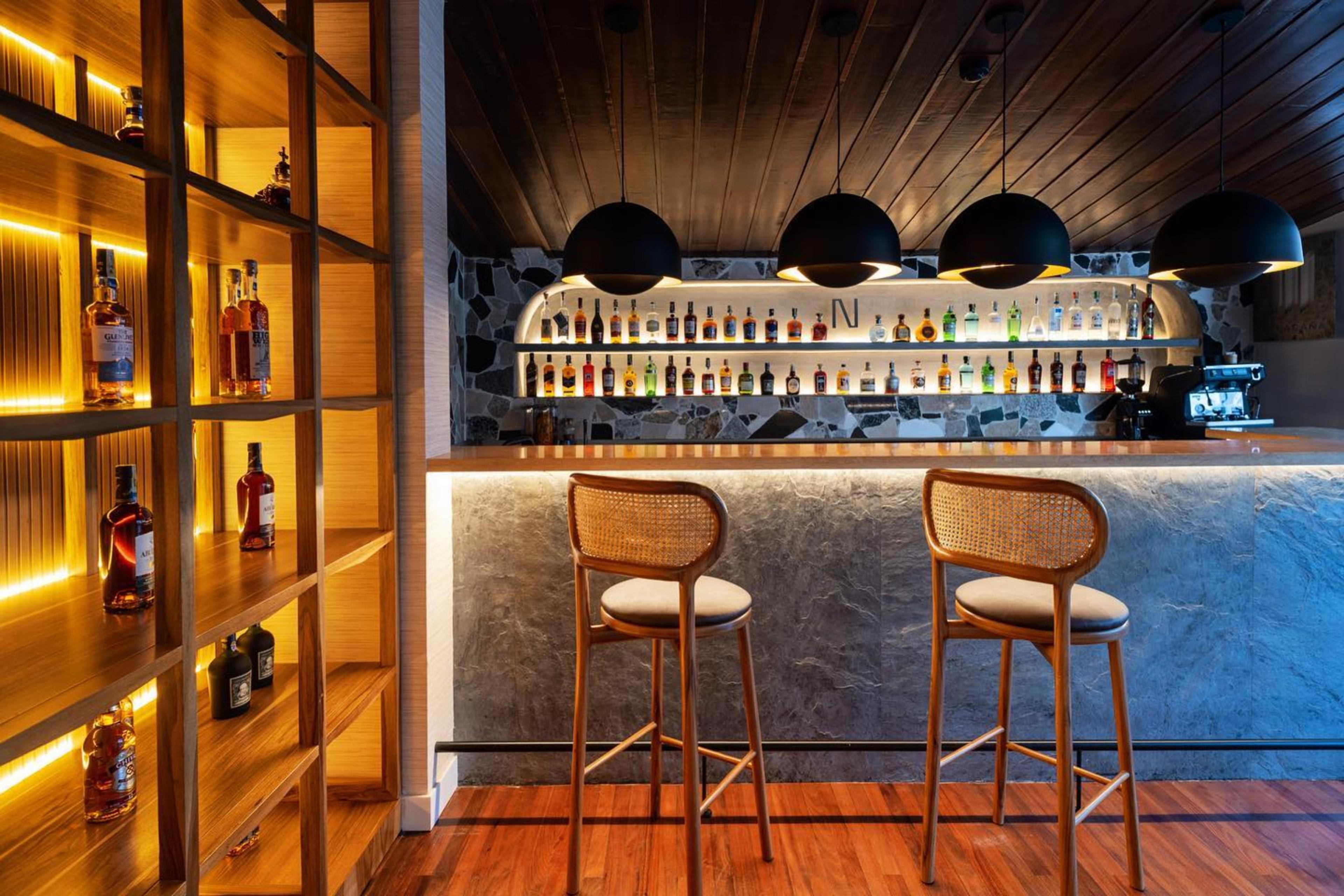
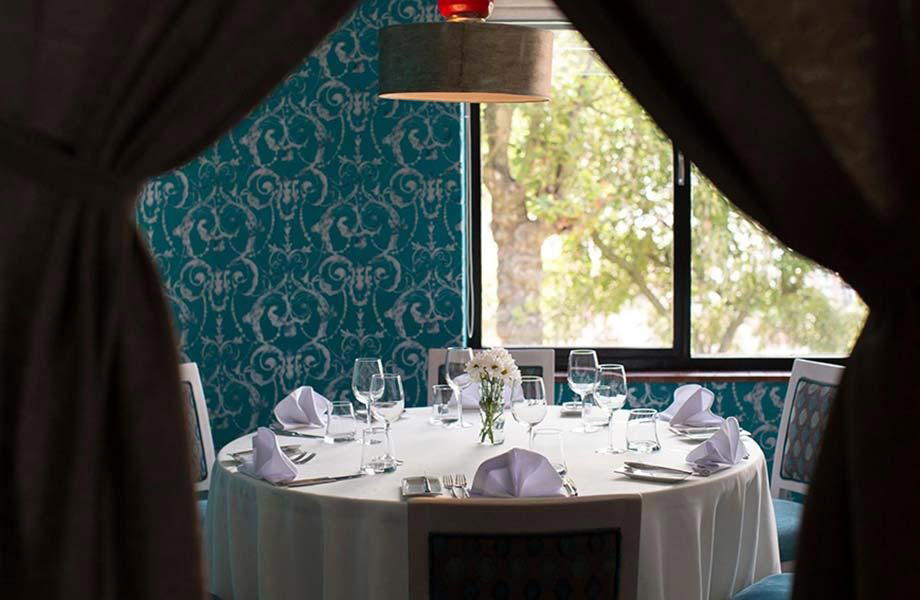
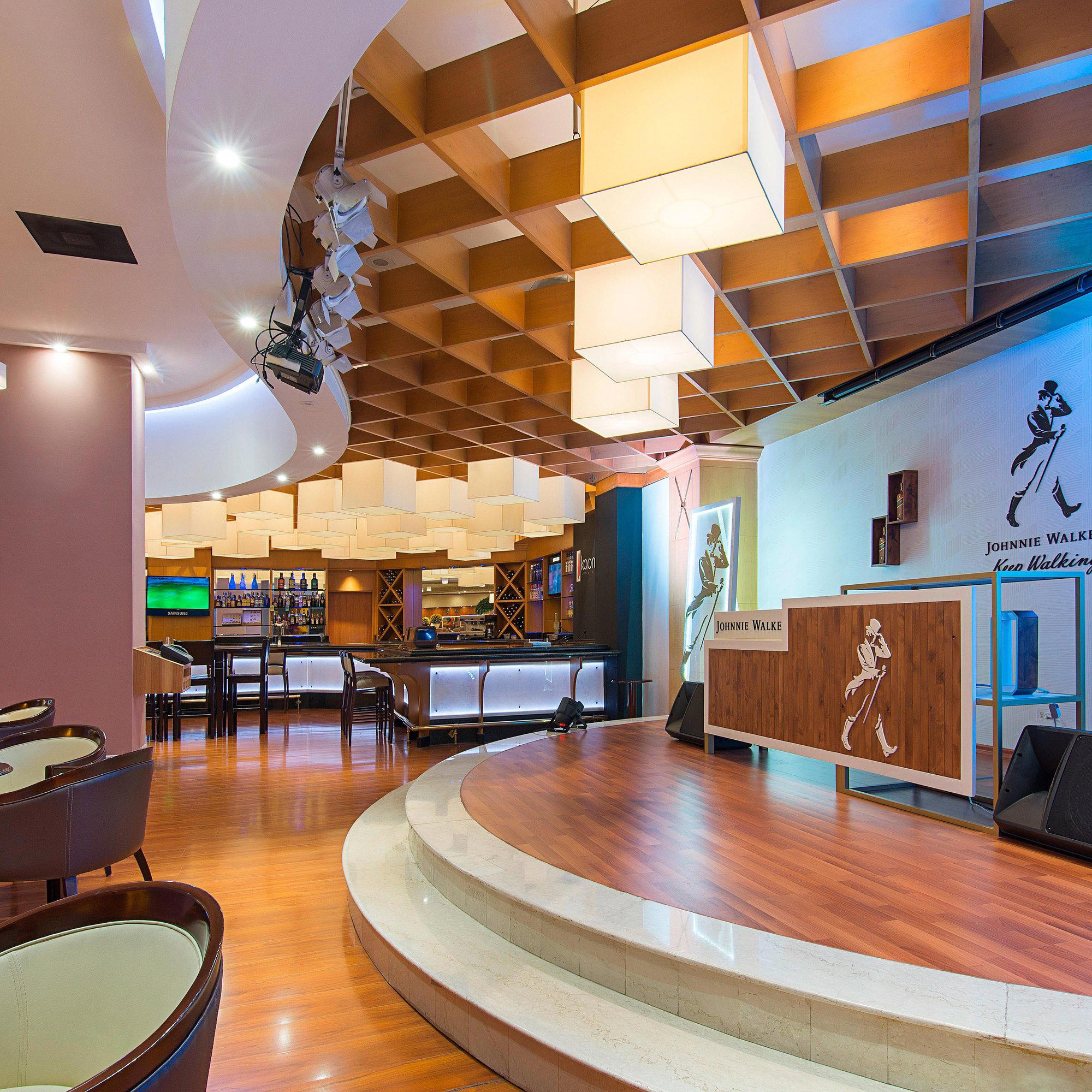
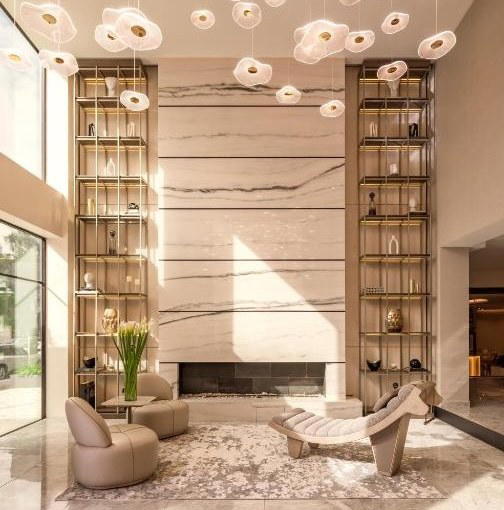
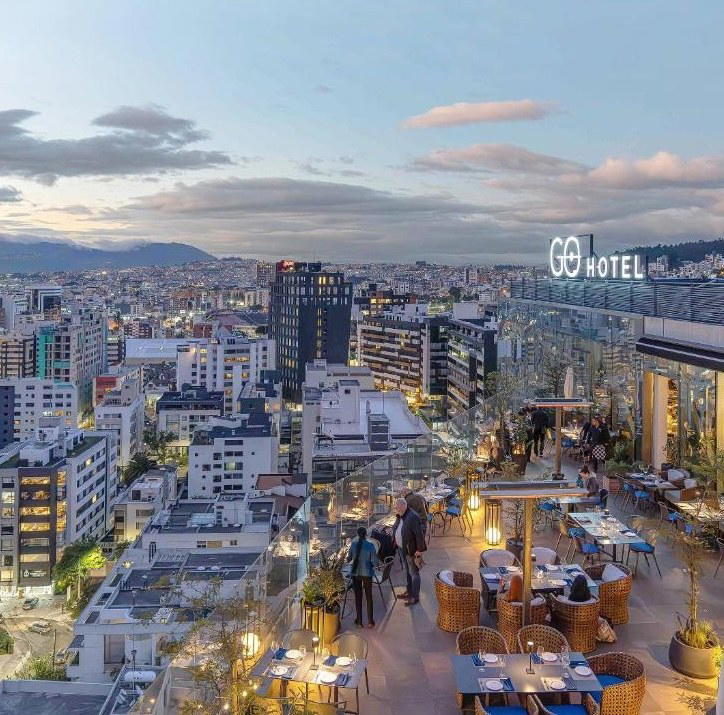
Located on the lower level of the JW Marriott Quito next to the pool, with a charming setting featuring a waterfall and nature-inspired design; the atmosphere is relaxed but polished, suited to hotel guests, families, and business diners.