Irama Kuala Lumpur
Irama Kuala Lumpur sits on Jalan Pahang in Titiwangsa Sentral, a useful address for travellers who want Kuala Lumpur beyond the KLCC hotel circuit. With public venue data limited, the smarter read is contextual: assess it against the city’s split between corporate towers, heritage conversions, serviced residences, and neighbourhood-led stays before committing.

Pearl is the En Primeur Club membership app — saves, bookings, and concierge access live there. Same editors, same standards.
- Address
- 72, Jalan Pahang, Titiwangsa Sentral, 53000 Kuala Lumpur, Wilayah Persekutuan Kuala Lumpur, Malaysia
- Phone
- +60 3-2697 8888
- Website
- iramakl.com
- Directions
- Get directions
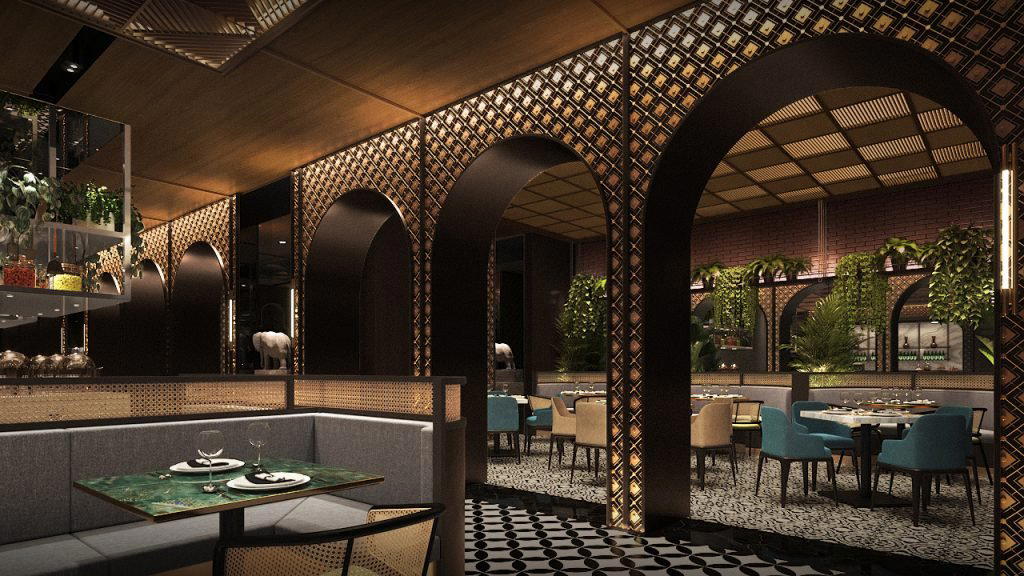
Arrival in Titiwangsa, not the KLCC script
Jalan Pahang gives Kuala Lumpur a different first impression from the polished approach roads around the Petronas Towers. Traffic moves in practical bursts, medical centres and transit-linked blocks shape the rhythm, and the city feels less staged than it does around KLCC or Bukit Bintang. Irama Kuala Lumpur belongs to this side of the capital: addressed at 72, Jalan Pahang, Titiwangsa Sentral, 53000 Kuala Lumpur, it sits in a district where access and everyday city movement matter more than skyline theatre. That distinction is useful. Kuala Lumpur’s hotel scene is often sold through height, mall adjacency, and pool-deck views; Titiwangsa asks a more functional question about how a traveller wants to use the city.
For design-minded hotel guests, the address is the first piece of information. Kuala Lumpur has several hotel personalities operating at once: glass-tower luxury near KLCC, business hotels along the central commercial spine, serviced apartments built for longer stays, and smaller city properties that trade on neighbourhood convenience.
The architecture question in Kuala Lumpur hotels
Kuala Lumpur is a city where hotel architecture frequently doubles as a statement about status. In the KLCC orbit, properties compete through tower placement, lobby scale, branded residences, and direct access to corporate or retail infrastructure. In that bracket, design is not merely decoration; it is a way of asserting that the hotel belongs to the capital’s finance-and-luxury corridor.
Titiwangsa operates differently. The design reading here begins with urban placement: an address northeast of the central tourist core, closer to working Kuala Lumpur than to the city’s luxury-hotel stage set. The more reliable editorial point is that its location places it outside the usual KLCC comparison group. That can be an advantage for travellers who value movement across the city over immediate access to flagship malls, and a drawback for those who expect their hotel to provide the visual shorthand of capital-city luxury.
How Titiwangsa changes the stay
Titiwangsa is not a generic hotel district. It is linked to Kuala Lumpur’s civic and transit geography rather than the international shopping circuit. Travellers choosing this area are usually making a practical trade: less dependence on the KLCC bubble, more proximity to northern and eastern approaches, and a clearer sense of the capital as a lived-in place. That matters in a city where a short map distance can become a long transfer during heavy traffic. A hotel on Jalan Pahang should be assessed by where the day begins and ends, not by how it photographs from an infinity pool.
The address also places Irama Kuala Lumpur in a useful middle category for the city: neither a resort-style escape nor a globally branded tower, at least based on the available record. That puts more pressure on logistics. In Kuala Lumpur, that kind of diligence is not administrative fussiness; it is how travellers avoid mismatches between neighbourhood convenience and hotel expectation.
Where it sits against Kuala Lumpur's hotel peer sets
The city’s hotel map can be read as a series of competing promises. KLCC properties sell instant orientation: towers, embassies, offices, restaurants, and branded retail within a concentrated zone. Serviced residences such as Ascott Kuala Lumpur Jalan Pinang tend to appeal to travellers who want apartment-like practicality near the central business district. Design-led urban stays such as Else Kuala Lumpur and Alila Bangsar Kuala Lumpur speak to a different preference: neighbourhood texture, adaptive reuse or contemporary design identity, and a less conventional sense of place.
Its clearer comparison is with location-led city hotels that make sense because of where they are rather than because of a trophy cabinet. Crowne Plaza Kuala Lumpur City Centre sits closer to the corporate centre; Crockfords at Resorts World Genting belongs to a destination-gaming and highland-resort conversation outside the everyday city grid. Irama’s known data points are narrower: name, city, country, and address. That makes it a candidate for travellers comparing geography first and amenities second.
Design without overclaiming
Hotel writing often overreaches when the design record is thin. A responsible reading avoids assigning a visual identity that has not been documented. The design angle, therefore, has to be urban rather than decorative: what does the building’s location say about the type of Kuala Lumpur stay being offered?
That question is more revealing than a list of adjectives. Kuala Lumpur’s stronger hotels often declare themselves through height, heritage, resort landscaping, or branded minimalism. A Jalan Pahang address signals something else: access to a part of the capital where movement, medical and civic infrastructure, and local routines shape the day. The property may serve travellers whose priorities are appointments, cross-city access, or a quieter base away from the luxury-hotel cluster. Until verified hotel materials supply more detail, those are the honest design coordinates: not marble, not scent, not suite drama, but urban placement and the kind of itinerary it supports.
Food, drink, and the wider city context
No cuisine type, restaurant name, bar programme, chef, or in-house dining detail is available in the record, so the dining assessment has to move outward to Kuala Lumpur itself. This is not a hardship. The city’s eating culture is one of its main forms of architecture, with Malay, Chinese, Indian, Peranakan, mamak, and contemporary dining scenes layered across neighbourhoods rather than confined to hotels. Travellers staying outside KLCC often gain easier mental access to that reality because the city is not reduced to mall restaurants and lobby lounges.
If the plan is to use the hotel as a base and build meals around the city, the wider EP Club guides become more useful than any unsupported claim about on-property dining. Start with Our full Kuala Lumpur restaurants guide for the food map, Our full Kuala Lumpur bars guide for drinking rooms and cocktail addresses, and Our full Kuala Lumpur experiences guide for cultural planning beyond the table. The city rewards travellers who separate lodging decisions from dining decisions.
Malaysia beyond the capital
Kuala Lumpur hotel decisions often sit inside a larger Malaysian itinerary. The capital works as an arrival point, business base, or urban contrast before the trip moves to coast, island, highland, or heritage-city stays. That is where peer comparison becomes useful. The Datai in Langkawi belongs to the rainforest-and-beach resort tradition. Mandarin Oriental, Desaru Coast in Desaru is tied to a coastal resort model. Pangkor Laut Resort in Lumut speaks to private-island seclusion, while JapaMala Resort – A Samadhi Retreats Property in Pahang sits closer to the small-scale nature-retreat conversation.
Heritage and regional identity create another Malaysian thread. Cheong Fatt Tze - The Qing Suites in George Town and The Prestige in George Town Penang connect the hotel stay to Penang’s built history and port-city character. Bertam Wellness Spa and Villas in Penang, Gayana Eco Resort in Kota Kinabalu, and Sunway Resort Hotel in Selangor each answer different trip designs.
International reference points for design-led travellers
Travellers who care about hotel architecture often compare cities through their strongest lodging statements. The Fifth Avenue Hotel in New York City works in a dense urban heritage-and-design register. Hôtel de Paris Monte-Carlo in Monte Carlo belongs to the grand European palace tradition. Badrutt's Palace Hotel in St. Moritz carries the weight of alpine resort history. Those comparisons are not direct competitors for a Jalan Pahang hotel, but they clarify what verified design pedigree looks like: named history, documented architecture, published service structure, and a clear relationship to place.
Irama Kuala Lumpur should be judged with a different instrument. Its value proposition, if it fits a trip, is more likely to come from address, city access, and price once verified through a booking source. That makes it less suitable for travellers seeking a hotel as the headline experience, and more suitable for travellers who want Kuala Lumpur itself to carry the narrative.
Planning notes: what can be verified
The confirmed data is concise: Irama Kuala Lumpur is in Kuala Lumpur, Malaysia, at 72, Jalan Pahang, Titiwangsa Sentral, 53000 Kuala Lumpur, Wilayah Persekutuan Kuala Lumpur. That means travellers should treat third-party listings with care, compare recent guest information across booking platforms, and confirm the exact room category, cancellation terms, arrival timing, taxes, and deposit rules before payment.
For a wider scan of the city’s lodging field, Our full Kuala Lumpur hotels guide gives the necessary context. The key decision is not whether a Titiwangsa address is inherently better or worse than KLCC, Bangsar, Chinatown, or Bukit Bintang. The decision is whether the trip needs hotel-as-destination design, corporate convenience, serviced-apartment practicality, neighbourhood texture, or a functional base with access to a different part of the city. Irama Kuala Lumpur belongs in that final conversation until stronger venue-specific evidence says otherwise.
Comparable Venues Nearby
Comparable venues nearby, for context on price, style, and recognition.
| Venue | Cuisine | Price | Awards | Notes |
|---|---|---|---|---|
| Irama Kuala LumpurThis venue — the venue you are viewing | Large contemporary urban convention hotel blending Malaysian cultural influences with modern luxury and extensive meeting facilities. | Not listed | Not listed | Not listed |
| W Kuala Lumpur | Bold innovative design immersing guests in Jungle City luxury | $200–300 | Michelin Selected | Kampong Baharu |
| Alila Bangsar Kuala Lumpur | design-forward urban oasis blending modern minimalism with natural elements | Not listed | Michelin Selected | Brickfields |
| The Ritz-Carlton, Kuala Lumpur | Timeless luxury heritage property with colonial elegance in the city center | Not listed | Michelin Selected · Forbes Recommended | Kampong Dollah |
| Crockfords at Resorts World Genting | British-inspired grandeur in a contemporary mountain resort setting | Not listed | La Liste Top Hotels · Forbes 5-Star | Genting Highlands |
| Sofitel Kuala Lumpur Damansara | French luxury infused with Malaysian heritage in an affluent urban enclave | Not listed | Michelin Selected | Kampong Bukit Mati |
Continue exploring
More in Kuala Lumpur
Hotels in Kuala Lumpur
Browse all →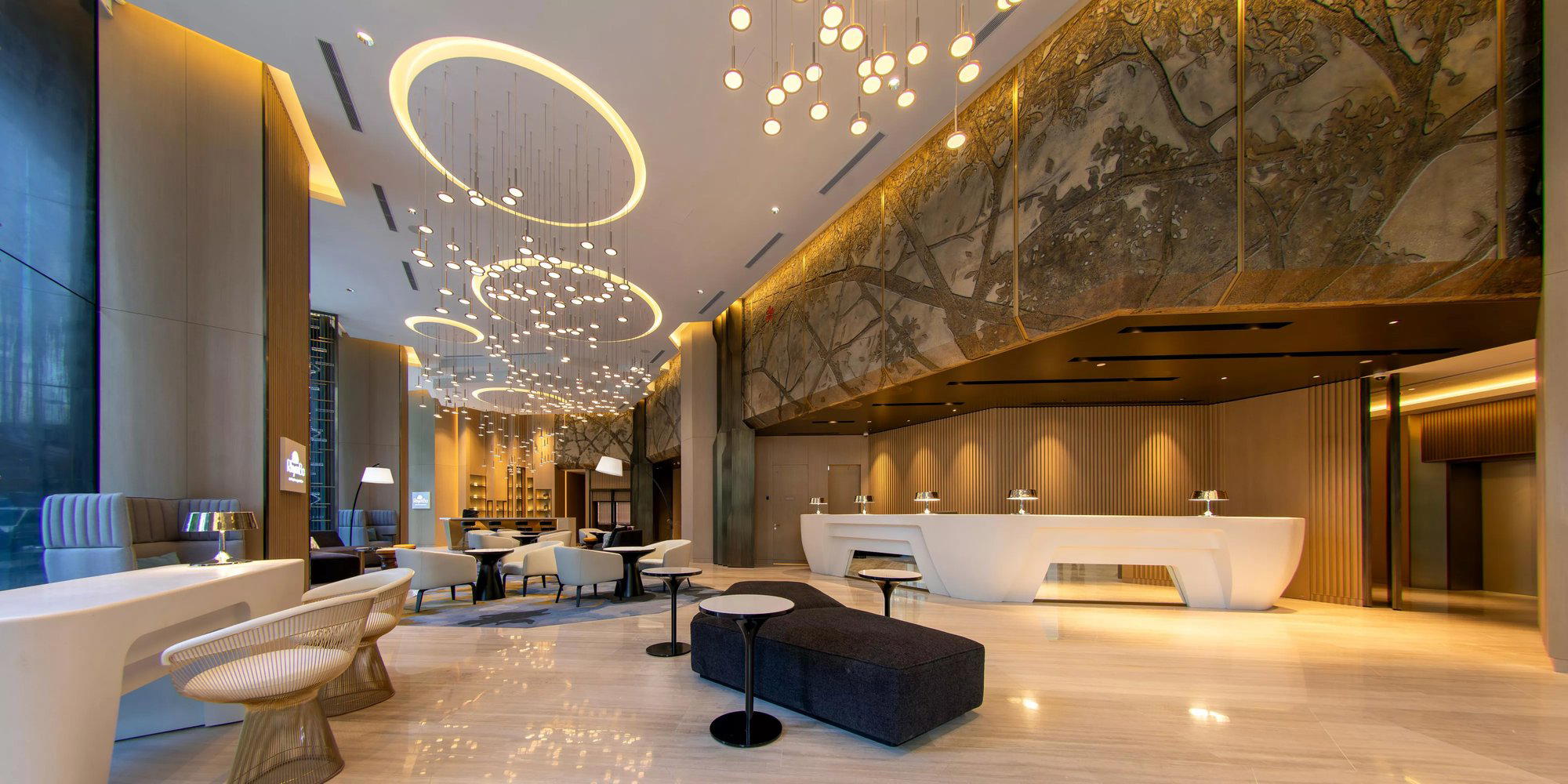
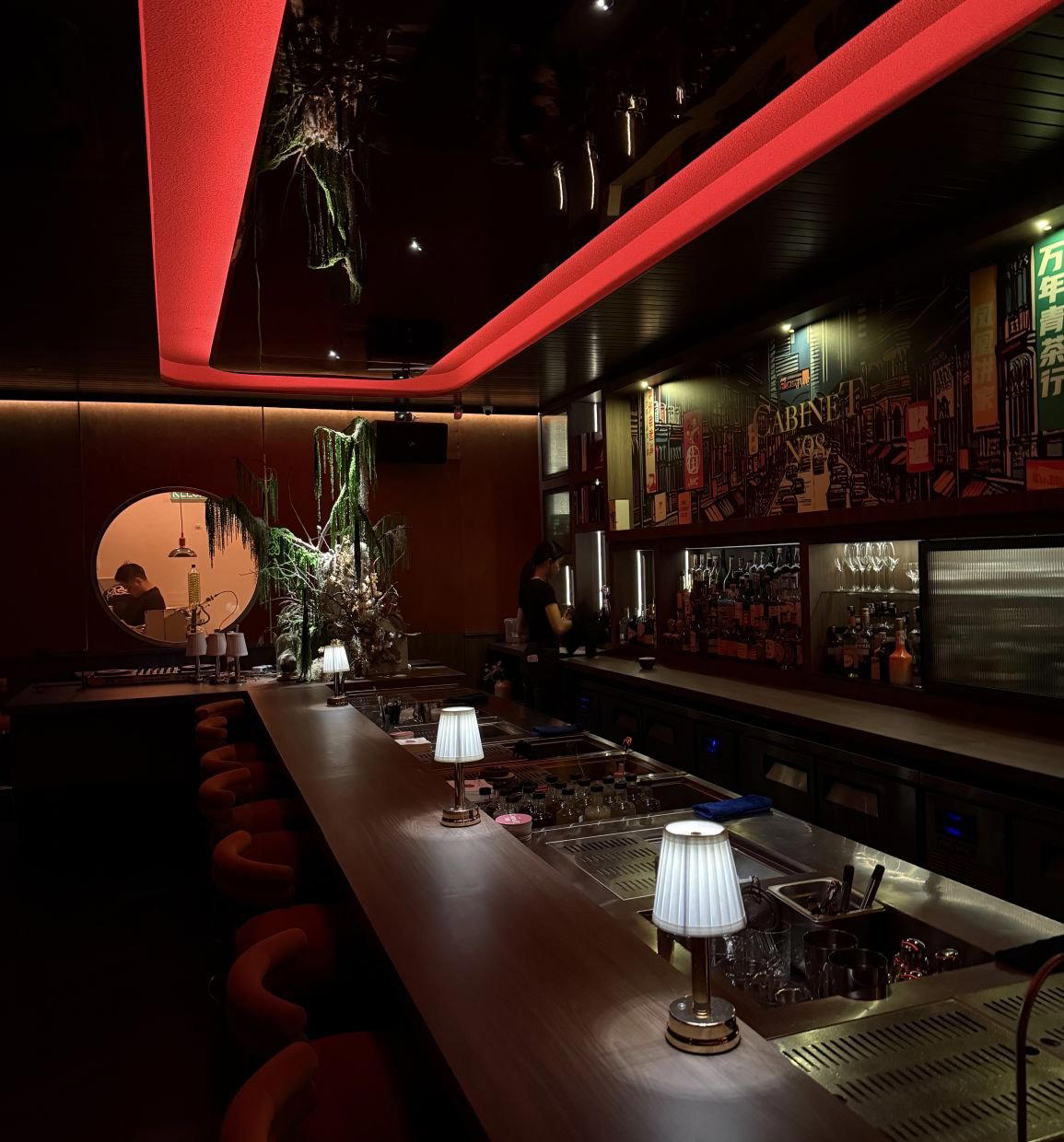
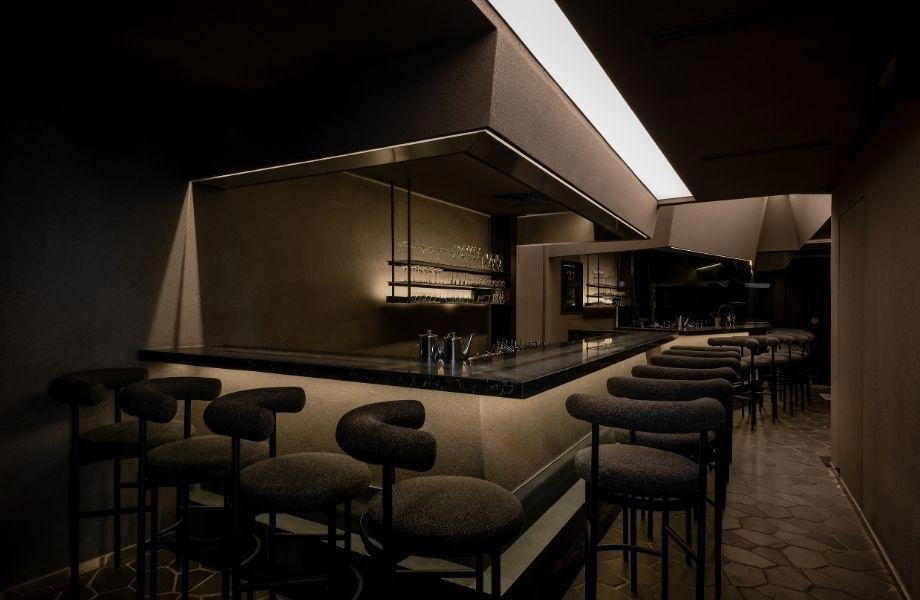
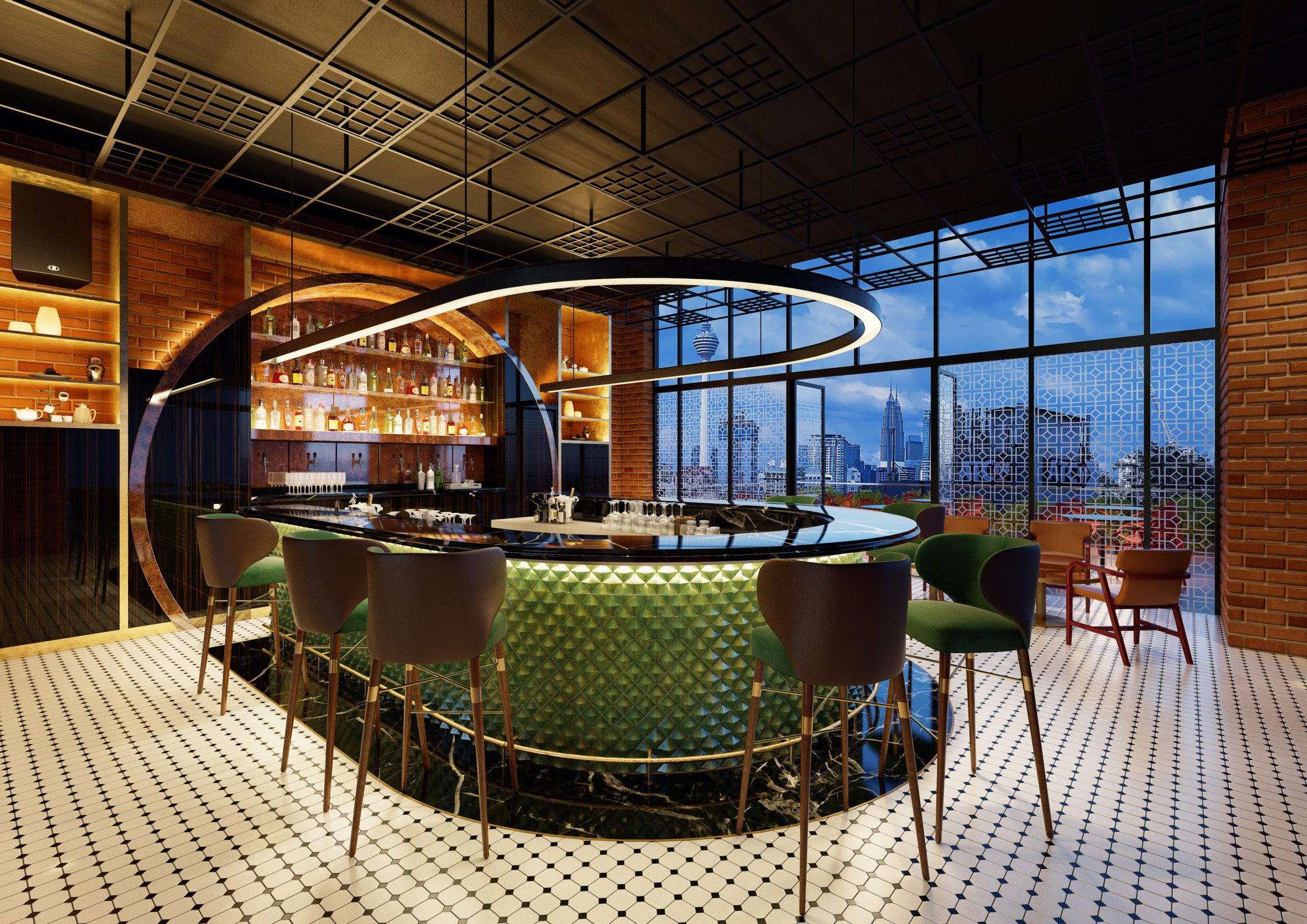
Bars in Kuala Lumpur
Browse all →
Restaurants in Kuala Lumpur
Browse all →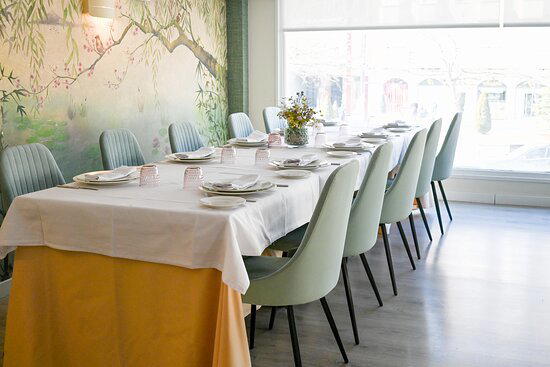
Details
- Modern
- Elegant
- Scenic
- Sophisticated
- Well Known
- Business Trip
- Family Vacation
- Group Retreat
- Destination Wedding
- Weekend Escape
- Celebration
- Panoramic View
- Rooftop Pool
- Design Destination
- Private Dining
- Wi Fi
- Business Center
- Fitness Center
- Pool
- Spa
- Concierge
- Room Service
- Valet Parking
- Skyline
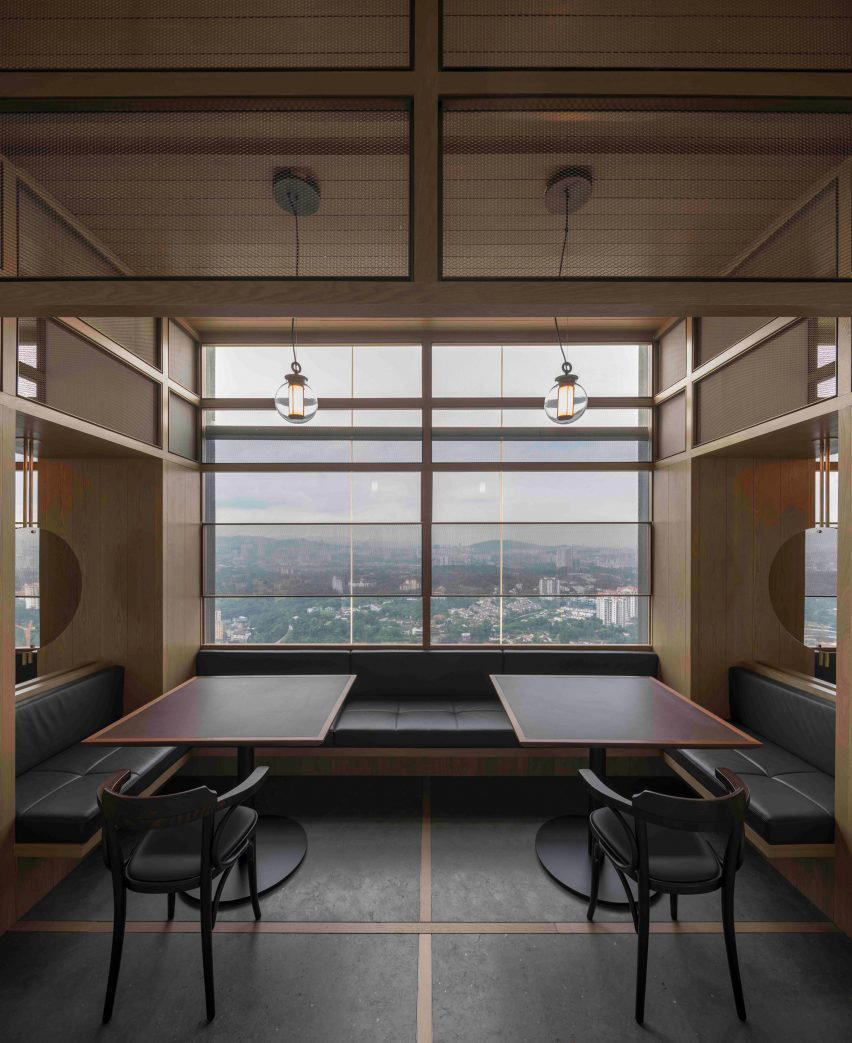
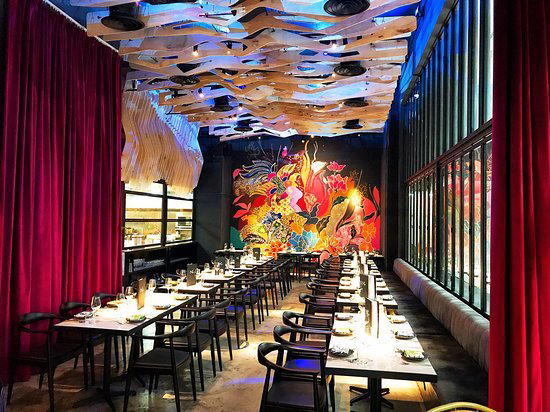
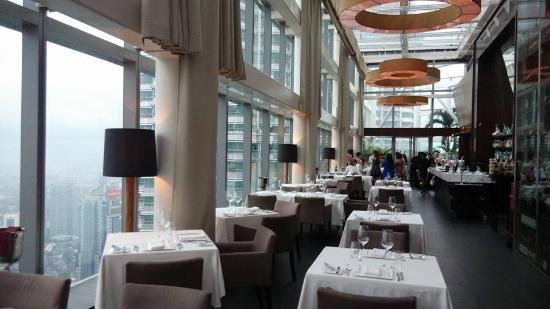
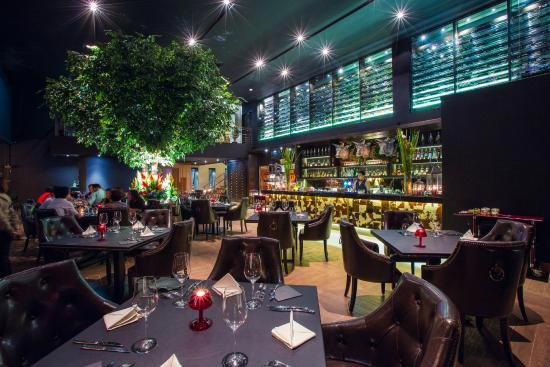
A polished, contemporary luxury atmosphere with floor-to-ceiling city views, warm Malaysian hospitality, and a mix of lively social spaces like rooftop bars and lounges balanced by serene, well-appointed rooms and suites.