InterContinental Resort Jiuzhai Paradise

Michelin Selected for 2025, InterContinental Resort Jiuzhai Paradise occupies the gateway to one of China's most geologically dramatic national parks. The resort sits in Zhangzha Town, positioning guests within reach of Jiuzhaigou's turquoise lakes and tiered waterfalls. For travellers seeking a full-service international-brand property in a region where accommodation options are sharply limited, this is the default anchor point.
Pearl is the En Primeur Club membership app — saves, bookings, and concierge access live there. Same editors, same standards.
- Address
- China, Sichuan, Ngawa Tibetan and Qiang Autonomous Prefecture, Jiuzhaigou County, 漳扎镇甘海子
- Phone
- +86 837 778 9999
- Website
- ihg.com
- Directions
- Get directions
 Saves & bookings on Pearl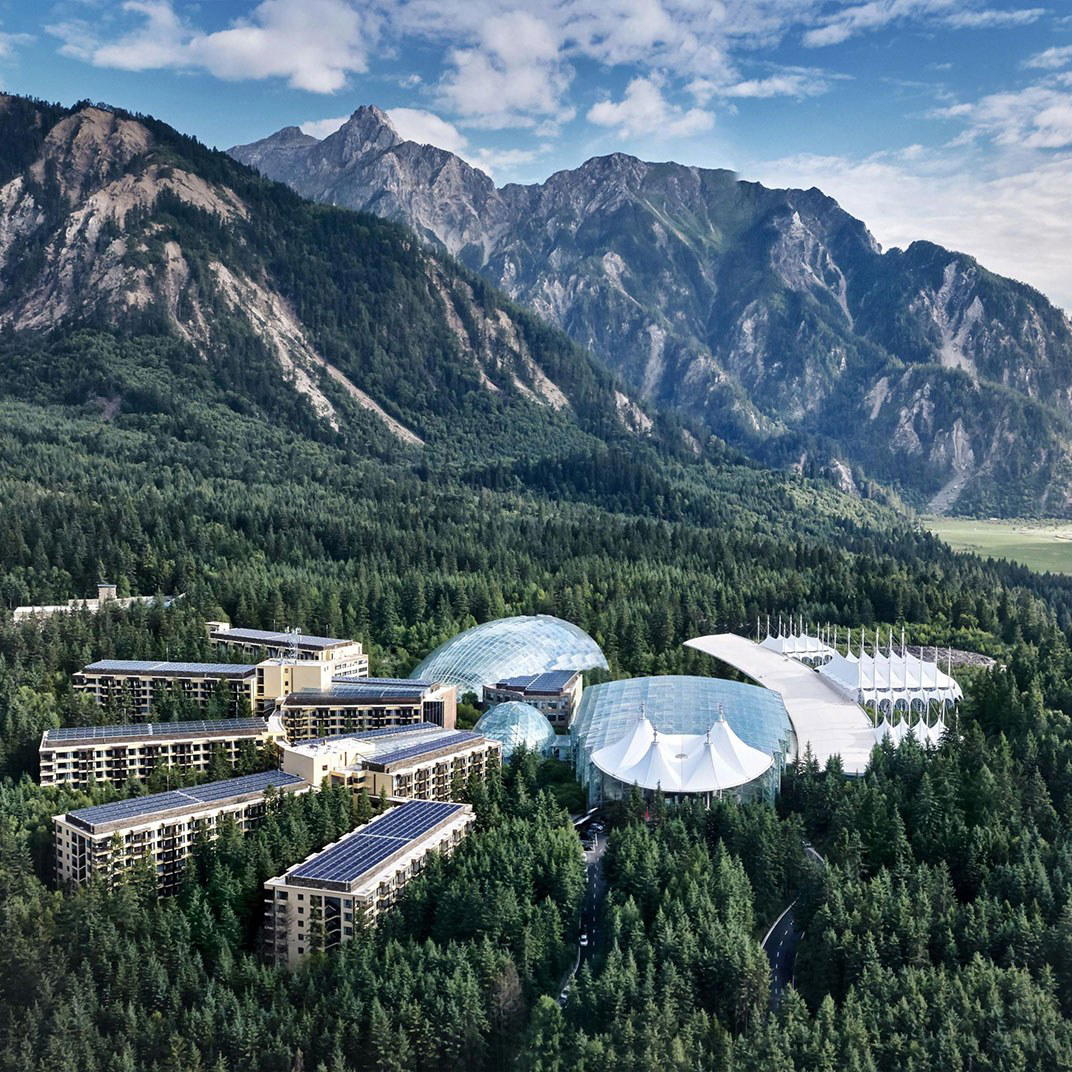
Where the Valley Sets the Terms
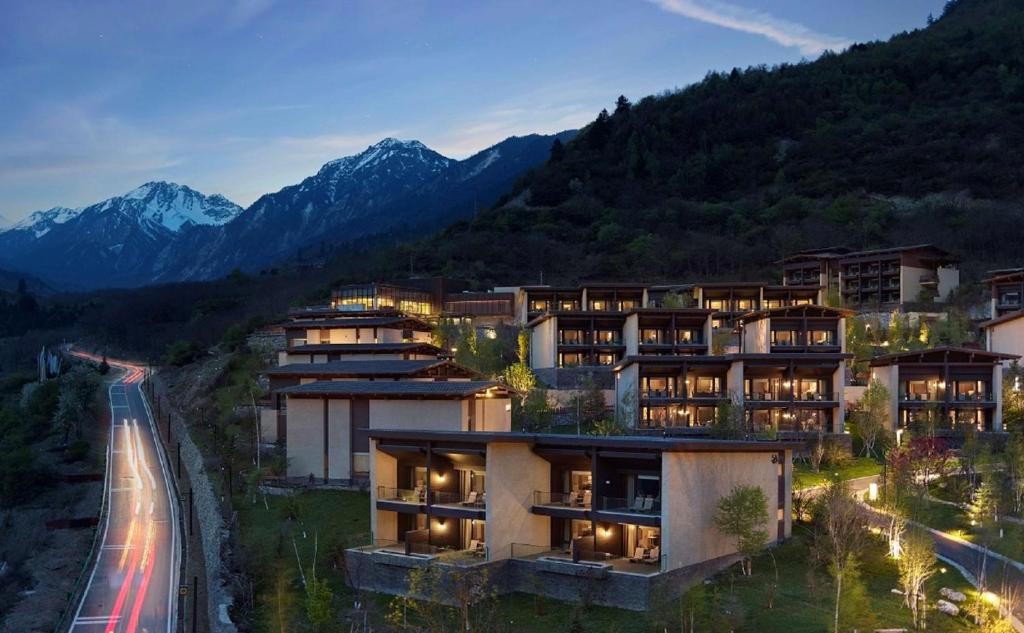
Arriving at Jiuzhaigou, the landscape asserts itself before any building does. The Min Mountains frame the valley in limestone and old-growth forest, and the light off the calcium carbonate lakes shifts from turquoise to jade depending on cloud cover and angle. Any hotel operating here is, architecturally speaking, in negotiation with that environment. The InterContinental Resort Jiuzhai Paradise, located in Ganhaizi within Zhangzha Town, takes that negotiation seriously: the resort's design draws on Tibetan architectural vocabulary, with pitched rooflines, heavy timber framing, and facade treatments in ochre and deep red that read as deliberate reference to the monastery architecture scattered across the surrounding highlands rather than as generic mountain-resort pastiche.
That design positioning matters because Jiuzhaigou's upper accommodation tier has become increasingly defined by how honestly each property responds to its physical and cultural context. The valley is a UNESCO World Natural Heritage Site, a designation that shapes both what can be built and how guests expect the built environment to feel. Hotels that import standard international aesthetics without adaptation feel jarring here. The InterContinental's approach, at least in its material palette and roofline logic, sits closer to the region's vernacular than a neutral business-hotel template would allow.
Design Logic in a Protected Valley
The architecture of resort hotels in Chinese national park zones operates under constraints that don't apply to urban luxury properties. Building heights are restricted, ground coverage is limited, and the visual relationship with surrounding terrain is subject to regulatory review. Within those parameters, the Jiuzhai Paradise property achieves a footprint that reads as low-profile from the valley floor, with structures arranged to avoid blocking sightlines to the peaks behind. The internal courtyards and circulation paths are organized around views outward rather than inward, which reflects an understanding that the primary design asset is not the hotel itself but the landscape it frames.
Compared to properties like Rissai Valley, a Ritz-Carlton Reserve, which takes a more villa-dispersed approach across the valley, the InterContinental's massing is more consolidated, functioning as a self-contained resort hub rather than a scattered retreat. Both models have merit depending on what a guest prioritizes: the InterContinental's density means more amenities within a shorter walking radius, while dispersed formats offer greater visual separation from other guests. The Conrad Jiuzhaigou represents a third point of comparison in this market, with its own interpretation of how an international brand should anchor itself to the valley's identity.
Michelin Selection and What It Signals
The 2025 Michelin Selected designation for the InterContinental Resort Jiuzhai Paradise places it in a shortlist of Chinese hotels that Michelin's editorial team has flagged as worthy of attention. In hotel terms, Michelin Selected functions as a quality threshold marker: properties at this level have passed editorial scrutiny for consistency and standard, and the designation travels with a level of independent credibility that distinguishes it from chain-internal ratings or promotional listings. For a resort in Jiuzhaigou, where proximity to the national park rather than urban amenities is the primary draw, the designation confirms that the property delivers on the premises its category suggests.
Across China's broader luxury hotel market, the InterContinental brand occupies a distinct tier. The Jiuzhai Paradise property operates in a considerably more remote setting than urban counterparts, which affects both the rhythm of the stay and the surrounding dining and activity context.
Getting There and Planning the Stay
The resort's location in Zhangzha Town places it at the primary access point for the national park, which keeps transfers to the park gate short.
Within the Jiuzhaigou scene, the hotel's full-service infrastructure addresses a practical gap: independent restaurant and retail options in Zhangzha Town are limited relative to what guests might expect from a major Chinese city destination. Dining, wellness facilities, and activity planning within the resort are convenient for guests who want a structured experience.
Placing It in China's Destination Hotel Conversation
China's premium hotel market has bifurcated over the past decade into urban-luxury properties competing on cuisine, design, and city-centre positioning, and destination-resort properties competing on landscape access, environmental credentials, and how thoroughly they can insulate a guest from the friction of a remote location. The InterContinental Resort Jiuzhai Paradise belongs firmly to the second category, in the same general conversation as Hylla Vintage Hotel in Lijiang, which positions itself around Yunnan's heritage architecture, or the Ritz-Carlton in Xi'an, which anchors around historical proximity to the Tang Dynasty city core. The Jiuzhaigou property's competitive advantage is geography: the national park itself is the draw, and the resort's role is to make access to it comfortable, legible, and repeatable across multiple days of exploration.
For travellers building a wider China itinerary, the logical pivot points from Jiuzhaigou are Chengdu and, for those extending west, Lhasa or Yunnan. Properties like Mandarin Oriental Qianmen in Beijing or JW Marriott Hotel Shanghai at Tomorrow Square serve as counterpoints in the itinerary: urban anchors with entirely different design logic and programming. The contrast between the dense cosmopolitan offer of those city properties and the landscape-first simplicity of the Jiuzhai Paradise stay is, for many travellers, the point.
Comparison Snapshot
Comparable venues nearby, for context on price, style, and recognition.
| Venue | Cuisine | Price | Awards | Notes |
|---|---|---|---|---|
| InterContinental Resort Jiuzhai ParadiseThis venue — the venue you are viewing | Modern resort with cultural fusion | $$$$ | 5-Star | Not listed |
| Conrad Jiuzhaigou | Modern luxury resort inspired by Tibetan culture | $$$$ | 5-Star | Zhangzha Town |
| Rissai Valley, a Ritz-Carlton Reserve | luxury resort with private villas | $$$$ | Michelin 3 Key | Jiuzhaigou Valley |
| Sanya Haitang Bay Hotel | contemporary-luxe resort | $$$$ | 5-Star | Haitang Bay |
| 百萬石温泉飯店 Hyakumangoku Onsen Hotel | Contemporary Japanese luxury resort with wabi-sabi design philosophy and Eastern Zen aesthetics, featuring eight architectural pavilions integrated with natural forest and snow elements. | $$$$ | 5-Star | 浦东 |
| HUALUXE Xiamen Haicang | Contemporary luxury Chinese hospitality brand with wave-inspired architecture | $$$$ | 5-Star | Haicang District |
Recognition history
Dated appearances from independent guides and award organizations, with the underlying list record or original source where available.
Michelin Selected
Michelin
Continue exploring
More in Jiuzhaigou
Hotels in Jiuzhaigou
Browse all →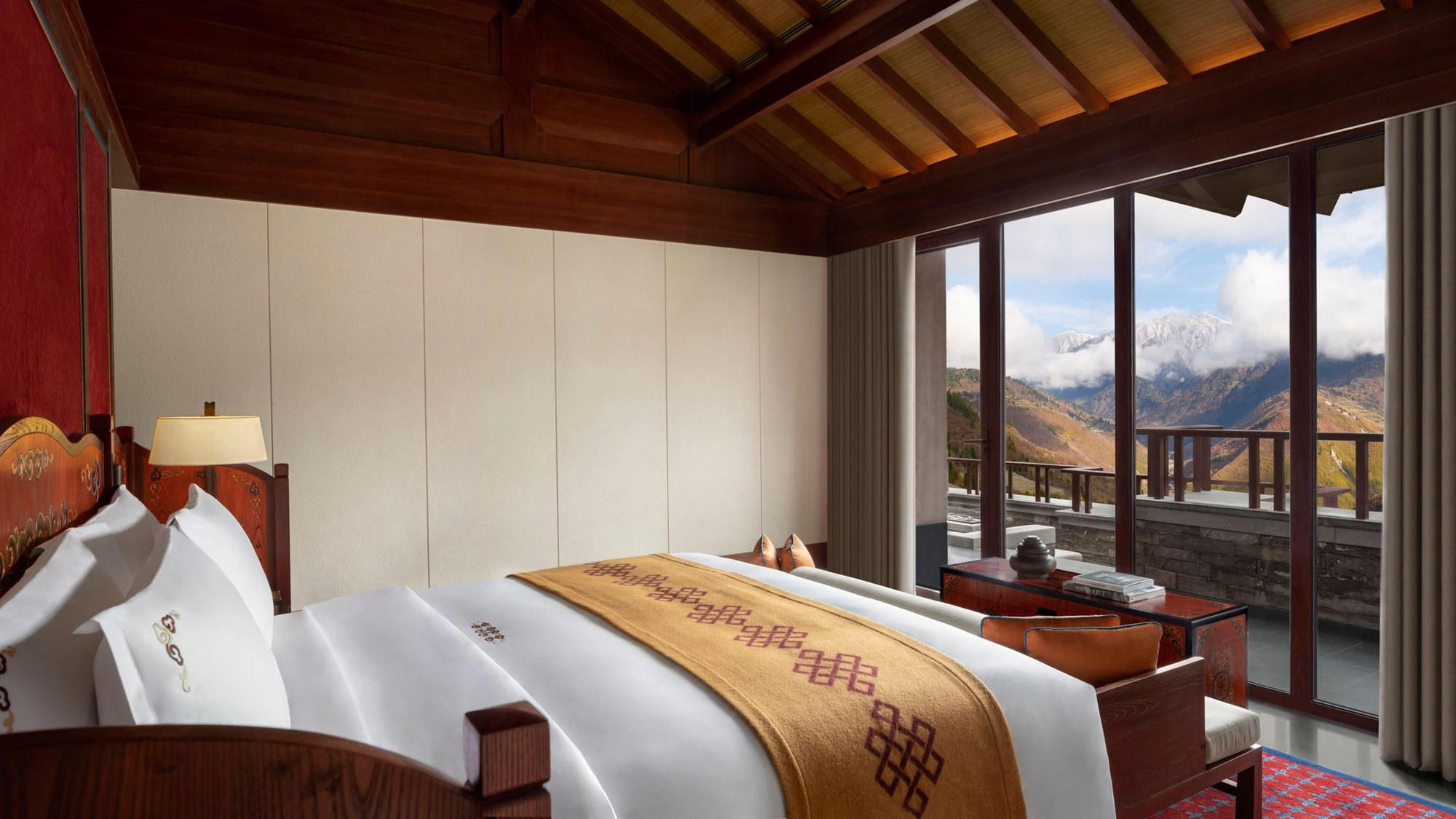
Restaurants in Jiuzhaigou
Browse all →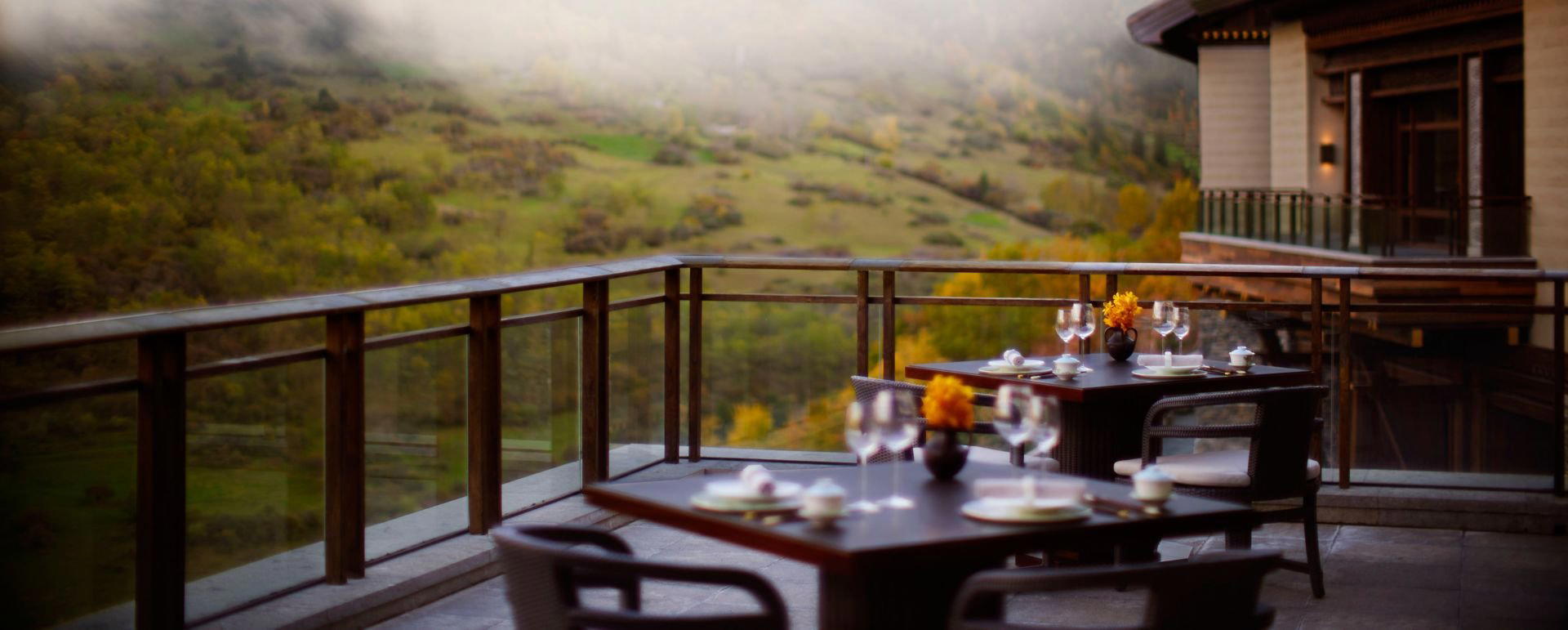
At a Glance
- Scenic
- Modern
- Elegant
- Sophisticated
- Family Vacation
- Romantic Getaway
- Wellness Retreat
- Weekend Escape
- Panoramic View
- Infinity Pool
- Destination Spa
- Pool
- Spa
- Fitness Center
- Room Service
- Business Center
- Wi Fi
- Restaurant
- Mountain
- Garden
- Pool
- Spa
- Fitness Center
- Room Service
- Business Center
- Wi Fi
- Restaurant
Serene mountain retreat blending modern luxury with Tibetan and Qiang cultural elements, featuring natural light through glass dome and tranquil forest surroundings.