
A Michelin Selected lodge within the Huilo Huilo Biological Reserve in Chile's Los Lagos region, Nawelpi sits at the edge of Valdivian temperate rainforest where the Fuy River runs cold and fast. The property operates as a base for serious wilderness access, with dining and accommodation calibrated to the demands of a remote, ecologically significant setting. Booking well ahead is advised, particularly for the austral summer season.
Pearl is the En Primeur Club membership app — saves, bookings, and concierge access live there. Same editors, same standards.
- Address
- Carretera Internacional CH-203, km 60 F - Neltume, 5210000 Panguipulli, Los Ríos, Chile
- Phone
- +56 9 7150 2025
- Website
- huilohuilo.com
- Directions
- Get directions
 Saves & bookings on Pearl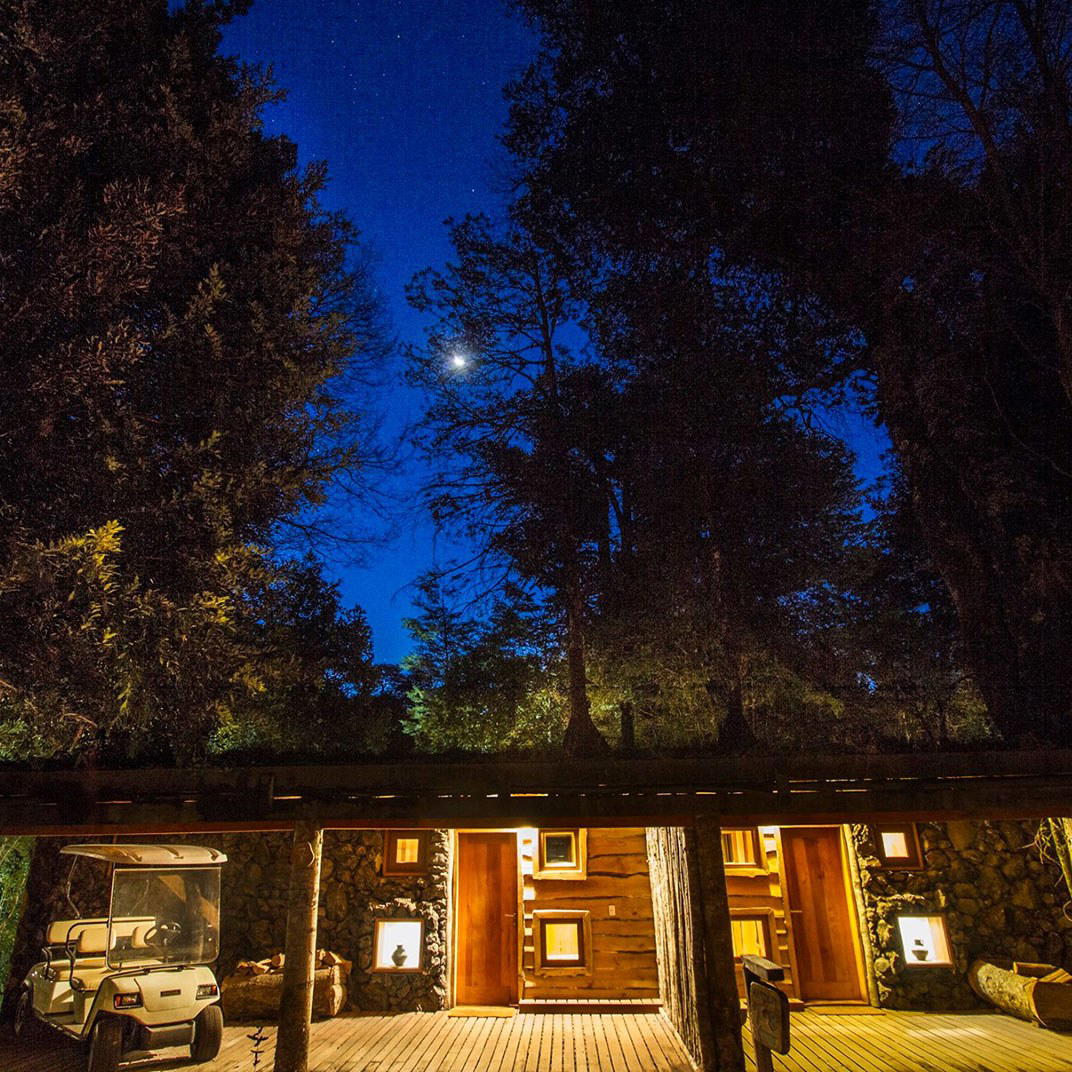
Rainforest Lodging in Chilean Patagonia's Northern Threshold
The Valdivian temperate rainforest is one of the least-visited forest ecosystems in the southern hemisphere, not because it lacks drama, but because the infrastructure to receive visitors has only recently caught up with the setting. Km 60 on the Panguipulli international road puts Huilo Huilo Nawelpi Lodge deep inside the Huilo Huilo Biological Reserve, a private conservation area of roughly 100,000 hectares straddling the border zone between Los Lagos and Araucanía. This is old-growth country: coigüe, tineo, and ulmo trees, river corridors, and the volcanic horizon of Mocho-Choshuenco. The lodge does not manufacture atmosphere; it inherits it.
Chilean lodge travel has long been dominated by two poles: the large-scale international operators concentrated in Torres del Paine (see Explora Torres del Paine and Remota Patagonia Lodge) and smaller design-led properties scattered across Chilean lake country. Nawelpi belongs to neither pole cleanly. It sits within a multi-lodge reserve complex, the same ownership runs both Huilo Huilo Montaña Mágica Lodge and Huilo Huilo Reino Fungi Lodge within the reserve, which gives Nawelpi access to shared infrastructure while maintaining its own identity. That structure is unusual in Chilean wilderness hospitality, where most premium lodges operate as standalone propositions.
The Michelin Selected designation, awarded under the 2025 Michelin Hotels programme, places Nawelpi among Chilean premium stays, from urban properties like W Santiago and Debaines Hotel Santiago to remote lodges in the Atacama and Chiloé. Michelin's Selected tier signals a consistent standard of experience across accommodation, service, and setting. In Los Lagos, where the hospitality market is thin and the quality range is wide, that signal carries practical weight for travellers planning trips from overseas.
The Dining Context Inside a Wilderness Reserve
Remote lodge dining in South America has undergone a significant shift over the past decade. Properties that once treated food as fuel for outdoor itineraries now treat it as a defining element of the stay, partly because Chilean cuisine has developed a stronger international vocabulary through chefs like Rodolfo Guzmán, and partly because guests at this price tier arrive with higher expectations on every axis. Nawelpi operates within that shift, positioned inside a reserve where the sourcing context, Andean river fish, southern Chilean produce, the agricultural traditions of the Valdivian corridor, is an immediate and visible part of the setting.
The Huilo Huilo reserve complex sits close enough to Panguipulli and the broader Siete Lagos area that access to regional ingredients is not a logistical abstraction. Lake country in Los Lagos produces a distinct larder: salmon and trout from cold Andean lakes, merkén-spiced preparations rooted in Mapuche culinary tradition, and a fruit and berry profile shaped by the region's wet, temperate climate. The setting makes the regional argument unavoidable. Lodges at this latitude that ignore the local pantry increasingly look out of step with both guest expectations and the broader direction of Chilean fine dining.
For comparison, properties like andBeyond Vira Vira in Pucón, in the same broad lake country zone further north, have built strong reputations partly on farm-to-table commitments that reflect the agricultural character of their settings. That precedent sets a benchmark the Huilo Huilo reserve properties are implicitly measured against. Nawelpi's position inside a conservation zone adds an additional layer: the lodge's ecological identity shapes what it can reasonably serve and how it can source it.
Reserve Context and the Broader Chilean Lodge Map
Los Lagos sits at the northern edge of what Chileans informally call Patagonia, though the region's character is closer to European lake country than to the wind-hammered steppe further south. The landscape here is defined by the Chilean Lake District's chain of glacial lakes, Panguipulli, Calafquén, Riñihue, and the volcanic cordillera that lines the Argentine border. It is wetter, greener, and more temperate than Patagonia proper, which makes it attractive to a different traveller: one interested in forest walking, fly fishing, and thermal bathing over the high-altitude trekking circuits that dominate Torres del Paine itineraries.
Within Chile's broader premium lodge map, Los Lagos occupies an interesting position. It lacks the international name recognition of Torres del Paine or San Pedro de Atacama, which means properties here face a different marketing challenge than peers like Our Habitas Atacama or Explora Rapa Nui. But that relative obscurity is also a structural advantage: the reserve setting is less trafficked than the better-known circuits, and the Huilo Huilo complex has enough scale, three distinct lodges, conservation infrastructure, and a growing activities programme, to support a multi-night itinerary without repetition. Travellers who have already done Torres del Paine and the Atacama often turn to lake country as the next tier of Chilean wilderness, which positions properties like Nawelpi well for the returning Chile visitor.
Other properties in the wider region worth mapping as comparators: Futangue Hotel and Spa in Riñinahue and Puyuhuapi Lodge and Spa in Aisén offer a sense of how lake and fjord country lodging varies in character and positioning across the southern Chilean corridor. Further afield in Chilean wine and hacienda territory, Clos Apalta Residence and Hotel Las Majadas represent the agricultural end of premium Chilean stays. Nawelpi sits at the ecological, forested end of that same spectrum.
Planning Your Stay
The Huilo Huilo Biological Reserve runs on an austral calendar: the high season runs from December through March, when daylight hours are long and outdoor activity is most accessible. Shoulder season (October-November and April) can offer a quieter visit at lower occupancy, though river and trail conditions vary. The reserve sits at altitude with variable Andean weather, and packing for rain even in summer is not optional. Access from Santiago requires a flight to Temuco or Valdivia, followed by a multi-hour drive into the cordillera, the lodge address at Km 60 Camino Internacional Panguipulli gives a sense of how far off the main road network the property sits. For international travellers building a broader Chilean itinerary, it makes sense to combine a Huilo Huilo stay with time in Santiago or the lake district towns before or after, the reserve is not easily combined with a day trip. Booking several months ahead of peak season is advisable. The Michelin Selected status gives prospective guests a reliable quality baseline, but the reserve's logistical complexity means pre-arrival planning matters more here than at a standard hotel.
Pricing, Compared
Comparable venues nearby, for context on price, style, and recognition.
| Venue | Cuisine | Price | Notes |
|---|---|---|---|
| Huilo Huilo Nawelpi LodgeThis venue — the venue you are viewing | Not listed | $$$ | Not listed |
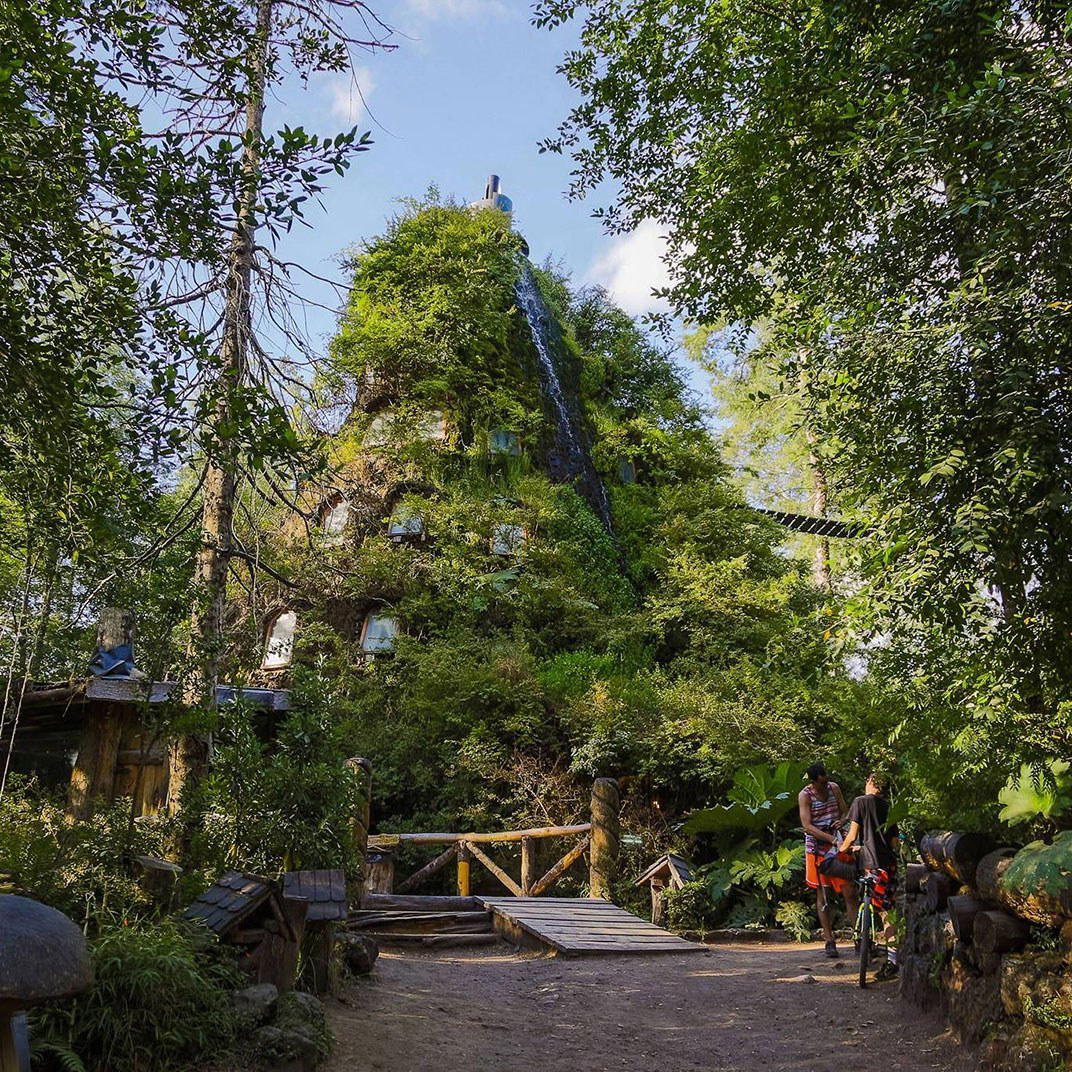
| Huilo Huilo Montaña Mágica Lodge | Not listed | $$$$ | Huilo Huilo Reserve, Mountain lodge with waterfall feature |
| Huilo Huilo Reino Fungi Lodge | Not listed | $$$ | Huilo-Huilo Biological Reserve, Mushroom-inspired eco-lodge in biological reserve |
| Puyuhuapi Lodge & Spa | Puyuhuapi, Hotel | $$$$ | Not listed |
| Puyuhuapi Lodge & Spa | Not listed | $$$$ | Bahia Dorita, Traditional Chilean ecolodge built on stilts with wood, stone, and tiles, evoking Chiloe island architecture. |
| Noi Puma Lodge | Not listed | $$$$ | Cachapoal, rustic mountain lodge with locally inspired design |
Recognition history
Dated appearances from independent guides and award organizations, with the underlying list record or original source where available.
Michelin Selected
Michelin
Continue exploring
More in Los Lagos
Hotels in Los Lagos
Browse all →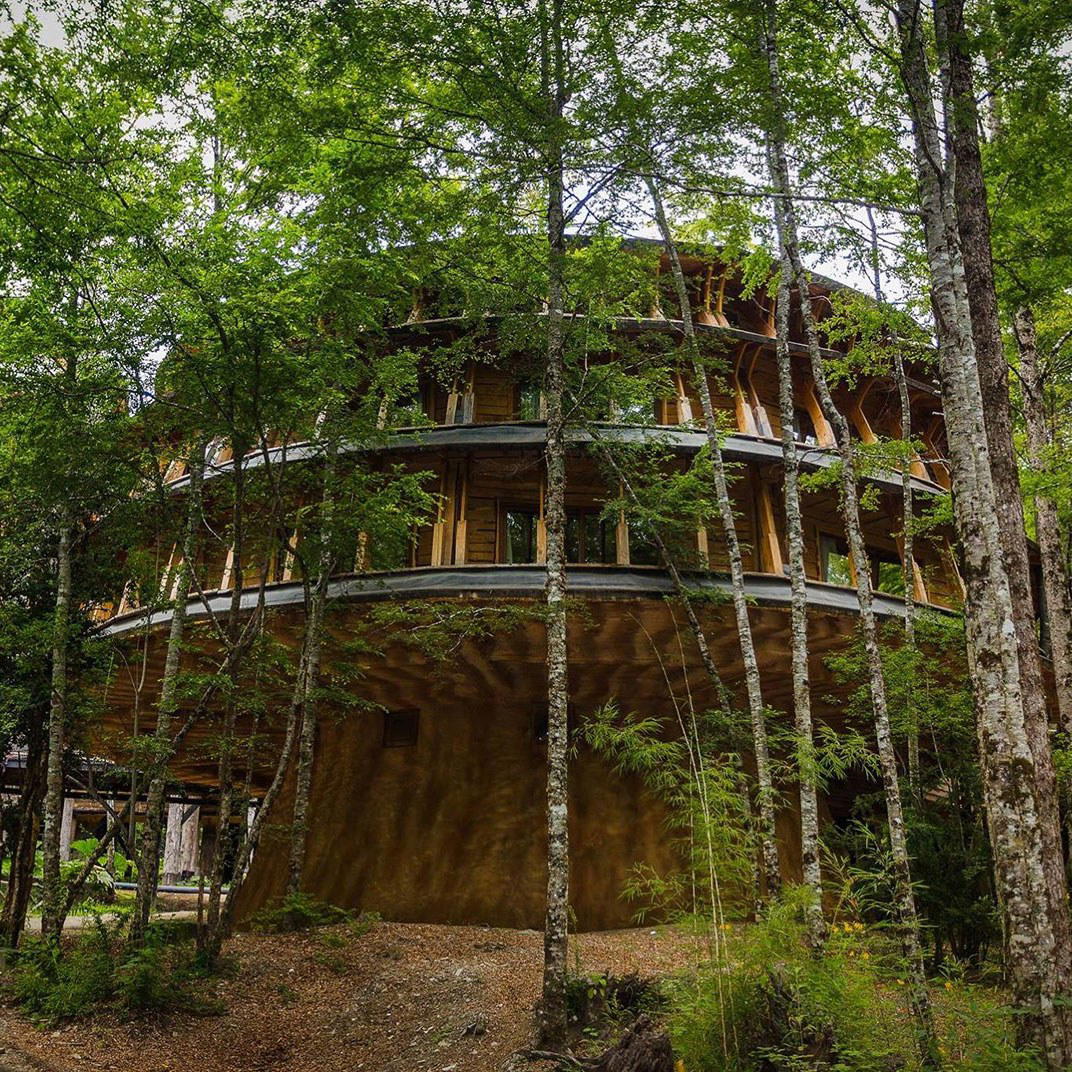
Restaurants in Los Lagos
Browse all →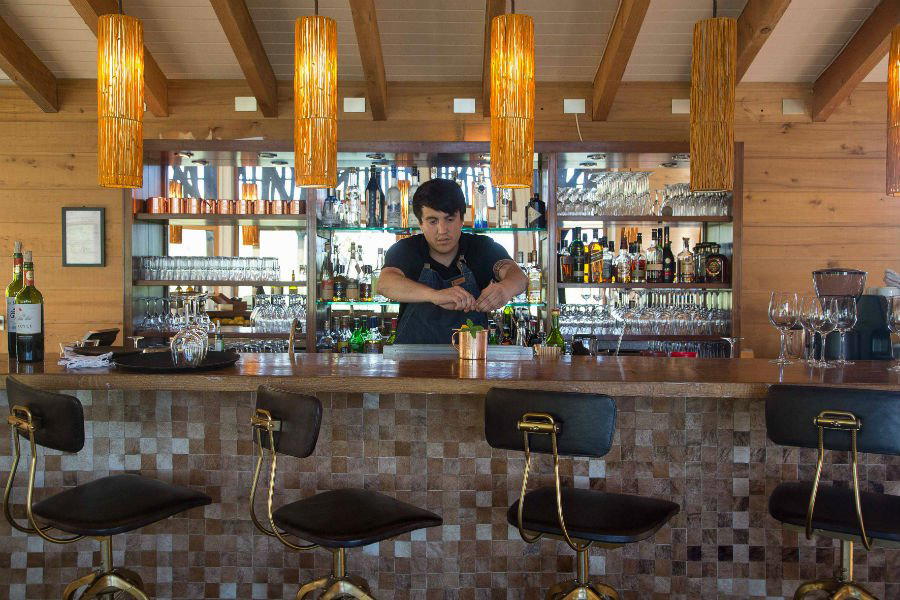
At a Glance
- Rustic
- Scenic
- Cozy
- Quiet
- Romantic Getaway
- Wellness Retreat
- Weekend Escape
- Panoramic View
- Terrace
- Wi Fi
- Pool
- Spa
- Breakfast Included
- Airport Transfer
- Mountain
- Waterfront
- Wi Fi
- Pool
- Spa
- Breakfast Included
- Airport Transfer
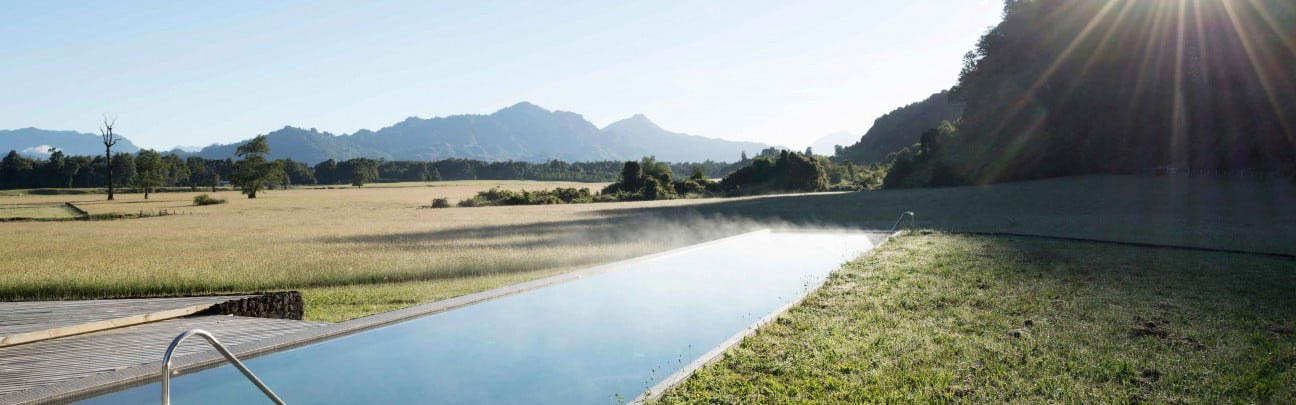
Serene and rustic atmosphere with natural materials, fireplaces, and far-reaching mountain and river views, though some guests note cold interiors.