
Falstaff Winery - Listed
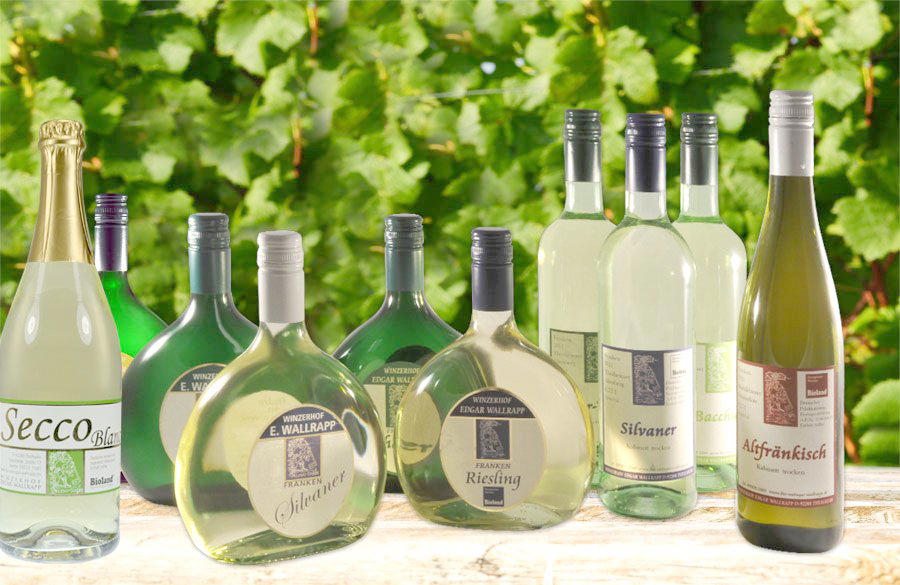
Gut Wilhelmsberg is a small Franconian estate winery in Kitzingen, focused on quiet vinothek tastings rather than polished tasting-room theatre. Its frame is local and land-led: Silvaner, Riesling, still white wines and traditional-method Blanc de Blancs sparkling wine from the Kitzinger Wilhelmsberg setting, with visits shaped around calm estate contact and vineyard context.

Pearl is the En Primeur Club membership app — saves, bookings, and concierge access live there. Same editors, same standards.
- Address
- Kitzingen, Franconia, Bavaria, Deutschland
- Directions
- Get directions

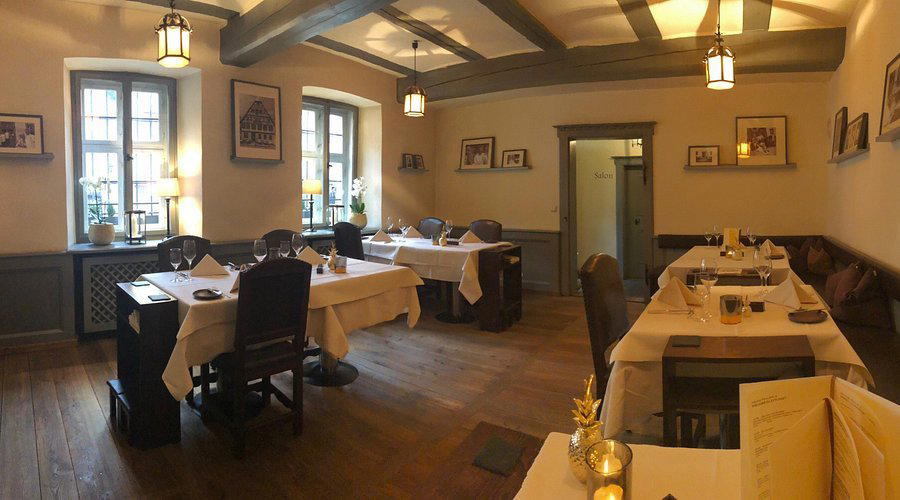
Gut Wilhelmsberg in Kitzingen belongs to the quieter side of Franconian estate hospitality. The picture is deliberately modest: a small Franconian estate with a direct, no-frills vinothek, a rustic and scenic setting, and an atmosphere that favors calm tasting over elaborate design. It is best understood as a hidden-gem stop for visitors who prefer direct contact with the winemaking family to a highly staged hospitality experience.
That restraint is the useful frame for reading the venue. Rather than treating Gut Wilhelmsberg as a showpiece destination built around spectacle, it is more accurate to see it as a quiet estate environment where the room, the pace and the personal contact are the point. What is is simpler and still valuable: a calm Franconian vinothek in Kitzingen with a no-frills character and a direct estate feel.
Kitzingen vineyard context, read through a small Franconian estate
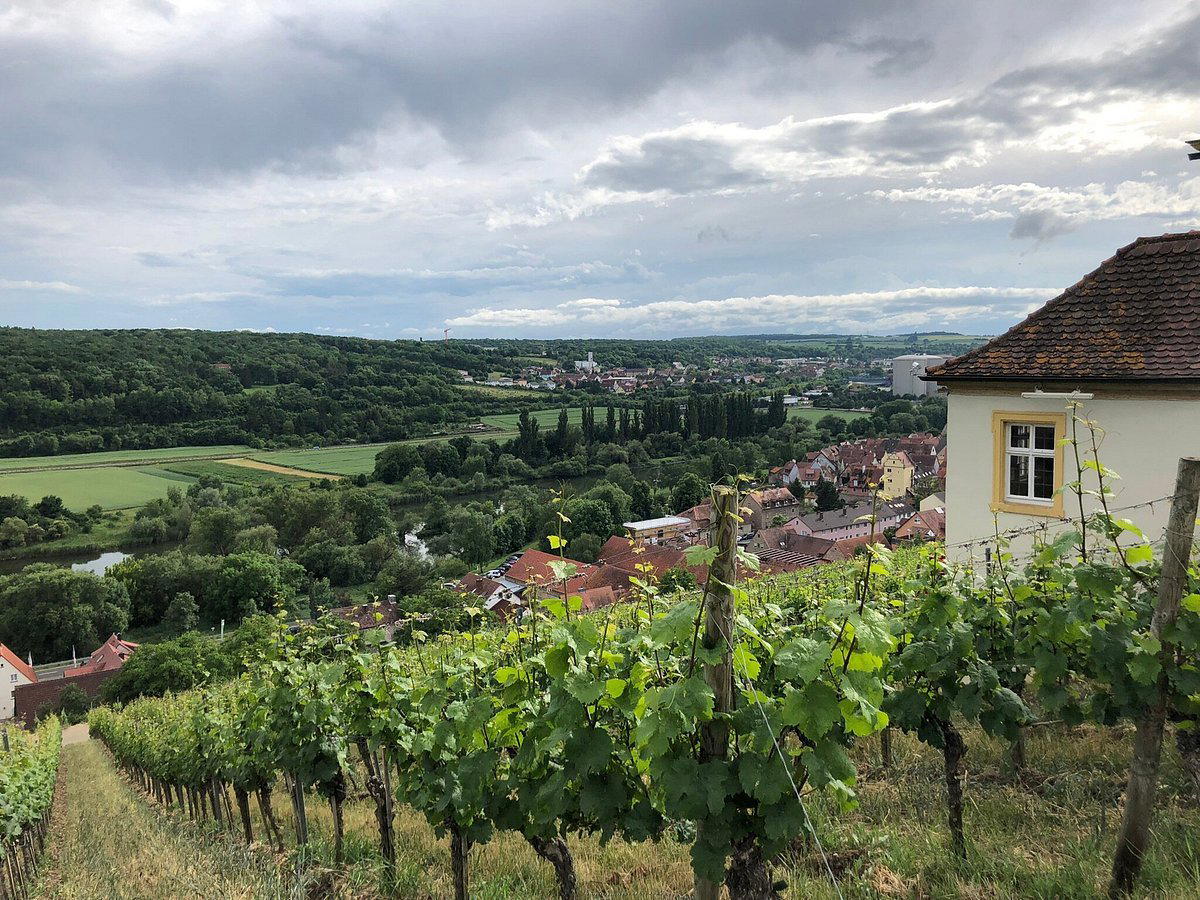
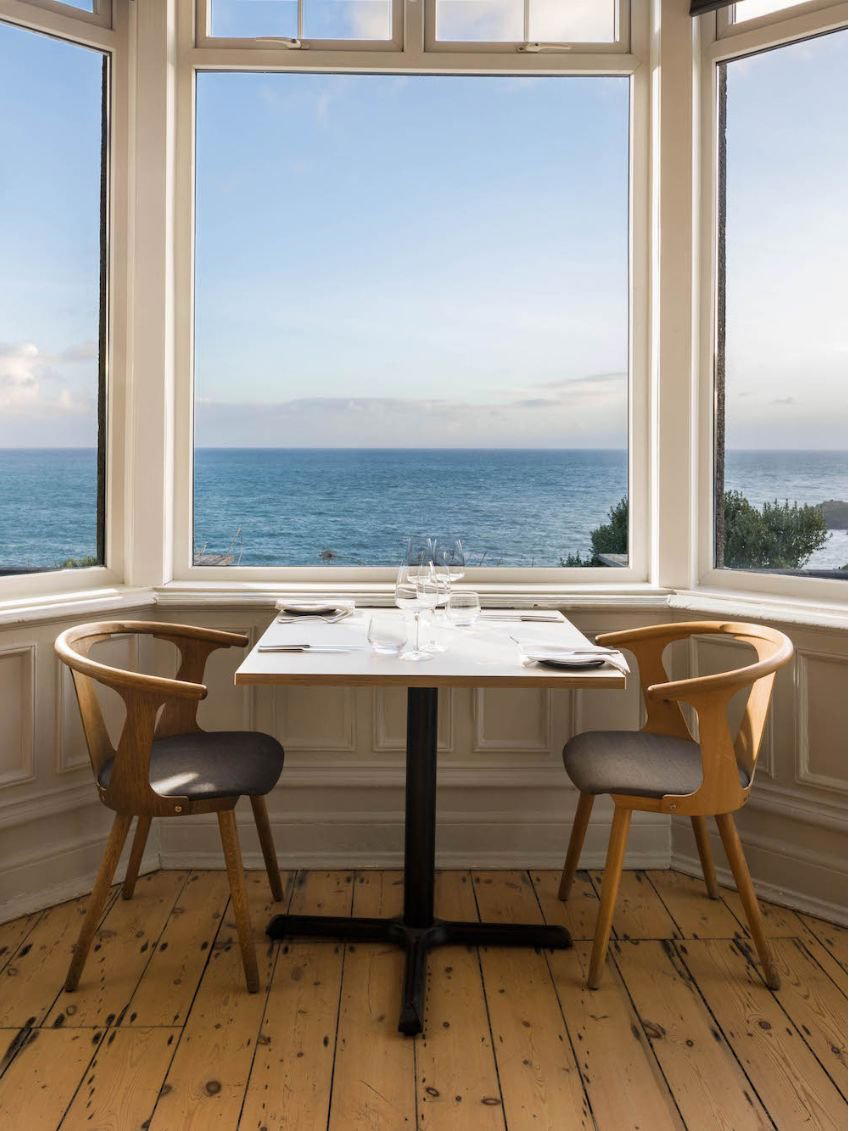
Kitzingen is a natural context for a wine-focused visit, and Gut Wilhelmsberg fits that context through atmosphere rather than through any list of bottles, vineyards or awards. The estate is described as small, rustic, scenic and quiet. Those words matter because they set expectations correctly. This is not a place to frame through luxury design, elaborate service choreography or trophy language. It is a modest vinothek experience where calm tasting and contact with the family behind the estate are the clearest strengths.
For visitors, that makes the appeal more personal than performative. The better question is whether a quiet, direct Franconian estate experience is what you want from a Kitzingen stop. If so, the venue’s no-frills style becomes an asset rather than a limitation.
The editorial case is therefore intentionally narrow. Gut Wilhelmsberg should not be oversold with unsupported claims about exact offerings, appointment systems, food pairings, shipping, parking, tours, production methods or media recognition. On the record, its strength is its calm, rustic estate character and its vinothek setting. Travelers planning a broader Kitzingen visit can place it alongside other dining or hospitality options in the city generically, while keeping Gut Wilhelmsberg’s role clear: a quiet estate-led tasting stop, not an elaborate design-led destination.
A no-frills vinothek for slow tasting rather than cellar-door performance
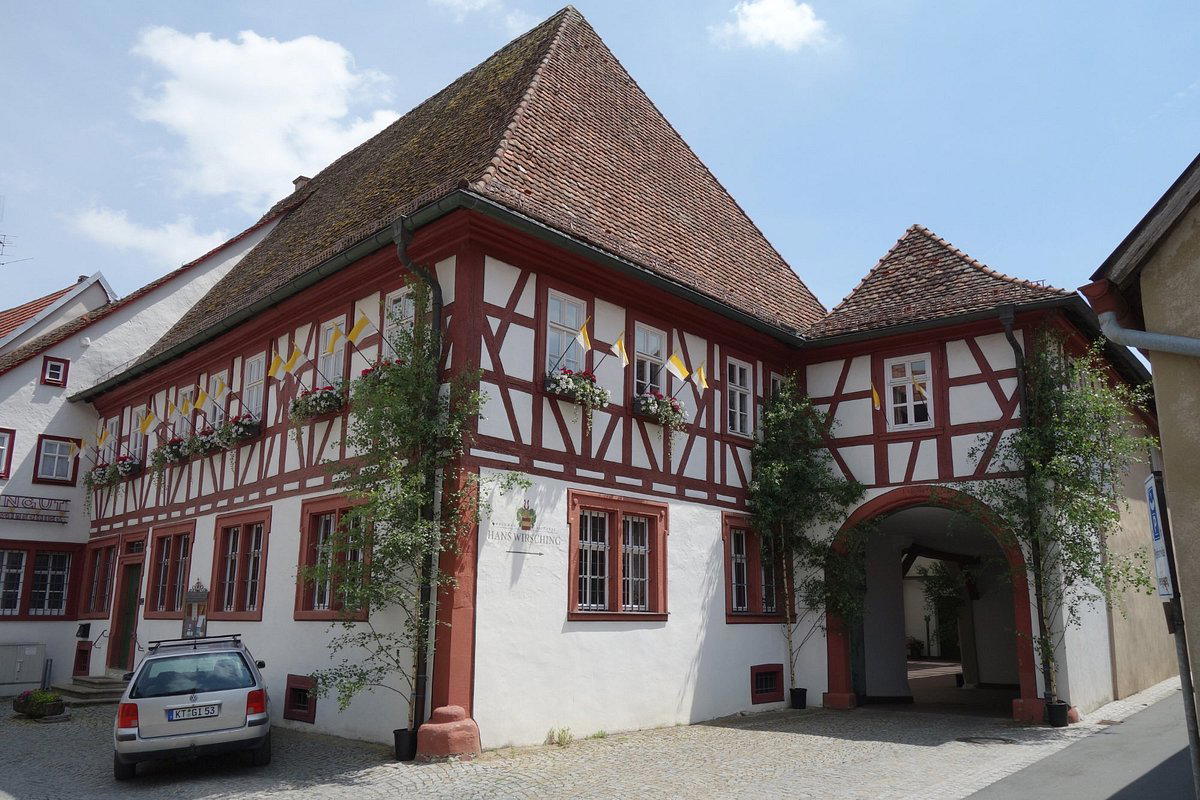
The most reliable way to describe the hospitality is direct: a small Franconian estate with a no-frills vinothek. The tone is quiet, rustic and scenic, and the experience emphasizes calm tastings and direct contact with the winemaking family. That makes it a better fit for guests who value conversation, pace and setting over a highly polished visitor center.
This distinction is important because wine tourism can easily be described with more precision than the facts support. Those may be practical questions to confirm directly before visiting, but they should not be presented as settled facts here. What can be stated confidently is that the venue’s personality is modest and calm, with the vinothek acting as the center of the experience.
Price is listed as $$, which places expectations in a moderate range without implying a specific fee, bottle price or tasting cost. The dress and atmosphere cues point in the same direction: rustic, quiet, scenic and informal rather than formal or design-heavy. Visitors should dress and plan for a relaxed estate environment in Kitzingen, not for a high-gloss urban bar or a fine-dining room.
How it fits into a Kitzingen wine itinerary
Gut Wilhelmsberg works well as a focused Kitzingen stop for travelers who appreciate small-scale estate character. Its appeal is not breadth but clarity: a hidden-gem Franconian setting, a calm vinothek and the chance for direct contact with the winemaking family. That makes it especially suitable for a slower itinerary, where the purpose is to understand the feel of a place rather than to collect a long checklist of formal services.
If you are comparing it with other options in Kitzingen, keep the comparison broad. Other local dining or drinking choices may serve different needs, but Gut Wilhelmsberg’s role is distinct: it is a quiet estate vinothek rather than a restaurant, bar or elaborate hospitality complex. The venue should be chosen for its setting and pace, not for unsupported claims about a particular menu, award history or production lineup.
The honest recommendation is simple. Go to Gut Wilhelmsberg for a calm Franconian estate experience in Kitzingen, with rustic scenery, no-frills surroundings and a personal vinothek atmosphere. Build it around the strengths: quiet tasting, direct family contact, a small estate setting and a moderate $$ price category.
Recognition history
Dated appearances from independent guides and award organizations, with the underlying list record or original source where available.
Falstaff Winery - Listed
Falstaff
Continue exploring
More in Kitzingen
Wineries in Kitzingen
Browse all →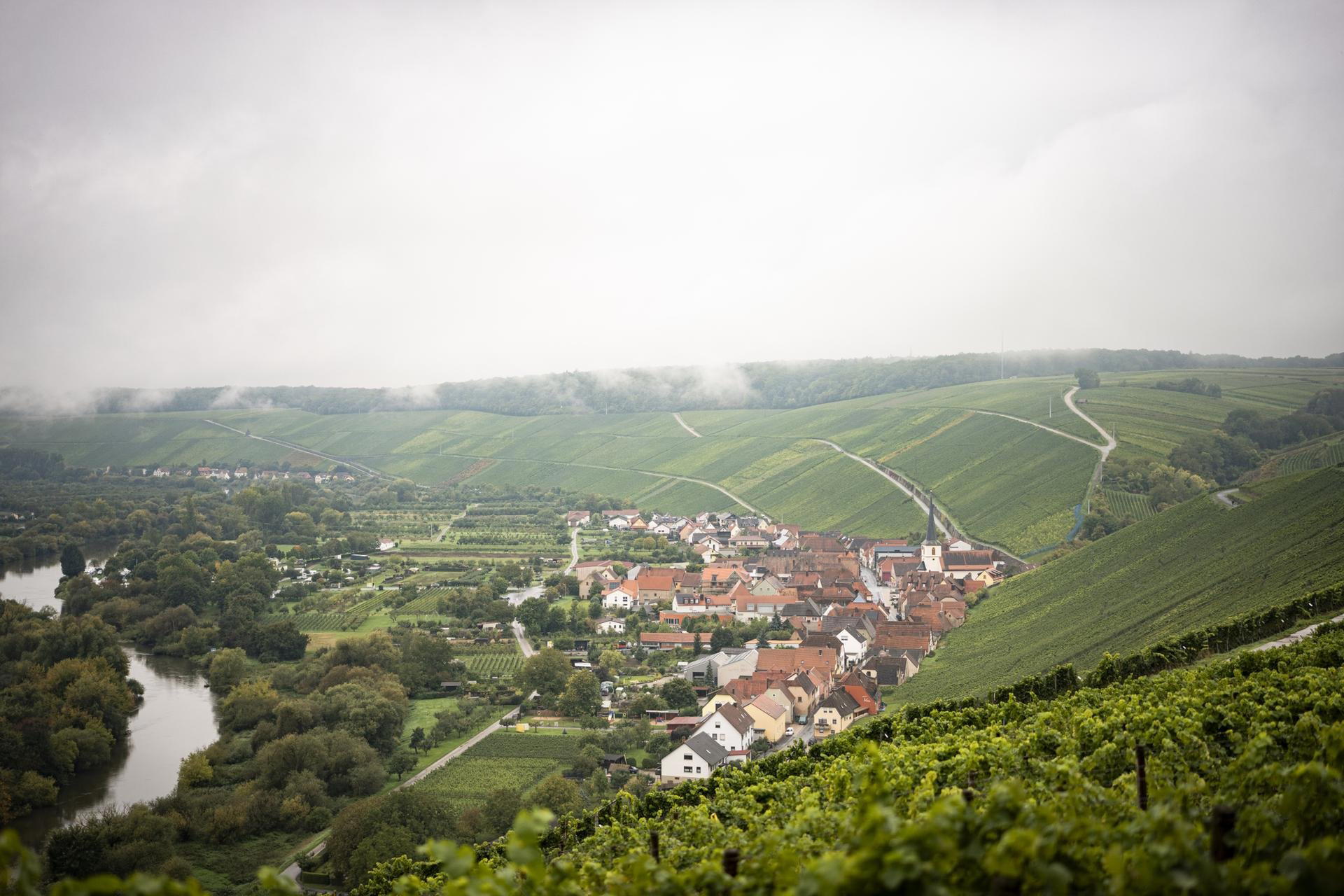
Restaurants in Kitzingen
Browse all →
Details
- Rustic
- Scenic
- Quiet
- Group Outing
- Solo Exploration
- Wine Education
- Estate Grounds
- Vineyard
- Silvaner
- Riesling
- Still White
- Sparkling
- Estate Tasting
- Vinothek Tasting
- De
Small Franconian estate with a direct, no-frills vinothek that focuses on calm tastings and direct contact with the winemaking family rather than elaborate design.