Hotel Salzburgerhof

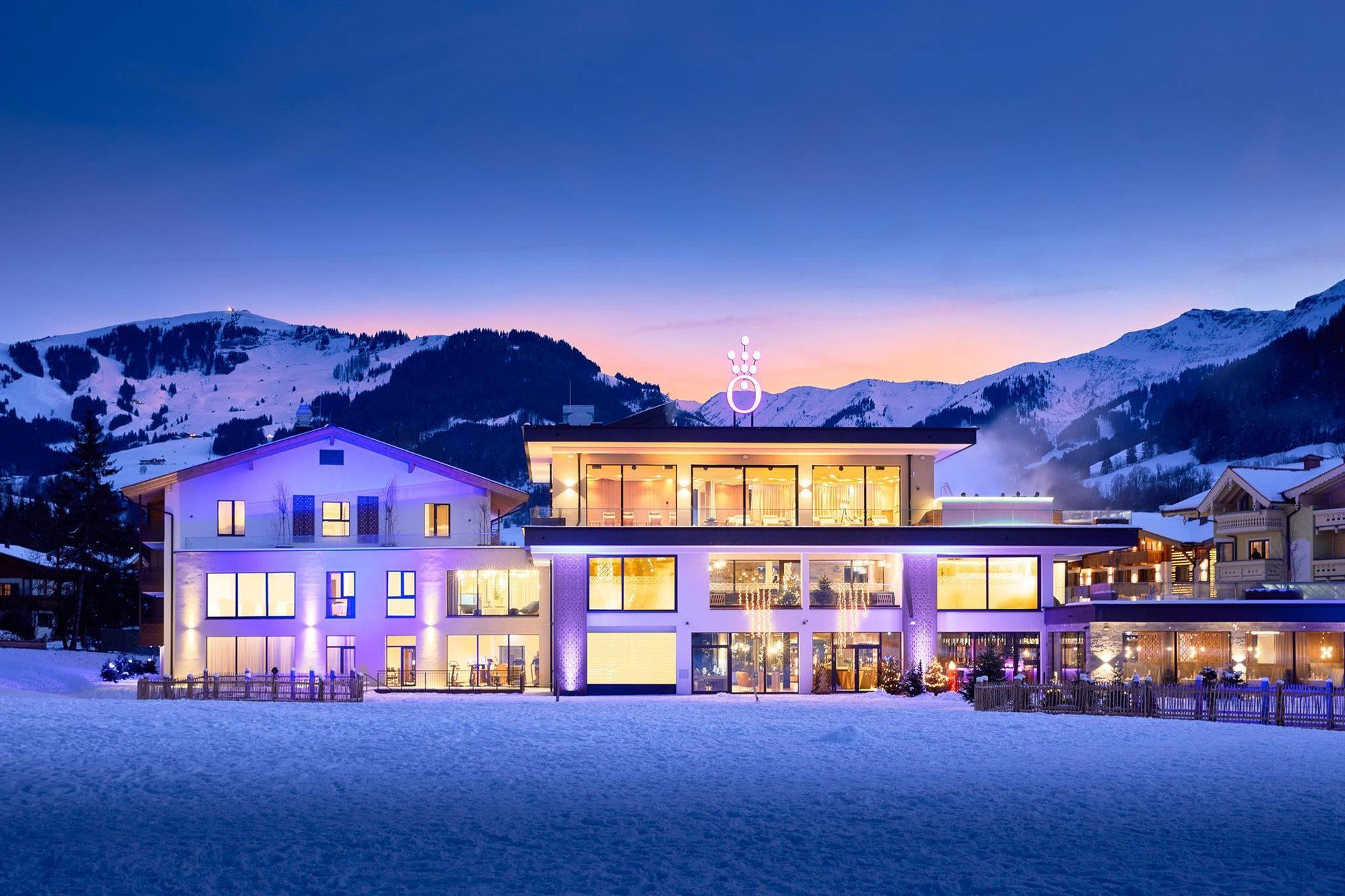
A Michelin Selected property on the shores of the Zellersee, Hotel Salzburgerhof occupies a prominent position in Zell am See's upper accommodation tier. The address at Auerspergstraße 11 places guests within walking distance of the old town and the lake promenade, with the Kitzsteinhorn glacier visible from the property. For Alpine Austria, it represents a well-credentialed option in a town that punches above its size for serious mountain hospitality.
Pearl is the En Primeur Club membership app — saves, bookings, and concierge access live there. Same editors, same standards.
- Address
- Auerspergstraße 11, 5700 Zell am See, Austria
- Phone
- +43 6542 7650
- Website
- salzburgerhof.at
- Directions
- Get directions
 Saves & bookings on Pearl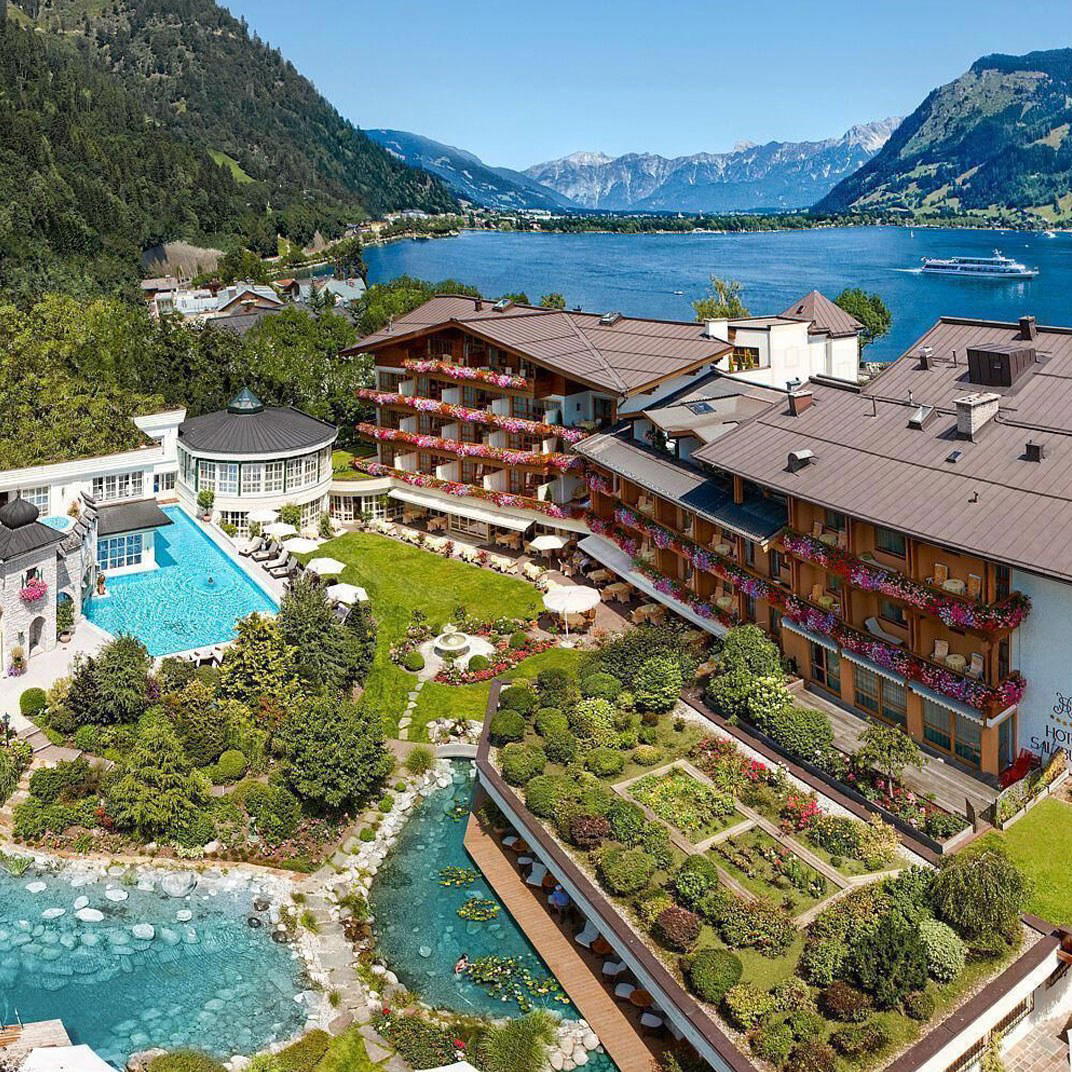
Zell am See and the Shape of Alpine Hospitality
The Salzburg State resort of Zell am See sits at an intersection that relatively few Alpine towns manage: a glacier ski area (the Kitzsteinhorn, accessible year-round), a lake that fills with swimmers and sailing boats from June through September, and an old town compact enough to cover on foot. That dual-season logic has shaped the hospitality offer here over decades, pushing the better properties toward a year-round infrastructure rather than the single-season ski lodge model that defines much of the Tyrol. Hotel Salzburgerhof, carrying a Michelin Selected distinction in the 2025 guide, belongs to this more considered tier of Zell am See accommodation, positioned on Auerspergstraße 11 in a location that keeps the lake and the main street both within short reach.
The Michelin Selected designation, applied through the Michelin Hotels & Stays guide, is not a restaurant star but a hospitality credential in its own right. That credential matters in the Zell am See market, where the range between budget ski accommodation and genuine premium lodging is wide, and the middle ground is crowded.
The Physical Address and What It Signals
Austrian Alpine towns at Zell am See's elevation have a particular architectural grammar. The older buildings along the lakefront mix late nineteenth-century resort architecture with twentieth-century additions, and the better hotels tend to occupy positions that balance lake orientation with town access. Auerspergstraße, running parallel to the Zellersee shoreline, is among the more considered addresses in this sense: it provides proximity to the water without being a purely seasonal proposition. The Kitzsteinhorn glacier, visible from much of the town, gives the surrounding landscape a vertical scale that informs how properties in this location frame their outlook.
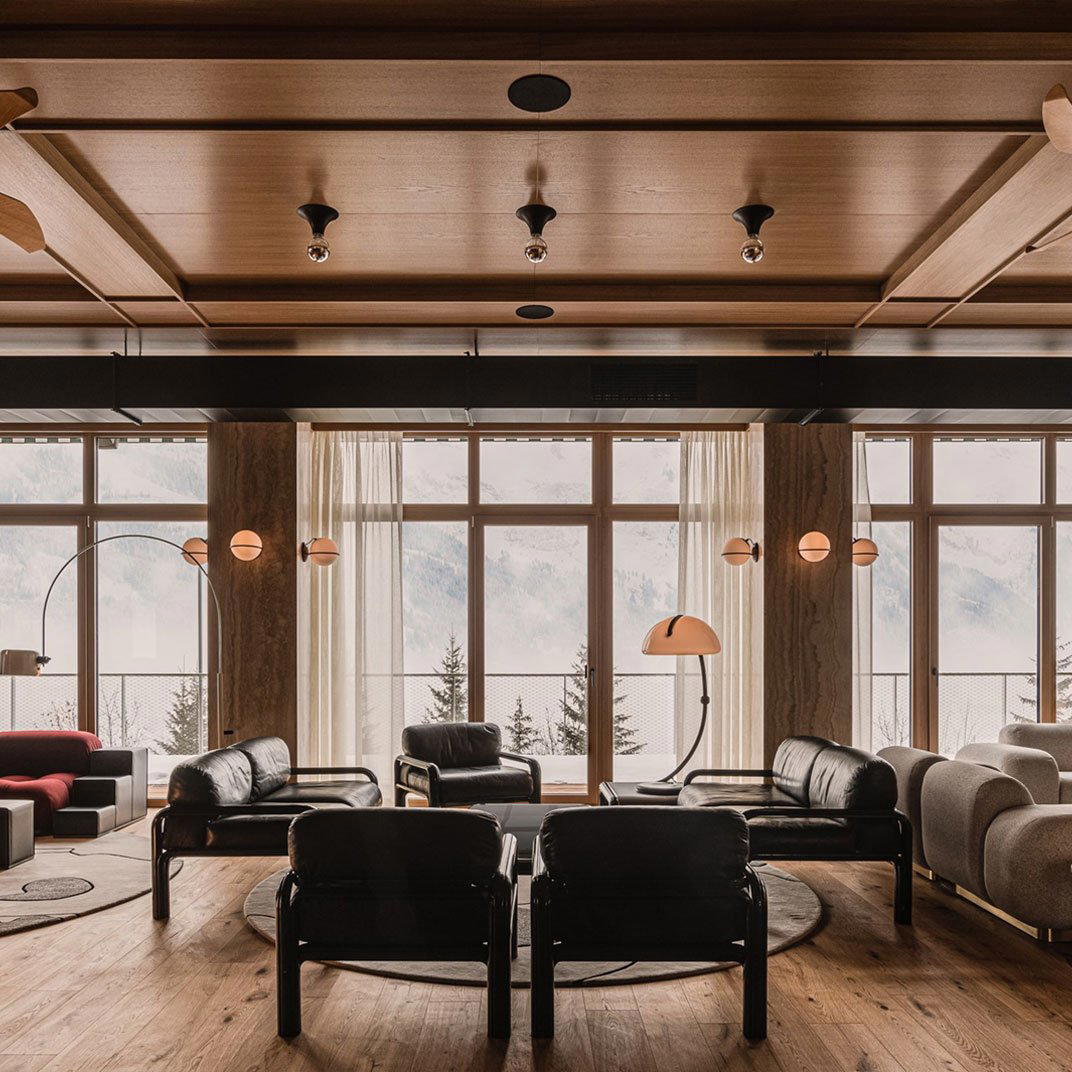
In the Austrian Alpine hotel category, the distinction between a property that earns Michelin recognition and one that does not often comes down to the coherence of the physical experience: how the interior connects to the surrounding landscape, how materials are handled, and whether the architecture makes a specific claim about place rather than applying a generic mountain-resort vocabulary. This is the axis on which Zell am See's upper-tier properties compete, and it is the framing within which the Salzburgerhof sits.
For a broader picture of how Austrian mountain properties approach this balance, the Naturhotel Waldklause in Längenfeld and the Alpen-Wellness Resort Hochfirst in Obergurgl represent the natural-materials, wellness-led approach that dominates one segment of this market. The Grand Tirolia in Kitzbühel and the Hotel Almhof Schneider in Lech anchor the high-end ski-adjacent end. The Salzburgerhof's lake-town position gives it a different brief from either of those camps.
Zell am See's Competitive Position Among Austrian Resorts
Zell am See is not Kitzbühel, which carries a global brand built on decades of Formula 1-adjacent glamour and a specific social calendar. Nor is it Lech or Zürs, where the Grand Resort Zürserhof and its neighbours serve an international clientele for whom the Arlberg address is itself a credential. Zell am See operates at a different register: more Central European in its guest mix, more town-like in its density, and more genuinely dual-season in its appeal. The Kitzsteinhorn glacier ski area provides snow reliability that purely valley-based resorts cannot match, and the Zellersee gives summer guests a reason to stay that goes beyond hiking trails.
Within the broader Salzburg State region, accommodation with genuine quality signals tends to cluster around the city itself, around the Salzkammergut lakes, and in the Pinzgau valley where Zell am See sits. Properties at this level in the region include the Hotel Schloss Seefels in Techelsberg on the Wörthersee and the Falkensteiner Schlosshotel Velden in Carinthia, both of which share the lake-adjacent premium positioning. The comparison is useful because it shows a consistent pattern: in Austrian resort markets, the properties that hold Michelin recognition tend to be those that have maintained standards through both seasons rather than optimising for peak-period revenue.
Planning a Stay: Timing, Access, and Context
Zell am See is served by Salzburg Airport, roughly 80 kilometres to the northwest, which connects to most European hubs and carries direct flights from several UK airports during both winter and summer seasons. The town is also accessible by direct train from Salzburg on the Tauern rail line, a journey of around 90 minutes that deposits passengers in the centre of town. For guests travelling from Vienna, the train connection runs via Salzburg and takes approximately three and a half hours.
Winter occupancy at Zell am See peaks from late December through March, with the Kitzsteinhorn adding a shoulder period in early December and late April that purely lower-altitude resorts do not have. Summer bookings concentrate in July and August, when the lake temperature is suitable for swimming and the surrounding trails are fully accessible. Shoulder periods in May, June, September, and October tend to offer more availability and often represent the point at which a property's year-round quality claim is most legible, since there is less ambient activity to compensate for any shortfall in the hospitality itself.
For direct bookings and current room availability, the Michelin Hotels guide listing provides a reference point.
Guests combining a Zell am See stay with broader Austrian itinerary planning might consider how the Salzburgerhof fits into a wider sequence: Hotel Sacher Wien in Vienna for the urban opening or close, or the Schloss Mönchstein in Salzburg as a midpoint. For families, the Family Nature Resort Moar Gut in Grossarl offers an alternative configuration in the same general region. See our full Zell am See restaurants and hotels guide for the broader picture of what the town offers across price points and seasons.
How Hotel Salzburgerhof Zell am See compares with similar nearby venues.
| Venue | Awards |
|---|---|
| Hotel Salzburgerhof | MICHELIN Guide, Hotels Selected (2025) |
Recognition history
Dated appearances from independent guides and award organizations, with the underlying list record or original source where available.
Michelin Selected
Michelin
Continue exploring
More in Zell am See
Hotels in Zell am See
Browse all →
Bars in Zell am See
Browse all →


Restaurants in Zell am See
Browse all →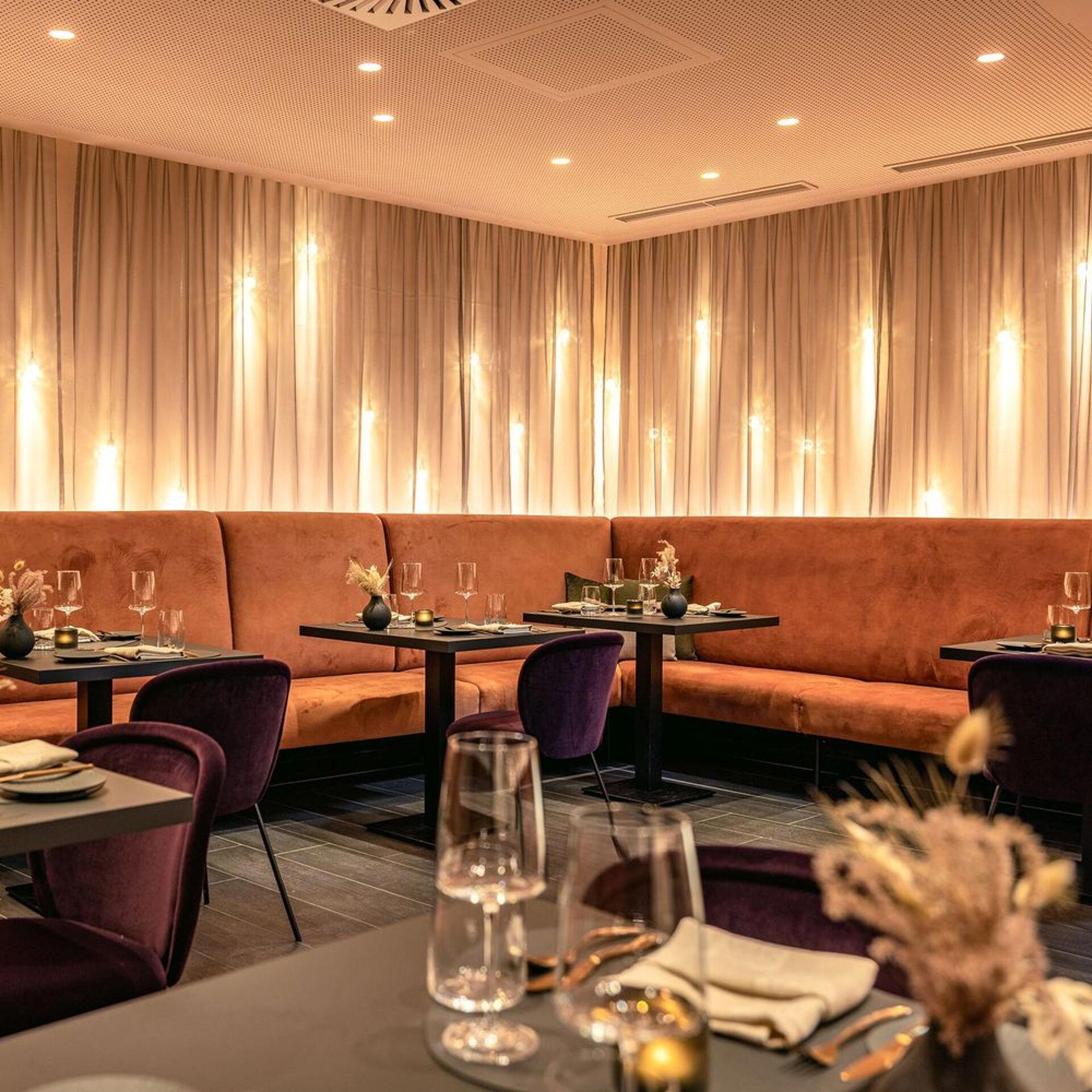
Wineries in Zell am See
Browse all →
At a Glance
- Romantic
- Elegant
- Quiet
- Classic
- Scenic
- Romantic Getaway
- Wellness Retreat
- Anniversary
- Celebration
- Destination Spa
- Golf Course
- Garden
- Waterfront
- Panoramic View
- Historic Building
- Private Dining
- Spa
- Pool
- Fitness Center
- Golf Course
- Restaurant
- Room Service
- Concierge
- EV Charging
- Mountain
- Garden
- Waterfront
- Spa
- Pool
- Fitness Center
- Golf Course
- Restaurant
- Room Service
- Concierge
- EV Charging
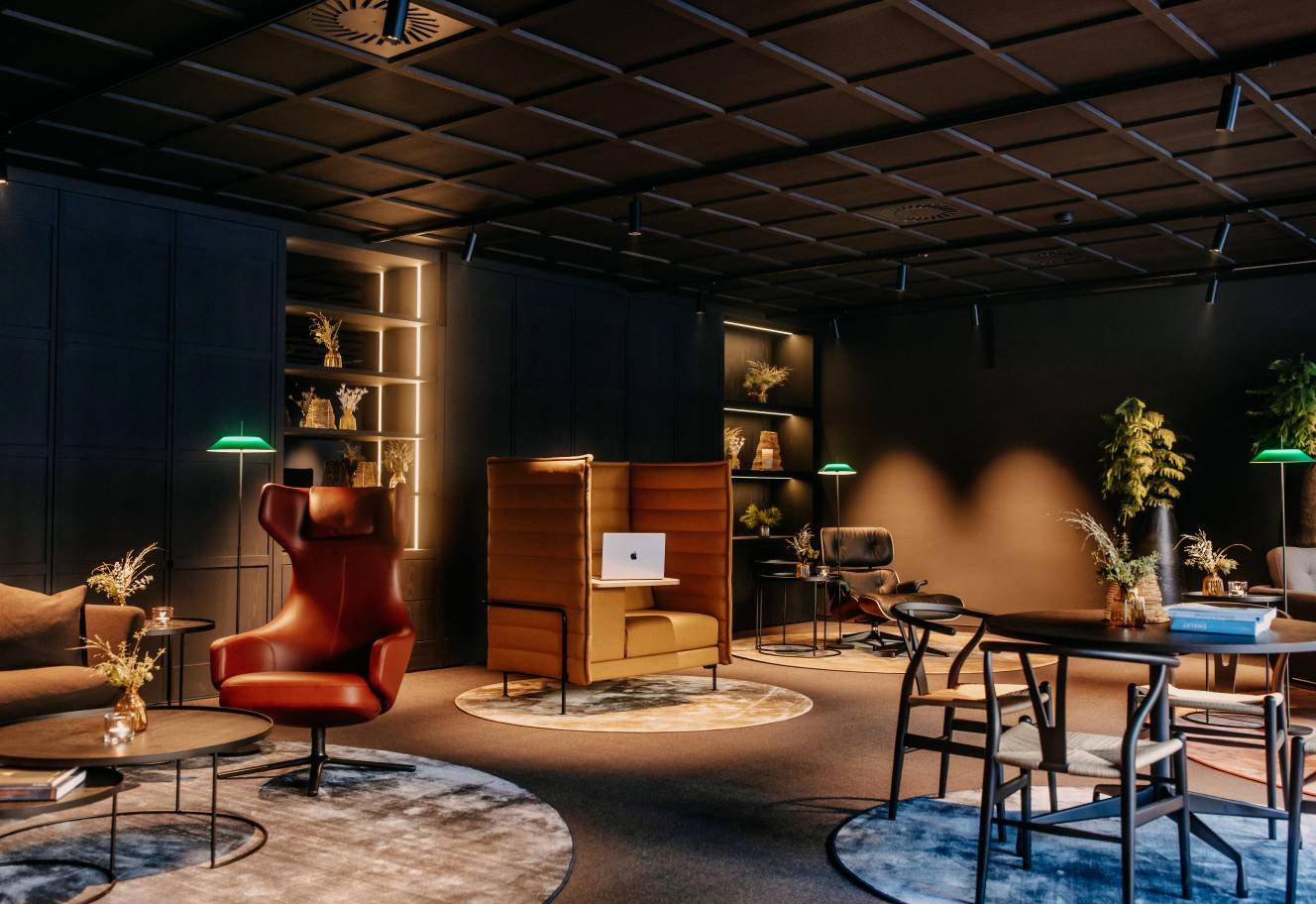
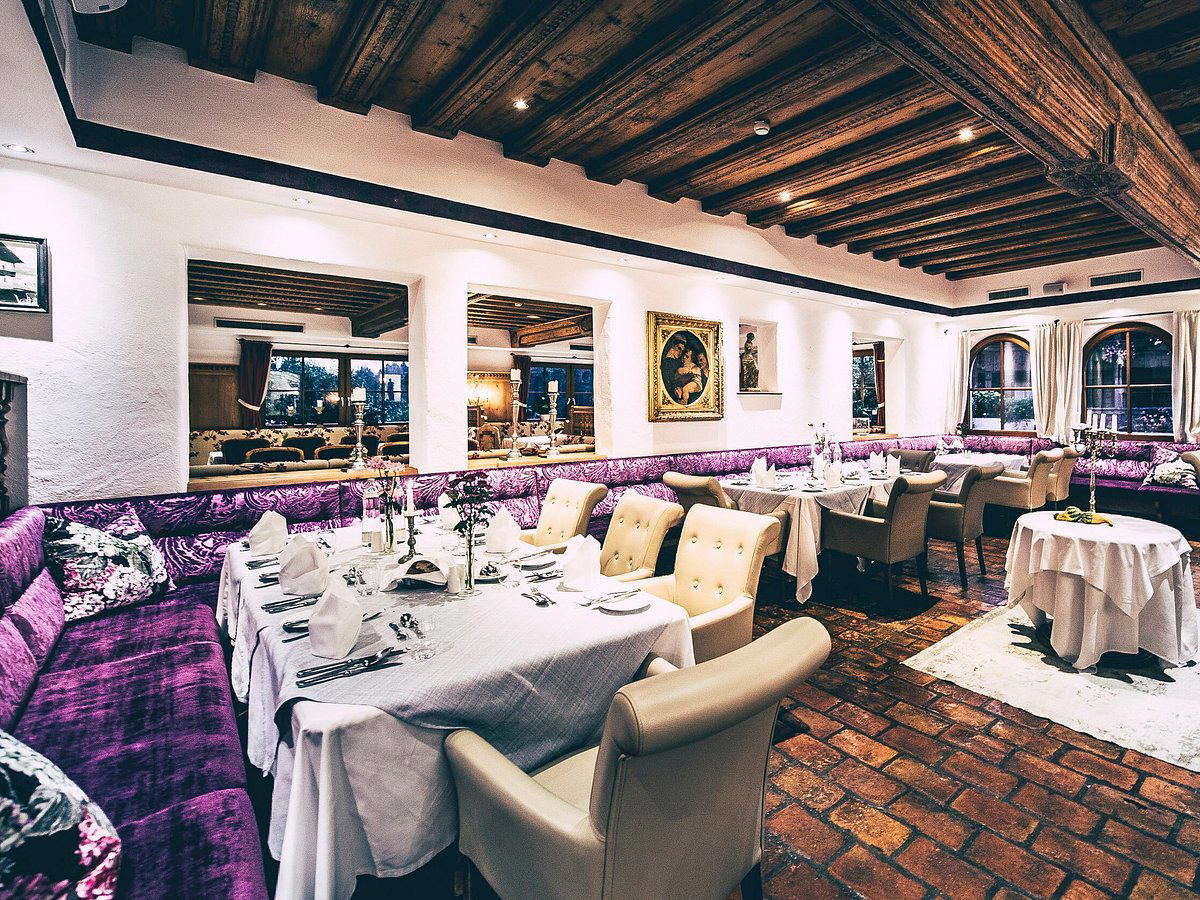
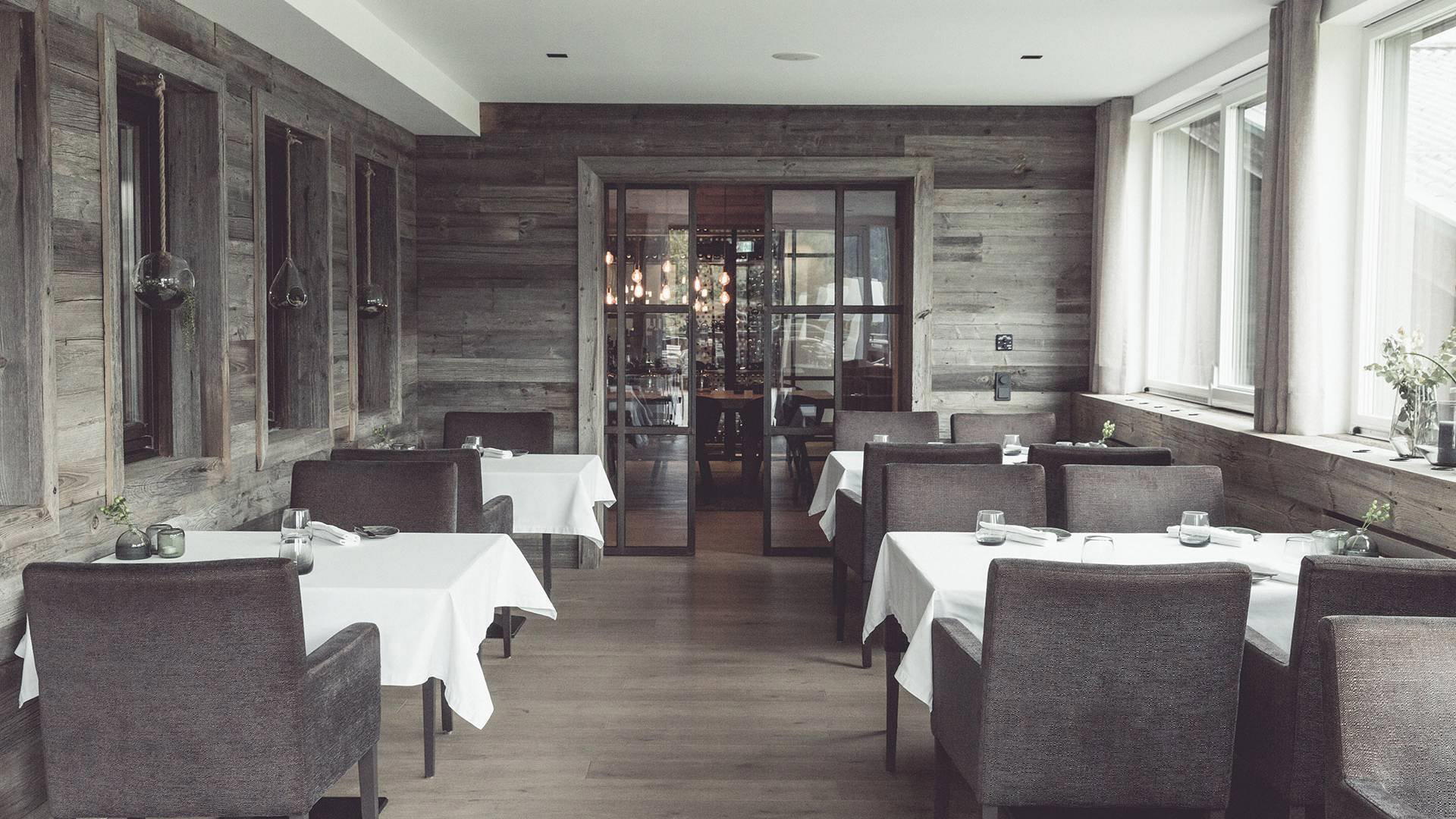
Warm, elegant, and understated with soft lighting and traditional Austrian charm; guests describe it as welcoming and tranquil with tasteful country-house decor throughout.
Know Before You Go
- Getting there
- Auerspergstraße 11, 5700 Zell am See, Austria