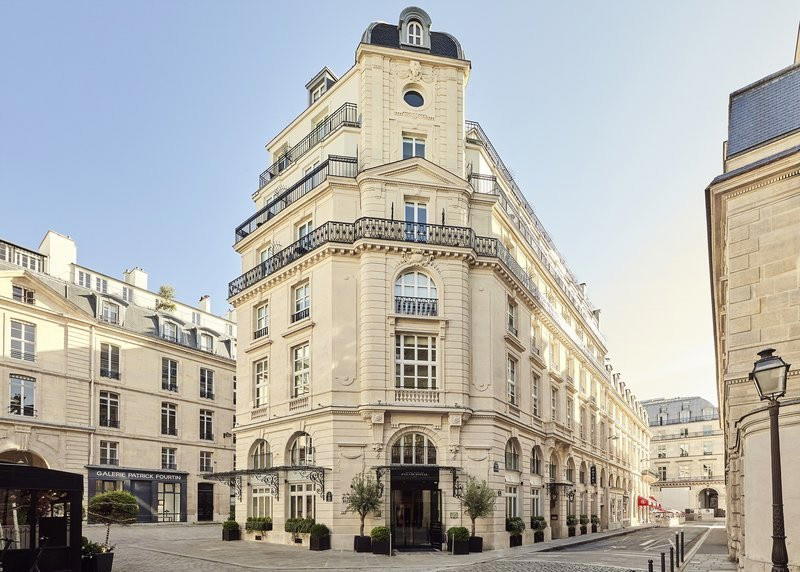
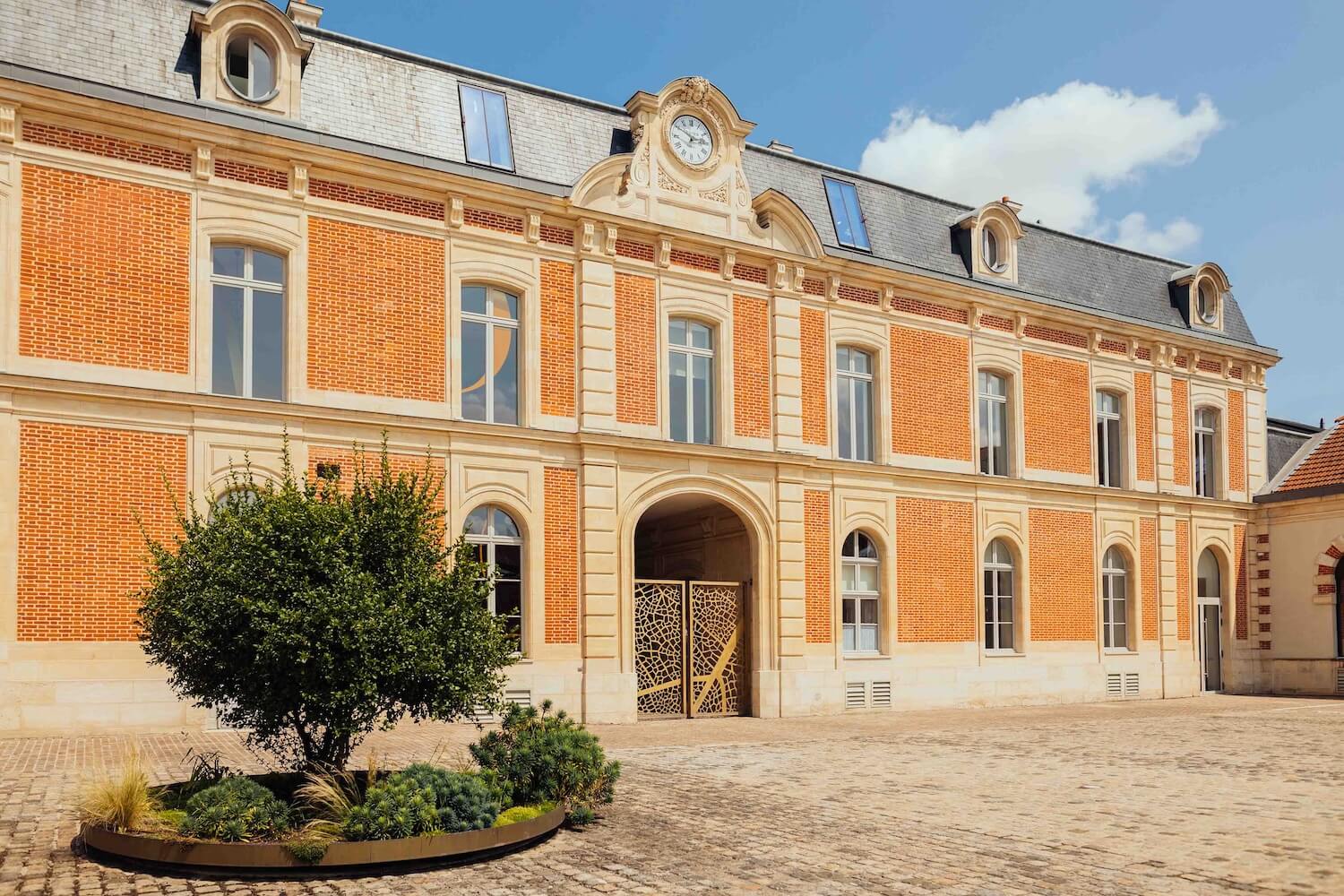
On Rue Saulnier in the 9th arrondissement, Hôtel Parister occupies a quietly confident position in one of Paris's most creatively charged neighbourhoods. The property sits within the design-led boutique tier that has steadily expanded in the 9th over the past decade, offering an alternative to the grand palace hotels clustered further west. For travellers who want central Paris without the ceremonial scale of the 8th, it provides a considered entry point.
Pearl is the En Primeur Club membership app — saves, bookings, and concierge access live there. Same editors, same standards.
- Address
- 19 Rue Saulnier, 75009 Paris, France
- Phone
- +33 1 80 50 91 91
- Website
- hotelparister.com
- Directions
- Get directions
 Saves & bookings on Pearl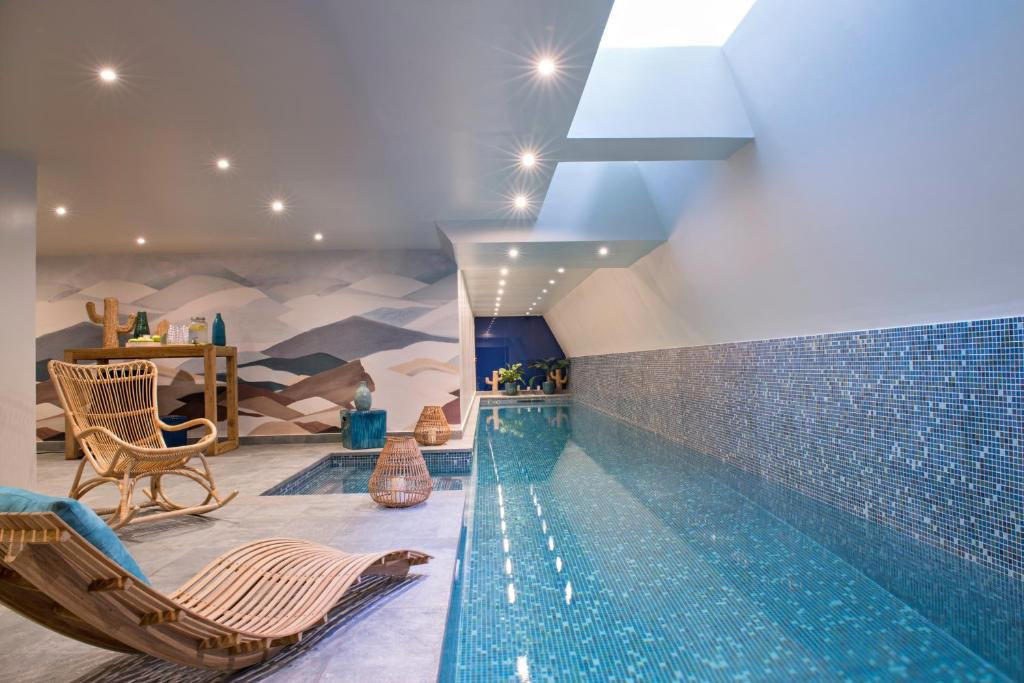
The 9th Arrondissement's Boutique Tier
Paris has long organised its hotel hierarchy around a small set of palace-classified properties: the Cheval Blanc Paris, the Hotel Plaza Athénée, the Hôtel de Crillon, and Le Bristol Paris anchoring the 8th, with the Four Seasons George V and Le Meurice rounding out the traditional grand circuit. The past decade, however, has produced a parallel movement: smaller, design-conscious properties in neighbourhoods that were previously off the luxury map, positioning themselves as alternatives rather than competitors to the palace tier.
The 9th arrondissement has become one of the more compelling addresses within this movement. Its streets around the Opéra Garnier and the Faubourg Montmartre corridor mix working Parisian rhythms with proximity to the city's arts and restaurant scenes. Hôtel Parister, at 19 Rue Saulnier, sits inside that context. The street itself runs through a district that has historically housed music venues, traditional brasseries, and the city's older theatrical trade. Arriving on foot from the nearest metro, the transition from the wide boulevards of the 9th into these narrower side streets marks the shift in register that defines what the property is reaching for.
Position Within the Paris Design-Hotel Tier
The Parisian boutique hotel category that Hôtel Parister occupies has defined itself partly through contrast with two poles: the ceremonial grandeur of the palaces, and the shareable informality of brands like Soho House Paris. Properties in the middle tier compete on design coherence, neighbourhood credibility, and the ability to feel embedded in the city rather than sealed off from it. The La Réserve Paris sits at the upper edge of this independent tier, while Hôtel Parister operates in a quieter, less prominently publicised position within the same broader category.
For comparison, the palace-classified options around the 1st and 8th arrondissements, including the Airelles Château de Versailles model of historically anchored luxury, trade heavily on institutional prestige and formal service structures. Hôtel Parister's appeal, by contrast, is rooted in neighbourhood placement and a lower-key engagement with the city.
The 9th's Dining and Food Culture
The editorial angle that matters here is sourcing and provenance, and the 9th arrondissement offers some of the more interesting context for that conversation in Paris. The neighbourhood sits adjacent to both the city's older covered market infrastructure and the more recent wave of ingredient-focused restaurants and wine bars that have reshaped how Parisians eat across the central arrondissements. The broader movement in French restaurant culture over the past fifteen years has been toward shorter menus built around supplier relationships: farms named on the menu, wines from growers rather than négociants, kitchen teams treating sourcing as a public-facing credential rather than a back-of-house function.
The 9th has attracted a concentration of addresses within this mode. Streets around Notre-Dame de Lorette and the lower slopes toward the 2nd have become reliable territory for the kind of cooking that references market provenance explicitly. For guests staying in the neighbourhood, the practical result is that the leading eating within walking distance tends to reflect this supply-chain transparency rather than the classical brigade-service model of the palace hotel restaurants. This is a distinction worth understanding before choosing accommodation: proximity to the 9th's independent restaurant scene is a genuine benefit for travellers who eat seriously, in a way that proximity to, say, the 8th's luxury dining circuit is not necessarily equivalent.
France's broader food-provenance infrastructure is worth framing briefly. The country's AOC and AOP designation systems, which protect geographical identities for produce, dairy, and meat as rigorously as they do for wine and cheese, have fed a public expectation that origin matters. A restaurant or hotel in Paris that sources its breakfast bread from a named bakery, its dairy from a specific region, or its vegetables through a named market relationship is participating in a cultural norm rather than performing a trend. The 9th's independent food scene operates squarely within this expectation.
Practical Orientation for Guests
For travellers considering the 9th as a base, the logistics are direct on paper. The arrondissement is served by several metro lines converging around the Opéra and Grands Boulevards stations, with direct access to the 1st, 2nd, and 18th without changes. The Gare du Nord and Gare de l'Est, handling Eurostar, Thalys, and regional TGV connections, are both within a short taxi or metro ride, which matters for travellers arriving from London or Brussels by rail.
Hôtel Parister's address on Rue Saulnier places it a few minutes on foot from the main boulevard arteries. The street-level character here is residential and working rather than tourist-facing, which affects everything from morning coffee options to ambient noise levels. For those who prioritise Paris's showpiece palace experience, the 8th remains the more natural base, with properties like the Four Seasons George V or Hotel Plaza Athénée setting a different benchmark. Travellers whose interests lean toward galleries, music venues, and the northern arrondissements' restaurant culture will find the 9th a more functionally aligned choice.
For a broader sense of what Paris offers across hotel categories and dining, the EP Club Paris guide maps the full range, from palace properties to the design-led tier that Hôtel Parister represents. Elsewhere in France, the contrast between the city's boutique tier and properties like Les Sources de Caudalie in Bordeaux, Domaine Les Crayères in Reims, or Baumanière Les Baux-de-Provence illustrates how France's premium accommodation market has diversified beyond the traditional palace model in both Paris and the regions. For coastal alternatives, Hotel Du Cap-Eden-Roc in Cap d'Antibes and The Maybourne Riviera in Roquebrune-Cap-Martin represent the other end of the French luxury spectrum, anchored in landscape rather than urban neighbourhood character.
Cuisine Context
A short peer table to compare basics side-by-side.
| Venue | Awards |
|---|---|
| Hôtel ParisterThis venue — the venue you are viewing | Not listed |
| Cheval Blanc Paris | Michelin 3 Key |
| Le Meurice | Michelin 3 Key |
| Shangri-La Paris | Michelin 2 Key |
| The Peninsula Paris | Michelin 2 Key |
| Soho House Paris | Michelin 1 Key |



At a Glance
- Elegant
- Modern
- Sophisticated
- Ornate
- Romantic Getaway
- Wellness Retreat
- Business Trip
- Rooftop Pool
- Terrace
- Historic Building
- Pool
- Spa
- Fitness Center
- Room Service
- Concierge
- Wi Fi
- Sauna
- Pool
- Spa
- Fitness Center
- Room Service
- Concierge
- Wi Fi
- Sauna
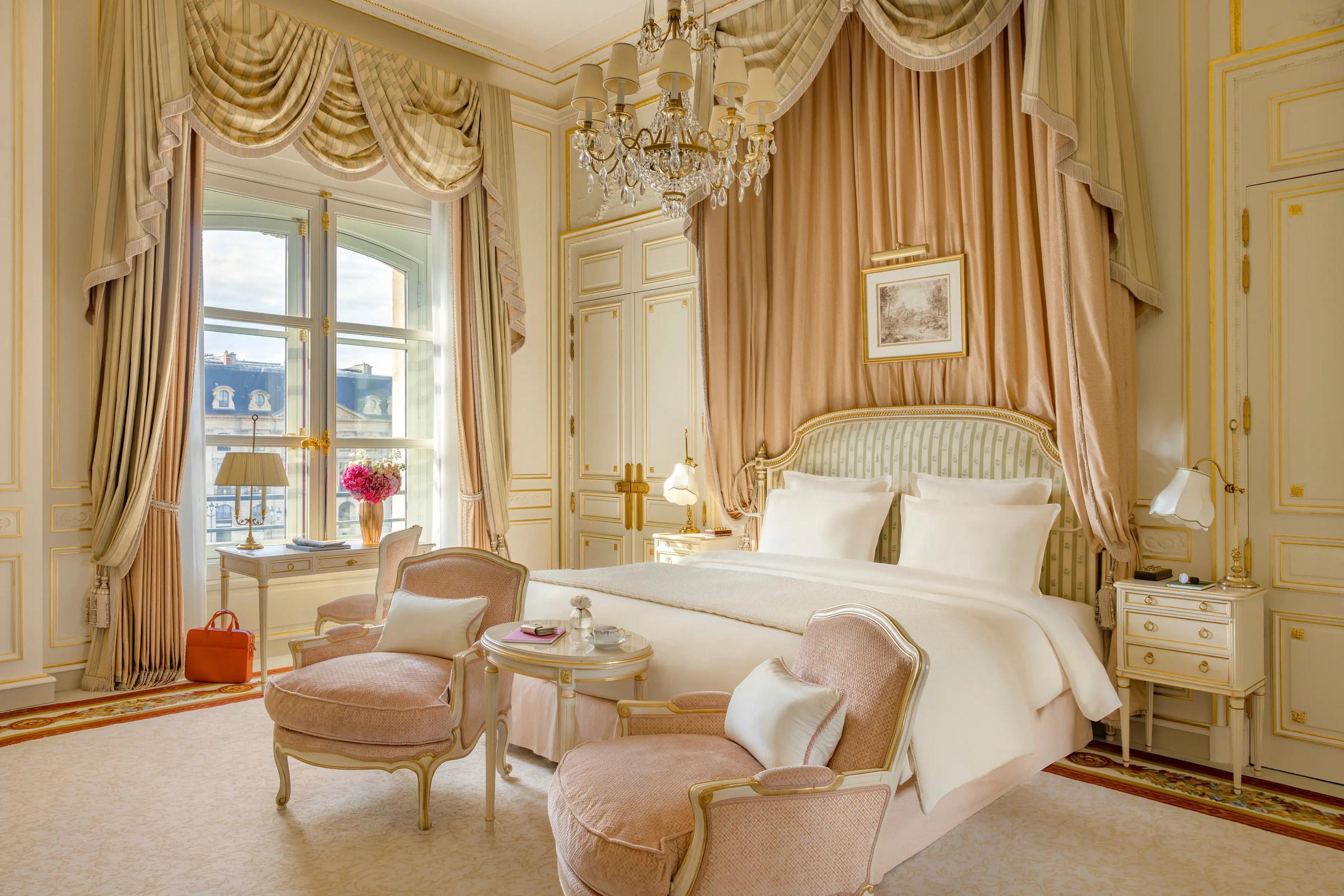
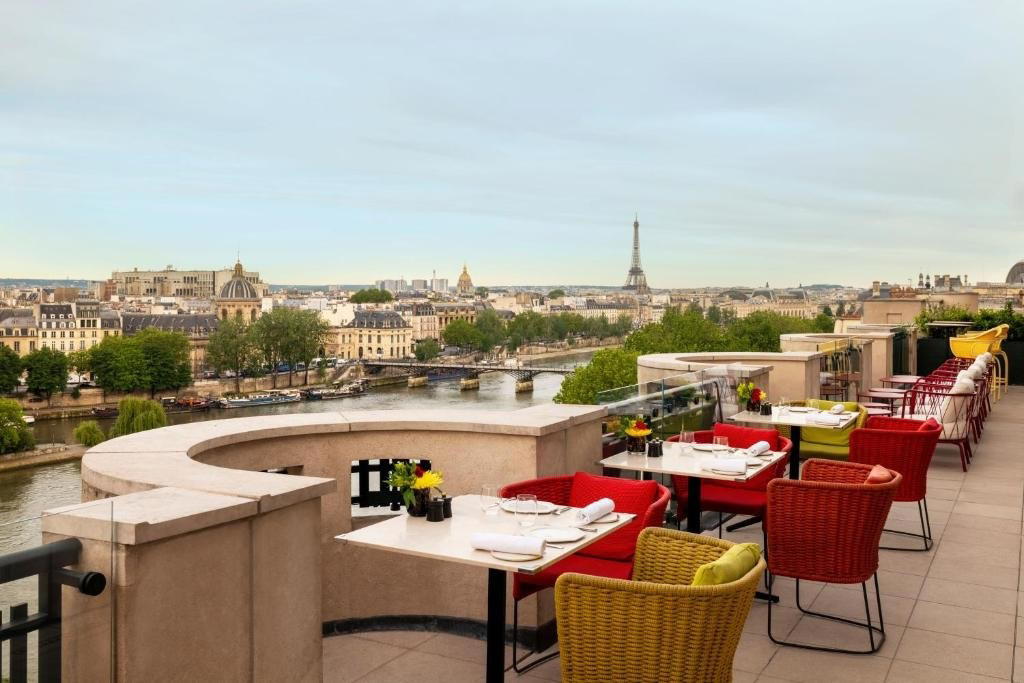
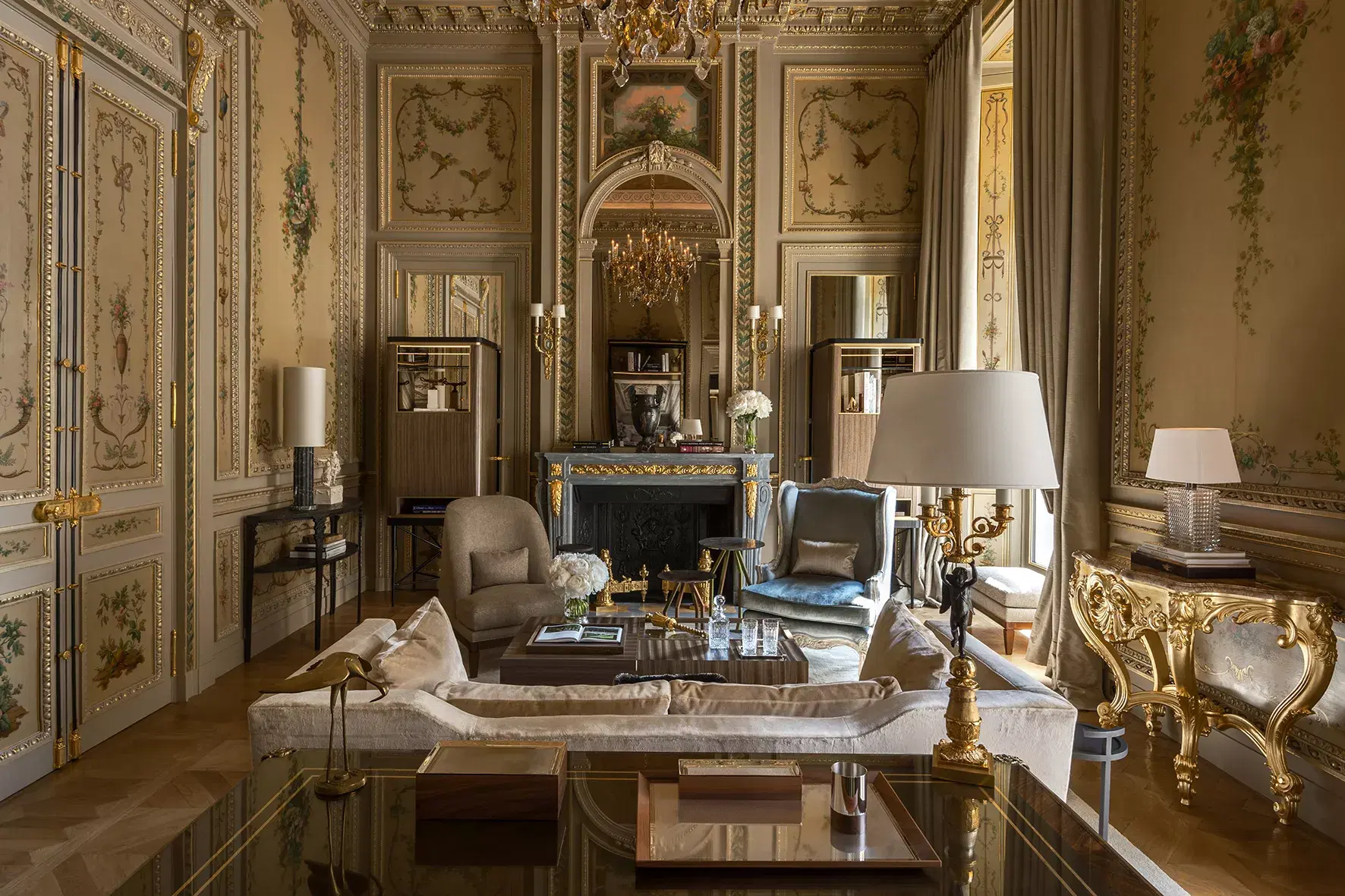
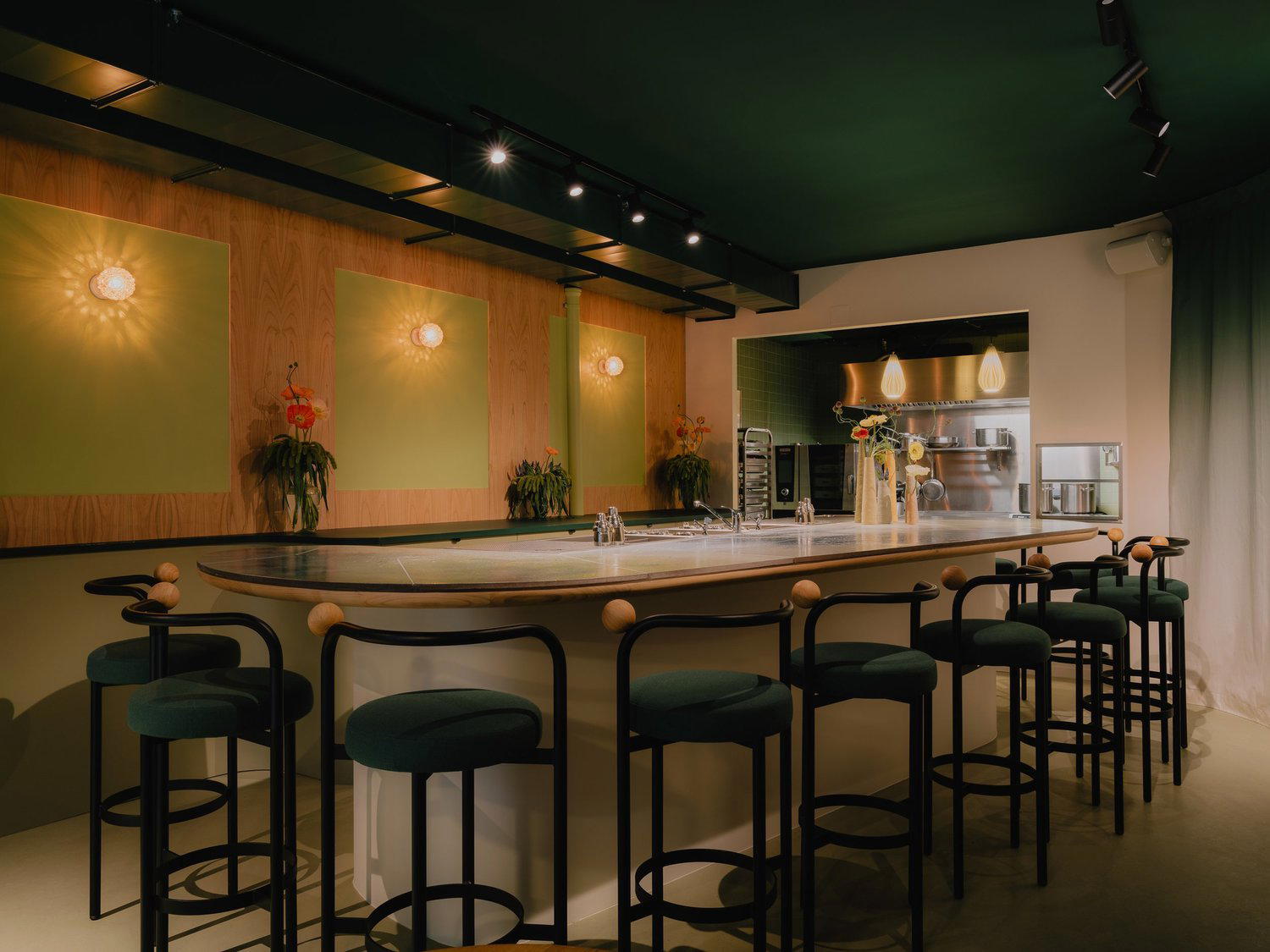
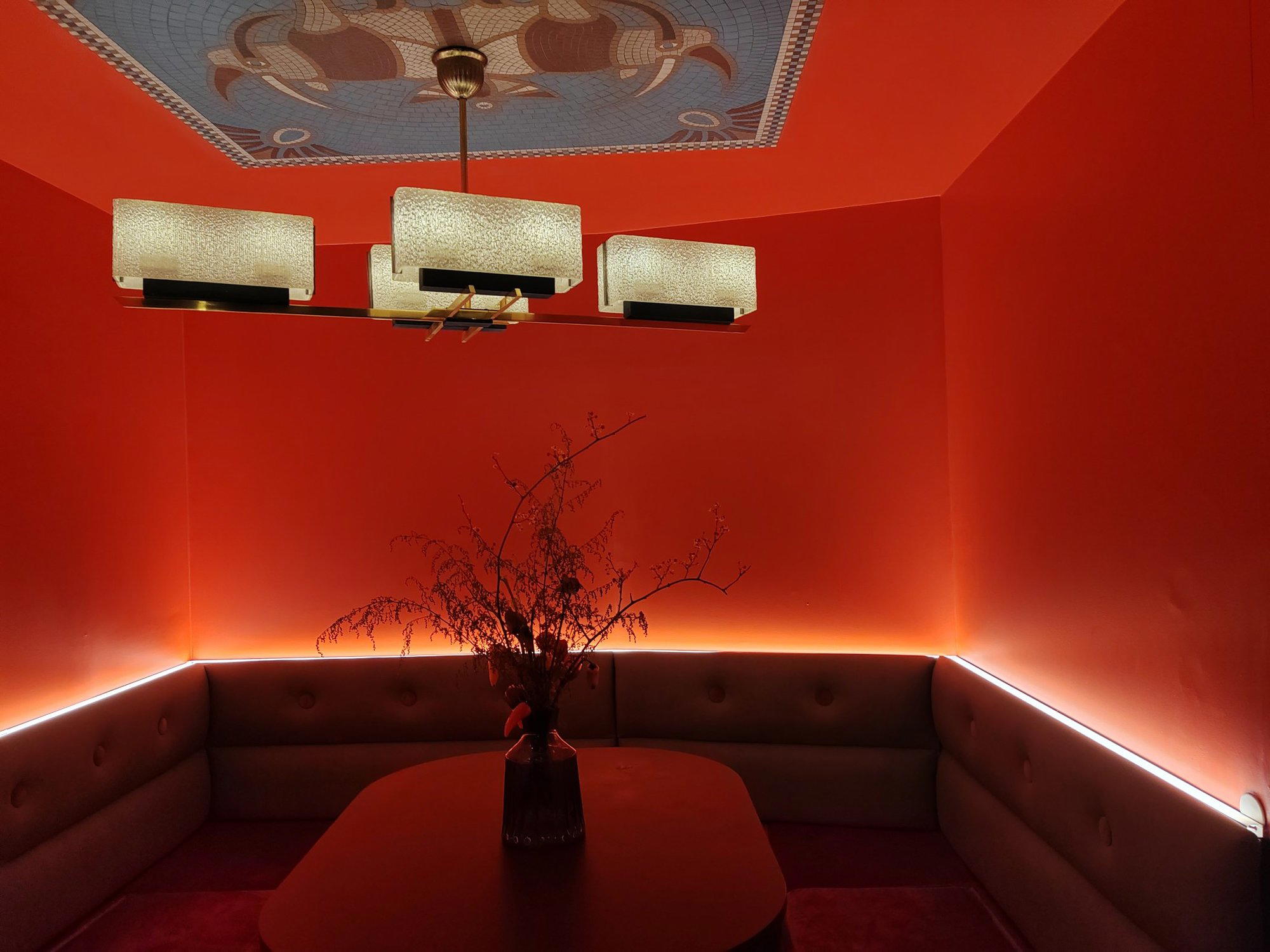
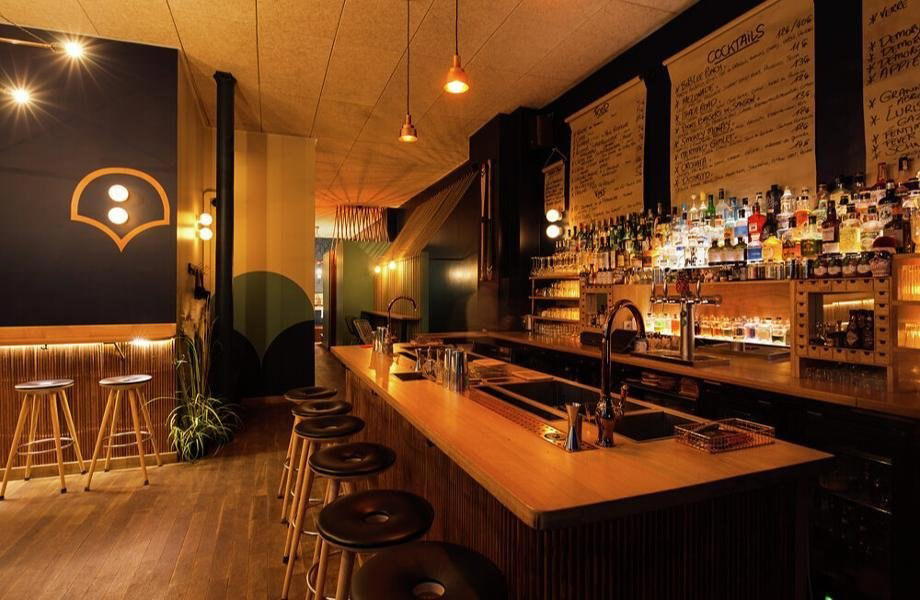
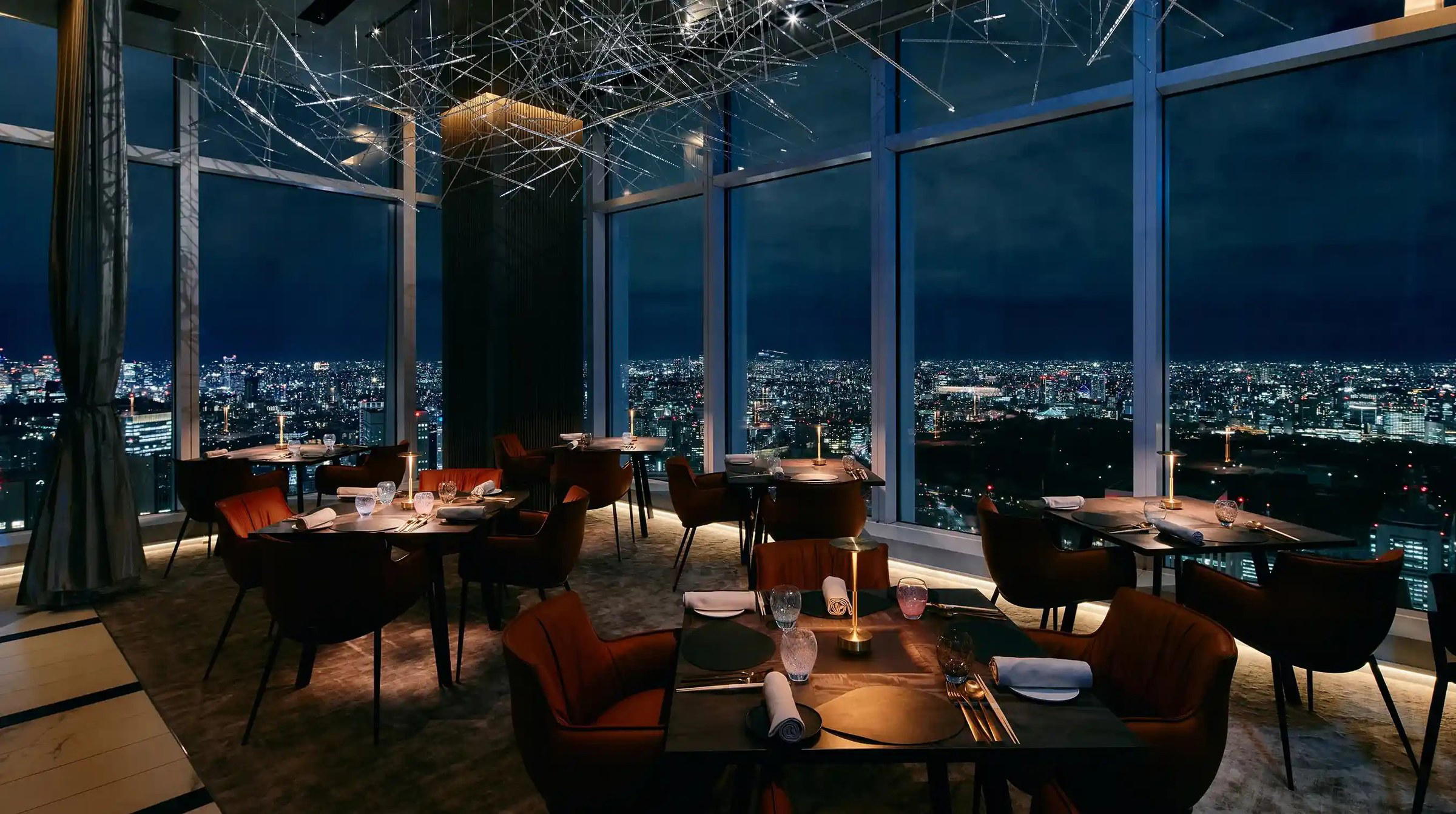
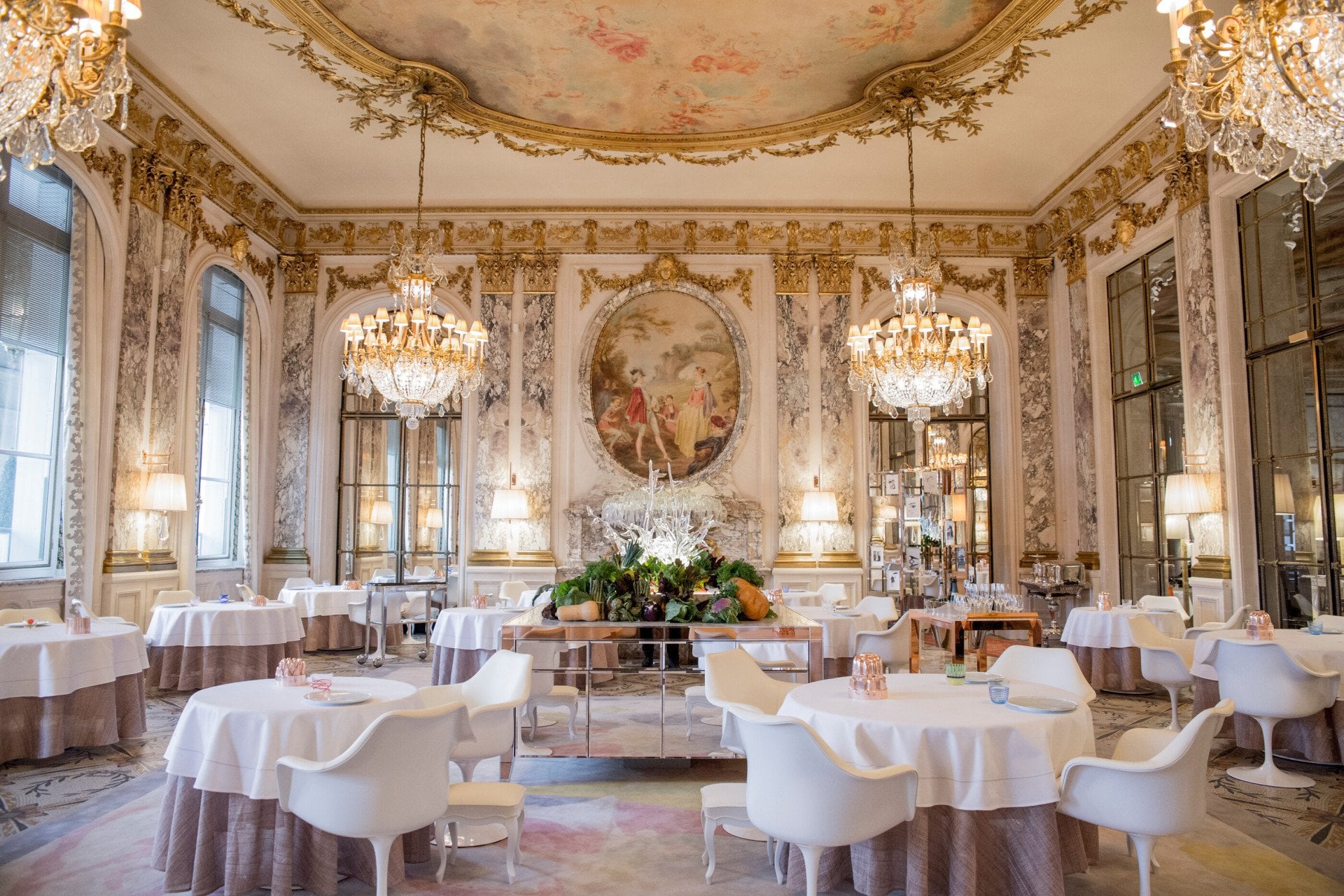
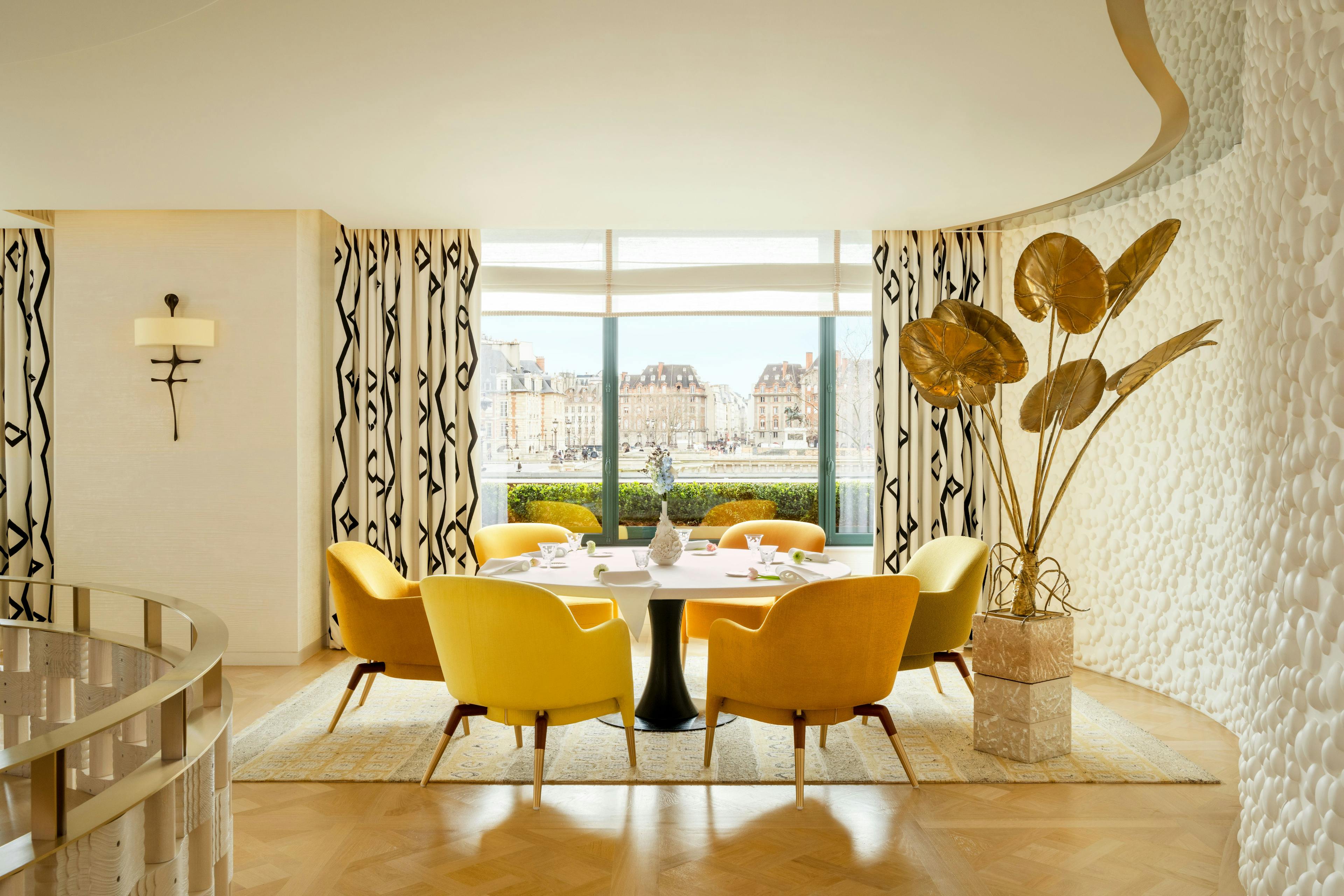
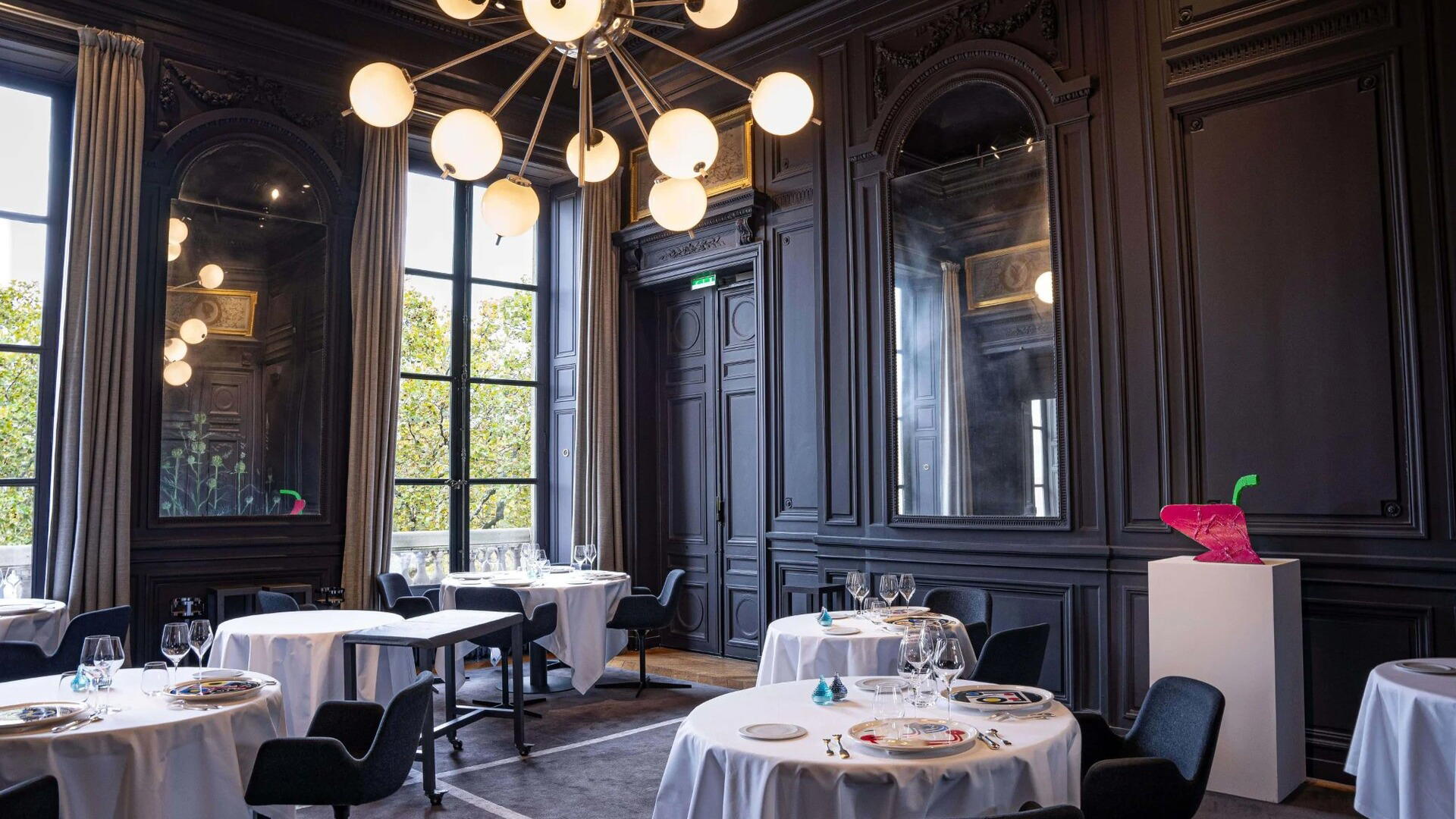
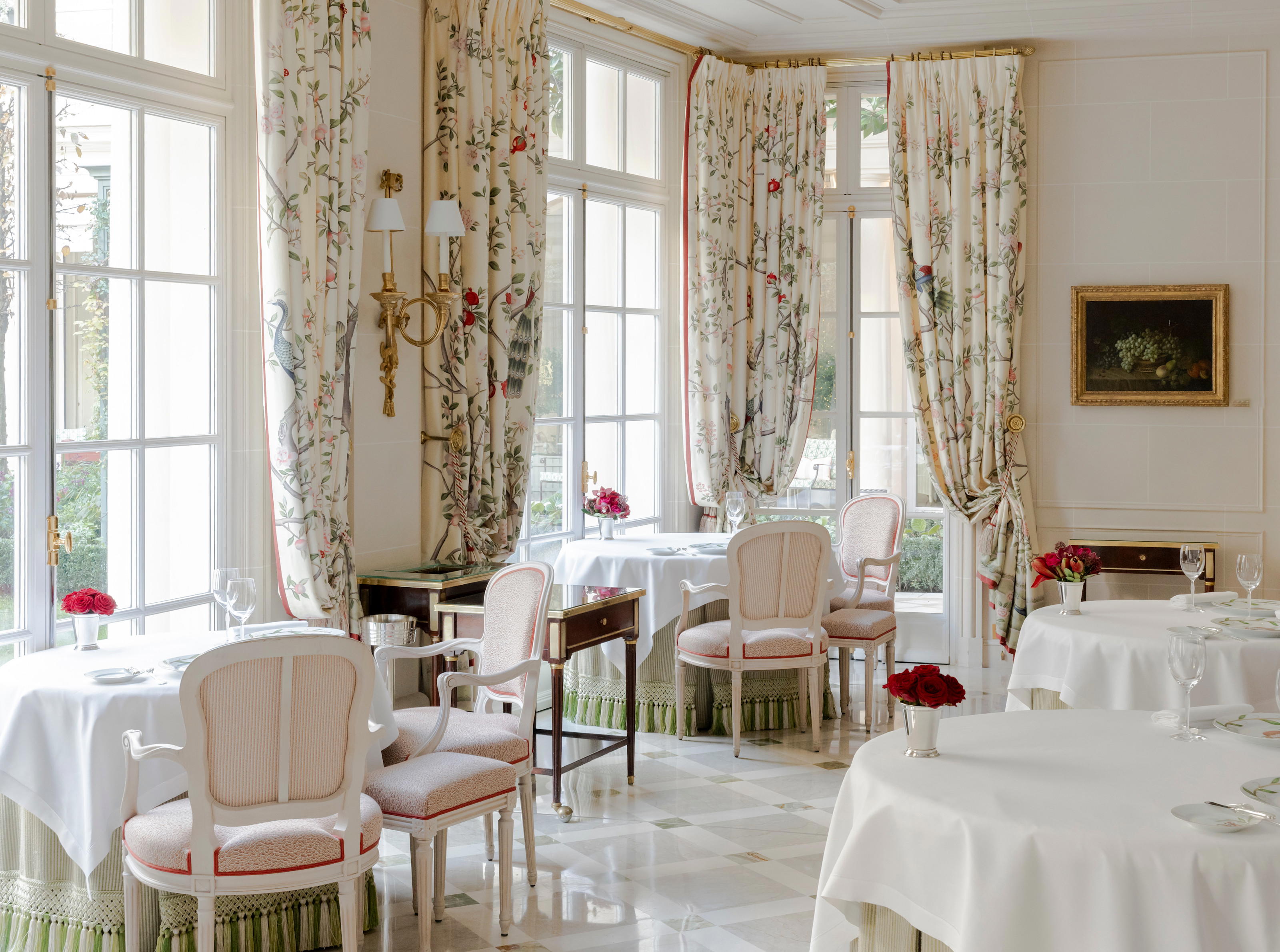
Refined and zen with natural light, brass accents, velvet upholstery, and a mix of classic Parisian glamour and contemporary minimalist style.
Know Before You Go
- Getting there
- 19 Rue Saulnier, 75009 Paris, France