Positioned at Place André Malraux, steps from the Louvre and the Palais-Royal gardens, Hôtel Du Louvre occupies one of the first arrondissement's most historically weighted addresses. Part of Hyatt's Unbound Collection, the property sits in a tier of Paris hotels that trade on location and architectural heritage rather than the ultra-boutique scale of newer entrants. A considered choice for travellers who want proximity to the city's institutional core.
Pearl is the En Primeur Club membership app — saves, bookings, and concierge access live there. Same editors, same standards.
- Address
- Pl. André Malraux, 75001 Paris, France
- Phone
- +33 1 73 11 12 34
- Website
- hyatt.com
- Directions
- Get directions
 Saves & bookings on Pearl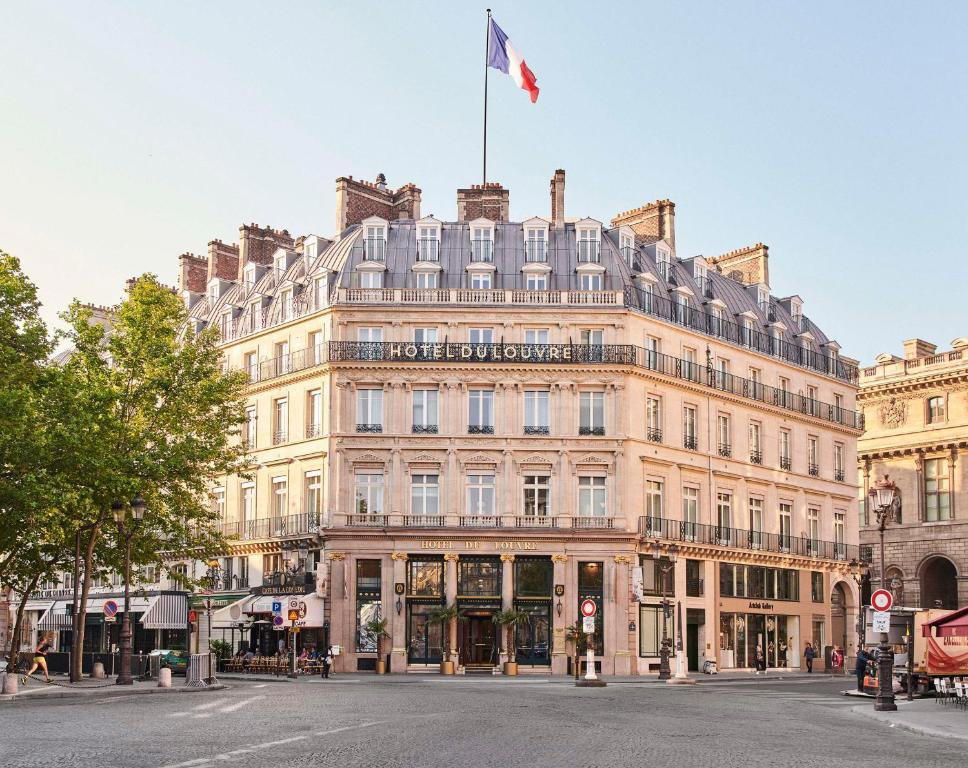
Place André Malraux and the Logic of Address
In Paris hotel-keeping, address is never incidental. The city's premium accommodation has long sorted itself by arrondissement and immediate adjacency, to a garden, a monument, a riverside promenade. Hôtel Du Louvre, at Place André Malraux in the 1st arrondissement, operates from one of those addresses that requires no further explanation to a Parisian. The square sits at the convergence of Rue de Rivoli and Avenue de l'Opéra, with the Louvre's Richelieu wing to one side and the Palais-Royal gardens two minutes on foot in the other direction. That geometry matters: guests step out not into a commercial thoroughfare but into one of the city's most architecturally coherent civic spaces.
The property is part of the Unbound Collection by Hyatt, a portfolio tier the group uses for independent-spirited hotels with strong individual identities and significant historical fabric. Within the Paris market, that positioning places it in an interesting middle ground: not competing directly with the palace-classified giants, properties like Le Meurice, Hôtel de Crillon, or Four Seasons George V, but drawing on genuine historical weight that newer design-led entrants in the city cannot replicate.
A Haussmanian Institution, Reframed
The hotel's origins trace to the 19th century, when it was purpose-built as a grand hotel to serve visitors arriving by the newly extended railway network and the expanding bourgeois tourism that followed Haussmann's transformation of the city. That lineage gives it architectural substance that newer Paris properties may struggle to replicate. The building's facades align with the Haussmanian streetscape of the 1st arrondissement in a way that only genuine age can produce, proportions calibrated to the boulevard rather than retrofitted to it.
This kind of historical grounding is a significant variable in the Paris luxury hotel market. The city's top tier divides between properties classified as palaces under the official French tourism authority designation (a status requiring documented evidence of polished service standards, cultural heritage, and multilingual capacity) and hotels with strong individual positioning that fall outside or below that bracket. The palace designation functions as a reference anchor for price and expectation; the Unbound Collection's positioning for this property leans more on heritage and location specificity than on competing with Cheval Blanc Paris or Hotel Plaza Athénée at the summit of the market.
The Rhythm of Staying Here
Paris hotels in this tier structure the guest experience around arrival, orientation, and a particular relationship to the surrounding neighbourhood, and the 1st arrondissement rewards a specific kind of traveller ritual. Mornings at Place André Malraux mean a short walk to the Palais-Royal arcades before tourist volumes build, or east along Rue de Rivoli toward the Tuileries while the garden is still quiet. The Louvre itself is metres away, which changes the calculation for anyone planning more than one visit to the museum across a multi-day stay. The ability to return mid-afternoon, avoid the midday crush, and walk back to the hotel for an hour before dinner is a logistical advantage that central addresses like this one provide and that addresses in the 8th or 16th cannot replicate in the same way.
Evening orientation from this address is equally considered. The Palais-Royal's restaurants, a concentrated cluster of respected dining rooms operating inside and around the colonnaded gardens, are accessible without requiring a taxi or metro. For guests who prefer to move on foot between hotel, aperitif, dinner, and a late walk along the Seine, few Paris addresses arrange those elements with less friction.
Travellers comparing this property to other Paris options in the upper-mid to premium tier, or evaluating it against properties elsewhere in France such as Domaine Les Crayères in Reims or Les Sources de Caudalie in Bordeaux, will find that the Paris property's argument is primarily geographic and historical rather than driven by spa scale, culinary reputation, or amenity breadth.
Seasonal Considerations for Booking
Paris hotel demand in the 1st arrondissement peaks in spring (April through June) and again in September and October, when the Louvre and adjacent cultural institutions draw their densest visitor volumes and the city's fashion and trade calendar adds further pressure on rooms. Booking in January or February yields more flexibility on dates and, typically, more competitive rates from major hotel groups operating at scale, the Unbound Collection's Hyatt infrastructure means rate management follows the group's broader revenue patterns. August presents a different calculus: Parisian institutions thin out, some neighbourhood restaurants close for the month, but the tourist footfall around the Louvre remains high and the area's character shifts noticeably.
For context on how the broader Paris luxury hotel market performs across seasons, the properties that tend to have the longest lead times for desirable room categories are the palace-classified addresses: La Réserve Paris and Le Bristol Paris both require advance planning of six to twelve weeks during peak periods for well-positioned rooms. A property in the Unbound Collection tier generally operates with slightly more availability, though that varies by room category and event calendar.
Placing This Hotel in the Wider French Context
For travellers building a France itinerary that extends beyond Paris, the Louvre hotel's position as an urban base with strong museum adjacency pairs logically with more landscape-oriented properties elsewhere. The Riviera tier, Hotel Du Cap-Eden-Roc in Cap d'Antibes, The Maybourne Riviera in Roquebrune-Cap-Martin, operates at a different scale and seasonality (predominantly May through September). Provence options such as La Bastide de Gordes or Villa La Coste in Le Puy-Sainte-Réparade provide a counterpoint in pace and setting. Alpine properties like Cheval Blanc Courchevel or Four Seasons Megève serve a winter calendar that rarely overlaps with the urban Paris visit. The Hôtel Du Louvre functions as a city chapter in a longer France programme rather than as an all-in destination property, and that is the correct frame for evaluating it.
See our full Paris hotels and restaurants guide for a wider view of where this property sits across the city's current accommodation spectrum.
Similar Picks
Comparable venues nearby, for context on price, style, and recognition.
| Venue | Cuisine | Price | Notes |
|---|---|---|---|
| Hôtel Du Louvre - In the Unbound Collection by HyattThis venue — the venue you are viewing | Historic Haussmannian luxury with modern updates | $$$$ | Not listed |
| Hôtel Parister | Boutique wellness hotel blending classic Parisian and modern industrial design | $$$$ | Faubourg Montmartre |
| Vernet | Design hotel blending post-Haussmann heritage architecture with contemporary minimalist interiors; positioned as a luxury boutique property emphasizing French craftsmanship and artistic curation. | $$$$ | 8th arrondissement, Champs-Élysées/Golden Triangle |
| Villa-des-Prés | Contemporary Parisian luxury boutique hotel housed in a post-Haussmann 1911 apartment building, designed as a private mansion with character and discretion. | $$$$ | Saint-Germain-des-Prés |
| Hôtel de Nell | Contemporary luxury boutique with 19th-century facade and meticulous modern interiors. | $$$$ | 9th arrondissement |
| Le Pavillon Faubourg Saint-Germain | Boutique 18th-century mansion blending heritage with modern luxury | $$$$ | Saint-Germain-des-Prés |
Continue exploring
More in Paris
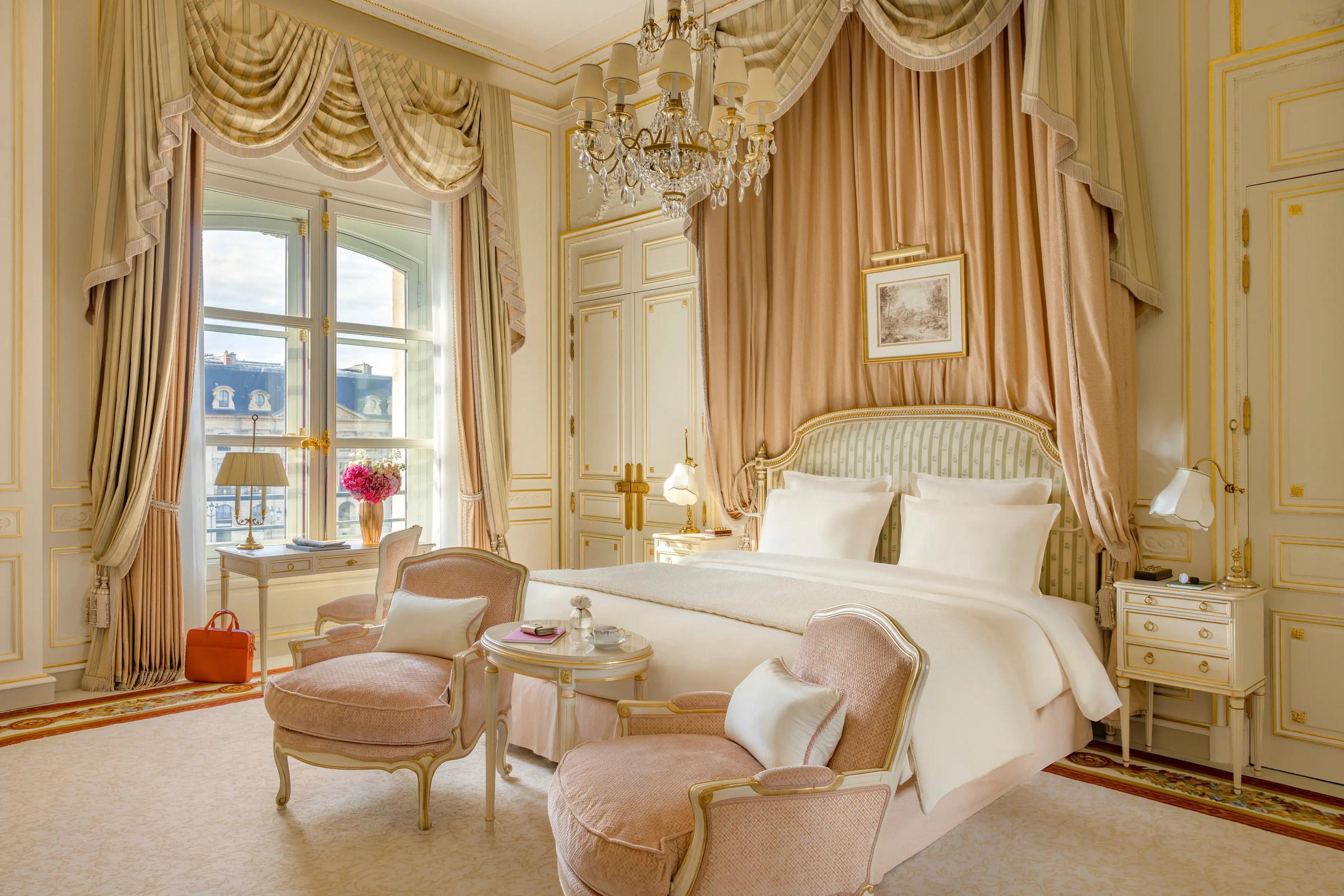
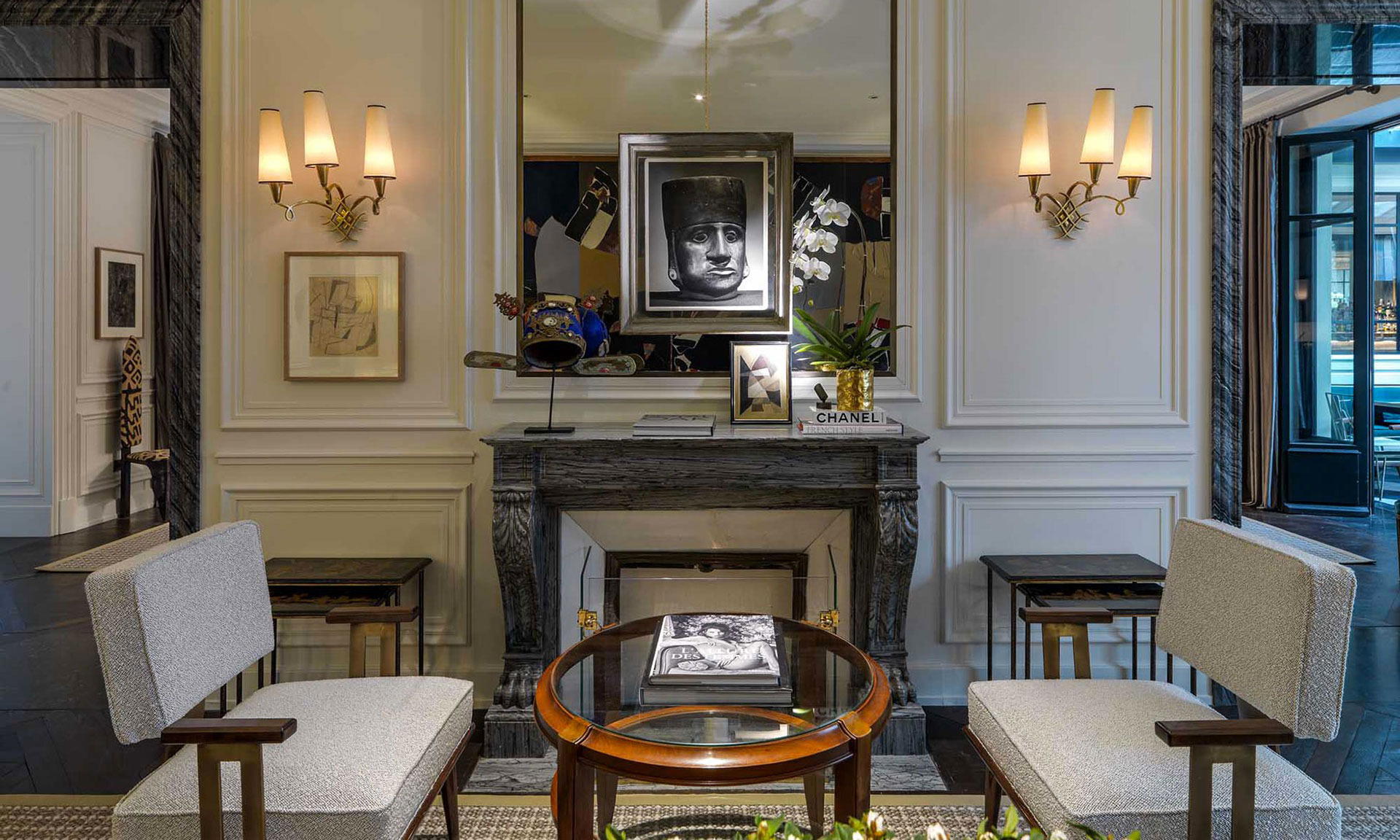
Hotels in Paris
Browse all →
Bars in Paris
Browse all →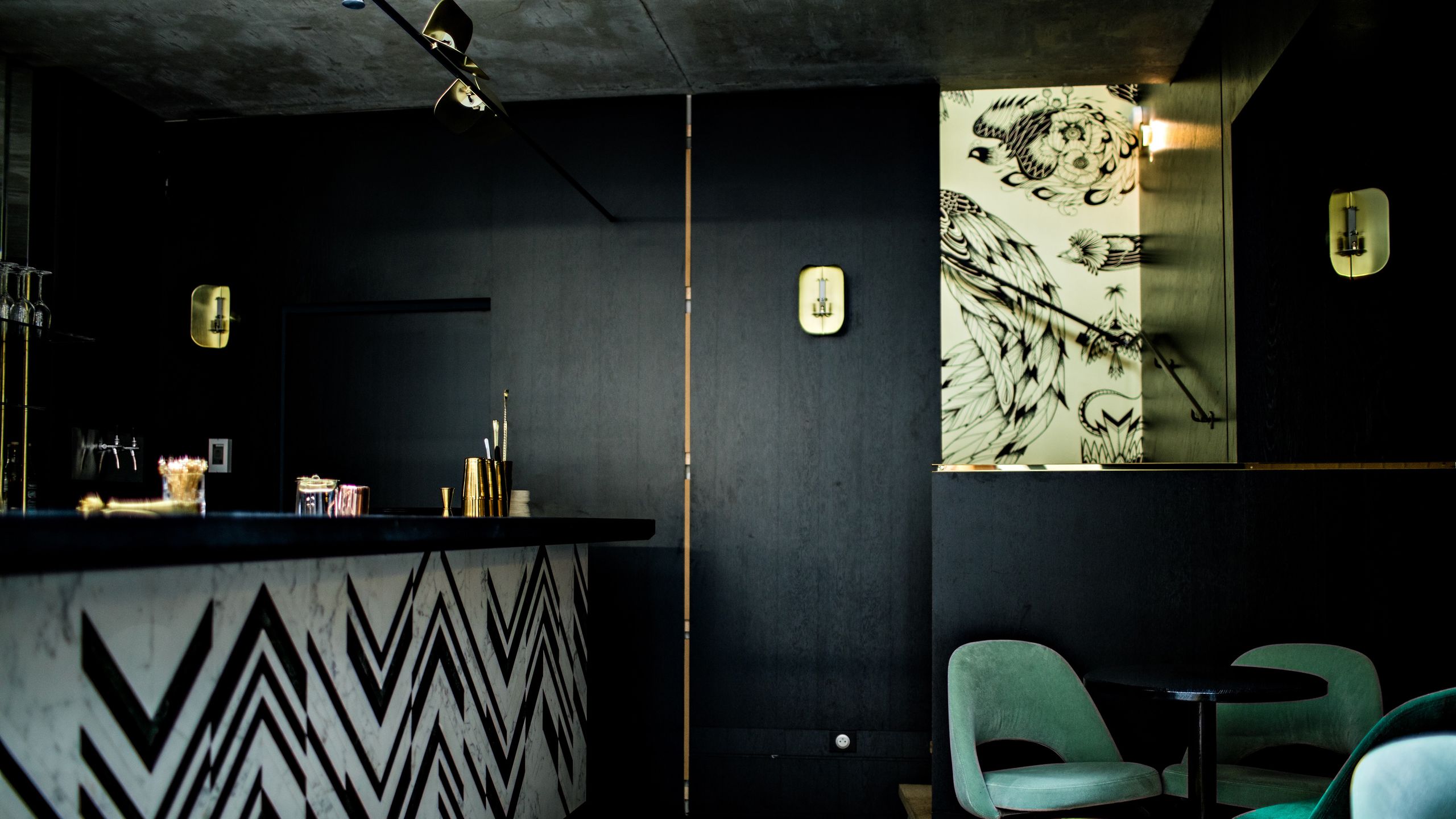
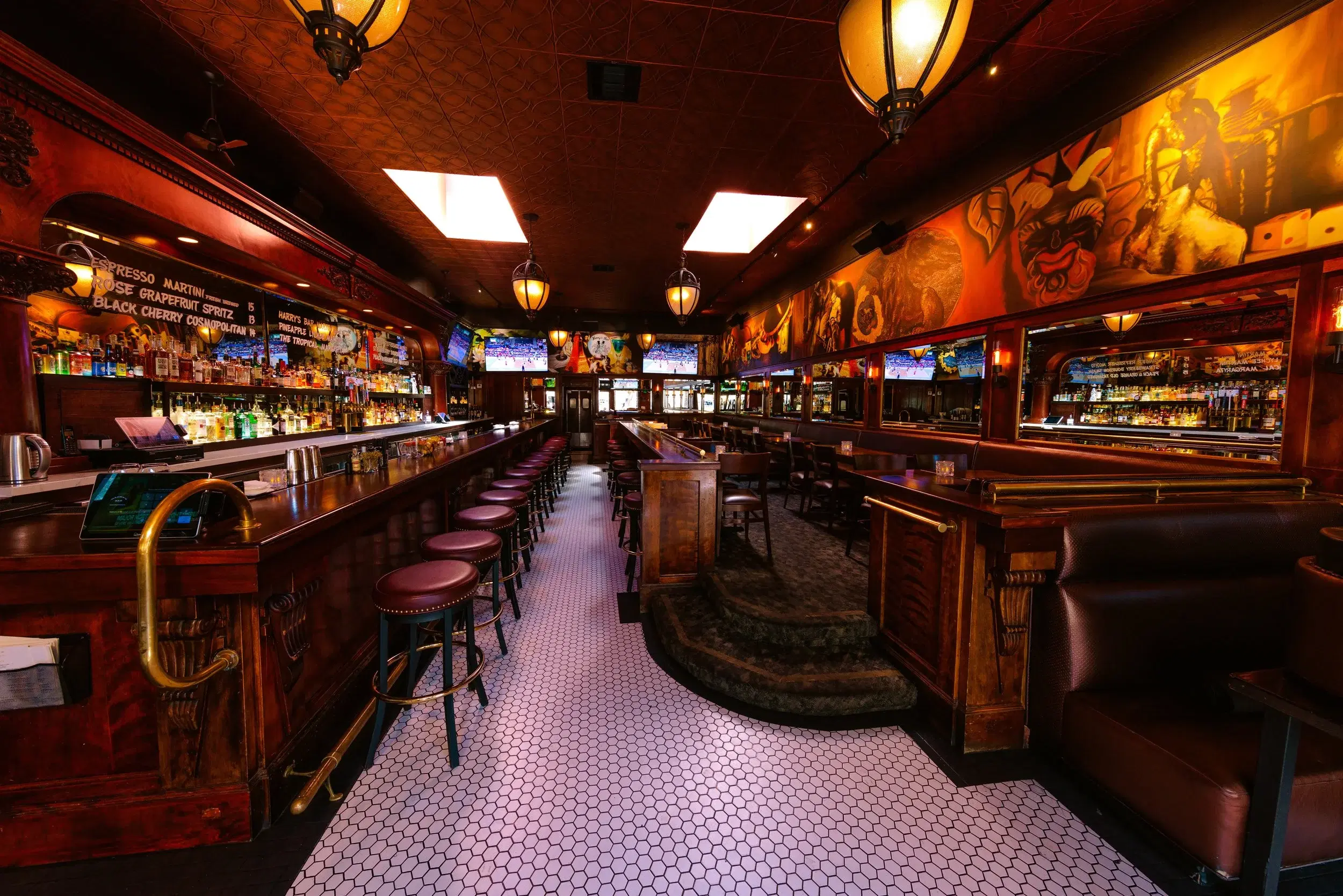
Restaurants in Paris
Browse all →
Wineries in Paris
Browse all →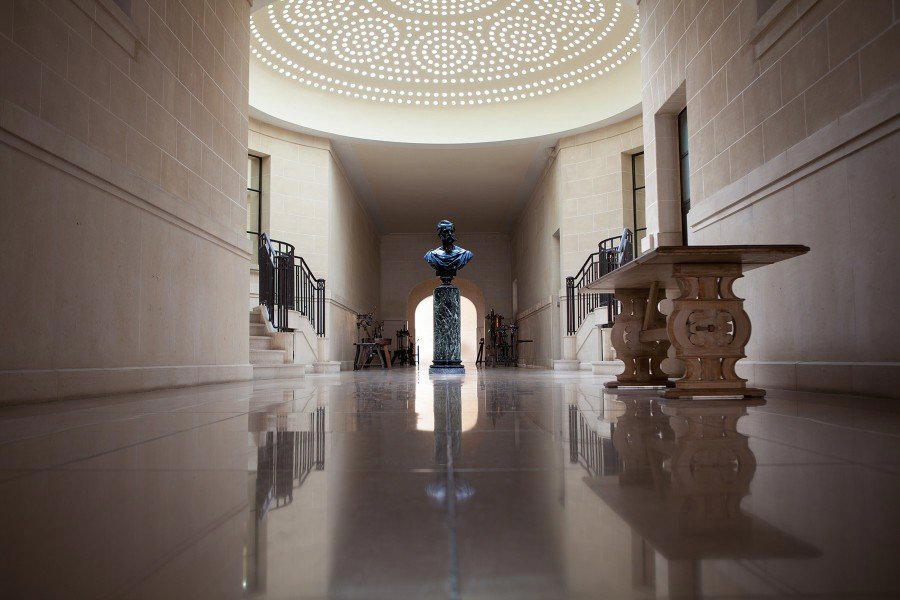
At a Glance
- Elegant
- Sophisticated
- Classic
- Well Known
- Romantic Getaway
- Business Trip
- Anniversary
- Weekend Escape
- Historic Building
- Terrace
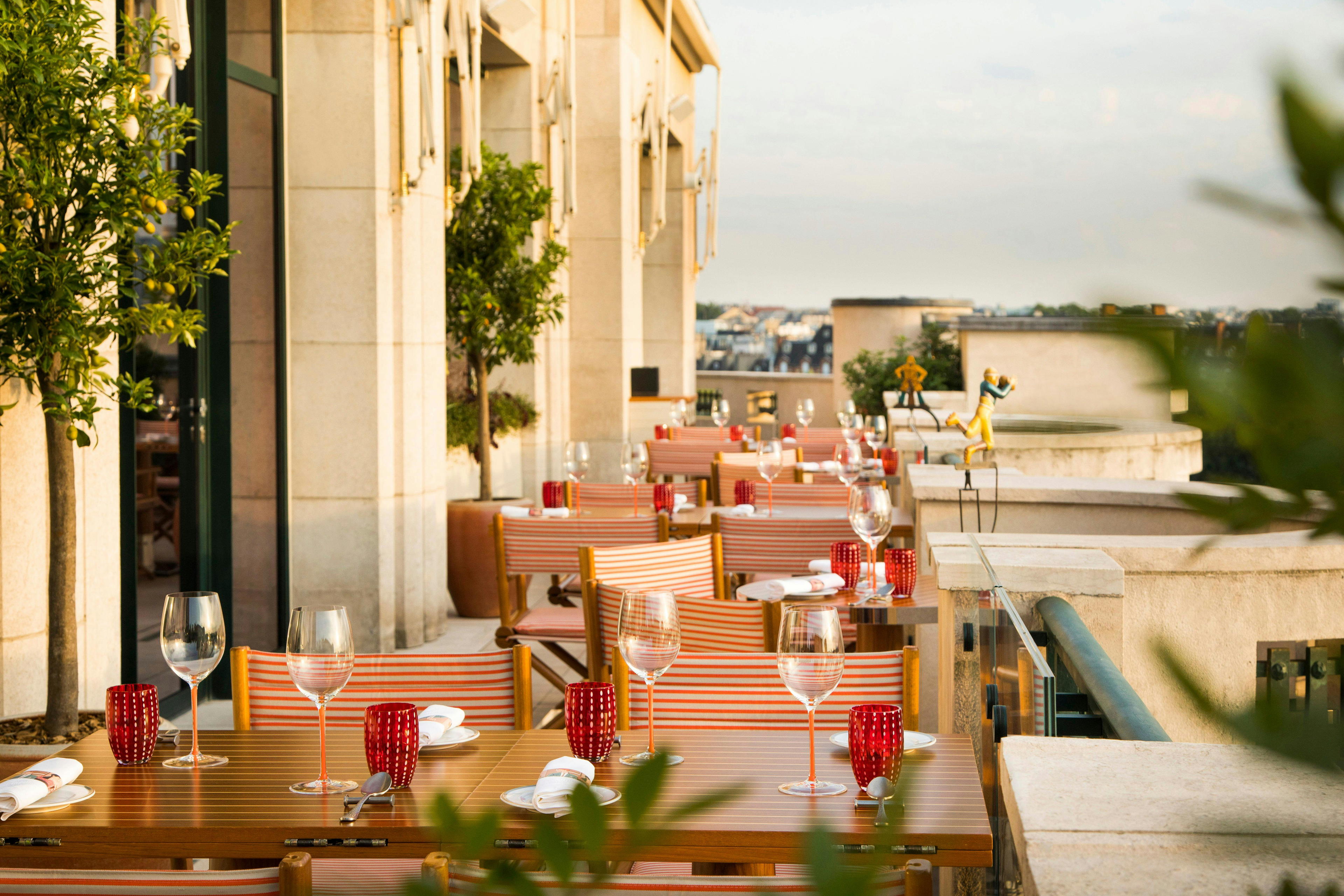
- Panoramic View
- Wi Fi
- Fitness Center
- Room Service
- Concierge
- Skyline
- Street Scene
- Wi Fi
- Fitness Center
- Room Service
- Concierge
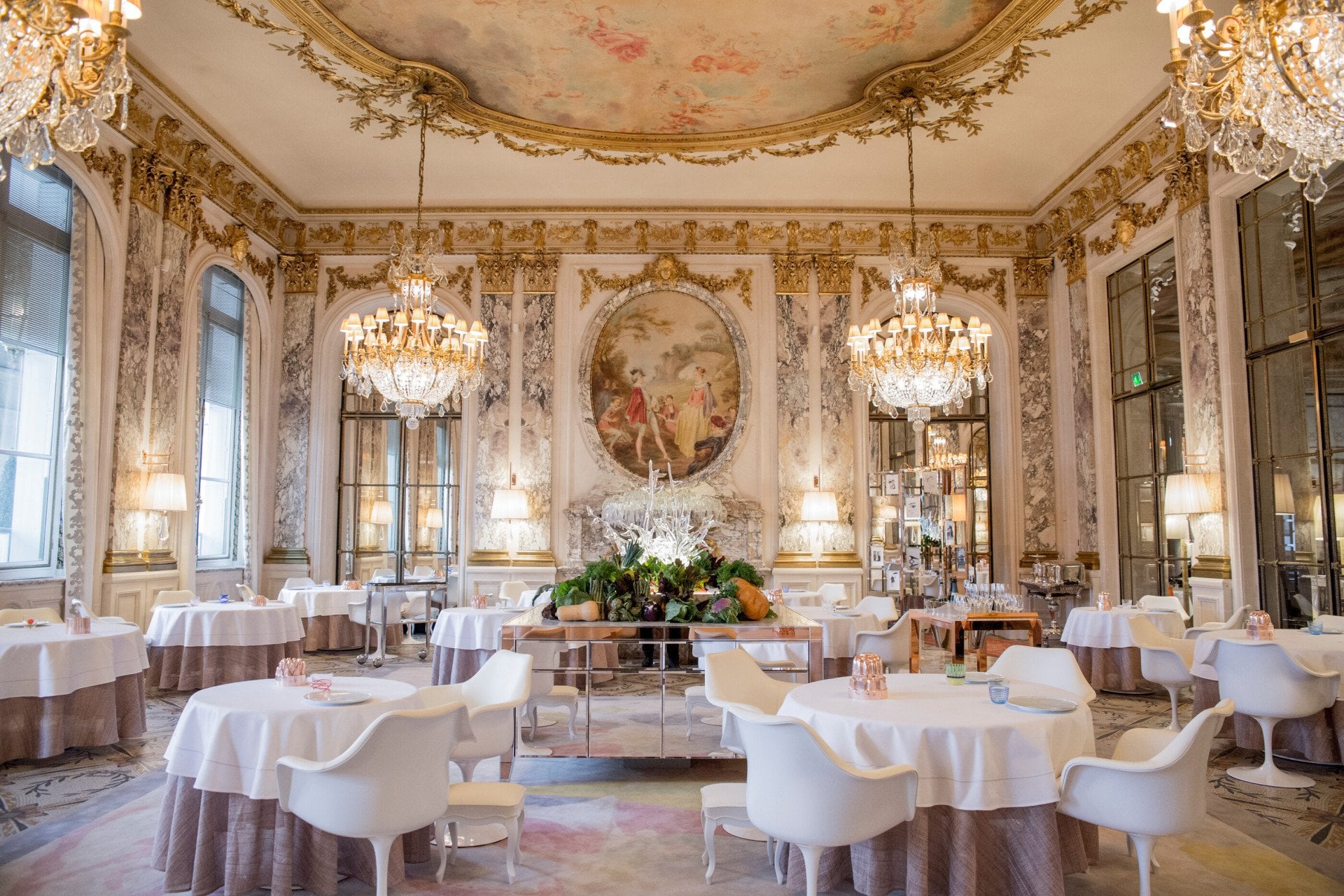
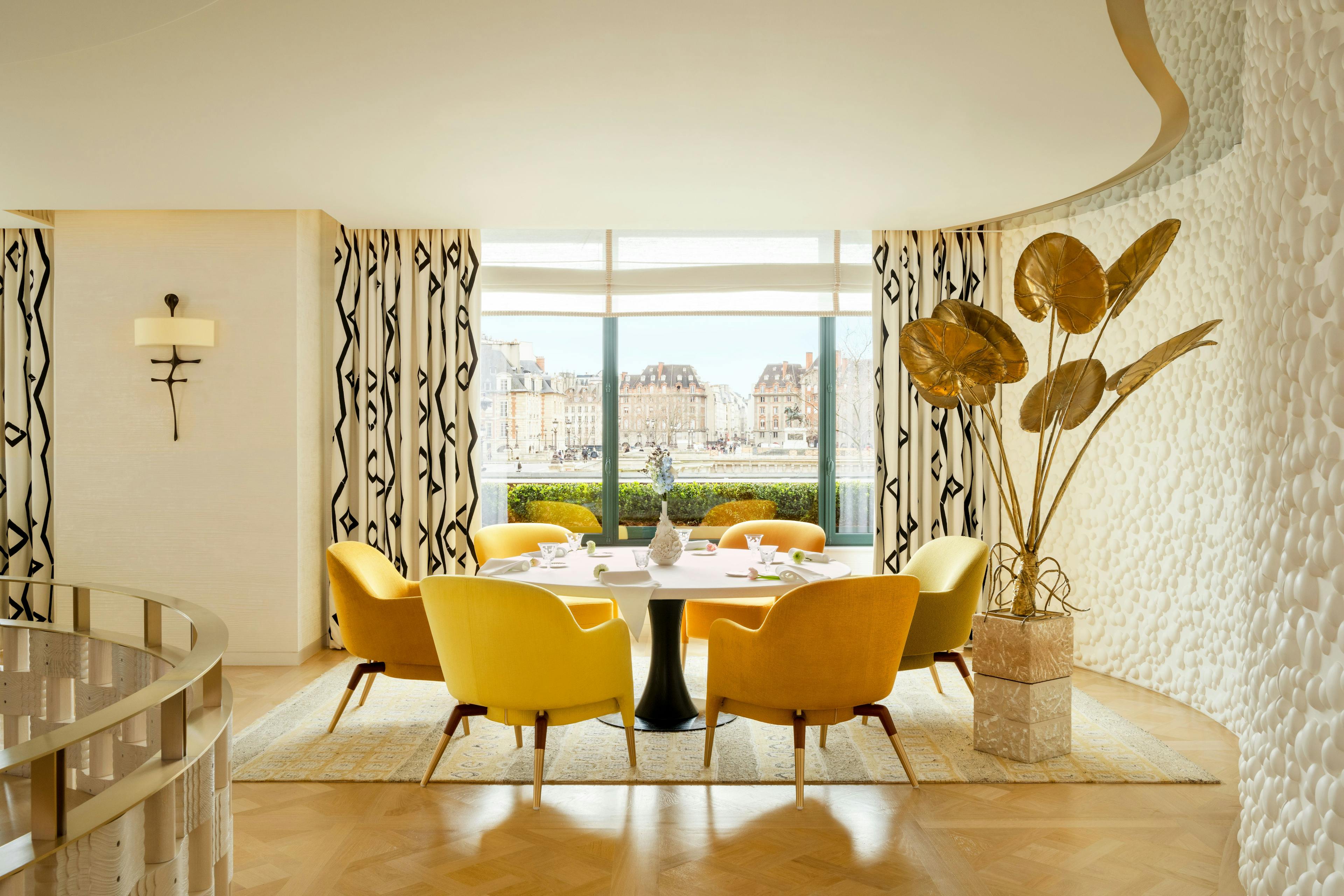
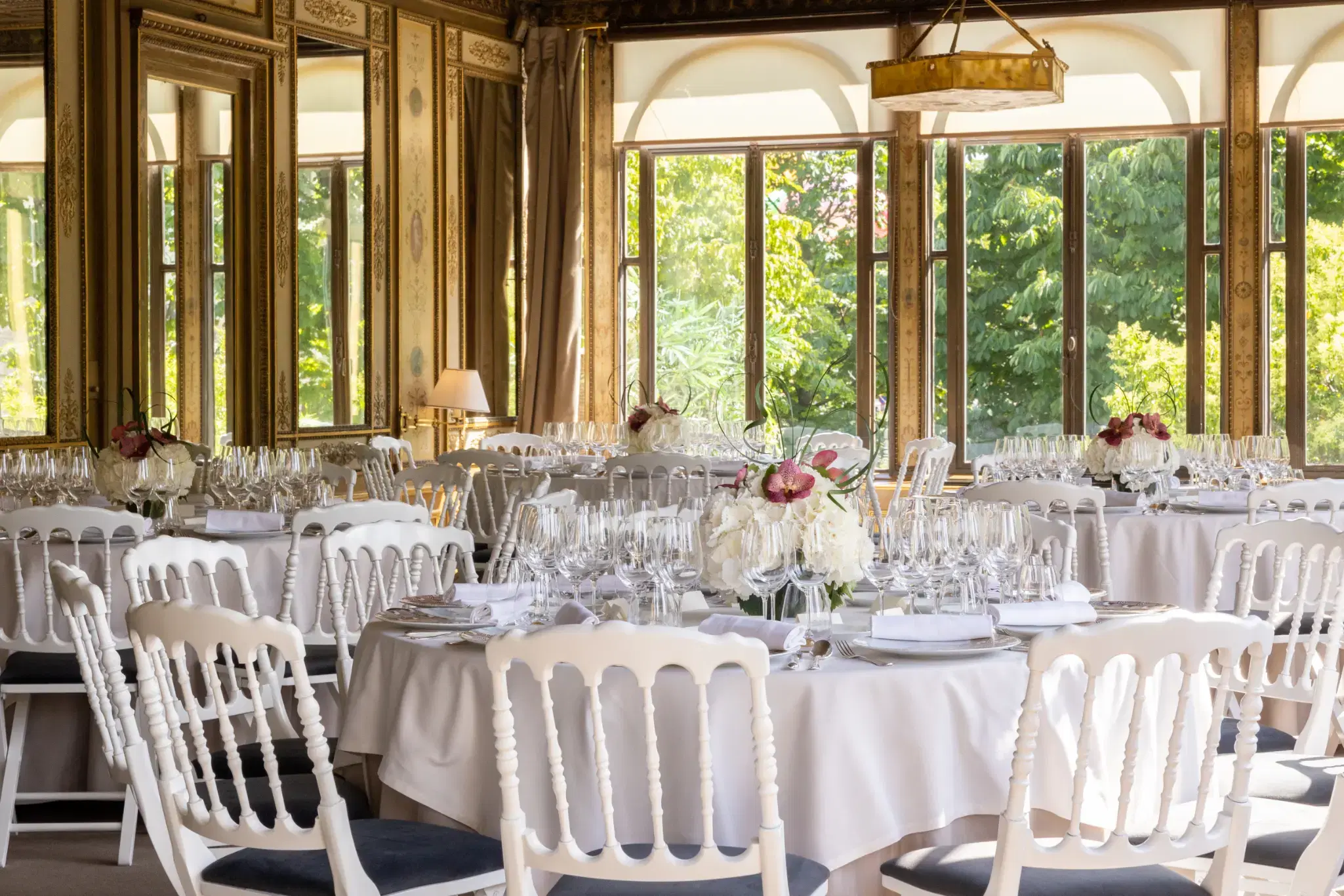
Bright and luminous interiors with natural light flooding through large windows and restored glass roofs, creating an elegant mix of classic Parisian opulence and contemporary serenity.