
Michelin Selected
A Michelin Selected property in the Venosta Valley, Hotel Paradies sits in Laces among the apple orchards and Alpine terrain of South Tyrol. The selection signals a level of hospitality quality that places it within a small cohort of recognised addresses in this part of northern Italy, where mountain setting and architectural character matter as much as service.

Pearl is the En Primeur Club membership app, where members save venues, book tables and use the concierge.
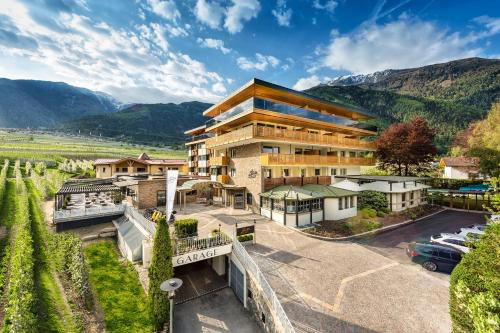
Where the Venosta Valley Frames the Architecture
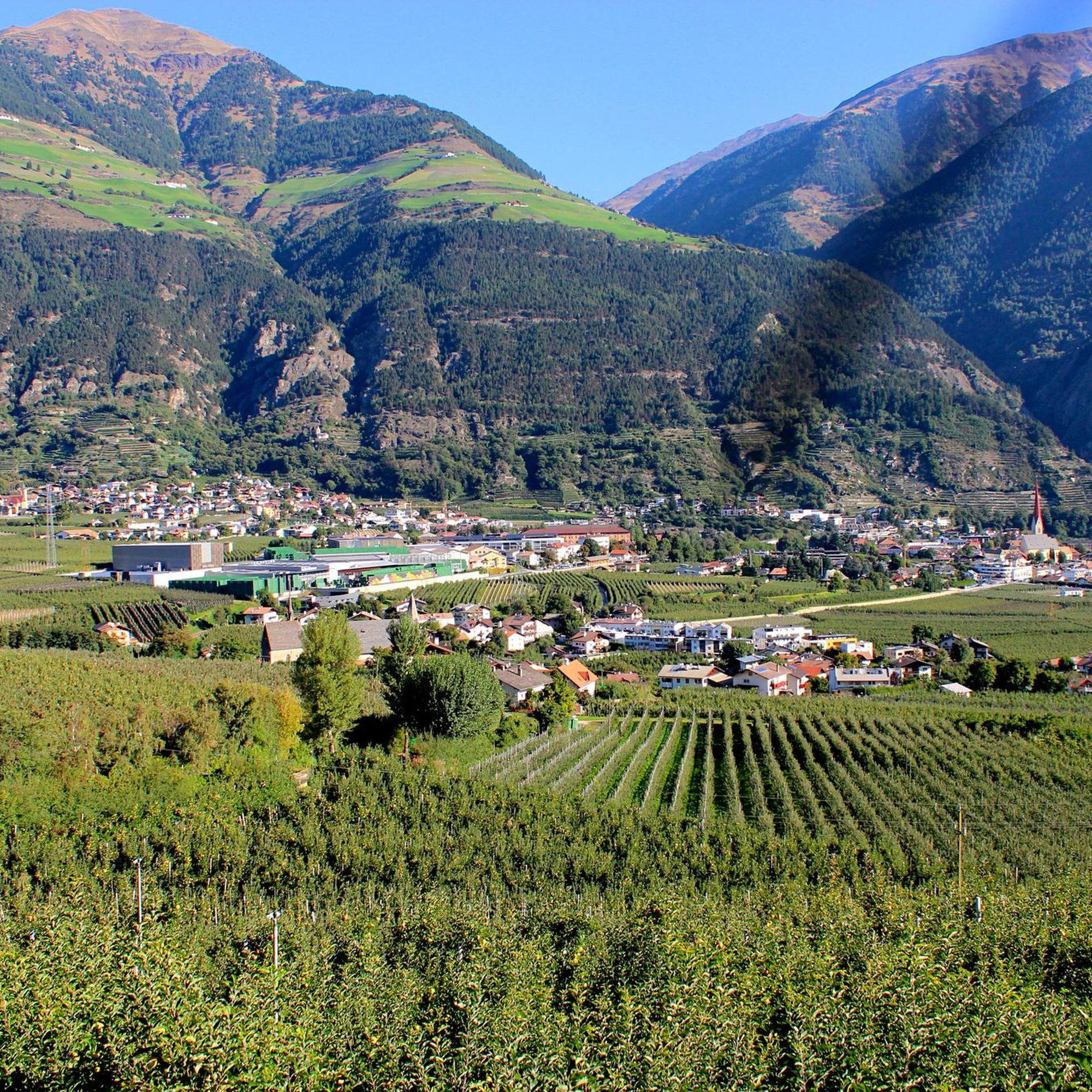
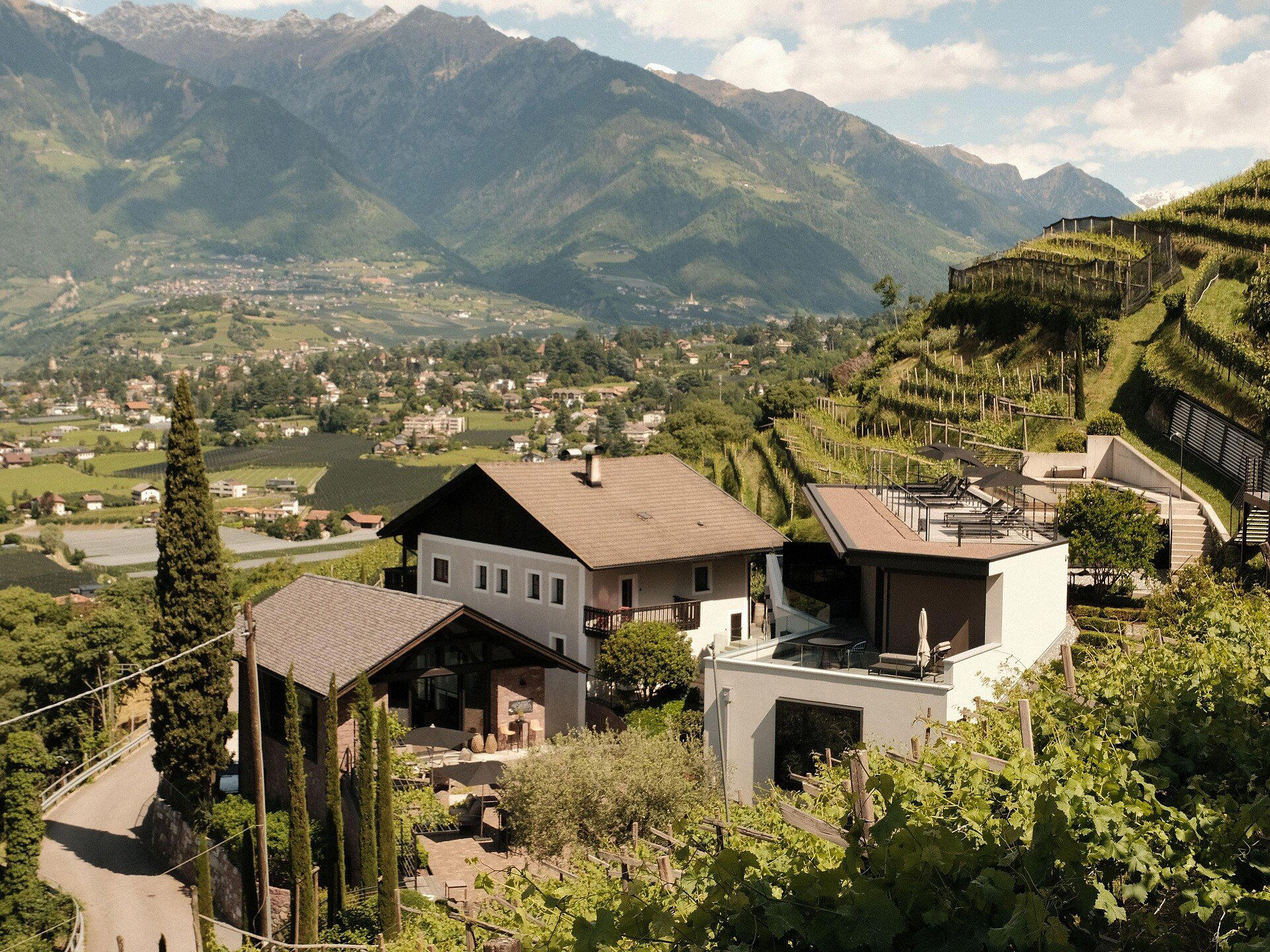
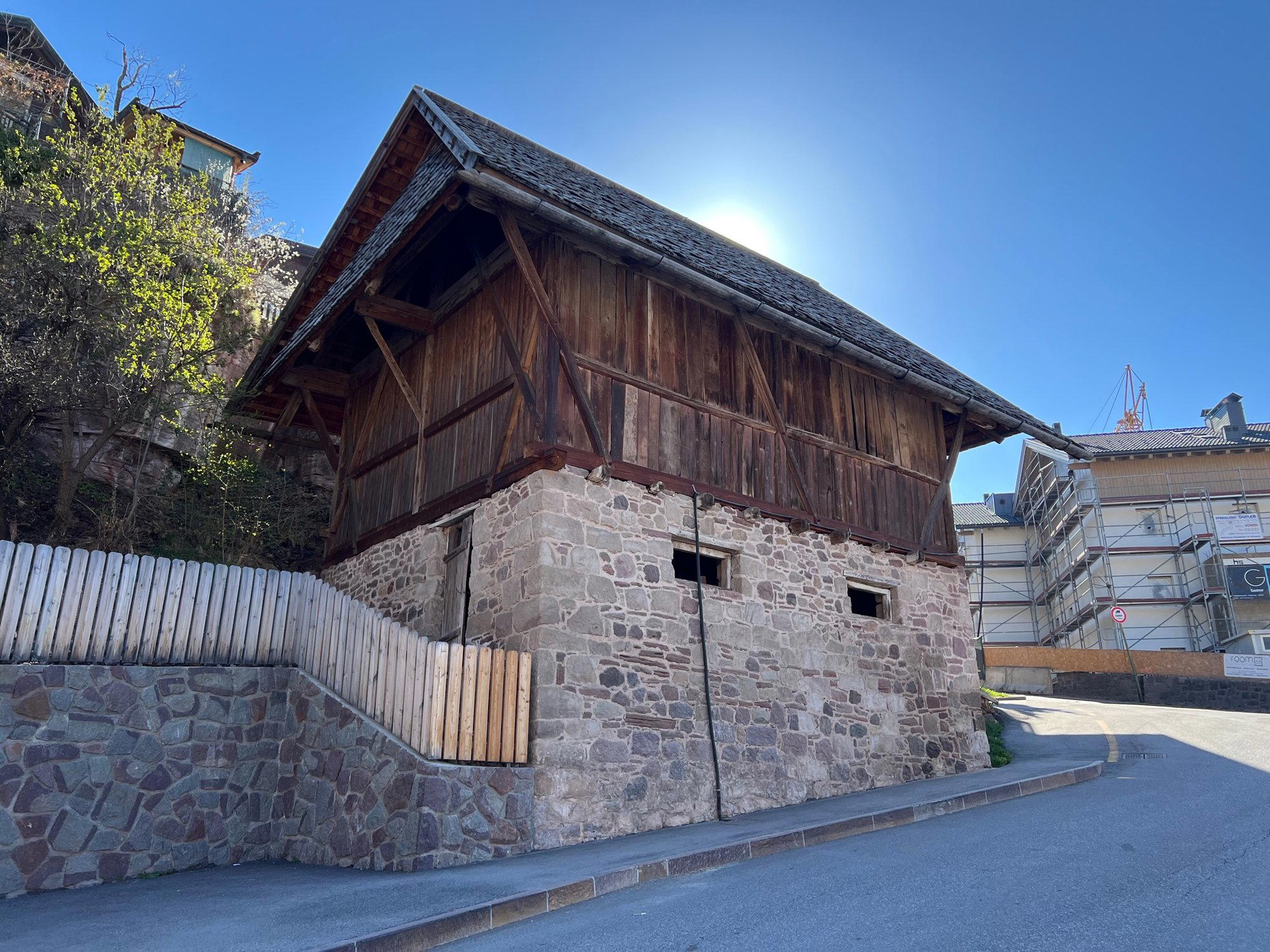
South Tyrol's approach to hospitality has long been shaped by its physical context: the Alpine terrain dictates materials, orientation, and the relationship between interior and exterior in ways that coastal or urban hotels rarely have to consider. In Laces, a village in the Venosta Valley where the valley floor sits at around 600 metres above sea level and orchard rows press up against the mountain slopes, that relationship is immediate. Hotel Paradies, addressed at Quellenweg 12, occupies a position in this landscape where the surrounding environment is not backdrop but structural argument, the design logic of properties here tends to answer the mountains rather than ignore them.
The Venosta Valley sits at the western edge of South Tyrol, less travelled than the more publicised Merano spa corridor or the Dolomite-facing valleys to the east. That relative quietness is part of what defines the area's hospitality character: properties in Laces tend to draw visitors oriented toward walking, cycling, and the specific pleasures of high-altitude valley life rather than resort-scale amenities. For hotels in this tier, the physical environment is the primary amenity, and the architecture and interior approach either reinforces or undermines that premise.
The Michelin Selection in Context
Hotel Paradies holds a Michelin Selected designation in the 2025 Michelin Hotels guide, placing it within a curated cohort of properties that the guide's editors regard as meeting a defined hospitality standard. Michelin Selected is not a star rating, it functions more as a quality threshold, identifying hotels that deliver consistency and character without necessarily competing on the grand-hotel scale. In the South Tyrol context, where Michelin has historically been attentive to the region's food and hospitality scene, the designation carries weight as a signal of reliable quality.
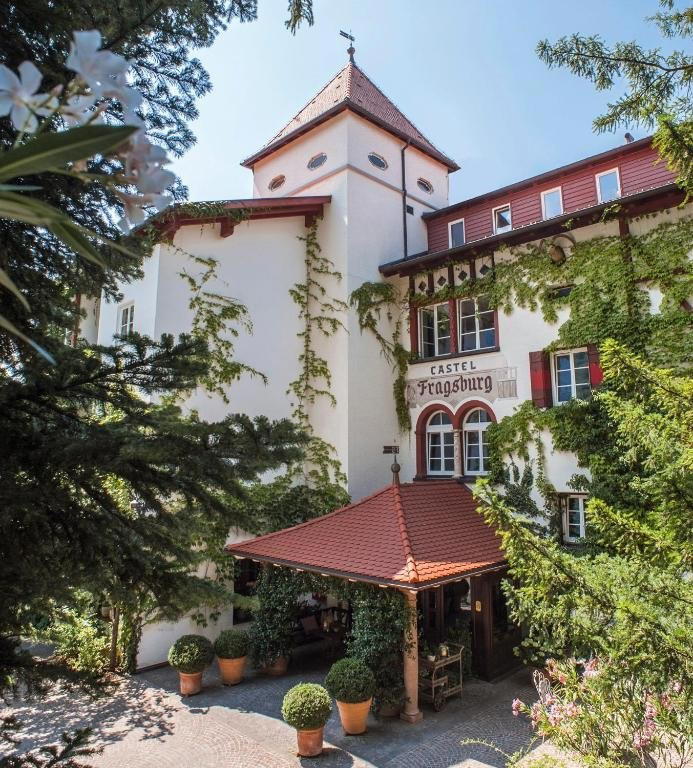
Within Italy, Michelin Selected hotels span a wide range of formats, from urban design properties to countryside relais. The properties that tend to earn and hold that designation in Alpine settings are those where the physical integration of building and terrain is handled with some care, where the hotel doesn't simply sit in the landscape but responds to it through material choice, orientation, and the management of light and view. For comparison, properties like Castel Fragsburg in Merano and Bellevue Hotel & Spa in Cogne represent the kind of Alpine hospitality that prioritises place-rootedness over brand architecture.
Design Logic at Altitude
Michelin's hotel editors assess atmosphere, comfort, and the relationship between a property's physical character and the experience it delivers. A selection in a village-scale setting like Laces suggests that the property has achieved a level of integration between its built form and its natural setting that distinguishes it from the functional accommodation that dominates the valley's lower price tiers.
South Tyrol's architecture has in recent decades produced some of the most considered small-hotel design in Europe, with a generation of local architects and owners working with timber, stone, and glass in ways that acknowledge both the vernacular building tradition and contemporary spatial thinking. Properties in this mode tend to use south-facing orientation to manage solar gain and maximise valley views, with interiors that carry natural materials through from facades into rooms. The Quellenweg address in Laces suggests a position away from the main road, in the quieter residential and orchard-adjacent zone that characterises the upper village.
For travellers accustomed to the scale and finish of properties like Aman Venice, Four Seasons Hotel Firenze, or Bulgari Hotel Roma, Hotel Paradies occupies a different register entirely, smaller in scale, more specific in its sense of place, and defined by terrain rather than urban prestige. That is not a lesser position; it is a different one, and for the right traveller, a more compelling one.
The Laces Setting as Hospitality Argument
Laces sits along the Vinschgau cycle path, one of the most used long-distance cycling routes in the Alps, which runs the length of the Venosta Valley from Malles in the west to Merano in the east. The village is also within reach of the Stelvio National Park, the largest national park in Italy by area, which shapes the land use and visual character of the surrounding countryside. These geographic facts matter for how a hotel here positions itself: properties in Laces are not city-break destinations, and they are not primarily spa hotels in the Merano mould. They are bases for active engagement with a specific Alpine environment.
That context makes Hotel Paradies part of a small but coherent tier of northern Italian properties where the natural setting and the hotel's relationship to it are the primary differentiation. Rosewood Castiglion Del Bosco in Montalcino and Castello di Reschio in Lisciano Niccone represent an analogous logic in Tuscany and Umbria, where landscape immersion rather than amenity stacking is the organising principle. The geographic specificity of Laces, valley-floor orchards, Alpine passes within an hour's drive, reliable summer sun channelled by the valley walls, gives properties here a clear identity that broader resort destinations cannot replicate.
Travellers comparing the northern Italian Alpine circuit might also consider Il Sereno in Torno on Lake Como or Grand Hotel Tremezzo in Tremezzo for a lakeside counterpoint, or Passalacqua in Moltrasio for a property that demonstrates how landscape-led hospitality can operate at significant prestige. Each represents a different answer to the same broad question of how a northern Italian property earns its position. See also our full Laces restaurants guide for dining context in the area.
Planning Your Stay
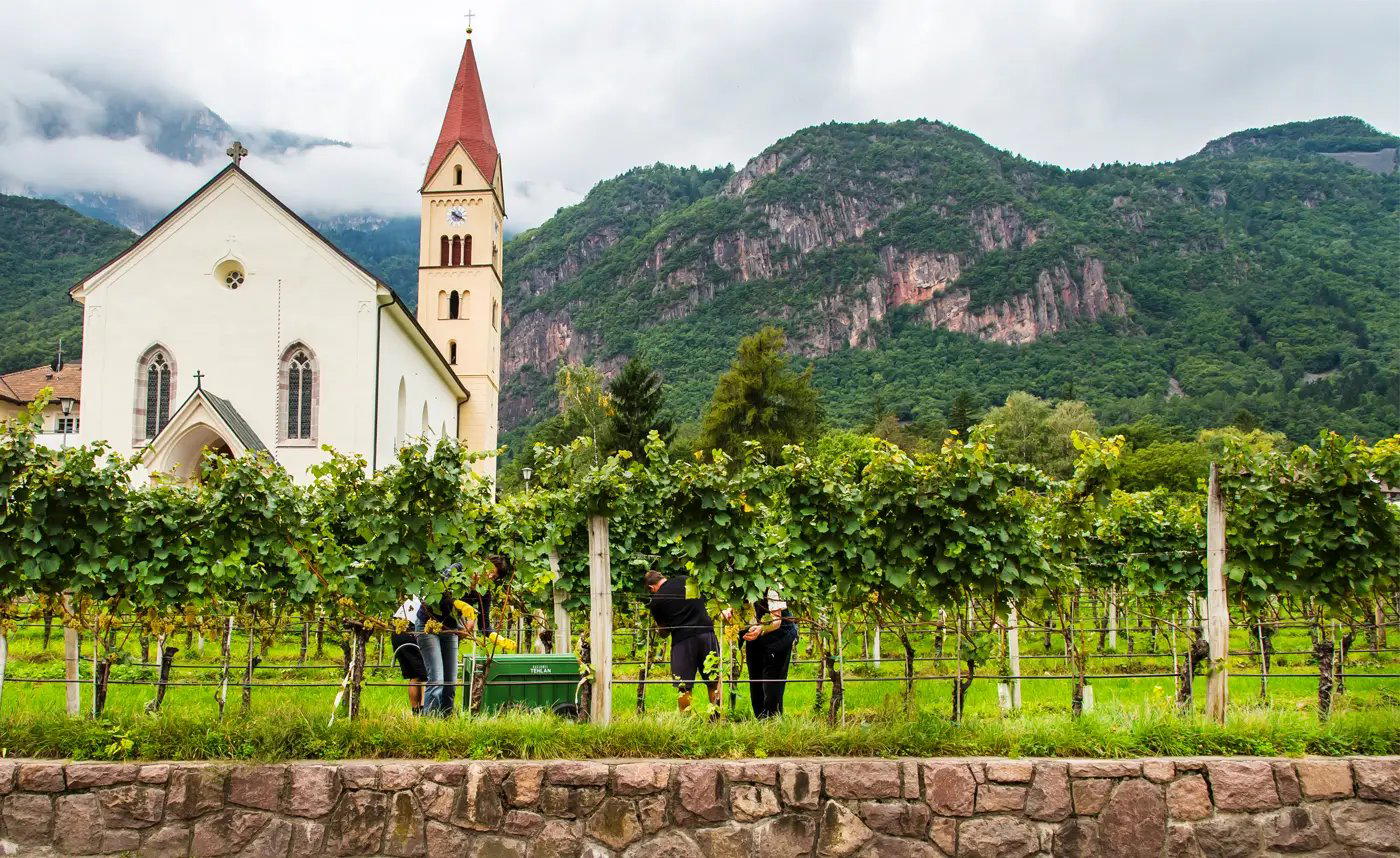
The Venosta Valley operates on a marked seasonal rhythm. Summer, from June through September, is the core period for cycling and hiking, when the valley path is busiest and accommodation fills accordingly. Autumn brings the apple harvest, which is central to the valley's agricultural identity and adds a particular character to the landscape in September and October. Winter sees some properties close or reduce operations, as the valley's appeal shifts toward the ski areas further south and east in South Tyrol. Booking well ahead for summer stays is advisable, particularly for Michelin Selected properties in the area, which attract visitors planning around quality-assured accommodation rather than last-minute availability.
michelin.com provides a reference point for confirmed availability and current contact information. Laces is accessible by rail via the Vinschgau railway, which connects the valley to Merano and onward to Bolzano, making the property reachable without a car, a practical consideration for travellers approaching from Milan or Verona.
For those building a broader Italian itinerary that moves between the Alpine north and other registers of Italian hospitality, properties such as Borgo Egnazia in Savelletri di Fasano, Il Pellicano in Porto Ercole, Borgo Santandrea on the Amalfi Coast, and JK Place Capri represent the southern and coastal end of the spectrum, while Casa Maria Luigia in Modena and Portrait Milano anchor the northern urban tier.
A Quick Peer Check
Comparable venues nearby, for context on price, style, and recognition.
| Venue | Cuisine | Price | Awards | Notes |
|---|---|---|---|---|
| Hotel ParadiesThis venue (the venue you are viewing) | alpine-style resort in orchards | Not listed | Michelin Selected | Not listed |
| Hotel Granbaita Dolomites | Tyrolean style with modern luxury | $300–500 | Michelin Selected | Selva di Val Gardena |
| Dimora Palanca Boutique & SPA | Timeless five-star elegance harmonizing classic architecture with bold modern art. | Not listed | Michelin Selected | Historic Centre |
| SINA Bernini Bristol, Autograph Collection | Well-known 150-year-old luxury hotel reinterpreting Baroque luxury with contemporary twist. | $300–500 | Michelin Selected | Piazza Barberini |
| NH Collection Firenze Porta Rossa | Historic 13th-century tower transformed into a 5-star luxury hotel blending Renaissance architecture with modern comforts. | $200–300 | Michelin Selected | Duomo |
| i-SUITE | Futuristic all-suite luxury design hotel on Rimini seafront | $300–500 | Michelin Selected | Marina Centro |
Recognition history
Dated appearances from independent guides and award organizations, with the underlying list record or original source where available.
Michelin Selected
Michelin
Continue exploring
More in Laces
Hotels in Laces
All hotels in Laces →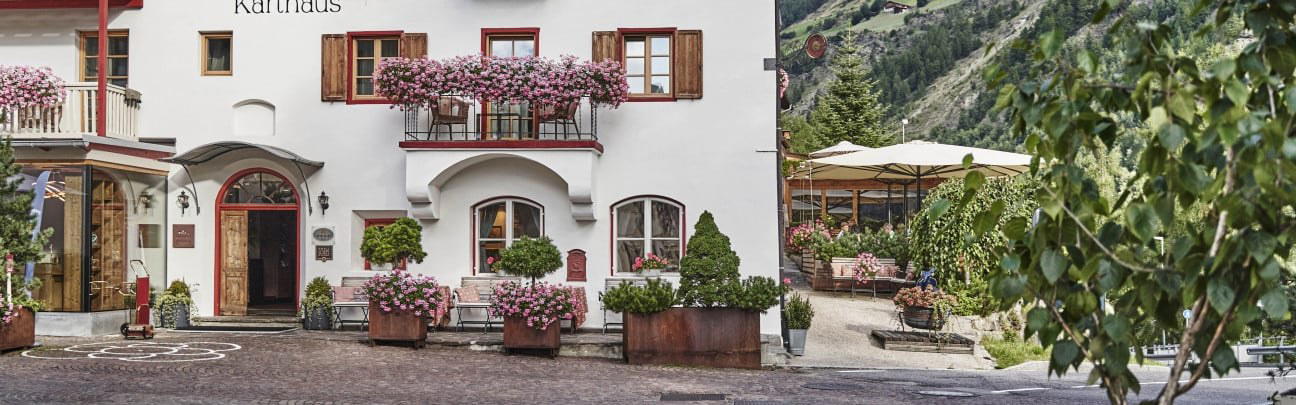
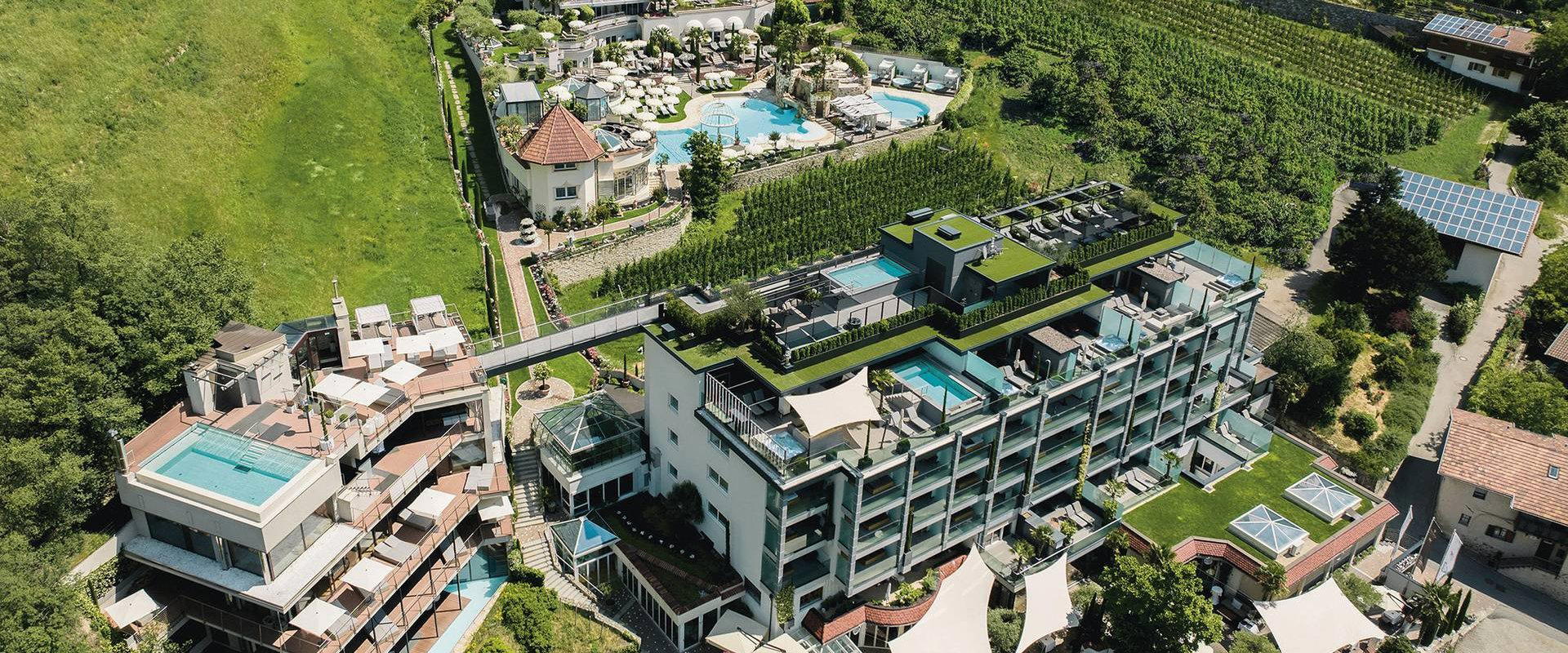
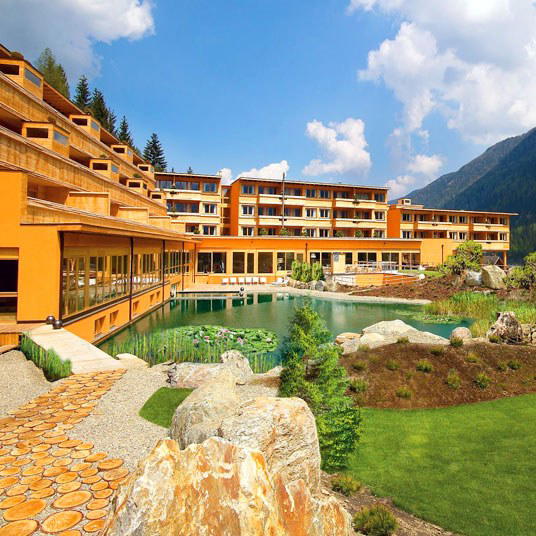
Restaurants in Laces
Browse all →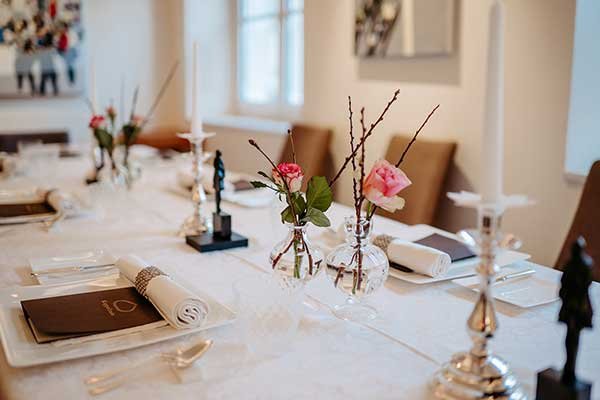
Details
- Quiet
- Scenic
- Cozy
- Family Vacation
- Wellness Retreat
- Panoramic View
- Destination Spa
- Spa
- Pool
- Fitness Center
- Wi Fi
- Tennis
- EV Charging
- Mountain
- Garden
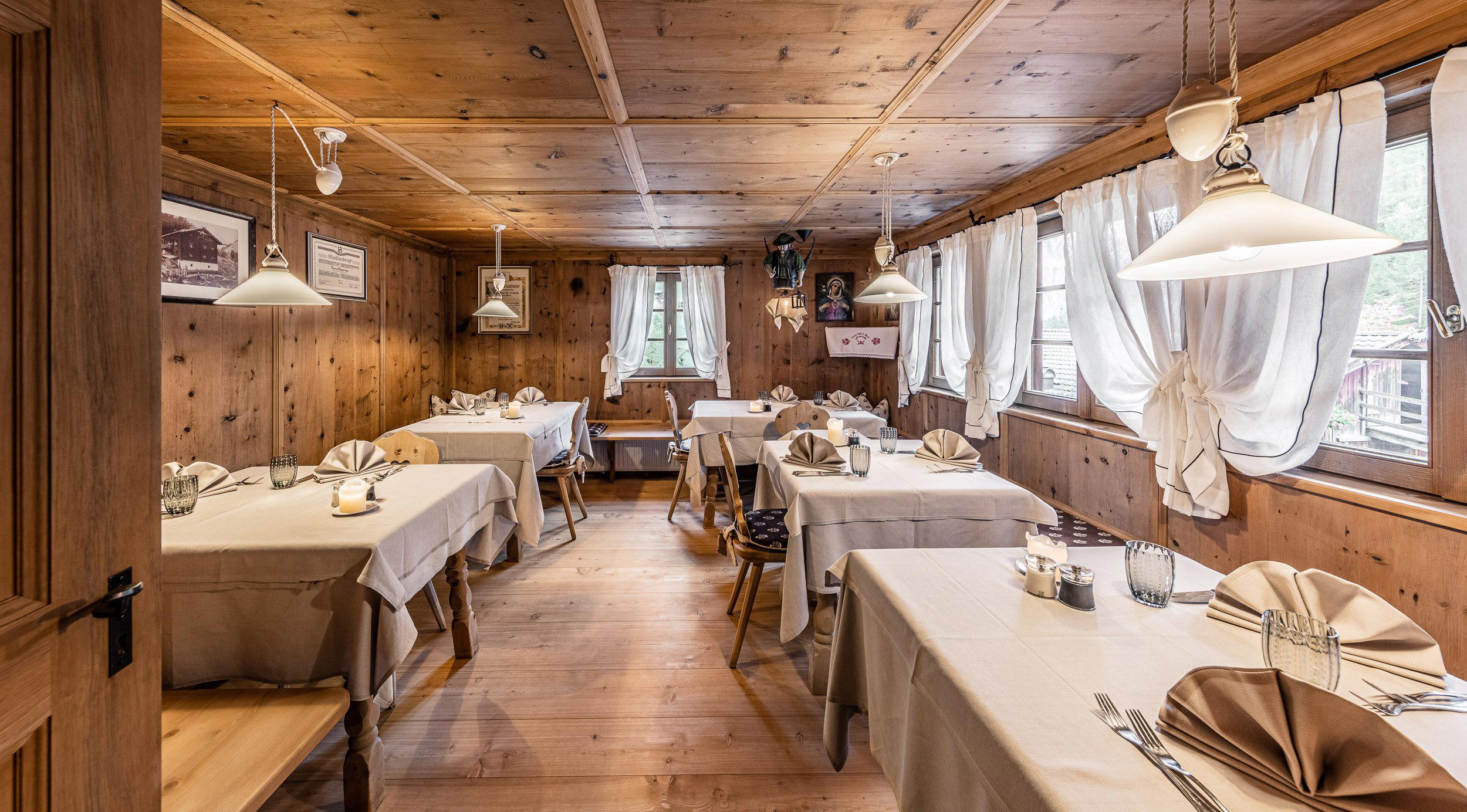
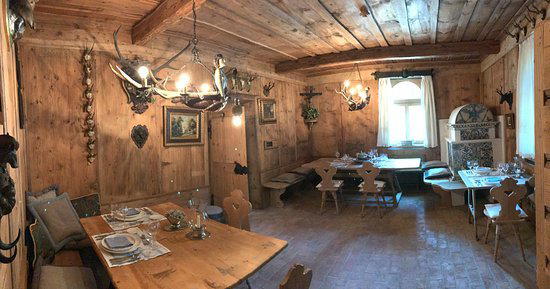
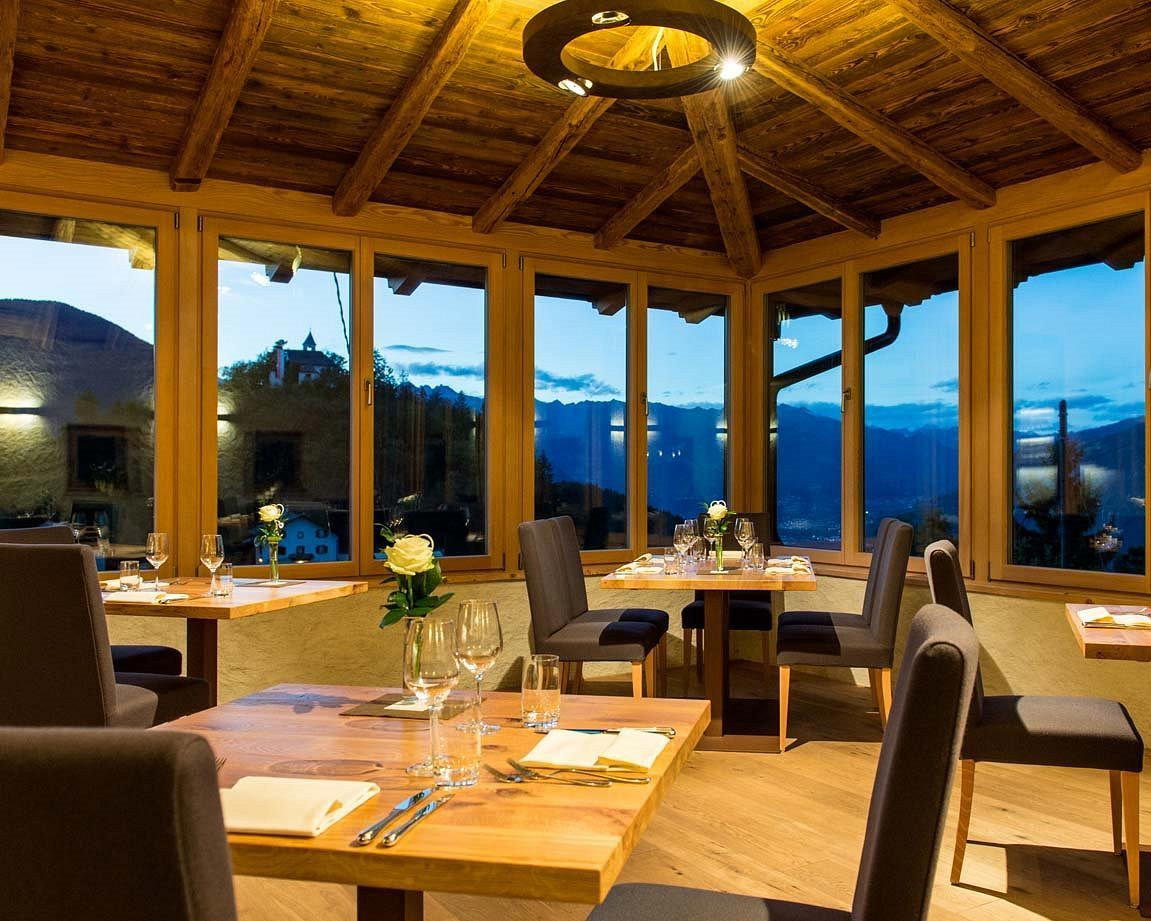
Welcoming interiors in a peaceful orchard setting with shaded gardens and a well-maintained wellness centre.