Grand-Hôtel du Cap-Ferrat, A Four Seasons Hotel




Positioned between Nice and Monte Carlo at the tip of the Cap Ferrat peninsula, Grand-Hôtel du Cap-Ferrat holds a 2024 Michelin 3 Keys award and a 99-point La Liste Top Hotels rating for 2026. The 72-room Four Seasons property pairs Pierre-Yves Rochon-designed interiors with three seasonal restaurants, a seawater infinity pool, and a history of guests that runs from Picasso and Chaplin to contemporary heads of state. Rates from $824 per night.
 Discover on Pearl
Pearl is the En Primeur Club membership app — saves, bookings, and concierge access live there. Same editors, same standards.
- Address
- 71 Boulevard du Général de Gaulle, 06230 Saint-Jean-Cap-Ferrat, France
- Phone
- +33 4 93 76 50 50
- Website
- fourseasons.com
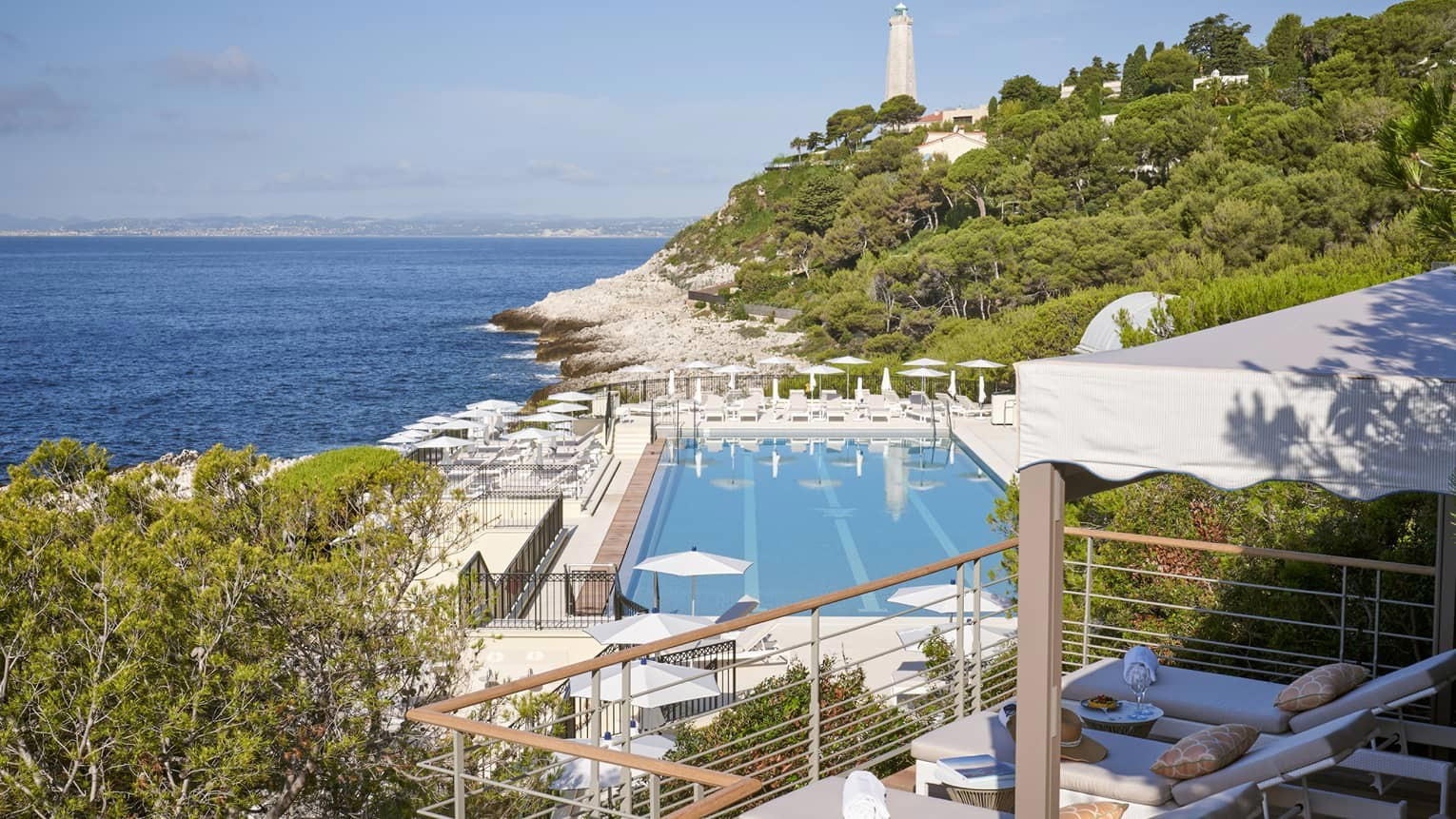
Where the Riviera's Old-Money Tradition Still Has a Physical Address
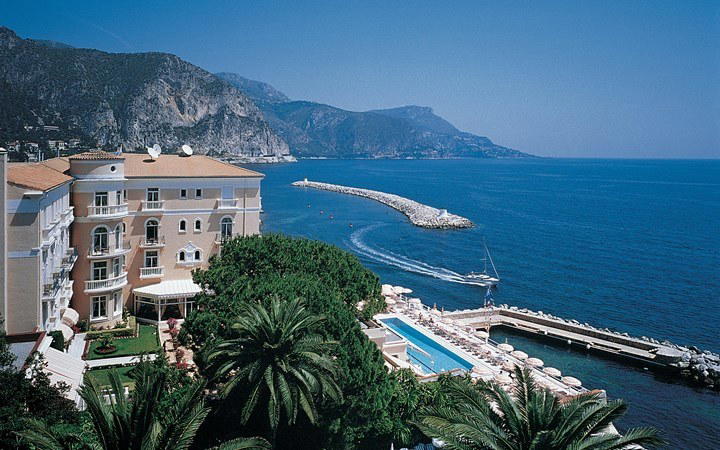
The Côte d'Azur has spent decades sorting itself into tiers: the film-festival circuit in Cannes, the superyacht infrastructure of Monaco, and the quieter, more deliberate luxury of Cap Ferrat. That last category is the hardest to fake. The peninsula juts south between Villefranche-sur-Mer and Beaulieu, keeping its pine-lined roads narrow and its guest registers discreet. Grand-Hôtel du Cap-Ferrat, a Four Seasons property since 2009, occupies the southern tip of that peninsula, and it has occupied it, in various configurations, for well over a century. The 2024 Michelin 3 Keys award and a 99-point rating in La Liste's 2026 Leading Hotels ranking confirm what the property's regulars already know: the hotel sits in the Riviera's uppermost bracket, priced and positioned against a comparable set that includes Hotel Du Cap-Eden-Roc in Cap d'Antibes and The Maybourne Riviera in Roquebrune-Cap-Martin rather than the broader Riviera palace hotel market.
Within that competitive set, the Grand-Hôtel differentiates on two axes: scale with intimacy (72 rooms is modest by grand hotel standards) and a site that functions as a self-contained resort. A funicular connects the main building to the beach below, mountain bikes are available for cycling the Cap Ferrat circuit, and in high season guests routinely spend several days without leaving the grounds.
The Dining Programme: Three Restaurants, One Seasonal Logic
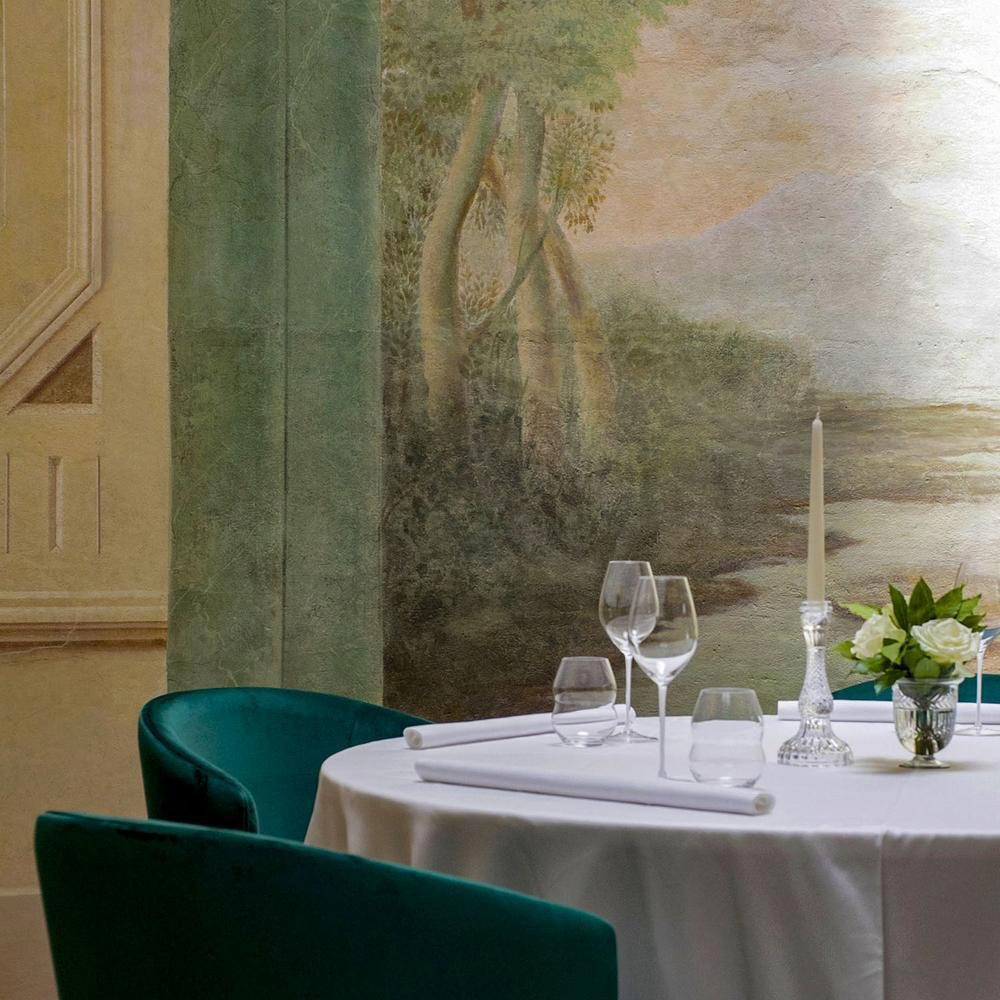
The French Riviera's hotel dining scene divides between properties that treat food as a hotel amenity and those that treat it as a programme. The Grand-Hôtel belongs to the second category. In high season, three distinct restaurants operate on the property, a structure that gives the hotel genuine range rather than the single-venue compromise common at comparable palaces. This is not unusual for the Côte d'Azur, where the hospitality calendar compresses dramatically around July and August, but it is worth factoring into a planning decision.
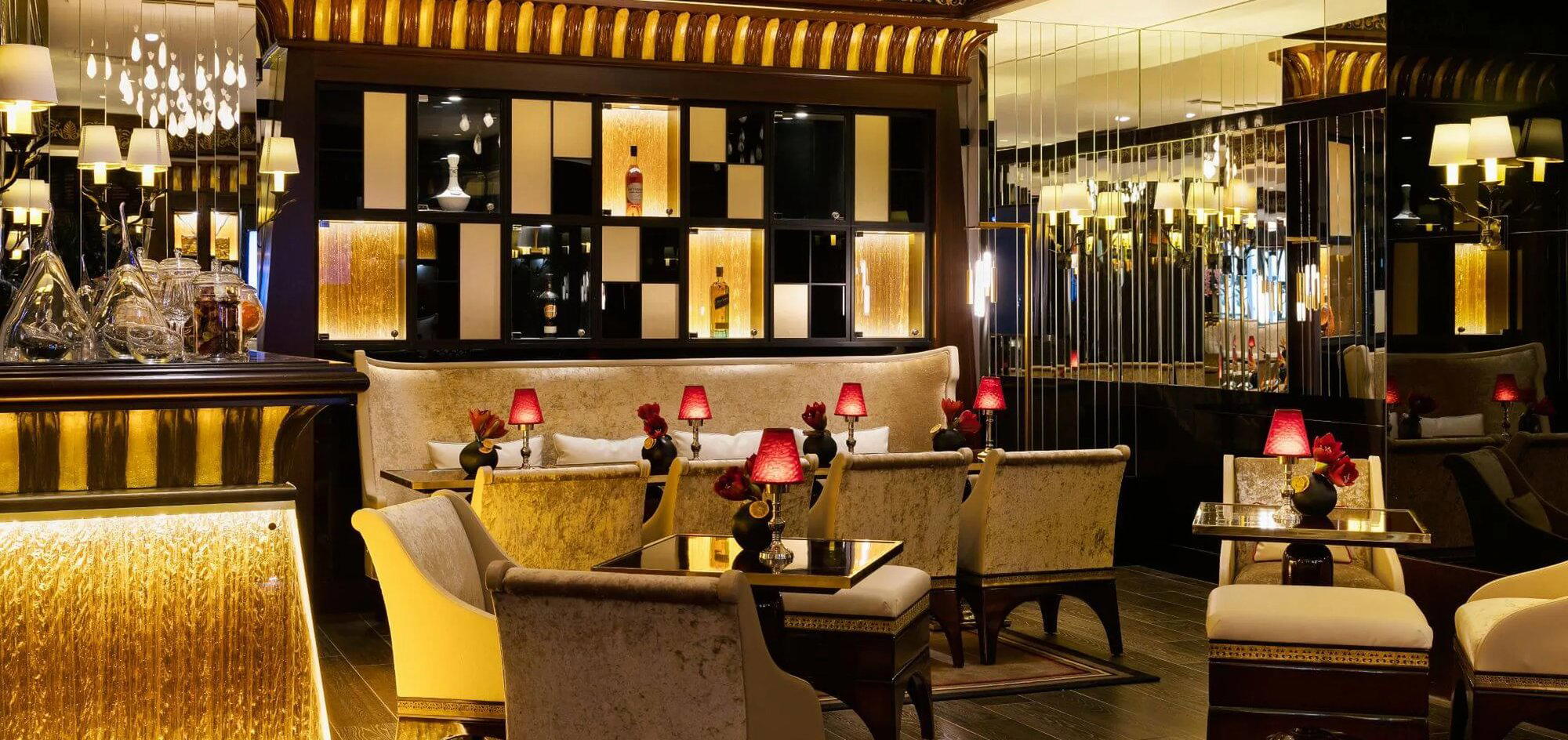
The positioning of the food and beverage programme draws on the hotel's cultural history as much as its kitchen output. The bar has been a gathering point for a guest list that, over the decades, included Jean Cocteau, Pablo Picasso, Elizabeth Taylor, David Niven, and Charlie Chaplin. That provenance shapes the atmosphere rather than the menu, but it creates a particular social texture: the expectation at the bar is conversation and presence, not speed or novelty. Today's guests, as the hotel's own records indicate, range from government figures to music and sports personalities, continuing a pattern of high-profile, low-key occupation.
The Rooms: Rochon's Palette and What It Communicates
Interior designer Pierre-Yves Rochon's 2009 renovation established the visual grammar that still defines the 72 rooms and suites. His approach here follows the same logic he has applied at other European palace properties: pale earth tones as the base, with controlled punctuations of colour, in this case jade and turquoise. The effect reads as coastal without relying on nautical cliché. Reproductions of work by Matisse and Chagall, both connected to the region, run through the interiors, grounding the decoration in a specific geography rather than generic luxury signalling.
The 2009 renovation also added a wing with terrace rooms and suites, several of which include private pools. At the top of the range sits the Rooftop Suite, with panoramic sea views and a furnished terrace that positions it as the property's most spatially generous single accommodation. For longer stays or family groups, the Villa Rose-Pierre operates as a semi-private residence with four bedrooms, private tennis courts, a gym, and a rooftop terrace with seating. The villa's position within the property's gardens, under the pines and above the sea, gives it a separation from the main building that functions as a different category of privacy. Comparable residential-scale offerings on the Riviera appear at La Reserve Ramatuelle in Saint-Tropez and at the peninsula properties clustered between Nice and Monaco.
Pool, Spa, and the Infrastructure of Staying Put
Club Dauphin, the property's seawater infinity pool, anchors the outdoor daytime experience. The pool has its own social history, functioning as the gathering point for the celebrity guests who defined the hotel's mid-twentieth-century reputation. Practically, it remains the centre of gravity for guests in summer, complemented by tennis courts and a fitness centre. The spa includes an indoor pool and a terraced garden facing the Mediterranean.
Two boutiques on-site handle the practical gaps in a self-contained stay, from swimming essentials to keepsakes. The funicular to the beach below resolves the site's one structural challenge: the main building sits above the water rather than directly on it. That elevation is part of what gives the property its panoramic quality, but it requires a physical transition that the funicular makes seamless.
Placing the Property in Its Riviera Context
At the larger end, branded properties in Cannes and Nice, including JW Marriott Cannes and Hôtel Barrière Le Majestic, draw on festival traffic and urban accessibility. The peninsula and hinterland properties, including Château Saint-Martin & Spa (Michelin 1 Key, Vence) and Hotel Byblos Saint-Tropez, operate with different logic: location isolation, lower key counts, and the premise that arrival at the property is itself the destination. The Grand-Hôtel sits in this second group, but at a scale and with a credentials profile, anchored by its Michelin 3 Keys and La Liste 99-point rating, that places it at the category's upper edge.
For comparison across the broader French luxury hotel market, properties with comparable positioning include Cheval Blanc Paris, Baumanière Les Baux-de-Provence in Les Baux, and Domaine Les Crayères in Reims, each of which anchors its identity in a singular site and long historical record. Within the Four Seasons network, Four Seasons Megeve offers a useful seasonal counterpoint, with the alpine winter programme mirroring the Grand-Hôtel's summer intensity. Provençal alternatives for guests considering a broader regional itinerary include Airelles Gordes, La Bastide and La Bastide de Gordes in Gordes.
Planning a Stay
Rates start at $824 per night. The full experience, including access to all three restaurants and Club Dauphin, operates in high season; guests travelling in spring or autumn should confirm which dining venues and pool facilities will be active. The property holds 72 rooms and suites across the main building and the newer terrace wing, with the Villa Rose-Pierre available for groups requiring residential-scale privacy. The hotel sits at 71 Boulevard du Général de Gaulle, Saint-Jean-Cap-Ferrat, Guests arriving by sea can reach the hotel's private beach access via the funicular from the main building. Given the property's reputation and the compressed summer demand on the Côte d'Azur, booking well ahead of peak season is the standard operating procedure across this comparable set.
Booking and Cost Snapshot
Comparable venues nearby, for context on price, style, and recognition.
| Venue | Price | Awards | Notes |
|---|---|---|---|
| Grand-Hôtel du Cap-Ferrat, A Four Seasons Hotel | $$$$ | Michelin 3 Key | Saint-Jean-Cap-Ferrat, Historic Art Deco palace reimagined as a contemporary luxury resort, blending Belle Époque architecture with modern amenities and design-forward interiors by Pierre-Yves Rochon. |
| Airelles Gordes, La Bastide | $$$$ | Michelin 3 Key | Gordes, 18th-century Provençal chateau carved into Gordes cliffside with valley panoramas |
| Château Saint-Martin & Spa | $$$$ | Michelin 1 Key | Vence, Historic chateau estate blending Provençal heritage with modern luxury on 34 acres of gardens. |
| Hôtel Barrière Le Majestic | $$$$ | 5-Star | Croisette, Cannes, Iconic Belle Époque palace hotel with contemporary West Wing expansion, blending classical French architecture with modern luxury amenities. |
| JW Marriott Cannes | $$$$ | 5-Star | Croisette, Contemporary luxury beachfront palace with cutting-edge design and Mediterranean elegance positioned as a premier destination on the French Riviera. |
| Hotel Byblos Saint-Tropez | $$$$ | 5-Star | Saint-Tropez City Centre, Iconic Provençal luxury palace hotel blending Mediterranean elegance with contemporary sophistication in a historic Saint-Tropez setting. |
Continue exploring
More in French Riviera
Hotels in French Riviera
Browse all →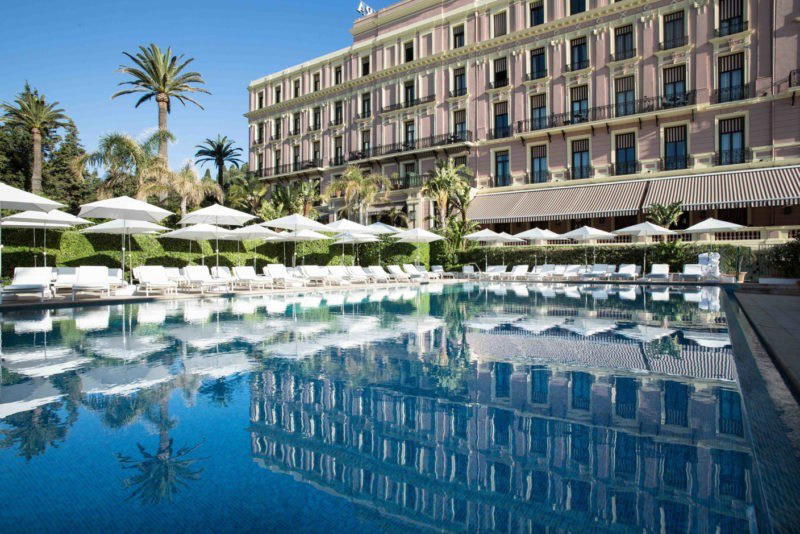
Bars in French Riviera
Browse all →
Restaurants in French Riviera
Browse all →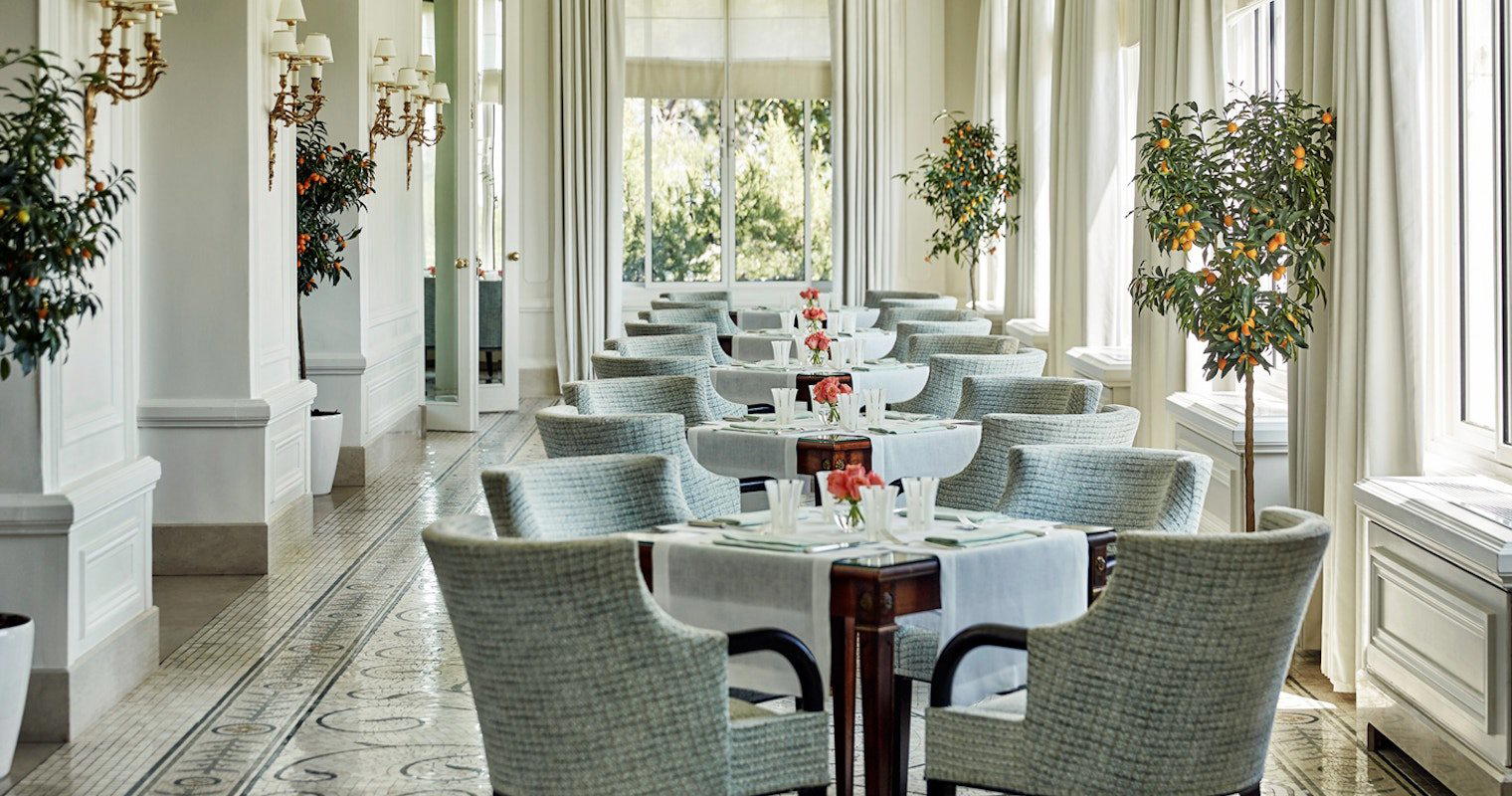
Wineries in French Riviera
Browse all →
At a Glance
- Elegant
- Romantic
- Sophisticated
- Scenic
- Honeymoon
- Romantic Getaway
- Anniversary
- Wellness Retreat
- Celebration
- Beachfront
- Infinity Pool
- Private Villa
- Destination Spa
- Garden
- Terrace
- Historic Building
- Panoramic View
- Private Dining
- Wifi
- Pool
- Spa
- Fitness Center
- Room Service
- Concierge
- Business Center
- Valet Parking
- Ev Charging
- Kids Club
- Beach Access
- Tennis Courts
- Yacht Charters
- Bicycle Rental
- Waterfront
- Garden
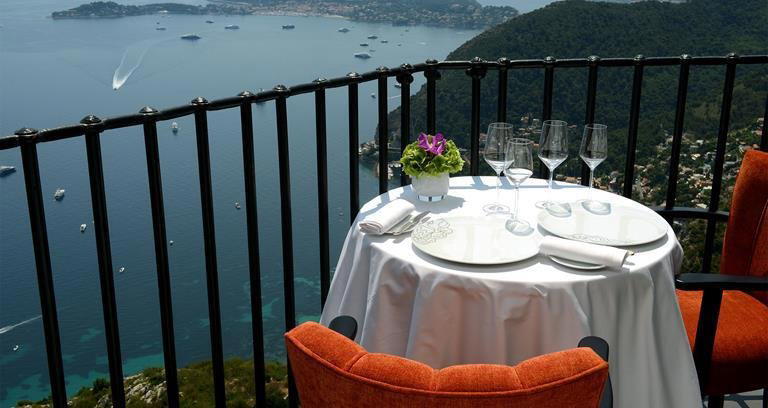
Serene and luxurious with sea-view sundecks, lush gardens, and spa facilities designed for relaxation; elegant dining spaces with Mediterranean views and refined service throughout.