

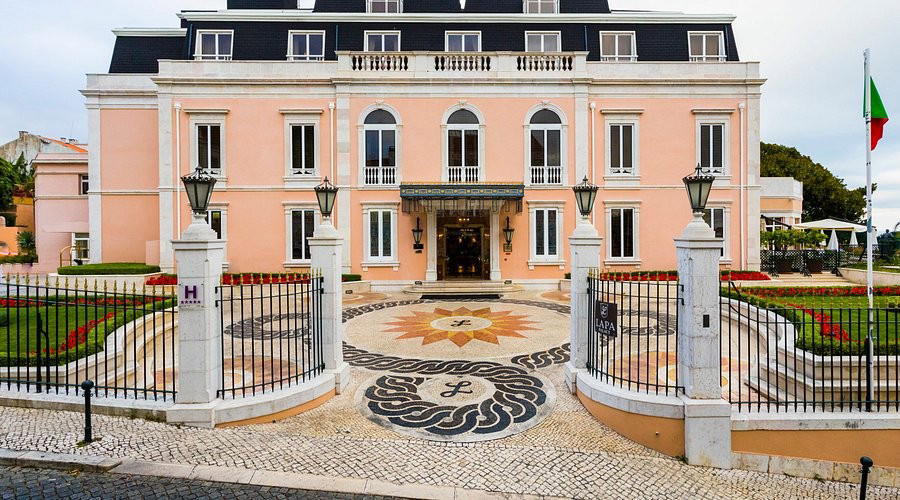
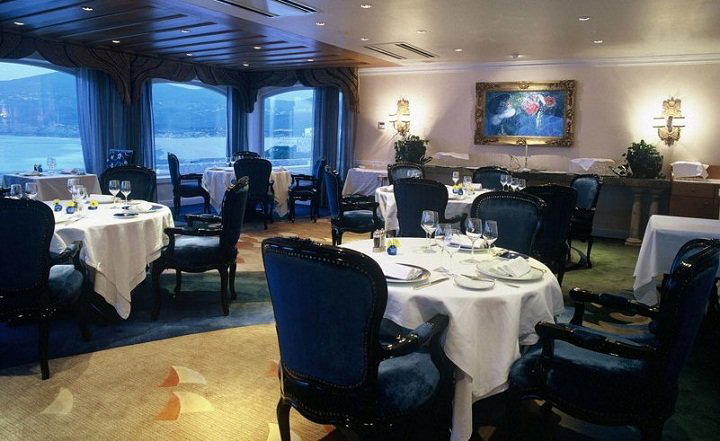
A 33-room clifftop property on Cascais's western seafront, Farol Hotel occupies a converted 19th-century mansion where the Atlantic frames nearly every sightline. The scale keeps it intimate within a town that otherwise skews toward larger resort formats, and its position on Avenida Rei Humberto II places guests within walking distance of the historic centre and the marina.
Pearl is the En Primeur Club membership app — saves, bookings, and concierge access live there. Same editors, same standards.
- Address
- Av. Rei Humberto II de Itália 7, 2750-800 Cascais
- Phone
- +351 21 482 3490
- Website
- farol.com.pt
- Directions
- Get directions
 Saves & bookings on Pearl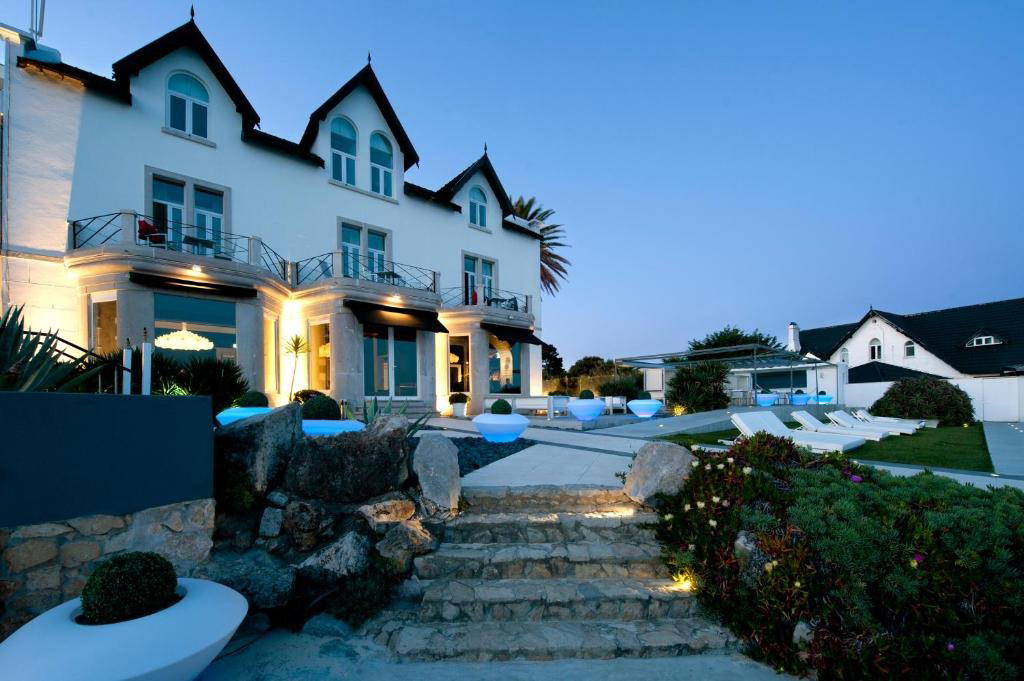
Where Cascais Meets the Atlantic Edge
The western seafront of Cascais has always attracted a particular kind of attention. This is the stretch where the town's aristocratic history is most legible in stone and ironwork, where 19th-century villas were positioned to command unobstructed Atlantic views before the concept of a boutique hotel existed. Farol Hotel sits within that tradition, occupying a converted mansion on Avenida Rei Humberto II di Itália that places it at the physical boundary between the town's historic fabric and the open ocean beyond. Approaching from the centro histórico, the building reads as part of the older residential streetscape before the sea opens behind it.
Architecture and the Mansion Conversion Question
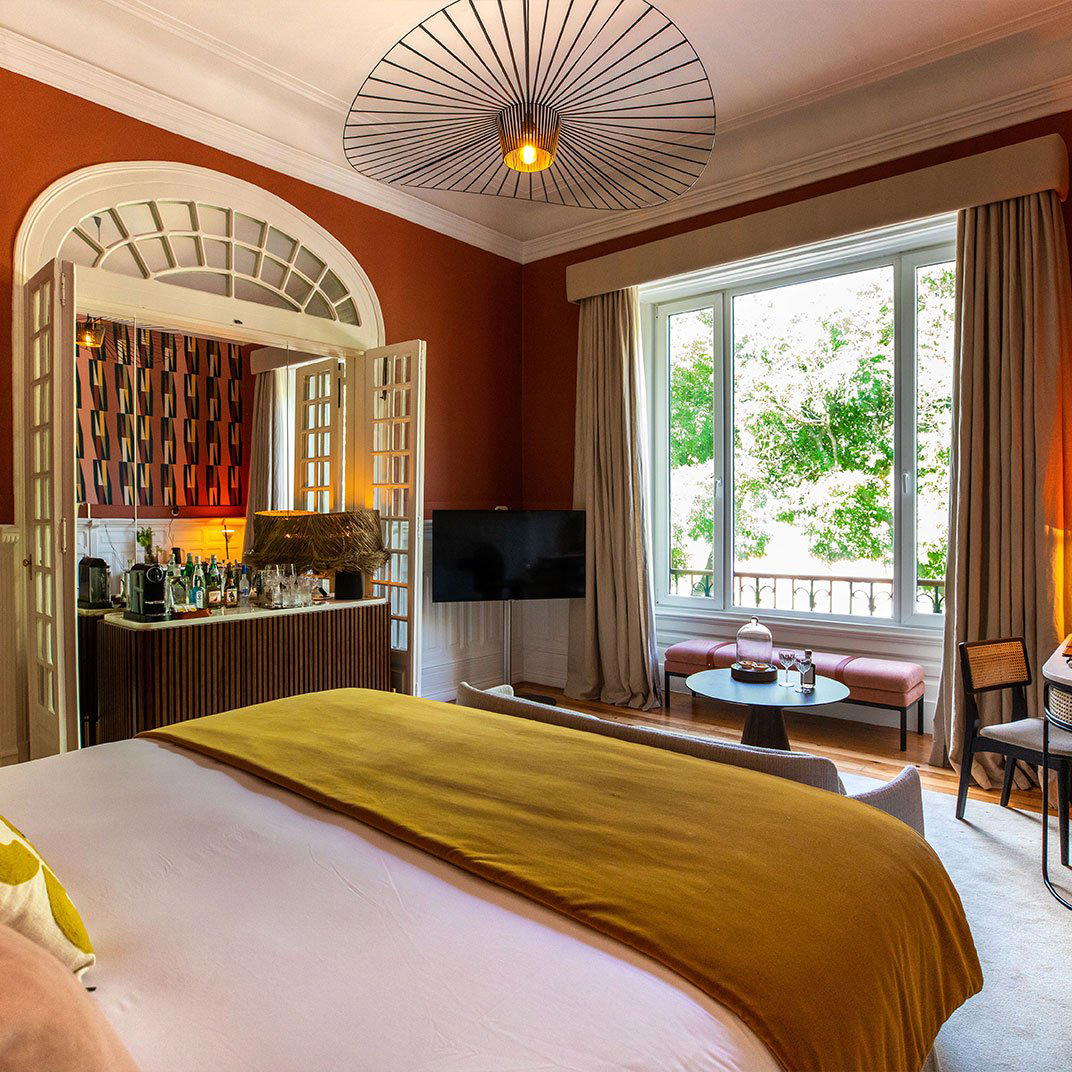
The conversion of 19th-century Portuguese villas into hotels has become a well-established format along the Estoril Coast, and how a property handles the tension between preservation and hospitality function tends to define its character more than any single design decision. At Farol, the constraint is also the asset: 33 rooms is a number that reflects the original building's footprint rather than a deliberate boutique-sizing strategy, and that distinction matters. Properties working within inherited architecture cannot simply add capacity when demand rises, which tends to produce a different quality of spatial attention than purpose-built hotels at equivalent price points.
Mansion typology that characterises this part of Cascais shares DNA with the grand late-19th-century summer residences built for Lisbon's wealthier families and, in some cases, European royalty, drawn by the royal family's own presence in the town. That context is not incidental to the experience: the address itself, named for King Humberto II of Italy, signals the neighbourhood's historical associations. For guests interested in how Portuguese coastal architecture responded to European aristocratic tastes during that period, the building is itself a reference point, independent of its hotel function.
Within the broader Cascais hotel market, the mansion-conversion format occupies a specific niche. Larger-footprint alternatives like the Grande Real Villa Itália Hotel & Spa and the Sheraton Cascais Resort operate with significantly more rooms and resort-scale amenities, while properties like Artsy position themselves through a distinct design-led identity. Farol's 33-room count places it closest to the intimate end of that spectrum, a scale that becomes relevant when considering noise levels, service ratios, and the overall sense of the property feeling occupied rather than full.
Position on the Estoril Coast
Cascais functions as the terminus of the Linha de Cascais rail line from Lisbon's Cais do Sodré station, a journey of roughly 40 minutes that runs along the Tagus estuary and then the Atlantic coast. The train is the practical choice for arrivals without a car, and Farol's location on the western edge of the historic centre means guests are a short walk from the station rather than dependent on onward transfers. That accessibility is worth noting because Cascais, despite its relative ease of reach from Lisbon, still draws visitors who prefer to anchor here and day-trip into the capital rather than treating the town as a day excursion in reverse.
The immediate neighbourhood rewards walking. The Cascais marina, the Museu dos Condes de Castro Guimarães, and the main pedestrian shopping streets are all within ten to fifteen minutes on foot. Further west, the Boca do Inferno coastal formation and the road toward Fortaleza do Guincho and the Sintra-Cascais Natural Park open up cycling and driving options for guests who want to move beyond the town itself. The Onyria Quinta da Marinha Hotel, with its golf course, sits a few kilometres north and represents a different orientation toward the area's landscape entirely.
Cascais in the Context of Portuguese Boutique Hotels
Portugal's small-hotel scene has diversified substantially over the past decade, with compelling properties appearing across formats and geographies. A converted farmhouse in the Alentejo like Craveiral Farmhouse, a wine estate stay in the Douro such as Ventozelo Hotel & Quinta, or a clifftop property in the Algarve like Bela Vista Hotel & Spa each offer a distinct regional logic that the Estoril Coast cannot replicate. What Cascais provides that those alternatives do not is proximity to Lisbon without the character compression of staying in the city itself, combined with direct Atlantic access and a town centre that has retained enough of its pre-tourism-boom texture to feel like a place rather than a resort zone.
For guests who want to compare across Lisbon-adjacent formats, Hotel Britânia Art Deco in the capital represents the preserved-heritage approach applied to an urban context, while Villa Epicurea in Sesimbra offers a coastal alternative south of the Tagus with a different landscape register. Within Portugal's broader boutique portfolio, properties like M Maison Particulière Porto and Carmo's Boutique Hotel in Ponte de Lima illustrate how the mansion-conversion logic applies across different cities and regions, each shaped by local architectural conventions.
At the international scale, the archetype of the converted historic building given contemporary hospitality function has produced properties as different as Aman Venice and Bussaco Palace Hotel in Luso, though the contrast in ambition and investment between those examples and a 33-room Cascais conversion is significant. The comparison is useful primarily to calibrate where Farol sits on the spectrum of heritage-building hospitality rather than to suggest equivalence.
Planning Your Stay
Cascais sees its highest occupancy during July and August, when Lisbon residents and international visitors compete for rooms across the town's hotel stock. For guests prioritising Atlantic-facing rooms at a 33-room property, booking several months ahead for summer dates is the operational reality rather than a suggestion. The shoulder months of May, June, September, and October offer the combination of reliable weather and a town that is occupied but not at capacity, and those periods also align with better pricing across the Estoril Coast generally. For dining context around the area, the EP Club Cascais guide covers the town's restaurant scene with the neighbourhood-level specificity that a hotel concierge recommendation rarely matches.
Guests travelling from further afield who want to compare Cascais against other Portuguese coastal formats might also consider the Algarve properties in the EP Club portfolio, including the Anantara Vilamoura Algarve Resort and Masana Algarve in Albufeira, which offer a different climate profile and landscape scale. The Azores, represented by Boutique Hotel Teatro in Angra do Heroísmo, presents yet another register of Portuguese coastal hospitality for those building a longer itinerary across the country.
Recognition history
Dated appearances from independent guides and award organizations, with the underlying list record or original source where available.
Michelin Selected
Michelin
Preferred Hotels L.V.X. Collection
Preferred Hotels
Continue exploring
More in Cascais
Hotels in Cascais
Browse all →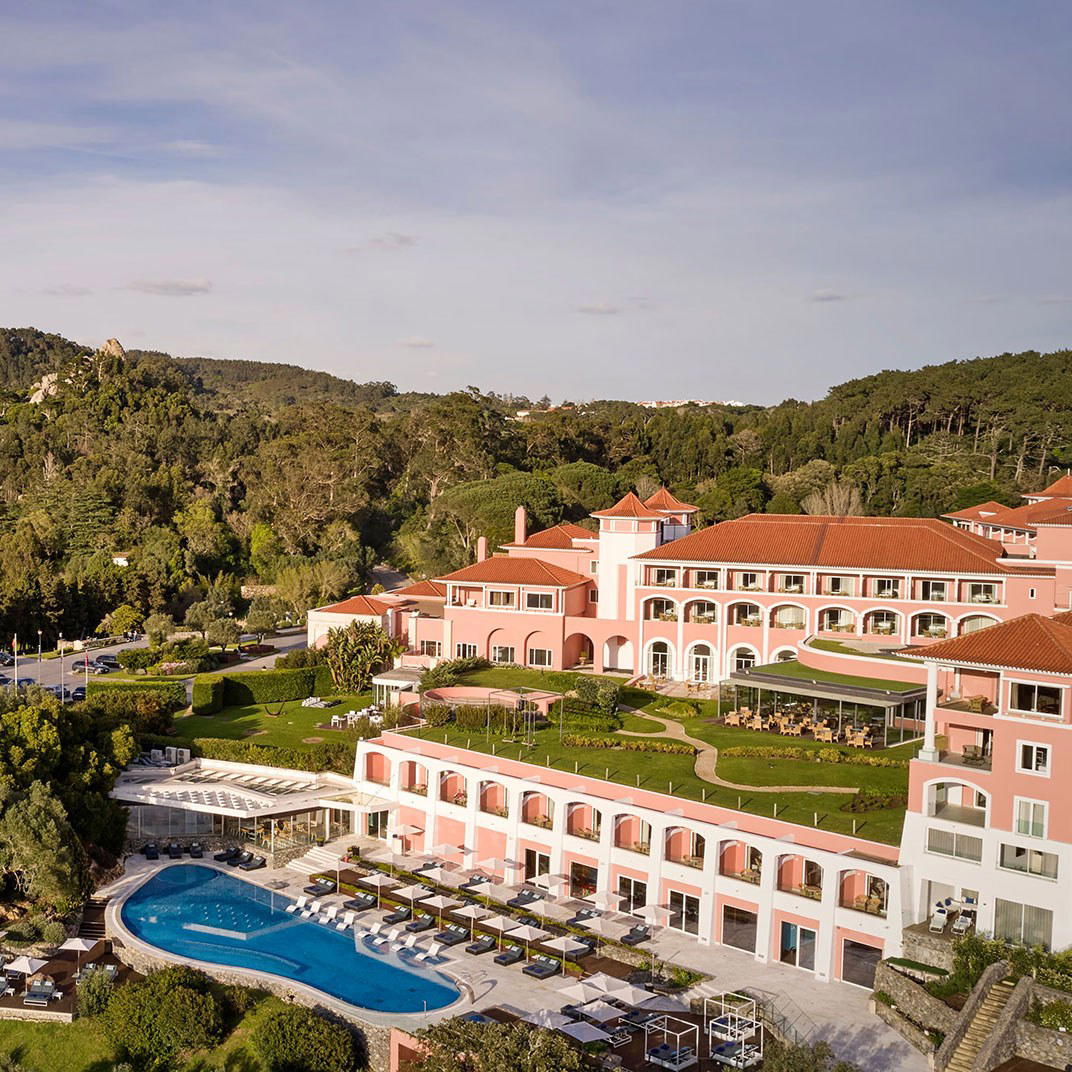
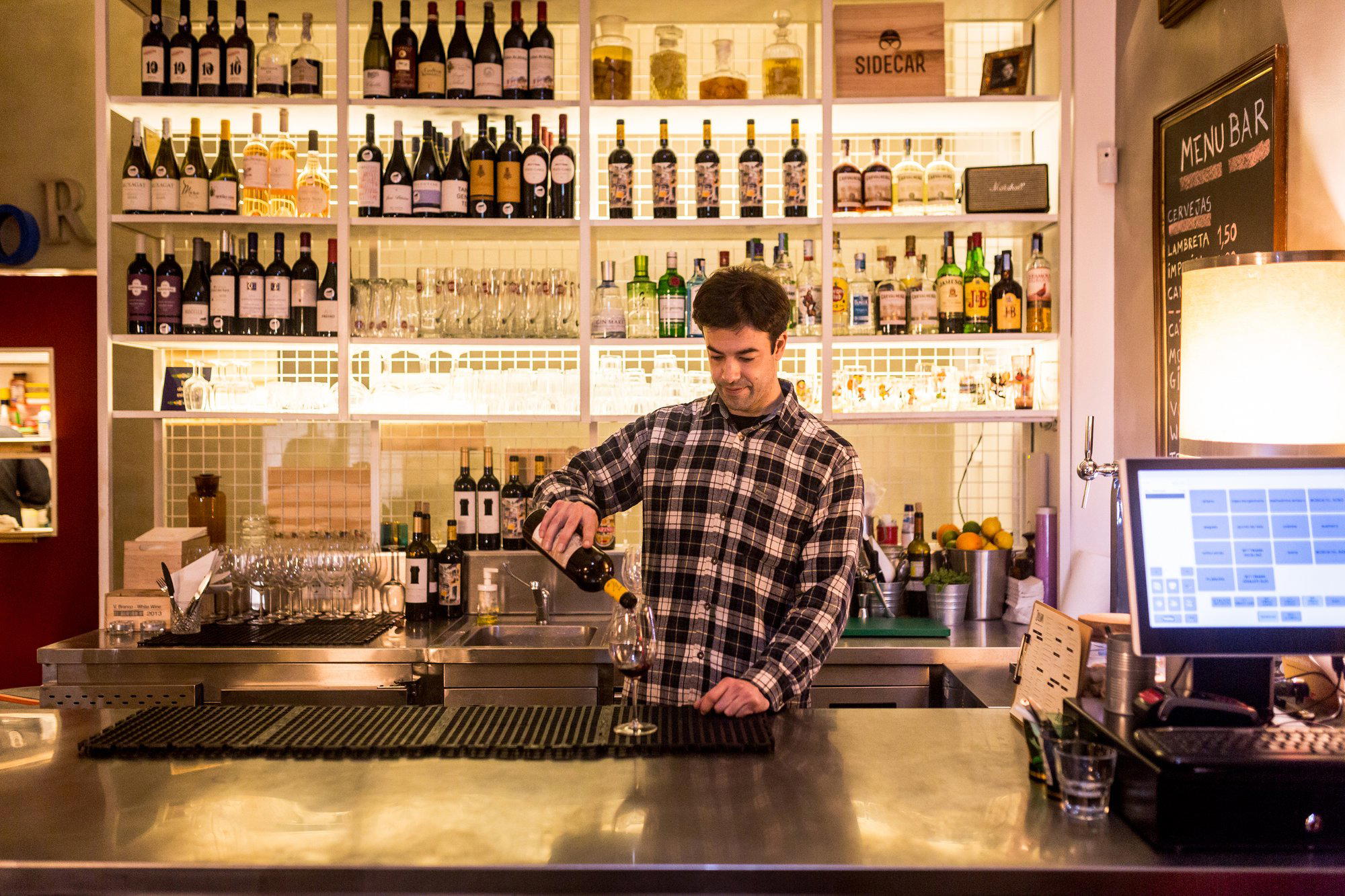
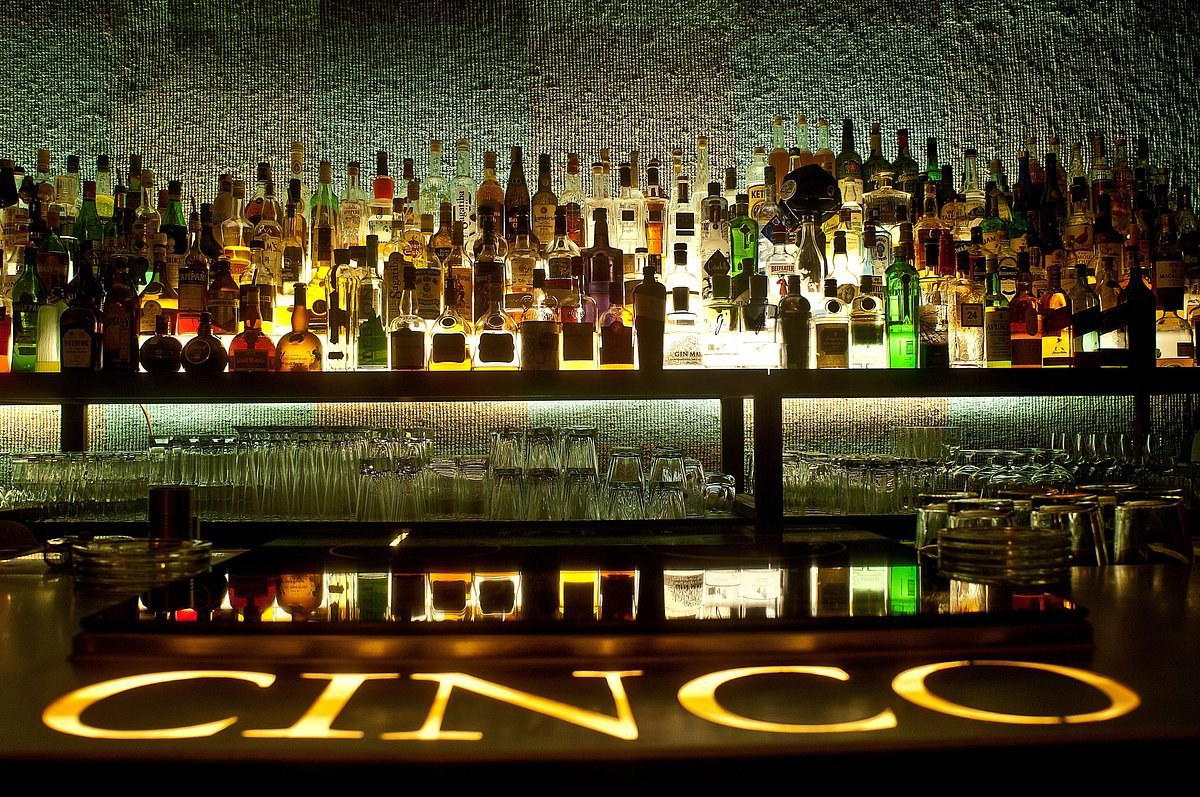
Bars in Cascais
Browse all →
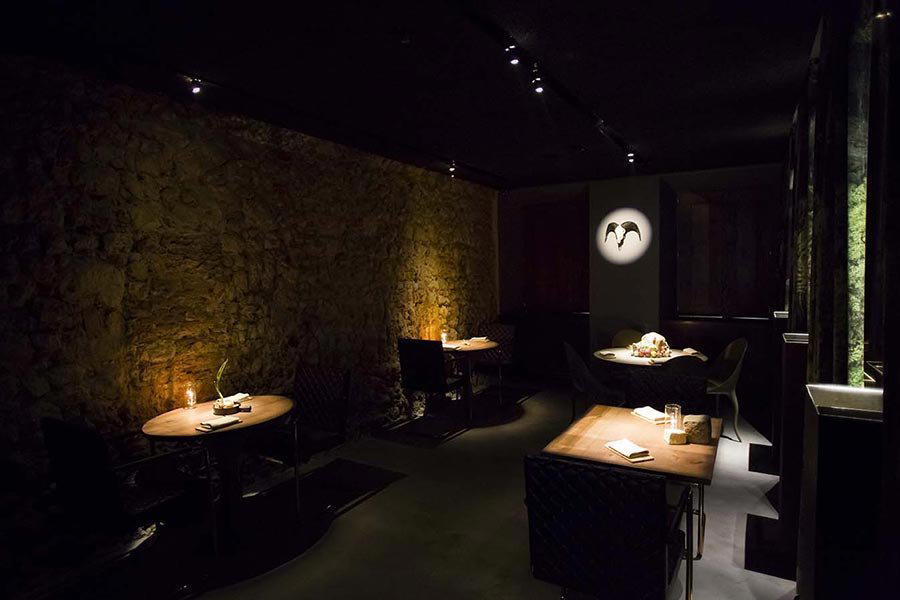
Restaurants in Cascais
Browse all →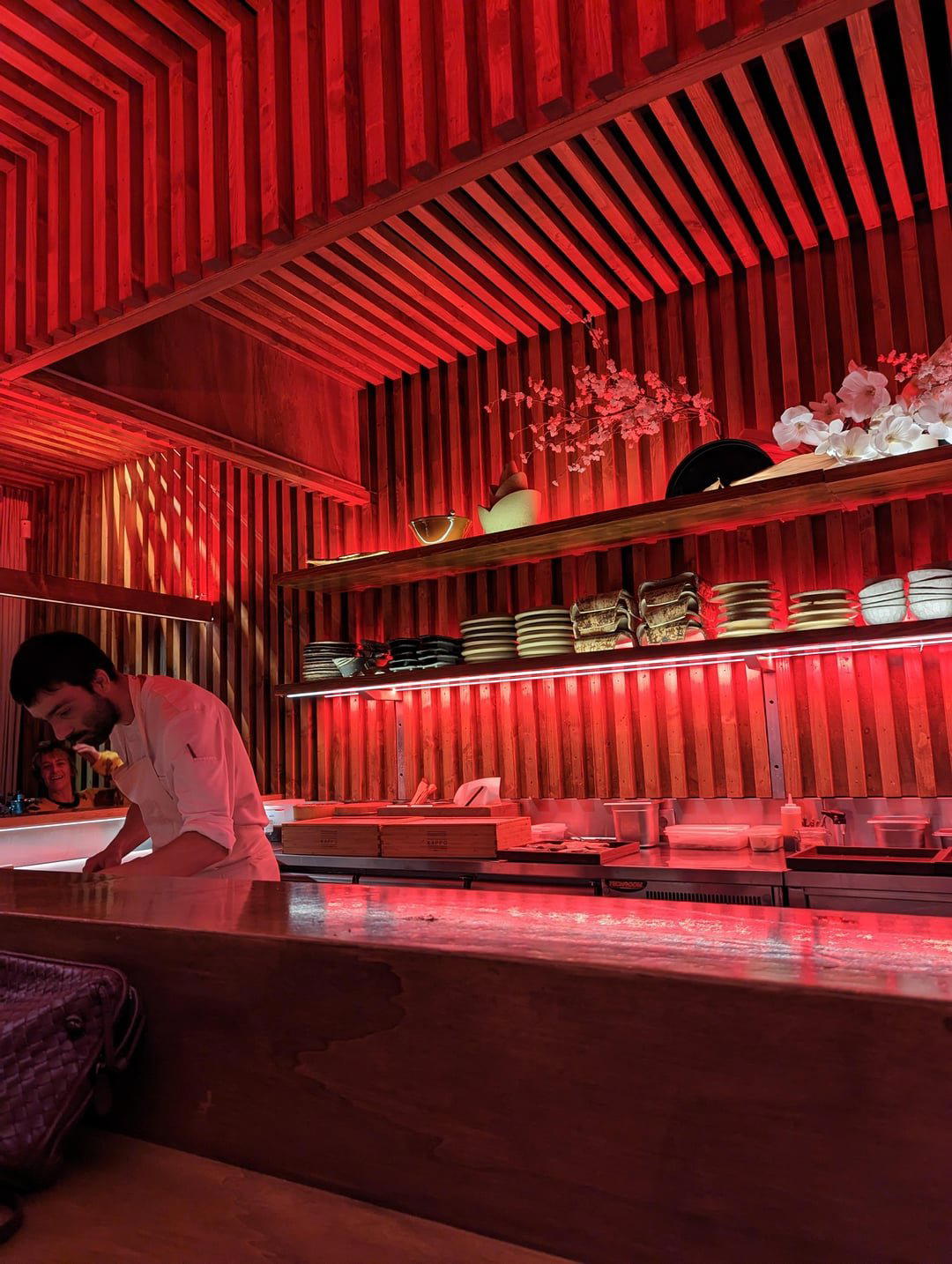

At a Glance
- Romantic
- Elegant
- Scenic
- Sophisticated
- Intimate
- Romantic Getaway
- Honeymoon
- Weekend Escape
- Beachfront
- Panoramic View
- Terrace
- Wi Fi
- Pool
- Spa
- Room Service
- Concierge
- Restaurant
- Bar
- Fitness Center
- Bicycle Rental
- Massage
- Waterfront
- Wi Fi
- Pool
- Spa
- Room Service
- Concierge
- Restaurant
- Bar
- Fitness Center
- Bicycle Rental
- Massage
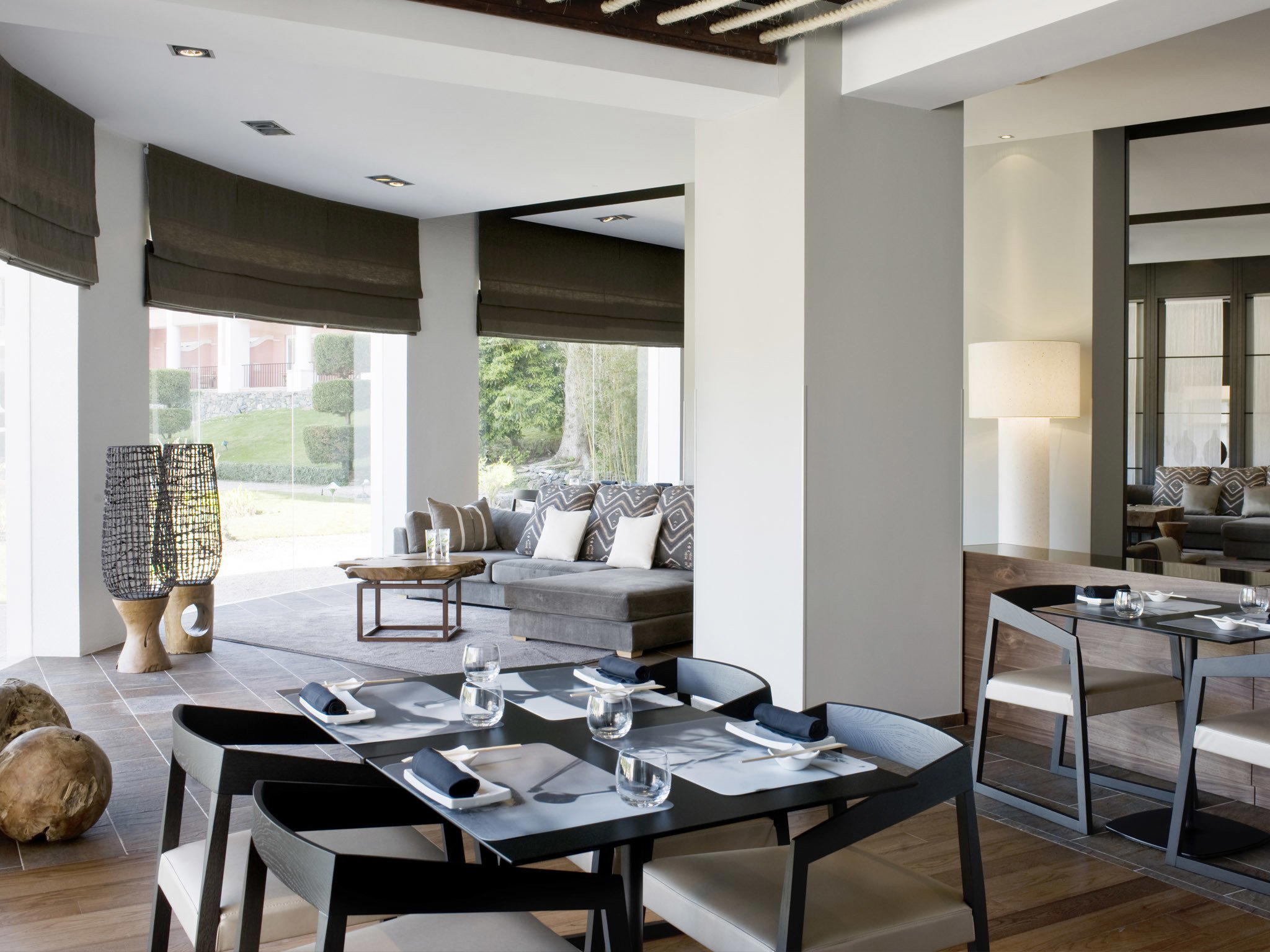
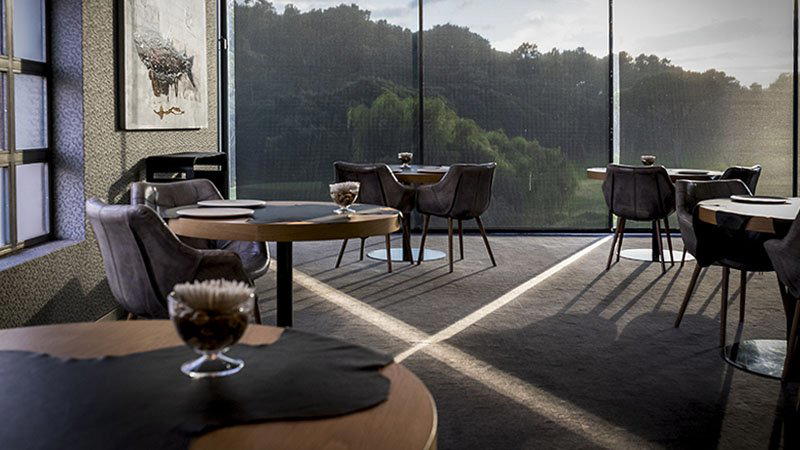
Relaxing and scenic with ocean crashing waves, cozy eclectic interiors, and serene poolside terrace atmosphere.
Know Before You Go
- Getting there
- Av. Rei Humberto II de Itália 7, 2750-800 Cascais