Due Lune Puntaldia Resort & Golf

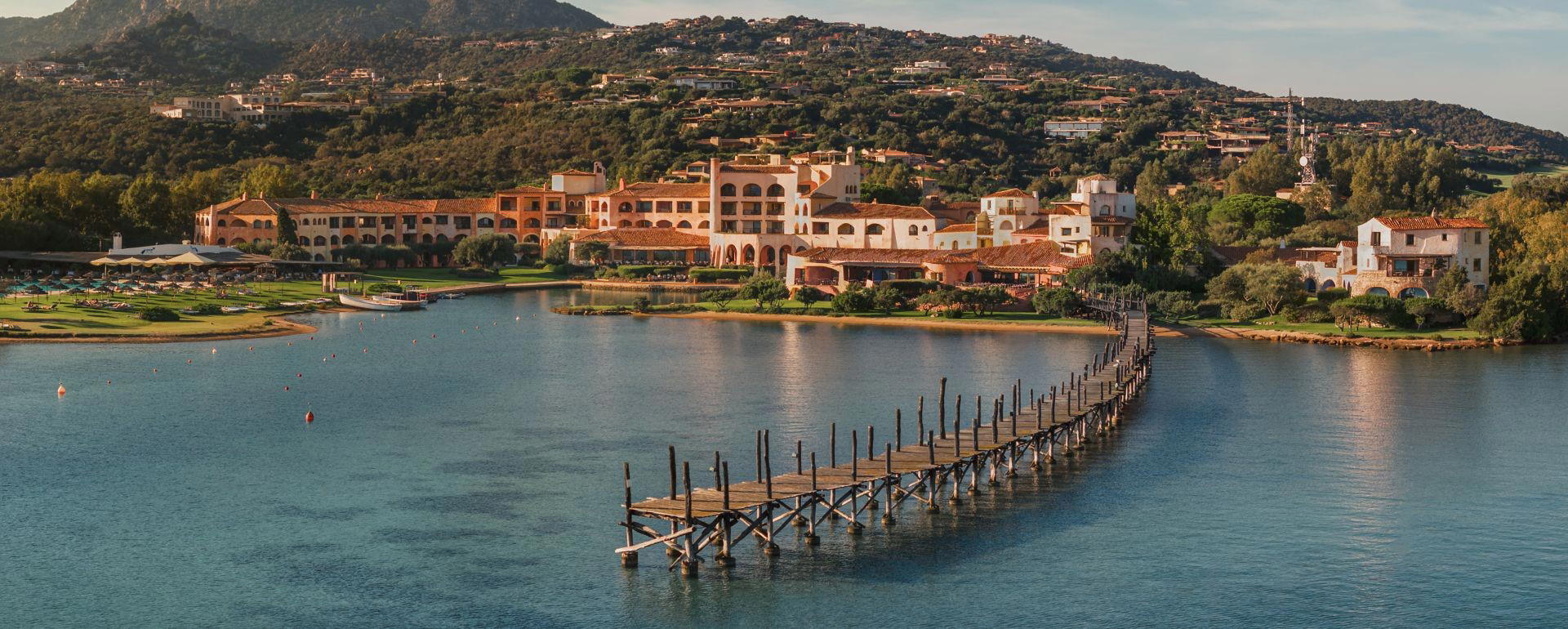
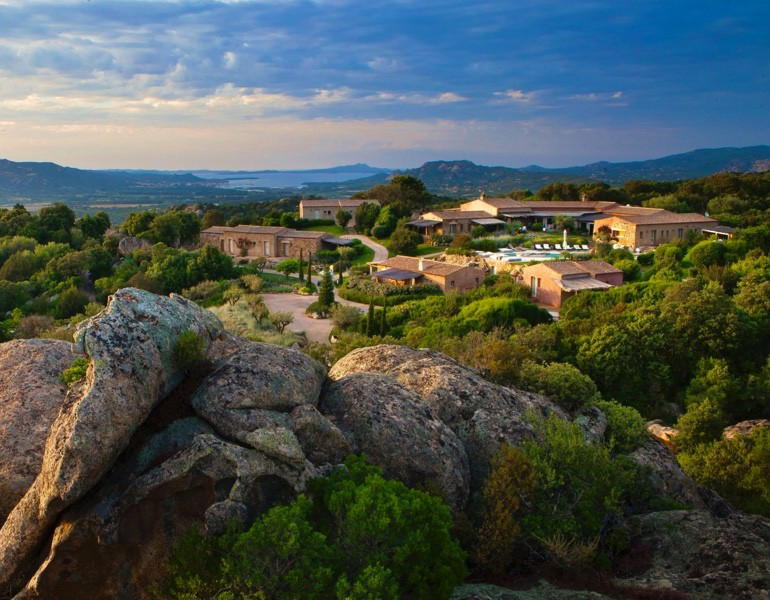
Due Lune Puntaldia Resort & Golf sits at the northern tip of Sardinia's San Teodoro coast, where low-rise architecture built from local stone meets a swimming pool calibrated to mirror the Tyrrhenian's turquoise. The resort pairs golf with direct beach access across a stretch of coastline that defines the Gallura's reputation for understated, landscape-integrated luxury. Rooms and dining sit within juniper-dotted grounds that shift the property closer to nature reserve than conventional resort.
Pearl is the En Primeur Club membership app — saves, bookings, and concierge access live there. Same editors, same standards.
- Address
- Localita PuntaAldia, 1, 07052 San Teodoro Provincia della Gallura Nord-Est Sardegna
- Phone
- +39 0784 864075
- Website
- duelune.com
- Directions
- Get directions
 Saves & bookings on Pearl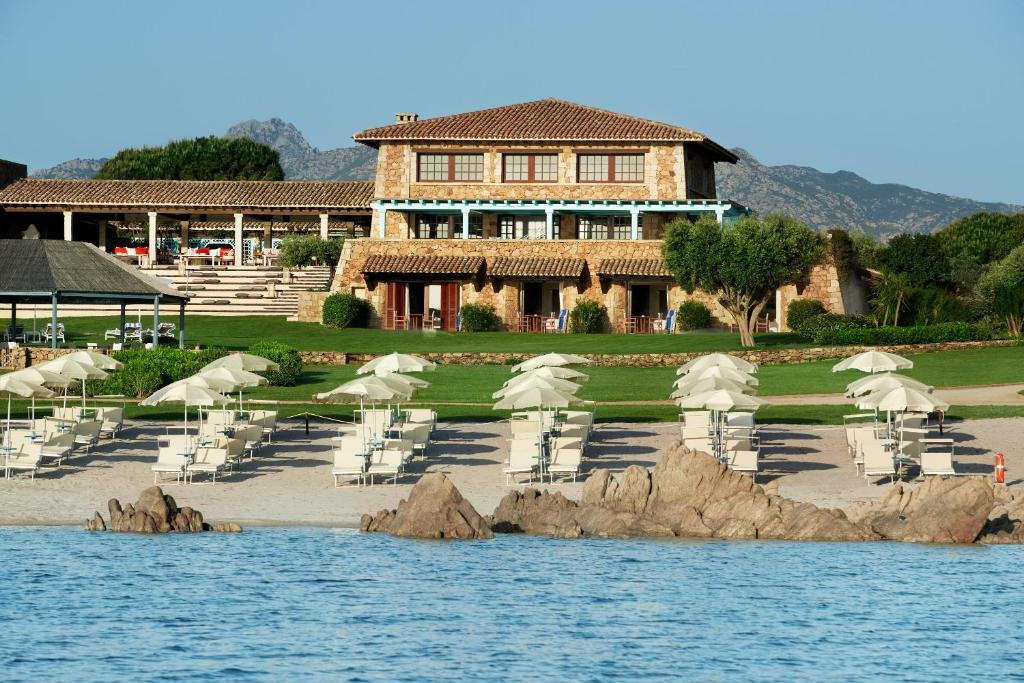
Where the Gallura Coast Sets the Terms
Sardinia's northeastern corner, the Gallura, has long operated on its own logic. The coastline between Olbia and the tip of the Puntaldia peninsula is not the Costa Smeralda's Port Cervo circuit, with its superyacht infrastructure and designer retail. It is quieter, more geological, defined by granite outcrops, maquis scrubland, and beaches that curve into protected bays rather than performing for passing boats. San Teodoro sits at the meeting point of these two registers: close enough to the island's glamour corridor to draw a well-travelled guest, far enough to hold a different pace. Resorts that anchor themselves here tend to signal something specific about their priorities, and Due Lune Puntaldia Resort & Golf is no exception. Its position at Localita PuntaAldia, at the tip of the peninsula, places it within one of the more spatially generous stretches of this coastline, where low-rise buildings hewn from local rock sit between white sand and juniper-tree topography rather than dominating it.
That architectural restraint is a deliberate positioning choice in a regional market where some properties use scale and imported materials to assert luxury. The Gallura's vernacular building tradition, granite and rendered low walls, warm-toned interiors, has been interpreted here in a way that reads as continuity rather than pastiche. The swimming pool, calibrated to the turquoise of the adjacent ocean, functions less as a standalone amenity and more as a visual extension of the seascape, which is the kind of design decision that separates landscape-integrated properties from those that simply occupy a coastal plot.
The Dining Proposition at Puntaldia
In Sardinian coastal resort dining, the dominant format remains Mediterranean-inflected seafood, with properties differentiated less by culinary concept and more by how seriously they treat sourcing and setting. The island's kitchen tradition draws on bottarga from Cabras, sheep's milk cheeses from the interior, and a seafood canon shaped by Tyrrhenian proximity rather than Adriatic or Sicilian influence. Resorts at this location tier, peninsula-set properties with beach access and golf infrastructure, typically operate multiple food and beverage points: a main restaurant working through regional and Mediterranean cooking, a pool or beach bar running lighter service through the midday heat, and a more formal dinner option for evenings when guests do not want to leave the grounds.
Due Lune's golf component adds a dimension that separates it from pure beach resorts. Golf resorts in this part of Sardinia tend to attract guests who plan longer stays and use the property as a base rather than a transit point, which in turn puts more pressure on the dining programme to sustain interest across multiple days. That demand profile generally produces more considered food and beverage operations than at shorter-stay beach properties, where turnover keeps menus simpler. Whether Due Lune's dining spans multiple distinct concepts or consolidates around a central restaurant and poolside offer, the Gallura coast's produce gives the kitchen considerable material to work with regardless of format.
For context on how Italian resort dining programmes operate at the higher end, properties like Borgo Egnazia in Savelletri di Fasano and Il Pellicano in Porto Ercole demonstrate how regional culinary identity can anchor a resort food offer that holds across a full week's stay. Closer to the Sardinian context, Baglioni Resort Sardinia operates in the same San Teodoro market and provides a direct comparison point for the kind of dining investment the area's guest profile supports.
Golf, Setting, and the Architecture of a Stay
The golf course at Puntaldia is part of a longer tradition of golf development in the Gallura, which positioned the area as one of Sardinia's more complete resort destinations through the 1990s and 2000s. Golf in this terrain means playing through maquis and granite, with sea views available from refined points and wind conditions that change meaningfully from morning to afternoon, particularly in summer when the Maestrale comes in from the northwest. That physical context gives the course a character that manufactured parkland layouts do not produce, and it draws a guest who values that specificity.
The combination of beach access, pool, and golf within a single property boundary is relatively uncommon at this scale along the Sardinian northeast coast. Most properties commit to one primary identity. Those that hold both tend to operate across a larger footprint, which creates the low-rise, spread-across-the-landscape quality that makes Due Lune feel more like a village in the Gallura than a conventional hotel block. That spatial generosity is itself part of what the property is selling.
Italian coastal resorts that have handled this kind of multi-amenity proposition at the luxury tier include Borgo Santandrea on the Amalfi Coast and, further north, Castelfalfi in Tuscany, which pairs golf with agriturismo-scale grounds. The structural challenge all such properties share is creating enough internal variety to reward a week-long stay without the programming feeling forced.
Placing Due Lune in the Italian Resort Conversation
Italy's luxury resort market has polarised over the past decade. On one side sit the brand-flagged international properties, Four Seasons Hotel Firenze, Bulgari Hotel Roma, Aman Venice, operating with global service standards, fixed brand vocabularies, and pricing that reflects their network position. On the other sit independently positioned or regionally anchored properties that lean on landscape specificity and Italian material culture as their primary differentiators. Due Lune sits in the second category, defined by its Gallura setting rather than by a parent company's prestige. That positioning carries advantages in authenticity and spatial character, and it carries the responsibility of delivering a standard of dining and service that justifies the choice against branded alternatives.
The Puntaldia peninsula's relative seclusion from San Teodoro town means the resort needs to function as a self-contained destination through the peak summer months of July and August, when Sardinia's northeast coast operates at full capacity and road access to alternatives becomes a significant friction. Guests choosing a peninsula-set property in this season are typically committing to the property's own food and beverage, its beach, and its activity programme as the primary structure of their days. That is a different social contract from a town-adjacent hotel, and it shapes what a dining programme at Due Lune needs to deliver.
For those building a wider Italian itinerary around this type of landscape-rooted hospitality, Castello di Reschio in Lisciano Niccone, Rosewood Castiglion Del Bosco in Montalcino, and Passalacqua in Moltrasio each represent the same instinct applied to different regional contexts: terrain as the primary design material, architecture as response rather than imposition.
Planning a Stay
Due Lune Puntaldia Resort & Golf operates on the Puntaldia peninsula north of San Teodoro. The resort sits within the Provincia della Gallura Nord-Est Sardegna administrative area, and peak season runs from late June through August, when the Gallura's beaches and roads operate at full load. Shoulder months, May, June, and September, deliver materially quieter conditions with sea temperatures that remain swimmable from June onward. Booking windows for peak summer in this part of Sardinia typically run four to six months ahead for preferred room categories, and golf tee times during July and August operate on a similar forward-booking logic.
Cost and Credentials
Comparable venues nearby, for context on price, style, and recognition.
| Venue | Price | Awards | Notes |
|---|---|---|---|
| Due Lune Puntaldia Resort & GolfThis venue — the venue you are viewing | $$$$ | 5-Star | Not listed |
| Baglioni Resort Sardinia | $$$$ | 5-Star | San Teodoro, Refined beachfront resort blending modern elegance with Sardinian nature. |
| Dimora Palanca Boutique & SPA | $$$$ | 5-Star | Historic Centre, Timeless five-star elegance harmonizing classic architecture with bold modern art. |
| SINA Bernini Bristol, Autograph Collection | $$$$ | 5-Star | Piazza Barberini, Well-known 150-year-old luxury hotel reinterpreting Baroque luxury with contemporary twist. |
| Eight Venezia | $$$$ | 5-Star | Castello, Historic Venetian palazzo transformed into a luxury boutique hotel |
| Petra Segreta Resort & Spa | $$$$ | 5-Star | San Pantaleo, Contemporary Sardinian stazzi-inspired luxury resort |
Recognition history
Dated appearances from independent guides and award organizations, with the underlying list record or original source where available.
Small Luxury Hotels of the World Member
Small Luxury Hotels of the World
Continue exploring
More in San Teodoro
Hotels in San Teodoro
Browse all →
Bars in San Teodoro
Browse all →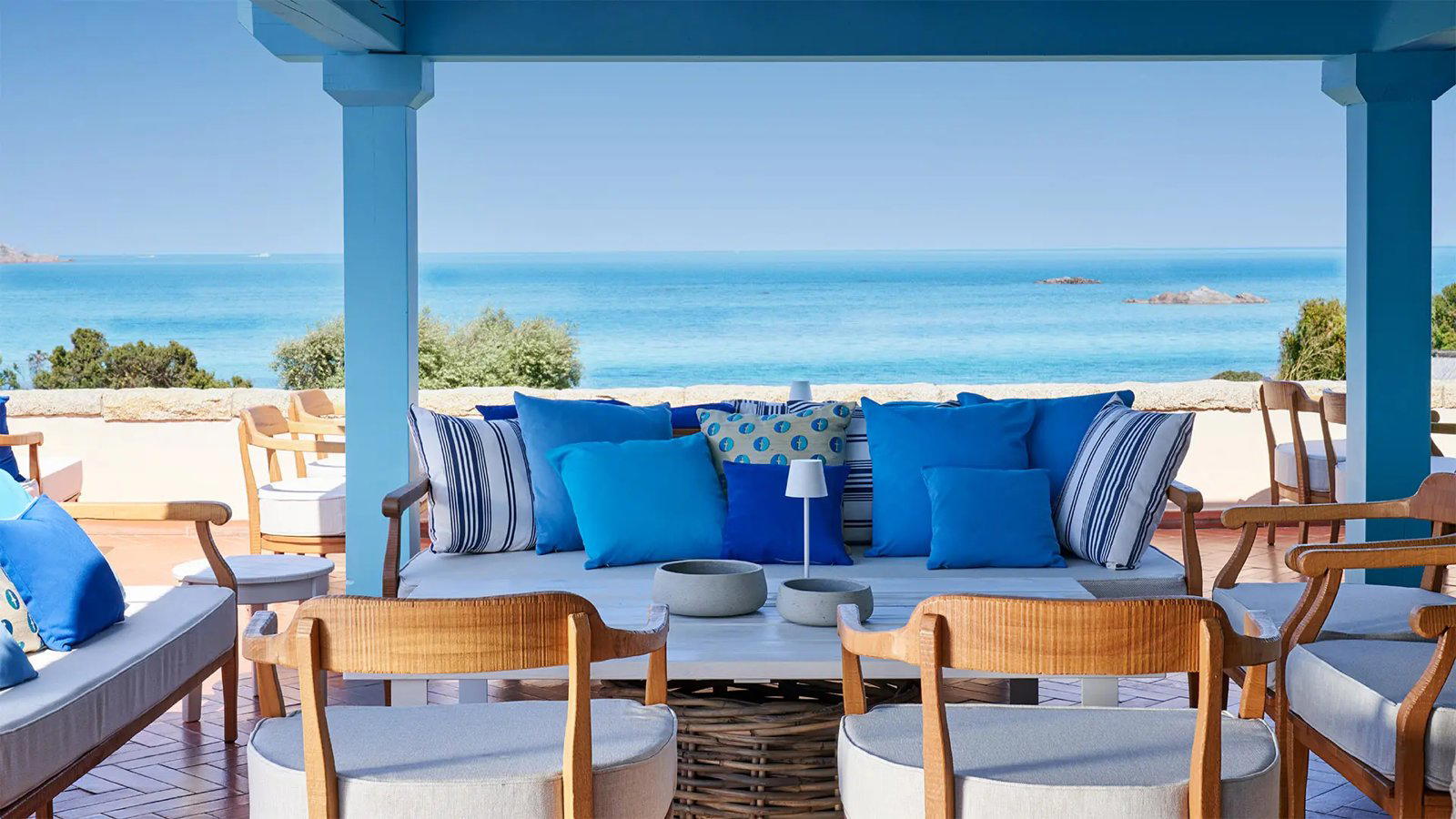
Restaurants in San Teodoro
Browse all →
Wineries in San Teodoro
Browse all →
At a Glance
- Romantic
- Scenic
- Elegant
- Sophisticated
- Romantic Getaway
- Wellness Retreat
- Family Vacation
- Anniversary
- Destination Wedding
- Beachfront
- Golf Course
- Destination Spa
- Panoramic View
- Garden
- Terrace
- Waterfront
- Wi Fi
- Pool
- Spa
- Fitness Center
- Room Service
- Concierge
- Restaurant
- Bar
- Golf Course
- Beach Access
- Sauna
- Hot Tub
- Tennis Court
- Bicycle Rental
- Waterfront
- Garden
- Wi Fi
- Pool
- Spa
- Fitness Center
- Room Service
- Concierge
- Restaurant
- Bar
- Golf Course
- Beach Access
- Sauna
- Hot Tub
- Tennis Court
- Bicycle Rental
Serene and refined, with low-rise architecture hewn from local stone blending seamlessly into the coastal landscape; soft Mediterranean light illuminates terraces and gardens overlooking private beach areas.