


1 Michelin Key · Mr & Mrs Smith Seal of Approval · Design Hotels Member
The architecture is the statement here, and the Ionian coast does the rest.

Pearl is the En Primeur Club membership app, where members save venues, book tables and use the concierge.
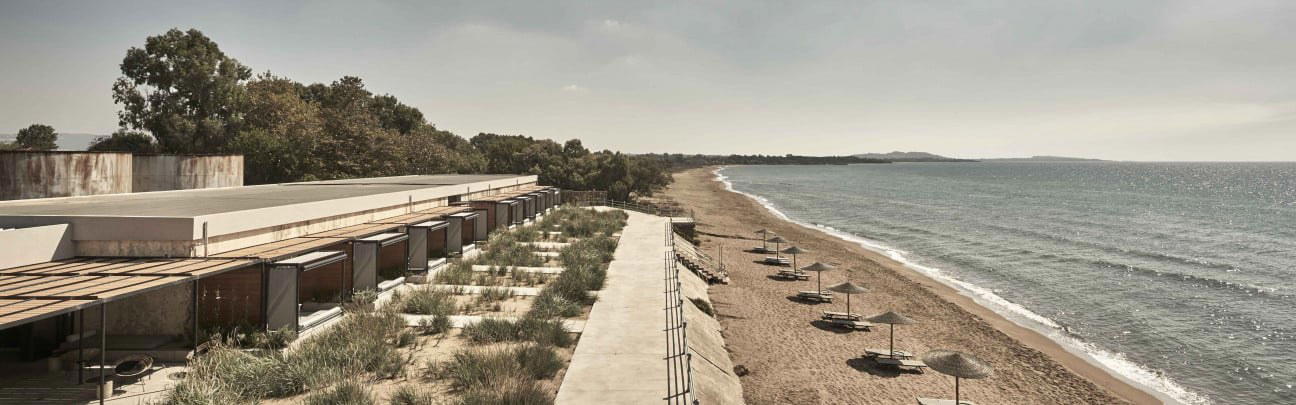
This matters beyond aesthetics. The adaptive reuse approach places Dexamenes in a niche that sits apart from the dominant luxury resort model in Greece, where new-build properties with infinity pools and curated local materials tend to compete on a familiar set of signals. Properties like Amanzoe in Porto Heli or the Mandarin Oriental Costa Navarino in Pylos represent one end of the Greek luxury spectrum: grand in scale, deliberately composed, with substantial infrastructure. Dexamenes competes on a different axis altogether, where the building's existing history functions as the luxury signal rather than the amenity count.
The Architecture as Argument
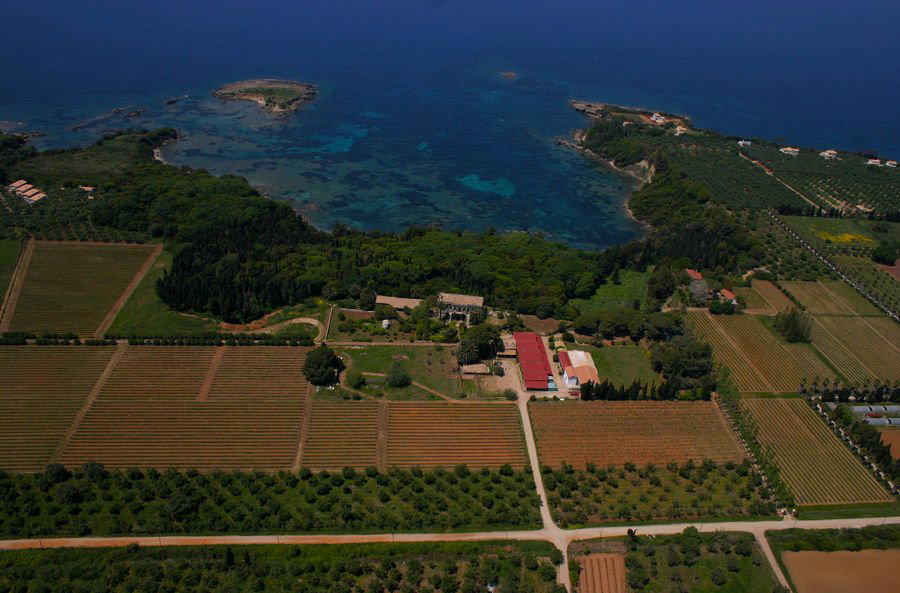
Greek industrial heritage is not typically preserved for hospitality purposes. The wine-producing regions of Elis were economically significant in the early twentieth century, and the concrete tank infrastructure that supported that industry was built for function rather than permanence. That Dexamenes has survived and been repurposed speaks to a broader European trend in adaptive reuse hospitality, where designers work within structural constraints rather than against them.
The Michelin Key distinction awarded in 2025 positions Dexamenes in recognised company. The Michelin hotel programme applies criteria across design, service, and character, and a One Key recognition places a property alongside peers judged to offer something more considered than category-standard accommodation. Most of the Michelin Key properties in Greece cluster on the islands or in Athens; a recognised address on the Peloponnesian coast at this latitude is relatively uncommon.
For comparison, the island-based properties in the Michelin programme, such as Astra Suites in Santorini or the Grace Hotel, Auberge Resorts Collection in Imerovigli, operate in a market where design expectations are already high and visitor volumes are substantial. That context shapes what the property is: less a resort positioned for global itineraries, more a destination that requires deliberate choice to reach. The coast here is different in character from the rockier, more dramatically scenic Mani or the caldera-framed setting of Santorini. The area is not difficult to access but requires commitment compared to the island-hopping or direct-flight arrivals that characterise stays at, for instance, Olea All Suite Hotel in Zakynthos or Myconian Ambassador in Mykonos.
That relative remove is part of the proposition. Properties that require deliberate travel decisions tend to attract guests who have already self-selected for the specific experience on offer. At Dexamenes, the offer is architectural, coastal, and unhurried. For readers who have covered the Greek island circuit and are looking for a different register of experience, the western Peloponnese coast, anchored by a Michelin-recognised property with a genuinely unusual physical premise, represents a credible alternative route. You can see coverage of the wider Greek hotel scene in Four Seasons Astir Palace Hotel Athens represents the institutional end of that expansion: branded, scaled, and positioned for international travellers who want Athens with full-service infrastructure. At the other end, smaller independent properties, whether the Kinsterna Hotel in Monemvasia with its Byzantine-era agricultural estate or the Palazzo Santa Maria in Syros with its neoclassical architecture, demonstrate that Greece's heritage building stock can support compelling hospitality when handled with restraint.
Dexamenes belongs to this latter current, where the building itself carries the weight of the guest proposition. The design-led small-property tier in Greece has grown more confident in recent years, and Michelin's 2025 hotel programme has provided a framework for recognising properties that don't fit the conventional star-rating criteria. Other properties in that tier, such as Acro Suites in Agia Pelagia or Elix by Mar-Bella Collection in Perdika, each make their case through a specific design or setting argument. Booking is advisable well in advance for peak summer weeks, particularly as the property's recognition and unusual architectural identity have increased its profile since the Michelin Key award.
Travellers considering Dexamenes alongside other design-led Greek properties might also look at Anemos Luxury Grand Resort in Chania or ALERÓ Seaside Skyros Resort in Skyros for a comparison of how different coastal contexts shape the hospitality offer. For those building a broader European itinerary around design-led properties, the contrast with something like Badrutt's Palace Hotel in St. Moritz or Hôtel de Paris Monte-Carlo in Monte Carlo illustrates how differently European hospitality traditions interpret the relationship between building and guest experience.
Fast Comparison
Comparable venues nearby, for context on price, style, and recognition.
| Venue | Cuisine | Price | Awards | Notes |
|---|---|---|---|---|
| Dexamenes Seaside HotelThis venue (the venue you are viewing) | Industrial-chic repurposed wine factory resort | $100–200 | 1 Michelin Key · Mr & Mrs Smith Seal of Approval | Not listed |
| Theros All Suite Hotel | Modern reinterpretation of Greek heritage architecture with cubic volumes, local stone, and Mediterranean gardens. | Not listed | Michelin Selected · Mr & Mrs Smith Seal of Approval | Lambi |
| Rimondi Boutique Hotel | Historic Venetian boutique with modern comforts | $100–200 | Michelin Selected · Small Luxury Hotels of the World Member | Old Town Rethymnon |
| Myconian O | Contemporary Greek beachfront resort emphasizing indoor-outdoor connection with natural materials and private terraces. | Not listed | 1 Michelin Key · Forbes Recommended | Mikonos |
| Domes Noruz Kassandra, Halkidiki | luxury lifestyle beach club resort | Not listed | Michelin Selected | Chaniotis |
| Amoh, a Luxury Collection Resort, Rhodes | Refined island living inspired by Greek heritage and sea. | Not listed | Not listed | Pefki |
Recognition history
Dated appearances from independent guides and award organizations, with the underlying list record or original source where available.
Michelin 1 Key
Michelin
Design Hotels Member
Design Hotels
Mr & Mrs Smith Seal of Approval
Mr & Mrs Smith
Full recognition history (4 entries)
Michelin 1 Key
Michelin
Dexamenes Seaside Hotel
Featured Guides
Continue exploring
More in Amaliada
Hotels in Amaliada
All hotels in Amaliada →
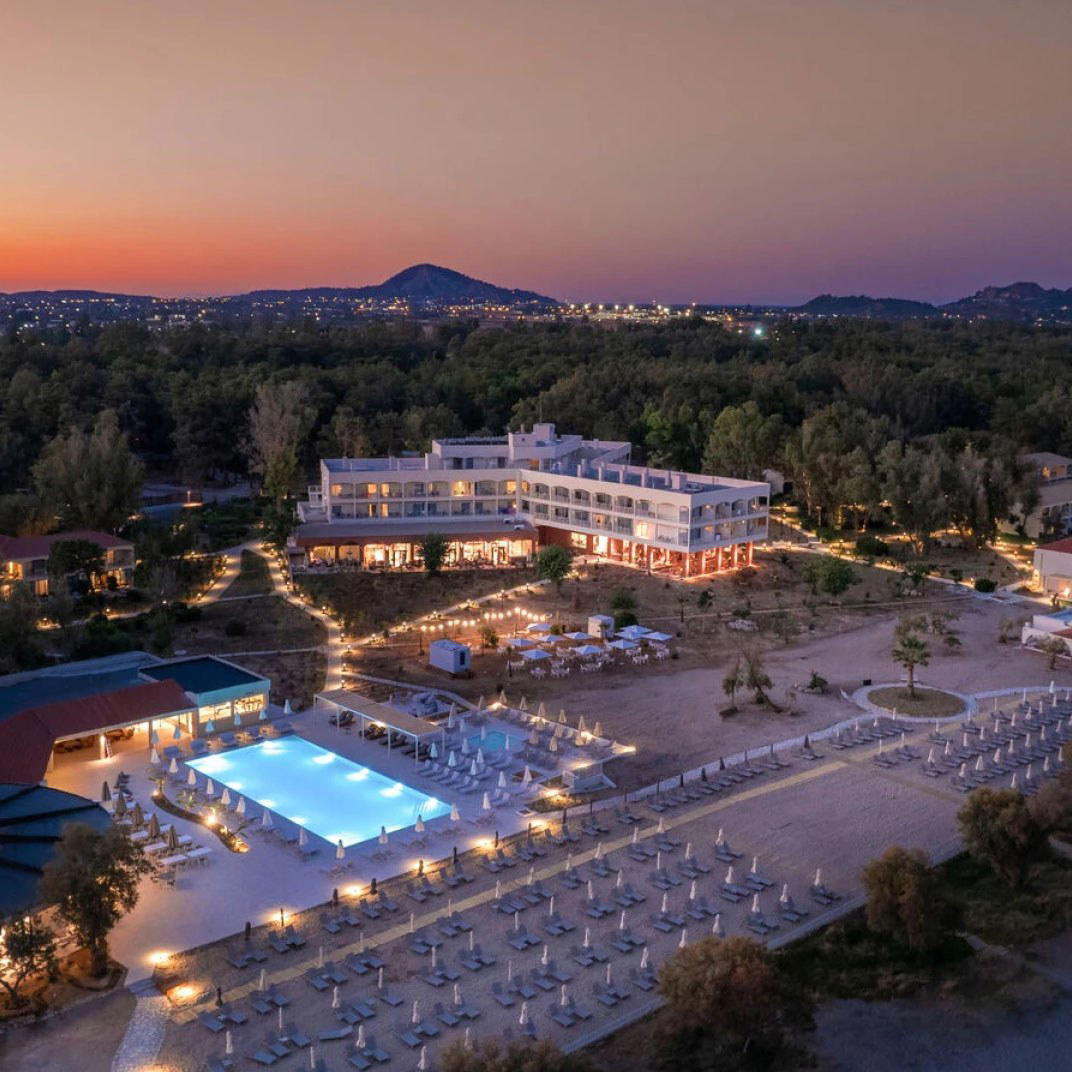
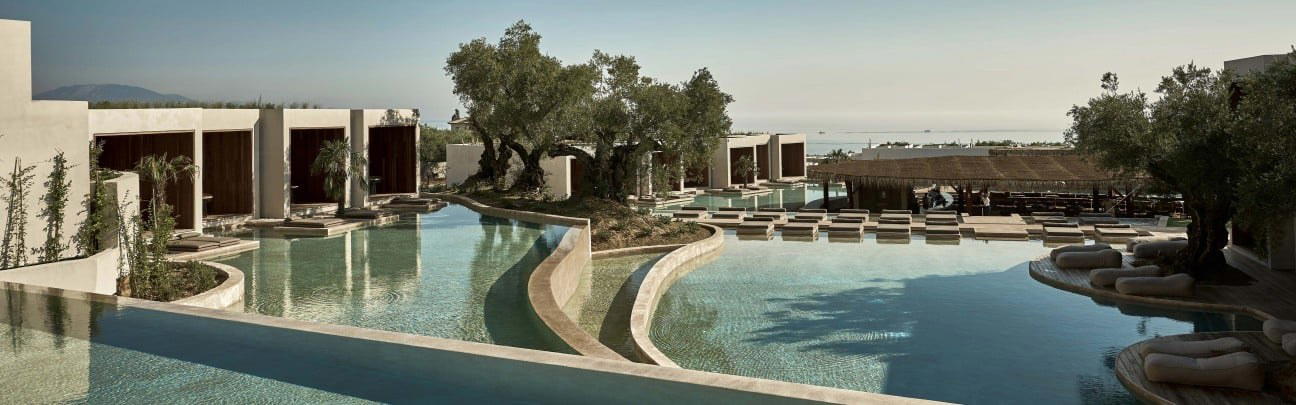
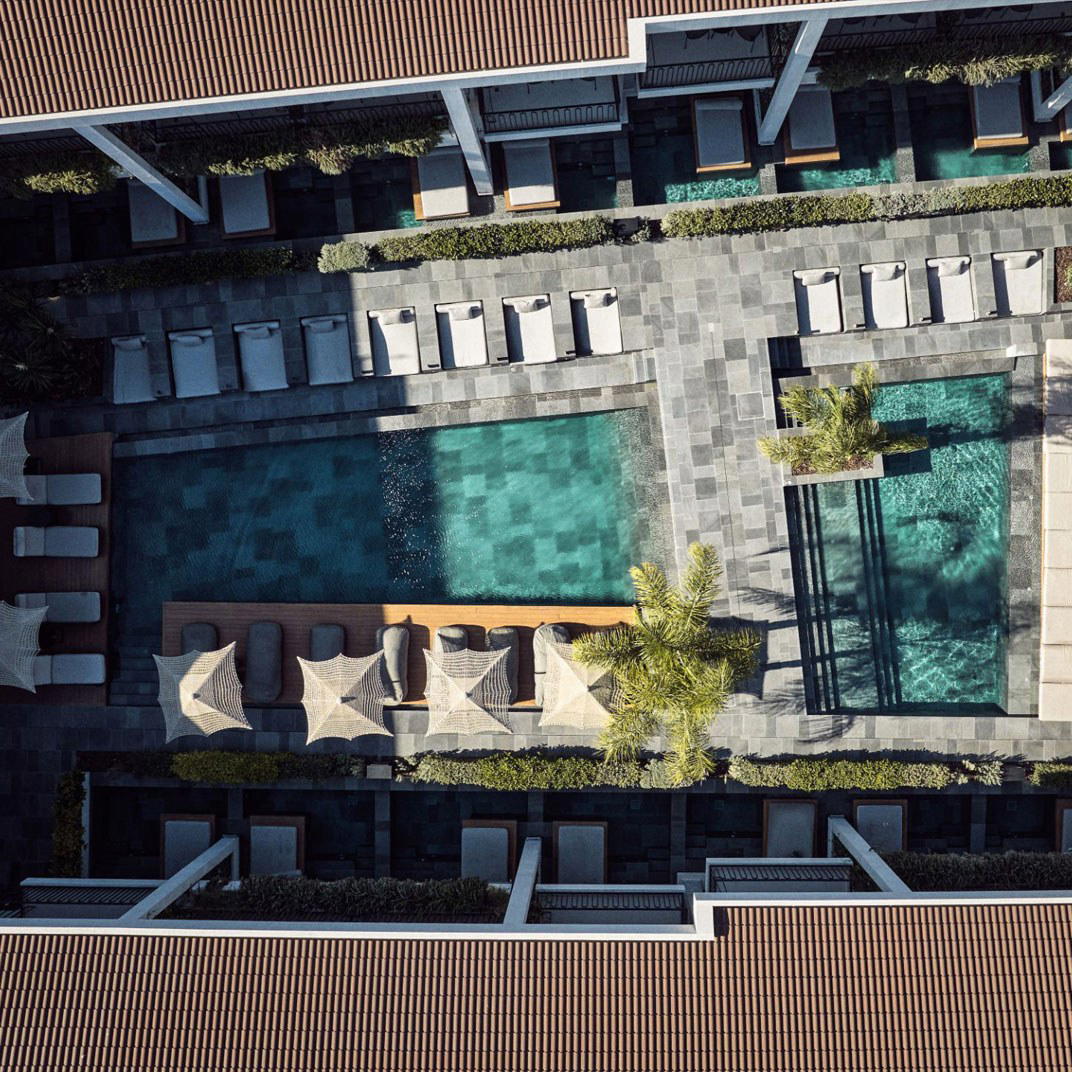
Restaurants in Amaliada
Browse all →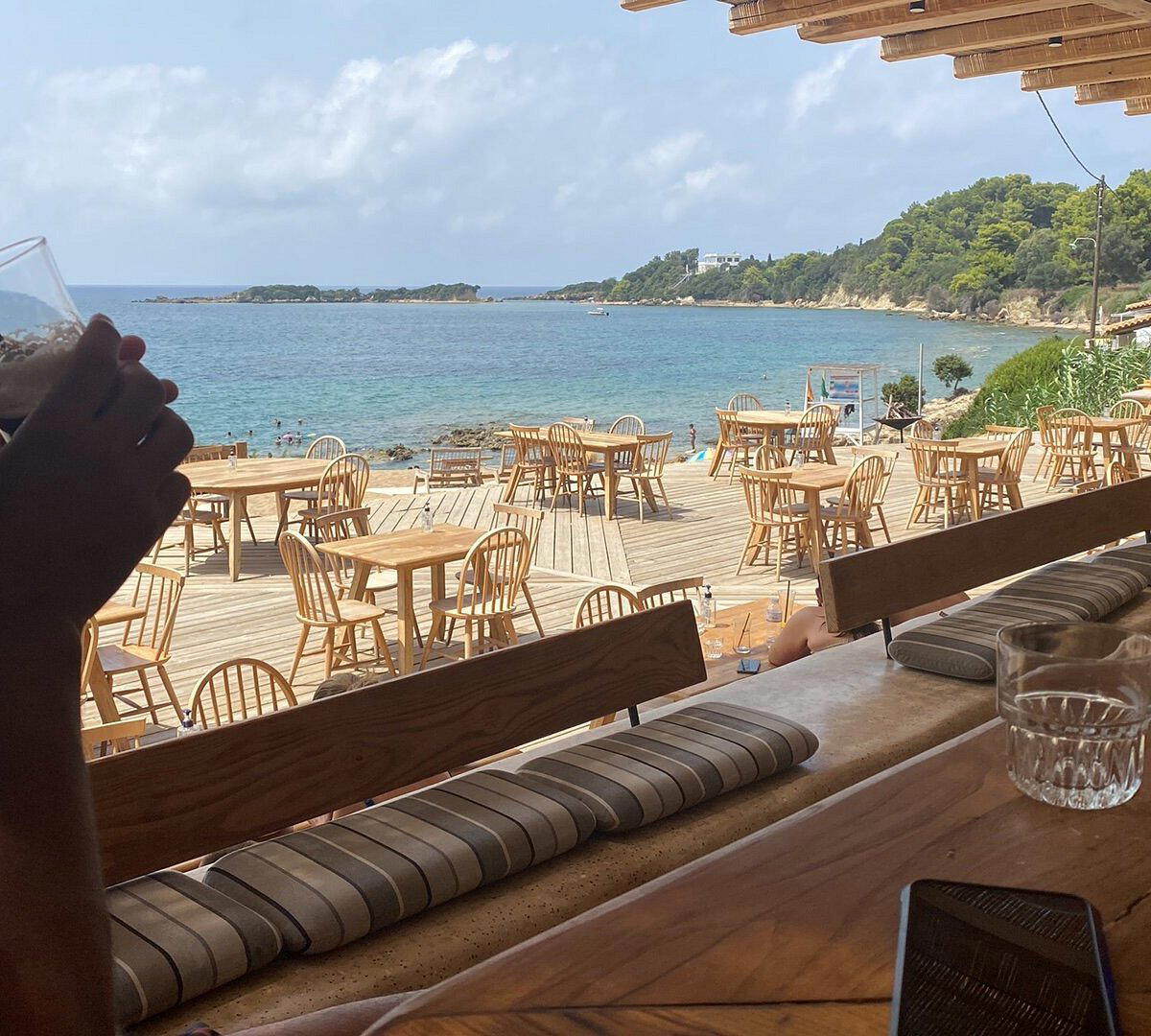
Details
- Industrial
- Minimalist
- Scenic
- Sophisticated
- Quiet
- Romantic Getaway
- Weekend Escape
- Anniversary
- Beachfront
- Historic Building
- Design Destination
- Waterfront
- Terrace
- Wi Fi
- Parking
- Concierge
- Waterfront
- Wheelchair Accessible
- Step Free Entrance
- Accessible Parking
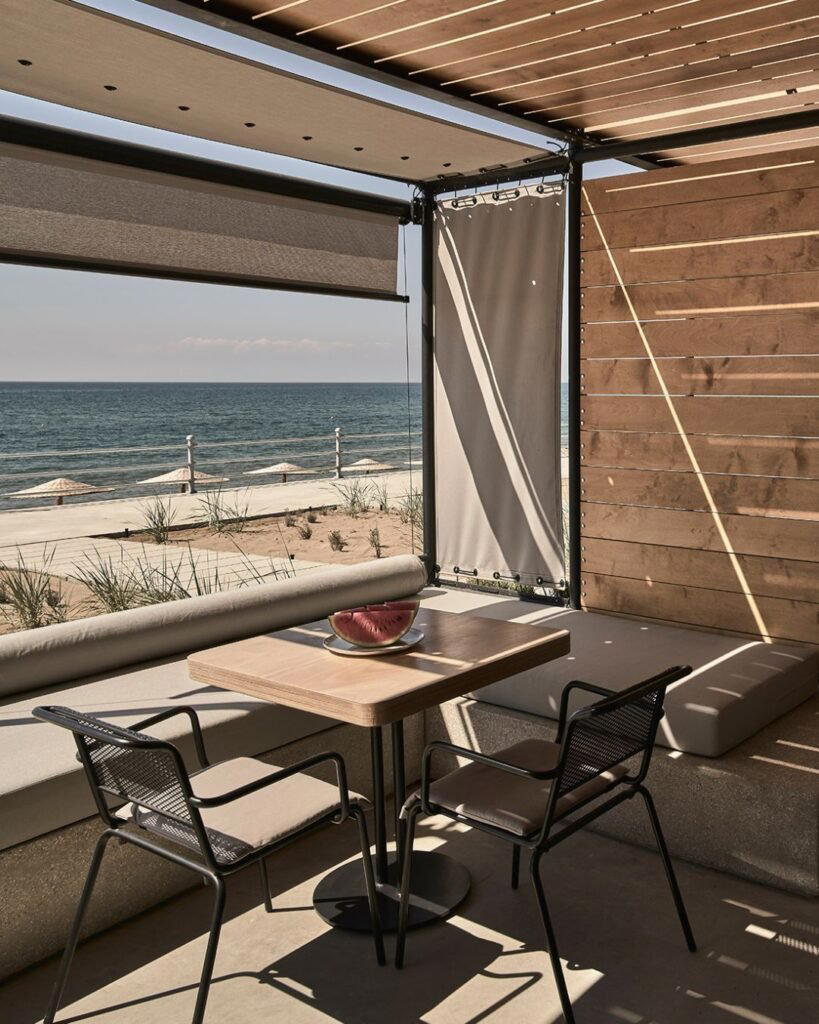
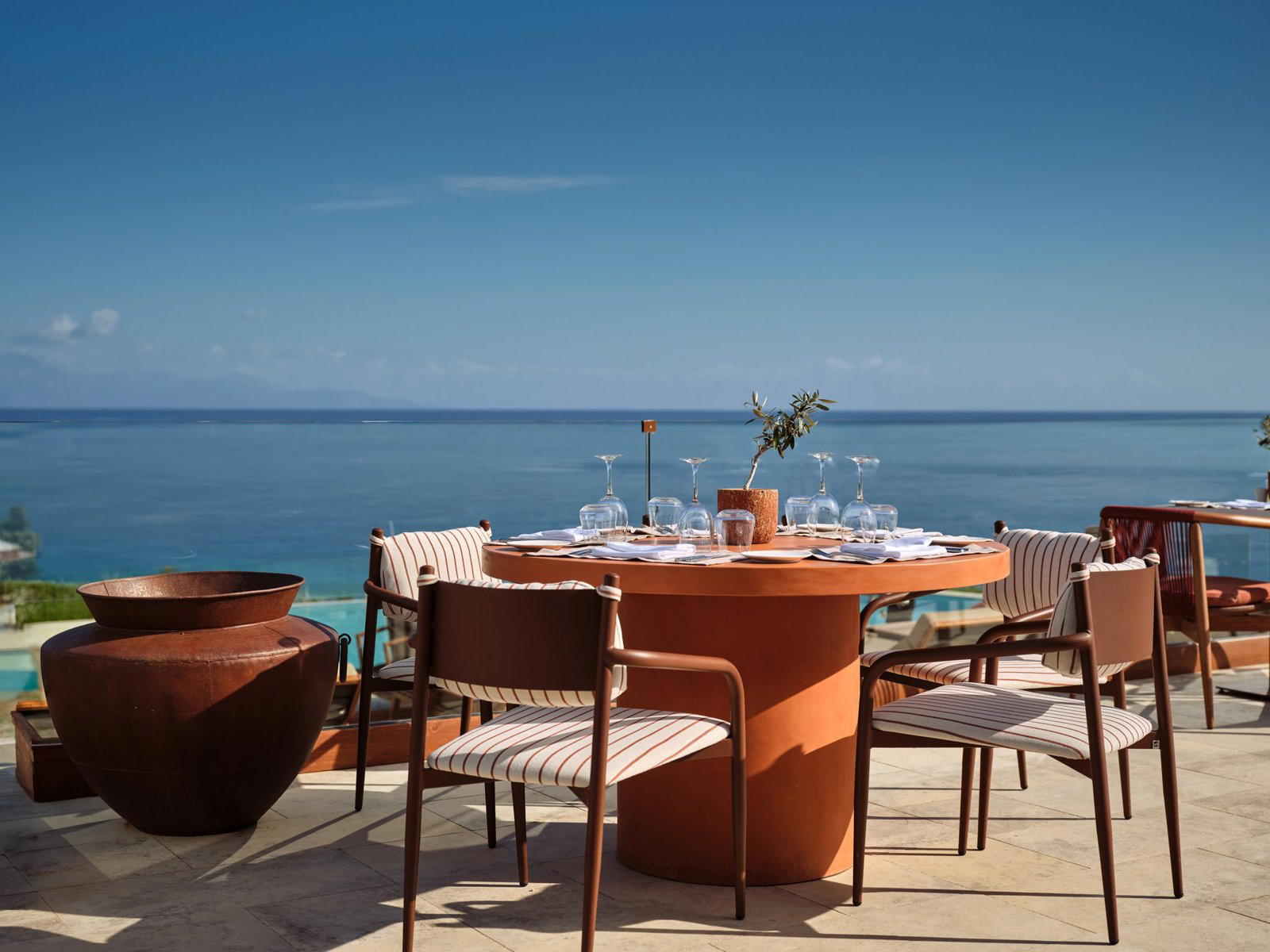
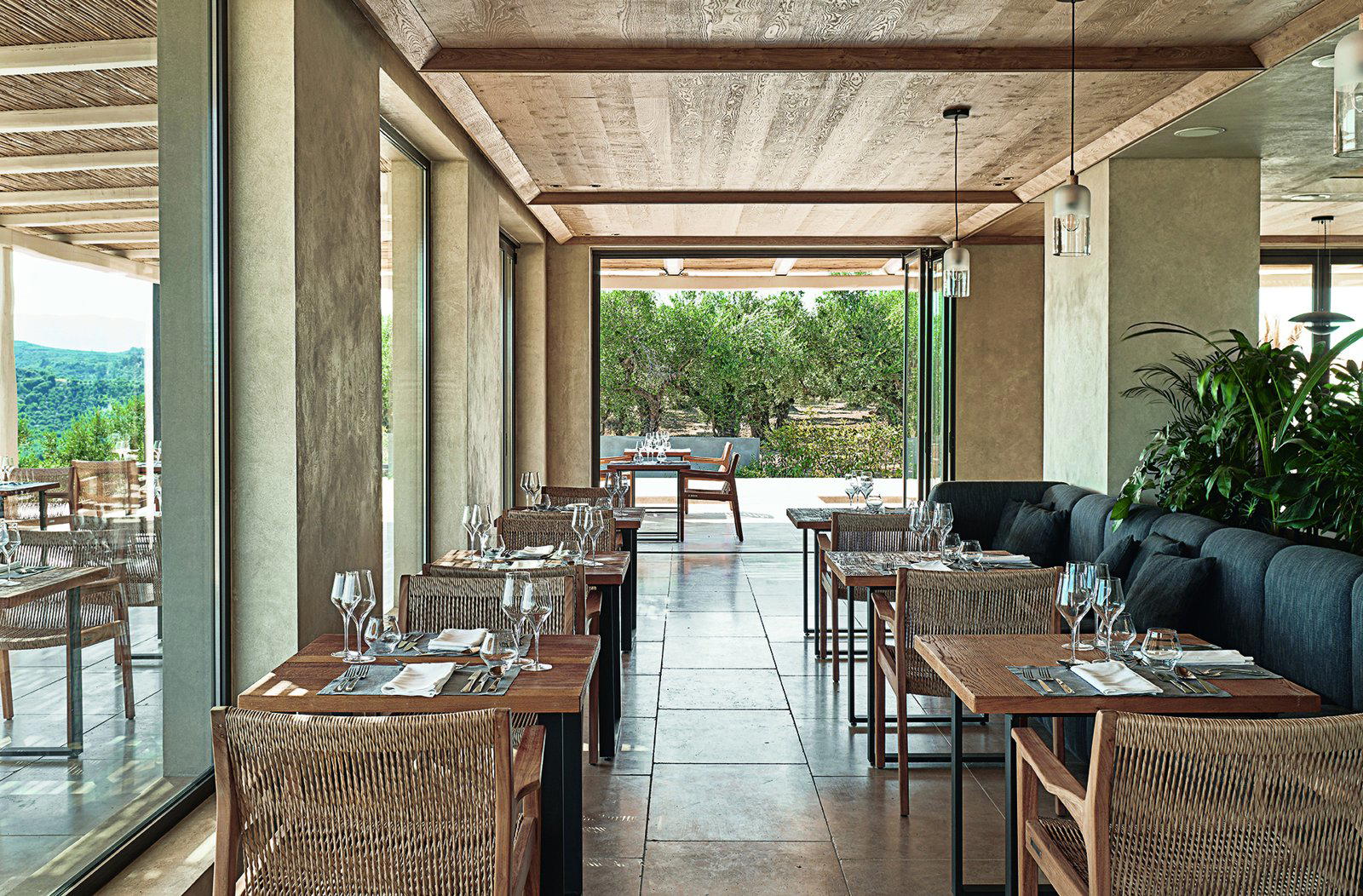
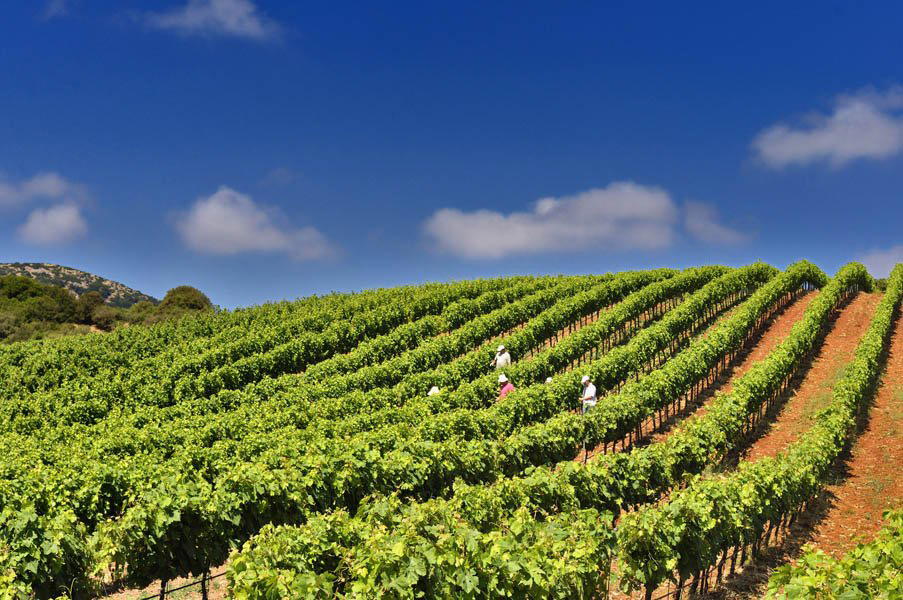
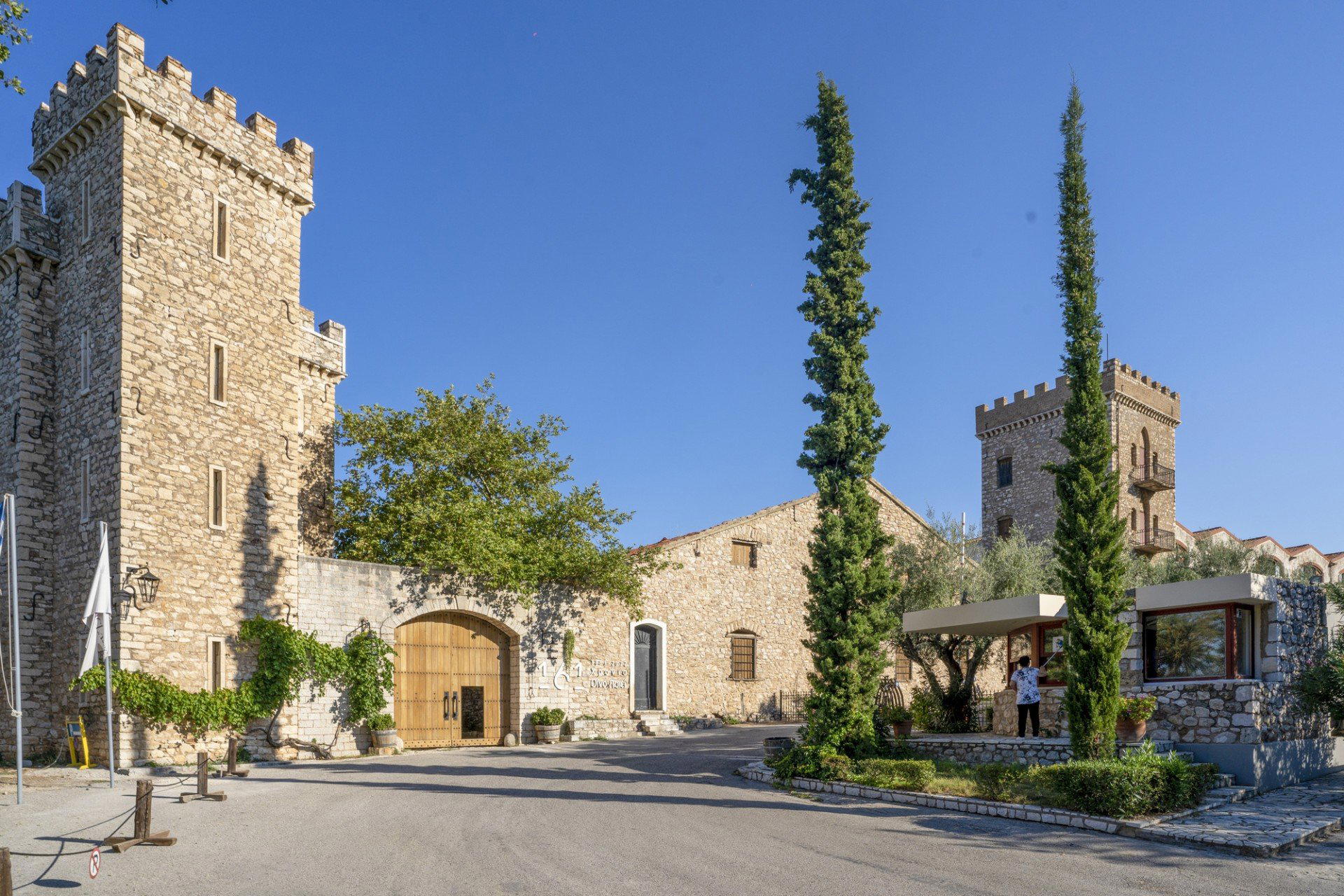
Quiet, light-filled, and minimalist, with a raw industrial atmosphere softened by sea views, concrete, glass, timber, and restrained contemporary design.