馥蘭朵烏來
Set along the Nanshi River in Wulai District, 馥蘭朵烏來渡假酒店 occupies a stretch of mountain gorge where hot spring culture and forest architecture converge. The property sits inside a broader tradition of Taiwan's nature-immersive resort category, where elevation from urban Taipei is measured in both kilometres and atmospheric contrast. For travellers moving beyond the city's hotel corridors, it represents a considered alternative.
Pearl is the En Primeur Club membership app — saves, bookings, and concierge access live there. Same editors, same standards.
- Address
- No. 176號, Section 5, Xinwu Rd, Wulai District, New Taipei City, Taiwan 233
- Phone
- +886 2 2661 6555
- Website
- volandospringpark.com
- Directions
- Get directions
 Saves & bookings on Pearl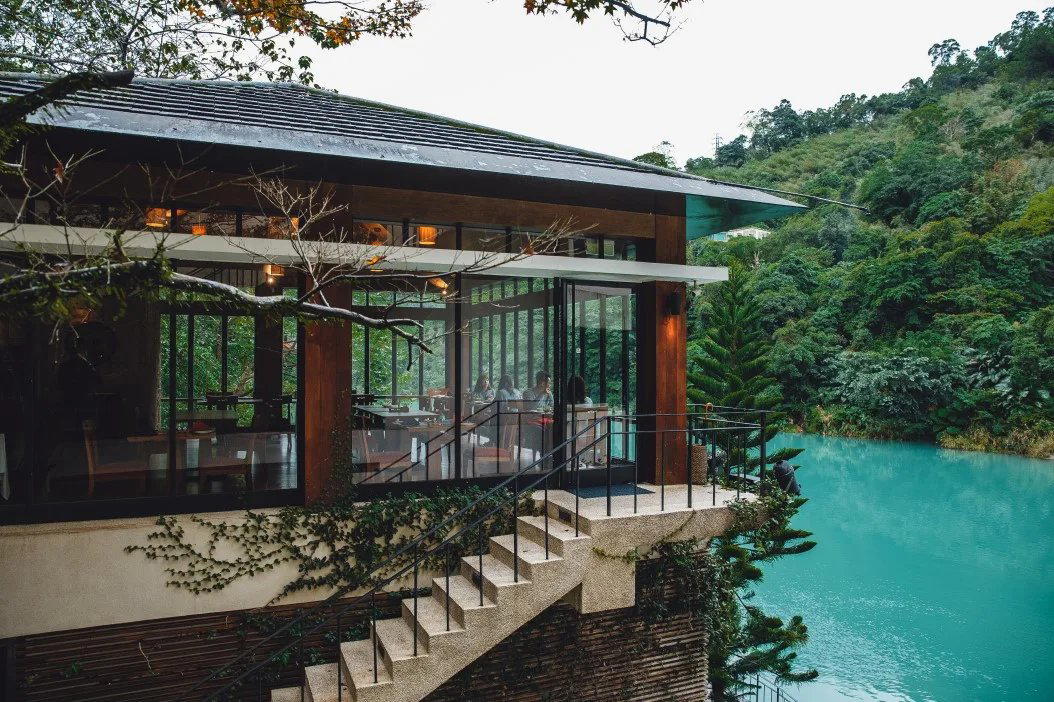
Gorge Architecture: How Wulai Shapes the Properties That Occupy It
The approach to Wulai District from central Taipei takes roughly 50 to 60 minutes by road, and the shift in register is sharp. The Nanshi River cuts through forested gorge terrain in the southern reaches of New Taipei City, and the resorts that have established themselves along its banks are defined less by brand affiliation than by how directly they engage with the physical environment around them. 馥蘭朵烏來渡假酒店, addressed at Section 5 of Xinwu Road, sits within this tradition: properties that treat the gorge not as backdrop but as structural logic.
Taiwan's nature-resort category has split, over the past two decades, between large-footprint complexes that import city-hotel conventions into mountain settings, and smaller properties where the site itself drives design decisions. Wulai's topography generally favours the latter. The combination of hot spring geology, river access, and dense sub-tropical canopy creates conditions where buildings that work against the site tend to feel incongruous. The properties that have earned sustained reputations in this district are those that let water, stone, and greenery govern the spatial experience rather than suppress it.
Jiaoxi in Yilan, where the Evergreen Resort Hotel operates, offers a flatter, more accessible hot spring town format. Guguan in Taichung, home to Hoshinoya Guguan, brings Japanese hospitality vocabulary to a similar gorge setting. Wulai sits between those poles: more secluded than Jiaoxi, less formalised in its hospitality grammar than a Hoshino property. The design language here tends toward natural materials, open-air bathing structures, and views that prioritise the river corridor.
The Wulai Hot Spring Tradition and What It Demands of a Resort
Wulai's hot springs are sodium bicarbonate waters, colourless and odourless, with temperatures that typically exceed 70 degrees Celsius at the source before being cooled for bathing. The Atayal indigenous community has inhabited this valley for generations, and the area's identity is built around the intersection of thermal bathing culture and indigenous heritage, a combination that distinguishes it from Taiwan's other hot spring zones.
Within Wulai District specifically, 馥蘭朵烏來渡假酒店 and its near-neighbour Volando Urai Spring Spa and Resort represent the upper tier of the property market. Both operate on the premise that access to private hot spring water is a baseline expectation at this price point, not a premium add-on. The distinction between them, and between Wulai's leading properties generally, comes down to how they translate the site into a spatial experience: what materials are used, how indoor and outdoor space is mediated, and how much the forest and river penetrate the guest's daily rhythm.
This is where architecture functions as the primary editorial statement. In the design logic of Taiwan's better mountain resorts, the quality of a property is often most legible in the transitional spaces: the corridors that connect guest quarters to bathing areas, the relationship between a room's glazing and the canopy line outside, the degree to which water sounds carry through structure. These details signal whether a property was designed outward from the site or inward from a brand manual.
Positioning Within Taiwan's Wider Resort Spectrum
Taiwan's premium resort market has developed a recognisable geography over the past decade. Sun Moon Lake in Nantou anchors the inland lake category, with properties like Hotel Beore and The Lalu competing on water-view architecture. The southern coast around Kenting National Park, where Gloria Manor operates, offers a different proposition: tropical coastal terrain rather than mountain gorge. Alishan, with its Hotel Indigo property, sits in high-altitude forest. Hualien County's Grand Cosmos Resort works the eastern rift valley.
Within this geography, Wulai's competitive advantage is proximity to Taipei combined with genuine topographic drama. A traveller based in the city for business or leisure can reach the district without a flight or a long-distance train, yet the environment on arrival reads as genuinely removed from the urban grid. That ratio of accessibility to remoteness is unusual in Taiwan's resort map, and it explains why Wulai properties attract a different visitor profile than somewhere like Ruisui or Alishan: shorter stays, higher repeat-visit rates, and a clientele that includes weekend retreaters from Taipei as much as international visitors building itineraries.
amba Taipei Zhongshan to the more compact Something Easy Inn in New Taipei City itself. The contrast with a Wulai property is instructive: those city addresses optimise for location and efficiency; a gorge resort optimises for environmental immersion.
Planning a Stay: Logistics and Timing
Wulai District is accessible from central Taipei by taxi or private car in approximately 50 to 60 minutes under normal traffic conditions. The MRT does not reach Wulai, so transfers require road transport. Weekend demand at Wulai's better properties is consistent throughout the year, with the heaviest pressure falling in autumn (October to November), when temperatures drop enough to make outdoor hot spring bathing comfortable and the forest canopy shows seasonal colour change. Booking ahead for Friday and Saturday nights is advisable during these months. Mid-week arrivals in spring or early summer offer a quieter visit, with the gorge vegetation at its most active and visitor numbers lower.
Travellers familiar with how gorge resorts operate internationally, whether at Amangiri in Utah's canyon country or smaller-scale properties in Southeast Asia, will recognise the basic design premise: constrained site, dramatic topography, architecture that defers to landform. 馥蘭朵烏來渡假酒店 operates within that global tradition but in a specifically Taiwanese register, where hot spring access, indigenous cultural context, and sub-tropical forest create a combination that the country's mountain resort category has made distinctively its own.
Fast Comparison
Comparable venues nearby, for context on price, style, and recognition.
| Venue | Cuisine | Price | Awards | Notes |
|---|---|---|---|---|
| 馥蘭朵烏來渡假酒店This venue — the venue you are viewing | Artistic cultural hot spring resort blending indigenous Taiwanese elements with modern luxury | $$$$ | 5-Star | Not listed |
| Something Easy Inn | Minimalist hillside retreat harmonizing modern design with Jiufen's historic charm. | $$ | 3-Star | Jiufen |
| The Grand Hotel | Chinese palace-style landmark hotel with classical Chinese architecture and modern luxury amenities; designed to promote Chinese culture through extravagant design. | $$$$ | 5-Star | Mingsheng |
| The Lalu | Contemporary Zen-style luxury resort with cutting-edge design by renowned architect Kerry Hill, emphasizing simplicity and timeless beauty through natural materials and integration with landscape. | $$$$ | 5-Star | Yuchi Township |
| The Okura Prestige Taipei The Pearl Lounge & Bar | Modern classic high-rise with Japanese refinement | $$$$ | 5-Star | Kangle |
| InterContinental Kaohsiung | Sustainable smart luxury tower hotel | $$$$ | 5-Star | Qianzhen District |
Continue exploring
More in New Taipei
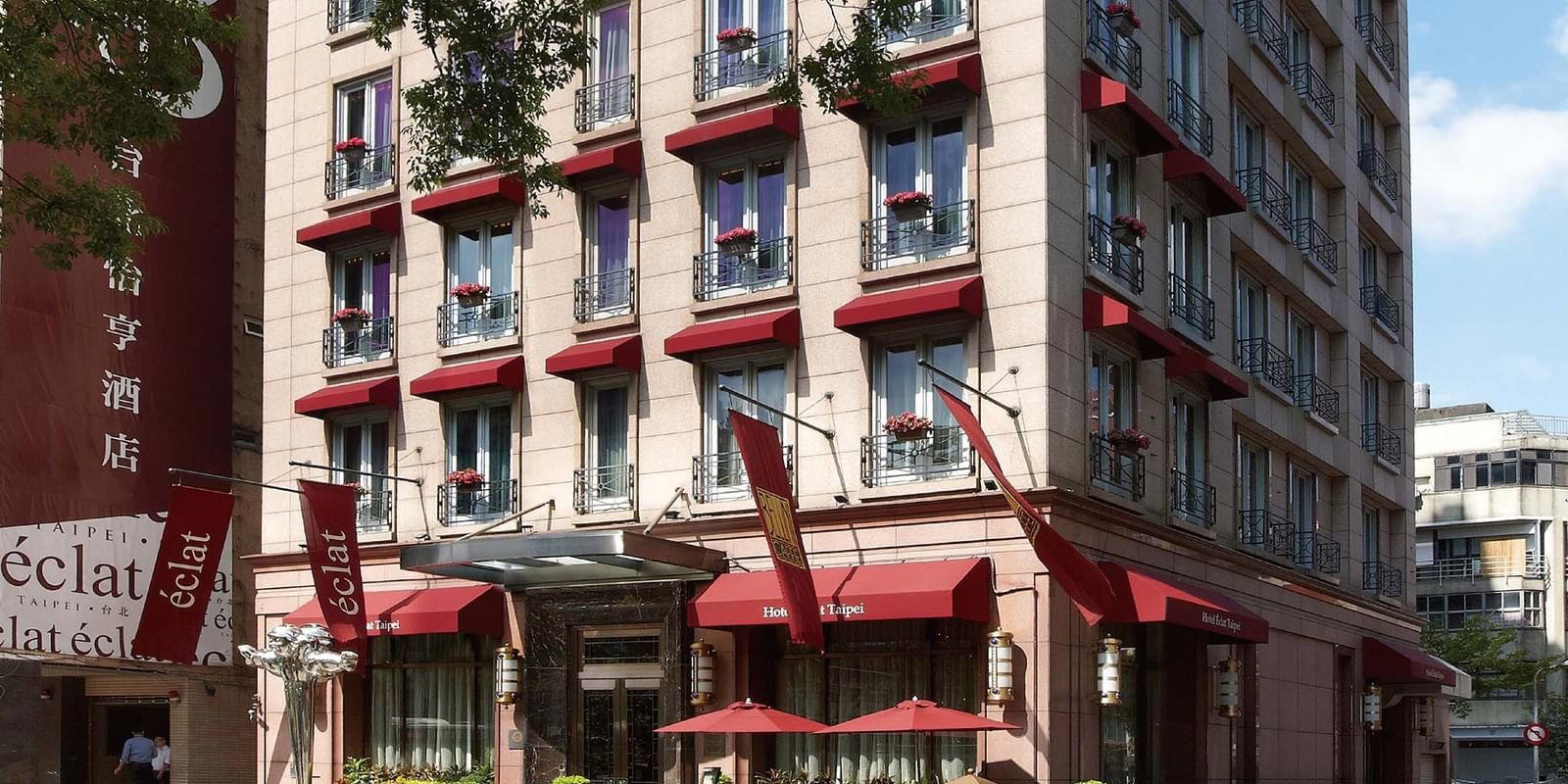
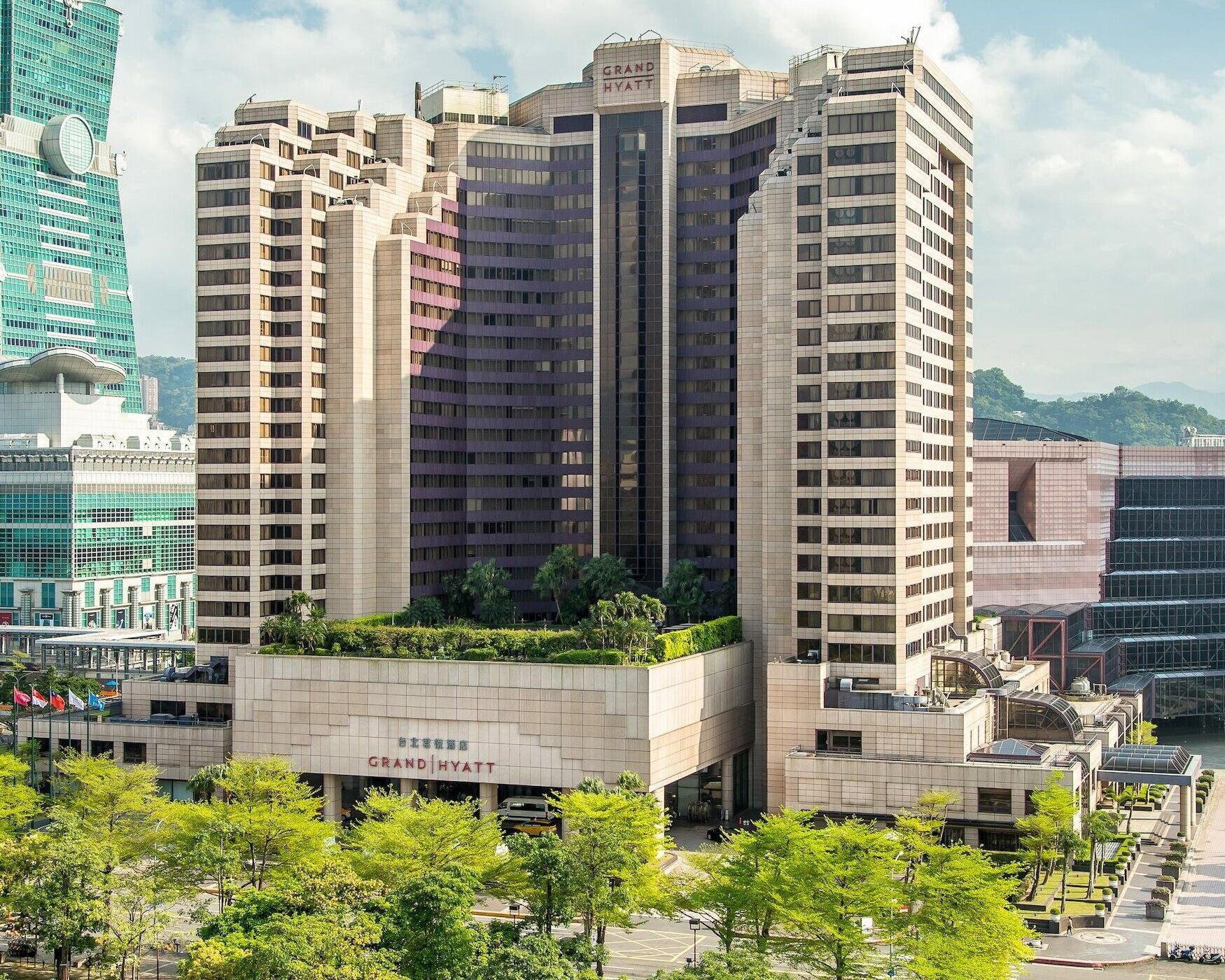
Hotels in New Taipei
Browse all →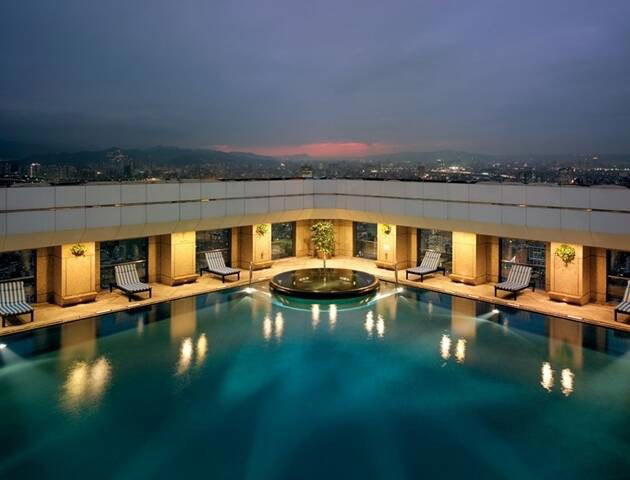
Bars in New Taipei
Browse all →
Restaurants in New Taipei
Browse all →
Wineries in New Taipei
Browse all →
At a Glance
- Romantic
- Quiet
- Elegant
- Scenic
- Cozy
- Sophisticated
- Honeymoon
- Romantic Getaway
- Anniversary
- Wellness Retreat
- Weekend Escape
- Panoramic View
- Private Villa
- Infinity Pool
- Destination Spa
- Waterfront
- Wi Fi
- Pool
- Spa
- Room Service
- Concierge
- Mountain
- Waterfront
- Wi Fi
- Pool
- Spa
- Room Service
- Concierge
Warm yellow lighting with wooden decor creates a classical, serene, and romantic atmosphere infused with natural elements and artistic cultural performances.