
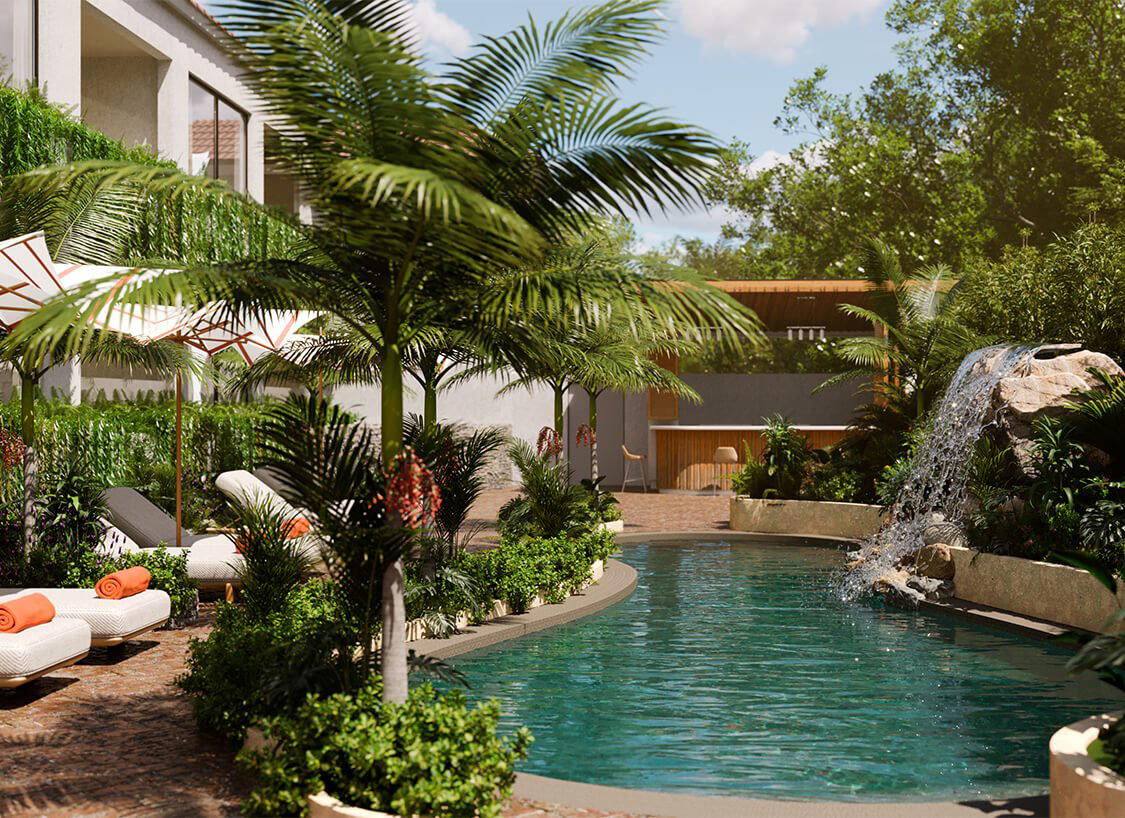
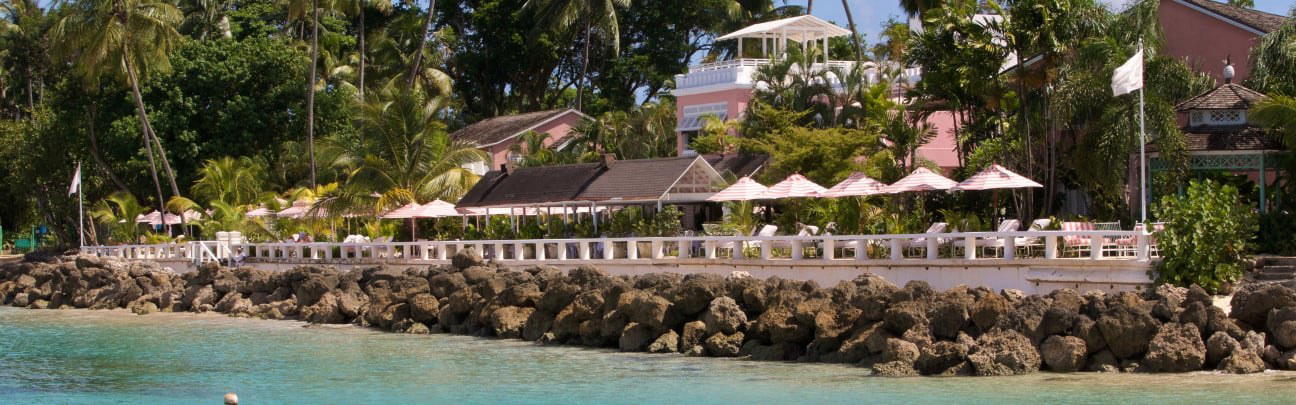
Set across 12 acres of flowering gardens on Barbados's Saint James coast, Coral Reef Club is one of the Caribbean's most respected family-owned resorts, with a white coral sand beach, a full water sports programme, and a restaurant with a strong local reputation. The property sits in the quieter, less commercial stretch of the island's platinum west coast, placing it well outside the resort-chain mainstream.
Pearl is the En Primeur Club membership app — saves, bookings, and concierge access live there. Same editors, same standards.
- Address
- Porters Folkstone St. James, Folkestone, Saint James BB24017
- Phone
- +1 246-422-2372
- Website
- coralreefbarbados.com
- Directions
- Get directions
 Saves & bookings on Pearl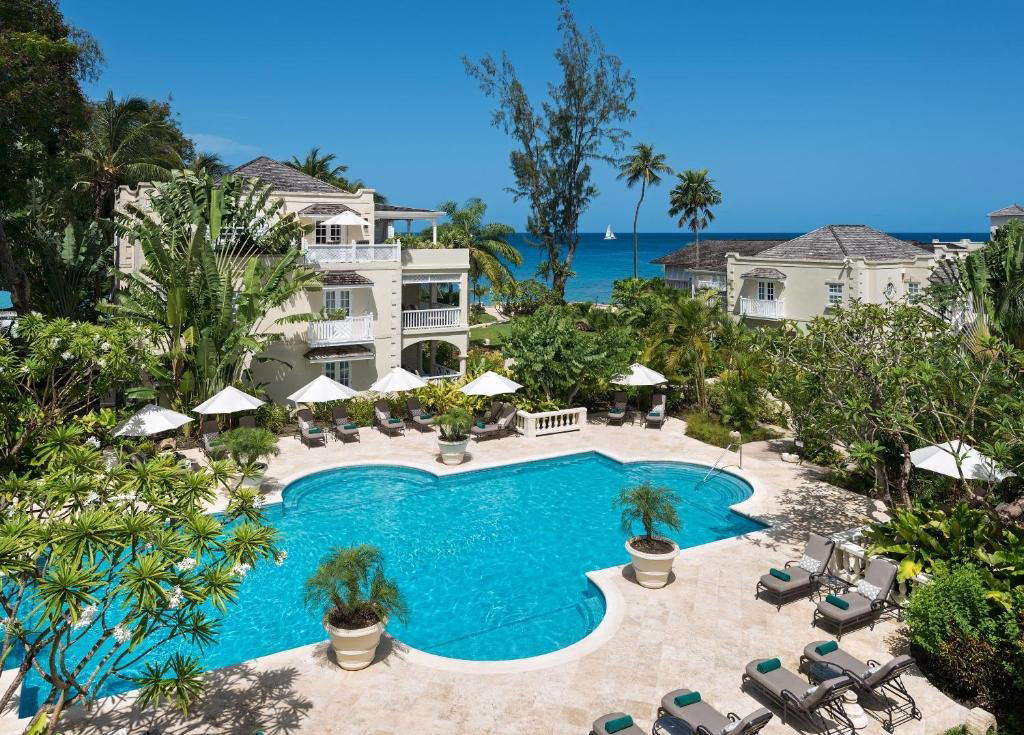
Gardens, Coral Sand, and the Quiet End of Barbados's West Coast
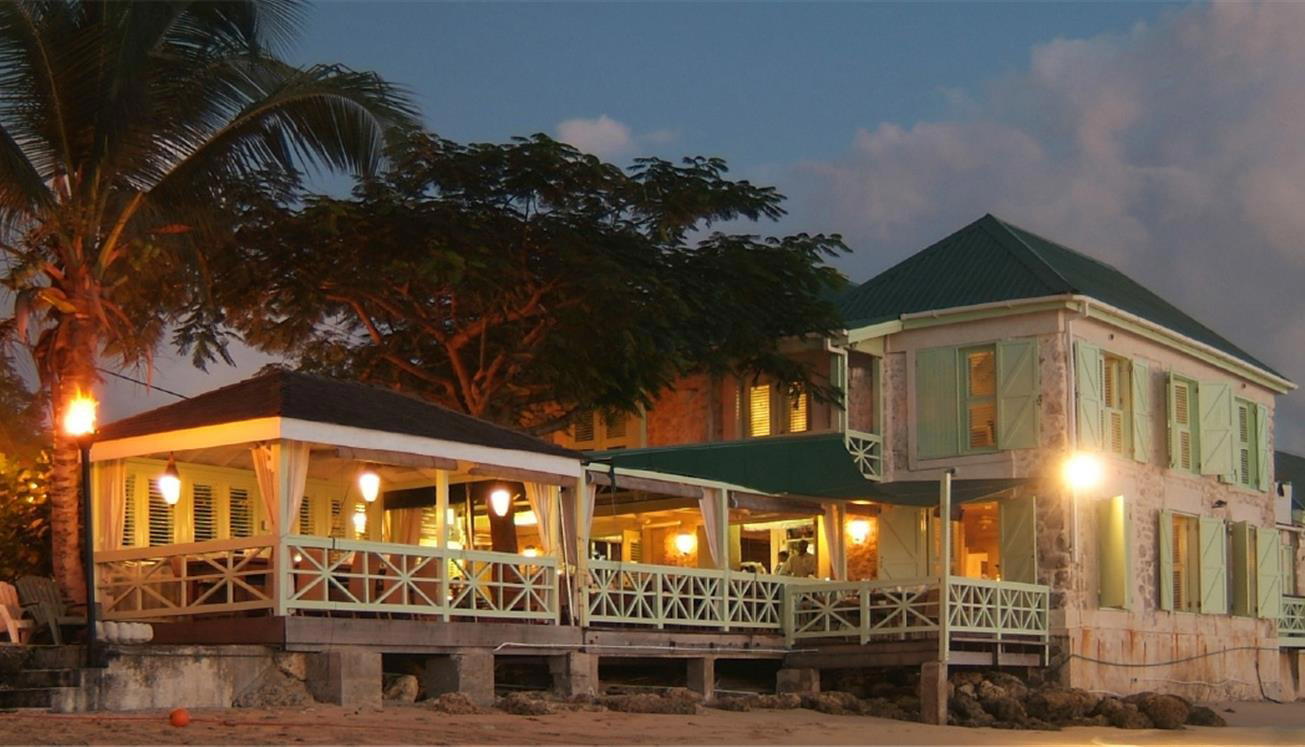
Coral Reef Club is a 5-star hotel in Folkestone, Saint James, Barbados, set on 12 acres of tropical gardens beside a white coral sand beach. Twelve acres of tropical gardens, flowering shrubs, mature trees, grounds that read more like a private estate than a resort compound, buffer the property from the road and set the physical tone before a guest reaches the beach. That separation is deliberate architecture. In a category where many properties advertise proximity to activity, Coral Reef Club's design premise is insulation from it.
The setting places it in a specific peer conversation: family-owned, low-density, garden-heavy properties that treat grounds as a design element rather than a backdrop. Across the wider Caribbean, this model is well-represented by a handful of long-running independent operators, and the properties that sustain it tend to share certain characteristics: multi-generational ownership, measured capacity, and a physical layout where the journey from room to beach involves something worth walking through. At Coral Reef Club, that something is the gardens themselves. Tropical flowering shrubs and mature canopy trees create a sequence of spaces between accommodation and shore that functions more like a landscape passage than a hotel corridor.
Placement on the Saint James Coastline
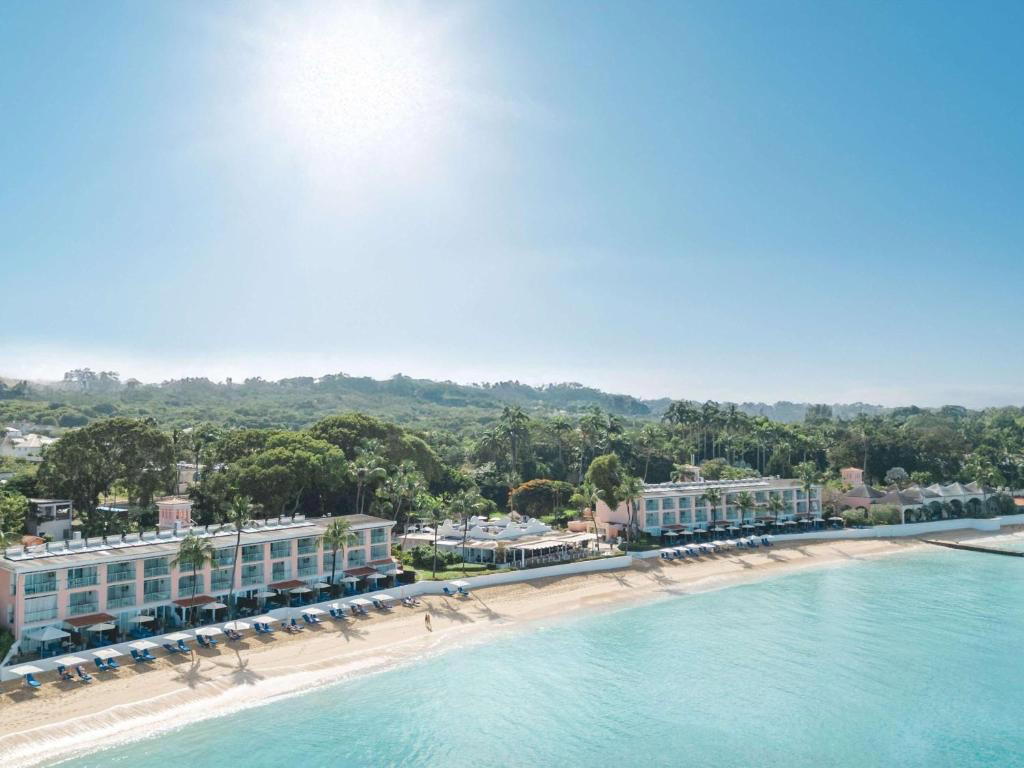
Folkestone address in Saint James puts the property on a stretch of coast that has historically attracted the quieter end of west coast demand. Saint James sits north of the Holetown concentration, where larger operations like the Fairmont Royal Pavilion, Barbados in Holetown occupy a more prominent commercial position. Further north again, around Speightstown, properties like Cobblers Cove operate in a similarly garden-led, independent register. The geography matters: this stretch of coast tends to attract guests who have already decided against the larger resort format and are choosing between a smaller set of properties with different physical identities.
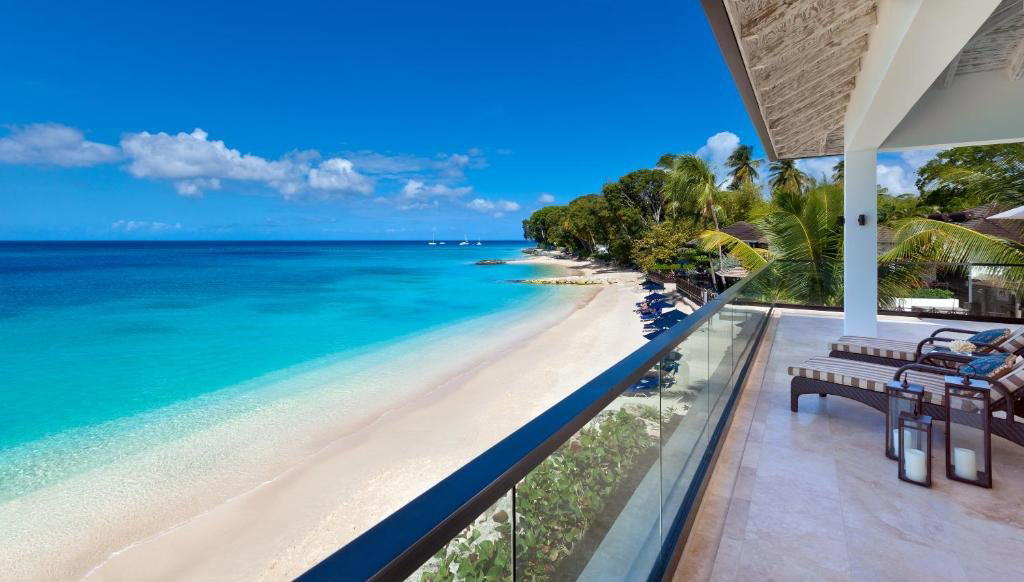
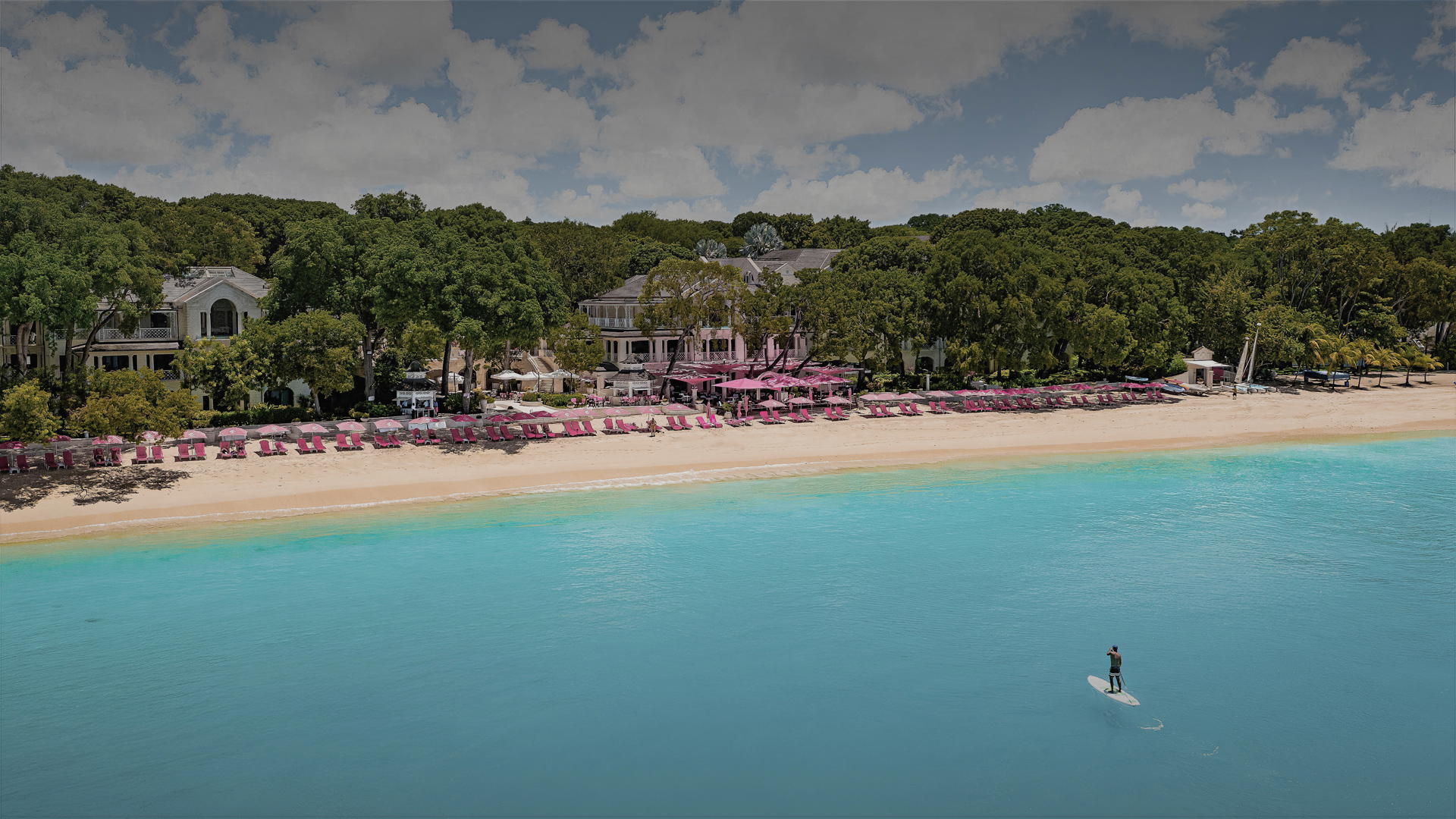
White coral sand beach is the defining coastal feature. Coral sand beaches on the west coast have a particular texture and colour profile, finer and paler than the east coast's Atlantic-facing shores, calmer in terms of surf, and generally better suited to the water sports infrastructure that the property supports. The water sports programme at the hotel is an established part of the offering, giving the beach operational depth beyond passive use. For families and guests who want structured time on the water without moving to a separate facility, that integration matters.
The On-Site Restaurant in Context
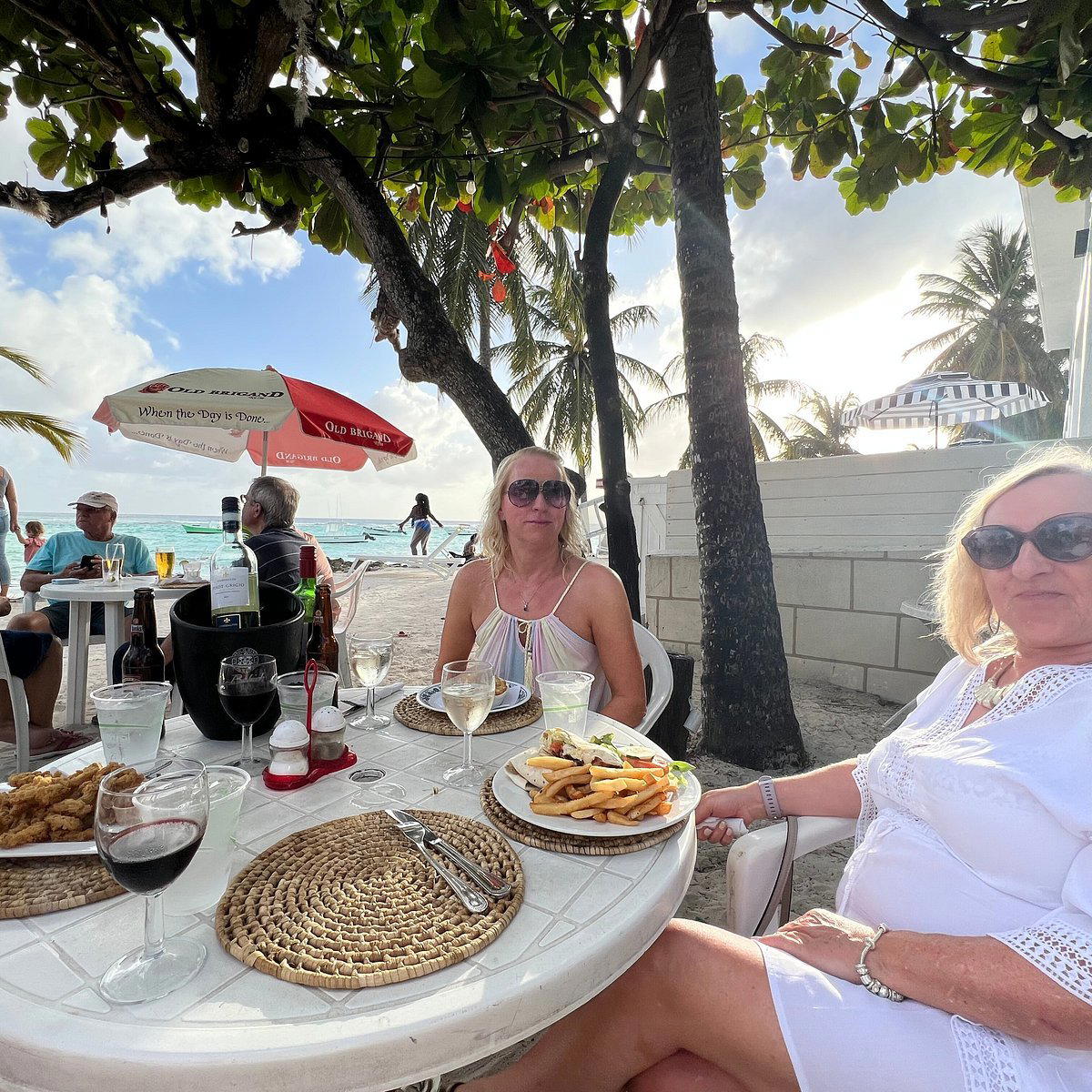
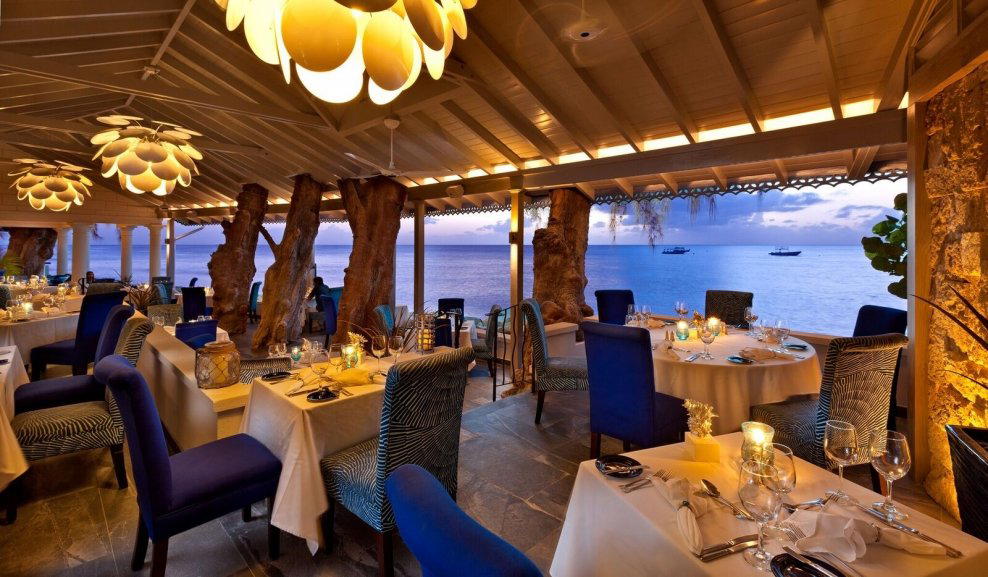
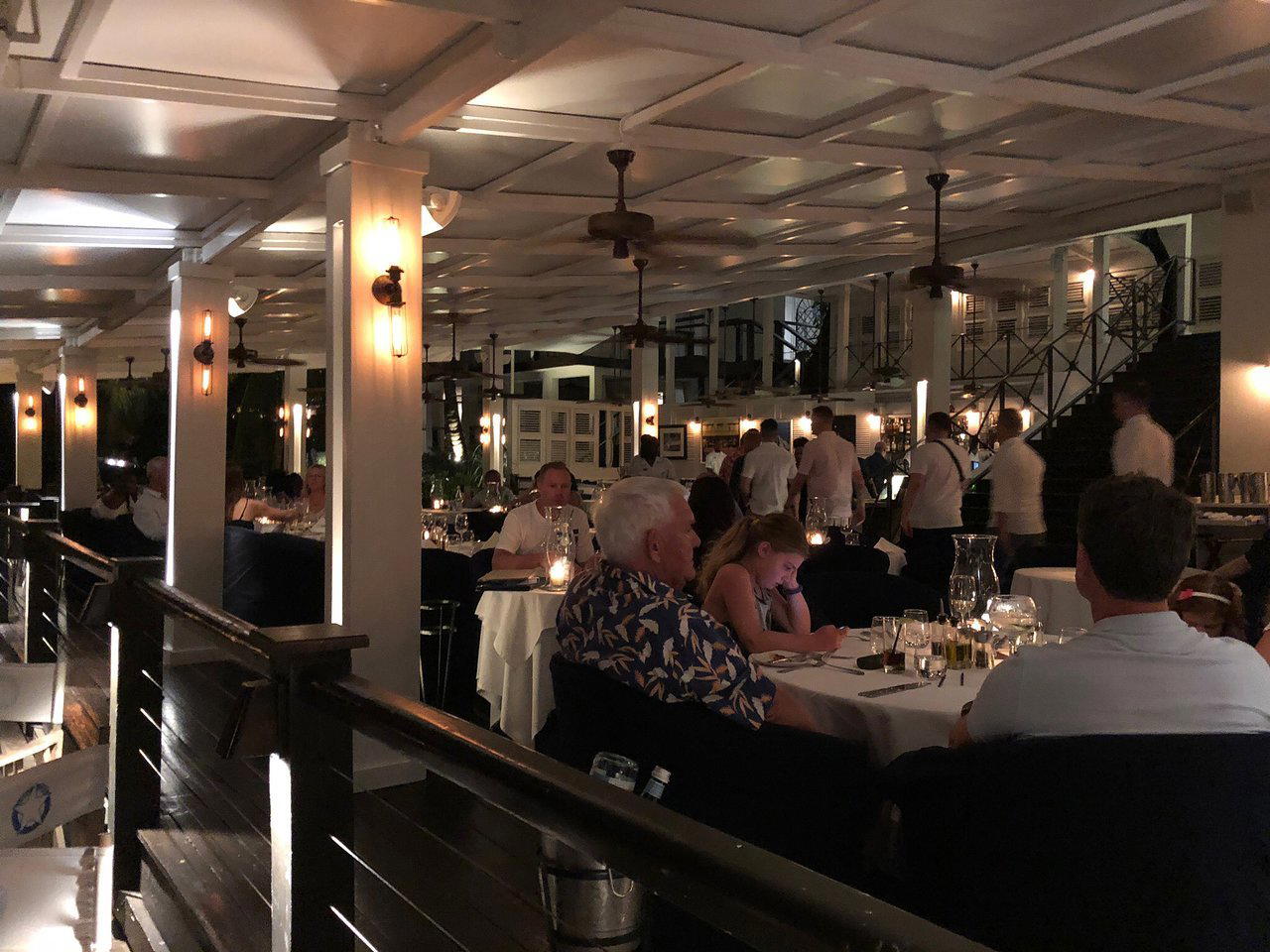
West coast Barbados dining has developed a dual character: destination restaurants that draw guests from across the island, and hotel restaurants that anchor the stay experience for guests who either prefer not to leave the property or are looking for a credible in-house option. The hotel's restaurant falls into the second category but with a reputation that extends beyond pure convenience. The property's own description characterises it as excellent, which in the context of a tightly run family property tends to mean consistency and sourcing discipline rather than culinary theatre.
For guests cross-referencing the west coast hotel restaurant scene, the comparisons worth drawing are with properties of similar scale and ownership structure. The restaurant at Blue Monkey Hotel and Beach Club in Paynes Bay operates in a beach-club adjacent format with a different energy. The hotel's dining sits closer to the estate-dinner tradition: gardens, relative quiet, a self-contained setting. Whether that read suits a given guest depends almost entirely on what they want from an evening.
How the Property Fits the Family-Owned Caribbean Category
The family-owned Caribbean resort is a category with a clearly defined upper tier. Properties that have held their position in this tier across multiple decades tend to share operational characteristics: staffing continuity, grounds that have had time to mature, and a physical incrementalism where additions are absorbed into an existing character rather than reset it. The hotel's twelve-acre footprint and the condition of its gardens are indicators of the time investment that category requires. Gardens of that scale and botanical density do not arrive quickly.
In broader terms, the properties that compete in this tier across the Caribbean represent a genuine alternative to the international chain model. Large footprint operations like O2 Beach Club and Spa in Christ Church or Accra Beach Hotel and Spa in Bridgetown occupy different registers entirely, higher volume, more programmed, oriented toward the southern parish market. The hotel's positioning is a considered departure from that model, not a lesser version of it.
For context beyond the Caribbean, the design logic at play here, mature grounds, limited scale, family ownership, curated beach access, has parallels in properties like Hotel Esencia in Tulum or, at the architectural extreme, Castello di Reschio in Lisciano Niccone. The operational philosophy is different, but the underlying premise, that grounds, privacy, and physical setting are the primary product, holds across all three.
Planning a Stay: Practical Considerations
The Folkestone, Saint James address is reachable from Grantley Adams International Airport in the south of the island, with road transfer times typically ranging from 45 minutes to over an hour depending on traffic through the west coast corridor. Barbados's west coast road runs close to the shoreline for most of its length, and the drive itself gives a useful read of how the island's resort density changes as you move north through Saint James. For guests whose priority is garden setting and beach calm over proximity to Bridgetown's dining and nightlife, the Saint James location is well-calibrated. Those wanting easier access to the south coast's livelier options may find the drive a consideration worth factoring in.
Comparison Snapshot
Comparable venues nearby, for context on price, style, and recognition.
| Venue | Cuisine | Price | Awards | Notes |
|---|---|---|---|---|
| Coral Reef ClubThis venue — the venue you are viewing | Tropical colonial luxury boutique resort with family heritage and refined Caribbean sophistication. | $$$$ | 5-Star | Not listed |
| The Sandpiper | Family-owned boutique beach resort | $$$$ | 5-Star | Holetown |
| O2 Beach Club & Spa | Modern luxury all-inclusive beach resort | $$$$ | 5-Star | St Lawrence Gap |
| Blue Monkey Hotel & Beach Club | Intimate boutique all-suite hotel blending tranquil island living with cosmopolitan luxury on Barbados' Platinum Coast. | $$$$ | 5-Star | Paynes Bay |
| The Crane | Historic cliffside resort village blending original coral-stone buildings with modern residential suites | $$$$ | 4-Star | St Philip |
| Sandals Barbados | luxury all-inclusive couples resort | $$$$ | 5-Star | Christ Church |
Recognition history
Dated appearances from independent guides and award organizations, with the underlying list record or original source where available.
Small Luxury Hotels of the World Member
Small Luxury Hotels of the World
At a Glance
- Romantic
- Elegant
- Scenic
- Sophisticated
- Well Known
- Honeymoon
- Romantic Getaway
- Family Vacation
- Anniversary
- Wellness Retreat
- Beachfront
- Private Villa
- Destination Spa
- Waterfront
- Garden
- Terrace
- Panoramic View
- Wi Fi
- Pool
- Spa
- Fitness Center
- Room Service
- Concierge
- Restaurant
- Bar
- Beach Access
- Valet Parking
- Waterfront
- Garden
- Wi Fi
- Pool
- Spa
- Fitness Center
- Room Service
- Concierge
- Restaurant
- Bar
- Beach Access
- Valet Parking
Refined tropical elegance with serene, manicured grounds and a tranquil atmosphere; spacious rooms with tasteful décor and balconies overlooking gardens or ocean; warm, attentive service creates a relaxed yet sophisticated environment.