Accra Beach Hotel & Spa
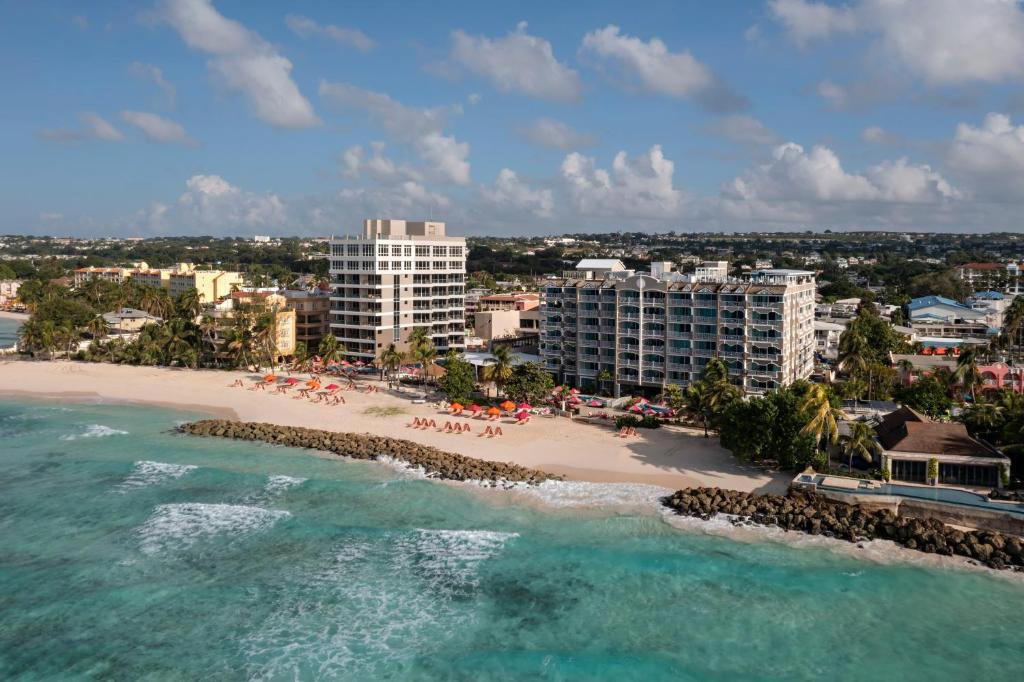
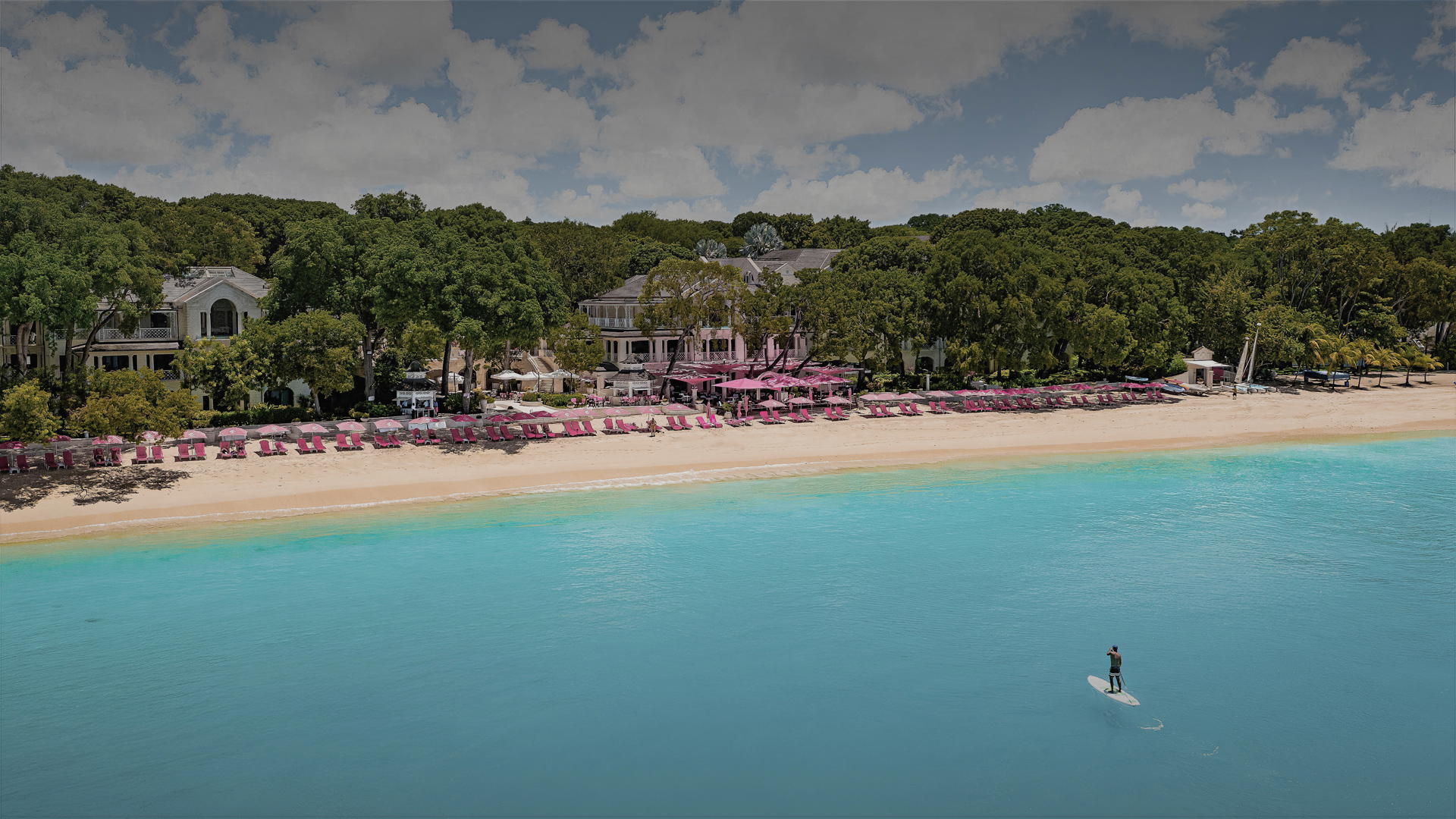
Positioned directly on the south coast of Barbados in Christ Church, Accra Beach Hotel & Spa occupies one of the island's most accessible beachfront addresses. The property sits in the mid-market tier of Barbadian resort hotels, drawing both leisure and business travellers who want direct beach access without the formality of the west-coast luxury corridor. For the broader Bridgetown hotel scene, see our full guide.
Pearl is the En Primeur Club membership app — saves, bookings, and concierge access live there. Same editors, same standards.
- Address
- Christ Church BB 15139, Barbados West Indies, Christ Church Barbados
- Phone
- +1 246 435 8920
- Website
- accrabeachhotel.com
- Directions
- Get directions
 Saves & bookings on Pearl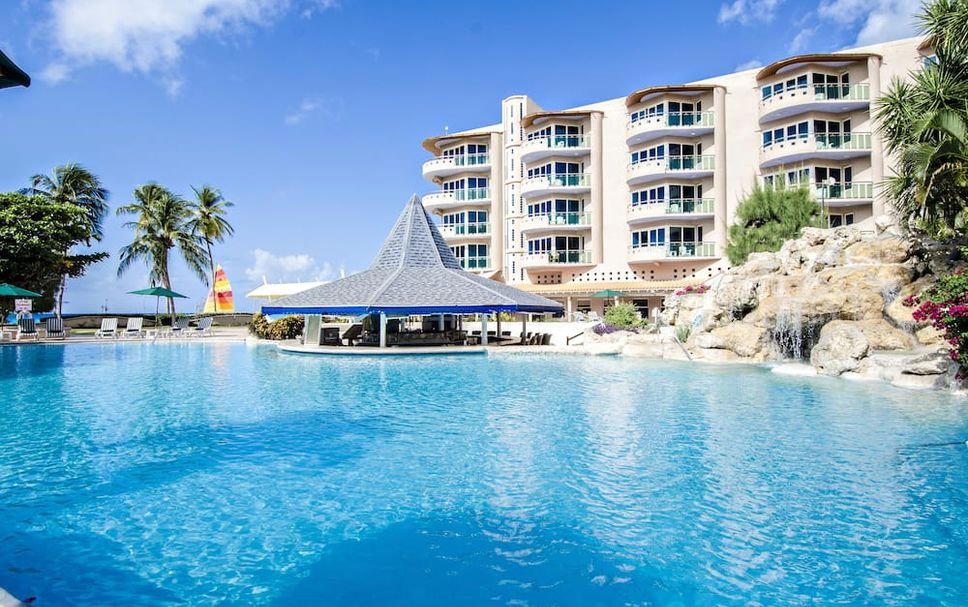
South Coast, Beach Access, and Where Accra Sits in Barbados's Hotel Hierarchy
Barbados's hotel market divides along geographic and price lines more sharply than almost any other Caribbean island. The west coast, running from Holetown to Speightstown, holds the island's most formal luxury addresses: properties like the Fairmont Royal Pavilion, Barbados in Holetown, the Coral Reef Club in Porters, and the Cobblers Cove in Speightstown form a corridor of low-density, garden-heavy properties aimed at a guest who wants seclusion and well-drilled service. The south coast operates differently. It is louder, more accessible, more commercially active, and more connected to the working rhythm of Bridgetown itself. Accra Beach Hotel & Spa is a south-coast property in the truest sense: positioned in Christ Church, close to the Hastings-to-Worthing stretch where bars, restaurants, and local street life sit close to the waterfront.
That positioning is not a compromise. For a specific type of traveller, the south coast's density is the point. You are closer to Bridgetown's historic centre, closer to the island's local dining culture, and closer to a beach that sees a genuine cross-section of Barbadian life rather than the curated quietness of a private west-coast shoreline. Accra Beach, named for the stretch of sand it fronts, is one of the island's more active public beaches, and the hotel's relationship with that public beach defines its character more than any interior design choice.
The Physical Address: What Christ Church Delivers
Christ Church is the southernmost parish on the island and the one most integrated with Barbados's tourism infrastructure. The parish contains Grantley Adams International Airport, which sits roughly six kilometres east of the hotel, making Accra one of the more logistically direct arrivals in Barbados. For travellers connecting through the Caribbean or arriving from North America on direct routes, the transfer is short enough to be negligible. That proximity to the airport also defines the guest profile: Accra draws a higher proportion of short-stay and weekend travellers than the west-coast properties, which tend to attract guests committing to longer itineraries.
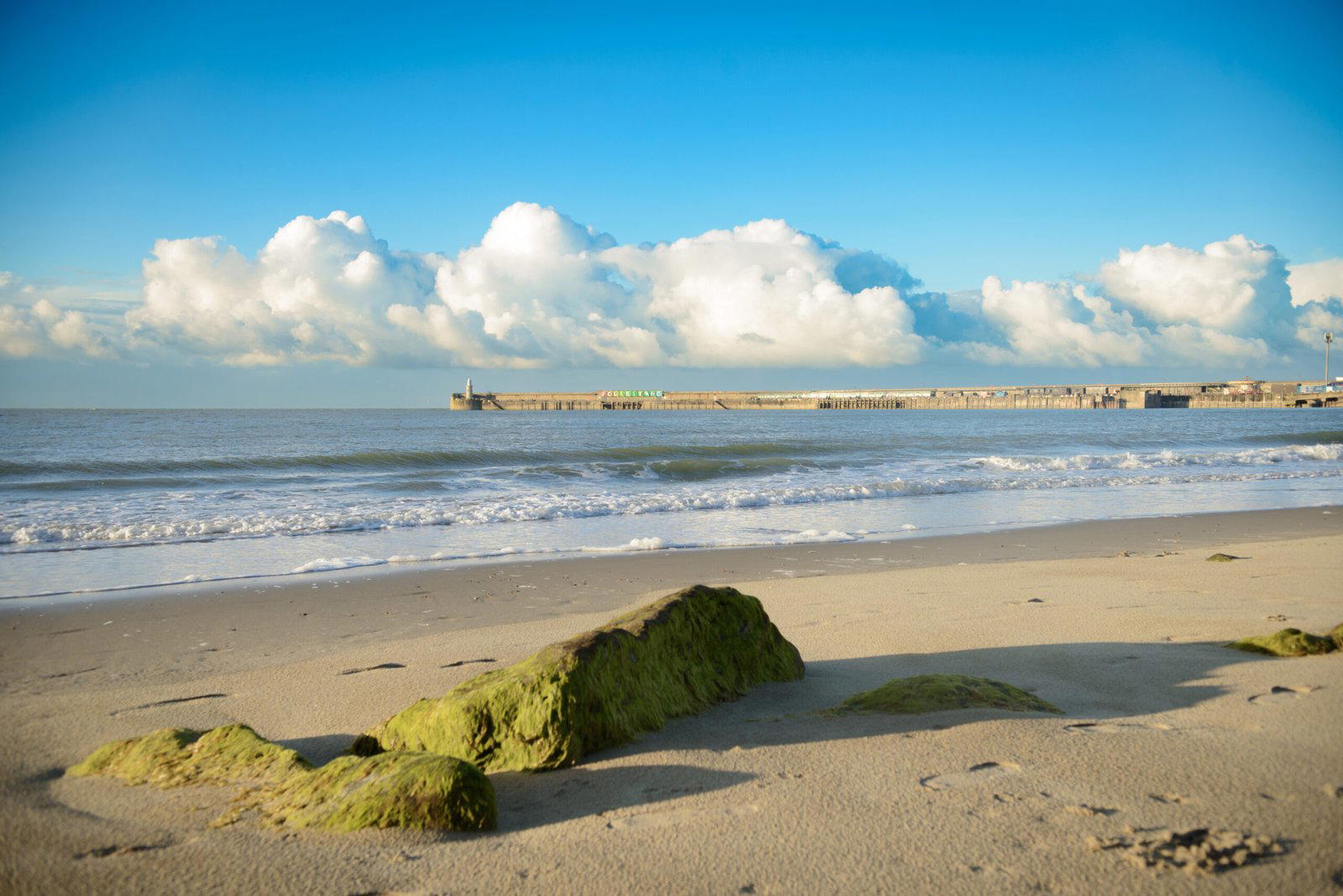
The Christ Church beachfront itself runs southwest from Bridgetown's outskirts through Hastings, Rockley, and Worthing before curving into the more sheltered bays further south. The surf on this coast is gentle enough for swimming but has enough Atlantic movement to attract beginner surfers and paddleboarders. The water temperature year-round sits in the high twenties Celsius, and the south coast benefits from trade winds that moderate what would otherwise be heavy tropical heat during the high season from December through April.
Design and Physical Character: Reading the Property in Context
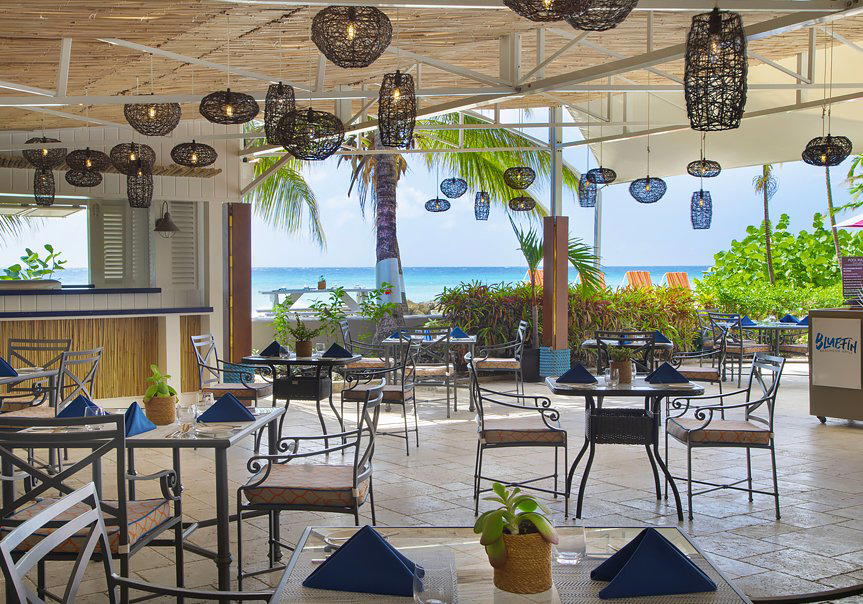
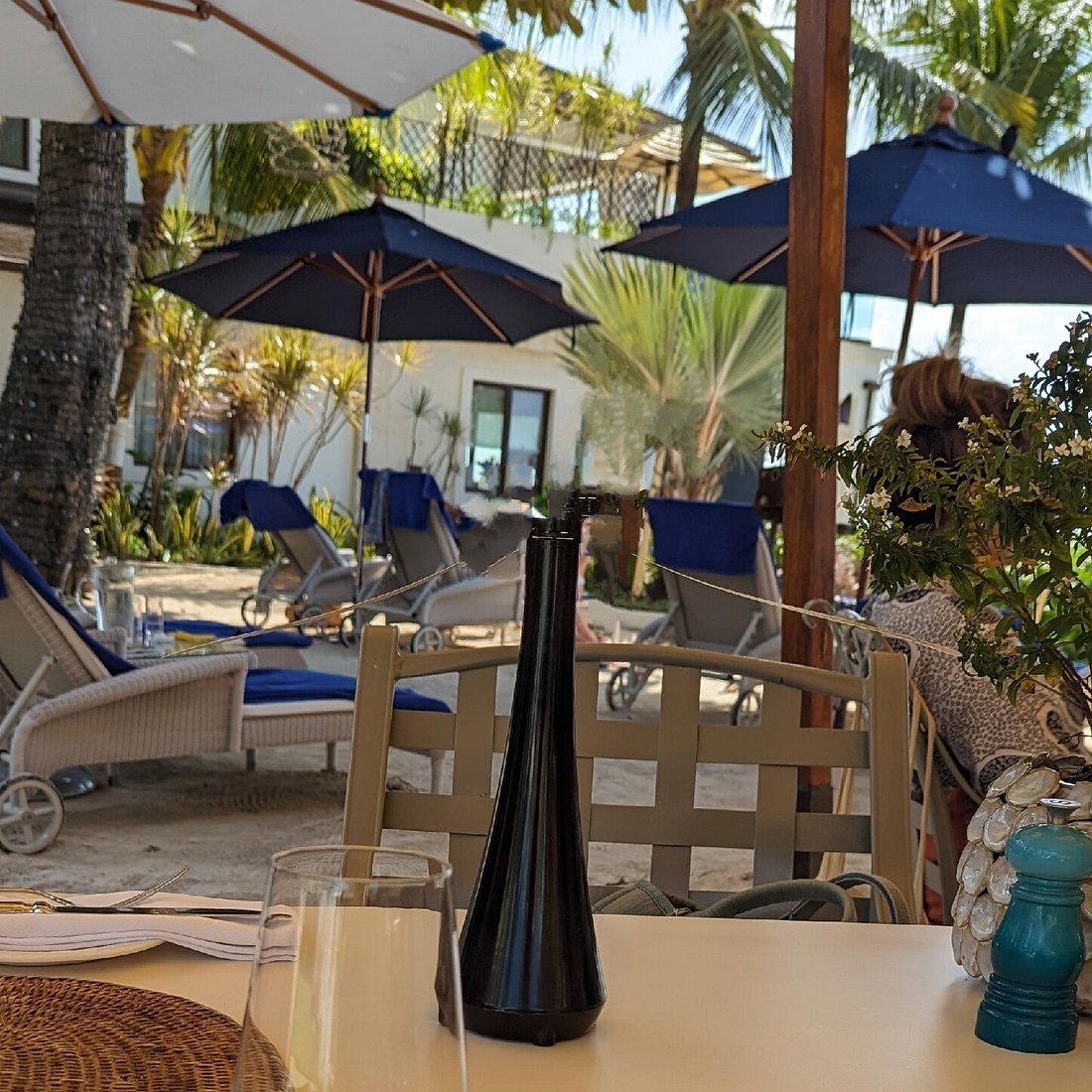
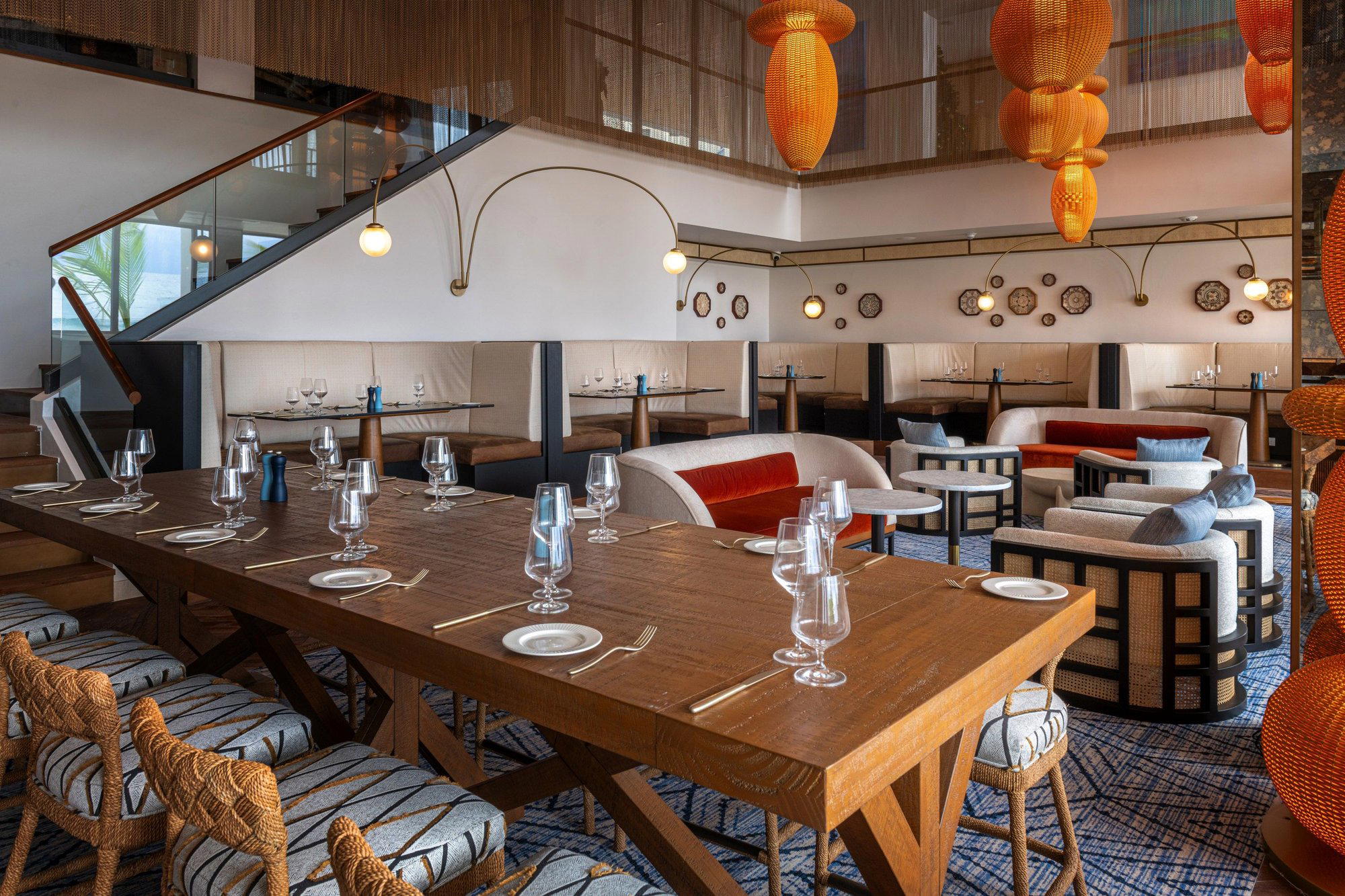
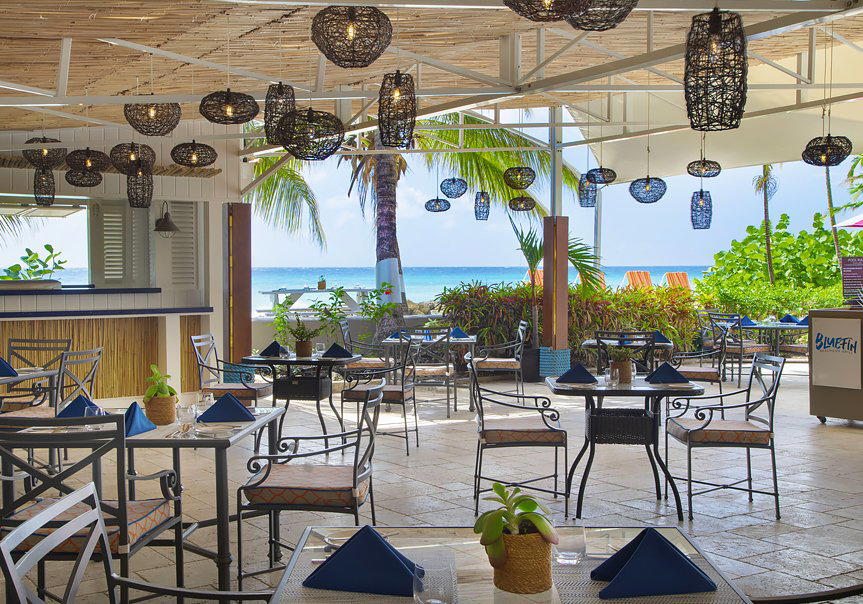
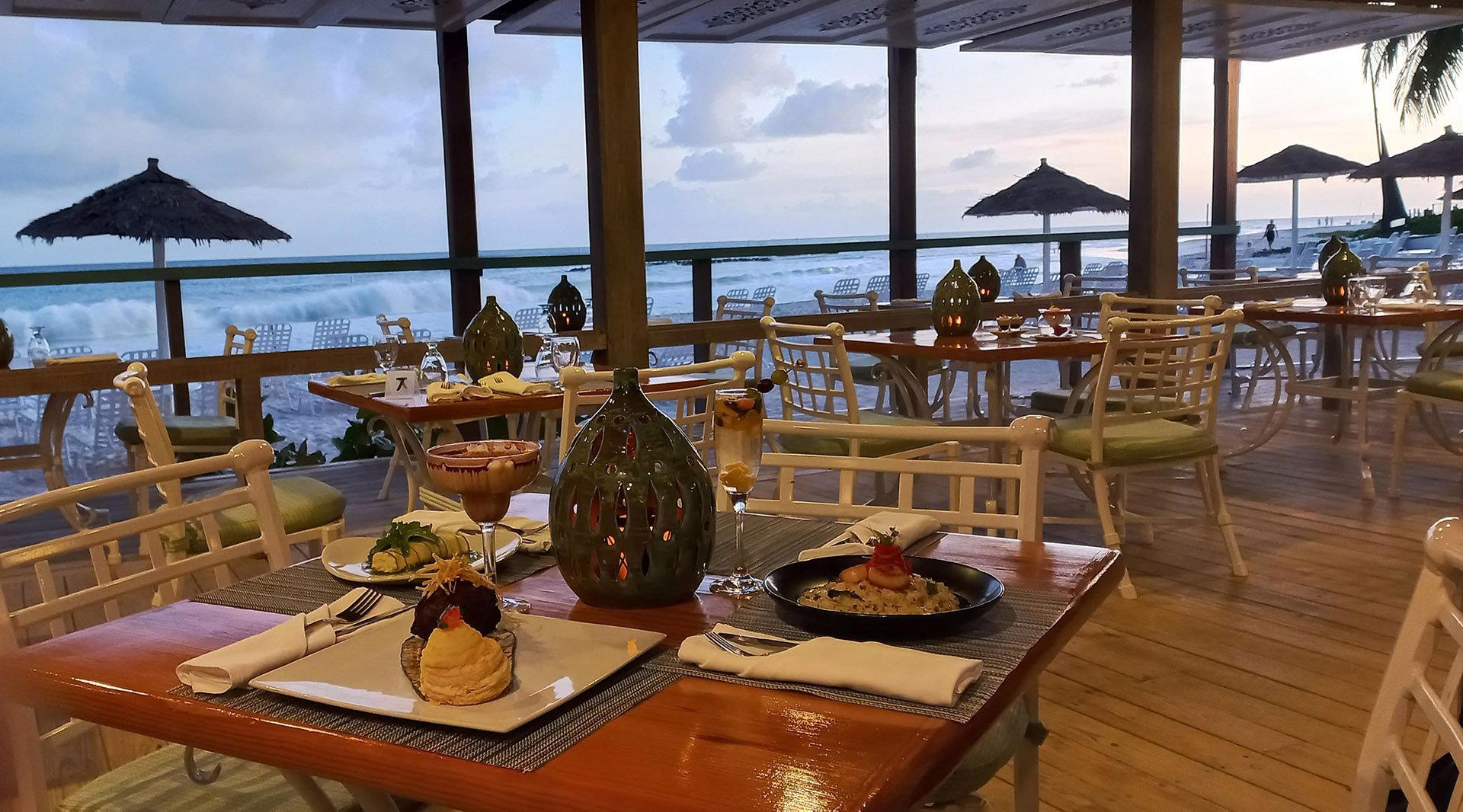
Caribbean resort architecture in the mid-market tier tends toward one of two approaches: the sprawling, amenity-heavy layout with multiple pools and restaurant outlets, or the more compact, beach-focused structure that prioritises proximity to the water over internal complexity. Accra sits in the latter camp. The property's physical relationship to Accra Beach is its primary design asset, and the building's orientation reflects that priority. Common areas and room layouts are arranged to maximise views toward the sea rather than inward toward landscaped grounds, which is the opposite of the approach taken at the more self-contained west-coast estates.
South-coast hotel design in Barbados has historically been less architecturally ambitious than its west-coast counterpart. The west coast's colonial-era plantation aesthetic, with its pitched roofs, louvred shutters, and coral-stone detailing, gave properties like Coral Reef Club a design language that read as authentically local. South-coast properties, including Accra, largely developed later and drew on a more generic Caribbean resort vocabulary: low-rise blocks, wide balconies, and an emphasis on sea-facing terraces. That is not inherently a weakness. The south coast's design ethos prioritises function, access, and openness over architectural theatre, which suits the beach-activity-focused guest it primarily serves.
The spa component at Accra sits within a broader trend across Barbadian mid-market hotels to add wellness programming as a differentiator. Properties across the south coast have added spa facilities over the past decade as the wellness-travel segment has grown, positioning themselves against all-inclusive competitors that offer treatment centres as part of bundled packages. At Accra, the spa is a genuine operational feature rather than an afterthought, though the property's primary draw remains its beach access and its position within Christ Church's social fabric.
How Accra Compares to the Broader Barbados Hotel Market
The useful peer comparison for Accra is not Sandy Lane or the Fairmont Royal Pavilion, which operate in a different price and service tier entirely. The relevant comparison set is properties like the O2 Beach Club & Spa in Christ Church and the Blue Monkey Hotel & Beach Club in Paynes Bay, both of which compete on beach access, activity programming, and value-relative-to-position rather than on formal service or architectural distinction.
Against that comparable set, Accra's primary argument is consistency and name recognition within the south-coast market. It has operated long enough to have established a repeat-visitor base, particularly among North American and British travellers who know the south coast well and are not seeking the formality of the west. For travellers arriving in Barbados for the first time and drawn primarily by beach access and a manageable price point, Accra is a reasonable first entry into the island's hotel offering. For those who want to understand the full range of what Barbados's hotel market looks like, the contrast between an Accra stay and a night at Cobblers Cove or Coral Reef Club is instructive: same island, different propositions.
For context on how Caribbean beach-resort design compares globally, properties like Hotel Esencia in Tulum illustrate the design-led boutique approach that has become increasingly influential in the region, while large-footprint luxury addresses such as Mandarin Oriental Bangkok show how heritage and waterfront positioning combine at the highest tier of the market.
Planning a Stay: Practical Considerations
The south coast's high season runs from mid-December through April, when north Atlantic weather pushes a significant volume of British, Canadian, and American travellers to Barbados. Rates across the south-coast tier, including Accra, rise accordingly during that window, and the beach itself is at its most active. The shoulder months of May through June and November offer lower prices and thinner crowds while retaining good weather, making them the more considered choice for travellers who want the same beach at a fraction of the peak-season premium. The hurricane season window of July through October carries weather risk, though Barbados sits at the southern edge of the hurricane belt and is statistically less exposed than islands further north.
Accra's address in Christ Church places it within manageable distance of Bridgetown's Garrison Historic Area, a UNESCO World Heritage Site that covers the colonial-era military infrastructure south of the capital. That cultural access point is less prominent in the hotel's marketing than its beach position, but it represents a genuine reason to base in the south rather than the more isolated west coast.
A Quick Peer Check
Comparable venues nearby, for context on price, style, and recognition.
| Venue | Cuisine | Price | Awards | Notes |
|---|---|---|---|---|
| Accra Beach Hotel & SpaThis venue — the venue you are viewing | ultra-modern beachfront resort | $$$ | 3-Star | Not listed |
| Little Arches Boutique Hotel | Mediterranean-inspired boutique hotel with Caribbean influences; family-owned and operated emphasizing personalized service and intimate luxury. | $$$ | 4-Star | Christ Church Parish, South Coast |
| Sandals Barbados | luxury all-inclusive couples resort | $$$$ | 5-Star | Christ Church |
| O2 Beach Club & Spa | Modern luxury all-inclusive beach resort | $$$$ | 5-Star | St Lawrence Gap |
| Fairmont Royal Pavilion, Barbados | Timeless luxury beachfront resort | $$$$ | 5-Star | Holetown |
| Blue Monkey Hotel & Beach Club | Intimate boutique all-suite hotel blending tranquil island living with cosmopolitan luxury on Barbados' Platinum Coast. | $$$$ | 5-Star | Paynes Bay |

At a Glance
- Lively
- Modern
- Elegant
- Family Vacation
- Honeymoon
- Weekend Escape
- Beachfront
- Infinity Pool
- Rooftop Pool
- Wi Fi
- Pool
- Spa
- Fitness Center
- Room Service
- Concierge
- Beach Access
- Waterfront
- Wi Fi
- Pool
- Spa
- Fitness Center
- Room Service
- Concierge
- Beach Access
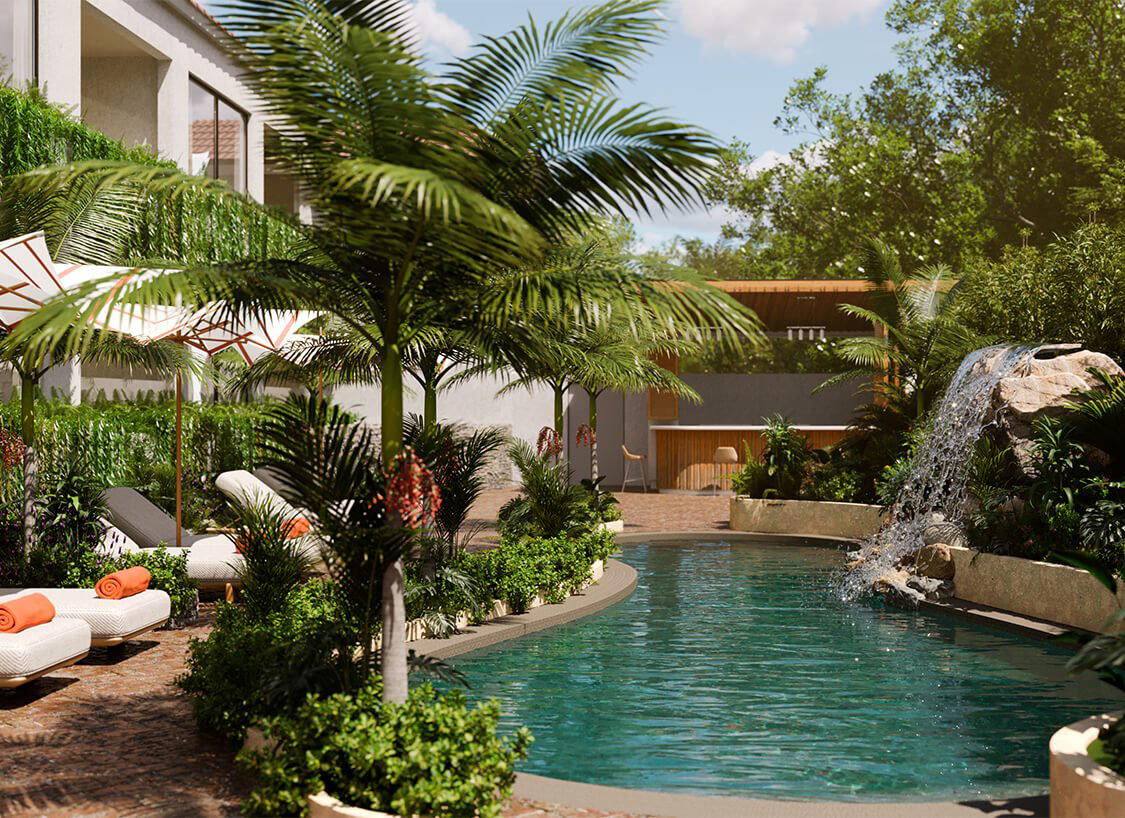
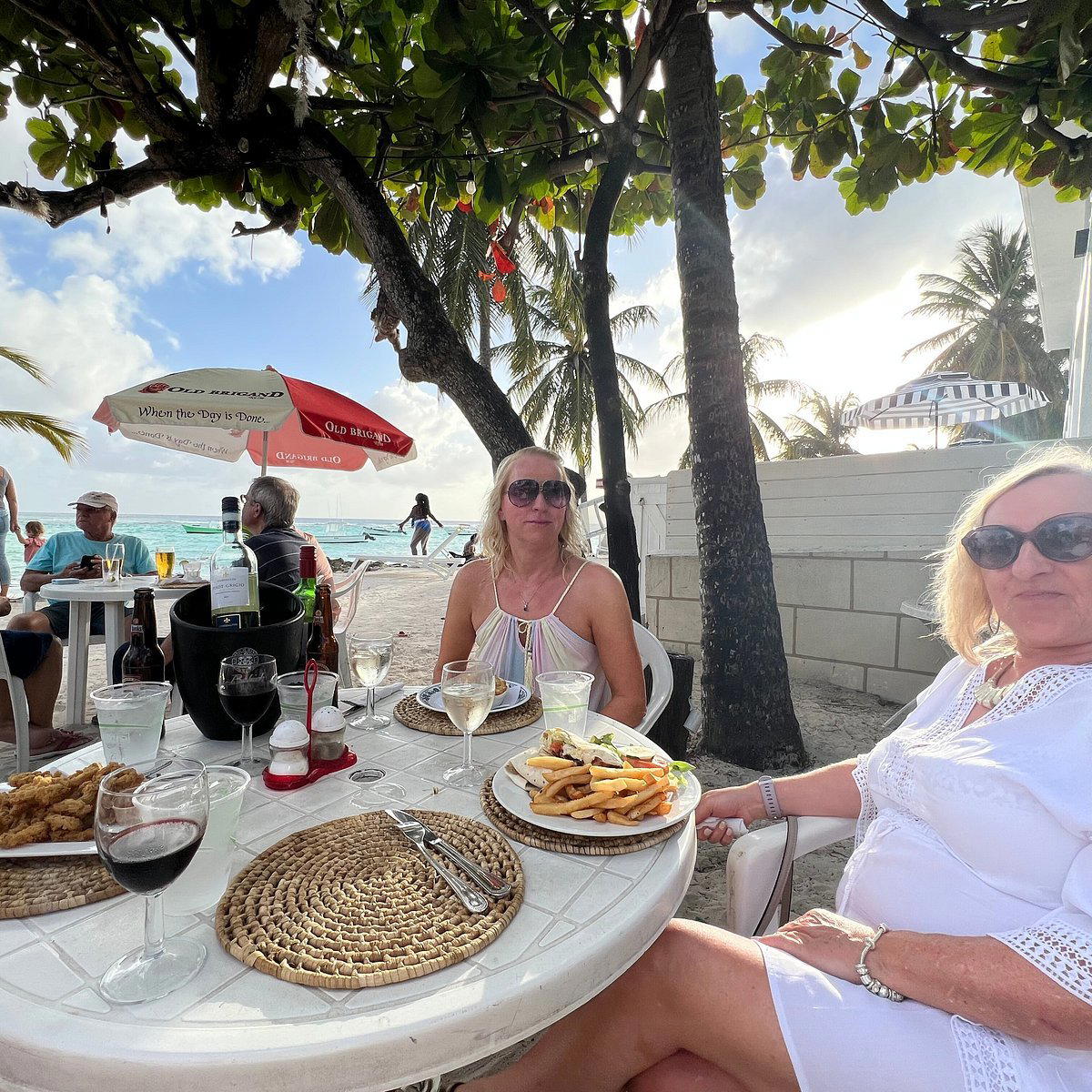
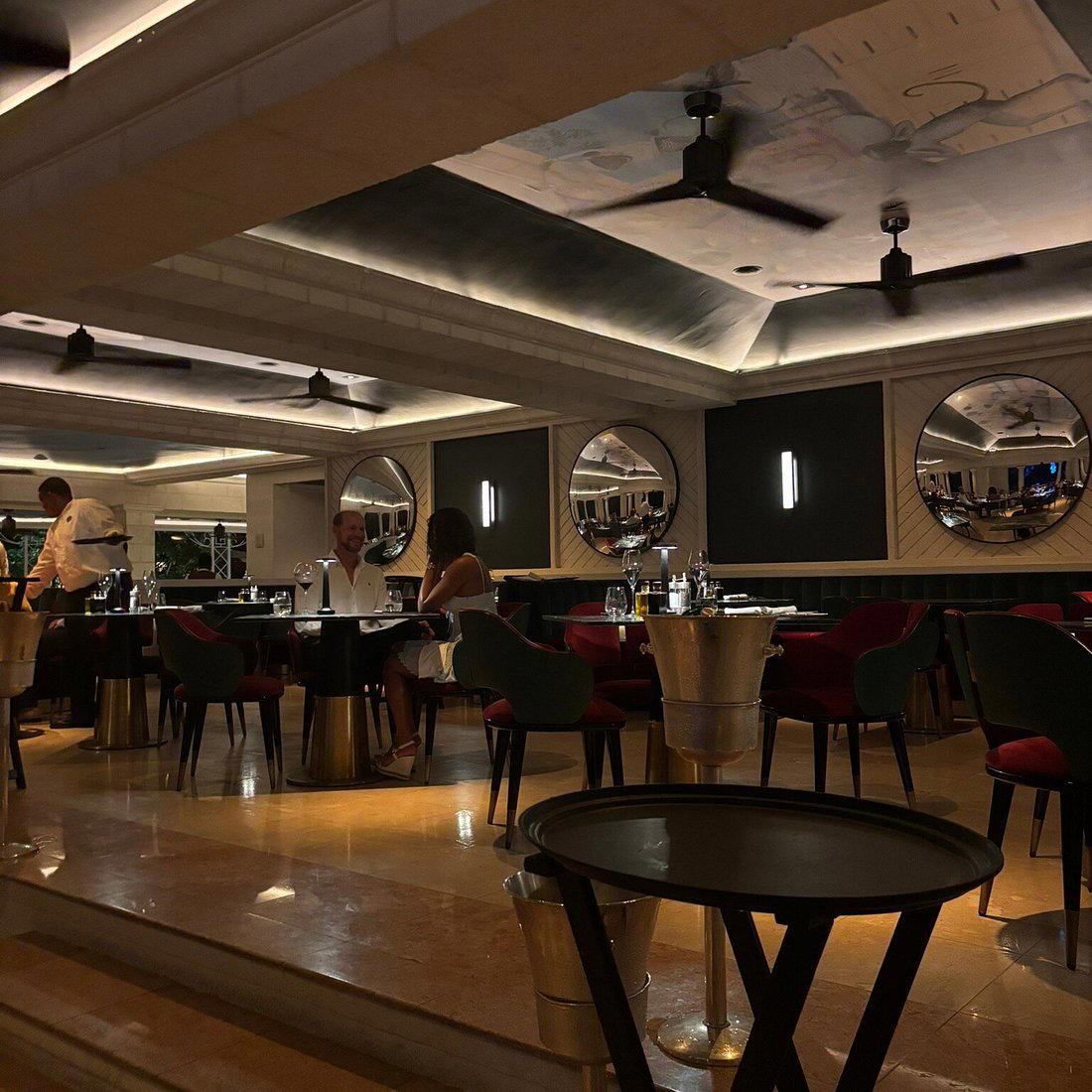
Lively Caribbean atmosphere with tropical pastel decor, lush gardens, and lively entertainment including live music and beachfront relaxation.