Clayoquot Wilderness Lodge


Clayoquot Wilderness Lodge earned Three MICHELIN Keys in 2025, placing it among a small cohort of Canadian wilderness properties recognised at that level. Set in the Bedwell River Valley on Vancouver Island's remote west coast, it operates in the premium tented-camp format where remoteness, ecological context, and the quality of the overnight stay define the guest experience far more than conventional hotel amenities.
Pearl is the En Primeur Club membership app — saves, bookings, and concierge access live there. Same editors, same standards.
- Address
- Bedwell River Valley, Alberni-Clayoquot, BC V0R 2Z0, Canada
- Phone
- +1 250-266-0397
- Website
- clayoquotwildernesslodge.com
- Directions
- Get directions
 Saves & bookings on Pearl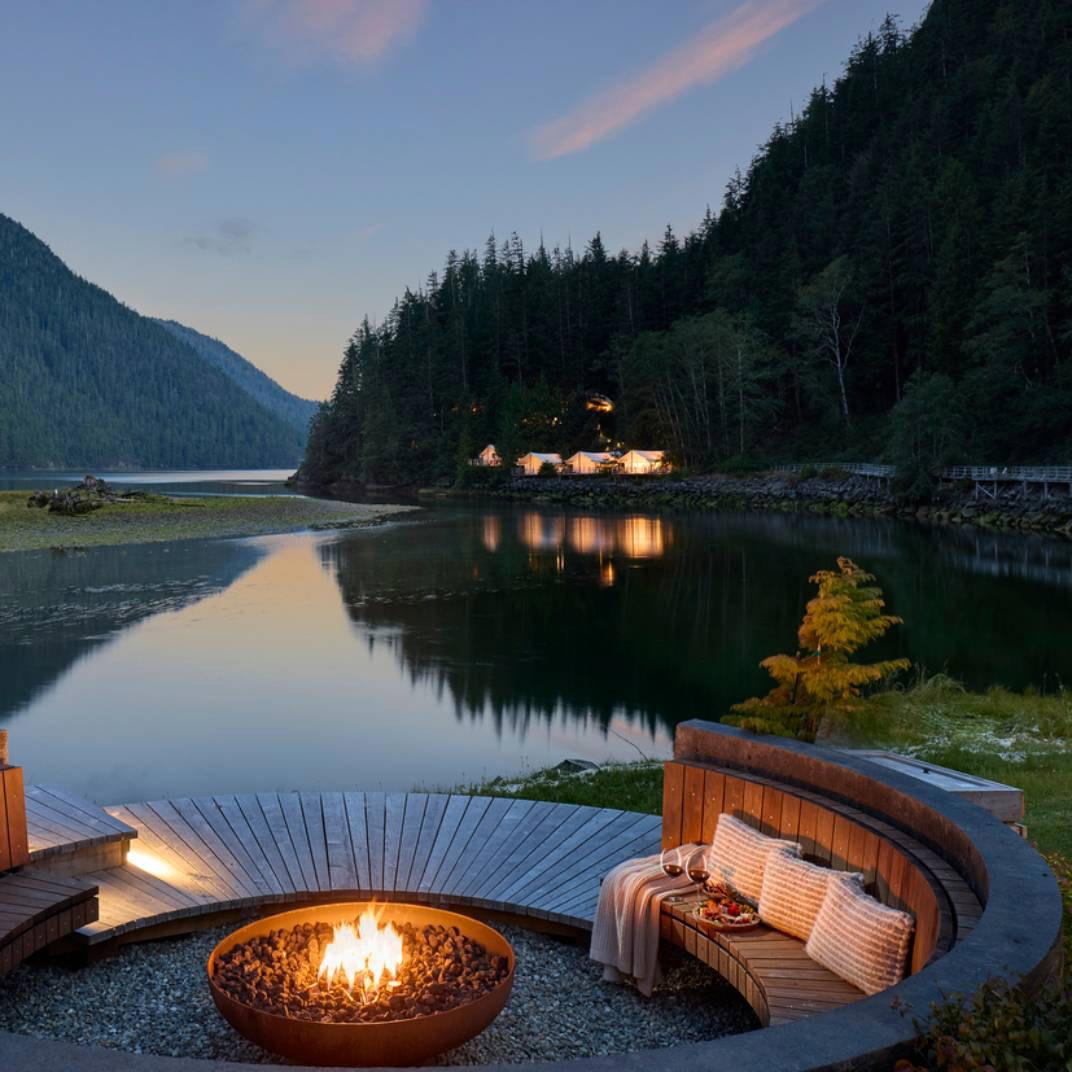
Wilderness Lodging at Its Most Deliberate
The premium wilderness lodge category in Canada has split into two distinct tiers. One tier offers nature proximity with resort-level convenience, easy road access, and amenity stacks borrowed from urban hotels. The other demands more from its guests in exchange for something harder to engineer: genuine remoteness. Clayoquot Wilderness Lodge, set in the Bedwell River Valley deep within the Clayoquot Sound UNESCO Biosphere Reserve on Vancouver Island's exposed west coast, belongs firmly to the second tier. Access requires a floatplane or boat transfer from Tofino, which means arrival itself becomes part of the context. You don't ease into this place from a parking lot.
The 2025 Michelin Keys list recognised Clayoquot with Three MICHELIN Keys, the guide's highest hotel distinction. That credential positions the lodge alongside properties where the quality of the stay is measured against an international standard, not just a regional one. For context, the list also includes Fogo Island Inn in Joe Batt's Arm and Rosewood Hotel Georgia in Vancouver, properties that each occupy a distinct niche but share a seriousness of intent.
The Overnight Experience: What the Room Delivers
Tented safari-camp format that Clayoquot pioneered in the Pacific Northwest asks a specific question of its guests: what does luxury mean when the building material is canvas and the backdrop is old-growth temperate rainforest? The answer, in particularly successful examples of this format globally, is that the room experience pivots away from size and technology toward tactile quality and environmental attunement. At Clayoquot, the guest tents are permanent structures on raised platforms, engineered to hold warmth in a climate that can turn wet and cold even in summer. The proposition is not roughing it with a thread count attached; it is a considered recalibration of what makes a night's sleep feel deliberate rather than merely comfortable.
In the wilderness lodge category, the bathroom and bathing experience often carries disproportionate weight in guest satisfaction. The gap between a basic outdoor shower and a properly appointed ensuite with hot water pressure and quality fixtures is the difference between a glamping product and a lodge that belongs in a premium set. Properties operating at the Three Key level are expected to close that gap entirely. Bedding weight, layering systems for variable nighttime temperatures, and the acoustic quality of the space (what you hear when the generator cuts and the valley goes quiet) are the markers that separate transactional overnight stays from the kind of sleep that guests describe specifically, months later.
The lodge's position within Clayoquot Sound means that the room's relationship to its environment is not decorative. Weather, tides, and the ambient life of the old-growth forest arrive uninvited through the canvas walls in ways that a concrete hotel room cannot replicate. That intimacy is the product. Guests who arrive expecting to be sealed away from conditions will find the format dissonant; guests who understand that the Sound is the amenity will find the overnight stay calibrated accordingly.
Vancouver Island's Wilderness Accommodation Spectrum
Vancouver Island's accommodation offer ranges from accessible oceanfront hotels to properties that require real commitment to reach. Black Rock Oceanfront Resort and Naturally Pacific Resort Campbell River represent the accessible end of that spectrum, where nature context is high but arrival is direct. Hastings House Country House Hotel and Magnolia Hotel and Spa occupy a different niche entirely, offering refined town-based stays in the Gulf Islands and Victoria respectively. The Cabins at Terrace Beach sits in the self-catering coastal cabin format. Clayoquot sits apart from all of them, in a category defined by remoteness, ecological context, and the logistical investment required just to arrive.
That positioning has parallels elsewhere in Canada's premium wilderness market. Villa Eyrie Resort on southern Vancouver Island demonstrates that high elevation and dramatic sightlines can create a premium product without requiring floatplane access, but the experiential register is fundamentally different. The question for any guest choosing between these formats is which kind of isolation they are seeking.
How It Compares Nationally
Among Canada's Three MICHELIN Key properties, the lodge format at Clayoquot competes on different terms than urban hotels. Four Seasons Hotel Toronto, Fairmont Chateau Lake Louise, and Fairmont Banff Springs operate at scale with hundreds of rooms, extensive F&B; programs, and spa infrastructure built for high volume. Clayoquot's limited-capacity model, where the number of tents is deliberately constrained, creates a different density of staff attention and a different quality of quiet. Properties like Manoir Hovey in North Hatley and Hôtel Quintessence in Mont-Tremblant share that low-capacity logic in different regional contexts, and the Le Germain Charlevoix Hotel and Spa in Baie-St-Paul similarly uses landscape as a primary amenity. Internationally, the logic maps to properties like Badrutt's Palace Hotel in St. Moritz or Hôtel de Paris Monte-Carlo, where the staying is inseparable from the setting, even if the settings could not be more different in character.
Planning Your Stay
Clayoquot Wilderness Lodge operates on a seasonal schedule tied to the Pacific Northwest's weather window, which typically runs from late spring through early autumn. Because access depends on float plane or boat transfer from Tofino, arrival logistics need to be arranged through the lodge directly; there is no walk-in option, and last-minute availability at this price and remoteness level is rare. Guests should plan several months ahead for peak summer weeks, when weather is most stable and availability is limited.
Fast Comparison
Comparable venues nearby, for context on price, style, and recognition.
| Venue | Cuisine | Price | Awards | Notes |
|---|---|---|---|---|
| Clayoquot Wilderness LodgeThis venue — the venue you are viewing | luxury wilderness outpost | $$$$ | Not listed | Not listed |
| Magnolia Hotel & Spa | European-style luxury boutique hotel blending Victorian heritage with contemporary design. | $$$$ | 1-Star | Downtown Victoria |
| The Cabins at Terrace Beach | rustic oceanfront cabins and lodge | $$$ | Not listed | Ucluelet |
| Black Rock Oceanfront Resort | Oceanfront resort designed to harmonize with rugged coastal landscape using rock, wood, glass, and steel. | $$$$ | Not listed | Ucluelet |
| Villa Eyrie Resort | Tuscan-inspired European luxury resort set in mountainside wilderness | $$$$ | Not listed | Malahat |
| Hastings House Country House Hotel | Sussex-style country manor with historic suites and cottages | $$$$ | 4-Star | Ganges |
Recognition history
Dated appearances from independent guides and award organizations, with the underlying list record or original source where available.
Robb Report The 50 Greatest Luxury Hotels on Earth
Robb Report · 2026 Robb Report The 50 Greatest Luxury Hotels on Earth
Michelin 3 Keys
Michelin
Continue exploring
More in Vancouver Island
Hotels in Vancouver Island
Browse all →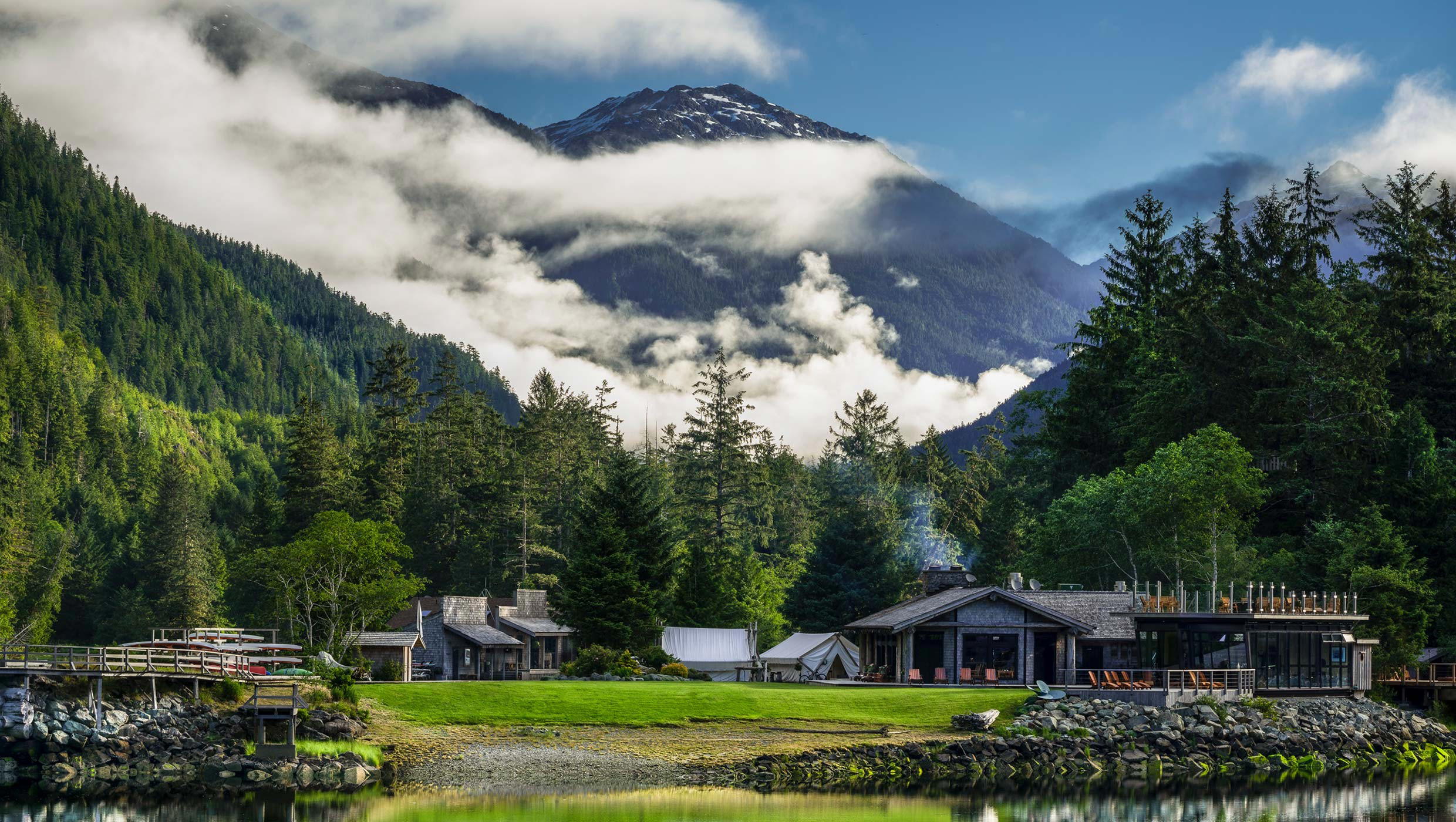
Bars in Vancouver Island
Browse all →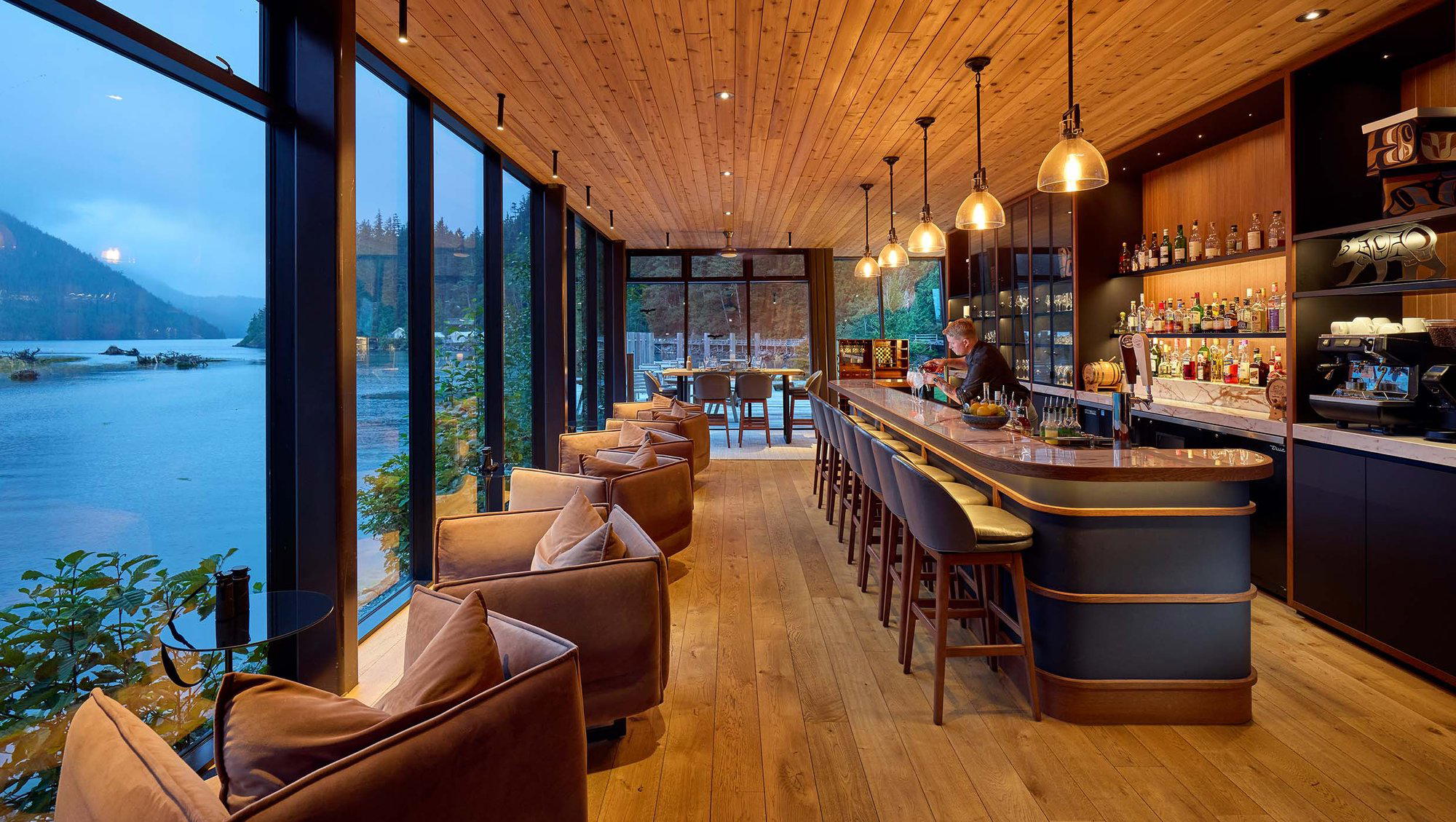
Restaurants in Vancouver Island
Browse all →
At a Glance
- Scenic
- Rustic
- Cozy
- Elegant
- Intimate
- Romantic Getaway
- Family Vacation
- Wellness Retreat
- Weekend Escape
- Group Retreat
- Waterfront
- Panoramic View
- Spa
- Waterfront
- Mountain
- Spa
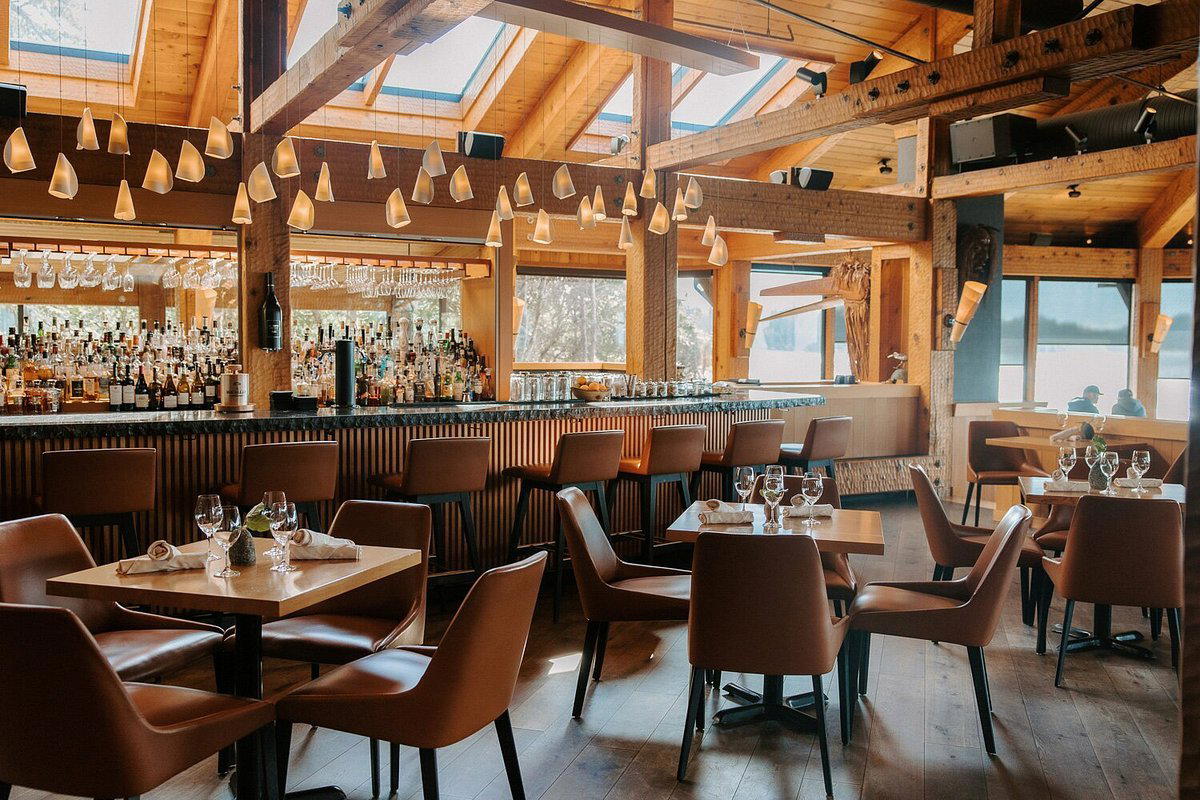
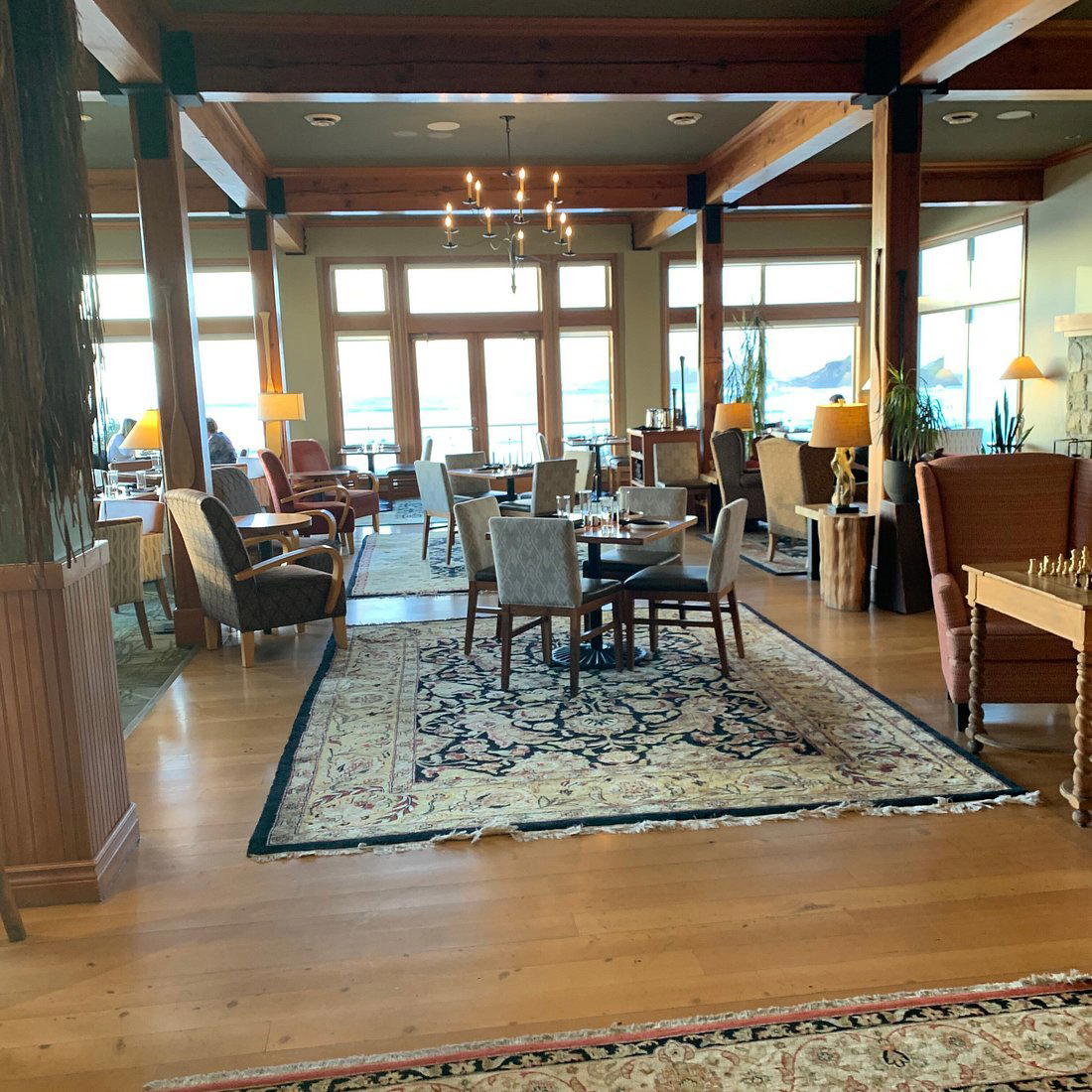
Relaxed luxury wilderness retreat with natural sounds, crackling fires, and dramatic views of estuary and mountains from private tent decks.