Magnolia Hotel & Spa

Magnolia Hotel & Spa sits at the quieter, more considered end of downtown Victoria's accommodation tier, holding a 2025 Michelin Key for hospitality standards that prioritise anticipatory service over scale. The property at 623 Courtney Street positions itself within a comparable set defined by craft, restraint, and close attention to the guest rather than by room count or brand recognition.
Pearl is the En Primeur Club membership app — saves, bookings, and concierge access live there. Same editors, same standards.
- Address
- 623 Courtney St, Vancouver Island, Canada
- Phone
- 1-877-624-6654
- Website
- magnoliahotel.com
 Saves & bookings on Pearl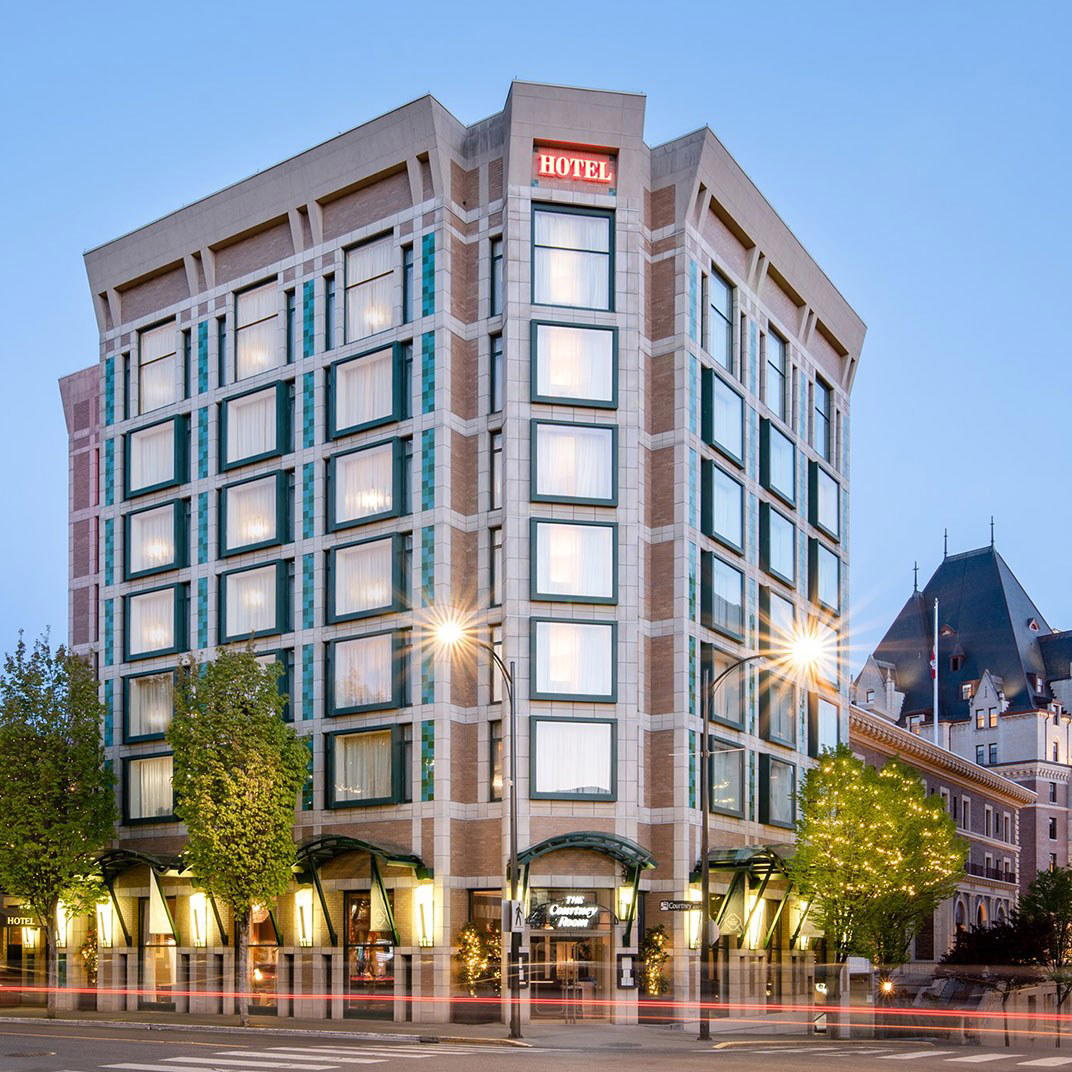
A Certain Stillness on Courtney Street
Magnolia Hotel & Spa is a 1-star hotel in Victoria, Vancouver Island, at 623 Courtney St and priced from about US$250 per night. Victoria's downtown core does not announce itself the way Vancouver does. The streets around the Inner Harbour move at a pace that rewards hotels willing to match that tempo rather than fight it. On Courtney Street, the Magnolia Hotel & Spa occupies that register: a property scaled for attention rather than volume, where the quality of a check-in conversation tends to matter more than the square footage of a lobby atrium. That positioning places it in a specific cohort of Canadian boutique hotels where the service model, not the amenity list, carries the guest experience.
The Michelin Key and What It Signals
In 2025, the Michelin Guide awarded the Magnolia Hotel & Spa one Michelin Key, placing it within Canada's formally recognised tier of hotels where hospitality standards have been independently assessed and verified. The distinction evaluates properties on architecture, interior design, quality of service, and overall guest experience. For a property at this scale, the recognition is a meaningful credential.
Across Canada, Michelin Key hotels span a wide range of formats, from large-footprint landmark properties to tightly edited boutique operations. The Magnolia sits clearly in the latter group, where the ratio of staff attention to guest is the defining metric. That ratio tends to produce a different quality of stay: fewer grand gestures, more consistent execution across the smaller details that compound into a sense of ease.
Service as the Primary Architecture
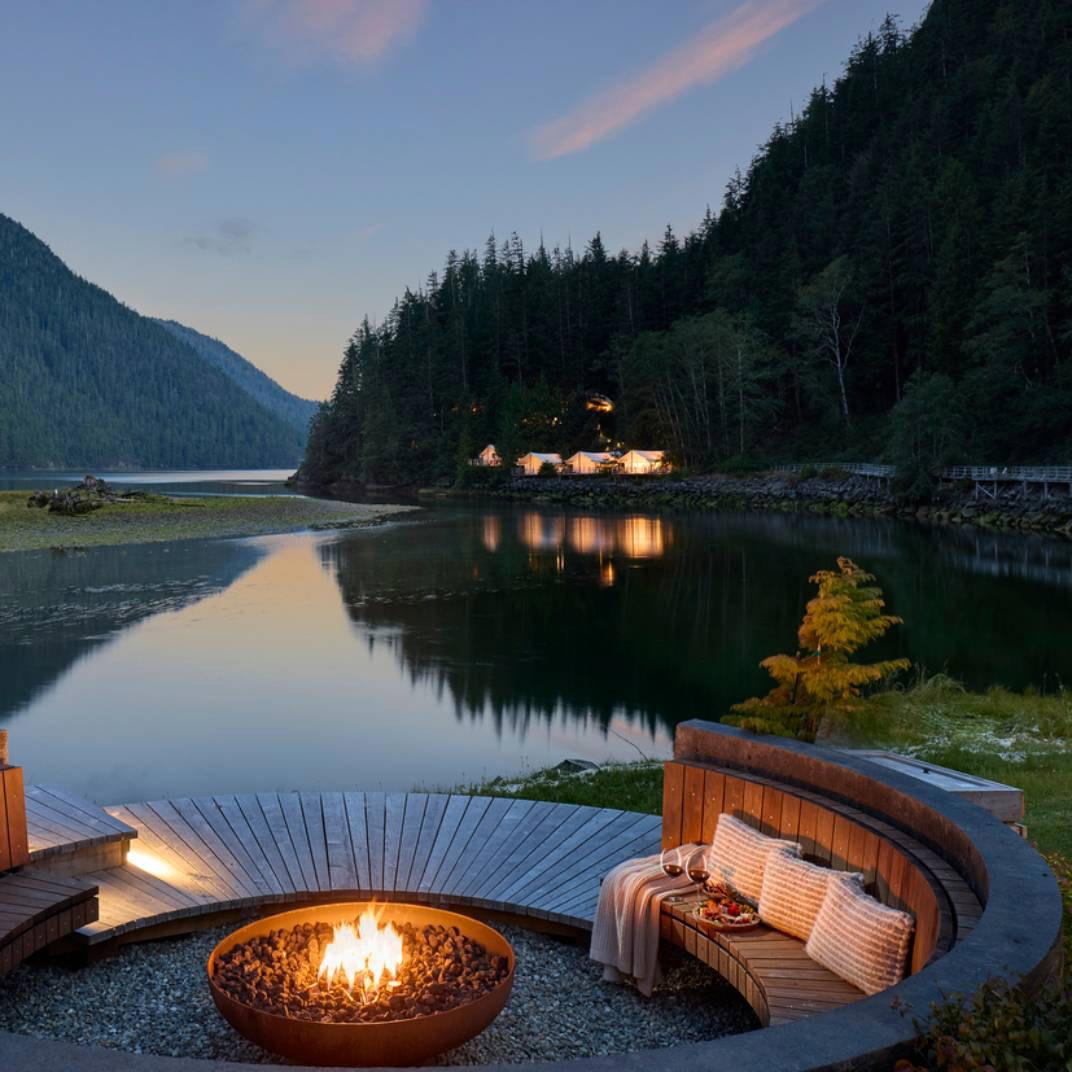
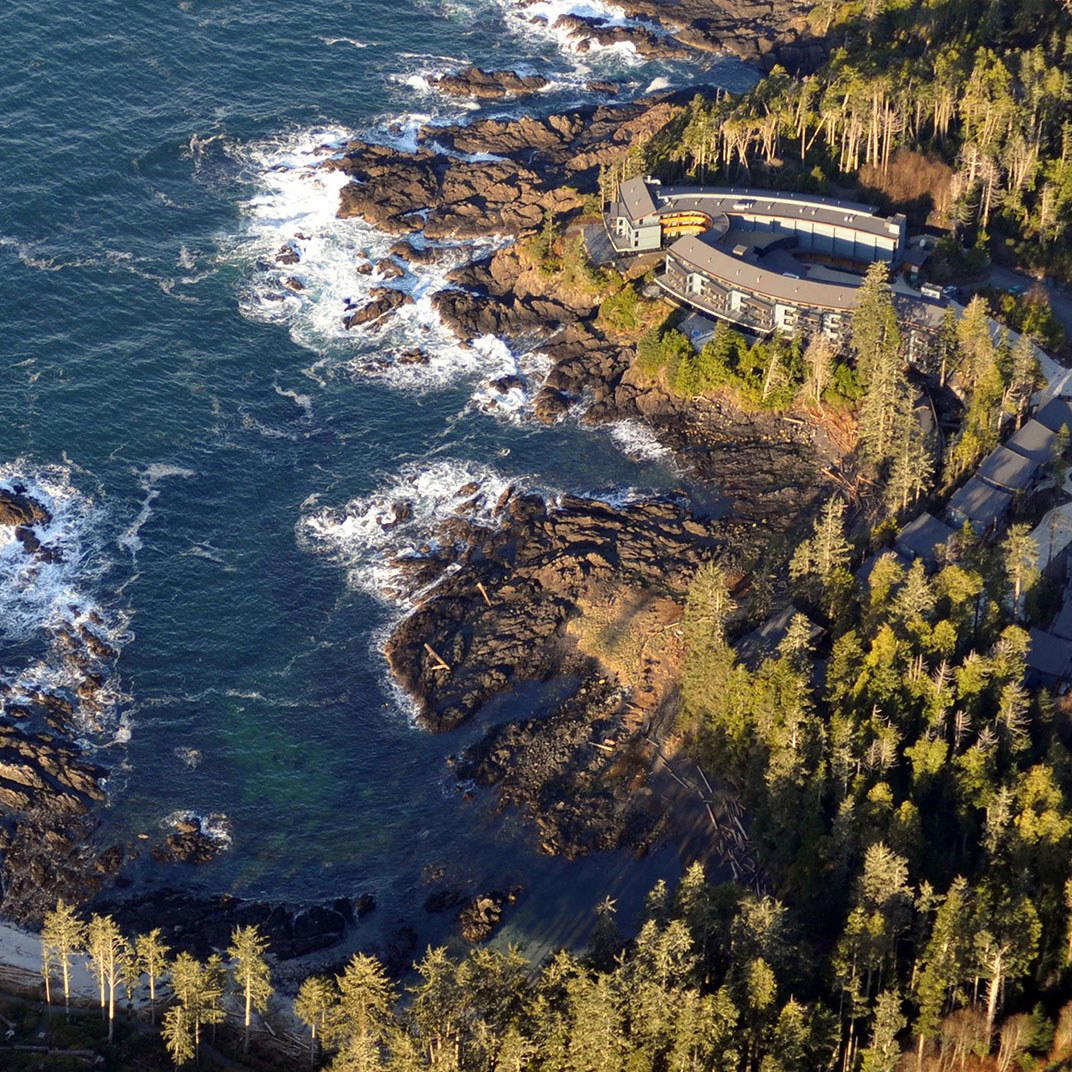
In the boutique hotel category across British Columbia, the split between properties that lead with landscape drama and those that lead with interior craft is fairly pronounced. Coastal operations like Black Rock Oceanfront Resort and Clayoquot Wilderness Lodge position themselves first through the physical environment: the Pacific view, the wilderness access, the sense of removal. Downtown Victoria properties like the Magnolia operate on different logic. The environment outside is walkable, urban, and shared. What differentiates the stay has to come from within the building.
That internal differentiation comes down to staff culture and the ability to respond ahead of the ask across a multi-night stay. Properties that get this right produce a kind of low-friction comfort that is difficult to manufacture at scale but achievable in a hotel with a limited key count and a focused team. The Magnolia's Michelin Key suggests that standard is in place.
For comparison, other Vancouver Island properties earning recognition approach the guest experience from different starting points. Hastings House Country House Hotel leans into the country estate format, where the sense of remove and agricultural setting carry much of the atmosphere. Villa Eyrie Resort works with dramatic elevation and Finlayson Arm views as its primary draw. The Cabins at Terrace Beach offers a self-contained, nature-immersive format that sits outside the urban hotel category entirely. The Magnolia's distinction is that it operates without any of those environmental advantages: it competes purely on the quality of the hospitality it can deliver within a city-centre context.
Victoria's Hotel Tier in Context
Victoria has long sustained a hotel market stratified between large heritage flagships, mid-market chain product, and a smaller layer of independent boutique properties. The Magnolia occupies stronger examples from that independent layer. It does not carry the brand recognition of the Empress or the sheer scale of the Fairmont properties elsewhere in the province, but it operates in a niche where guests are typically choosing it deliberately, on the basis of recommendation or prior experience, rather than through default brand loyalty.
Across Canada's premium independent hotel tier, that kind of intentional guest selection tends to reward properties that over-deliver on service consistency. The Manoir Hovey in North Hatley, the Hôtel Quintessence in Mont-Tremblant, and the Le Germain Charlevoix Hotel & Spa in Baie-St-Paul all operate in this space: independent or small-group properties where the guest relationship is managed more personally than a large brand can sustain. The Magnolia belongs to this cohort by temperament, even if it sits in a different geography and operates at a different price architecture than some of those peers.
Further afield, the contrast sharpens. Properties like Fogo Island Inn on Newfoundland's northeast coast, or the Clayoquot Wilderness Lodge in Tofino, pursue a more extreme version of the boutique ethos, where remoteness and mission-led design are inseparable from the guest experience. The Magnolia's version is more accessible and more repeatable: a property that works as a base for the city as much as a destination in itself, which is a different but equally valid proposition for a certain type of traveller.
Planning a Stay
The hotel sits at 623 Courtney Street in downtown Victoria. Its urban position means it functions well year-round, and the spa on-site makes the property suitable for longer stays.
Cuisine and Awards Snapshot
Comparable venues nearby, for context on price, style, and recognition.
| Venue | Cuisine | Price | Awards | Notes |
|---|---|---|---|---|
| Magnolia Hotel & SpaThis venue — the venue you are viewing | European-style luxury boutique hotel blending Victorian heritage with contemporary design. | $$$$ | 1-Star | Not listed |
| Clayoquot Wilderness Lodge | luxury wilderness outpost | $$$$ | Not listed | Clayoquot Sound |
| Villa Eyrie Resort | Tuscan-inspired European luxury resort set in mountainside wilderness | $$$$ | Not listed | Malahat |
| Black Rock Oceanfront Resort | Oceanfront resort designed to harmonize with rugged coastal landscape using rock, wood, glass, and steel. | $$$$ | Not listed | Ucluelet |
| The Cabins at Terrace Beach | rustic oceanfront cabins and lodge | $$$ | Not listed | Ucluelet |
| Hastings House Country House Hotel | Sussex-style country manor with historic suites and cottages | $$$$ | 4-Star | Ganges |
Recognition history
Dated appearances from independent guides and award organizations, with the underlying list record or original source where available.
Michelin 1 Key
Michelin
Continue exploring
More in Vancouver Island
At a Glance
- Elegant
- Romantic
- Sophisticated
- Intimate
- Romantic Getaway
- Wellness Retreat
- Anniversary
- Weekend Escape
- Destination Spa
- Waterfront
- Historic Building
- Design Destination
- Terrace
- Spa
- Fitness Center
- Restaurant
- Massage
- Room Service
- Concierge
- Waterfront
- Street Scene
- Spa
- Fitness Center
- Restaurant
- Massage
- Room Service
- Concierge
Timeless elegance with contemporary touches, warm West Coast charm, and refined luxury throughout the property.