
Michelin Selected
A Michelin Selected property in Palma's oldest residential quarter, Casa Portella occupies a historic building on Carrer de la Portella, a street whose name traces back to the Arab-era city walls. It sits within the small, specific tier of historic urban conversions in Mallorca, positioned for travellers whose itinerary is built around the old city rather than the coast.

Pearl is the En Primeur Club membership app — saves, bookings, and concierge access live there. Same editors, same standards.
- Address
- C/ de la Portella, 9, Centre, 07001 Palma, Illes Balears, Spain
- Phone
- +34 871 62 62 63
- Website
- portellapalma.com
- Directions
- Get directions
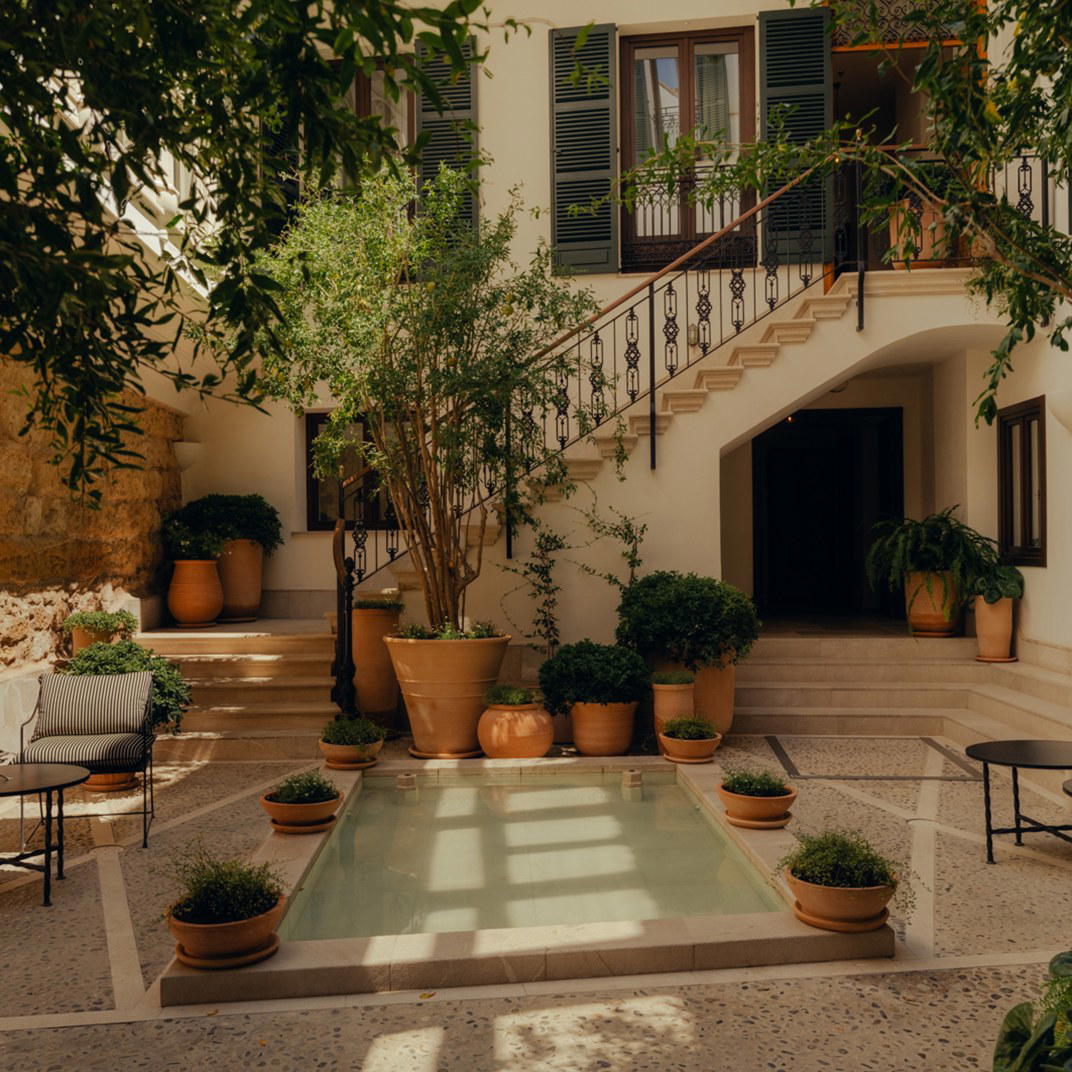
Stone Walls, Medieval Streets, and the Weight of Palma's Old Quarter
Carrer de la Portella is not a street you find by accident. Tucked into the oldest residential quarter of Palma, where the limestone buildings lean close enough to filter the afternoon light into narrow ribbons, it sits a few minutes' walk from the Cathedral but feels removed from the tourist circuit that surrounds it. The address tells you something before you even arrive: this part of the city has been continuously inhabited since at least the Moorish period, and the architecture around Casa Portella reflects centuries of overlay, from Arab-influenced courtyard planning through the Mallorcan Gothic of the 14th and 15th centuries to later patrician modifications. Staying in this neighbourhood is a different proposition from the resort strip or the new marina developments. The frame of reference is the city itself, and its very long memory.
Heritage Hotels in Palma: A Tighter, More Specific Tier
Palma's hotel offer has stratified considerably over the past decade. On one end, international chain properties and large resort complexes dominate the coastal periphery. On the other, a smaller and more considered tier of properties occupies historic palaces, merchant houses, and ecclesiastical buildings within the old city walls. Casa Portella belongs to this second group. Michelin's hotel selection, which recognised Casa Portella in its 2025 edition, has become one of the more reliable signals for this category precisely because it weights atmosphere and specificity of place alongside service consistency, rather than defaulting to brand recognition or room count. For historic urban properties in secondary European cities, that recognition carries weight. The comparison set is not the large resort hotels. It is the sub-50-key historic conversions where building fabric and urban context do most of the work.
The Address as Architecture
In cities like Palma, the building often predates the concept of hospitality by several hundred years. Carrer de la Portella takes its name from the small gate, the portella, that once punctuated the Arab-era city walls near this point. The street itself has shifted function across occupants and centuries, but the structural bones, heavy walls built for the Mediterranean climate, interior courtyards designed to hold shade and cool air, proportionally tall doorways typical of Mallorcan noble housing, remain legible. This is the architectural logic that the heritage hotel tier across Spain has learned to work with rather than against. Properties like Atrio Restaurante Hotel in Cáceres or Terra Dominicata in Escaladei demonstrate the same principle: the historic envelope is the product, and interventions that honour rather than obscure the original fabric tend to age better and attract a more considered traveller. In Palma's context, where the old city is compact and walkable, the location on Carrer de la Portella also means the Cathedral, the Arab Baths, and the Es Baluard contemporary art museum are all within ten minutes on foot.
Mallorcan Heritage and the Island's Wider Hotel Spectrum
Casa Portella's position within the Mallorca hotel scene is easier to understand when you map the island's broader offer. The north and west, around Deià and the Serra de Tramuntana, lean toward larger destination retreats like La Residencia, A Belmond Hotel, Mallorca, where the draw is landscape seclusion and a fully contained experience. Properties like Aethos Mallorca and Bikini Island and Mountain Port de Soller occupy the north-west with a more lifestyle-driven proposition. The east coast, around Canyamel and Artà, hosts Cap Vermell Grand Hotel and Can Simoneta. The south-east has the contemplative Cal Reiet Holistic Retreat. What the rural and coastal properties cannot offer is immediacy of access to Palma's Old Town. For a traveller whose itinerary is built around the city rather than the coastline, the calculation changes. Eating in Palma's wine bars, visiting the Fundació Miró Mallorca, walking the Passeig del Born without requiring a car or a transfer changes the texture of the stay entirely. The island's rural properties are superb for a certain kind of trip; an urban base like Casa Portella serves a different and equally valid one. You can find more context on the Mallorcan hospitality scene in our full Mallorca restaurants guide.
Seasonality and When to Go
Palma's old quarter has a different seasonal logic from the resort coast. While beach-oriented properties on the east and south-east see their sharpest demand compression in July and August, the city operates more evenly across the shoulder months. April, May, September, and October offer the most balanced conditions: temperatures that make walking the old city comfortable, restaurant availability without peak-season pressure, and a version of Palma closer to its year-round resident character. The Cathedral and surrounding streets retain their character regardless of season, but the experience of Carrer de la Portella itself, the quiet of early morning when the light hits the stone in low, raking angles, belongs to a pre-summer or post-summer visit. Properties like Casal Santa Eulalia and Can Aulí elsewhere on the island follow similar shoulder-season logic for those combining a Palma stay with rural exploration. For European travellers, spring and autumn in Mallorca represent a more considered visit than the peak summer weeks, where the island's infrastructure is under maximum pressure.
Planning Your Stay
Casa Portella sits at Carrer de la Portella, 9, in the heart of Palma's historic quarter. Given the Michelin Selected recognition for 2025 and the limited room count typical of historic conversions of this scale, advance booking is advisable, particularly for spring and early autumn dates when Palma's urban appeal is at its highest. The address is within walking distance of the main cathedral, the Palau de l'Almudaina, and the majority of the old city's cultural and dining offer, making it a sensible base for a stay oriented around Palma rather than the beaches. Guests planning wider exploration of Mallorca's hotel scene may want to cross-reference with Cap Rocat in Cala Blava, a converted 19th-century military fortress south of Palma, or look further afield on the Spanish mainland to properties with a similar emphasis on historic architecture and sense of place, including Abadía Retuerta LeDomaine in Teruel or Mandarin Oriental Ritz, Madrid for those building a broader Spain itinerary.
Same-City Peers
Comparable venues nearby, for context on price, style, and recognition.
| Venue | Cuisine | Price | Awards | Notes |
|---|---|---|---|---|
| Casa PortellaThis venue — the venue you are viewing | Restored 17th-century palace with a residential, home-like feel | Not listed | Michelin Selected | Not listed |
| Aethos Mallorca | contemporary Mediterranean retreat | $300–500 | Michelin Selected | Peguera |
| Castillo Hotel Son Vida, a Luxury Collection Hotel | Historic 13th-century castle in classic Spanish country house style on a private hilltop estate. | Not listed | 1 Michelin Key | Son Vida |
| Mandarin Oriental Punta Negra, Mallorca | Contemporary resort blending island heritage with luxury | $750–1,000 | 2 Michelin Keys | Costa d’en Blanes |
| El Vicenç de la Mar | Luxurious beachfront boutique with Mediterranean soul | Not listed | Michelin Selected · La Liste Top Hotels | Cala Sant Vicenç |
| Summum Boutique Hotel, member of Meliá Collection | Luxury boutique hotel housed in a meticulously restored 15th-16th century Gothic palace with contemporary design interventions. | $300–500 | Michelin Selected | Palma Old Town |
Recognition history
Dated appearances from independent guides and award organizations, with the underlying list record or original source where available.
Michelin Selected
Michelin
Continue exploring
More in Mallorca
Hotels in Mallorca
Browse all →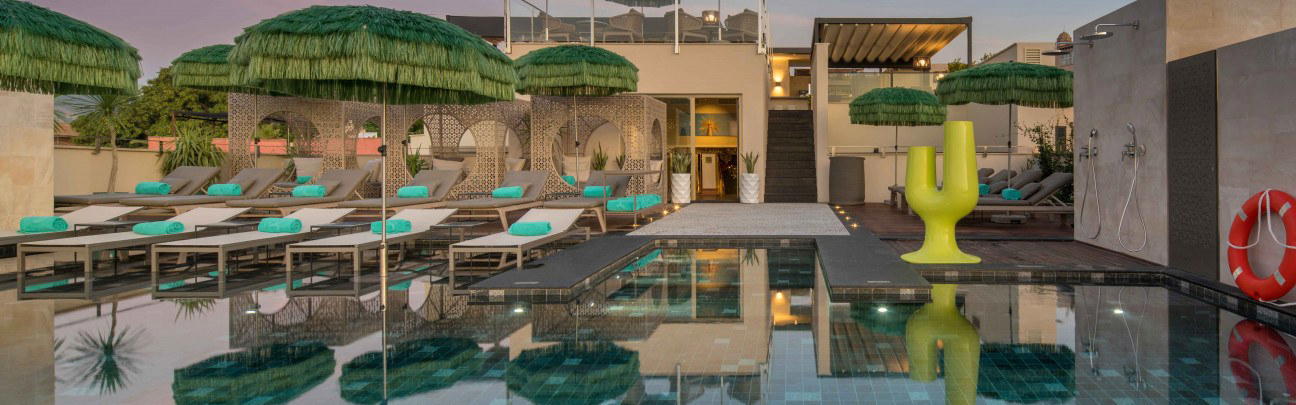
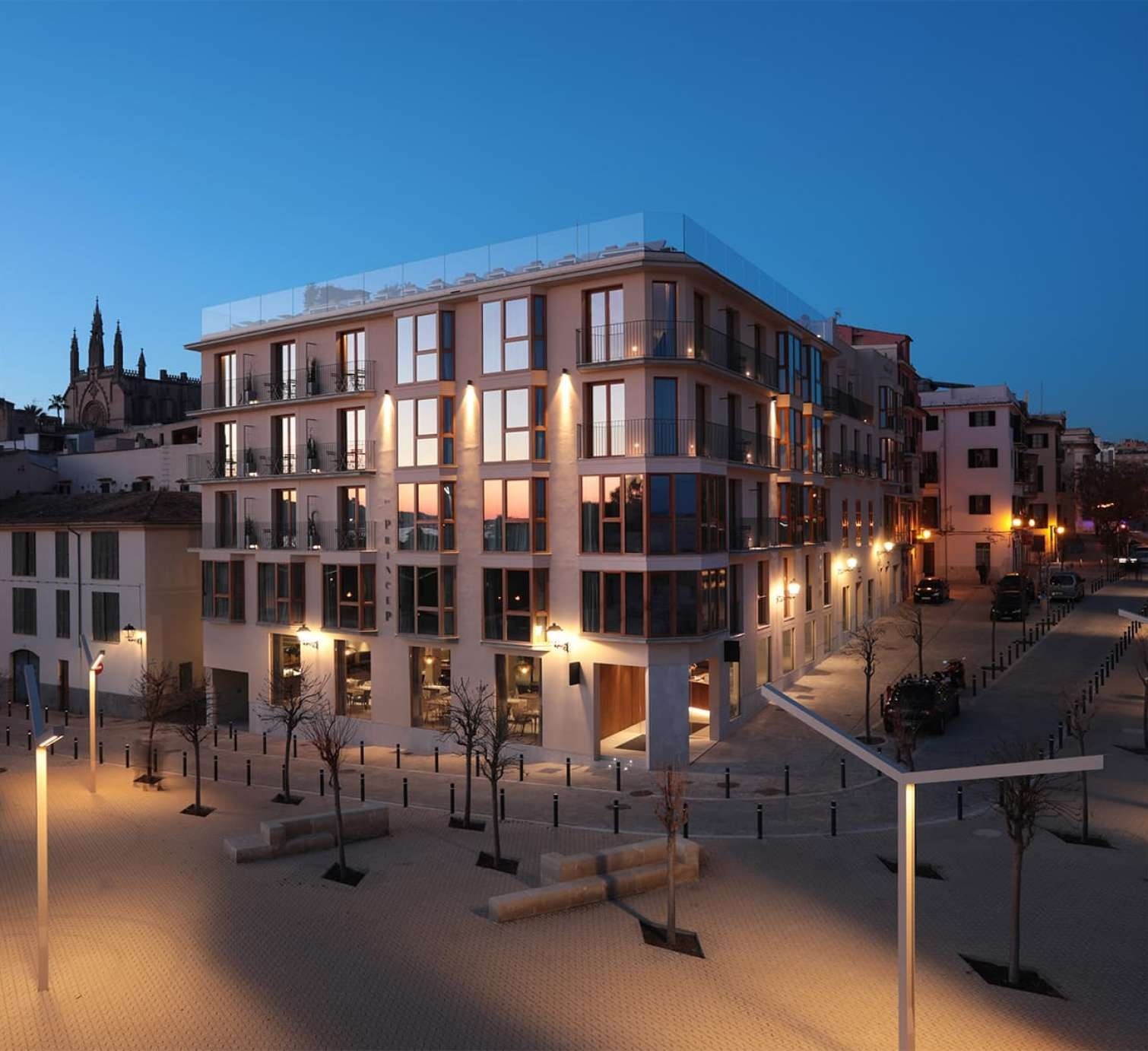
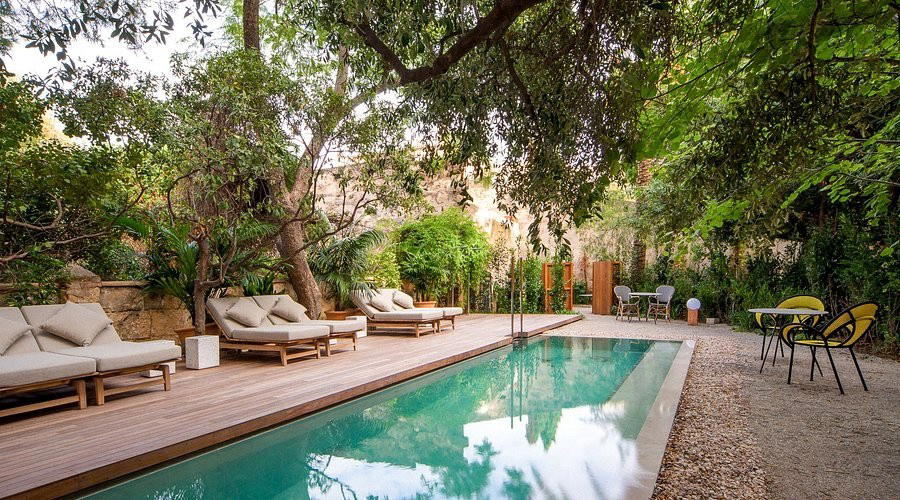
Bars in Mallorca
Browse all →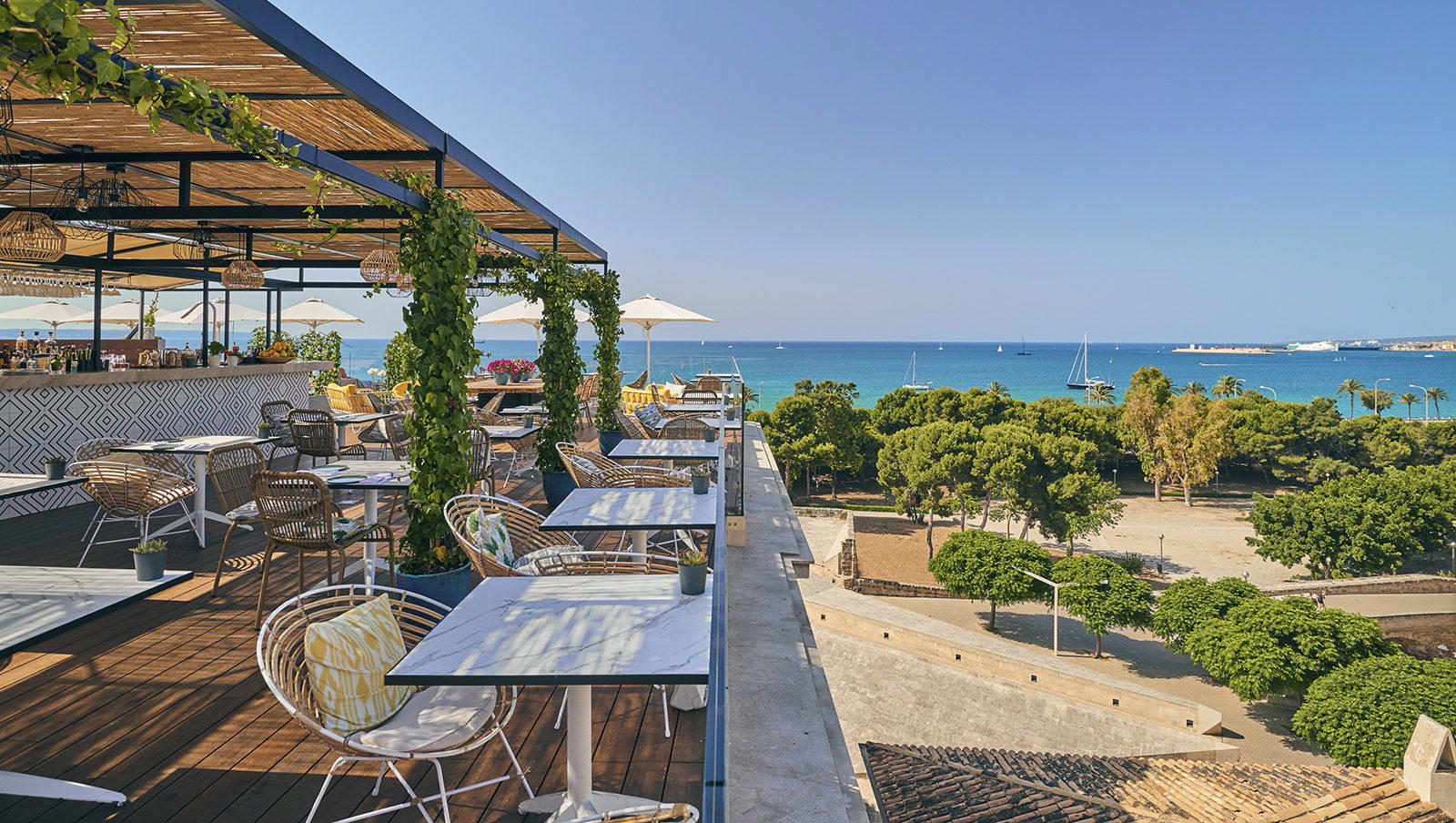
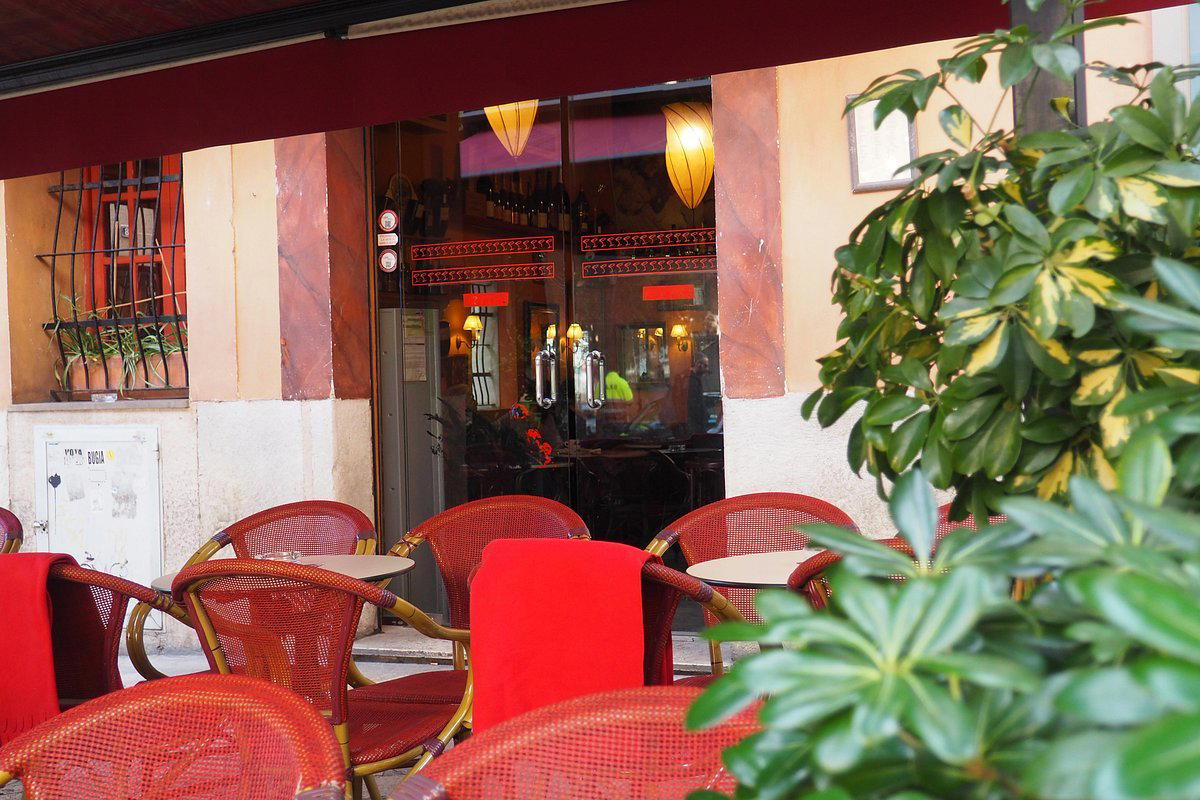
Restaurants in Mallorca
Browse all →
Details
- Quiet
- Elegant
- Intimate
- Minimalist
- Sophisticated
- Romantic Getaway
- Anniversary
- Weekend Escape
- Historic Building
- Terrace
- Wi Fi
- Pool
- Spa
- Fitness Center
- Room Service
- Concierge
- Garden
- Street Scene
- Elevator
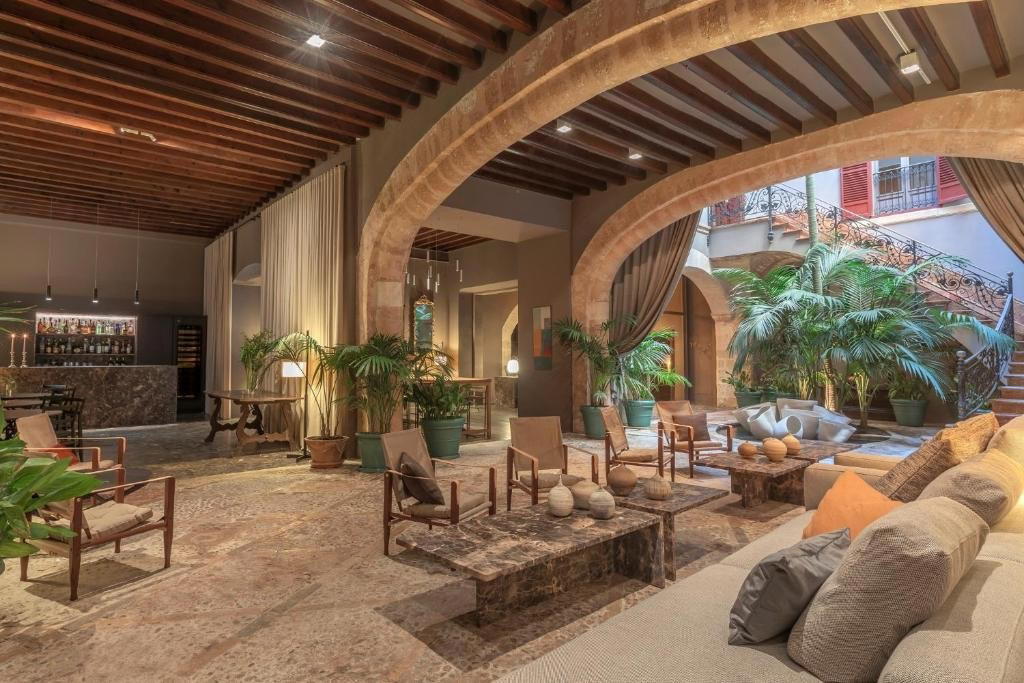
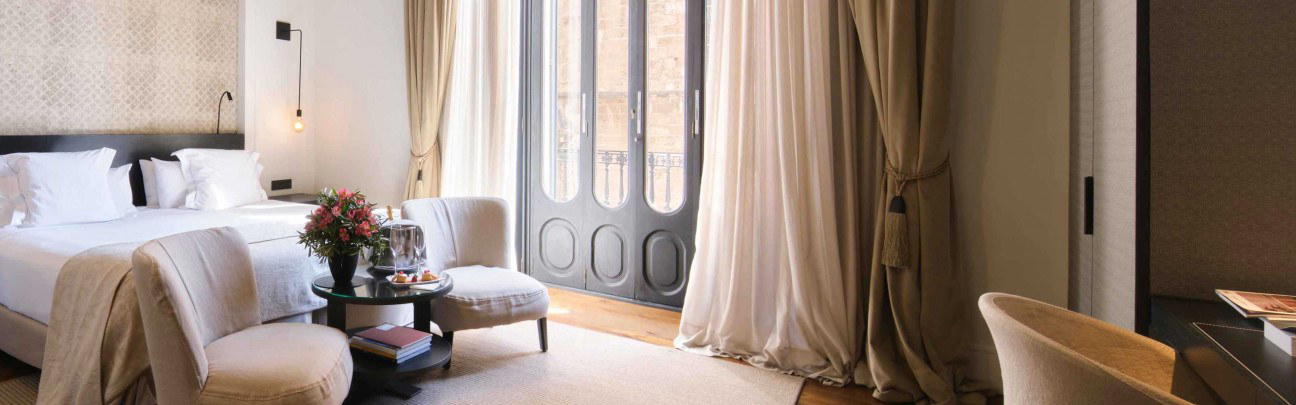
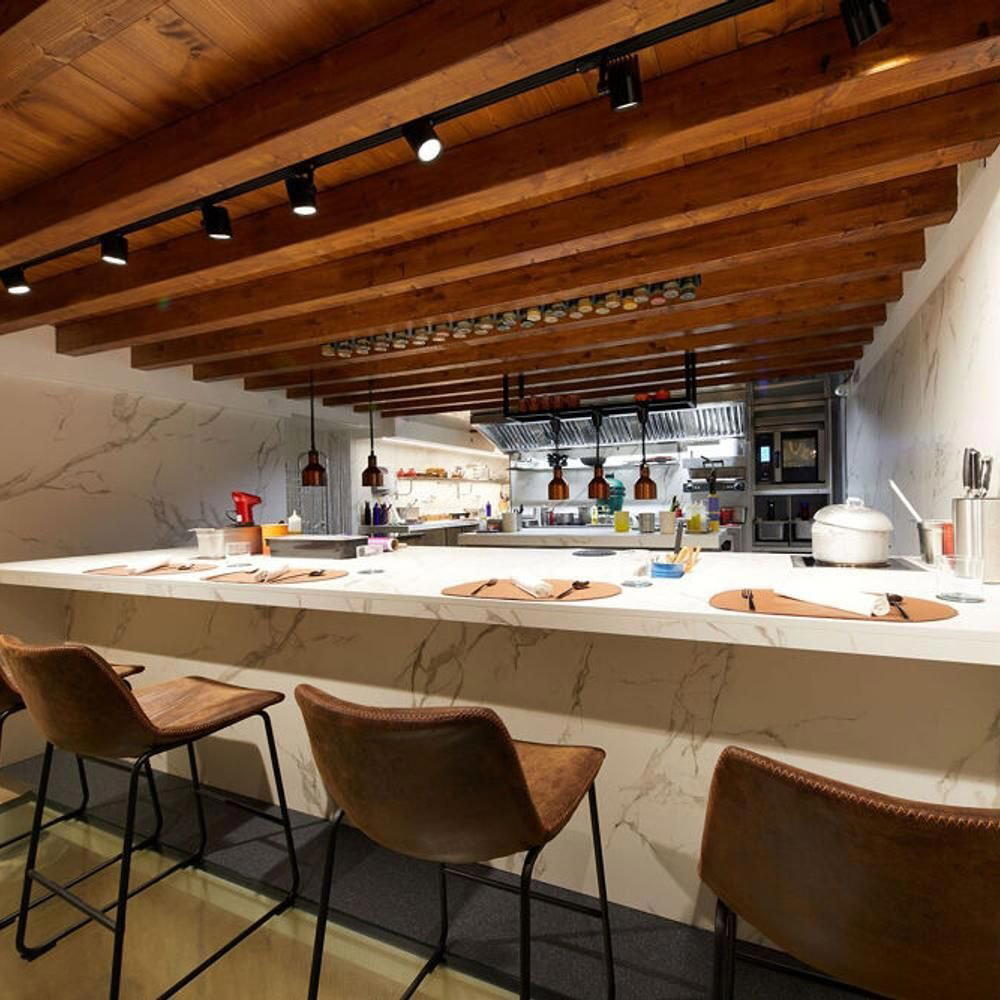
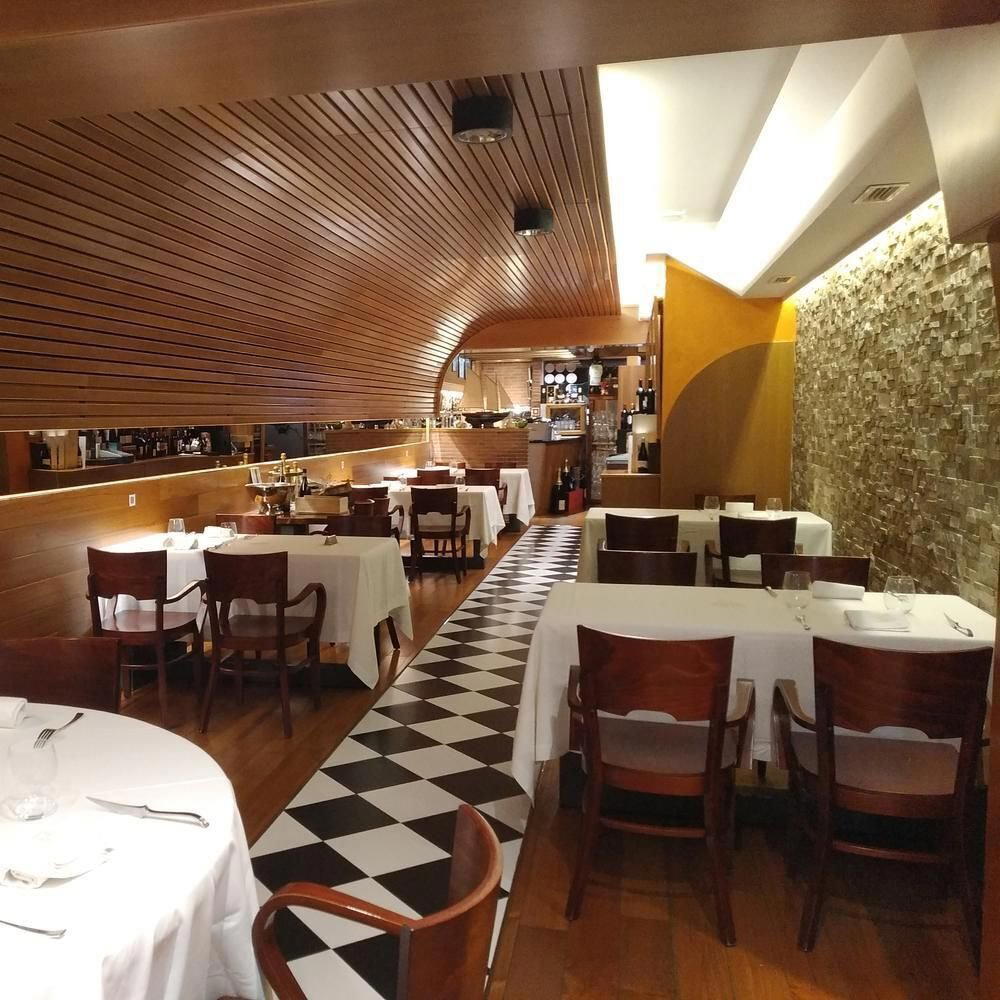
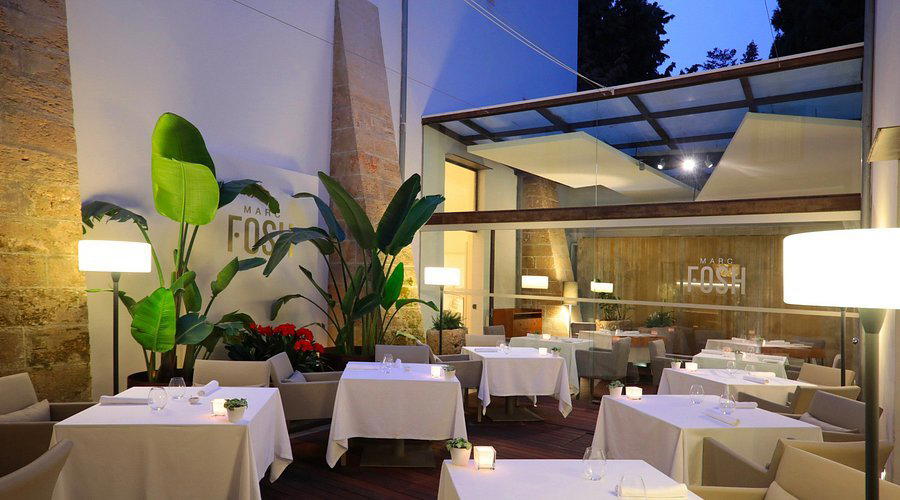
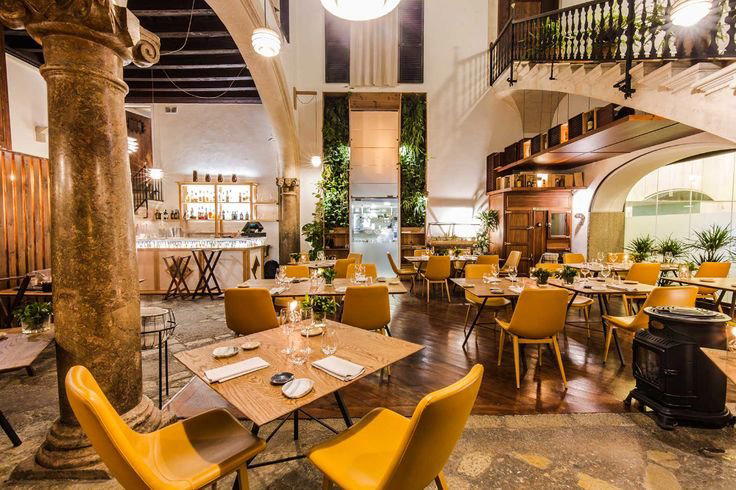
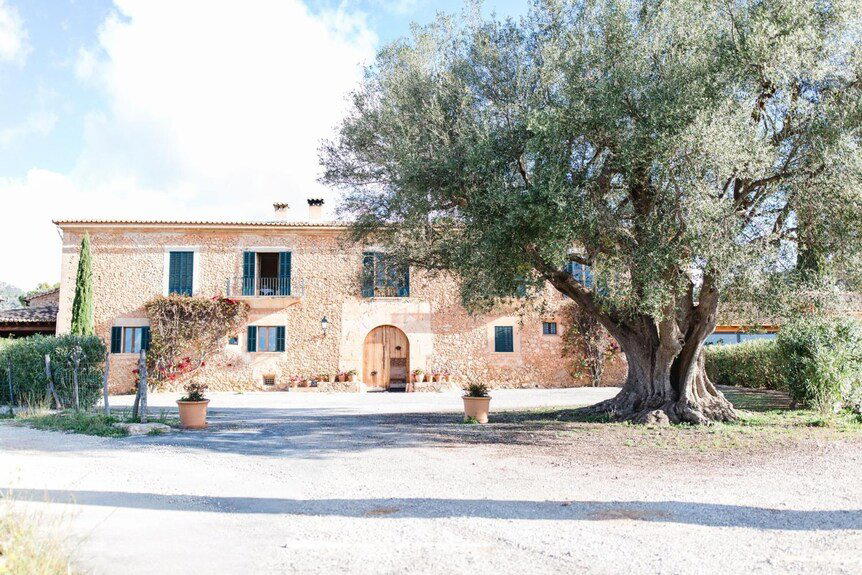
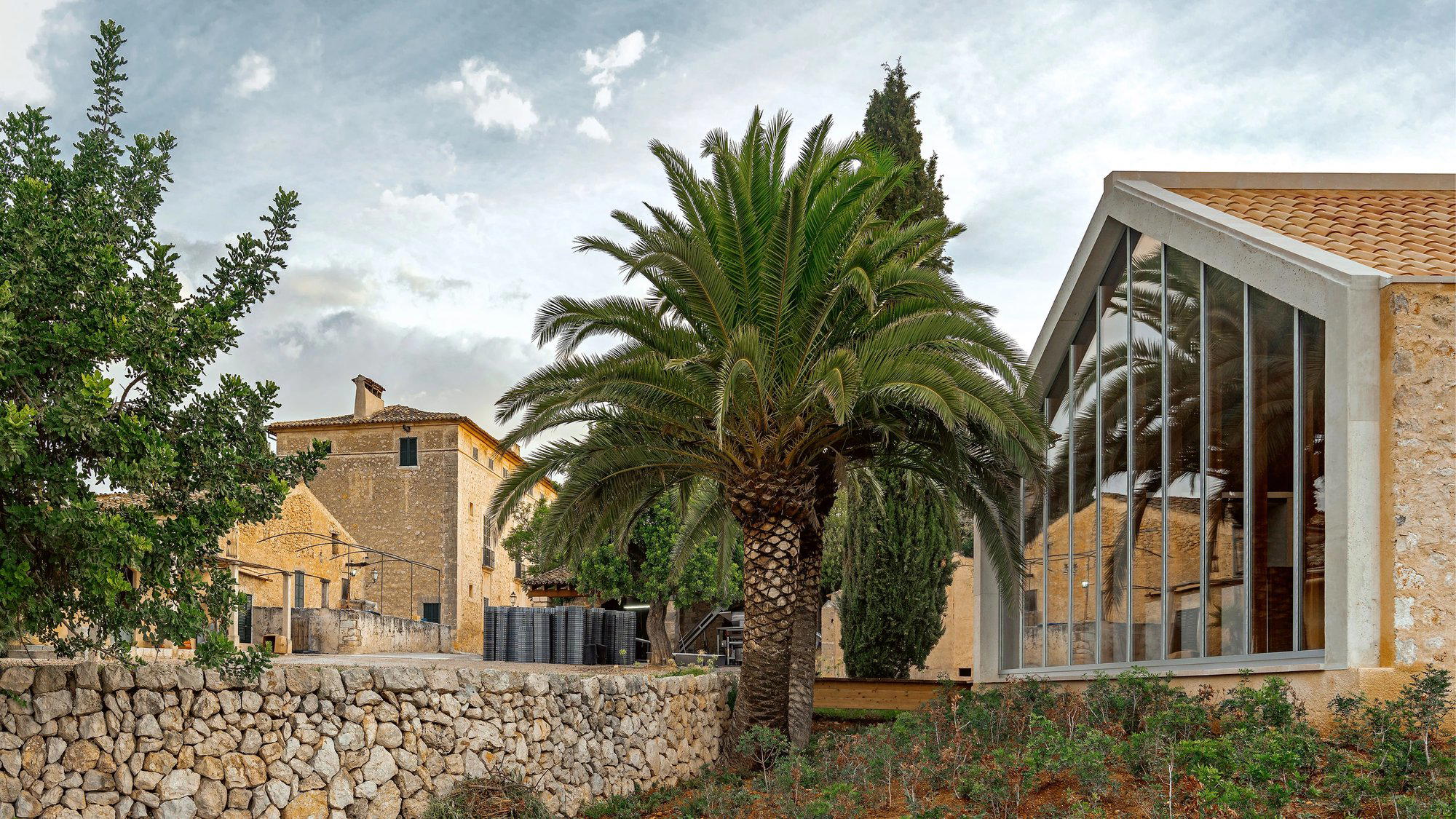
Light-filled spaces with natural hues, organic materials, exposed stone walls, terracotta tiles, and a calm, residential atmosphere.