Jerez and the Architecture of the Andalusian Interior Arriving in Jerez de la Frontera, the city announces itself through layers of history before any single building does. The streets of the old quarter carry the accumulated logic of Moorish planning, Baroque Catholic ambition, and the wine trade wealth that made this corner of Andalusia internationally legible long before tourism arrived in force. It is a city where the built environment does considerable editorial work, and where a property like Casa del Compositor sits within a tradition of repurposed historic structures that runs through Andalusian heritage hospitality more broadly. Properties of this type, housed within walls that predate their current function by centuries, are read differently from purpose-built hotels; the architecture is the primary experience, and everything else is arranged around it. That context matters when considering what Casa del Compositor represents in the Jerez accommodation picture. The city is not a major node on the international luxury circuit in the way Seville functions, and that relative lower profile has historically kept its finer small properties from the scrutiny applied to, say, the Hotel Mercer Sevilla or the Mandarin Oriental Ritz, Madrid. What Jerez offers instead is a denser connection between the physical fabric of a place and the experience of staying in it, less mediated by international brand logic and more dependent on the quality of the property itself. The Physical Vocabulary of a Jerez Heritage Property The design language of Andalusian historic conversions follows a legible grammar: internal courtyards that regulate temperature and light, thick masonry that keeps interiors cool through summer afternoons when street temperatures push past 35°C, tiled floors whose acoustic properties are as functional as they are aesthetic, and ironwork across windows and balconies that signals the building's relationship to the street without surrendering privacy. This vocabulary, refined across centuries, is what gives a property like Casa del Compositor its spatial identity. The name itself, referencing a composer, suggests a building with cultural associations beyond the standard merchant or aristocratic lineage that characterises many of Jerez's converted properties, and that distinction shapes the atmospheric register a visitor would encounter. In the broader context of small heritage hotels across southern Spain, the design-led approach places Casa del Compositor in a cohort that includes properties like Hotel Can Cera in Palma and Caro Hotel in Valencia, both of which use archaeological and architectural layering as their primary narrative. At that end of the market, the quality of the restoration work, the discipline of the interior design choices, and the relationship between original fabric and contemporary intervention are the criteria on which a property's reputation rests, more so than brand affiliation or amenity volume. Jerez as a Context for Staying Slowly Understanding Casa del Compositor requires understanding what Jerez rewards as a destination. This is a city that does not yield its quality quickly. The sherry bodegas that made it famous operate on timescales measured in decades, their solera systems blending wines across generations. The equestrian tradition of the Real Escuela Andaluza del Arte Ecuestre has been continuous for decades. The architecture of the old quarter accumulated its current form across six or seven centuries. A property embedded in that environment works well when it supports what might be called slow attention: the kind of stay where a guest sits in a courtyard for an hour rather than moving through a checklist of activities. That positions the hotel differently from resort-format properties like the Royal Hideaway Corales Resort in Adeje or large-footprint Balearic properties such as Finca Serena Mallorca. The scale of the experience here is necessarily more intimate, and the surrounding city, with its flamenco venues, sherry culture, and November Motorcycle Grand Prix calendar, provides programme density that larger resort destinations build in-house. For the right traveller, the absence of that internal scaffolding is an argument in favour, not against. Jerez also functions as a logical base for the wider Marco de Jerez sherry triangle, with Sanlúcar de Barrameda and El Puerto de Santa María within easy reach. The wine tradition of the region is among Spain's most complex and least fully understood by international audiences, which makes the area a strong choice for visitors with a serious interest in viticulture. For those approaching Spain's wine regions more broadly, the contrast with production-focused wine hotel experiences like Abadía Retuerta LeDomaine or Terra Dominicata in Escaladei is instructive. Jerez represents a different register entirely: urban, historic, and culturally layered rather than vineyard-immersive. The limited publicly available data on the hotel, with no listed phone, website, or booking channel in the standard directories, is itself a signal common to small independent properties in secondary Spanish cities. It does not indicate closure or obscurity so much as it reflects how a certain tier of Jerez hospitality operates: through word of mouth, through local booking intermediaries, and through the kind of curation that platforms like EP Club provide. The appropriate approach for booking is through a travel specialist familiar with the Jerez market or through direct contact with the property once identified through local sources. Visitors planning a stay during the Feria del Caballo in May or around the Motorcycle Grand Prix in late October or November should plan considerably further ahead, as Jerez's limited premium accommodation is absorbed quickly during those periods. For context on what the Andalusian heritage hotel experience can offer at its most developed, the Hotel Mercer Sevilla provides a useful comparison point: a property where Roman archaeological layers, medieval walls, and contemporary design coexist within a single building. The hotel operates in the same regional tradition, if at a different scale and with less international visibility. Other properties elsewhere in Spain where historic architecture functions as the primary experiential argument include Atrio Restaurante Hotel in Cáceres and Mas de Torrent Hotel and Spa in Torrent, both of which demonstrate how far this approach can be taken when the physical material is rich enough and the restoration discipline is strong. Jerez's own building stock is more than sufficient to support that level of ambition. Frequently Asked Questions What is the vibe at the hotel?The atmosphere reflects Jerez itself: unhurried, architecturally serious, and oriented around the rhythms of Andalusian daily life rather than international luxury convention. It sits in the quieter end of the Jerez accommodation spectrum, closer in register to small heritage properties elsewhere in southern Spain than to the polished international hotel tier represented by the Mandarin Oriental Ritz, Madrid. Pricing details are not publicly confirmed in standard directories, which is consistent with how independent properties in this city typically operate.What room should I choose at the hotel?In Andalusian heritage conversions of this type, rooms with direct courtyard access or balcony positions overlooking an internal patio typically represent the highest-value configurations, both for light and for acoustic separation from street noise. Style-wise, expect the regional vocabulary of tiled floors, high ceilings, and ironwork over openings, though specific interior treatments are not confirmed.What is the defining thing about the hotel?The name's reference to a composer, unusual in a city where most heritage property names derive from wine, equestrian, or aristocratic lineages, implies a building with a distinct cultural biography. That cultural specificity, embedded in a city with as much architectural layering as Jerez, is the primary point of differentiation. No awards data is currently recorded in public directories, but the property's position in the Jerez old quarter places it within walking distance of the bodegas, the cathedral quarter, and the equestrian school.Should I book the hotel in advance?No website or direct phone contact is listed in standard directories, which means booking requires either a specialist travel intermediary or direct inquiry through local Jerez channels. During high-demand periods, specifically the Feria del Caballo in May and the Motorcycle Grand Prix in late October or November, the city's limited premium accommodation fills early. Booking several months ahead for those windows is the practical approach.How does the hotel relate to the sherry culture Jerez is known for?The property's location within the historic centre of Jerez places it at the intersection of the city's two dominant cultural exports: sherry production and flamenco. The major bodegas, including those open for guided visits, are concentrated in and around the old quarter, making a heritage property in that zone a natural base for wine-focused itineraries. For travellers comparing wine-region hotel experiences across Spain, the urban, culture-first approach here differs substantially from estate-based properties like Terra Dominicata in Escaladei or Abadía Retuerta LeDomaine.For further context on where the hotel sits within the wider Jerez hospitality picture, see our full Jerez restaurants guide. Those planning a longer Andalusian circuit may also find the Hotel Mercer Sevilla a useful reference point for the urban heritage hotel category in the region.

Pearl is the En Primeur Club membership app — saves, bookings, and concierge access live there. Same editors, same standards.
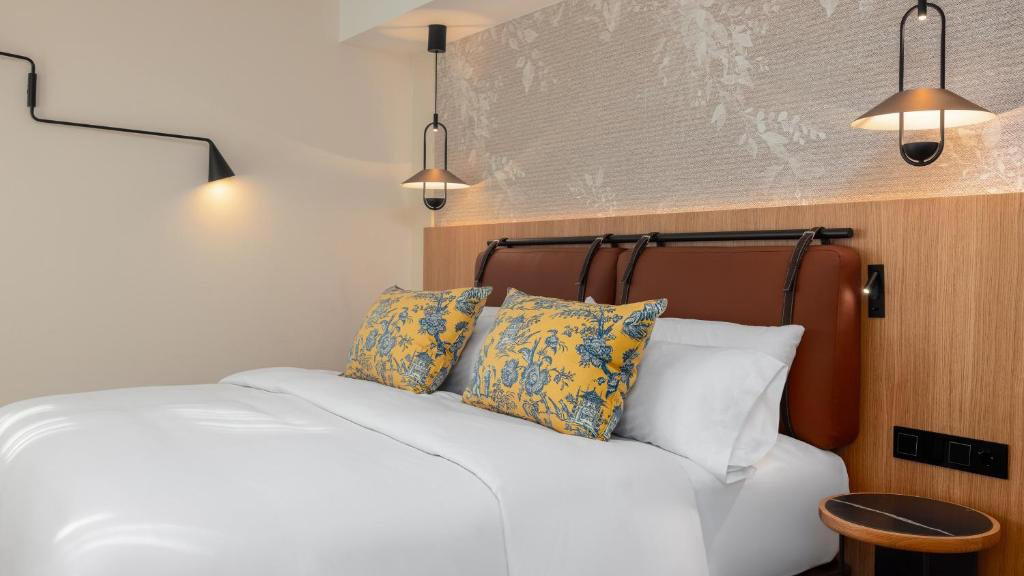
Jerez and the Architecture of the Andalusian Interior
Arriving in Jerez de la Frontera, the city announces itself through layers of history before any single building does. The streets of the old quarter carry the accumulated logic of Moorish planning, Baroque Catholic ambition, and the wine trade wealth that made this corner of Andalusia internationally legible long before tourism arrived in force. It is a city where the built environment does considerable editorial work, and where a property like Casa del Compositor sits within a tradition of repurposed historic structures that runs through Andalusian heritage hospitality more broadly. Properties of this type, housed within walls that predate their current function by centuries, are read differently from purpose-built hotels; the architecture is the primary experience, and everything else is arranged around it.
That context matters when considering what Casa del Compositor represents in the Jerez accommodation picture. The city is not a major node on the international luxury circuit in the way Seville functions, and that relative lower profile has historically kept its finer small properties from the scrutiny applied to, say, the Hotel Mercer Sevilla or the Mandarin Oriental Ritz, Madrid. What Jerez offers instead is a denser connection between the physical fabric of a place and the experience of staying in it, less mediated by international brand logic and more dependent on the quality of the property itself.
The Physical Vocabulary of a Jerez Heritage Property
The design language of Andalusian historic conversions follows a legible grammar: internal courtyards that regulate temperature and light, thick masonry that keeps interiors cool through summer afternoons when street temperatures push past 35°C, tiled floors whose acoustic properties are as functional as they are aesthetic, and ironwork across windows and balconies that signals the building's relationship to the street without surrendering privacy. This vocabulary, refined across centuries, is what gives a property like Casa del Compositor its spatial identity. The name itself, referencing a composer, suggests a building with cultural associations beyond the standard merchant or aristocratic lineage that characterises many of Jerez's converted properties, and that distinction shapes the atmospheric register a visitor would encounter.
In the broader context of small heritage hotels across southern Spain, the design-led approach places Casa del Compositor in a cohort that includes properties like Hotel Can Cera in Palma and Caro Hotel in Valencia, both of which use archaeological and architectural layering as their primary narrative. At that end of the market, the quality of the restoration work, the discipline of the interior design choices, and the relationship between original fabric and contemporary intervention are the criteria on which a property's reputation rests, more so than brand affiliation or amenity volume.
Jerez as a Context for Staying Slowly
Understanding Casa del Compositor requires understanding what Jerez rewards as a destination. This is a city that does not yield its quality quickly. The sherry bodegas that made it famous operate on timescales measured in decades, their solera systems blending wines across generations. The equestrian tradition of the Real Escuela Andaluza del Arte Ecuestre has been continuous for decades. The architecture of the old quarter accumulated its current form across six or seven centuries. A property embedded in that environment works well when it supports what might be called slow attention: the kind of stay where a guest sits in a courtyard for an hour rather than moving through a checklist of activities.
That positions the hotel differently from resort-format properties like the Royal Hideaway Corales Resort in Adeje or large-footprint Balearic properties such as Finca Serena Mallorca. The scale of the experience here is necessarily more intimate, and the surrounding city, with its flamenco venues, sherry culture, and November Motorcycle Grand Prix calendar, provides programme density that larger resort destinations build in-house. For the right traveller, the absence of that internal scaffolding is an argument in favour, not against.
Jerez also functions as a logical base for the wider Marco de Jerez sherry triangle, with Sanlúcar de Barrameda and El Puerto de Santa María within easy reach. The wine tradition of the region is among Spain's most complex and least fully understood by international audiences, which makes the area a strong choice for visitors with a serious interest in viticulture. For those approaching Spain's wine regions more broadly, the contrast with production-focused wine hotel experiences like Abadía Retuerta LeDomaine or Terra Dominicata in Escaladei is instructive. Jerez represents a different register entirely: urban, historic, and culturally layered rather than vineyard-immersive.
The limited publicly available data on the hotel, with no listed phone, website, or booking channel in the standard directories, is itself a signal common to small independent properties in secondary Spanish cities. It does not indicate closure or obscurity so much as it reflects how a certain tier of Jerez hospitality operates: through word of mouth, through local booking intermediaries, and through the kind of curation that platforms like EP Club provide. The appropriate approach for booking is through a travel specialist familiar with the Jerez market or through direct contact with the property once identified through local sources. Visitors planning a stay during the Feria del Caballo in May or around the Motorcycle Grand Prix in late October or November should plan considerably further ahead, as Jerez's limited premium accommodation is absorbed quickly during those periods.
For context on what the Andalusian heritage hotel experience can offer at its most developed, the Hotel Mercer Sevilla provides a useful comparison point: a property where Roman archaeological layers, medieval walls, and contemporary design coexist within a single building. The hotel operates in the same regional tradition, if at a different scale and with less international visibility. Other properties elsewhere in Spain where historic architecture functions as the primary experiential argument include Atrio Restaurante Hotel in Cáceres and Mas de Torrent Hotel and Spa in Torrent, both of which demonstrate how far this approach can be taken when the physical material is rich enough and the restoration discipline is strong. Jerez's own building stock is more than sufficient to support that level of ambition.
How It Stacks Up
| Venue | Cuisine |
|---|---|
| Casa del Compositor | This venue |
| Mandarin Oriental Ritz, Madrid | Michelin 3 Key, World's 50 Best |
| Four Seasons Hotel Madrid | Michelin 2 Key, World's 50 Best |
| Mandarin Oriental Barcelona | Michelin 2 Key |
| La Residencia, A Belmond Hotel, Mallorca | Michelin 2 Key |
| Rosewood Villa Magna | Michelin 2 Key |
Continue exploring
More in Jerez
Wineries in Jerez
Browse all →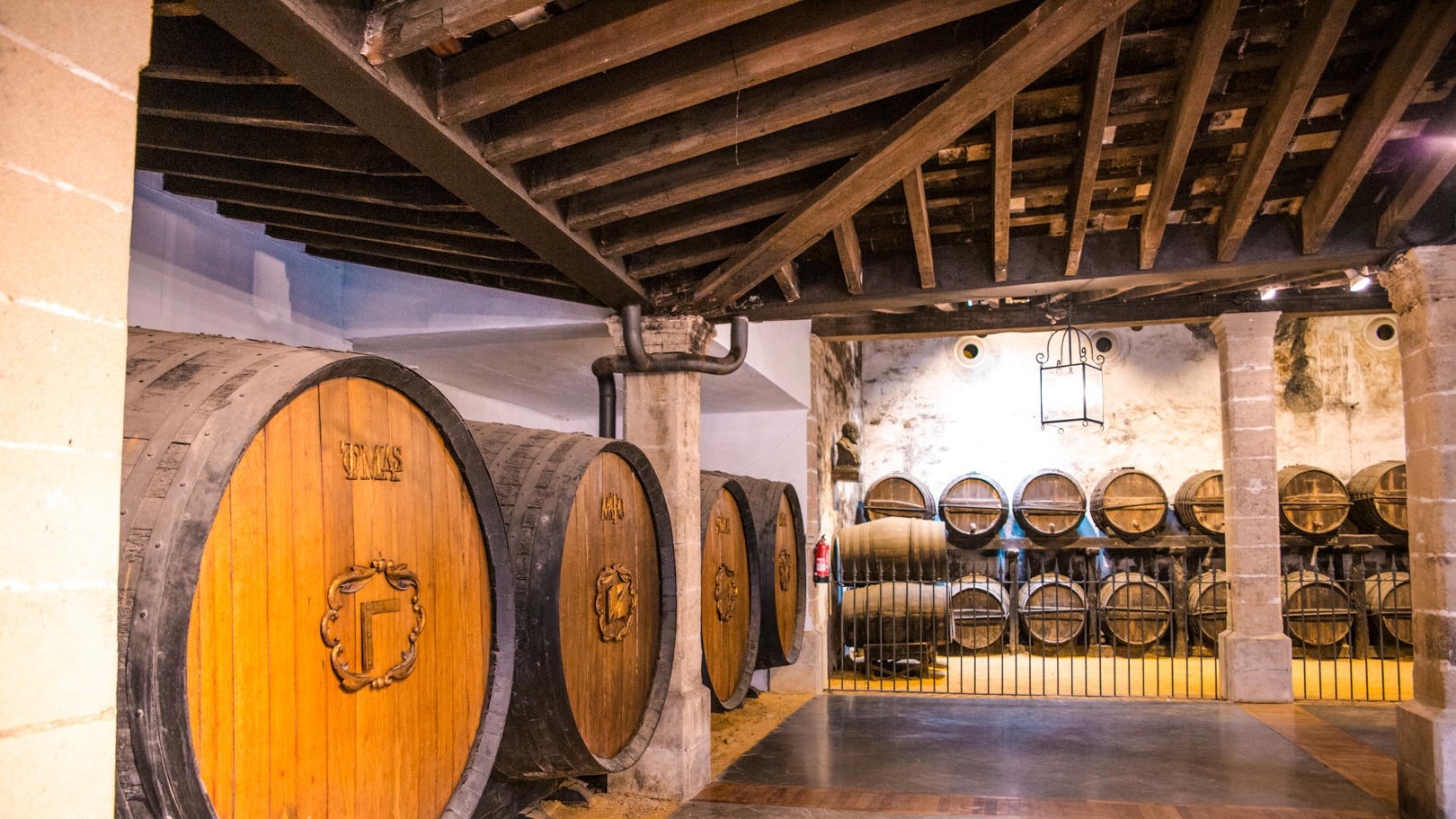
At a Glance
- Elegant
- Romantic
- Sophisticated
- Romantic Getaway
- Weekend Escape
- Anniversary
- Rooftop Pool
- Historic Building
- Design Destination
- Panoramic View
- Terrace
- Wi Fi
- Pool
- Restaurant
- Bar
- Fitness Center
- Room Service
- Concierge
- Air Conditioning
- Skyline
- Street Scene
- Wi Fi
- Pool
- Restaurant
- Bar
- Fitness Center
- Room Service
- Concierge
- Air Conditioning
Contemporary elegance blended with Andalusian tradition, featuring warm natural materials, artistic details, and refined lighting throughout; rooftop bar offers sophisticated sunset ambiance with panoramic city views.