
Michelin Bib Gourmand
Our verdict
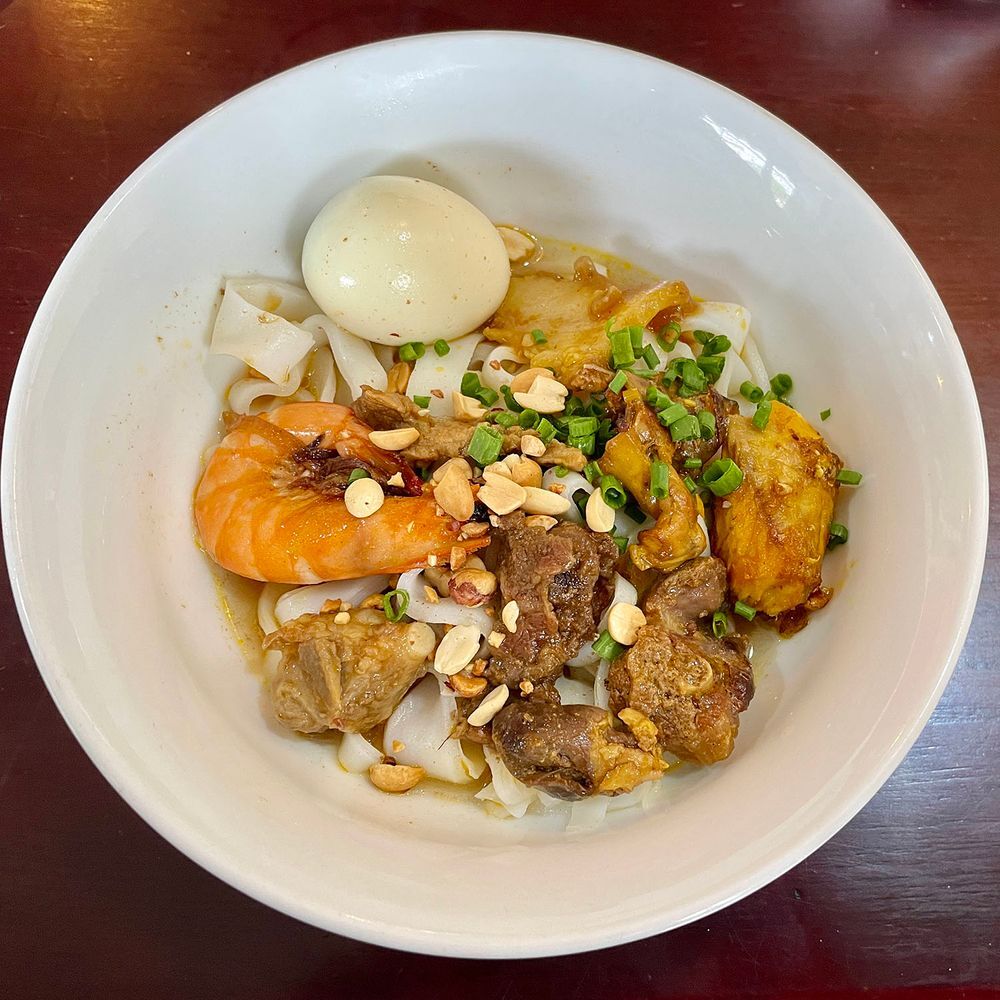
Quê Xưa (Hòa Cường) is a Da Nang local-food address built around two central-city staples: Mỳ Quảng and Bánh Thịt Heo. The room runs across two floors, with shared-table energy, straw chandeliers, local-style paintings, and a menu that makes the case for central Vietnamese cooking through rice noodles, pork, herbs, fermented anchovy, and fruit-led dipping sauce.

Pearl is the En Primeur Club membership app, where members save venues, book tables and use the concierge.
The menu
What to order
- Mỳ Quảng
- Bánh thịt heo (boiled pork rice-paper rolls)
Walk into Quê Xưa (Hòa Cường) and the first read is not polish but the rhythm of a busy Da Nang dining room. The space feels practical rather than staged, with a local address’s expectation of quick decisions, close tables, and a meal built around repetition rather than ceremony. In Da Nang, that matters. The strongest everyday meals often rest on familiarity, balance, seasoning, and the muscle memory of dishes eaten with friends, family, and regulars who know exactly what they like.
The menu’s discipline is the point. Instead of treating the meal as a broad checklist, Quê Xưa (Hòa Cường) works best when approached as a focused local stop with a narrow, confident identity. That separates it from more international, hotel-led, or view-driven dining rooms elsewhere in the city, where setting can carry as much weight as the plate. Here, the argument is simpler: come for a grounded Da Nang meal, read the room, and let the venue’s Bib Gourmand recognition frame expectations without turning it into a luxury occasion.
A focused Da Nang meal built on balance and repetition
Quê Xưa (Hòa Cường) is best understood as part of Da Nang’s local eating culture rather than as a polished destination built around ceremony. The appeal is in the way the meal encourages attention to texture, seasoning, and the interaction between components. Instead of a long, encyclopedic menu narrative, the experience rewards diners who are willing to slow down and notice how a focused kitchen expresses its point of view.
That kind of meal works differently from a tasting-menu performance or a resort restaurant. It asks the diner to participate: compare bites, adjust seasoning, share plates if the table wants to, and pay attention to how balance is built. The details are not luxury signals; they are the everyday grammar of eating well in Da Nang. The best way to approach Quê Xưa (Hòa Cường) is therefore not to over-order blindly, but to let the house’s core strengths set the pace.
Freshness and handling matter in a place like this, even when the ingredients are not presented as prestige objects. A simple plate can fail if its components are tired, poorly handled, or flattened for broad appeal. Da Nang’s everyday dining authority often comes less from expensive ingredients than from confident preparation, local preference, and steady turnover. Quê Xưa (Hòa Cường) uses that logic plainly, placing it closer to everyday food culture than to the international dining circuit mapped in our full Da Nang restaurants guide.
Where Quê Xưa fits in Da Nang's local-food circuit
Da Nang rewards eaters who stop treating the city’s food as a single category and read it meal by meal. The compact local circuit includes rice-dish addresses such as Cơm Gà Lan, noodle rooms including Bún Bò Bà Rơi and Bún Bò Bà Rơi (Hai Chau), and other unnamed local specialists across the city. Against that field, Quê Xưa (Hòa Cường) does not need to cover every possible craving. It narrows the frame and gives travelers one clear way to understand a grounded Da Nang meal.
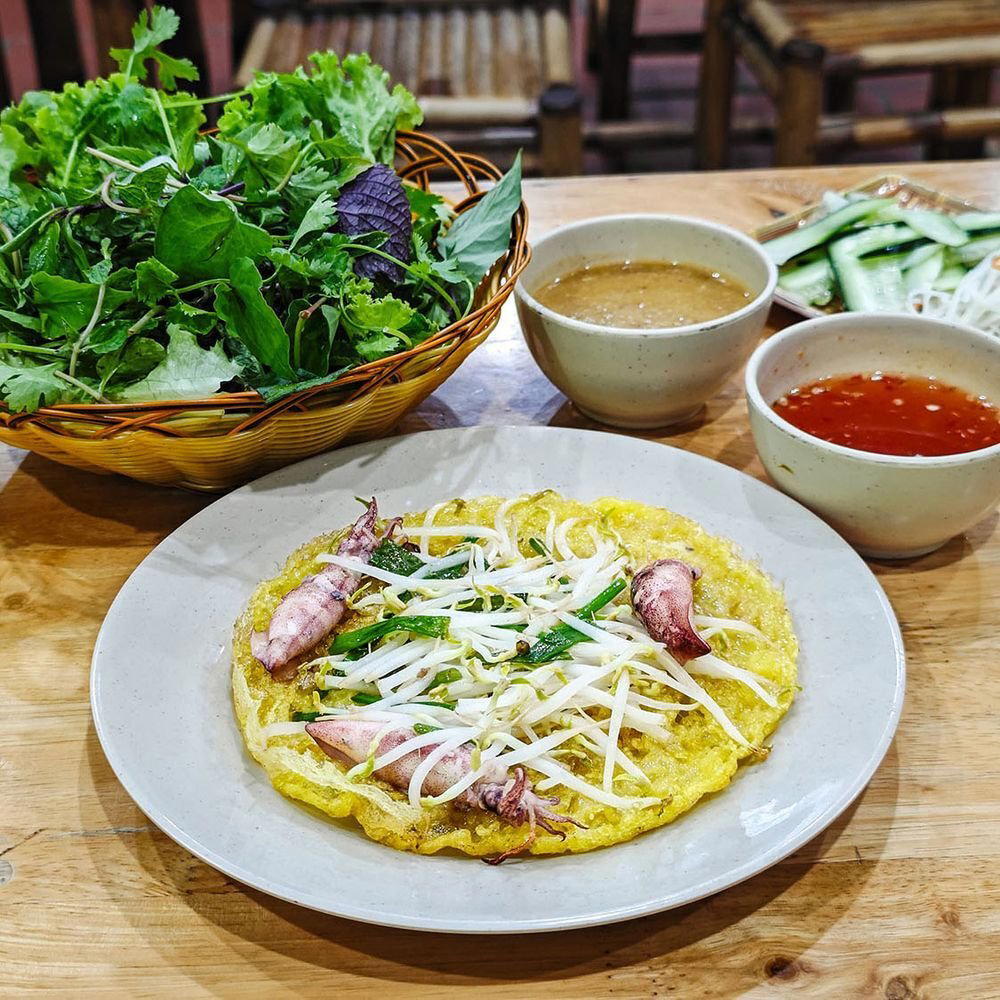
That comparison helps travelers build a serious Da Nang eating day. Bún Bò Bà Rơi points diners toward one local lane, while Bánh Xèo Tôm Nhảy Cô Ba sits in another. Quê Xưa (Hòa Cường) asks for a different appetite: less checklist dining, more attention to how a focused room expresses its point of view. The appeal is not a hushed reservation narrative. It is a local spot where popularity shows in the pace of the room and the confidence of the format.
For a wider Vietnam itinerary, the distinction is useful. A meal here says something different from unnamed heritage addresses, northern urban specialists, city restaurants, coastal resort dining, or hotel-led dining rooms elsewhere in Vietnam. Those places occupy other registers and can be rewarding on their own terms. Quê Xưa (Hòa Cường)’s value is narrower and more useful: it shows how a Da Nang dining room can carry a meal through focus, repetition, and local confidence rather than imported luxury cues.
How to read the room before ordering
Treat the format as a short study in balance rather than as a place to chase every possible dish type. If table size allows, order in a way that lets the group compare the kitchen’s core strengths instead of defaulting to a single safe plate. The point is to understand how the room works: what regulars seem to favor, how quickly dishes move, and how the meal builds from simple components into a satisfying whole.
Families may find the format approachable if a lively room suits the group. As with many focused local restaurants, cautious eaters should ask questions before ordering, especially if they are sensitive to strong seasonings or other common components that can appear in everyday dining.
Da Nang is often sold through beaches, hotels, and riverfront bars, but its food logic is easier to understand in rooms like this. Use our full Da Nang hotels guide, full Da Nang bars guide, full Da Nang wineries guide, and full Da Nang experiences guide to build the broader trip, but keep one meal for a focused local dining room rather than another international setting. The lesson travels across dining styles: narrow menus often teach more than broad ones because they force attention onto seasoning, handling, repetition, and the habits of regular diners.
Frequently asked questions
What's Quê Xưa (Hòa Cường) known for in terms of accolades?
Quê Xưa (Hòa Cường) is recognized by the MICHELIN Guide with a Bib Gourmand distinction.
Where is Quê Xưa (Hòa Cường) located?
Da Nang.
How far ahead should I plan for Quê Xưa (Hòa Cường)?
Plan ahead for Quê Xưa (Hòa Cường) in Da Nang and confirm current policy via the venue's official channels.
What makes Quê Xưa (Hòa Cường) worth seeking out?
Quê Xưa (Hòa Cường) is best approached as a focused Da Nang dining room with MICHELIN Bib Gourmand recognition.
Is Quê Xưa (Hòa Cường) allergy-friendly?
Dietary accommodations can vary. Flag restrictions in advance via the venue's official channels.
In Context: Similar Options
Comparable venues by cuisine and price in the same metro.
| Venue | Cuisine | Price | Awards | Notes |
|---|---|---|---|---|
| Quê Xưa (Hòa Cường)This venue (the venue you are viewing) | Traditional Da Nang mì Quảng & boiled pork rolls | $1–10 | Michelin Bib Gourmand | Not listed |
| Dì Hoa (Hòa Cường) | Traditional Da Nang Rice Paper Snacks | $1–10 | Michelin Plate | Not listed |
| Bún Bò Bà Rơi (Hai Chau) | Huế-Style Bún Bò | $1–10 | Michelin Bib Gourmand | Noodles, ₫ |
| Bánh Xèo Tôm Nhảy Cô Ba | Central Vietnamese Bánh Xèo | $1–10 | Michelin Bib Gourmand | Vietnamese, ₫ |
| Bún Bò Bà Rơi | Huế-Style Bún Bò | $1–10 | Michelin Bib Gourmand | Not listed |
| Cơm Gà Lan | Da Nang Chicken Rice | $1–10 | Michelin Plate | Rice Dishes, ₫ |
Recognition history
Dated appearances from independent guides and award organizations, with the underlying list record or original source where available.
Michelin Bib Gourmand
Michelin
Continue exploring
More in Da Nang
Restaurants in Da Nang
All restaurants in Da Nang →
Bars in Da Nang
All bars in Da Nang →
Details
- Lively
- Classic
- Cozy
- Rustic
- Casual Hangout
- Group Dining
- Solo
- Family
- Standalone
- A La Carte
- Family Style
- Pescatarian Friendly
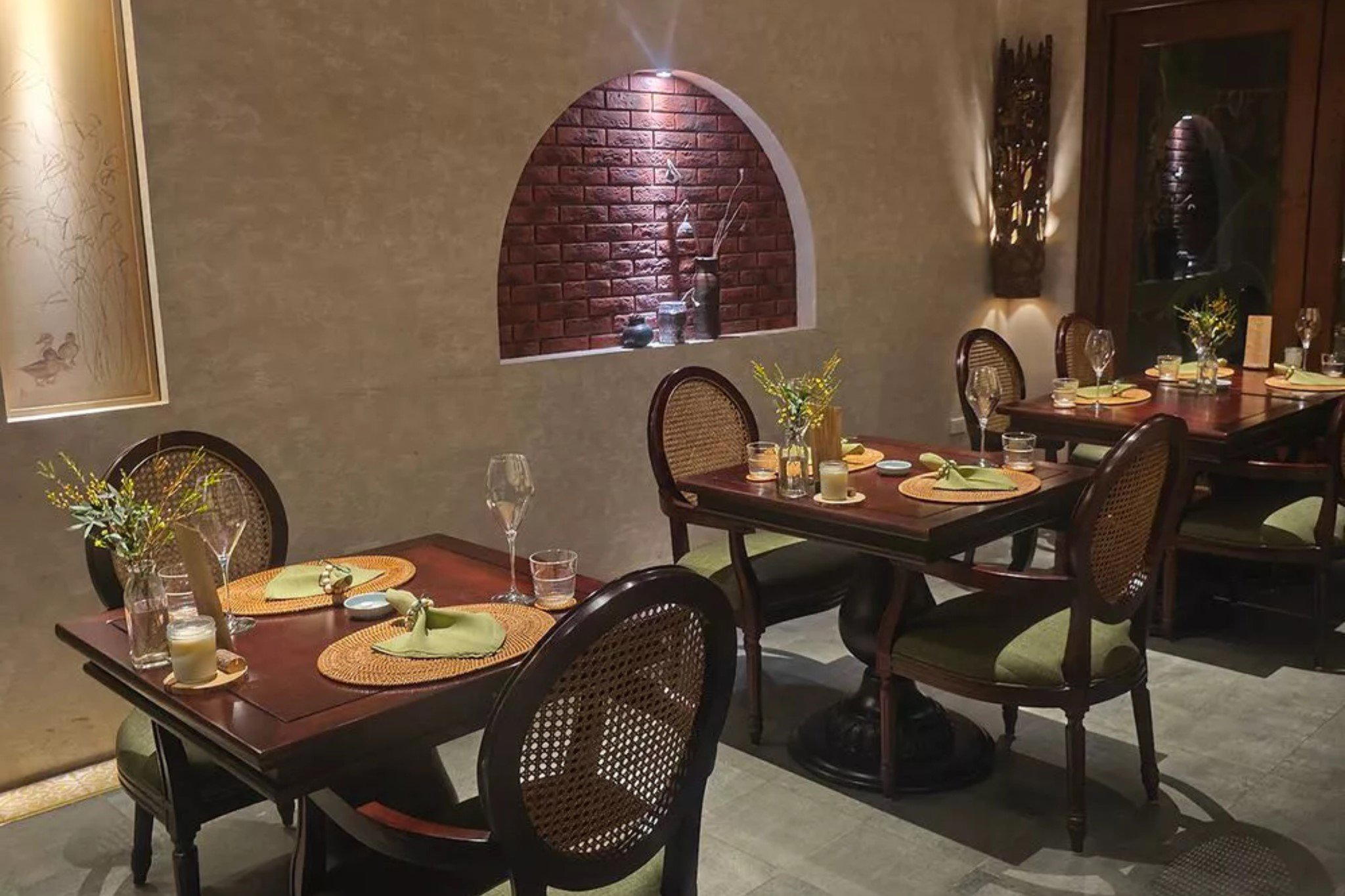
Spread across two bustling floors with shared tables, straw chandeliers, and local-style paintings, the atmosphere is that of a lively, casual neighborhood eatery rather than a formal restaurant.